
Can Dental Bridges Replace Multiple Missing Teeth?
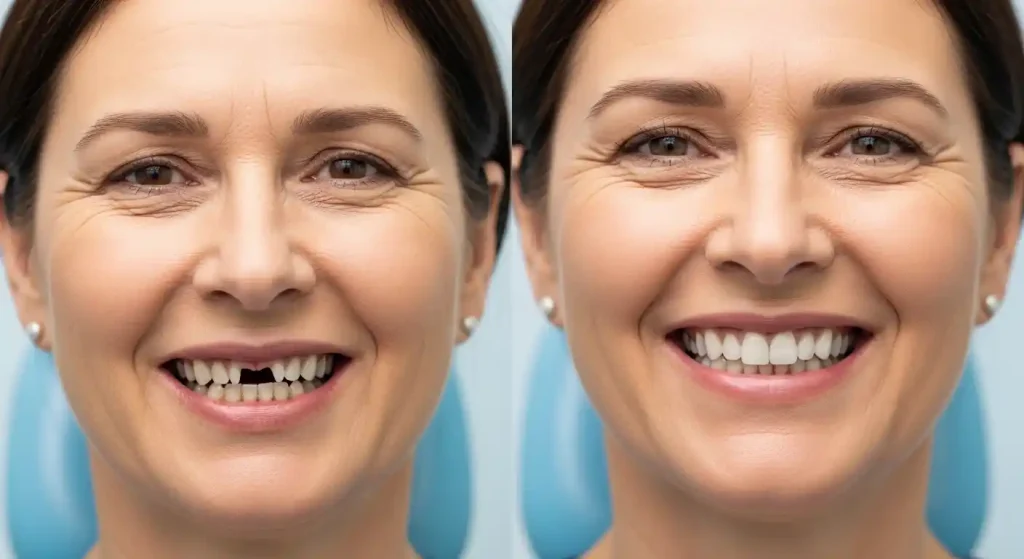
Dental bridges can replace multiple missing teeth, typically 2 to 4 teeth in a row, depending on the strength of the supporting teeth or the use of dental implants. They work best when the missing teeth are consecutive and there are healthy teeth or implants on either side to support the bridge. If you have several missing teeth in San Tan Valley, AZ, a dental bridge can restore your smile, improve chewing, and maintain proper alignment. However, the number of teeth a bridge can replace is not unlimited, and larger gaps may require implant-supported solutions for better stability and long-term success. Why Replacing Multiple Missing Teeth Matters Losing one tooth is noticeable, but losing multiple teeth can seriously affect your daily life. First, it becomes harder to chew food properly. You may start avoiding certain foods, chewing on one side, or swallowing larger pieces. This can affect your digestion and overall health over time. Your speech can also change. Missing teeth especially in the front can make it harder to pronounce certain words clearly, which can impact your confidence in conversations. Another important issue is bone loss. When a tooth is missing, the jawbone in that area starts to shrink because it is no longer being used. Over time, this can change your face shape and make future dental treatments more difficult. Finally, missing teeth can affect how you feel about yourself. Many people feel shy about smiling or speaking in public. Replacing missing teeth helps restore not just your smile, but also your confidence. In short, replacing multiple missing teeth is not just about looks, it’s important for your health and quality of life. What Is a Dental Bridge? A dental bridge is a fixed prosthetic device that literally “bridges” the gap created by one or more missing teeth. Unlike dentures, which can be removed, a bridge is permanently cemented into place and functions much like natural teeth. Basic Structure: Pontics and Abutments Every dental bridge consists of two key components. The pontic is the artificial tooth (or teeth) that fills the gap where natural teeth are missing. The abutment teeth are the anchor points on either side of the gap; these are the teeth (or implants) that the bridge attaches to and relies on for support. The pontic sits between two crowns that are placed over the abutment teeth. Together, the crowns and pontics form a single connected unit that is cemented permanently into the mouth. How It Restores Missing Teeth Once placed, a dental bridge restores the appearance, function, and alignment of your smile. It fills the visible gap, supports the surrounding teeth so they don’t drift out of position, distributes bite pressure more evenly, and allows you to chew and speak normally. Modern bridges especially those made from porcelain or zirconia are virtually indistinguishable from natural teeth. When Dentists Recommend Bridges Dentists typically recommend bridges when a patient has one or more consecutive missing teeth, when the adjacent teeth are healthy and strong enough to serve as abutments, and when the patient wants a fixed (non-removable) solution that doesn’t require surgery. They may also recommend implant-supported bridges when natural abutment teeth aren’t available or when the gap is larger. How Dental Bridges Replace Multiple Missing Teeth When multiple teeth are missing in a row, a dental bridge spans the entire gap using a longer pontic section. Instead of a single artificial tooth between two crowns, the bridge may contain two, three, or even four pontics connected together in one continuous unit. The bridge is anchored on both ends to either natural teeth or dental implants. These anchor points bear the full load of the bridge, distributing bite forces across the structure. The more teeth a bridge needs to replace, the more critical the strength and health of those anchor points become. For adjacent missing teeth those that are all in a consecutive row this approach works very well. The bridge follows the natural curve of the jaw, sits flush against the gumline, and provides a stable, realistic-looking replacement for the missing section of teeth. How Many Teeth Can a Dental Bridge Replace? This is the question most patients want answered directly, and the honest answer is: it depends but there are clear guidelines. Typical Range: 2 to 4 Teeth The most common and clinically reliable range for a traditional dental bridge is replacing 2 to 4 consecutive missing teeth. A 3-unit bridge (two crowns with one pontic in the middle) is the most common. A 4- or 5-unit bridge (replacing 2 to 3 consecutive teeth) is also routine in general dental practice. Maximum Span: Case-Dependent In some cases, bridges spanning more than 4 missing teeth have been placed successfully but these are less common and carry higher risk. A very long bridge requires exceptional support from the abutment teeth and is more susceptible to stress fractures, flexing under bite pressure, and long-term failure. For gaps this large, most dentists will recommend implant-supported bridges rather than relying solely on natural teeth. What Limits the Number of Teeth a Bridge Can Replace Three main factors determine the upper limit for any individual patient: Strength of the abutment teeth. The anchor teeth carry all the weight of the bridge. If those teeth have existing damage, large fillings, root canal history, or signs of gum disease, they may not be strong enough to support a multi-tooth bridge for the long term. Location in the mouth. Back teeth (molars and premolars) experience significantly more bite force than front teeth. A bridge replacing multiple back teeth must withstand far greater pressure, which limits how far the span can extend without risk of failure. Bite pressure and jaw alignment. Patients who grind their teeth (bruxism) or have misaligned bites place disproportionate stress on their restorations. For these patients, the safe maximum span for a bridge may be shorter, or additional protective measures like night guards may be required. Limitations of Dental Bridges for Multiple Missing Teeth Being honest about what bridges can’t