
Dentures in San Tan Valley, AZ
San Tan Valley (480) 457-1977
Gilbert (480) 963-9900
Mesa (480) 830-3344

Replace Missing Teeth With a Denture Designed for Your Needs
The right tooth-replacement approach depends on how many teeth are missing, where those spaces are located, the health of your remaining teeth and gums, and how your upper and lower jaws come together.
If you still have healthy natural teeth, a partial denture may fill the spaces between them. If an entire upper or lower arch is missing teeth, a full denture may be more appropriate. Your dentist can evaluate your mouth and explain which denture options make sense for your individual situation.
Rather than simply filling an empty space, a properly planned denture is intended to restore missing teeth while accounting for your bite, oral tissues, appearance, and day-to-day needs.
Types of Dentures for Replacing Missing Teeth
Dentures are not one-size-fits-all appliances. Different types of dentures are used depending on the number of missing teeth, the condition of remaining teeth, and the treatment plan.
Full Dentures
Full dentures, also called complete dentures, replace all of the teeth in the upper jaw, lower jaw, or both. They rest on the gums and are shaped to work with the contours of your mouth.
A full denture may be considered when an entire arch of natural teeth has already been lost or when remaining teeth cannot predictably be maintained. The fit, bite, tooth position, and appearance are planned around the individual patient.
Partial Dentures
Partial dentures replace several missing teeth while allowing healthy natural teeth to remain in place. Replacement teeth are incorporated into a removable appliance that uses the remaining teeth and oral structures for support.
A removable partial denture can be useful when tooth loss occurs in several areas of the mouth and replacing the entire dental arch is unnecessary.
Immediate Dentures
When remaining teeth need to be extracted, an immediate denture may sometimes be planned for placement around the time those teeth are removed. Because the gums and jawbone change as extraction sites heal, the fit of an immediate denture may also change during recovery.
Your dentist can determine whether an immediate or conventional approach is more appropriate based on your oral health and treatment needs.
Why Choose Ocotillo Trails Family Dentistry for Dentures?
Choosing a dentist for dentures involves more than finding someone who can make a removable appliance. Ongoing evaluation of your oral health, remaining teeth, bite, and denture fit also matters.
Detailed Dental Evaluation
Dentures need to work with the rest of your mouth. Our dentists evaluate your gums, remaining teeth, bite, and other relevant oral structures before recommending treatment.
Digital Diagnostic Technology
Ocotillo Trails Family Dentistry uses digital X-rays and intraoral cameras when appropriate to help evaluate oral conditions and explain findings to patients.
Care Beyond the Initial Fitting
Your mouth can change after dentures are placed. Follow-up dental care provides an opportunity to evaluate sore areas, changes in fit, remaining natural teeth, and the health of your gums and other oral tissues.
Trusted by San Tan Valley Patients
Ocotillo Trails Family Dentistry has earned more than 500 five-star patient reviews and provides family-focused dental care in San Tan Valley.
Getting Comfortable With New Dentures
Even a carefully fitted denture can feel unfamiliar when you first begin wearing it. Your tongue, cheeks, lips, and chewing muscles need time to learn how to work with the new appliance.
Starting with softer foods and smaller bites can make the transition easier. Chewing slowly and using both sides of the mouth may also improve stability while you adapt.
Speaking may feel different at first as well. Practicing conversation or reading aloud can help your tongue adjust to the position of the replacement teeth.
Some temporary soreness can occur during the adjustment period. However, persistent rubbing, painful pressure points, repeated slipping, or difficulty wearing the denture should be evaluated rather than accepted as normal. Adjustments may be needed to improve the fit.
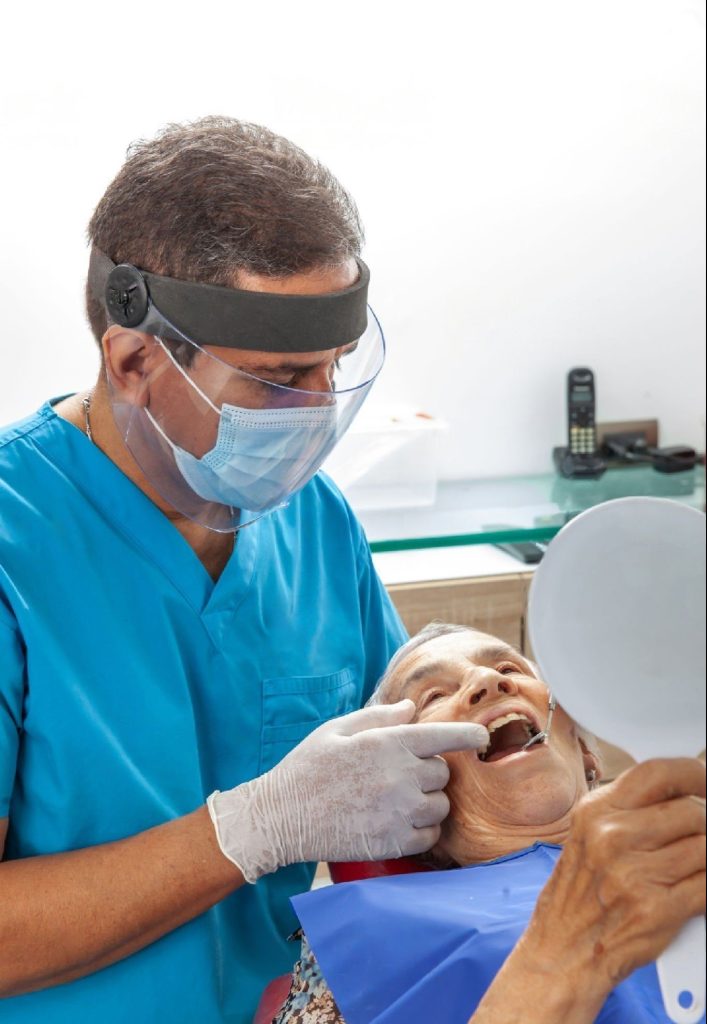
Our Denture Process
Getting dentures involves more than simply choosing replacement teeth. The fit and bite need to be planned carefully so the finished appliance works with your mouth.
1. Evaluate Your Teeth, Gums, and Bite
Your dentist begins by examining your mouth, including any remaining natural teeth, your gums, and the way your jaws come together. Diagnostic information may also be used when needed to evaluate structures that cannot be assessed through a visual examination alone.
2. Take Impressions and Measurements
Impressions and measurements are taken to capture the shape of your mouth and the relationship between your upper and lower jaws. These records provide important information for planning the denture base, bite, and replacement teeth.
3. Plan the Fit and Appearance
The position, size, shape, and shade of the replacement teeth are considered along with how the denture will fit your mouth. For partial dentures, the remaining natural teeth are also considered when planning support and retention.
4. Complete a Try-In When Appropriate
A trial version may be used before the final denture is completed. This provides an opportunity to evaluate factors such as tooth position, appearance, bite, and overall fit and make changes when needed.
5. Place and Check Your New Denture
Once the denture is completed, your dentist evaluates how it sits in your mouth and checks your bite. You will also receive guidance for inserting, removing, and beginning to use the appliance.
6. Make Follow-Up Adjustments
A new denture may create pressure in areas that were not obvious during the initial fitting. Follow-up adjustments can help address sore spots or areas where the appliance feels uneven as your mouth adapts.
Caring for Your Dentures After Treatment
Daily cleaning and ongoing oral care are important for both the denture and the tissues underneath it. Dentures should also be examined if they begin to feel loose, damaged, or uncomfortable.
Because denture cleaning and maintenance have their own specific requirements, we cover those topics separately in our Denture Care guide.
Regular dental visits remain important even if you wear full dentures because your dentist can continue to evaluate your gums, oral tissues, bite, and the fit and condition of the appliance.
Dentures vs. Other Tooth-Replacement Options
Dentures are one way to replace missing teeth, but they are not the only option.
Traditional full and partial dentures are removable. Depending on the number and location of missing teeth, some patients may also be candidates for a dental bridge or implant-based tooth replacement.
Dental implants can also be used in certain treatment plans to provide additional support for a denture or to replace missing teeth in other ways. Implant treatment involves different requirements and procedures, so candidacy needs to be evaluated separately.
Your dentist can help you compare the advantages, limitations, maintenance needs, and treatment requirements of the options that apply to your mouth rather than choosing based on one feature alone.
Looking for Dentures in San Tan Valley?
If missing teeth are making it harder to eat, speak, or feel comfortable with your smile, you do not have to decide on a replacement option by yourself. Ocotillo Trails Family Dentistry can evaluate your remaining teeth, gums, bite, and treatment needs and explain whether full dentures, partial dentures, or another approach may be appropriate.
Kind Words From Our Patients
“My new dentures feel much more comfortable than I expected. The dentist explained the fit, daily care, and adjustment period clearly, which made the process easier.”
“I had several questions about getting dentures, and the team took time to answer them all. The consultation felt thorough, patient, and easy to understand.”
“The denture process was explained step by step, including what to expect after placement. I appreciated the careful attention to comfort, fit, and everyday use.”
Frequently Asked Question (FAQs)
How much do dentures cost?
The cost of dentures varies based on whether you need full or partial dentures, the appliance design, and any preparatory dental care. After examining your mouth, your dentist can recommend an option and provide a more accurate estimate. Ocotillo Trails Family Dentistry can also review available payment options with you.
What is the difference between full and partial dentures?
Full dentures replace all teeth in the upper jaw, lower jaw, or both. Partial dentures are used when some natural teeth remain and replacement teeth are needed to fill missing spaces. Your dentist can determine which type fits your oral health, bite, and number of missing teeth.
How long do dentures last?
Dentures can serve patients for years, but their fit can change over time. Normal wear and changes in the gums and jawbone may eventually affect comfort and stability. Regular dental visits help identify when adjustment, relining, repair, or replacement should be considered.
Do new dentures hurt or feel uncomfortable?
New dentures can feel bulky or unfamiliar at first, and temporary sore spots may occur while your mouth adjusts. Persistent pain, rubbing, or sores should be checked rather than ignored. Your dentist can evaluate the fit and make adjustments when appropriate.
How long does it take to get used to dentures?
The adjustment period varies from person to person. Eating and speaking can feel different at first, but practice and a proper fit usually make these activities easier over time. Follow-up visits are helpful if discomfort or instability continues.
Can I eat normally with dentures?
Many people can return to a varied diet after adjusting to dentures. It often helps to begin with softer foods, cut food into smaller pieces, and chew slowly on both sides. Very hard or sticky foods may remain more difficult for some denture wearers.
Does dental insurance cover dentures?Does dental insurance cover dentures?
Some dental insurance plans provide benefits for dentures, but coverage, waiting periods, frequency limits, and out-of-pocket costs vary. Review your policy or ask the dental office to help you understand your benefits before treatment.
Can I get dentures after having teeth removed?
Dentures may be part of a treatment plan after tooth extraction. In some cases, an immediate denture may be prepared for placement around the time teeth are removed, while other cases require healing before the final denture is made. Your dentist can recommend appropriate timing.
Neighborhoods We Serve
Ocotillo Trails Family Dentistry is proud to welcome patients from San Tan Valley and the surrounding communities, including:
Driving Directions to Our San Tan Valley Dental Office
Visiting our office for dentures? Ocotillo Trails Family Dentistry is at 40815 N Ironwood Rd #102, San Tan Valley, AZ 85140. Take N Ironwood Road toward E Ocotillo Road, enter the property, and continue to Suite 102.