Dry Mouth: Causes, Symptoms & Relief
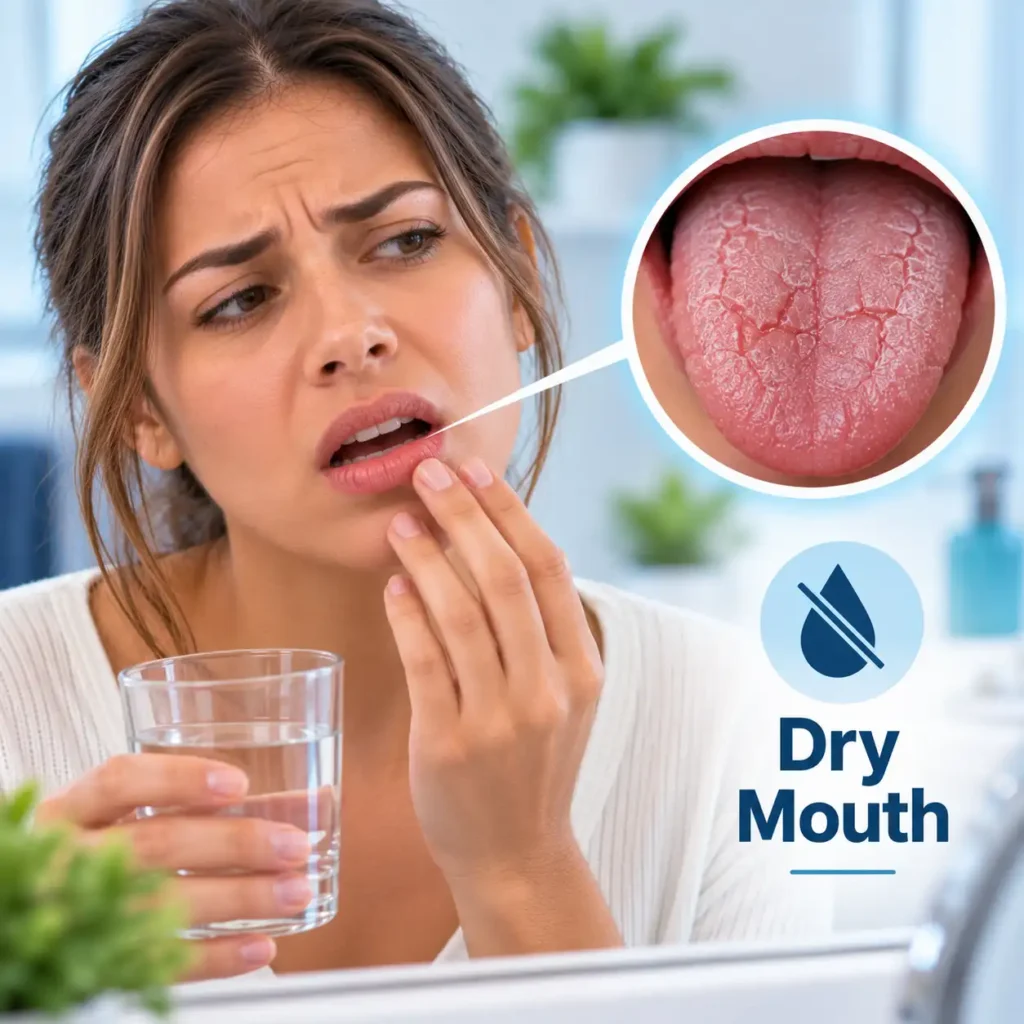
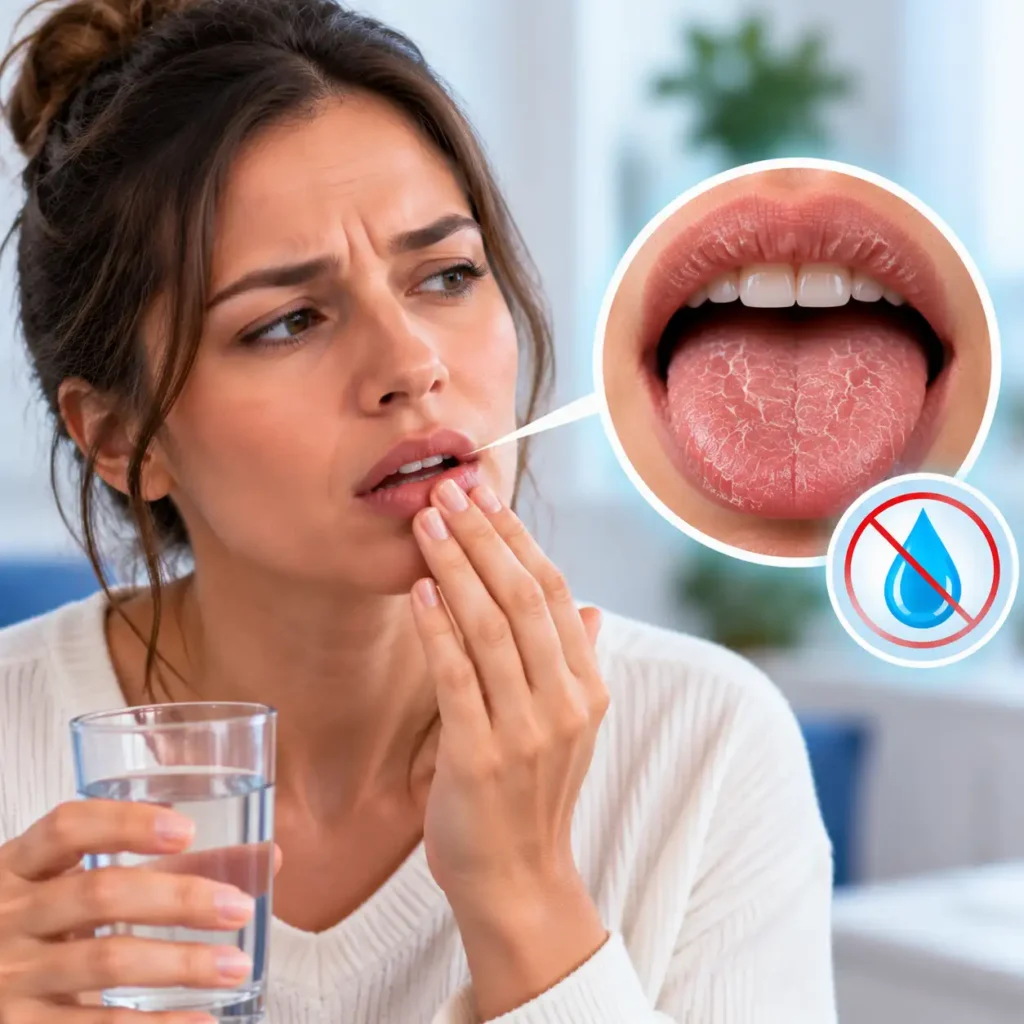
Dry mouth also called xerostomia, or sometimes "cotton mouth" happens when your salivary glands don't produce enough saliva to keep your mouth properly moist. Occasional dry mouth is normal, but when it's persistent, it can affect your comfort, your ability to taste and chew, and your teeth. Ocotillo Trails Family Dentistry helps patients in San Tan Valley, Gilbert, and Mesa identify what's causing their dry mouth and find real relief.
San Tan Valley (480) 457-1977
Gilbert (480) 963-9900
Mesa (480) 830-3344
Medications That Can Cause Dry Mouth
Medication side effects are the single most common cause of dry mouth, and hundreds of prescription and over-the-counter medications list it as a possible effect. Categories most often linked to dry mouth include:
- Antihistamines and decongestants
- Antidepressants and anti-anxiety medications
- Certain blood pressure medications
- Pain relievers
- Medications for overactive bladder or urinary conditions
- Parkinson’s disease medications
Important: If you suspect a medication is causing your dry mouth, don’t stop taking it on your own. Talk to your doctor first. They may be able to adjust your dose or switch you to an alternative. If you take a medication known to cause dry mouth, taking it earlier in the day rather than at night can also help reduce nighttime symptoms.
Other Causes of Dry Mouth
Health Conditions and Treatment
- Aging: Dry mouth becomes more common with age, partly due to medication use and other health changes
- Cancer treatment: Chemotherapy and radiation to the head or neck can reduce saliva production, sometimes temporarily and sometimes long-term
- Underlying health conditions: Including diabetes, Sjögren’s syndrome, stroke, and Alzheimer’s disease
- Nerve damage: From injury or surgery in the head or neck
Breathing and Lifestyle Factors
- Mouth breathing or snoring, especially at night
- Tobacco and alcohol use
Symptoms of Dry Mouth
- A sticky or dry feeling in the mouth
- Saliva that seems thick or stringy
- Bad breath
- Difficulty chewing, speaking, or swallowing
- A dry or sore throat, or hoarseness—sometimes felt more as a dry throat than dry mouth itself
- Cracked lips or sores at the corners of the mouth
- Changes in taste
- Trouble wearing dentures comfortably
Why Dry Mouth Is Often Worse at Night
What Happens If Left Untreated
Is There a “Miracle Cure” for Dry Mouth?
Treatment Depends on the Cause
Meaningful Relief Is Possible
What You Can Do at Home
1. Hydrate and Stimulate Saliva
- Sip water throughout the day and drink water with meals
- Chew sugar-free gum or suck on sugar-free candy, ideally containing xylitol, to stimulate saliva
2. Use Dry-Mouth Support
- Try an over-the-counter dry mouth rinse or saliva substitute
- Use a cool-mist humidifier at night
- Keep lip balm on hand for dry or cracked lips
3. Support Nasal Breathing
4. Avoid Things That Worsen Dryness
- Caffeine and alcohol
- Mouthwash that contains alcohol
- Tobacco products
- Over-the-counter antihistamines and decongestants when avoidable
- Sugary, acidic, spicy, or salty foods, which are harder on an already dry mouth and raise cavity risk
How It's Diagnosed
Dental Examination
Medical Follow-Up
How We Treat Dry Mouth
Related Reading
Medically Reviewed Information
Medically reviewed by Dr. Matthew Roper, DDS. Last updated September 23, 2026.
Dr. Roper is a licensed general dentist who earned his Doctorate of Dental Medicine from A.T. Still University in Mesa.
This information is for educational purposes and does not replace a professional diagnosis.
Frequently Asked Questions
Is dry mouth at night normal?
What is a cotton mouth?
Can dry mouth be cured?
What medications commonly cause dry mouth?
Can dry mouth damage my teeth?
Neighborhoods We Serve
Ocotillo Trails Family Dentistry is proud to welcome patients from San Tan Valley and the surrounding communities, including:
Driving Directions to Our San Tan Valley Dental Office
Visiting Ocotillo Trails Family Dentistry for dry mouth concerns? Our office is at 40815 N Ironwood Rd #102, San Tan Valley, AZ 85140. Travel on N Ironwood Road toward E Ocotillo Road, enter the property, and continue to Suite 102.