
Teeth Grinding (Bruxism): Causes, Symptoms & Treatment
Bruxism is the medical term for grinding, clenching, or gnashing your teeth, something many people do without even realizing it, especially during sleep. Occasional grinding usually isn't a problem, but frequent or severe bruxism can wear down teeth and lead to jaw pain and headaches. Ocotillo Trails Family Dentistry helps patients in San Tan Valley, Gilbert, and Mesa identify teeth grinding early and find the right approach to manage it.
San Tan Valley (480) 457-1977
Gilbert (480) 963-9900
Mesa (480) 830-3344
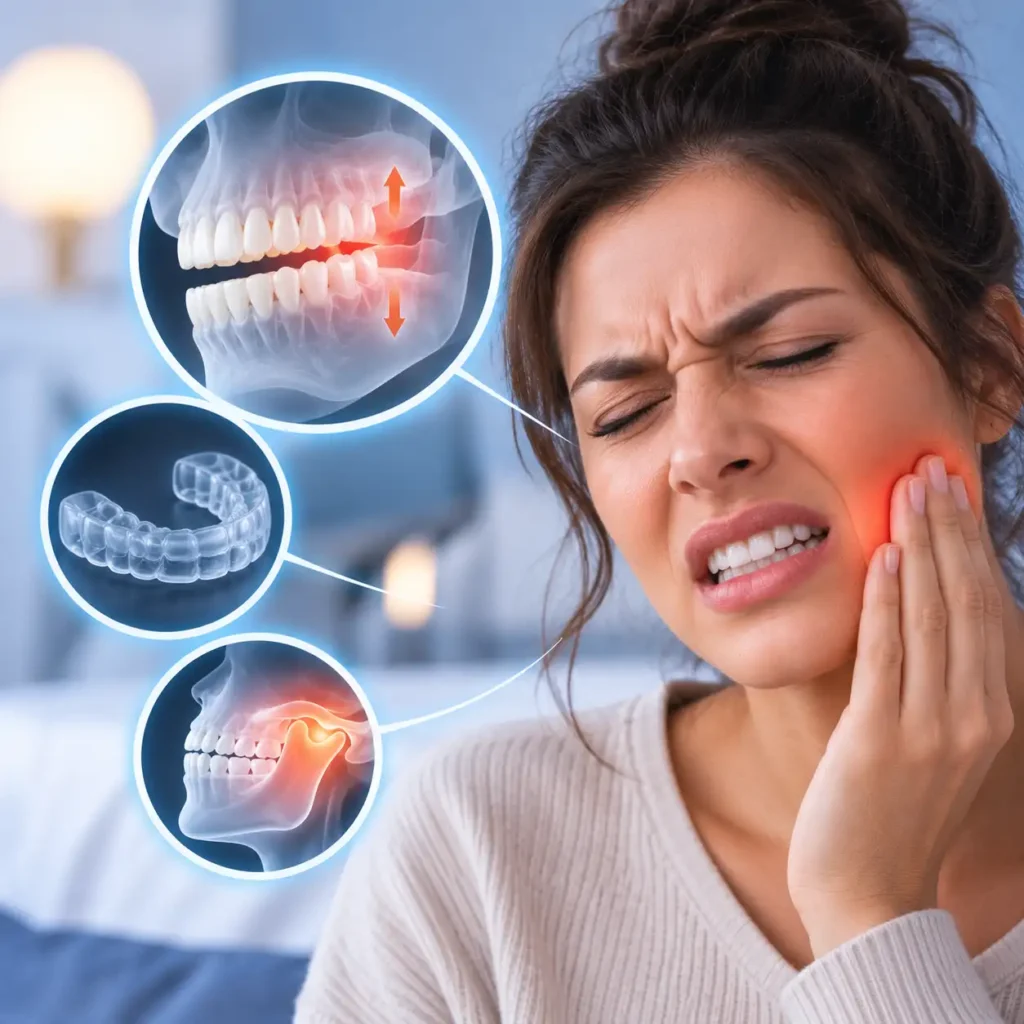
Awake Bruxism vs. Sleep Bruxism
These are treated as two separate patterns because they behave differently:
Awake bruxism usually happens during moments of stress, concentration, or tension—a clenched jaw while focused on a task, for example. Many people can reduce it by building awareness and managing stress.
Sleep bruxism happens without your awareness and tends to cause more wear over time because you can’t consciously stop it. It’s classified as a sleep-related movement disorder and is often what a dentist ends up treating.
Causes and Risk Factors
Stress, Sleep and Lifestyle
- Stress and anxiety: Among the most common contributors to jaw clenching and teeth grinding, whether awake or during sleep
- Sleep disorders: Particularly sleep apnea; the two conditions frequently occur together, though it’s not always clear which comes first
- Lifestyle factors: Smoking, alcohol, and heavy caffeine intake are associated with a higher likelihood of grinding
Medications, Family History and Health
- Certain medications: Including some antidepressants, particularly SSRIs, and ADHD medications, which can cause bruxism as a side effect
- Family history: Bruxism, especially sleep bruxism, tends to run in families
- Other conditions: Including Parkinson’s disease, GERD, and certain neurological conditions
Symptoms of Bruxism
- Grinding or clenching sounds loud enough that a sleep partner notices
- Flattened, chipped, fractured, or loose teeth
- Worn tooth enamel, sometimes exposing more sensitive inner layers
- Tooth pain or sensitivity
- A tired, tight, or sore jaw, or a jaw that pops, clicks, or has trouble opening fully
- Facial or neck pain
- Earache-like pain that isn’t actually an ear problem
- Dull headaches, especially near the temples, often noticed first thing in the morning
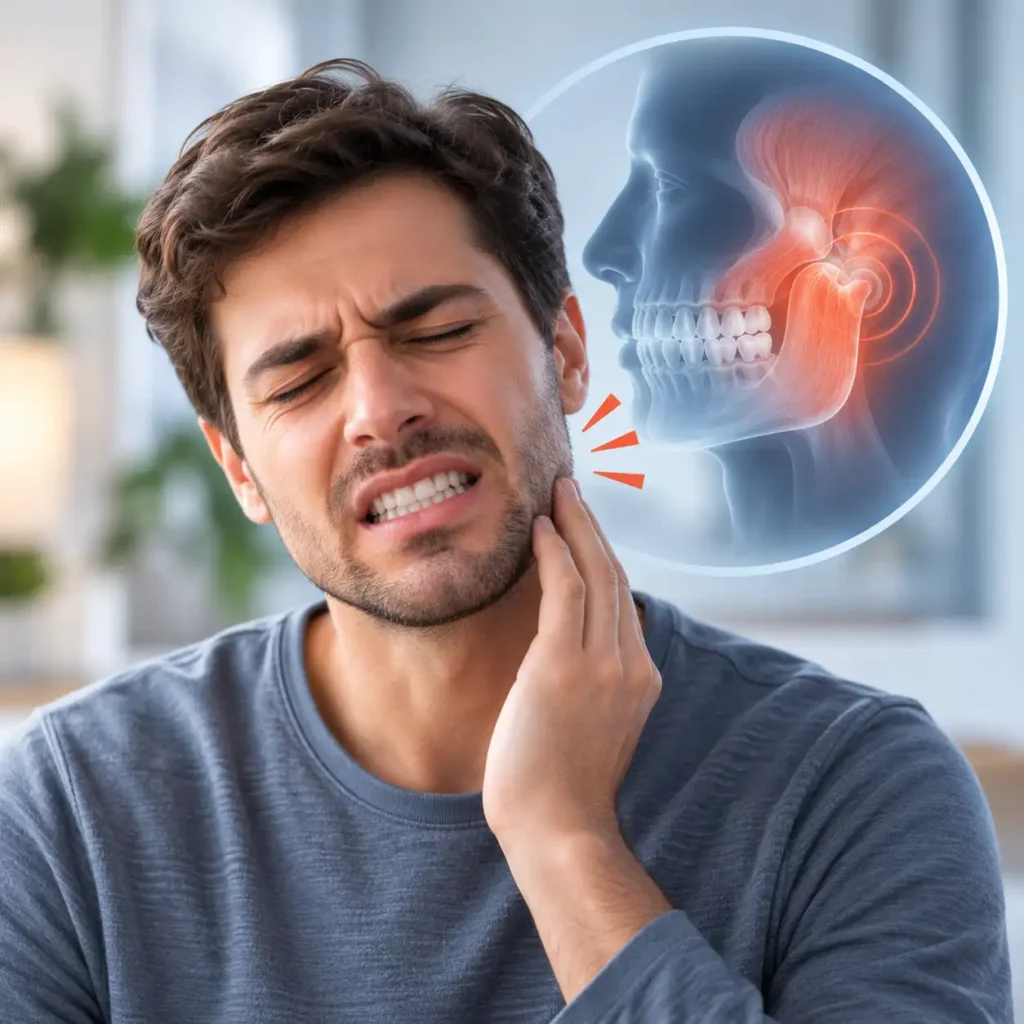
What Happens If Left Untreated
How It's Diagnosed
Mouth Guards (Night Guards): Custom vs. Over-the-Counter
Over-the-Counter Mouth Guards
Custom-Fitted Mouth Guards
What a Night Guard Does
What a Night Guard Doesn't Do
Other Treatment Approaches
1. Stress Management
2. Behavior Awareness
3. Address an Underlying Cause
4. Short-Term Muscle Relaxants
5. Botox for Severe Cases
What You Can Do at Home
Reduce Triggers and Support Sleep
- Practice stress-reduction techniques such as exercise, meditation, or a relaxing routine before bed
- Avoid caffeine and alcohol in the evening, since both can worsen grinding
- Avoid smoking
- Keep a consistent, healthy sleep routine
Notice and Monitor the Pattern
- Ask a sleep partner if they notice grinding or clicking sounds, and mention it at your next dental visit
- Keep up with regular dental checkups; this is genuinely the most reliable way bruxism gets caught early
How We Treat Teeth Grinding
Related Reading
Medically Reviewed Information
Medically reviewed by Dr. Matthew Roper, DDS. Last updated October 1, 2026.
Dr. Roper is a licensed general dentist who earned his Doctorate of Dental Medicine from A.T. Still University in Mesa.
This information is for educational purposes and does not replace a professional diagnosis.
Frequently Asked Questions
Is teeth grinding serious?
Can children outgrow teeth grinding?
Does stress really cause teeth grinding?
What's the difference between a custom and store-bought mouth guard?
Neighborhoods We Serve
Ocotillo Trails Family Dentistry is proud to welcome patients from San Tan Valley and the surrounding communities, including:
Driving Directions to Our San Tan Valley Dental Office
Coming to Ocotillo Trails Family Dentistry for tooth grinding or bruxism? Find us at 40815 N Ironwood Rd #102, San Tan Valley, AZ 85140. Take N Ironwood Road toward E Ocotillo Road and enter the property to reach Suite 102.