Nutrition and Oral Health
A balanced diet provides nutrients that help keep your teeth and gums healthy. Along with brushing, flossing, and regular dental visits, healthy eating habits support your overall oral health.
San Tan Valley (480) 457-1977
Gilbert (480) 963-9900
Mesa (480) 830-3344
How Does Nutrition Affect Your Oral Health?
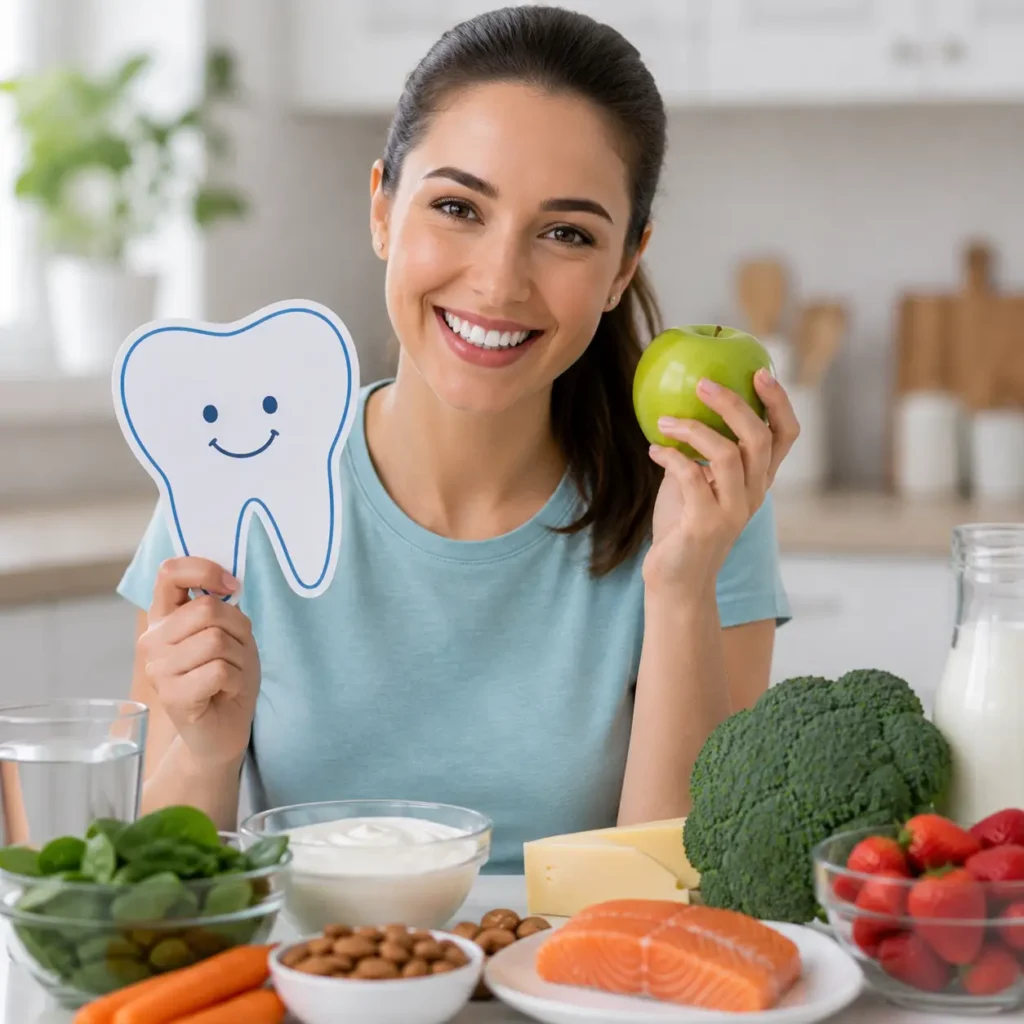
Your body needs nutrients to maintain healthy teeth, gums, and other mouth tissues. Your food choices also affect how often your teeth come into contact with sugars and acids.
The connection works both ways. Tooth pain, missing teeth, or uncomfortable dentures can make eating certain foods difficult. Tell us if mouth problems are limiting what you eat so we can check the cause.
Foods That Support Healthy Teeth and Gums
1. Calcium Rich Foods
Milk, plain yogurt, cheese, and calcium fortified alternatives can contribute to your calcium intake. Calcium supports healthy teeth and bones. When choosing milk alternatives, check the label for added calcium and sugar. Their nutrient content varies.
2. Fruits and Vegetables
Fruits and vegetables provide fiber, vitamins, and minerals. Choose a variety, and favor whole fruit over juice for everyday eating. Eating fruits and vegetables does not replace brushing your teeth. If chewing hurts, choose softer or cooked foods and let us check what is causing the pain.
3. Protein and Nutrient Rich Foods
Eggs, fish, poultry, beans, nuts, and seeds can form part of a balanced diet. Include whole grains and other nutritious foods that suit your health needs. If you follow a prescribed diet, continue the advice from your medical clinician or registered dietitian.
Nutrition and Cavity Prevention
Reducing frequent sugar exposure is one part of preventing cavities and tooth decay. Brush twice daily with fluoride toothpaste, clean between teeth daily, and keep regular dental visits. If cavities keep developing, we can review your eating habits, cleaning routine, and saliva levels. We may discuss additional fluoride protection based on your needs. Food cannot repair a cavity once a hole has formed. A change in diet supports prevention but does not replace treatment for an existing cavity.

Drinks That May Affect Your Teeth
Soda and Energy Drinks
Many sodas and energy drinks contain both sugar and acids. Sugary versions contribute to cavity risk, while acidic versions can contribute to enamel wear. Sugar free does not necessarily mean harmless to teeth. The drink may still contain acids.
Sports Drinks
Sports drinks often contain sugar and acids. Drinking them slowly over long periods increases contact with your teeth. For everyday hydration, plain water is usually the simpler choice. Follow individual medical or sports nutrition advice when you have specific needs.
Fruit Drinks and Juice
Fruit drinks often contain added sugar. Even 100% fruit juice contains sugars and acids that can affect teeth. If you drink juice, have it with a meal rather than sipping it throughout the day. Whole fruit is generally a better everyday choice.
Water
Plain water helps rinse away food and does not add sugar to your mouth. Water containing fluoride also helps protect teeth against cavities.
How Sugar Can Affect Your Teeth
Plaque is a sticky layer of bacteria that builds up on your teeth. These bacteria use sugars to produce acids that can damage your tooth enamel. Sugar is found in more than sweets. Sweetened drinks, flavored yogurt, cereals, sauces, honey, and syrups can also contribute.
The amount of sugar matters, but so does how often you have it. Sipping a sweet drink throughout the day repeatedly exposes your teeth to acids made by bacteria.
How Acidic Foods and Drinks Affect Tooth Enamel
Acids in foods and drinks can damage enamel directly. This is called dental erosion. It differs from tooth decay, where bacteria produce the acids that damage teeth. Frequent exposure to acidic drinks can contribute to enamel wear and sensitivity, even when the drinks contain no sugar.
You do not need to avoid nutritious foods such as citrus fruit or tomatoes. Have them with meals rather than eating small amounts throughout the day. After acidic foods or drinks, rinse with water and wait about an hour before brushing.
What Should You Eat for Better Oral Health?
Start with manageable changes that fit your routine:
- Choose plain water more often than sweetened drinks.
- Include vegetables, whole fruit, protein foods, and calcium sources.
- Compare labels for added sugar.
- Keep sweet foods and acidic drinks to mealtimes where possible.
These habits support nutrition and oral health without requiring a special “dental diet.” If pain or chewing difficulty limits your choices, let us know.
Nutrition and Your Teeth FAQs
What foods are generally better for healthy teeth?
Foods such as vegetables, cheese, yogurt, nuts, eggs, and other nutrient-rich choices can support teeth as part of a balanced diet. Foods that require chewing may also help stimulate saliva, which naturally washes the mouth and helps neutralize acids.
Is how often I eat sugar more important than how much I eat?
Frequency matters a lot. Every time you eat or drink something sugary, bacteria in the mouth can produce acids that affect tooth enamel. Constant snacking or sipping throughout the day can expose teeth to repeated acid attacks.
Are sticky snacks worse for teeth than other sweets?
They can be. Sticky foods may remain in the grooves of teeth longer than foods that clear from the mouth quickly. Dried fruit, chewy candy, and similar snacks can therefore create longer periods of contact between sugars and tooth surfaces.
Does drinking water with meals help protect my teeth?
It can help rinse away food particles and reduce the amount of sugar and acid left in the mouth after eating. Water also supports normal saliva production, which is especially useful in San Tan Valley’s dry climate.
Are sugar-free drinks always safe for teeth?
Not necessarily. Some sugar-free sodas, flavored waters, and energy drinks can still be acidic enough to contribute to enamel erosion. Checking for both sugar and acidity is more useful than looking only for a “sugar-free” label.
Which drinks are most likely to affect tooth enamel?
Soda, energy drinks, sports drinks, and some fruit drinks can be acidic and may also contain significant sugar. Limiting how often you sip them and choosing water more often can reduce repeated acid exposure.
Can diet affect my gums as well as my teeth?
Yes. A balanced diet provides nutrients that support gum tissue and overall oral health. Diet alone cannot prevent every gum problem, but poor nutrition can make it harder to maintain healthy tissues and recover from irritation.
Kind words from our patients
“The dentist explained how everyday food choices can affect my teeth and gums. I appreciated the simple nutrition tips and how easy they were to follow.”
“I learned which foods may support stronger teeth and which habits can increase cavity risk. The advice was practical and made sense for daily life.”
“The team gave me helpful guidance on diet, sugar, and protecting my enamel. I liked that the recommendations were realistic and easy to understand.”
Questions About Food Choices and Your Teeth?
If you are concerned about repeated cavities, sensitivity, or changes in your mouth, bring your questions to your next visit. We can help you understand whether eating habits may be contributing and explain what dental care you need.
Neighborhoods We Serve
Ocotillo Trails Family Dentistry is proud to welcome patients from San Tan Valley and the surrounding communities, including:
Driving Directions to Our San Tan Valley Dental Office
Visiting us for guidance on nutrition and oral health? Find Ocotillo Trails Family Dentistry at 40815 N Ironwood Rd #102, San Tan Valley, AZ 85140. Follow N Ironwood Road toward E Ocotillo Road, enter the property, and continue to Suite 102.