Oral Cancer: Signs, Risk Factors
Oral cancer, also commonly called mouth cancer, refers to cancer that develops in the mouth, including the lips, gums, tongue, and the lining of the cheeks. It can be serious, but when it's caught early, treatment is often much more successful, which is a big part of why regular dental checkups matter. Ocotillo Trails Family Dentistry includes oral cancer screening as a routine part of exams for patients in San Tan Valley, Gilbert, and Mesa.
San Tan Valley (480) 457-1977
Gilbert (480) 963-9900
Mesa (480) 830-3344
What Oral Cancer Can Look Like
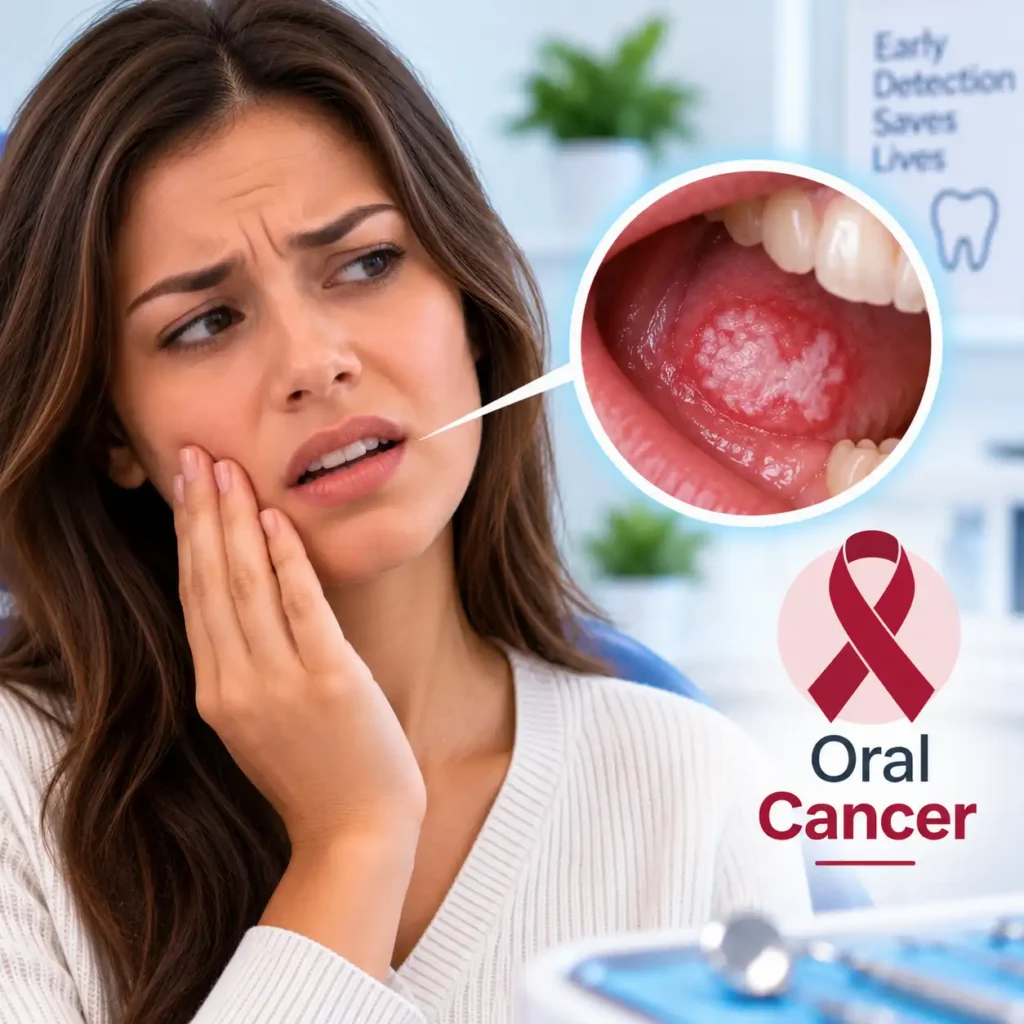
Oral cancer doesn’t always look dramatic, especially early on, which is part of why it can be easy to overlook. Signs to be aware of include:
- A sore on the lip or inside the mouth that doesn’t heal within two weeks
- A white or red patch on the gums, tongue, or lining of the mouth that doesn’t go away or can’t be wiped away
- Rough or crusty spots on the lips, gums, or inside the mouth
- A lump or thickened area of tissue
- Areas that bleed without an obvious cause
Why this page does not include photos: Comparing a spot in your own mouth to pictures online is more likely to cause worry—or false reassurance—than give you a real answer. The only reliable way to know what something is, is to have it looked at directly.
Where Oral Cancer Can Develop
Tongue and Lip Cancer
- Tongue cancer: The most common site, and one of the more frequently searched terms for this condition
- Lip cancer: Often associated with sun exposure
Other Areas of the Mouth
- Gum cancer
- Cancer of the inner cheek lining
- Cancer of the floor or roof of the mouth
Cancer that develops further back in the tonsils or the base of the tongue is generally classified separately as oropharyngeal cancer, though it’s closely related.
Risk Factors
Certain factors are associated with a higher risk of oral cancer, including:
- Tobacco use of any kind, including smoking and smokeless tobacco
- Frequent, heavy alcohol use—especially combined with tobacco use
- HPV (human papillomavirus) infection
- Significant, unprotected sun exposure to the lips
- A family history of oral cancer
Worth knowing: A meaningful share of people diagnosed with oral cancer don’t have any of these risk factors. That’s exactly why paying attention to persistent changes in your mouth and keeping up with regular dental exams matters for everyone, not just people who smoke or drink heavily.
Signs and Symptoms
- Numbness, pain, or tenderness in the mouth or face without an obvious cause
- Difficulty chewing, swallowing, speaking, or moving the jaw or tongue
- A feeling that something is caught in the throat
Other Changes to Notice
- Unexplained weight loss
- An earache with no clear cause
- Chronic bad breath that doesn’t improve with oral hygiene
Why Early Detection Matters
The Two-Week Guideline
Why Routine Screening Exists
Treatment Overview
Treatment for oral cancer is typically managed by a team of specialists and depends on the type, location, and stage of the cancer. It may involve surgery, radiation therapy, chemotherapy, or a combination of these.
Your dental team often stays involved throughout treatment. Certain cancer treatments can affect saliva production and increase the risk of tooth decay, so maintaining dental care during treatment is genuinely part of the process, not separate from it.
Prevention
While there’s no guaranteed way to prevent oral cancer, you can lower your risk by:
- Avoiding all forms of tobacco
- Limiting alcohol intake
- Protecting your lips from excessive sun exposure
- Asking your doctor whether the HPV vaccine is appropriate for you
- Eating a balanced diet
- Keeping up with regular dental exams, which include an oral cancer screening
How to Check Your Own Mouth
1. Lips and Front Gums
2. Roof of the Mouth
3. Cheeks and Back Gums
4. Tongue and Mouth Floor
5. Neck and Jaw
How It's Diagnosed
Dental Examination
Specialist Referral and Biopsy
How We Help With Oral Cancer Screening
Related Reading
Explore these related oral-health topics:
Medically Reviewed Information
Medically reviewed by Dr. Matthew Roper, DDS. Last updated September 25, 2026.
Dr. Roper is a licensed general dentist who earned his Doctorate of Dental Medicine from A.T. Still University in Mesa.
This information is for educational purposes and does not replace a professional diagnosis.
Frequently Asked Questions
What does oral cancer look like in its early stages?
Is oral cancer curable?
How often should I get an oral cancer screening?
Can you get oral cancer without smoking or drinking?
What's the difference between oral cancer and oropharyngeal cancer?
Neighborhoods We Serve
Ocotillo Trails Family Dentistry is proud to welcome patients from San Tan Valley and the surrounding communities, including:
Driving Directions to Our San Tan Valley Dental Office
Visiting Ocotillo Trails Family Dentistry for oral health concerns or screening related to oral cancer? Find us at 40815 N Ironwood Rd #102, San Tan Valley, AZ 85140. Travel on N Ironwood Road toward E Ocotillo Road and continue to Suite 102.