
What Causes Bad Breath? Causes, Symptoms & Treatment
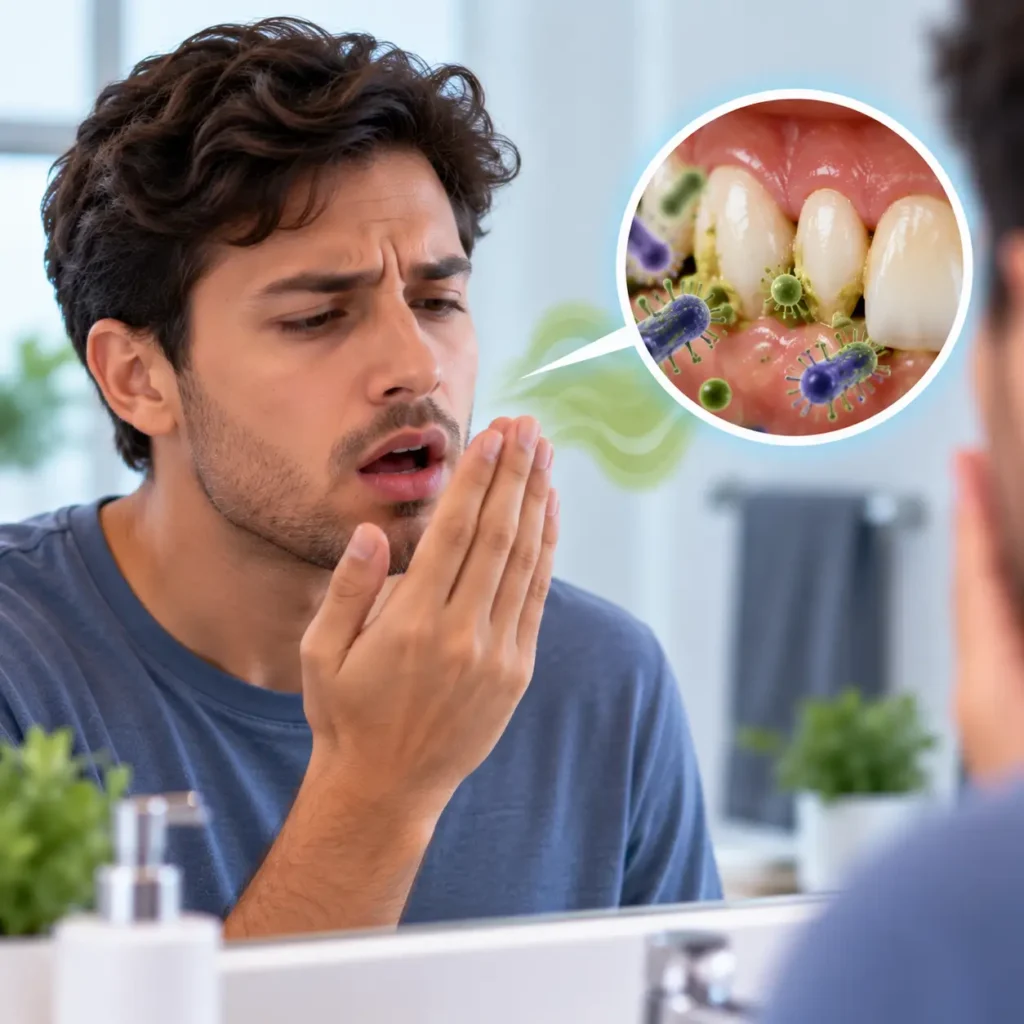
Bad breath also called halitosis is something almost everyone deals with occasionally, and most of the time it's easy to manage once you know the cause. In some cases, though, it points to an underlying dental or health issue that's worth addressing directly. Ocotillo Trails Family Dentistry helps patients in San Tan Valley, Gilbert, and Mesa get to the source of persistent bad breath.
San Tan Valley (480) 457-1977
Gilbert (480) 963-9900
Mesa (480) 830-3344

Causes of Bad Breath (Halitosis)
Bad breath can have dental causes inside the mouth or non-dental causes connected to food, tobacco use, the sinuses, acid reflux, or certain medical conditions.
Identifying the source is the first step toward addressing persistent odor instead of only masking it temporarily.
Common Sources of Persistent Bad Breath
Dental Causes
- Bacteria and plaque. Food particles left in the mouth break down and feed bacteria that produce odor. A coated tongue is one of the most common sources.
- Gum disease. Plaque that isn’t removed can lead to gingivitis and, if untreated, more advanced gum disease—both are common causes of ongoing bad breath.
- Dry mouth. Saliva naturally rinses away odor-causing bacteria. Less saliva from sleep, certain medications, or other causes means bacteria build up faster, which is why morning breath is so common.
- Cavities and dental appliances. Untreated decay, and dentures, retainers, or mouth guards that aren’t cleaned regularly, can also hold onto odor-causing bacteria.
Non-Dental Causes
- Food and drink. Onions, garlic, coffee, and similar foods release odor compounds that linger in the bloodstream and lungs long after eating.
- Tobacco use. Smoking or other tobacco products cause their own distinct odor and increase the risk of gum disease.
- Sinus and throat issues. Postnasal drip, sinus infections, and tonsil stones can all contribute to persistent bad breath.
- Acid reflux (GERD). Stomach acid that backs up into the esophagus and mouth can cause a sour smell and taste.
- Certain medical conditions. Diabetes, and less commonly kidney or liver disease, can affect breath odor as part of a broader health picture.
Is It Something More Serious?
For most people, bad breath is not a sign of anything serious. It’s usually tied to oral hygiene, diet, or dry mouth, and it responds well to the home care and dental steps below.
Occasionally, persistent bad breath that doesn’t improve with good oral hygiene can be a signal worth checking with a doctor, particularly if it’s paired with other symptoms like unexplained weight change, excessive thirst, or fruity-smelling breath. Fruity-smelling breath can occasionally point to a diabetes-related complication and warrants prompt medical attention.
Chronic bad breath tied to gum disease, sinus issues, or acid reflux is common and very treatable once the underlying cause is identified.
How It's Diagnosed
What You Can Do at Home
Can Help
- Brush twice a day and floss daily to remove trapped food and plaque
- Gently clean your tongue with a tongue scraper or your toothbrush
- Stay hydrated to keep saliva flow up
- Chew sugar-free gum to stimulate saliva if your mouth tends to feel dry
- Clean dentures, retainers, or mouth guards daily, exactly as directed
Keep in Mind
- Mints and mouthwash can mask odor temporarily, but they don’t address the underlying cause. Look for an antibacterial rinse rather than one that only covers up smell.
- If bad breath persists despite good home care, that’s the sign it’s time for a dental visit rather than a stronger mint.
How We Treat Persistent Bad Breath
1. Cleaning and Examination
2. Address the Dental Cause
3. A Targeted Home Routine
4. Physician Follow-Up
Get to the Source of Bad Breath
Related Reading
Medically Reviewed Information
Medically reviewed by Dr. Matthew Roper, DDS. Last updated September 13, 2026.
Dr. Roper is a licensed general dentist who earned his Doctorate of Dental Medicine from A.T. Still University in Mesa.
This information is for educational purposes and does not replace a professional diagnosis.
Frequently Asked Questions
Is bad breath a sign of gum disease?
Can bad breath be cured?
Why does my breath still smell bad even after brushing?
Is bad breath serious?
How often should I see a dentist if I have chronic bad breath?
Neighborhoods We Serve
Ocotillo Trails Family Dentistry is proud to welcome patients from San Tan Valley and the surrounding communities, including:
Driving Directions to Our San Tan Valley Dental Office
Visiting our office for bad breath or halitosis concerns? Ocotillo Trails Family Dentistry is at 40815 N Ironwood Rd #102, San Tan Valley, AZ 85140. Travel along N Ironwood Road toward E Ocotillo Road and enter the property to reach Suite 102.