
What Are Fillings for Teeth? Types, Procedure, Cost & Care
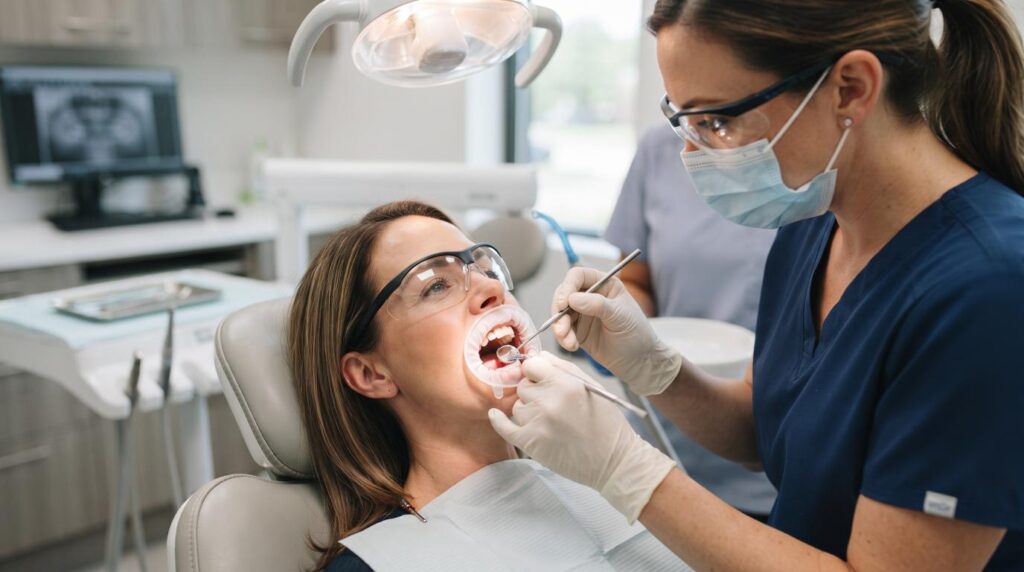
A cavity can start as a small spot in your tooth, but leaving it untreated can allow the damage to grow deeper. What are fillings for teeth? A dental filling is a restoration used to replace the part of a tooth damaged by decay. Your dentist removes the damaged tooth structure, cleans the area, and fills the space with a material that helps restore the tooth’s shape and function. For patients in San Tan Valley, AZ, a dental exam can help find cavities before they cause serious discomfort. The right filling material depends on factors such as the tooth’s location, the size of the cavity, and how healthy the tooth remains. In this guide, you’ll learn about the different types of fillings, how the procedure works, what it may cost, how long fillings can last, and how to care for them. What Are Fillings for Teeth? A dental filling is a restoration used to repair a tooth that has been damaged by decay. When bacteria and acids damage the hard outer layers of a tooth, they can create a cavity. A dentist removes the damaged portion and fills the space with dental material. The goal is not simply to cover the hole. A filling helps restore the tooth’s shape, strength, and function. It also gives you a smoother surface that can be cleaned as part of your normal oral hygiene routine. What Does a Dental Filling Do? A dental filling generally serves several purposes: Removes the damaged portion of the tooth Fills the space left by decay Restores the tooth’s shape Helps the tooth work normally when you bite and chew Provides a smooth surface that can be cleaned A filling does not make a tooth completely immune to future decay. Decay can still develop around a filling if oral hygiene is poor or plaque and bacteria build up. Why Do You Need a Tooth Filling? A dentist typically recommends a filling after finding a cavity or a small area of tooth damage. Common reasons include: Tooth decay and cavities Small chips or cracks, depending on their location and severity An old filling that has cracked, worn down, or come loose Tooth decay doesn’t repair itself once a cavity has fully formed. Left untreated, it tends to move deeper into the tooth over time. This is one reason a small cavity can go unnoticed: it may not cause any pain in its early stages, which is exactly why regular dental exams matter. Your dentist can often catch decay on an X-ray or exam before you feel a thing. Your dentist will examine the tooth before deciding whether a filling is the right call. More extensive damage may point toward a different treatment altogether. Chipped or Damaged Teeth Not every filling is placed because of a cavity. Filling material can sometimes repair a small chip or area of damage. Whether this approach works depends on how much tooth structure is affected and where the damage is located. Worn or Damaged Fillings Fillings can wear down, crack, or loosen over time. Your dentist can examine an older restoration and determine whether it can stay in place or needs to be repaired or replaced. What Are Dental Fillings Made Of? Dental fillings can be made from several different materials. The right choice depends on factors such as the tooth being treated, the size and location of the restoration, your bite, appearance preferences, and other treatment considerations. There is no single filling material that is right for every patient. Composite Fillings Composite fillings are tooth-colored restorations made from a resin material mixed with fine particles. One of their main benefits is their appearance: the material can be matched to the color of the surrounding tooth, making it less noticeable. Composite fillings are commonly used for many types of cavities, though their suitability depends on the location and size of the restoration. Amalgam Fillings Amalgam is a traditional silver-colored filling material that has been used for many years, particularly for restoring back teeth. Because it has a metallic appearance, it is more noticeable than a tooth-colored filling. Patients often have questions about the safety of amalgam. Your dentist can discuss the current condition of an existing amalgam filling and explain whether replacement is appropriate. Gold Fillings Gold is known for its durability and ability to withstand chewing forces. It’s also more noticeable than tooth-colored materials, and gold restorations may cost more than some other options, so cost and appearance are both important considerations. Ceramic Fillings Ceramic restorations are tooth-colored and provide a natural appearance. They may be considered when a larger restoration is needed and appearance is important. Ceramic can also be durable, but the material and type of restoration must be selected based on the individual tooth. Glass Ionomer Fillings Glass ionomer is another restorative material, useful in certain areas of the mouth and for specific applications. Its properties differ from composite, amalgam, gold, and ceramic. Your dentist can determine whether it’s appropriate for your particular restoration. Direct vs. Indirect Dental Fillings Dental restorations can generally be described as direct or indirect. Direct fillings are placed directly into the prepared tooth during the dental appointment. The dentist removes the damaged tooth structure, prepares the area, then places and shapes the filling material. Composite fillings are one example. Indirect restorations are made outside the mouth before being placed in the tooth. This approach may be considered when a tooth has more damage than a simple filling can comfortably restore. The dentist evaluates the amount of healthy tooth structure remaining and determines what type of restoration is appropriate. How Does the Dental Filling Procedure Work? The filling process is usually completed in several steps, though the exact process can vary depending on the tooth, type of filling, and amount of decay. Examination and Diagnosis: Your dentist examines the tooth to identify decay or damage. X-rays may be used to check areas that can’t be seen visually. The dentist then determines how extensive the problem is
Does Delta Dental Cover Implants?
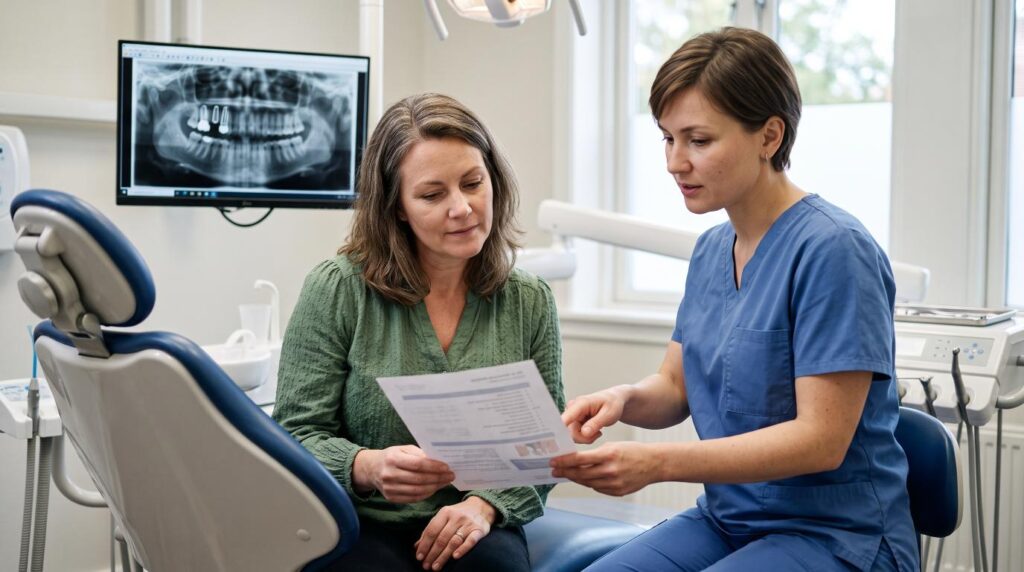
If you are missing a tooth, one of the first questions you may ask is, does Delta Dental cover implants? The short answer is that some Delta Dental plans may help pay for dental implants, but not every plan does. Your benefits can depend on the exact plan, where you live, whether coverage comes through an employer, and the services included in your treatment. For patients in San Tan Valley, AZ, the safest approach is to check your own plan before treatment begins. Ocotillo Trails Family Dentistry can create a treatment plan based on your dental needs, while your Delta Dental plan documents or insurer can confirm what benefits may apply. Delta Dental itself states that many dental benefit plans help with implant costs, while some do not. Some Delta Dental plans cover part of dental implant treatment, while others exclude implants. Coverage may apply differently to the implant post, abutment, crown, extraction, X-rays, or bone grafting. Check your plan, annual maximum, deductible, waiting period, network rules, and any treatment limits before you begin. Does Delta Dental Cover Dental Implants? Yes, some Delta Dental plans cover dental implants, but coverage is plan-specific. There is no single Delta Dental rule that applies to every member. Two people with Delta Dental can have very different benefits. Current Delta Dental of Arizona individual plans include options that pay a percentage toward implants after a waiting period, while another listed plan does not cover implants. Check your Summary of Benefits or call the member service number on your card. Why Delta Dental Implant Coverage Varies Delta Dental implant coverage can vary because each plan has different benefits, limits, and rules. Two people with Delta Dental may have very different implant coverage. Delta Dental Does Not Have One Standard Plan Delta Dental offers many plans based on location, employer, and coverage level. Some plans may cover part of an implant, while others may exclude it. Always check your own Summary of Benefits. PPO, HMO, and Other Plan Types PPO plans usually offer more freedom when choosing a dentist, while DHMO plans may require you to use a specific network. Implant coverage, copays, and network rules can differ between plan types. Employer-Sponsored vs. Individual Plans Employer plans depend on the benefits selected by the employer. Individual plans may have different deductibles, annual maximums, and waiting periods. This is why coverage can vary even between people who both have Delta Dental. Covered Services and Exclusions Implant treatment may include the implant post, abutment, crown, extraction, X-rays, and bone grafting. Your plan may cover some of these services but not others. Check both the covered services and exclusions. Medical Necessity and Plan Limitations Even if your dentist recommends an implant, insurance may still apply limits such as waiting periods, annual maximums, frequency rules, or missing-tooth restrictions. A recommended treatment is not automatically a covered benefit. The best way to know what Delta Dental may pay is to review your plan and request a pre-treatment estimate before starting treatment. What Part of Dental Implant Treatment Does Delta Dental Cover? Implant treatment includes several services, and insurance may process each one separately. The Dental Implant The implant is the post placed into the jawbone. Some plans cover placement, while others exclude it or limit how often benefits can be used. Abutment The abutment connects the implant to the final tooth. It may have its own coverage rules. Implant Crown The crown is the visible tooth attached to the implant. It may have separate coverage from the implant itself. Tooth Extraction If a tooth needs removal before an implant, the extraction may be covered separately depending on the plan. Bone Grafting and Other Preparatory Procedures Some patients need bone grafting before implant placement. Coverage varies, so check your specific benefits. Diagnostic Exams and X-Rays Exams and X-rays may fall under a different benefit category than implant surgery. How Much Does Delta Dental Pay for Implants? There is no single percentage Delta Dental pays for every implant case. Deductibles and Coinsurance A deductible is the amount you may need to pay before certain benefits begin. Coinsurance is the percentage of the covered cost shared between you and the plan. For example, even if your plan pays 50 percent, that payment may be based on Delta Dental’s allowed fee rather than the dentist’s full charge. This can affect how much you pay out of pocket. Annual Maximums An annual maximum is the most your dental plan will pay toward covered services during a benefit year. Many dental plans have limits in the $1,000 to $2,000 range, although your amount may be different. Because implant treatment can be expensive, it may use a large part of your available annual benefit. Waiting Periods Some Delta Dental plans require a waiting period before major services, including implants, are covered. This means you may need to stay enrolled for several months before benefits become available. The waiting period depends on your specific plan, so check your benefit documents before scheduling treatment. In-Network vs. Out-of-Network Benefits Choosing an in-network PPO dentist may help reduce your overall cost because participating dentists agree to contracted fees. Out-of-network care may still be available under some plans, but your share of the cost can be higher. Always confirm your dentist’s network status before treatment. Frequency and Coverage Limitations Some plans limit how often they will pay for an implant or related restoration. These limits may apply over several years and can affect replacement treatment. Your plan may also have rules for crowns, dentures, or other implant-supported restorations. Your Estimated Out-of-Pocket Cost Your final cost depends on the treatment fee, deductible, coinsurance, annual maximum, remaining benefits, and any non-covered procedures. Your dentist can provide a treatment estimate, but the insurer makes the final benefit decision. A pre-treatment estimate can give you a clearer idea of what you may need to pay. How Much Do Dental Implants Cost Without Insurance? Without dental insurance, the total cost of dental implants depends on the type
Best Teeth Whitening for Sensitive Teeth
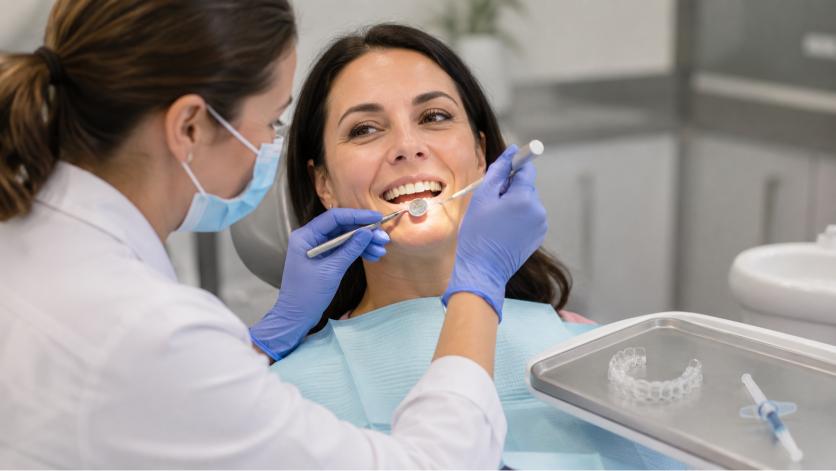
The best teeth whitening for sensitive teeth is usually a dentist-supervised option that uses a lower whitening strength, shorter wear time, or custom trays. These choices can brighten your smile while giving you more control over discomfort. Whitening toothpaste or sensitive whitening strips may help with mild surface stains, but they may not create the same result as professional treatment. At Ocotillo Trails Family Dentistry in San Tan Valley, AZ, whitening should begin with a check of your teeth and gums. Sensitivity can come from worn enamel, gum recession, cavities, cracks, or exposed roots. Treating the cause first can make whitening safer and more comfortable. No single method is best for everyone. Your stain type, sensitivity level, dental work, and whitening goals all matter. This guide explains the gentlest options, ingredients to consider, products to avoid, and signs that you should speak with a dentist before whitening. Best overall option for many sensitive teeth: Dentist-supervised take-home trays Fastest option: Professional in-office whitening Best for mild surface stains: Sensitive whitening toothpaste Best low-cost option: Low-strength strips made for sensitive teeth Most important first step: Find the cause of sensitivity When to avoid whitening: If you have cavities, cracked teeth, gum disease, or strong unexplained pain Why Does Teeth Whitening Make Sensitive Teeth Hurt? Whitening products often contain hydrogen peroxide or carbamide peroxide. These ingredients move through the outer tooth layer and break apart stain molecules. During this process, some people feel short, sharp pain or a stronger reaction to cold air, drinks, or food. Sensitivity is often temporary, but it can feel worse when the whitening product is strong or stays on the teeth for too long. Existing enamel wear, gum recession, cracks, or decay can also make the nerves inside a tooth easier to reach. One sensitive tooth may point to a local problem rather than a normal whitening reaction. Pain that is severe, keeps returning, or lasts after you stop whitening should be checked by a dentist. Can You Safely Whiten Sensitive Teeth? Many people with mild sensitivity can still whiten their teeth. The safest plan usually starts with understanding why the teeth are sensitive and choosing a method that allows better control over strength and wear time. A dentist may suggest treating cavities, inflamed gums, exposed roots, or damaged enamel before whitening. You may also be asked to use sensitive toothpaste before and during treatment. Best Teeth Whitening Options for Sensitive Teeth The best whitening option depends on your sensitivity level, stain type, budget, and how quickly you want to see results. Dentist-Supervised Take-Home Whitening Trays Custom take-home trays are often one of the best teeth whitening options for sensitive teeth. The trays are made to fit closely over your teeth, which helps keep the whitening gel in the correct area and reduces contact with the gums. Your dentist can select a lower gel strength and adjust how long or how often you wear the trays. This gives you more control over sensitivity while still allowing your teeth to whiten gradually. Treatment can also be paused or adjusted if discomfort becomes too strong. Professional In-Office Whitening Professional in-office whitening can provide faster and more noticeable results than most at-home products. The dentist protects your gums and applies the whitening product carefully, which lowers the risk of uneven application or gum irritation. However, strong whitening products may increase temporary sensitivity. If your teeth already react to hot or cold temperatures, your dentist may use shorter sessions, a gentler strength, or sensitivity-reducing treatment before and after whitening. Whitening Strips for Sensitive Teeth Whitening strips made for sensitive teeth usually contain a lower level of whitening ingredients or require a shorter wear time. They may be a useful option for mild yellowing or surface stains caused by coffee, tea, or food. Strips are affordable and easy to use, but they may not fit every tooth evenly. They can also touch the gums if placed incorrectly. Follow the instructions carefully and stop using them if you develop strong or lasting pain. Low-Strength Whitening Gels Low-strength whitening gels can brighten teeth more gradually than stronger products. The slower process may be more comfortable for people who have mild sensitivity or have experienced pain during whitening in the past. Results depend on the active ingredient, gel strength, application method, wear time, and number of treatments. Using extra gel or leaving it on longer will not always improve results and may increase sensitivity. Whitening Toothpaste for Sensitive Teeth Whitening toothpaste mainly removes stains from the outer surface of the teeth. It may help reduce stains caused by coffee, tea, tobacco, and dark-colored foods, but it does not change deep tooth color like peroxide-based whitening treatments. A toothpaste made for sensitive teeth may contain ingredients that help reduce discomfort while gently polishing stains. Choose a fluoride toothpaste and use a soft-bristled toothbrush. Brushing too hard can wear enamel and expose sensitive areas near the gumline. Peroxide-Free Whitening Products Peroxide-free whitening products may be more comfortable for people who cannot tolerate common bleaching ingredients. These products often work by lifting or polishing away surface stains instead of changing the natural shade inside the tooth. They may provide subtle results, but they are less likely to whiten deep or long-standing discoloration. Check the ingredients carefully because peroxide-free does not always mean the product is gentle or non-abrasive. Professional Whitening vs. At-Home Whitening Professional whitening offers more supervision and faster results, while at-home options are often more affordable and gradual. Factor Professional Whitening At-Home Whitening Speed Often faster Usually more gradual Sensitivity control Dentist can adjust the plan Depends on the product and correct use Strength May use stronger products Often uses lower strengths Fit Custom protection or trays may be used Store-bought products have a general fit Best for Deeper stains or faster results Mild stains and gradual whitening Cost Usually higher Usually lower Supervision Completed or managed by a dental professional Often used without direct supervision Which Whitening Ingredient Is Best for Sensitive Teeth? Hydrogen peroxide
What Are Composite Veneers? Everything You Need to Know

Have you noticed a chip, gap, or stain on one of your front teeth and wondered if there is a simple fix? Composite veneers might be exactly what you are looking for. They are one of the most popular ways to improve a smile without a long, drawn out process, and many patients love how quickly they can see real results. If you live in San Tan Valley, AZ or the surrounding area, this guide is for you. Ocotillo Trails Family Dentistry put together this simple breakdown so you can understand exactly what composite veneers are, how they work, and whether they might be a good fit for your smile. By the end, you should feel confident talking with your dentist about your own cosmetic goals. What Are Composite Veneers? Composite veneers are a thin layer of tooth colored resin material that a dentist bonds directly onto the front of your teeth to fix chips, gaps, stains, or other small cosmetic issues. They are made of the same type of material used in tooth colored fillings, shaped and polished to look natural against your surrounding teeth. They work by covering up flaws and reshaping the front surface of a tooth, giving you a smoother, more even smile without altering the tooth underneath very much. Composite veneers are best for people with minor cosmetic concerns who want a quick, affordable way to improve how their teeth look, often in a single visit with results you can see the same day. How Composite Resin Veneers Work The dentist applies the resin material in soft layers, then shapes and smooths it to match the natural look of your other teeth. A special light is used to harden, or cure, each layer as it goes on, so the material becomes strong and stable by the end of the appointment. This layering process gives the dentist full control over the final shape, allowing small adjustments along the way until the tooth looks just right. Once the last layer is cured, the surface is polished until it has a smooth, natural shine that closely matches your surrounding teeth. Because the material bonds directly to the tooth, it becomes a stable part of your smile without needing any separate attachment pieces. Direct vs Indirect Bonding Direct composite veneers are built right on your tooth during a single office visit. Indirect composite veneers are made outside the mouth, often in a lab, then bonded onto the tooth afterward. Both methods use the same resin material but follow a different process, and your dentist can help you decide which fits your case better. Direct bonding tends to be faster and more affordable, since everything happens chairside in one appointment. Indirect bonding can take a bit longer since it usually involves a mold and a lab step, but it may offer a slightly more refined finish for certain cases, especially when several teeth need to be treated at once. Cosmetic Issues They Can Correct Composite veneers can fix chips, small gaps, stains, worn edges, oddly shaped teeth, and minor crookedness. They are a flexible option for small to moderate cosmetic concerns and can often be used on just one tooth or across your whole smile. Because the resin can be shaped and sculpted in so many ways, composite veneers are often used to address more than one issue on the same tooth. For example, a single veneer might close a small gap while also covering a stain and smoothing out a chipped edge, all in one visit. What Dental Problems Can Composite Veneers Fix? Composite veneers are a flexible fix for many everyday smile concerns, from small chips to stubborn stains. Instead of needing a different treatment for each issue, one veneer can often address several problems on the same tooth at once. Every smile is a little different, so the exact issues a veneer can fix will depend on your specific teeth and goals. Here is a closer look at some of the most common problems composite veneers can help correct. Types of Composite Veneers Composite veneers are not all made the same way, and knowing the difference can help you understand what to expect from your treatment plan. Direct Composite Veneers These are shaped directly onto your teeth by your dentist in one appointment. This option is fast and usually more affordable, since it skips the lab process. Because everything happens chairside, you can walk in with a chip or stain and walk out the same day with a fully finished veneer, making it a popular choice for patients who want quick results. This method also allows your dentist to make small adjustments in real time, checking the shape, color, and bite as they go. Since there is no waiting period between visits, direct veneers tend to work especially well for smaller fixes or touch ups on just one or two teeth. Indirect Composite Veneers These are custom made outside the mouth, often based on a mold of your teeth, then bonded on during a follow up visit. They can offer a slightly more precise fit and finish, since the veneer is shaped under controlled lab conditions rather than directly in the mouth. This process usually takes at least two appointments, one to prepare the tooth and take an impression, and a second to bond the finished veneer in place. Indirect veneers are often considered when several teeth need treatment at once, since the lab process can help keep the shape and shade consistent across multiple teeth. Which Type Is Right for You? The right choice depends on your budget, timeline, and how many teeth need treatment. Your dentist can help you decide which option fits your needs and goals best. Feature Direct Composite Veneers Indirect Composite Veneers Where they’re made Directly on your tooth, in office Outside the mouth, often lab made Number of visits Usually one visit Usually two visits Cost Generally lower Slightly higher Fit and finish Good, dentist shaped Often more precise Best
What Is a Pediatric Dentist? A Parent’s Guide to Children’s Dental Care

A pediatric dentist is a dentist who cares for children’s teeth, gums, and mouths. They treat children from infancy through the teenage years. Pediatric dentists provide regular checkups, cleanings, fluoride treatments, and other preventive care. They can also treat cavities, infections, damaged teeth, and other dental problems. Your child should have their first dental visit when their first tooth appears or by their first birthday. If you are a parent trying to figure out the right dental care for your child, you have probably come across the term pediatric dentist. This guide breaks down what that actually means, what makes children’s dental needs different from adults, and how to choose the right kind of care for your family. Ocotillo Trails Family Dentistry serves families in San Tan Valley and nearby Queen Creek, and questions about children’s dental care come up often. This guide walks through everything you need to know, from training and services to how to prepare your child for their very first visit. What Is a Pediatric Dentist? A pediatric dentist is a dental provider who focuses specifically on the oral health of infants, children, and teenagers. Most pediatric dentists treat patients from infancy through the teenage years, often up until around age 18, though this can vary depending on the provider and the patient’s needs. Pediatric dentists play a role in both preventive and restorative dental care for kids. This means they help prevent problems before they start, through things like cleanings and checkups, while also treating issues that come up, like cavities or injuries, using methods designed specifically for younger patients. What Training Does a Pediatric Dentist Have? Like all dentists, pediatric dentists start with a dental school education, which typically takes four years to complete after undergraduate studies. From there, pediatric dentists complete additional pediatric dentistry residency training, which usually adds at least two more years of accredited education focused specifically on treating children. During this additional training, pediatric dentists learn about child development, behavior guidance techniques, how a child’s teeth and jaw grow and change over time, and how to care for children with special healthcare needs. Pediatric dentists complete at least two years of additional accredited education after dental school, which is specifically designed to prepare them for the unique challenges of treating young patients. What Does a Pediatric Dentist Do? Pediatric dentists provide a wide range of services designed around the needs of children at different stages of development. Preventive Dental Care This includes regular cleanings, checkups, and guidance on brushing and flossing habits that fit a child’s age and stage of development. During these visits, dentists also check for early warning signs that might not be obvious to parents, like slight discoloration or minor gum irritation. Building this routine early also helps children get comfortable with regular visits, which makes future appointments feel far less intimidating. Cavity Detection and Treatment Children are prone to cavities, especially in their baby teeth, so pediatric dentists are experienced in spotting early signs of decay and treating cavities in a way that feels manageable for a young patient. Baby teeth have thinner enamel than adult teeth, which means cavities can form and spread more quickly if they are not caught early. Treatment methods are often adjusted to keep the process gentle, using techniques and communication that help reduce fear or discomfort for the child. Dental Sealants and Fluoride Treatments Sealants are thin coatings applied to the chewing surfaces of back teeth to help prevent cavities, while fluoride treatments help strengthen tooth enamel. Back teeth tend to have deep grooves where food and bacteria can easily get trapped, which makes them more prone to decay, so sealants act as an extra layer of protection in those spots. Fluoride treatments work by making the enamel more resistant to the acids that cause cavities. Monitoring Tooth and Jaw Development As children grow, their teeth and jaw go through a lot of change. Pediatric dentists keep an eye on this development, watching for issues like crowding, bite problems, or teeth coming in out of order. This monitoring often includes tracking how baby teeth are spaced, since that spacing can affect how adult teeth eventually come in. Treatment for Chipped, Broken, or Knocked-Out Teeth Kids are active, and dental injuries happen. Pediatric dentists are trained to handle these situations, whether that means treating a chipped tooth or managing a more serious injury. Having a dentist familiar with pediatric dental trauma can also help parents feel more confident about what steps to take next. Care for Children With Special Healthcare Needs Some children have physical, developmental, or behavioral needs that require extra care and patience during dental visits. Pediatric dentists receive training specifically focused on supporting these children in a way that feels safe and comfortable. This might involve adjusting communication style, allowing extra time during appointments, or using specific techniques to help a child feel more at ease. How Is a Pediatric Dentist Different From a General Dentist? While both types of dentists provide important care, there are some key differences worth understanding. Pediatric dentists complete additional specialist training focused entirely on children, while general dentists complete broader training meant to treat patients of all ages. Because of this, pediatric dentists typically see only infants, children, and teenagers, while general dentists often treat patients across every age group, including adults and seniors. Pediatric dental offices are also often designed with child-focused equipment and treatment methods in mind, from smaller tools sized for little mouths to techniques built around keeping kids calm and cooperative. That said, many general and family dentists are also very experienced in treating children and may be a great fit for your family, especially if your child feels comfortable there and the practice offers the right services for their needs. The right choice often comes down to your child’s comfort level and the specific care they need, rather than the title alone. Why Are Children’s Dental Needs Different? Children’s mouths are constantly changing, which creates unique
How to Protect Your Teeth From Grinding: Causes, Prevention, and Treatment

The best way to protect your teeth from grinding is to wear a custom night guard while you sleep. During the day, keep your lips closed, your teeth slightly apart, and your tongue resting on the roof of your mouth to help prevent clenching. Teeth grinding, also called bruxism, often happens without you noticing and can be caused by stress, anxiety, sleep problems, or certain medicines. Most people can protect their teeth and reduce symptoms with a custom night guard and healthy daily habits. At Ocotillo Trails Family Dentistry in San Tan Valley, AZ, we see patients dealing with teeth grinding every week. The good news is that it is very treatable once you understand what causes it and how to protect your teeth going forward. This guide walks through the causes, warning signs, and the best ways to stop grinding before it damages your smile. What Is Teeth Grinding (Bruxism)? Teeth grinding, also called bruxism, happens when a person clenches or grinds their teeth without meaning to. It usually happens at night during sleep, though some people also grind their teeth during the day, especially when they are stressed or focused on something difficult. Many people do not realize they grind their teeth until a partner mentions the sound, or a dentist notices the wear during a checkup. Left untreated, bruxism can wear down teeth, damage dental work, and lead to ongoing jaw pain. What Causes Teeth Grinding? There is rarely just one cause behind teeth grinding. Most cases come from a mix of physical and lifestyle factors working together. Stress and Anxiety Stress is one of the most common triggers for teeth grinding. When the body is under mental or emotional strain, muscles tend to tense up without a person noticing, including the jaw muscles. This tension often shows up most strongly at night. Sleep Disorders Conditions like sleep apnea are closely linked to teeth grinding. When breathing is interrupted during sleep, the body can respond with muscle tension and jaw movement, which often leads to grinding. Bite Problems and Misaligned Teeth When teeth do not line up correctly, the jaw may shift or clench to find a more comfortable position. Over time, this can turn into a grinding habit that is hard to notice without a dental exam. Medications and Health Conditions Certain antidepressants and other medications list teeth grinding as a possible side effect. Health conditions that affect the nervous system can also play a role in why some people grind more than others. Lifestyle Habits That Increase Grinding Caffeine, alcohol, tobacco, and recreational drug use can all make grinding worse. These substances affect sleep quality and muscle relaxation, both of which are closely tied to bruxism. Signs and Symptoms of Teeth Grinding Because most grinding happens during sleep, many people do not know they have a problem until they notice these warning signs. Sign or Symptom What It Looks Like Worn or Chipped Teeth Flattened, chipped, or worn down teeth, often spotted by a dentist during a routine exam Jaw Pain and Tightness Waking up with a sore or tight jaw from muscles working overtime during sleep Morning Headaches Dull headaches near the temples, especially first thing in the morning Tooth Sensitivity Increased sensitivity to hot, cold, or sweet foods as enamel wears down Clicking or Popping Jaw A clicking or popping sound when opening or closing the mouth Why Teeth Grinding Can Damage Your Teeth Grinding puts a huge amount of pressure on teeth, far more than normal chewing. Over time, this pressure adds up and causes lasting damage. Enamel is the hard outer layer that protects your teeth, but it cannot grow back once it wears away. Grinding slowly wears this layer down, leaving teeth more vulnerable to decay and sensitivity. The repeated force from grinding can crack fillings, crowns, and even natural teeth. Cracks are not always painful right away, which means they can go unnoticed until the damage gets worse. Grinding puts stress on the jaw joint and surrounding gum tissue. Over time, this can lead to jaw disorders and gum recession around the affected teeth. Grinding does not just affect your teeth. It can disrupt deep sleep and lead to ongoing headaches, facial pain, and general fatigue during the day. Best Treatments for Teeth Grinding Treatment usually depends on what is causing the grinding and how severe it has become. Professional Dental Treatments A dentist can evaluate the wear on your teeth, check your bite, and recommend a treatment plan suited to your specific situation, rather than a one size fits all fix. Mouthguards and Splints Along with standard night guards, some patients benefit from occlusal splints, which are designed to reduce muscle activity and protect the teeth during more severe grinding. Physical Therapy for Jaw Muscles For patients with ongoing jaw pain, physical therapy focused on the jaw and neck muscles can relieve tension and improve range of motion. Medications for Short-Term Relief In some cases, muscle relaxants or other medications may be used short term to reduce severe grinding while other treatments take effect. Treating Underlying Medical Conditions If sleep apnea or another medical condition is driving the grinding, treating that condition directly is often the most effective long term solution. Natural Ways to Help Reduce Teeth Grinding Alongside professional treatment, a few natural habits can help calm the muscles involved in grinding. Warm Compresses Applying a warm compress to the jaw before bed can relax tense muscles and ease existing soreness. The heat increases blood flow to the area, which helps loosen muscles that have been clenched tight during the day. Holding a warm cloth or heating pad against the jaw for ten to fifteen minutes before sleep is often enough to notice a difference, especially for people who already have some jaw soreness built up. Gentle Jaw Stretching Simple stretches, like slowly opening the mouth wide and holding for a few seconds, can loosen tight jaw muscles over time. Doing this a few times a
Should You Floss Before or After Brushing? (Dentist-Backed Guide)

Dentists generally recommend flossing before brushing. Flossing first loosens and removes food particles and plaque trapped between the teeth, clearing the way for a more thorough brush afterward. Once the debris is gone, the fluoride in toothpaste can reach more tooth surfaces, including the spots flossing just cleaned out. Research supports this order as well, showing that flossing before brushing removes more plaque overall and leaves more fluoride in contact with the teeth. Still, the most important factor is consistency: flossing and brushing daily matters more than the exact sequence. This small change in order can make a noticeable difference in how clean a mouth feels and how healthy the gums stay over time. At Ocotillo Trails Dentistry in San Tan Valley, patients are guided through this simple routine during every visit, since a few small daily habits can prevent a lot of dental problems down the road. Why the Order Matters Brushing and flossing are not two separate jobs. They work as a team. Your toothbrush cleans the flat surfaces of your teeth, but it cannot reach the tight spaces between them. That is where floss comes in. Floss slides into those tiny gaps and pulls out plaque and leftover food that your brush cannot touch. Why the Sequence Matters Plaque is a sticky film of bacteria that builds up on teeth throughout the day. Brushing first and flossing after means the surfaces get cleaned, but the sticky plaque trapped between the teeth stays behind. When flossing finally happens, it ends up pushing that loosened plaque around instead of clearing it away completely. The Benefit of Flossing First Flossing before brushing breaks up plaque and food debris ahead of time. This allows the toothbrush and toothpaste to clean a smoother, clearer surface afterward. The fluoride in toothpaste also gets a better chance to soak into the spaces between the teeth, which helps strengthen enamel and fight cavities where they are most likely to start. Different Types of Dental Floss Not all floss is the same. Here are the most common types you might come across. Waxed floss. Coated with a thin layer of wax, making it easier to slide between tight teeth. Unwaxed floss. Thinner and can squeak against teeth, which some people use to check if their teeth are truly clean. Dental tape. Wider and flatter than regular floss, often preferred by people with more space between their teeth. PTFE floss. A smooth, strong material that glides easily and resists shredding, even between very tight teeth. Super floss. Designed with stiff ends and spongy sections, useful for cleaning around braces, bridges, and gaps. Floss picks. Small plastic tools with a piece of floss attached, convenient for travel or quick use. Water flosser. Uses a stream of water to clean between teeth and along the gumline, a good option for people with braces or sensitive gums. Interdental brushes. Tiny brushes that fit between teeth, often used by people with larger gaps or dental work. Should You Floss Before or After Brushing? The order of flossing and brushing can affect how well plaque is removed and how effectively fluoride protects the teeth. Flossing Before Brushing First, it removes plaque and food debris before your toothbrush even touches your teeth. This means your brushing time is spent cleaning teeth that are already partly clean, not pushing gunk around. Second, it helps fluoride reach more of your tooth surfaces. Once the space between your teeth is clear, the fluoride from your toothpaste can settle into those areas instead of getting blocked by trapped debris. Third, this order is backed by research. Several dental studies have found that flossing before brushing removes more plaque overall than brushing first. One study published in dental hygiene journals found that people who flossed before brushing had noticeably less plaque left behind compared to those who brushed first and flossed later. Flossing After Brushing Flossing after brushing is not harmful. It will not damage your teeth or gums. If this is the order you have always used, your mouth is still getting real benefits from both steps. However, this order is generally less effective for one main reason. When you brush first, plaque and debris are still packed between your teeth. Your toothpaste’s fluoride cannot fully reach those tight spaces yet. Then, when you floss afterward, you are removing debris that the fluoride never really got to treat. So flossing after brushing still works and it is still much better than skipping flossing altogether. But if you want the best results from your routine, switching the order can help you get more value from the same amount of effort. What Do Dentists Recommend? Most dental professionals now recommend flossing before brushing based on current research. This is a shift from what many people were taught growing up, when brushing usually came first. The American Dental Association (ADA) supports daily flossing as part of a complete oral care routine, though it has historically left the exact order flexible since the most important part is that you floss and brush every single day. That said, growing research points to flossing first as the more effective method for reducing plaque and improving fluoride contact with your teeth. At Ocotillo Trails Dentistry, we often tell our patients that consistency matters more than perfection. If flossing before brushing feels easier to remember, stick with that order. What matters most is that both steps happen daily, every single day, without fail. Benefits of Flossing Before Brushing Making this small switch in your routine comes with real benefits for your oral health. Removes trapped food. Floss reaches food particles stuck between your teeth that your toothbrush simply cannot access. Reduces plaque buildup. Clearing plaque before brushing means less sticky buildup left behind after your routine is done. Improves fluoride contact. With debris out of the way, fluoride from your toothpaste can reach more of your enamel. Supports healthier gums. Removing plaque near the gumline lowers your risk of gum irritation and gum disease.
How to Avoid Cavities in Children Tips Every Parent Should Know

Cavities, also called tooth decay, are one of the most common health problems in children. In the United States, more than half of kids have had at least one cavity by age 8. The fastest way to avoid cavities in children is to brush twice a day with fluoride toothpaste, limit sugary snacks and drinks, and visit the dentist every six months for checkups, fluoride treatments, and sealants. Tooth decay happens when bacteria in a child’s mouth feed on sugar and produce acid, and that acid slowly eats through the enamel. What actually matters more than how much sugar your child eats is how often. Every sugary bite or sip triggers roughly 20 minutes of acid attack on the teeth, so a child who sips juice for two hours does far more damage than a child who eats one piece of candy and stops. If left untreated, cavities can cause pain, infection, and problems with eating, speaking, and learning, and they can even affect how permanent teeth come in later. The good news is that cavities are almost entirely preventable with a few consistent daily habits. If you are a parent near San Tan Valley looking for a dental team who treats kids gently and makes prevention simple, Ocotillo Trails Family Dentistry is here to help. What Causes Cavities in Children? Cavities are caused by bacteria that live in your child’s mouth. When your child eats or drinks something sugary, these bacteria feed on the sugar and produce acid. That acid slowly attacks the outer layer of the tooth and creates a small hole, which is a cavity. The more often your child snacks or drinks sugary drinks, the more damage happens. Without regular brushing and flossing, plaque builds up and makes things worse over time. Why Children Are More Likely to Get Cavities Children’s teeth are softer and more vulnerable than adult teeth. Their enamel is thinner, and they often do not brush or floss as well as adults. Young children also tend to eat more sugary snacks and drinks, and many go to bed with milk or juice, which leaves sugar sitting on their teeth all night. There is also a simple science reason kids get more cavities than adults. A child’s tooth enamel, the hard outer layer that protects teeth, is about half as thick as an adult’s. That thinner layer wears down faster and gives acid less distance to travel before it reaches the softer part of the tooth. This is one more reason why fluoride and good brushing habits matter so much in the early years. Common Causes of Cavities in Kids Sugary snacks and drinks like candy, soda, and fruit juice Poor brushing habits or not brushing long enough Skipping dental checkups Frequent snacking throughout the day without rinsing or brushing Why Preventing Cavities Early Is Important Preventing cavities early saves your child from pain and future dental problems. Untreated tooth decay can affect eating, sleeping, speaking, and overall health. Baby teeth also hold space for permanent teeth, making early prevention especially important. Pain and tooth sensitivity Trouble eating Sleep disruptions Serious infections Problems with adult teeth development Simple Ways to Avoid Cavities in Children If you are wondering how to avoid cavities in children, these simple daily habits can make a big difference in protecting their teeth and gums. Brush Teeth Twice a Day Brushing is the most important thing you can do to prevent cavities. Use a soft-bristled toothbrush and fluoride toothpaste to brush your child’s teeth for two full minutes, morning and night. For children 3 and older, use a pea-sized amount. Help younger children brush properly until around age 8, when they have the coordination to do it well on their own. Teach Proper Flossing Habits Brushing cleans the surfaces of teeth, but it cannot reach the spaces between them. That is where flossing comes in. Food and bacteria that get stuck between teeth can cause cavities too. For younger children, floss sticks are much easier to use than regular floss. Make it part of the nightly routine so it becomes a natural habit. Flossing matters most once your child’s teeth start touching each other. That tight space between two teeth is where a toothbrush cannot reach, and it is one of the most common spots for a cavity to start. Once you notice your child’s teeth touching, usually around age 2 to 3, it is time to start flossing daily, even if it is just one or two teeth at first. Limit Sugary Foods and Drinks Sugar is the main fuel for the bacteria that cause cavities. The more sugar your child eats, the more acid is produced and the higher the risk of tooth decay. Limit candy, soda, sports drinks, and sticky snacks like gummy bears or fruit roll-ups. Watch out for hidden sugars in packaged juices, flavored yogurts, and breakfast cereals. Better snack choices include cheese, fresh fruit, vegetables, and nuts. It is not just how much sugar your child eats that matters, it is how often. Every time your child eats or drinks something sugary, the bacteria in their mouth start making acid, and that acid attacks the teeth for about 20 minutes. So a child who eats one cookie after dinner gives their teeth one short acid attack. A child who sips a juice box slowly over two hours keeps that acid attack going almost the whole time. This is why snacking or sipping sugary drinks throughout the day is often worse for teeth than eating a treat all at once. The Role of Fluoride in Preventing Cavities Fluoride helps strengthen tooth enamel and makes teeth more resistant to acid attacks that cause cavities. Children should brush with fluoride toothpaste every day and drink fluoridated water when available. Dentists may also recommend professional fluoride treatments for children who are at a higher risk of tooth decay. Fluoride varnish is another simple tool dentists use. It is a fast, painless coating brushed onto your child’s
How to Fix a Cracked Tooth: Treatments and Prevention Tips

Gum recession happens when the gum tissue that protects your teeth pulls back, exposing the roots underneath. It is caused by a mix of factors, including aggressive brushing, smoking, gum disease, and genetics. Receiving gums cannot grow back on their own, but treatment can stop the recession from getting worse, and in more advanced cases, procedures like gum grafting or the pinhole surgical technique can restore coverage over the exposed root. Receding gum tissue may not seem like a big deal at first, but left untreated it can lead to damaged tissue, bone loss, and eventually tooth loss. If you are in San Tan Valley and have noticed your gums pulling back or your teeth feeling more sensitive than usual, the team at Ocotillo Trails Family Dentistry is here to help you figure out exactly what is going on. The good news is that the earlier the gum recession is caught, the simpler and less invasive the treatment tends to be. This guide covers what causes receding gums, how to fix and prevent them, what professional treatments involve, and the specific warning signs that mean it is time to see a dentist rather than wait. What Is a Cracked Tooth? A cracked tooth is a tooth that has a small split, fracture, or crack in its structure. It can happen from biting hard foods, teeth grinding, injuries, or normal wear over time. Some cracks are minor, while others can reach deeper into the tooth and cause pain or sensitivity. Common signs of a cracked tooth include sharp pain when chewing, sensitivity to hot or cold foods, and discomfort that comes and goes. Types of Tooth Cracks Not all tooth cracks are the same, and each type may need a different treatment. Craze Lines Craze lines are tiny, shallow cracks that only affect the outer enamel of the tooth. They are very common and usually cause no pain. They do not need treatment unless they bother you cosmetically. Fractured Cusp A fractured cusp happens when a piece of the chewing surface of the tooth breaks off. This often happens around a filling. It rarely affects the pulp and is usually not very painful. Cracked Tooth This type of crack starts at the chewing surface and moves vertically toward the root. If it reaches the pulp, it will cause pain and may need a root canal. Early treatment can save the tooth. Split Tooth A split tooth is the result of an untreated cracked tooth that has completely split into two separate parts. In most cases the tooth cannot be saved and needs to be extracted. Vertical Root Fracture This crack starts at the root and moves upward toward the chewing surface. It often shows no symptoms for a long time and is usually only discovered during a dental examination. How to Fix a Cracked Tooth A cracked tooth can worsen quickly without proper care, but early treatment can relieve pain and help save your natural tooth. Dental Bonding Dental bonding is one of the simplest and most affordable treatments for a cracked or chipped tooth. The dentist applies a tooth-colored composite resin material directly to the damaged area, shapes it to match the natural tooth, and hardens it with a special light. Bonding is a great option for small cracks, minor chips, and front teeth that are visible when you smile. It can usually be completed in a single visit and requires no removal of healthy tooth structure. The main downside is that bonding material is not as strong as natural enamel and may need to be replaced after several years. Dental Crown A dental crown is a cap that fits over the entire visible portion of the cracked tooth. It holds the tooth together and restores the tooth’s full shape and strength. Crowns are one of the most common treatments for cracked teeth and are recommended when the crack is too large for a filling but has not yet reached the pulp. They are made from porcelain, ceramic, or metal and are custom-made to match the shape and color of your natural teeth. Root Canal Treatment If a crack has reached the inner pulp of the tooth where the nerves and blood vessels are located, a root canal is necessary to save the tooth. Signs that you may need a root canal include constant severe pain, significant swelling, or pain that does not go away after biting. With modern techniques and anesthesia, most patients report that the procedure is much more comfortable than they expected. Dental Veneers For front teeth with surface-level cracks that are more of a cosmetic concern than a structural one, dental veneers are an excellent option. A dental veneer is a thin shell of porcelain or composite resin that is bonded to the front surface of the tooth, covering the crack and improving the overall appearance of the smile. Veneers are best suited for cracks that are shallow and have not compromised the strength of the tooth. Tooth Extraction In severe cases where the crack has split the tooth completely or has extended below the gum line in a way that cannot be repaired, the tooth may need to be extracted. After extraction, options to replace the missing tooth include a dental implant or a removable partial denture. Dental implants are the most popular long-term solution because they look, feel, and function just like a natural tooth. Signs and Symptoms of a Cracked Tooth The symptoms of a cracked tooth can range from mild discomfort to severe pain, depending on the size and location of the crack. Sharp Pain When Biting or Chewing A sudden sharp pain when you bite down and then release is one of the most classic signs of a cracked tooth. The pressure causes the cracked pieces to flex and irritate the nerve inside the tooth. Tooth Sensitivity to Hot or Cold Foods When a crack reaches deeper into the tooth, the nerve becomes exposed to temperature changes. You may feel
How to Fix Receding Gums Causes, Treatments, and Prevention Tips

Gum recession is when your gum tissue pulls away from your teeth, exposing the roots underneath. It’s caused by a number of factors, including aggressive brushing, smoking and even genetics. Treatments include antibiotics, antimicrobial mouth rinses and surgery. Gum recession can’t be reversed, but treatment can prevent it from getting worse. Mild cases may improve with deep dental cleanings and treatments for sensitivity, while more serious cases may need gum graft surgery or other dental procedures. Receding gum tissue may not seem like a big deal, but gum recession causes more than cosmetic imperfections. Left untreated, receding gums leads to damaged tissue and bone, and eventually total tooth loss. If you are in San Tan Valley and have noticed changes in your gums or increased tooth sensitivity, the team at Ocotillo Trails Dentistry is here to help. What Are Receding Gums? Receding gums happen when the gum tissue that surrounds and protects your teeth starts to pull back, exposing more of the tooth and sometimes even the root underneath. Healthy gums are firm, pink, and fit snugly around each tooth like a tight collar. When gums recede, the root of the tooth becomes exposed, and unlike the crown, the root has no hard protective enamel covering it. This makes it much easier for bacteria and acid to cause damage, decay, and sensitivity. Gum recession happens slowly over time, which is why many people do not notice it until it has already gotten worse. Common Causes of Receding Gums An overview of the most common factors that can lead to gum recession, from oral hygiene habits to underlying dental conditions. Gum disease and plaque buildup Periodontal disease, also known as gum disease, is the number one cause of gum recession. When plaque builds up along and below the gum line, it causes bacterial infections that slowly destroy gum tissue and the bone that supports the teeth. Brushing too hard Many people think brushing harder means cleaner teeth. But aggressive brushing with a hard-bristled toothbrush can actually wear away gum tissue over time and cause the gums to pull back from the teeth. Poor oral hygiene Not brushing and flossing regularly allows plaque to build up and harden into tartar. Tartar cannot be removed by brushing alone and creates the perfect environment for bacteria that damage the gums. Teeth grinding and clenching Also called bruxism, grinding your teeth puts extreme pressure on the gums and can slowly push them back over time. Many people grind their teeth at night without even knowing it. Smoking and tobacco use Smoking weakens the immune system, reduces blood flow to the gums, and makes it much harder for the body to fight infection and heal damaged tissue. It is one of the most direct causes of the gum recession. Genetics and aging Some people are simply more prone to gum recession because of their genes. Thinner gum tissue tends to run in families. Aging also naturally causes some degree of gum tissue loss over the years. Why Receding Gums Are a Serious Problem Receding gums are not just a cosmetic concern and should never be dismissed as a normal part of aging. When the gum tissue pulls back, the soft root of the tooth becomes exposed and is far more vulnerable to bacteria, plaque, and acid than the crown of the tooth. This leads to increased tooth sensitivity, a much higher risk of root cavities, and painful gum infections. If left untreated, the bacteria that cause gum recession continue to destroy the bone that holds the teeth in place, which can eventually result in loose teeth and even tooth loss. The longer you wait to address it, the more damage is done and the more invasive the treatment needed to fix it. Risks of Untreated Gum Recession Leaving gum recession untreated can lead to serious and lasting damage to your oral health. As the gums continue to pull back, the exposed root surfaces become highly vulnerable to decay and infection. Bacteria collect in the deep pockets that form between the teeth and the receding gums, leading to painful abscesses and further tissue destruction. Over time, the infection spreads to the bone that holds the teeth in place, causing bone loss that cannot be reversed on its own. In severe cases, the teeth become so loose and unsupported that they may need to be removed completely. Getting treatment early is always far simpler and less costly than dealing with the consequences of waiting too long. How to Fix Receding Gums Learn the most effective ways to treat receding gums and protect your teeth and gum health. Improve Your Brushing Technique One of the most common and overlooked causes of gum recession is brushing too hard. Switch to a soft-bristled toothbrush immediately if you have not already. Hold the brush gently and use small circular motions rather than scrubbing back and forth. Brush at a 45-degree angle to the gum line and let the bristles do the work. Night Guard for Bruxism If you grind or clench your teeth at night, a custom night guard from your dentist can make a big difference. Grinding puts constant pressure on the gums and slowly pushes them back over time without you even realizing it. A night guard creates a protective barrier between your upper and lower teeth while you sleep, reducing the force that reaches your gums and jaw. It is one of the simplest and most effective ways to stop grinding-related gum recession from getting worse. Use Toothpaste for Sensitive Teeth and Gums If you have receding gums, using the right toothpaste matters. Look for toothpastes that contain fluoride or hydroxyapatite, which help strengthen and protect the exposed root surface. Toothpastes designed for sensitive teeth can also help reduce the pain and discomfort that comes with gum recession. Avoid any toothpaste that feels very abrasive or contains harsh whitening agents, as these can make things worse. Get Professional Dental Cleaning Even the best home oral care routine cannot