











Picture this: you’re scrolling through social media and see those perfect Hollywood smiles that make you wonder if you should hide your teeth when you laugh. If chipped, stained, or crooked teeth are making you feel self-conscious, you’re not alone. The good news? Both composite veneers vs porcelain veneers can transform your smile and boost your confidence. But which option is right for your specific needs and budget?
What Exactly Are Dental Veneers?
Think of dental veneers as super-thin covers that fit over the front of your teeth, kind of like fake fingernails but for your teeth. These custom-made shells hide dental flaws like chips, stains, gaps, or slightly crooked teeth. Unlike dental crowns that cover your entire tooth, veneers only cover the front surface, which means your dentist can keep more of your natural tooth intact.
The two most popular types are composite resin veneers and porcelain veneers, and each has its own benefits and drawbacks.
Composite Veneers: The Quick and Budget-Friendly Option
Composite veneers are made from a tooth-colored resin material that your dentist applies directly to your teeth. It’s the same stuff used for tooth fillings, but applied in thin layers to create a new surface for your tooth.
How Composite Veneers Work
The process is pretty straightforward. Your dentist picks a shade that matches your natural teeth, then applies the composite resin directly onto your tooth surface. They shape and sculpt it while it’s soft, then use a special light to harden it. Finally, they polish it until it looks smooth and natural.
The whole thing usually takes just one visit to complete, which is why many people call them “same-day veneers.”
Benefits of Choosing Composite Veneers
Cost-Effective Solution: Composite veneers typically cost between $250 to $1,500 per tooth, making them much more affordable than porcelain options.
Fast Results: Most patients walk out with their new smile in just one appointment. No waiting weeks for a lab to create your veneers.
Less Invasive: Your dentist usually doesn’t need to remove much (if any) of your natural tooth enamel, which means the treatment can often be reversed if needed.
Easy Repairs: If a composite veneer chips or breaks, your dentist can often fix it right in the office during a single visit.
Good for Minor Issues: They work great for small chips, minor gaps, or slight discoloration.
Downsides of Composite Veneers
Shorter Lifespan: Composite veneers typically last 5 to 7 years before needing replacement.
Staining Issues: The material is more porous than porcelain, so it can pick up stains from coffee, wine, or smoking over time.
Less Natural Appearance: While they look good, they don’t quite match the translucent quality of natural teeth like porcelain does.
Not Ideal for Severe Problems: If you have major discoloration, large gaps, or significant tooth damage, composite might not give you the results you want.
Porcelain Veneers: The Premium Choice
Porcelain veneers are thin shells made from medical-grade ceramic that’s custom-created in a dental lab. They’re often called the “gold standard” of cosmetic dentistry because they look the most like natural teeth.
The Porcelain Veneer Process
Getting porcelain veneers takes more time than composite ones. First, your dentist removes a thin layer of enamel from your teeth (about half a millimeter). Then they take impressions and choose the perfect shade. These details go to a lab where skilled technicians create your custom veneers over 1-2 weeks.
During your second visit, your dentist checks the fit and color, then permanently bonds the veneers to your teeth using a special cement and light.
Why People Love Porcelain Veneers
Incredible Durability: With proper care, porcelain veneers can last 15 to 20 years or even longer.
Most Natural Appearance: Porcelain has the same light-reflecting properties as natural tooth enamel, making it nearly impossible to tell the difference.
Stain Resistant: Porcelain is non-porous, so it won’t pick up stains from food, drinks, or smoking.
Versatile Solution: They can fix almost any cosmetic dental problem, from severe staining to significant gaps.
Strong and Reliable: High-quality porcelain is extremely resistant to chipping and cracking.
The Drawbacks of Porcelain Veneers
Higher Cost: Porcelain veneers typically cost $925 to $2,500 per tooth (sometimes up to $5,000 at premium practices).
Multiple Appointments: The process takes at least two visits spread over several weeks.
Permanent Decision: Since your dentist removes enamel, the treatment can’t be undone. You’ll always need some type of veneer or crown on that tooth.
Difficult Repairs: If a porcelain veneer breaks, it usually needs complete replacement rather than a simple repair.
Direct Comparison: Making the Right Choice
Longevity Winner: Porcelain
While porcelain costs more upfront, it lasts 3-4 times longer than composite. If you calculate cost per year, porcelain often becomes the more economical choice over time.
Speed Winner: Composite
If you need quick results for a special event or just can’t wait weeks for your new smile, composite veneers can be completed in a single day.
Natural Appearance Winner: Porcelain
Both look good, but porcelain’s translucent quality makes it virtually indistinguishable from natural teeth.
Budget Winner: Composite
For immediate affordability, composite veneers cost roughly half as much as porcelain upfront.
Flexibility Winner: Composite
Since they’re less invasive and can be removed, composite veneers give you more options if you change your mind later.
Who Should Choose Each Type?
Choose Composite Veneers If You:
- Have a limited budget for dental work
- Need only minor cosmetic improvements
- Want results immediately
- Prefer a less invasive treatment
- Are younger and might want different options later
- Have good oral hygiene habits
Choose Porcelain Veneers If You:
- Want the most natural-looking results
- Have significant cosmetic concerns
- Are looking for a long-term solution
- Don’t mind the higher upfront cost
- Can commit to multiple dental appointments
- Want the most durable option available
Taking Care of Your Investment
Regardless of which type you choose, proper care will help your veneers last as long as possible:
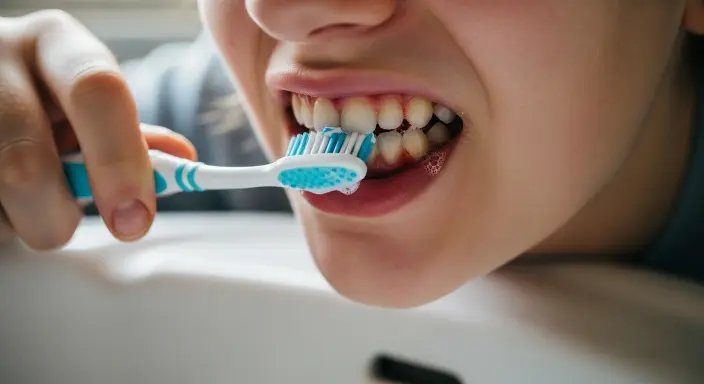
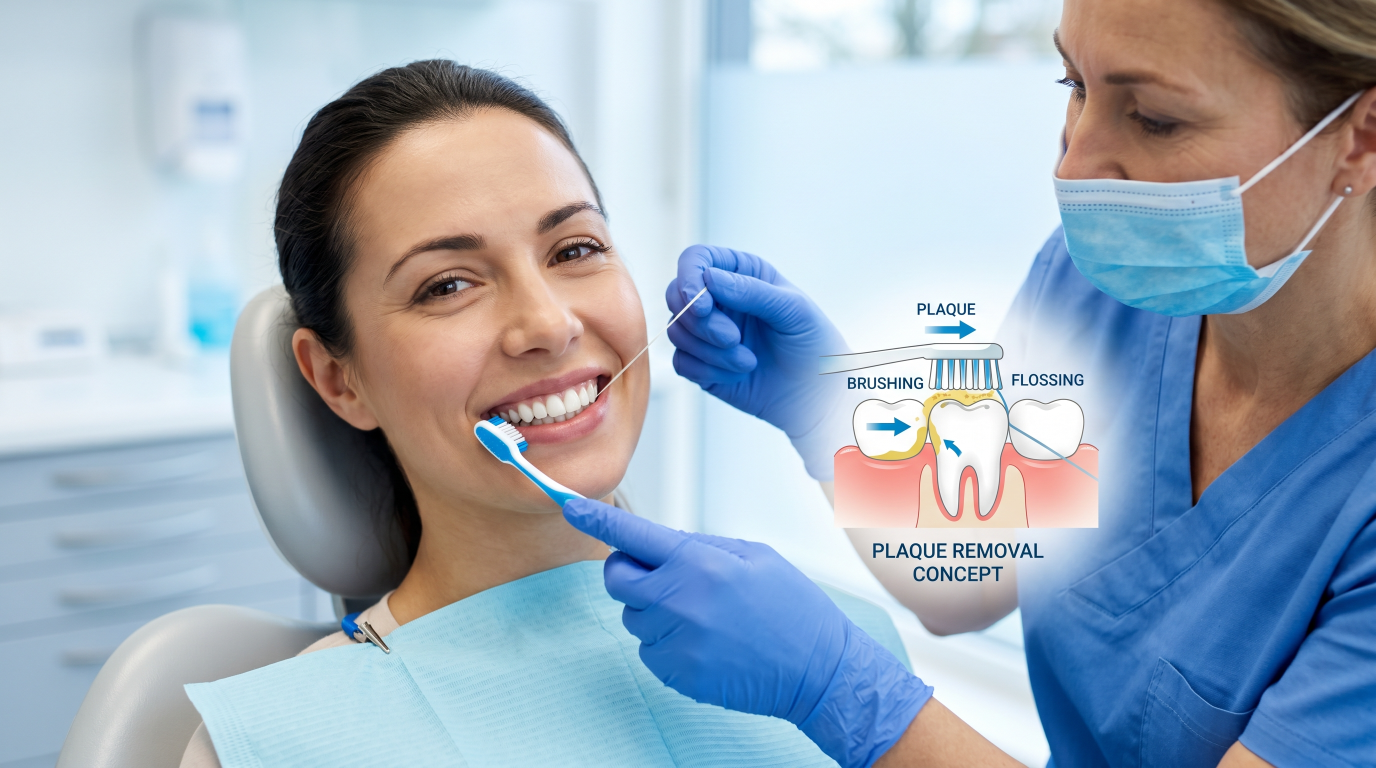
Brush twice daily with a soft-bristled toothbrush and non-abrasive toothpaste. Avoid whitening toothpastes that can be too harsh on veneer surfaces.
Floss daily to prevent gum disease, which can affect the edges of your veneers.
Avoid biting hard objects like ice, pens, or fingernails. Cut hard foods into smaller pieces rather than biting directly into them.
If you grind your teeth at night, ask your dentist about a custom night guard to protect your veneers.
Visit your dentist regularly for cleanings and checkups to catch any issues early.
Alternative Options to Consider
No-Prep Veneers: Ultra-thin porcelain veneers that don’t require removing enamel, but they’re not suitable for all cases.
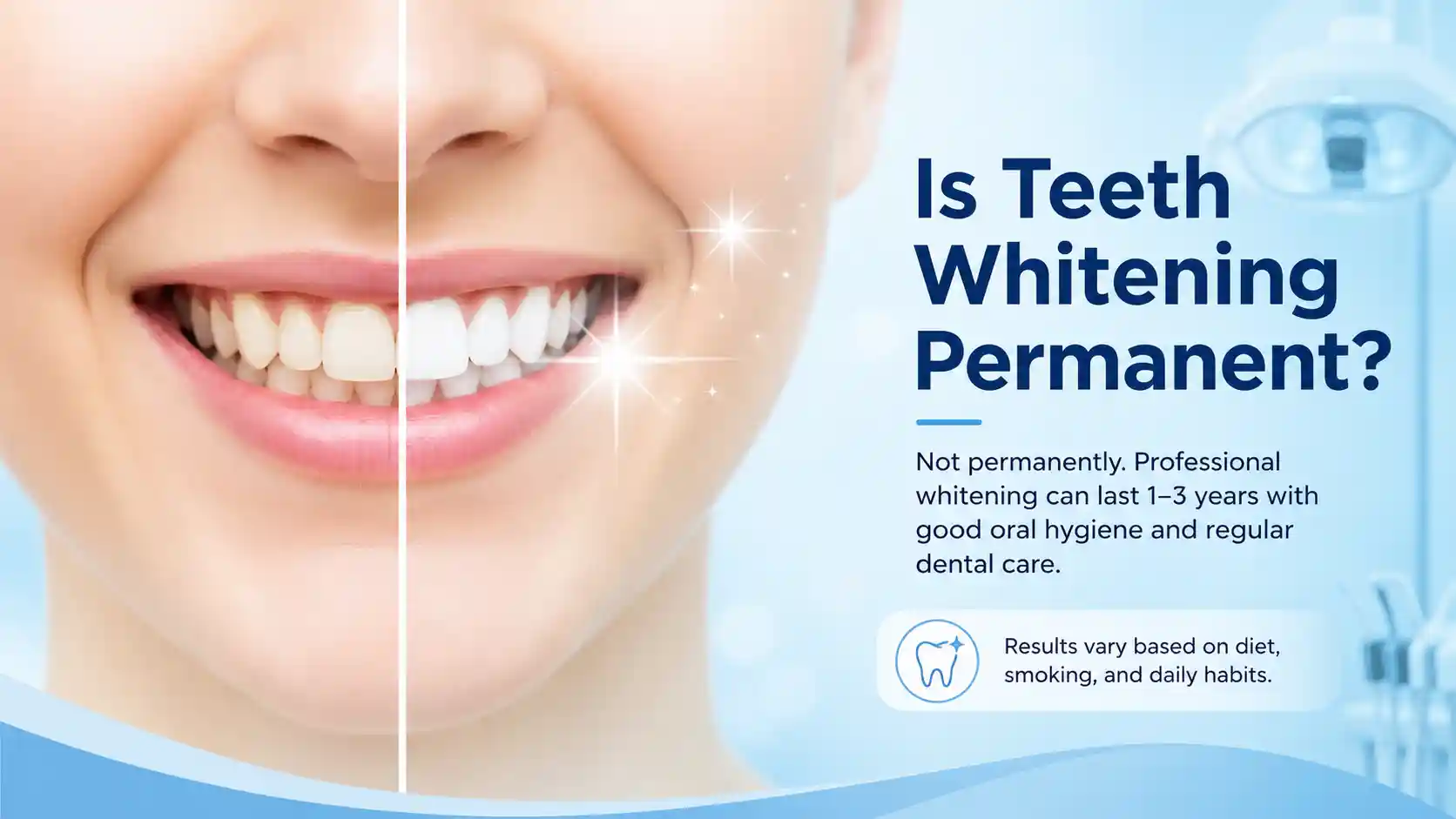
Teeth Whitening: If staining is your only concern, professional whitening might be a simpler solution.
Orthodontics: For crooked teeth, braces or clear aligners might be better long-term solutions than veneers.
Making Your Final Decision
The choice between composite veneers vs porcelain veneers comes down to your priorities, budget, and specific dental needs. Both can give you a beautiful smile, but they serve different purposes and budgets.
If you’re still unsure which option is right for you, the best step is to schedule a consultation with an experienced cosmetic dentist. They can evaluate your specific situation, discuss your goals, and help you make an informed decision based on your unique needs.
Ready to take the next step toward your perfect smile? The expert team atOcotillo Trails Family Dentistry specializes in both composite and porcelain veneers, helping patients achieve stunning smile transformations. Visit our veneers service page to learn more about your options and schedule your personalized consultation today.
Remember, investing in your smile is investing in your confidence and overall quality of life. Whether you choose composite or porcelain veneers, you’re taking a positive step toward the smile you’ve always wanted.
Frequently Asked Questions
Q: Do veneers hurt when you get them?
Most patients experience little to no pain during veneer placement. For composite veneers, you usually won’t need any numbing since very little tooth preparation is required. Porcelain veneers may cause mild sensitivity when the dentist removes a thin layer of enamel, but local anesthesia keeps you comfortable. Any sensitivity after the procedure typically goes away within a few days.
Q: Can I eat normally with veneers?
Yes, you can eat most foods normally with both types of veneers. However, you should avoid biting directly into very hard foods like ice, hard candy, or nuts. Cut crunchy foods like apples into smaller pieces rather than biting into them whole. This helps prevent chips or cracks, especially with composite veneers which are softer than porcelain.
Q: How do I know if I’m a good candidate for veneers?
Good candidates have healthy teeth and gums with enough tooth enamel for bonding. You shouldn’t have active tooth decay, gum disease, or habits like teeth grinding (unless you wear a night guard). Veneers work best for cosmetic issues like stains, small chips, minor gaps, or slightly crooked teeth. Your dentist will examine your teeth and discuss whether veneers are right for your specific situation.
Q: What happens if my veneer falls off or breaks?
If a composite veneer chips or breaks, your dentist can often repair it during a single office visit by adding more composite material. If a porcelain veneer comes off or breaks, you’ll need a completely new one made, which takes 1-2 weeks. In either case, contact your dentist right away to protect the exposed tooth and get proper treatment. Avoid chewing on that side until you can be seen.