







Your mouth is home to over 700 different types of bacteria right now. Within 24 hours of skipping your toothbrush, these tiny organisms multiply so fast they could fill a swimming pool if they were visible to the naked eye. Although it sounds dramatic. And that’s just the beginning compared to what they’re doing to your teeth while you sleep.
Most people think skipping a brushing session here and there won’t hurt. They’re wrong. The damage starts in hours, not days. From the fuzzy film coating your teeth to the silent destruction happening beneath your gums, your mouth transforms into a bacterial playground faster than you’d believe. This isn’t about scaring you into better habits – it’s about showing you exactly what’s happening inside your mouth when that toothbrush stays dry. By the time you finish reading, you’ll understand why those two minutes twice a day matter more than you ever realized.
What Happens in the First Day
So you skip brushing before bed. What’s the big deal, right? Well, bacteria in your mouth are basically throwing a party. These little guys feed on whatever food is stuck between your teeth – especially if you had something sugary or starchy for dinner. As they eat, they produce acid. That’s their waste product.
Within just a few hours, you’ll notice that fuzzy feeling on your teeth. Run your tongue across them. You can feel that plaque building up. It’s basically a sticky film made of bacteria, leftover food bits, and your saliva all mixed together. Pretty disgusting when you think about it.
Your breath starts to smell bad too. The bacteria release these sulfur compounds that smell like, well, like you need to brush your teeth. Most people don’t realize this happens so fast. Even after skipping just one brushing session, your mouth’s already in rough shape.
A Few Days Without Brushing
Now let’s say you go three or four days without brushing. Maybe you’re camping or traveling and just can’t get to it. Things get worse very fast. That is a soft plaque. It starts turning hard even, like, really hard. Dentists call it tartar or calculus (not the math kind). Once plaque hardens into tartar, you can’t brush it off anymore. It’s cemented onto your teeth. The only way to get it off is having a dentist scrape it with special tools. And that is not fun.
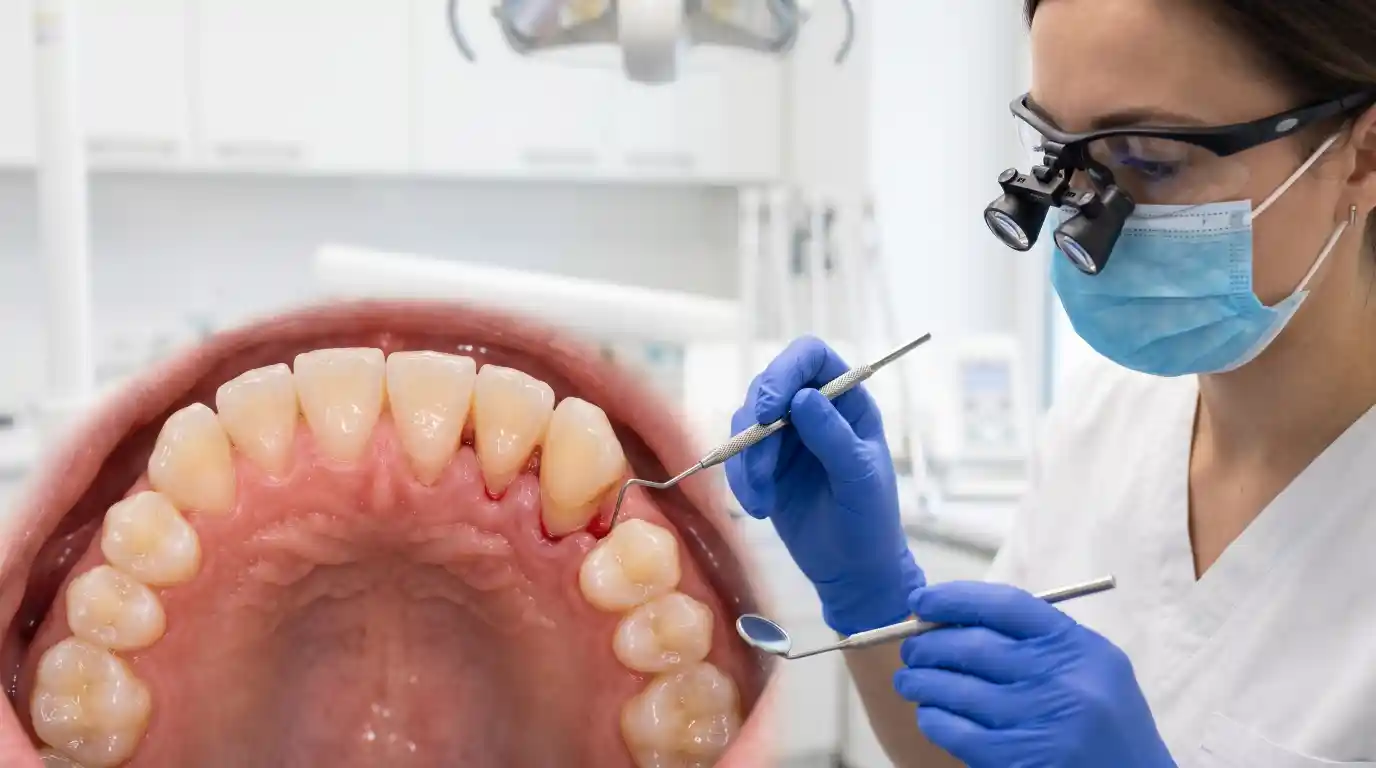
Your gums probably look redder than normal. They might even bleed a little when you eat an apple or finally decide to brush. This is gingivitis, which is basically the first stage of gum disease. Your gums are mad at you because bacteria are irritating them constantly.
The bad breath gets really noticeable at this point. You know when someone’s talking to you and you kind of want to step back Yeah, that. The acid keeps attacking your teeth non-stop too. Your enamel starts losing minerals. Think of it like rust forming on a bike left outside. Those little white spots you sometimes see on teeth. That’s the beginning of tooth decay.
And here’s what’s crazy – your mouth just feels disgusting all the time. That fuzzy feeling won’t go away no matter how much water you drink or gum you chew.
After Weeks of Not Brushing
Okay, so what if someone really lets things go for like two to four weeks? I know someone who broke their arm and had a hard time with basic stuff, including brushing it got bad. The tartar buildup becomes really obvious. You can actually see yellow or brownish crusty stuff near the gum line. It looks dirty because, well, it is dirty. And it’s packed with bacteria that keep attacking your teeth and gums 24/7.
Gingivitis gets way worse. Your gums start pulling away from your teeth a bit, creating these little pockets. Bacteria love hiding in there because it’s hard to clean. Your gums might bleed randomly now, even when you’re not touching them. Some people get this nasty taste in their mouth that just won’t go away.
Cavities start forming. The acid has eaten through the hard enamel on your teeth and reached the softer layer underneath called dentin. You might notice your teeth hurt when you drink something cold or eat candy. Those sharp pains. That’s decay getting deeper into your tooth.
The amount of bacteria in your mouth shoots way up. Studies show people who don’t brush have literally hundreds of times more harmful bacteria than people who brush regularly. Your whole mouth becomes this unhealthy environment.
Months and Years Without Brushing (This Gets Serious)
If someone stops brushing for months, we’re talking about major problems. The cavities get deep enough to hit the nerve inside your tooth. That causes those horrible toothaches that keep you up at night. The kind where you can’t think about anything else. You’d need root canals or even have teeth pulled at this point.
The gum disease progresses from gingivitis to periodontitis. This is where the infection goes below your gum line and starts destroying the bone holding your teeth in place. Your gums recede, making your teeth look super long. The pockets between your gums and teeth get deep – like 5mm or more. Sometimes pus forms in there. Your teeth get loose because the bone support is disappearing.
People actually lose teeth from this. I’m not exaggerating. Adults who don’t brush regularly can lose teeth in their 30s or 40s. Once a tooth falls out, the other teeth shift around, messing up your bite. Your face can even look different because missing teeth make your cheeks sink in. Chewing becomes hard, which means you can’t eat certain foods anymore.
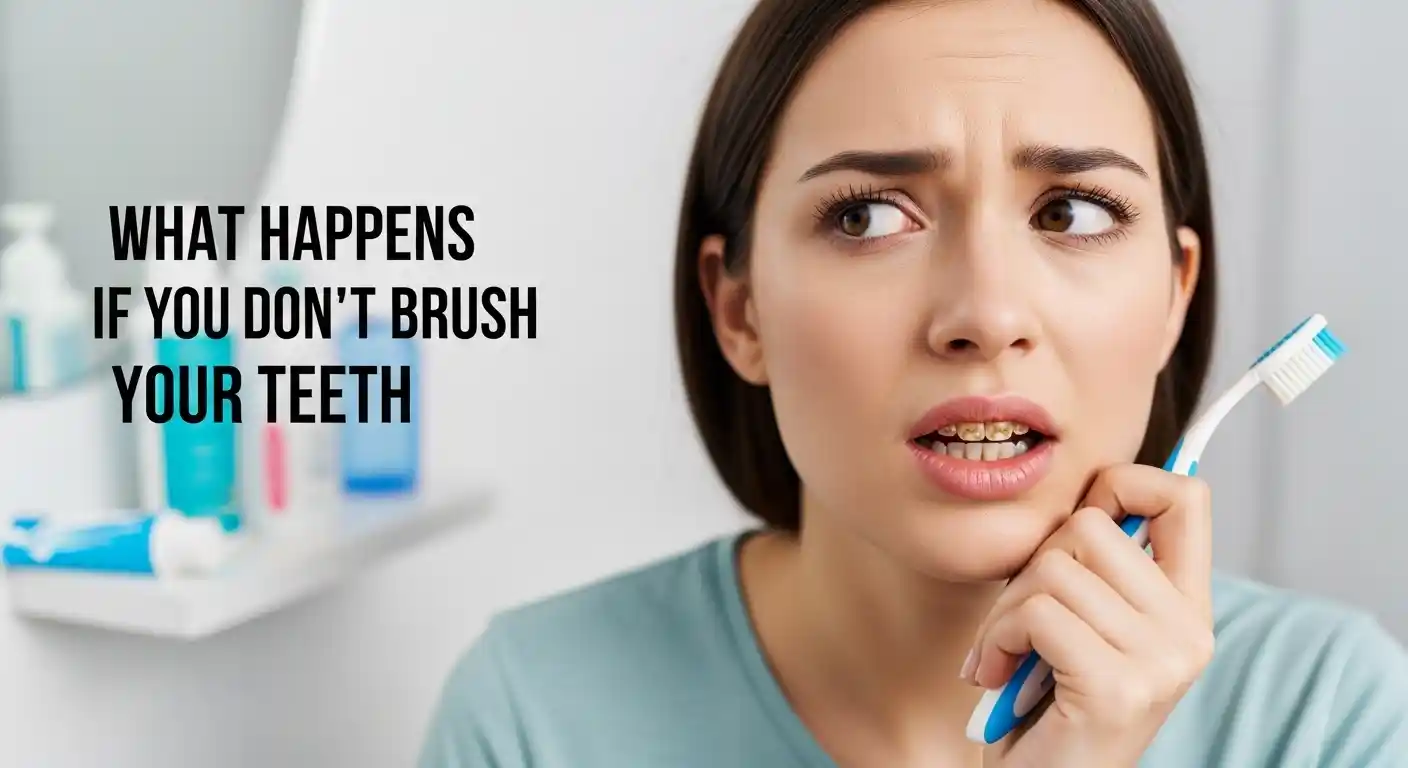
And the cosmetic stuff. Your teeth turn yellow, brown, or even black in spots. The tartar makes your whole smile look dirty. Bad breath becomes this constant, strong thing. People notice. It affects job interviews, dating, just regular conversations. You become self-conscious about smiling or talking too close to someone.
How This Affects Your Whole Body
Your heart health is closely connected to oral hygiene. Studies show people with inflamed gums have a higher risk of heart attacks and strokes. Oral bacteria can trigger inflammation in blood vessels and contribute to the formation of dangerous plaques in your arteries. Your dentist isn’t exaggerating when they say your mouth affects your heart.
If you have diabetes, poor oral health can make blood sugar levels harder to control. This creates a vicious cycle: high blood sugar worsens gum inflammation, and inflamed gums make blood sugar harder to manage. Managing both conditions can be challenging.
Respiratory infections are another concern. Breathing in bacteria from your mouth can reach your lungs and lead to pneumonia, especially in older adults. Expectant mothers are also at risk—oral infections have been linked to premature birth and low birth weight. In some cases, it can even trigger early labor.
Chronic inflammation from oral infections affects your immune system over time, wearing your body down. Research has connected it to conditions like rheumatoid arthritis, kidney disease, and certain types of cancer. Taking care of your teeth isn’t just about a nice smile—it’s about protecting your overall health.
Why Brushing Actually Works
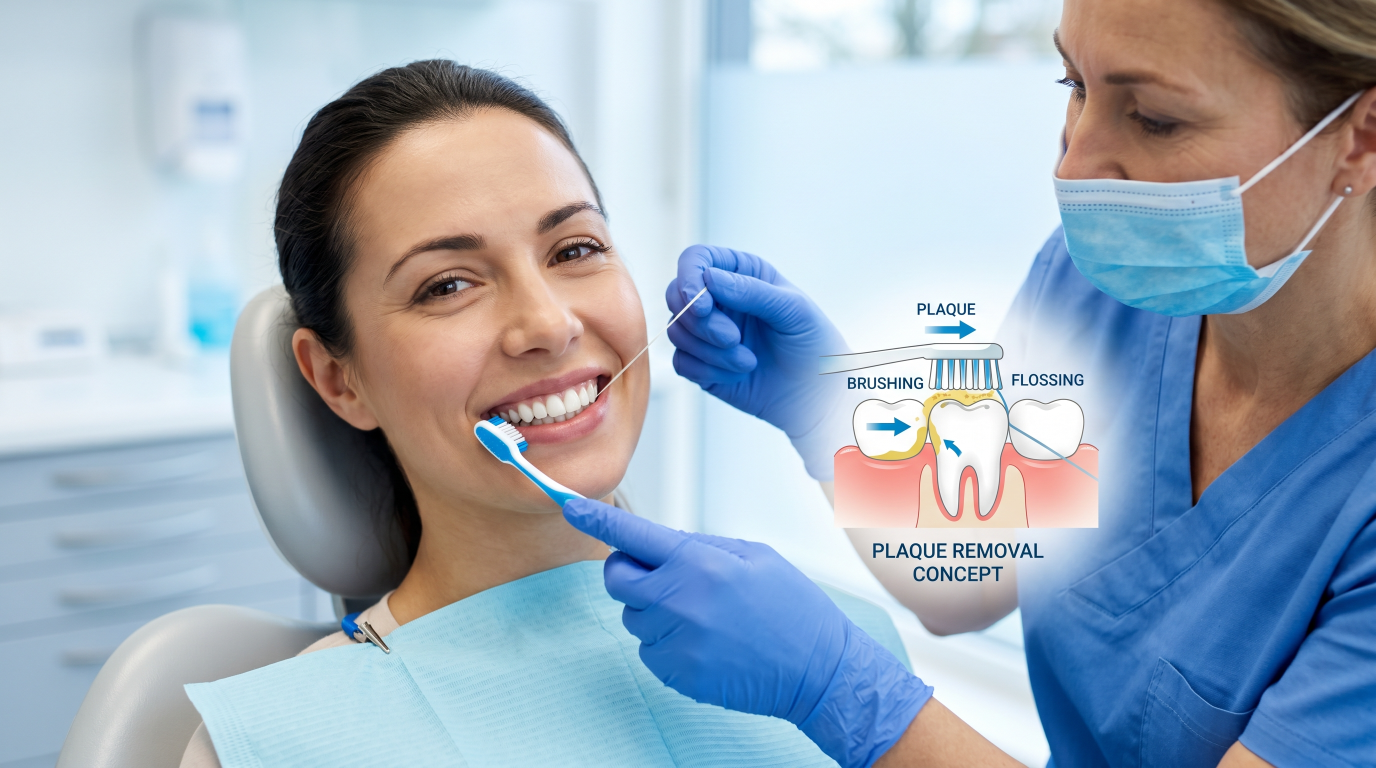
Brushing works because you’re physically removing the bacteria before they can do damage. Your toothbrush bristles get into the spaces between teeth and along your gum line where bacteria hang out. The scrubbing action breaks up plaque before it turns into that hard tartar.
Toothpaste helps too. The fluoride strengthens your enamel and can even reverse really early decay. It makes your teeth tougher against acid attacks. Other stuff in toothpaste kills bacteria and makes your breath smell better. But honestly, the brushing motion itself does most of the heavy lifting.
Brushing twice a day is what dentists recommend. Morning brushing gets rid of the bacteria that built up overnight. Nighttime brushing is even more important though. You make less saliva when you sleep, and saliva normally helps wash away bacteria and neutralize acids. Without enough saliva working at night, bacteria just go wild on your teeth for hours.
The two-minute thing isn’t random. It actually takes that long to properly clean all the surfaces of your teeth. Most people brush for maybe 30 or 45 seconds. That’s not enough. You need to hit the front, back, and chewing surfaces of every tooth. Don’t forget your tongue either. Tons of bacteria live there and cause bad breath.
Don’t Wait Protect Your Teeth Now
Don’t wait until your teeth start hurting or your gums are bleeding. Take action today. Schedule your dental cleaning now and get ahead of plaque and gum disease before it becomes a bigger problem. Even just brushing properly tonight can make a difference, but a professional checkup ensures your mouth stays healthy long-term. Your future self — the one with strong teeth and fresh breath — will thank you.
Conclusion
Look, your teeth are meant to last your entire life. But they need you to take care of them. Brushing twice a day takes less than five minutes total. That’s a pretty small price to pay to avoid pain, expensive dental bills, and serious health issues down the road.
The damage builds up slowly, so it’s easy to ignore at first. But it adds up. If you’ve been slacking on brushing, today’s a good day to get back into it. Set a phone reminder if you need to. Keep a toothbrush at work. Whatever makes it easier for you.
And don’t skip those dental checkups. Dentists catch problems early when they’re way easier and cheaper to fix. Don’t wait until something hurts. Your teeth are worth a few minutes of effort each day. In the future you will be glad you took care of them.
Frequently Asked Questions
Can you fix damage from not brushing?
It depends how bad things got. Early gingivitis and super early cavities can be reversed with better brushing, flossing, and getting your teeth cleaned professionally. But once you’ve got real cavities that go through your enamel or advanced gum disease, that damage is permanent – though you can stop it from getting worse with treatment.
How long before it’s really bad?
You shouldn’t skip brushing at all, but one missed session won’t ruin your teeth forever. After about 24 hours, plaque starts getting hard, and around 48 hours your gums start getting inflamed. Go more than a few days and you’re looking at problems that need a dentist to fix.
Is once a day enough?
Brushing once daily beats not brushing, but it’s not ideal. You’re giving bacteria a full 24 hours between brushings to attack your teeth, which really ups your risk for cavities and gum disease compared to brushing twice daily.
Can mouthwash replace brushing?
Nope. Mouthwash can’t physically remove plaque like brushing does. It kills some bacteria and freshens your breath, which makes it a nice extra step alongside brushing and flossing. But it’s definitely not a substitute for the actual scrubbing that brushing provides.
What about teeth falling out?
Yeah, if you don’t brush regularly, your teeth can eventually fall out. Long-term neglect leads to severe gum disease that destroys the bone supporting your teeth. Plenty of adults who rarely brush lose multiple teeth by middle age, and that affects everything from eating to speaking clearly to feeling good about themselves.