











Cavities are one of the most common dental problems, and catching them early is essential to prevent pain and costly treatments. Common early signs include tooth sensitivity, visible pits or holes, dark spots, and occasional discomfort when eating or drinking. By recognizing these symptoms promptly, you can take action with proper dental care to stop decay from worsening—something dentists frequently emphasize in San Tan Valley, AZ. This guide explains the early warning signs and what steps to take next.
Understanding Cavities in Simple Terms
Before we dive into symptoms, let’s talk about what’s actually happening inside your mouth when a cavity forms. Understanding the process can help you protect your teeth better. Think of it like learning how rust forms on metal—once you know how it happens, you can take steps to prevent it.
What Exactly Is Tooth Decay?
Tooth decay is damage to your tooth’s hard outer surface, called enamel. Your mouth is home to millions of bacteria, and while some are helpful, others cause problems. When you eat sugary or starchy foods, harmful bacteria feast on those leftovers stuck to your teeth. As they eat, these bacteria produce acid as waste. This acid slowly dissolves the minerals in your tooth enamel, creating weak spots. Over time, these weak spots turn into holes—that’s what we call a cavity.
How Cavities Develop Over Time
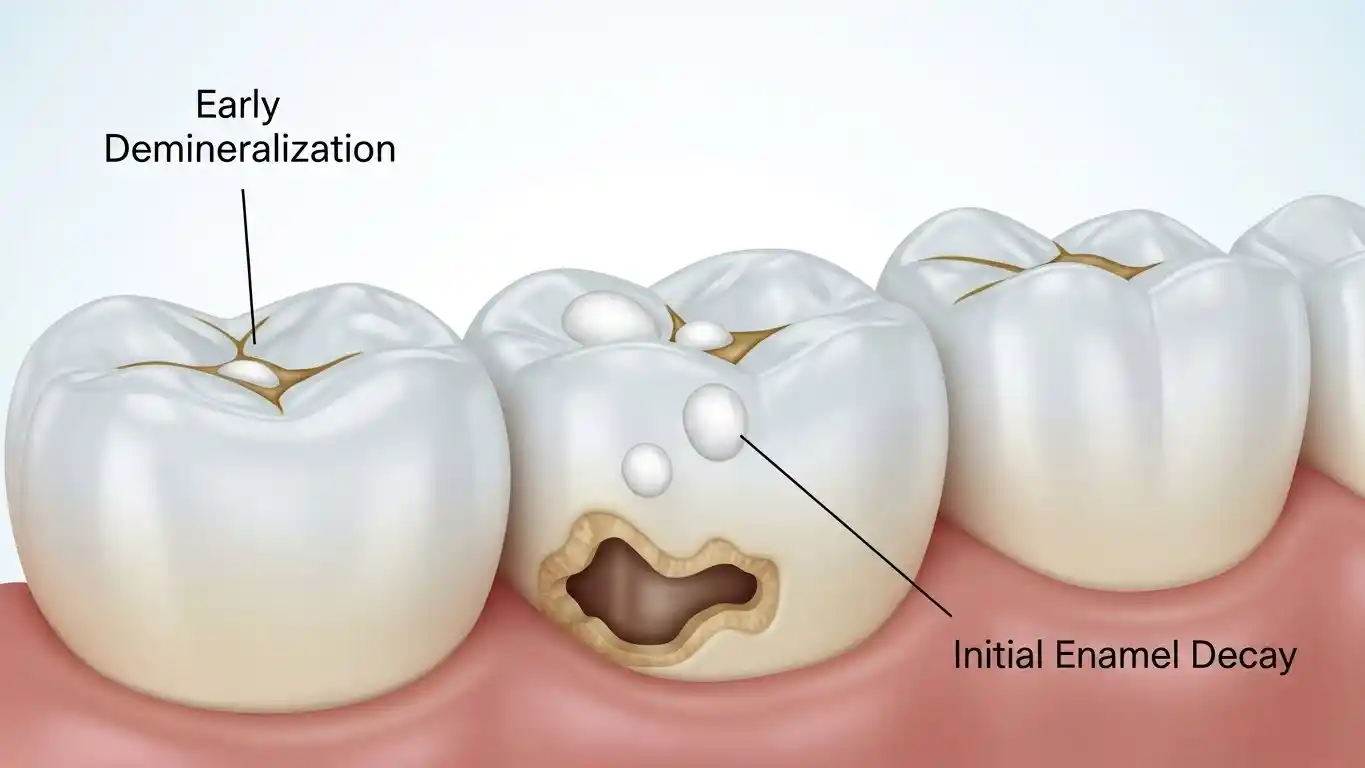
Cavities don’t form in a day or even a week. The process usually takes months or even years. It starts with demineralization, when acid strips minerals from your enamel. You might notice a white or chalky spot on your tooth. At this stage, the damage can sometimes be reversed with good dental care. If the process continues, the enamel breaks down further and a small hole forms. Eventually, the cavity can reach the softer inner layers of your tooth where nerves live. This is when pain usually kicks in.
Early Warning Signs You Shouldn’t Ignore
Catching a cavity early makes treatment much easier and less expensive. Your mouth sends you warning signals before things get serious. Learning to recognize these early signs can save you from bigger problems down the road.
Mild Discomfort or Occasional Tooth Pain
One of the first things people notice is a slight sense that something feels “off” with a tooth. It’s not quite pain—more like mild discomfort. You might feel it when you bite down on that tooth or when you touch it with your tongue. This discomfort might come and go. One day your tooth bothers you, the next day it feels fine. Even if it goes away on its own, don’t assume the problem has disappeared.
Sensitivity to Hot, Cold, or Sweet Foods
Have you ever taken a sip of cold water and felt a sudden jolt in one tooth? This sensitivity is one of the most common early signs of a cavity. When enamel starts breaking down, the more sensitive layers underneath become exposed. Hot coffee, cold drinks, and sweet treats can all trigger that uncomfortable sensation. If the sensitivity is focused on one specific tooth and getting worse over time, a cavity is likely the cause.
Visible Changes on Tooth Surface
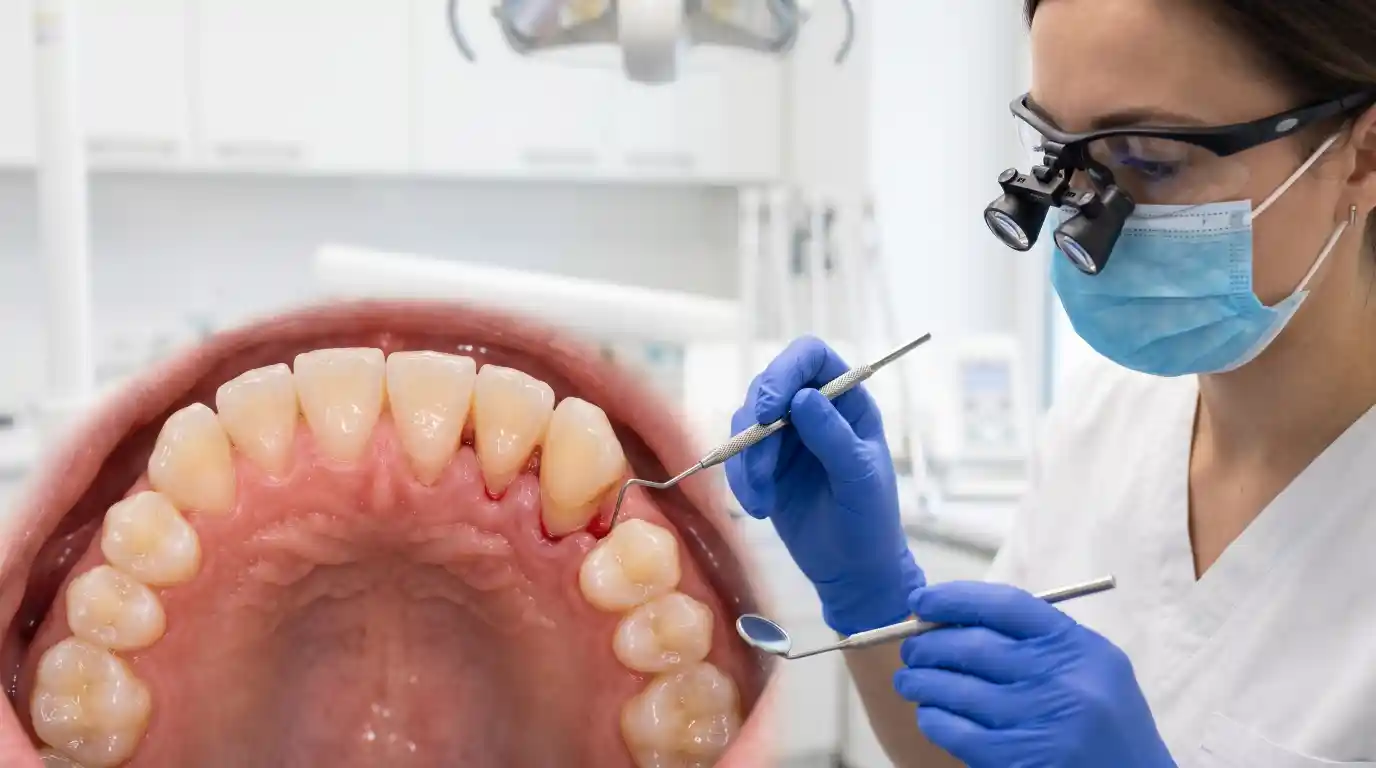
Sometimes you can actually see a cavity forming. Early signs include white, brown, or black spots on your teeth. These discolored areas don’t brush away. You might also notice that your tooth’s surface looks rough instead of smooth and shiny. Even a tiny hole is significant and needs attention.
Persistent Bad Taste or Bad Breath
Cavities create spaces where food particles and bacteria get trapped. As bacteria break down these trapped bits of food, they produce smelly compounds. You might notice a bad taste in your mouth that doesn’t go away after brushing, or people might comment that your breath smells off. While bad breath has many causes, if it’s accompanied by other symptoms like sensitivity, a cavity could be the reason.
Advanced Symptoms of a Cavity
When cavities progress without treatment, the symptoms become more obvious and more uncomfortable. At this stage, the decay has usually reached deeper layers of your tooth. These advanced signs mean you need dental care soon.
Sharp Pain While Chewing
Unlike the mild discomfort of early cavities, advanced decay often causes sharp, stabbing pain when you bite down. You might find yourself avoiding chewing on one side of your mouth. Hard or crunchy foods become especially painful. If chewing regularly causes sharp pain, this means the cavity needs professional treatment right away.
Dark Spots, Pits, or Holes in Teeth
When a cavity advances, you might see clearly defined dark areas—brown, gray, or black. You might also notice actual holes or pits in your tooth that you can feel with your tongue. Food might get stuck in these spots regularly. Sometimes the outside of the tooth looks mostly okay, but there’s actually a big cavity underneath.
Swelling or Signs of Infection Around the Tooth
When a cavity gets really serious, it can lead to an infection. Signs include swelling in your gum near the affected tooth, a pimple-like bump on your gum, fever, or bad taste from pus. If you experience any of these symptoms, call your dentist right away or visit an emergency dental clinic.
How Cavities Feel vs. How They Look
Understanding the difference between what you feel and what you see can help you catch cavities at different stages. Sometimes symptoms show up in how your tooth feels, and sometimes in how it looks. Often, both happen together.
Physical Sensations Linked to Cavities
The feelings associated with cavities change as the decay progresses. In the beginning, you might just notice slight sensitivity. As the cavity grows, sensations become more specific—a sharp zing when cold air hits that tooth, or a dull ache after eating sweets. In advanced stages, pain can be constant and throbbing, even keeping you awake at night.
Visual Differences Between Cavities and Stains
Stains are usually on the surface of teeth and fairly uniform in color. They often affect multiple teeth in similar ways and can be lightened with professional cleaning. Cavities have irregular borders and vary in shade. They might look white and chalky in early stages, then turn brown or black. If you can feel a rough patch or hole with your tongue, it’s likely a cavity rather than a stain.
Common Causes That Increase Your Risk
Some people seem to get cavities more easily than others. Certain habits and conditions make tooth decay more likely. Understanding these risk factors helps you take preventive action.
Poor Oral Hygiene Habits
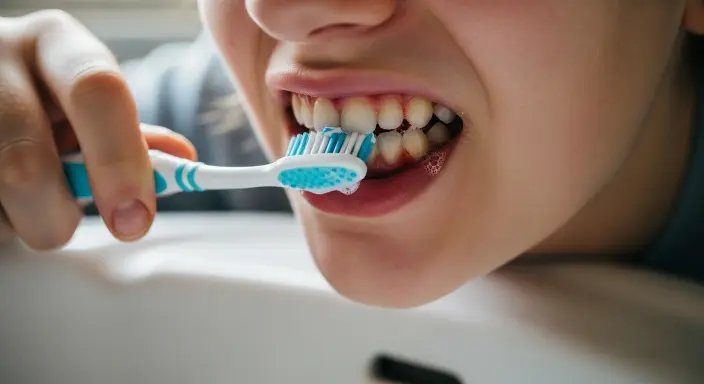
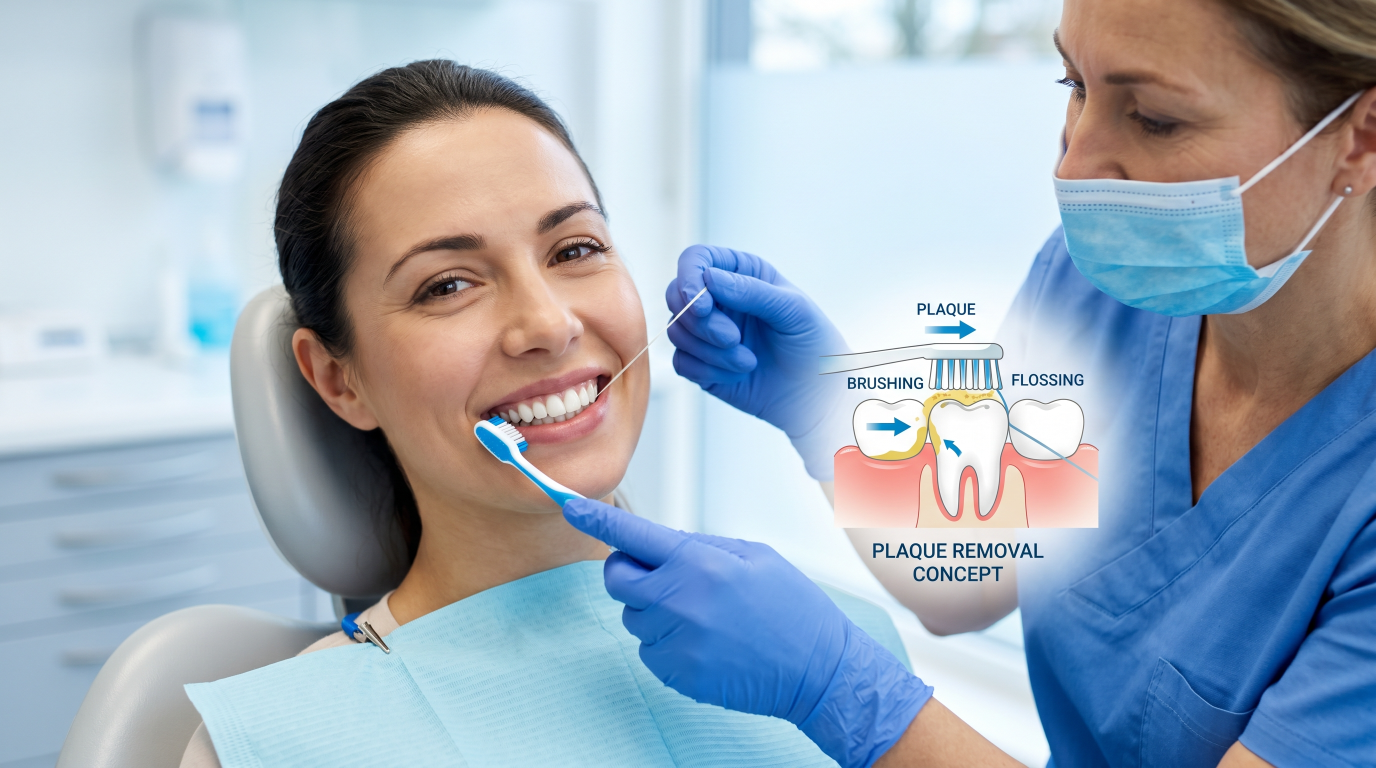
The number one cause of cavities is not cleaning your teeth properly. When you skip brushing or only brush quickly, you leave behind plaque packed with bacteria. Brushing should happen twice a day for two minutes each time. Flossing is just as important—your toothbrush can’t reach between teeth where cavities often start.
Sugary and Acidic Diet
Bacteria in your mouth love sugar. Every time you consume something sugary, those bacteria produce acid for up to 20 minutes afterward. Soda, candy, and sweetened drinks are obvious culprits, but dried fruit, sports drinks, and even chips can cause problems. The frequency of eating matters too—sipping on a sugary drink all day means constant acid attack.
Dry Mouth and Low Saliva Production
Your saliva washes away food particles, neutralizes acid, and contains minerals that help repair early tooth damage. When you don’t produce enough saliva, cavity risk increases dramatically. Certain medications, medical conditions, and aging can all cause dry mouth.
Can You Confirm a Cavity at Home?
Many people wonder if they can diagnose their own cavities. While you can certainly look for warning signs, confirming a cavity really requires professional dental tools and expertise. Here’s what you can and can’t do on your own.
What You Can Check Yourself
You can perform a basic at-home check. Look at all your teeth in good lighting for any discoloration, dark spots, or visible holes. Run your tongue carefully over your teeth and feel for rough patches or small pits. Pay attention to symptoms—does any tooth hurt when you drink cold water? Does chewing on one side cause discomfort?
Why Self-Diagnosis Isn’t Always Reliable
Many cavities hide where you can’t see them. X-rays are the only way to spot cavities between teeth or under the surface of the enamel. Early-stage cavities are extremely difficult to identify without professional tools. Sometimes what looks like a cavity is actually something else, like a stain. Professional evaluation gives you accurate information.
When to See a Dentist for a Suspected Cavity
Timing matters when it comes to treating cavities. Catching them early means simpler, less expensive fixes. But how do you know when it’s time to make that appointment? Here are the guidelines you need.
Symptoms That Require Immediate Care
Severe, persistent toothache needs attention within a day or two. Signs of infection—facial swelling, fever, pimple-like bump on gums, or pus—need immediate care. Sharp pain when biting down or a tooth that feels loose are also red flags. Even mild symptoms that last more than a week or two deserve attention.
What Happens During a Dental Examination
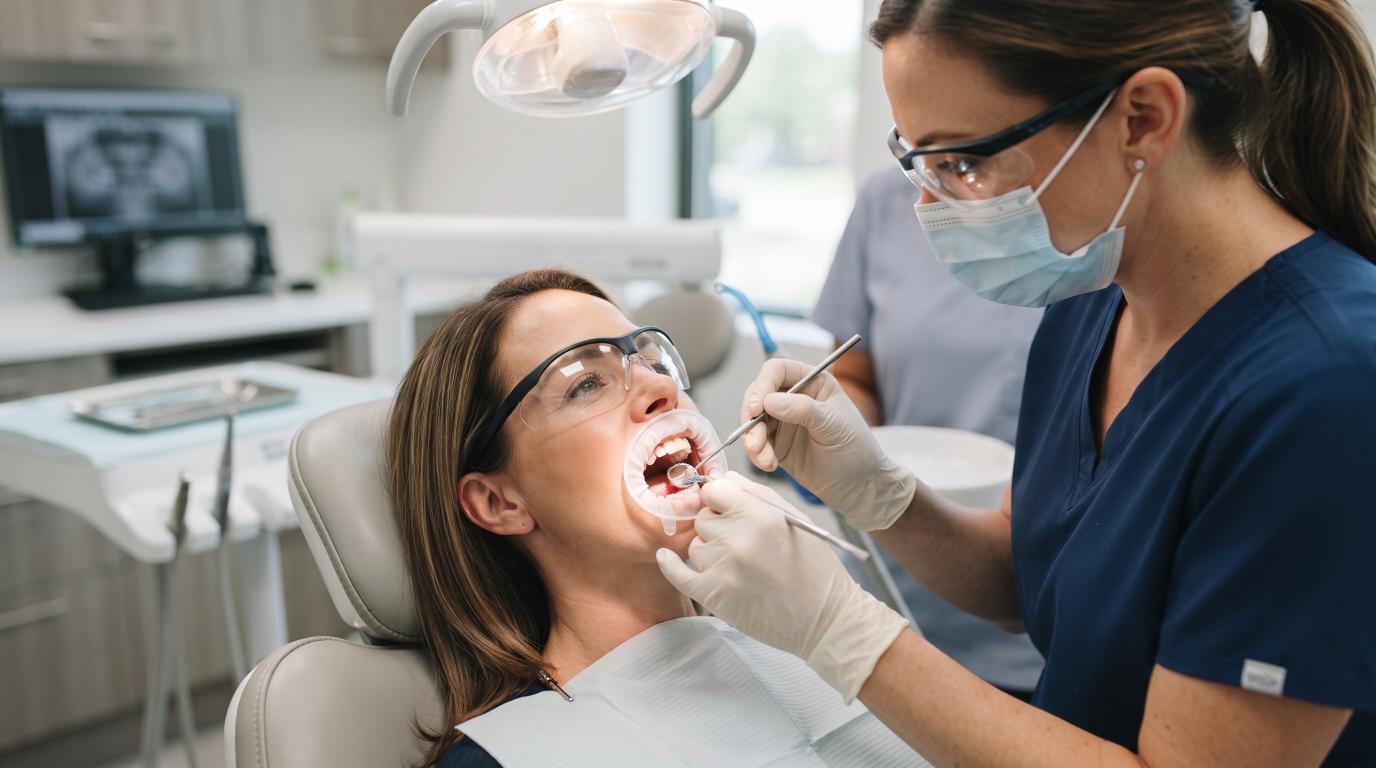
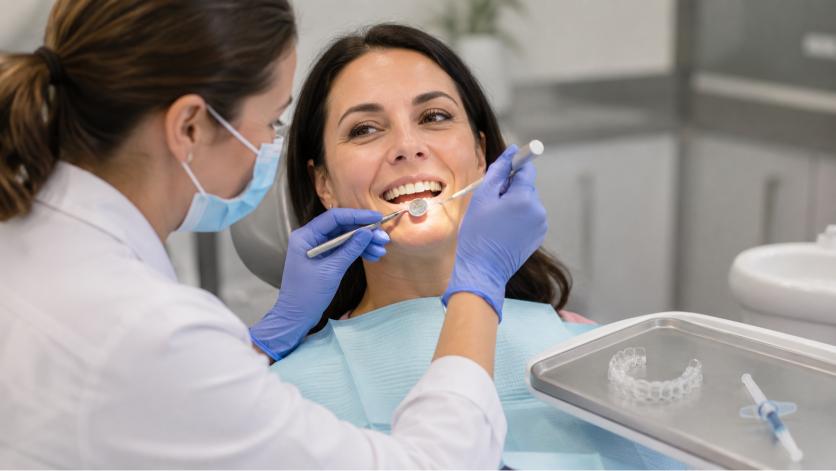
Your dentist will ask about your symptoms, then visually examine all your teeth using a small mirror and special tools. X-rays show what’s happening between teeth and under the surface. Based on everything they find, your dentist will explain which teeth have cavities and recommend treatment options.
What Happens If a Cavity Is Left Untreated?
Some people think they can ignore a cavity and hope it goes away. Unfortunately, cavities don’t heal themselves, and putting off treatment always makes things worse. Here’s what happens when decay continues unchecked.
Damage to Deeper Tooth Layers
When a cavity isn’t treated, it eats through the enamel to the softer dentin beneath, then spreads faster. Eventually, decay reaches the pulp where nerves and blood vessels live. This is incredibly painful and requires more complex treatment. What could have been fixed with a simple filling now needs a root canal. The cavity keeps growing until the tooth becomes so weak it can crack or break apart.
Infection, Abscess, and Tooth Loss Risks
When bacteria reach the pulp and travel to the root, they can cause a serious infection called an abscess. An abscess is extremely painful and dangerous because the infection can spread to your jawbone or other parts of your body. Even if infection doesn’t spread far, it can destroy so much tooth structure that extraction becomes the only option.
Treatment Options Based on Cavity Severity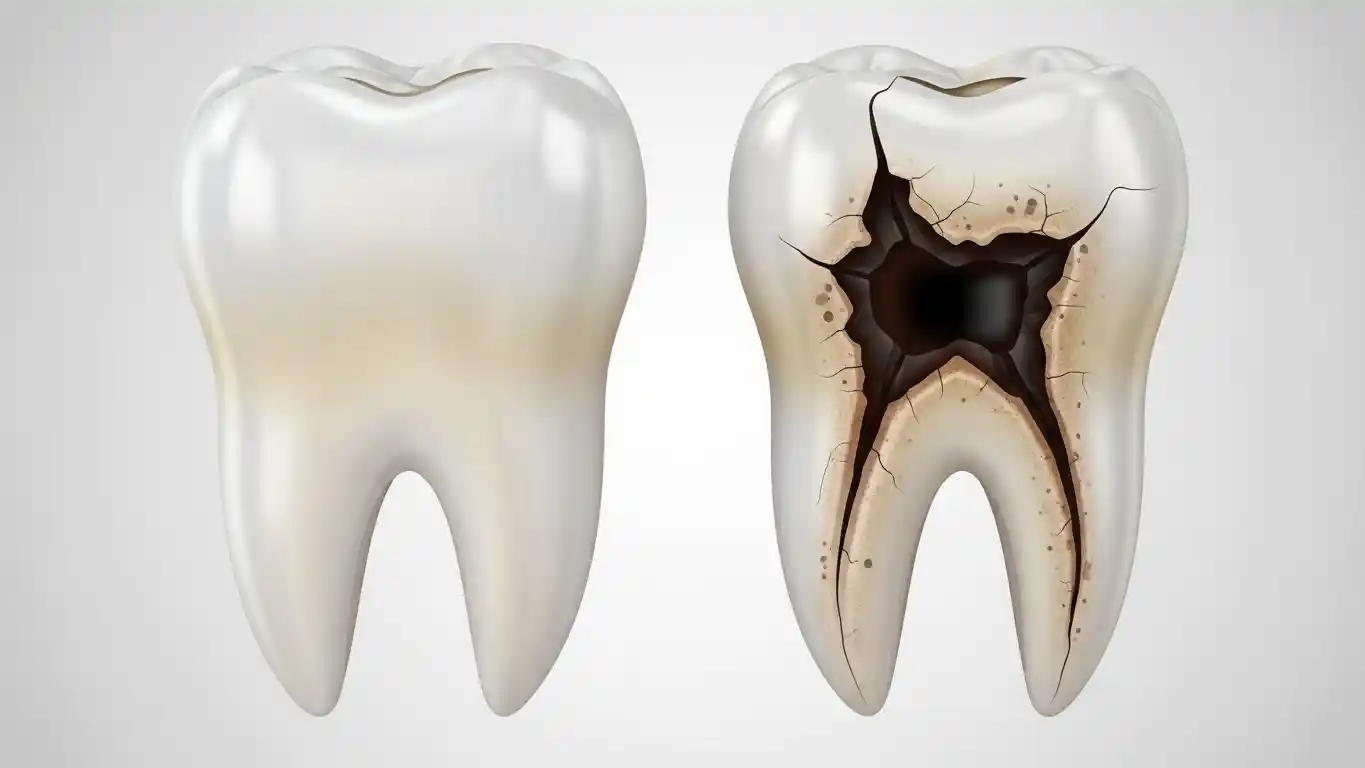
Dentists have several ways to treat cavities, and the right approach depends on how far the decay has progressed. Modern dental treatments are more comfortable and effective than ever before. Here’s what to expect.
Early-Stage Treatments
If a cavity is just beginning, fluoride treatments can sometimes reverse the damage. For slightly more advanced cavities with small holes, a simple filling is standard treatment. The dentist removes the decayed part and fills the space with tooth-colored material. Some dentists also offer sealants to prevent new cavities.
Moderate to Severe Treatment Approaches
Large cavities might need a crown—a cap that covers the entire visible part of your tooth. If decay has reached the pulp, you’ll need a root canal to remove infected tissue. In the most severe cases where the tooth can’t be saved, extraction is necessary, followed by replacement with an implant, bridge, or partial denture.
How to Reduce Your Chances of Getting Cavities
Prevention is always better than treatment. Cavities are largely preventable with good habits and regular care. By following these recommendations, you can dramatically reduce your risk of developing tooth decay.
Daily Oral Care Tips
Brush twice a day for two full minutes using fluoride toothpaste and a soft-bristled brush. Use gentle pressure and small circular motions. Floss every single day to clean between teeth. Limit snacking and sipping on sugary drinks throughout the day. Drink water after eating and chew sugar-free gum with xylitol to help neutralize acid.
Professional Preventive Dental Care
See your dentist every six months for checkups and cleanings. Professional cleanings remove hardened plaque you can’t remove at home. Ask about fluoride treatments and dental sealants for extra protection. Discuss your specific risk factors with your dentist so they can suggest special products if needed.
Protect Your Smile Today
Don’t wait until a cavity becomes a bigger problem. Schedule your dental checkup today with Santan Dentist in San Tan Valley, AZ to catch tooth decay early and protect your smile with professional care. Your teeth deserve the best attention—book your appointment now!
Conclusion
Cavities are common, but early detection and proper care can save your teeth from pain, infection, and costly treatments. By paying attention to early warning signs—like mild discomfort, sensitivity, or visible changes—you can take action before the problem worsens. Maintaining good oral hygiene, regular dental checkups with a trusted dentist in San Tan Valley, AZ, and a balanced diet are your best defenses against tooth decay.
Frequently Asked Questions About Cavities
Can a Small Cavity Heal Naturally?
Very early tooth decay—before a cavity actually forms—can sometimes be reversed with fluoride and improved oral hygiene. However, once a hole has formed in your tooth, that damage is permanent. The body cannot regrow tooth enamel. At this point, you need a dentist to clean out the decay and fill the hole.
Do Cavities Always Cause Pain?
No, cavities don’t always hurt, especially in the early stages. Many people have cavities and don’t even know it. Pain typically begins when decay reaches the dentin layer. Never assume you don’t have cavities just because your teeth feel fine. Regular dental checkups can find painless cavities that are much easier to fix.
How Fast Does a Cavity Get Worse?
Generally, cavities progress slowly—it often takes months to years for a cavity to form. However, once decay reaches the softer dentin layer, it can spread much faster. Your diet, oral hygiene, and genetics all influence speed. The key takeaway: small cavities become big cavities over time, so don’t delay treatment.
Are Cavities Common in Adults?
Absolutely yes. More than 90% of adults have had at least one cavity in their permanent teeth. Adults face unique risk factors like receding gums and dry mouth from medications. The good news is that adult cavities are just as preventable as childhood cavities with good habits.
Can Children Have Cavities Without Symptoms?
Yes, and this is very common in kids. Children’s teeth are more vulnerable to decay, and cavities can form quickly without causing pain. Baby teeth are important even though they’re temporary. Make sure your child sees a dentist regularly, starting by their first birthday.