
Dental Bonding vs Veneers | Which One Is Best Treament for Your Teeth?

Thinking about fixing your smile? You’ve probably heard of dental bonding and veneers, right? Both are great ways to fix things like chipped teeth, gaps, or discoloration, but which one is right for you? Choosing between the two isn’t always easy, especially when both can help you get a better smile. Don’t worry, let’s look at the main differences, the good and bad parts, and what might be best for you! What’s the Deal with Dental Bonding and Veneers? So, what exactly are dental bonding and veneers? Dental Bonding is a quick, simple fix where your dentist uses a tooth-colored resin (kind of like filling material) to cover any imperfections on your teeth. The resin is shaped to match your teeth and hardened with a special light. It’s fast, easy, and can be done in just one visit. Veneers, on the other hand, are thin, custom made shells that fit over the front of your teeth. They are typically made from porcelain (which looks super natural) and are perfect for people who need a more permanent fix for things like crooked teeth, stains, or chips. Getting veneers is a bit more involved since you will need a couple of visits to the dentist, but they last a lot longer than bonding. How Are Bonding and Veneers Applied? Dental Bonding: Bonding is quick and easy. First, your dentist will roughen the surface of your tooth so that the resin sticks better. Then, they will apply the resin and shape it to match your natural tooth. After that, the resin is hardened with a special light, and voila! The last step is polishing it to blend perfectly with the rest of your teeth. The best part? This entire process usually takes about 30-60 minutes and can be done in one visit! Plus, it doesn’t require removing any of your tooth’s enamel, so it’s a pretty low-key procedure. Veneers: Veneers take a bit more time. First, your dentist will remove a tiny layer of enamel from your teeth to make room for the veneer. This step is permanent, so once the enamel is gone, it’s gone. After that, your dentist will take impressions of your teeth, which go to a lab where the custom veneers are made. It usually takes about 1-2 weeks for your veneers to be ready. Once they’re ready, you’ll go back to the dentist to have them bonded to your teeth. Your dentist might need to make a few adjustments to get them just right. While it’s a bit more involved, veneers give you a long-lasting, natural-looking smile. Bonding vs. Veneers: Key Differences Let’s break it down. Here’s a quick comparison of bonding and veneers: Materials Used: Dental Bonding uses a flexible, tooth-colored resin that’s applied directly to the tooth. Veneers are typically made of porcelain or composite resin. Porcelain veneers are more durable, look more natural, and resist stains better than bonding. Time and Procedure: Dental Bonding can be done in one visit and usually takes 30-60 minutes. Veneers require at least two visits: one for impressions and the second to place the custom veneers after they’re made. Durability: Veneers are much more durable than bonding. Porcelain veneers can last 15-20 years with proper care, and they resist stains from things like coffee and red wine. Bonding, on the other hand, lasts about 3-10 years. It’s great for small fixes but can chip or stain over time. Aesthetics: Bonding is great for fixing small imperfections, but it doesn’t have the same level of shine or durability as veneers. Veneers are perfect for a complete smile makeover. They look natural, last longer, and provide a more even, uniform look. The Pros and Cons of Dental Bonding Advantages of Bonding: Fast and Affordable: If you’re looking for a quick fix without breaking the bank, bonding is the way to go. Minimal Tooth Removal: Bonding doesn’t require your dentist to take away any of your natural tooth, so it’s a simple and gentle option. Versatile: Bonding can fix a lot of small issues, like chips, gaps, and discoloration. Plus, if it wears down or gets damaged, it can be easily repaired in one visit. Disadvantages of Bonding: Not as Durable: Bonding doesn’t last as long as veneers and can stain more easily. It’s not the best option if you want something that will last for decades. Not as Natural-Looking: While bonding blends well with your natural teeth, it doesn’t have the same shine or translucency that porcelain veneers do. The Pros and Cons of Dental Bonding Veneer Advantages of Veneers: Long Lasting: Veneers, especially porcelain ones, can last 15-20 years with proper care. They are a great long-term investment. Natural Look: Porcelain veneers look a lot like real teeth because they reflect light the same way natural enamel does. Stain Resistant: Veneers resist stains from coffee, tea, wine, and smoking, so your smile stays bright. Disadvantages of Veneers: Expensive: Veneers are much more expensive than bonding, especially porcelain ones. Permanent: Once your dentist removes enamel to make room for the veneers, that’s a permanent change. You can’t go back after that. More Invasive: Veneers require multiple visits and some tooth preparation, which makes the process more involved than bonding. Which One Should You Choose? Alright, now for the big question which one is better for you? If you just need a small fix like covering a chip, closing a tiny gap, or brightening up some stains bonding is likely your best bet. It’s fast, budget-friendly, and doesn’t take much prep work. But if you’re looking for a long-lasting solution that transforms your entire smile, like fixing severe discoloration, misalignment, or big chips, veneers might be your best bet. They are costly, but they last longer and look way more natural. Taking Care of Your New Smile Whether you choose bonding or veneers, you’ve got to take care of your new smile. Bonding needs a little more attention because it can chip or stain over time. Try to avoid biting down
Do Veneers Ruin Your Teeth?
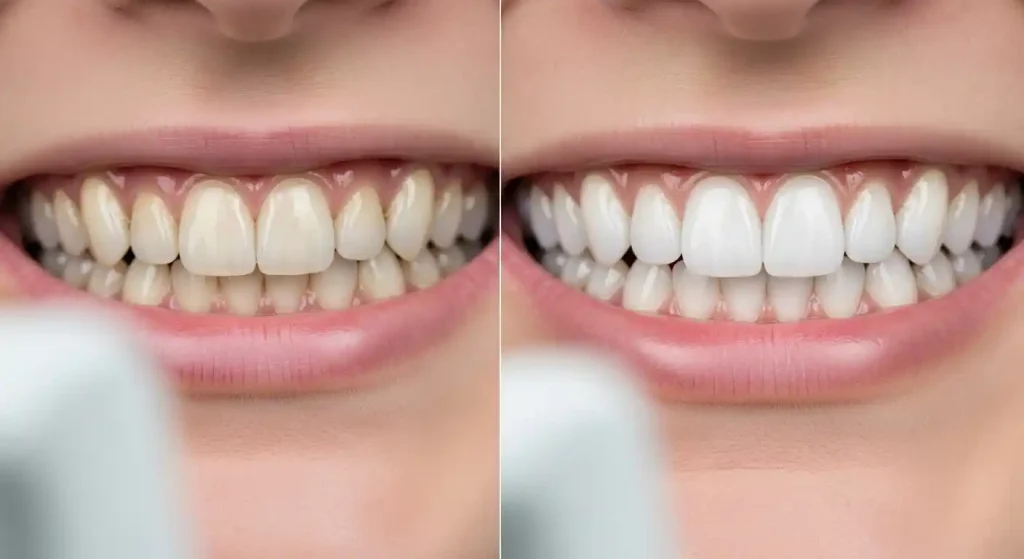
Veneers do not ruin your teeth when they are properly planned, conservatively prepared, and placed by an experienced cosmetic dentist but they do permanently alter your enamel. If you’ve searched for veneers on social media, you’ve likely seen alarming before-and-after videos showing teeth filed down to tiny pegs. In San Tan Valley, AZ, it’s a completely valid concern that your natural teeth are irreplaceable. The reality is more balanced: veneers are safe and predictable when done correctly, but they are irreversible. Understanding what actually happens during the procedure at a San Tan Valley, AZ dental clinic is the key to separating fact from fear. Why People Think Veneers Ruin Your Teeth The fear surrounding veneers often comes from highly publicized cosmetic dentistry failures. One major influence is the so-called “Turkey teeth” trend, where patients traveled abroad for low-cost treatments and returned with overly large, opaque veneers that required excessive tooth shaving. In many of those cases, aggressive preparation not veneers themselves caused the visible damage that later went viral online. Horror stories about veneers falling off, severe sensitivity, gum infections, or exposed tooth structure also fuel concern. While these situations do happen, they usually involve poor technique, inexperienced providers, or inadequate aftercare. Dramatic examples spread quickly on social media, but they rarely reflect how veneers are properly planned and placed in modern cosmetic dentistry. What Actually Happens to Your Teeth During Veneer Preparation A veneer is a thin shell, typically made of porcelain or composite resin, bonded to the front surface of a tooth. To ensure it fits naturally and doesn’t look bulky, a small amount of enamel is usually removed beforehand. The reduction is far less dramatic than viral videos suggest. In conservative cases, only about 0.3 to 0.5 millimeters of enamel is removed, sometimes up to 0.7 millimeters when additional correction is needed. For perspective, a sheet of paper is roughly 0.1 millimeters thick. This enamel removal is permanent, as enamel does not regenerate. However, when properly planned, preparation remains within the enamel layer and avoids the softer dentin underneath. Modern minimal prep techniques and ultra-thin veneers now allow dentists to preserve more natural tooth structure than ever before. Do Veneers Weaken Your Natural Teeth? When veneers are properly bonded to a tooth, they can actually reinforce its structure rather than weaken it. The bonding process creates a strong connection between the porcelain shell and the remaining tooth, which helps distribute biting forces more evenly. Weakening occurs when preparation is too aggressive, removing more enamel than necessary and leaving the tooth more vulnerable. It can also happen when the bonding process is rushed or poorly executed, leaving gaps where bacteria can enter. Proper case selection plays a significant role here. Not every tooth or every patient is a good candidate for veneers. A skilled dentist evaluates enamel thickness, bite patterns, and overall oral health before recommending the procedure. When these factors are ignored, the risk of weakening increases substantially. Do Veneers Cause Cavities or Tooth Decay? Porcelain veneers themselves cannot develop cavities. The material is non-porous, stain-resistant, and does not decay like natural tooth enamel. However, the tooth structure beneath the veneer remains vulnerable to decay if not properly maintained. The most susceptible area is the margin, the thin edge where the veneer meets the natural tooth, usually near the gumline. If this seal is compromised or oral hygiene declines, bacteria can accumulate along that edge and begin breaking down the underlying enamel. Can Cavities Form Under Veneers? Yes, although uncommon with proper care, cavities can develop beneath a veneer. Because the veneer covers the front surface of the tooth, decay underneath may not be immediately visible during a routine visual exam. Risk factors include poor oral hygiene, a high-sugar diet, dry mouth, and improper sealing at the time of placement. Regular dental checkups and X-rays are important for detecting sub-veneer decay early, before it progresses. What Happens If You Get a Cavity Under a Veneer? If decay forms under a veneer, treatment is more complex than a standard filling. The veneer usually must be removed, and it often cannot be reused once detached. After the cavity is treated whether with a filling or more extensive restoration a new veneer is fabricated and bonded to the tooth. This increases both time and cost, which is why consistent maintenance and prevention are critical. When Veneers Can Actually Damage Teeth When properly planned and placed, veneers carry manageable risks. Over-preparation is the most common issue removing excessive enamel can leave teeth structurally weakened and permanently sensitive. Poor bonding technique may allow microleakage at the margins, increasing the risk of decay and premature veneer failure. Low-quality lab work can also result in ill-fitting veneers that place uneven pressure on the tooth and surrounding gum tissue. Gum recession is another potential concern, especially if veneers extend too close to or below the gumline, or if the tissue reacts poorly to the material. Bruxism, or chronic teeth grinding, places significant force on veneers and may cause chipping, cracking, or loosening all of which stress the underlying tooth. Neglecting maintenance appointments and allowing oral hygiene to decline further increases the risk of complications. Veneers are not a one-time cosmetic fix; they require long-term care and responsible upkeep. Long-Term Reality: Are Veneers Safe for 10–15+ Years? With proper care, porcelain veneers typically last between 10 and 20 years before requiring replacement. Composite veneers have a shorter lifespan, usually around 5 to 7 years. Over time, all veneers will need to be replaced, which involves new bonding procedures and continued maintenance. This replacement cycle is an important long-term consideration. Each time a veneer is redone, a small amount of additional tooth structure may need to be adjusted. Over many years, that cumulative effect can become significant. It’s also essential to remember that enamel does not regenerate. Once teeth are prepared for veneers, they will always need some form of coverage. This long-term commitment isn’t inherently negative but it requires careful decision-making, good oral hygiene, and
Composite Veneers vs Porcelain Veneers: Which Should You Choose for Your Perfect Smile?

Picture this: you’re scrolling through social media and see those perfect Hollywood smiles that make you wonder if you should hide your teeth when you laugh. If chipped, stained, or crooked teeth are making you feel self-conscious, you’re not alone. The good news? Both composite veneers vs porcelain veneers can transform your smile and boost your confidence. But which option is right for your specific needs and budget? What Exactly Are Dental Veneers? Think of dental veneers as super-thin covers that fit over the front of your teeth, kind of like fake fingernails but for your teeth. These custom-made shells hide dental flaws like chips, stains, gaps, or slightly crooked teeth. Unlike dental crowns that cover your entire tooth, veneers only cover the front surface, which means your dentist can keep more of your natural tooth intact. The two most popular types are composite resin veneers and porcelain veneers, and each has its own benefits and drawbacks. Composite Veneers: The Quick and Budget-Friendly Option Composite veneers are made from a tooth-colored resin material that your dentist applies directly to your teeth. It’s the same stuff used for tooth fillings, but applied in thin layers to create a new surface for your tooth. How Composite Veneers Work The process is pretty straightforward. Your dentist picks a shade that matches your natural teeth, then applies the composite resin directly onto your tooth surface. They shape and sculpt it while it’s soft, then use a special light to harden it. Finally, they polish it until it looks smooth and natural. The whole thing usually takes just one visit to complete, which is why many people call them “same-day veneers.” Benefits of Choosing Composite Veneers Cost-Effective Solution: Composite veneers typically cost between $250 to $1,500 per tooth, making them much more affordable than porcelain options. Fast Results: Most patients walk out with their new smile in just one appointment. No waiting weeks for a lab to create your veneers. Less Invasive: Your dentist usually doesn’t need to remove much (if any) of your natural tooth enamel, which means the treatment can often be reversed if needed. Easy Repairs: If a composite veneer chips or breaks, your dentist can often fix it right in the office during a single visit. Good for Minor Issues: They work great for small chips, minor gaps, or slight discoloration. Downsides of Composite Veneers Shorter Lifespan: Composite veneers typically last 5 to 7 years before needing replacement. Staining Issues: The material is more porous than porcelain, so it can pick up stains from coffee, wine, or smoking over time. Less Natural Appearance: While they look good, they don’t quite match the translucent quality of natural teeth like porcelain does. Not Ideal for Severe Problems: If you have major discoloration, large gaps, or significant tooth damage, composite might not give you the results you want. Porcelain Veneers: The Premium Choice Porcelain veneers are thin shells made from medical-grade ceramic that’s custom-created in a dental lab. They’re often called the “gold standard” of cosmetic dentistry because they look the most like natural teeth. The Porcelain Veneer Process Getting porcelain veneers takes more time than composite ones. First, your dentist removes a thin layer of enamel from your teeth (about half a millimeter). Then they take impressions and choose the perfect shade. These details go to a lab where skilled technicians create your custom veneers over 1-2 weeks. During your second visit, your dentist checks the fit and color, then permanently bonds the veneers to your teeth using a special cement and light. Why People Love Porcelain Veneers Incredible Durability: With proper care, porcelain veneers can last 15 to 20 years or even longer. Most Natural Appearance: Porcelain has the same light-reflecting properties as natural tooth enamel, making it nearly impossible to tell the difference. Stain Resistant: Porcelain is non-porous, so it won’t pick up stains from food, drinks, or smoking. Versatile Solution: They can fix almost any cosmetic dental problem, from severe staining to significant gaps. Strong and Reliable: High-quality porcelain is extremely resistant to chipping and cracking. The Drawbacks of Porcelain Veneers Higher Cost: Porcelain veneers typically cost $925 to $2,500 per tooth (sometimes up to $5,000 at premium practices). Multiple Appointments: The process takes at least two visits spread over several weeks. Permanent Decision: Since your dentist removes enamel, the treatment can’t be undone. You’ll always need some type of veneer or crown on that tooth. Difficult Repairs: If a porcelain veneer breaks, it usually needs complete replacement rather than a simple repair. Direct Comparison: Making the Right Choice Longevity Winner: Porcelain While porcelain costs more upfront, it lasts 3-4 times longer than composite. If you calculate cost per year, porcelain often becomes the more economical choice over time. Speed Winner: Composite If you need quick results for a special event or just can’t wait weeks for your new smile, composite veneers can be completed in a single day. Natural Appearance Winner: Porcelain Both look good, but porcelain’s translucent quality makes it virtually indistinguishable from natural teeth. Budget Winner: Composite For immediate affordability, composite veneers cost roughly half as much as porcelain upfront. Flexibility Winner: Composite Since they’re less invasive and can be removed, composite veneers give you more options if you change your mind later. Who Should Choose Each Type? Choose Composite Veneers If You: Have a limited budget for dental work Need only minor cosmetic improvements Want results immediately Prefer a less invasive treatment Are younger and might want different options later Have good oral hygiene habits Choose Porcelain Veneers If You: Want the most natural-looking results Have significant cosmetic concerns Are looking for a long-term solution Don’t mind the higher upfront cost Can commit to multiple dental appointments Want the most durable option available Taking Care of Your Investment Regardless of which type you choose, proper care will help your veneers last as long as possible: Brush twice daily with a soft-bristled toothbrush and non-abrasive toothpaste. Avoid whitening toothpastes that can be too harsh on veneer