










Veneers do not ruin your teeth when they are properly planned, conservatively prepared, and placed by an experienced cosmetic dentist but they do permanently alter your enamel. If you’ve searched for veneers on social media, you’ve likely seen alarming before-and-after videos showing teeth filed down to tiny pegs.
In San Tan Valley, AZ, it’s a completely valid concern that your natural teeth are irreplaceable. The reality is more balanced: veneers are safe and predictable when done correctly, but they are irreversible. Understanding what actually happens during the procedure at a San Tan Valley, AZ dental clinic is the key to separating fact from fear.
Why People Think Veneers Ruin Your Teeth
The fear surrounding veneers often comes from highly publicized cosmetic dentistry failures. One major influence is the so-called “Turkey teeth” trend, where patients traveled abroad for low-cost treatments and returned with overly large, opaque veneers that required excessive tooth shaving. In many of those cases, aggressive preparation not veneers themselves caused the visible damage that later went viral online.
Horror stories about veneers falling off, severe sensitivity, gum infections, or exposed tooth structure also fuel concern. While these situations do happen, they usually involve poor technique, inexperienced providers, or inadequate aftercare. Dramatic examples spread quickly on social media, but they rarely reflect how veneers are properly planned and placed in modern cosmetic dentistry.
What Actually Happens to Your Teeth During Veneer Preparation 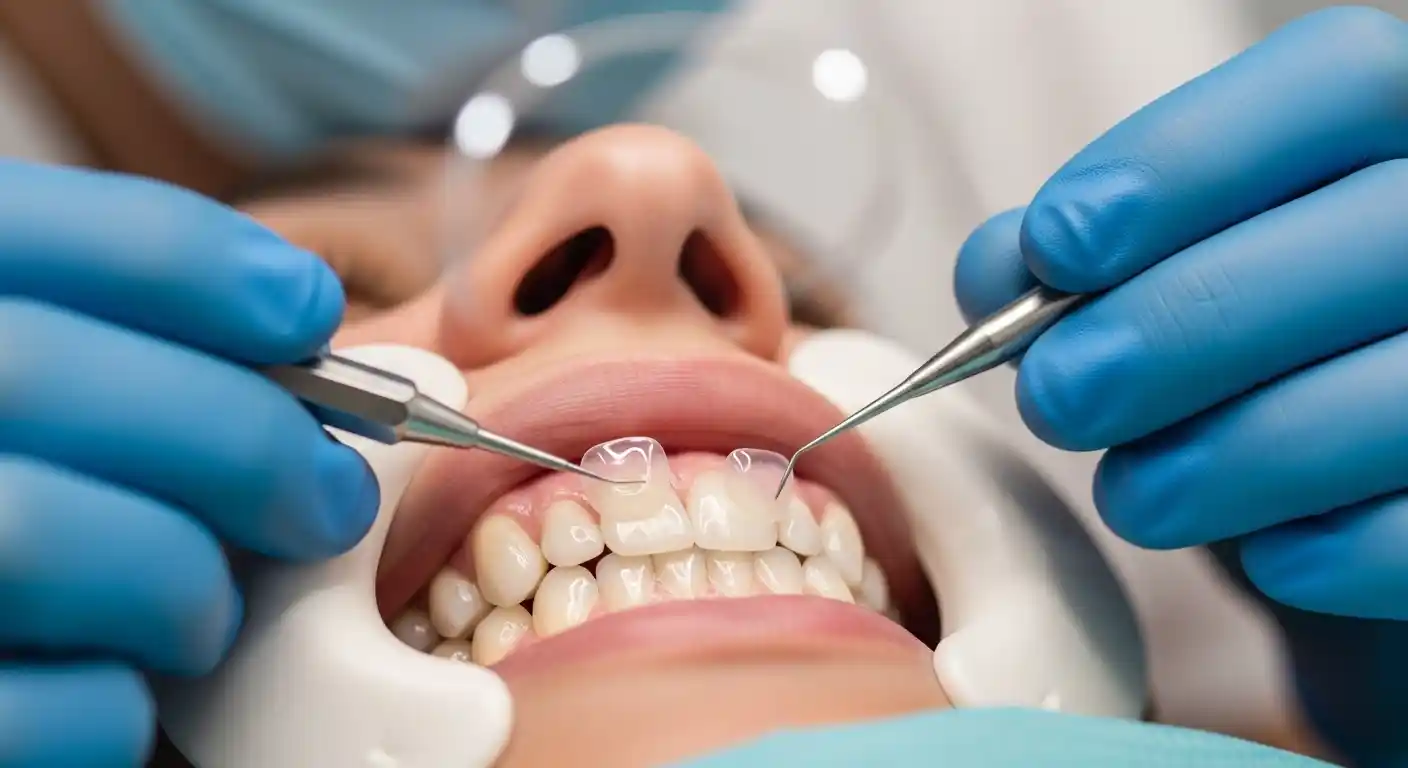
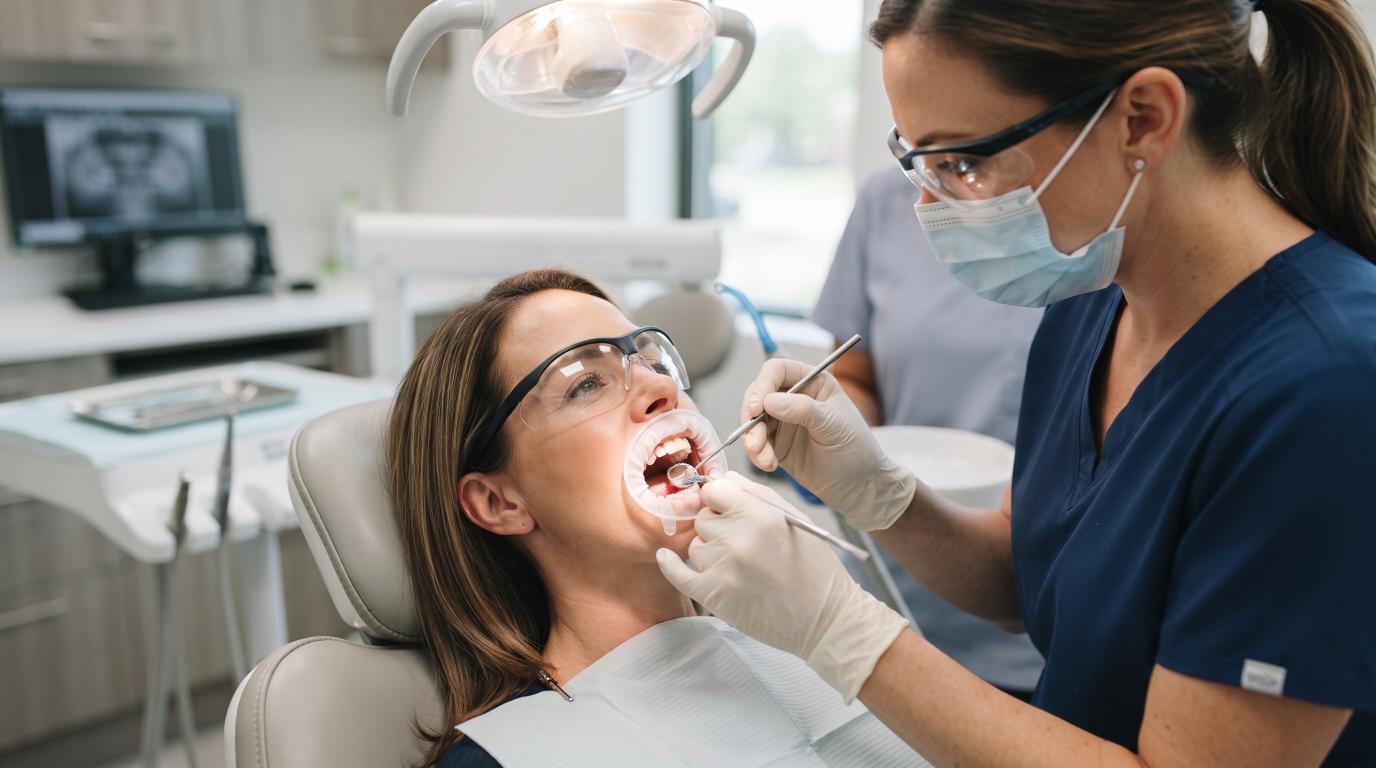
A veneer is a thin shell, typically made of porcelain or composite resin, bonded to the front surface of a tooth. To ensure it fits naturally and doesn’t look bulky, a small amount of enamel is usually removed beforehand.
The reduction is far less dramatic than viral videos suggest. In conservative cases, only about 0.3 to 0.5 millimeters of enamel is removed, sometimes up to 0.7 millimeters when additional correction is needed. For perspective, a sheet of paper is roughly 0.1 millimeters thick.
This enamel removal is permanent, as enamel does not regenerate. However, when properly planned, preparation remains within the enamel layer and avoids the softer dentin underneath. Modern minimal prep techniques and ultra-thin veneers now allow dentists to preserve more natural tooth structure than ever before.
Do Veneers Weaken Your Natural Teeth?
When veneers are properly bonded to a tooth, they can actually reinforce its structure rather than weaken it. The bonding process creates a strong connection between the porcelain shell and the remaining tooth, which helps distribute biting forces more evenly.
Weakening occurs when preparation is too aggressive, removing more enamel than necessary and leaving the tooth more vulnerable. It can also happen when the bonding process is rushed or poorly executed, leaving gaps where bacteria can enter.
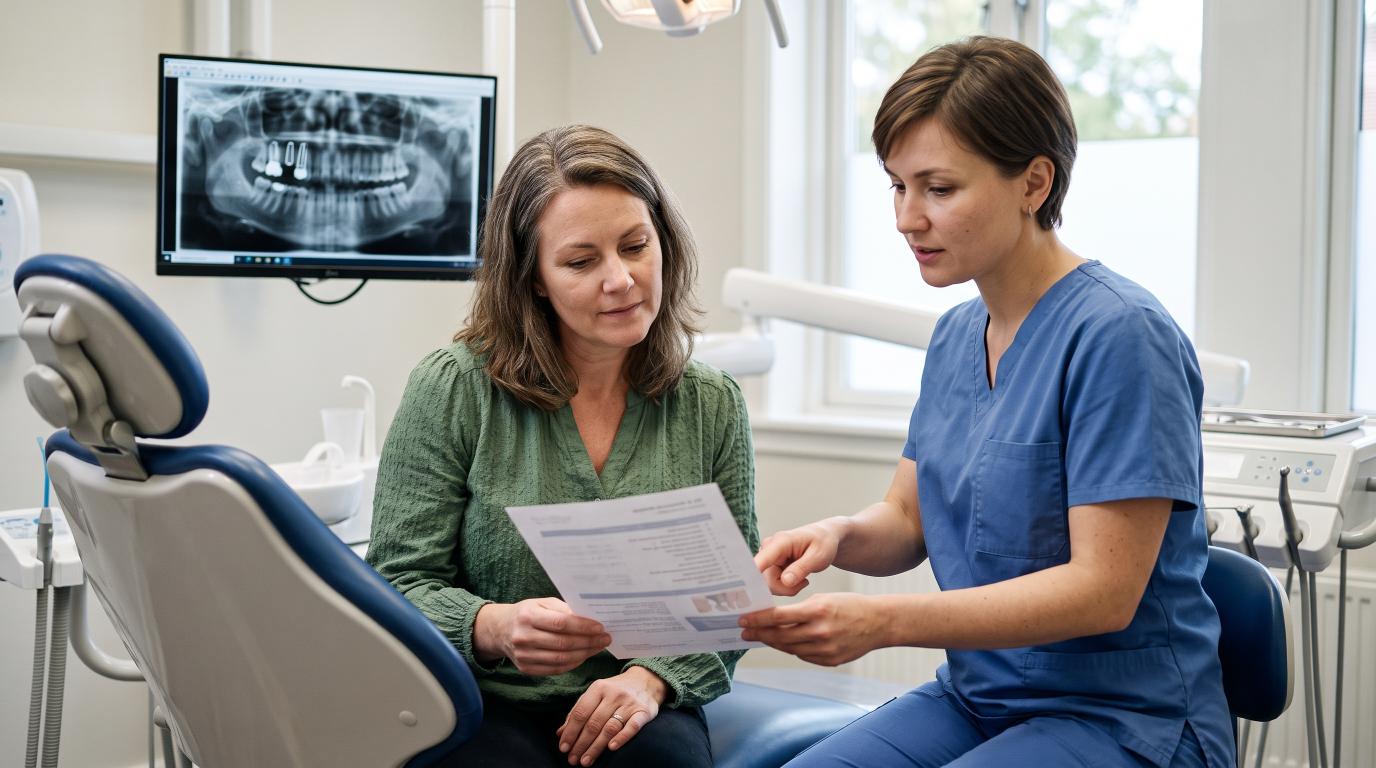
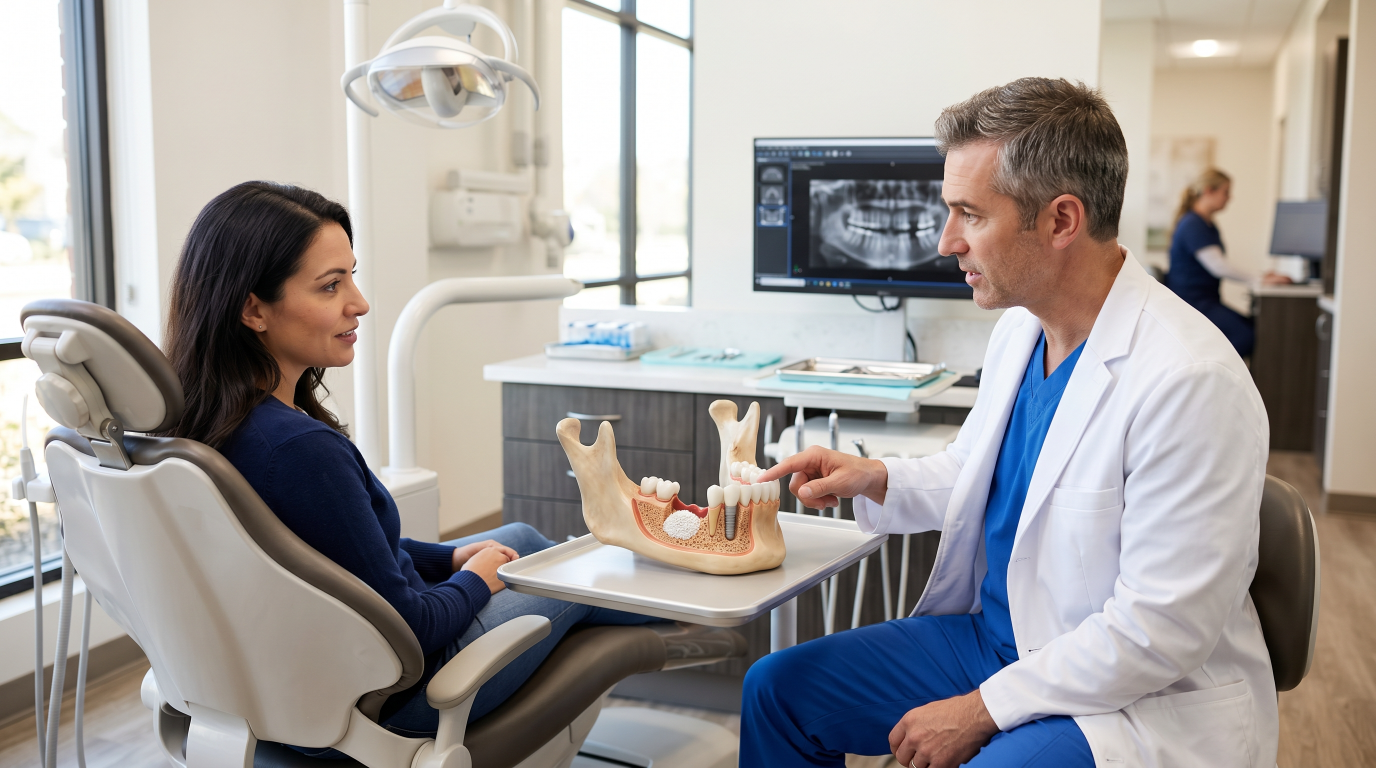
Proper case selection plays a significant role here. Not every tooth or every patient is a good candidate for veneers. A skilled dentist evaluates enamel thickness, bite patterns, and overall oral health before recommending the procedure. When these factors are ignored, the risk of weakening increases substantially.
Do Veneers Cause Cavities or Tooth Decay?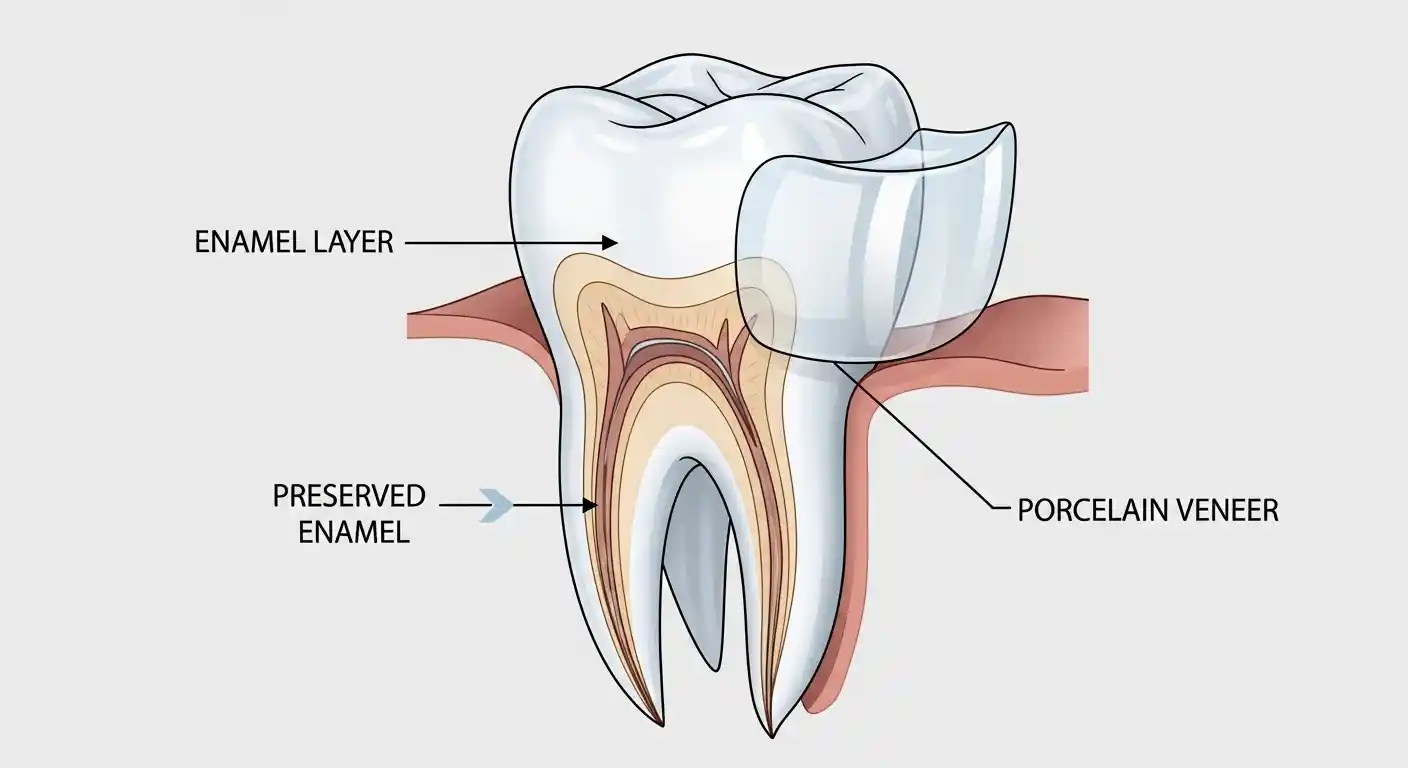
Porcelain veneers themselves cannot develop cavities. The material is non-porous, stain-resistant, and does not decay like natural tooth enamel. However, the tooth structure beneath the veneer remains vulnerable to decay if not properly maintained.
The most susceptible area is the margin, the thin edge where the veneer meets the natural tooth, usually near the gumline. If this seal is compromised or oral hygiene declines, bacteria can accumulate along that edge and begin breaking down the underlying enamel.
Can Cavities Form Under Veneers?
Yes, although uncommon with proper care, cavities can develop beneath a veneer. Because the veneer covers the front surface of the tooth, decay underneath may not be immediately visible during a routine visual exam. Risk factors include poor oral hygiene, a high-sugar diet, dry mouth, and improper sealing at the time of placement. Regular dental checkups and X-rays are important for detecting sub-veneer decay early, before it progresses.
What Happens If You Get a Cavity Under a Veneer?
If decay forms under a veneer, treatment is more complex than a standard filling. The veneer usually must be removed, and it often cannot be reused once detached. After the cavity is treated whether with a filling or more extensive restoration a new veneer is fabricated and bonded to the tooth. This increases both time and cost, which is why consistent maintenance and prevention are critical.
When Veneers Can Actually Damage Teeth
When properly planned and placed, veneers carry manageable risks. Over-preparation is the most common issue removing excessive enamel can leave teeth structurally weakened and permanently sensitive. Poor bonding technique may allow microleakage at the margins, increasing the risk of decay and premature veneer failure. Low-quality lab work can also result in ill-fitting veneers that place uneven pressure on the tooth and surrounding gum tissue.
Gum recession is another potential concern, especially if veneers extend too close to or below the gumline, or if the tissue reacts poorly to the material. Bruxism, or chronic teeth grinding, places significant force on veneers and may cause chipping, cracking, or loosening all of which stress the underlying tooth.
Neglecting maintenance appointments and allowing oral hygiene to decline further increases the risk of complications. Veneers are not a one-time cosmetic fix; they require long-term care and responsible upkeep.
Long-Term Reality: Are Veneers Safe for 10–15+ Years?
With proper care, porcelain veneers typically last between 10 and 20 years before requiring replacement. Composite veneers have a shorter lifespan, usually around 5 to 7 years. Over time, all veneers will need to be replaced, which involves new bonding procedures and continued maintenance.
This replacement cycle is an important long-term consideration. Each time a veneer is redone, a small amount of additional tooth structure may need to be adjusted. Over many years, that cumulative effect can become significant.
It’s also essential to remember that enamel does not regenerate. Once teeth are prepared for veneers, they will always need some form of coverage. This long-term commitment isn’t inherently negative but it requires careful decision-making, good oral hygiene, and choosing an experienced provider from the start.
Who Should Not Get Veneers?
Veneers are not appropriate for everyone. People with active gum disease should address that condition first, as placing veneers on inflamed or infected gums leads to poor outcomes. Large untreated cavities need to be resolved before any cosmetic work begins.
Severe teeth grinding is a contraindication unless the patient is committed to wearing a nightguard consistently. Extremely thin enamel may not leave enough surface for proper bonding. Teenagers should generally wait until their teeth have fully developed. And patients with unrealistic expectations hoping veneers will be maintenance-free or permanent are not good candidates until those expectations are realigned.
Veneers vs Crowns Which Removes More Tooth Structure?
Crowns cover the entire tooth, wrapping around all sides and requiring significantly more preparation. Often 60 to 75 percent of the tooth’s structure is reduced. Veneers, by contrast, only cover the front surface and require far less removal.
Crowns are appropriate when a tooth is severely damaged, has had a root canal, or needs structural support that a veneer can’t provide. Veneers are a better choice when the goal is cosmetic enhancement of otherwise structurally sound teeth. From a preservation standpoint, veneers are the less invasive option.
Veneers vs Bonding Which Is Less Invasive?
Dental bonding the application of composite resin directly to the tooth surface is generally more conservative than veneers. It often requires no enamel removal at all, making it technically reversible. It’s also significantly cheaper.
The tradeoffs are durability and aesthetics. Bonding is more prone to staining and chipping, and typically doesn’t last as long as porcelain veneers. For patients who want a less permanent solution or who are still deciding, bonding can be a lower-risk starting point.
Are No-Prep Veneers Less Damaging?
No-prep or minimal-prep veneers, such as Lumineers, are ultra-thin shells that can sometimes be placed with little to no enamel removal. For carefully selected candidates, this approach preserves more natural tooth structure and may be considered reversible in certain cases.
However, there are important limitations. No-prep veneers work best on teeth that are already properly aligned and require minimal reshaping. Because they add thickness without reducing the tooth surface, they can appear bulky in some patients. When used on cases that require traditional preparation, the cosmetic results may look unnatural or poorly contoured.
Signs Something May Be Wrong With Your Veneers
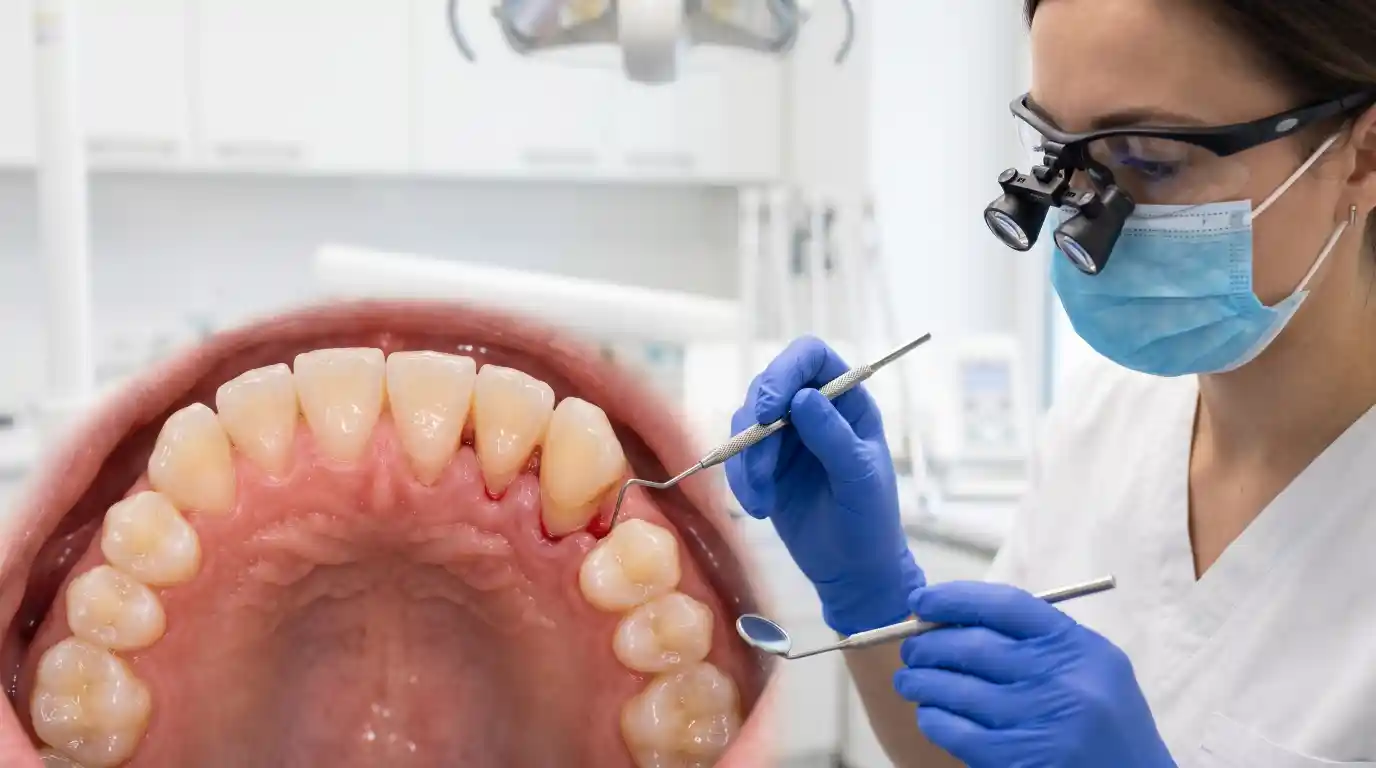
After getting veneers, it’s important to stay alert to potential warning signs. Persistent sensitivity to hot or cold, dark lines forming near the gumline, swelling or bleeding around the veneers, pain when biting, chronic bad breath that doesn’t improve with brushing, or veneers that feel loose or unstable can all signal a problem.
If you notice any of these symptoms, schedule a dental evaluation promptly to prevent more serious complications.
How to Protect Your Teeth After Getting Veneers
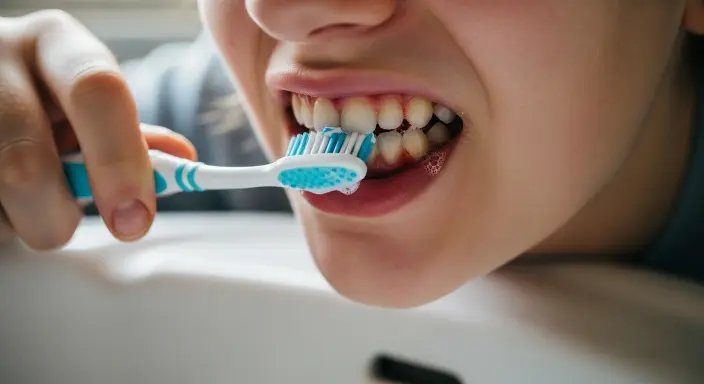
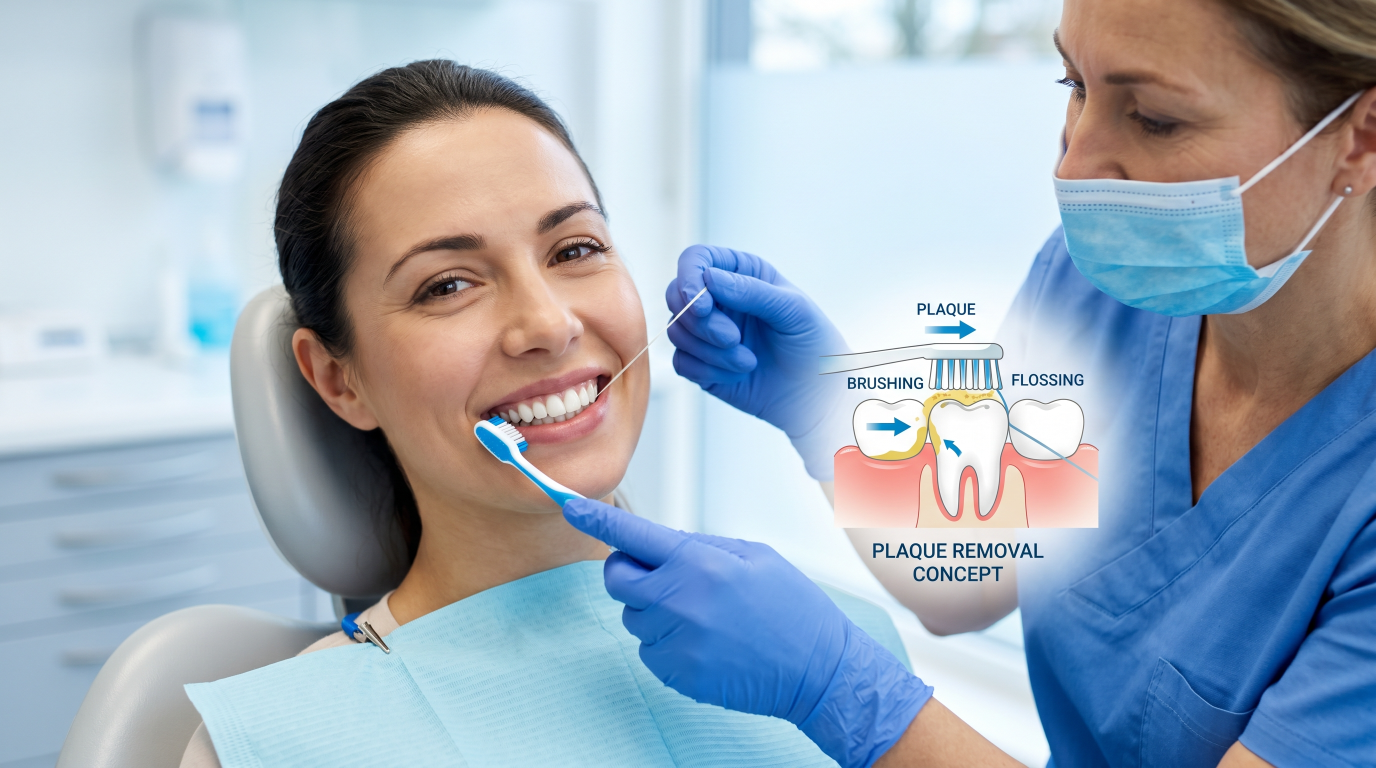
Maintaining veneered teeth isn’t complicated, but it does require consistency. Brush twice daily with a soft-bristled toothbrush and non-abrasive fluoride toothpaste. Floss every day, paying careful attention to the margin areas near the gumline.
If you grind your teeth, wear a custom nightguard, this single habit can dramatically extend the life of your veneers and protect the underlying tooth structure. Avoid biting hard objects like ice, fingernails, or pen caps. And attend regular dental checkups every six months so any early signs of decay, gum changes, or veneer wear can be caught before they become serious problems.
Pros and Cons of Veneers
Pros: Veneers can create dramatic cosmetic improvements that are difficult to achieve with other treatments. Porcelain is highly stain-resistant, helping your smile stay brighter than natural enamel. When properly designed and placed, veneers look remarkably natural. With good care, they can serve as a durable, long-term cosmetic solution.
Cons: Veneers are irreversible. Once enamel is removed, you are committed to maintaining them for life. They are also a significant financial investment, and future replacements add to the long-term cost. Veneers are not permanent and will eventually need to be replaced. Ongoing maintenance and strong oral hygiene are essential to protect both the veneers and the natural teeth beneath them.
Schedule Your Veneers Consultation in San Tan Valley
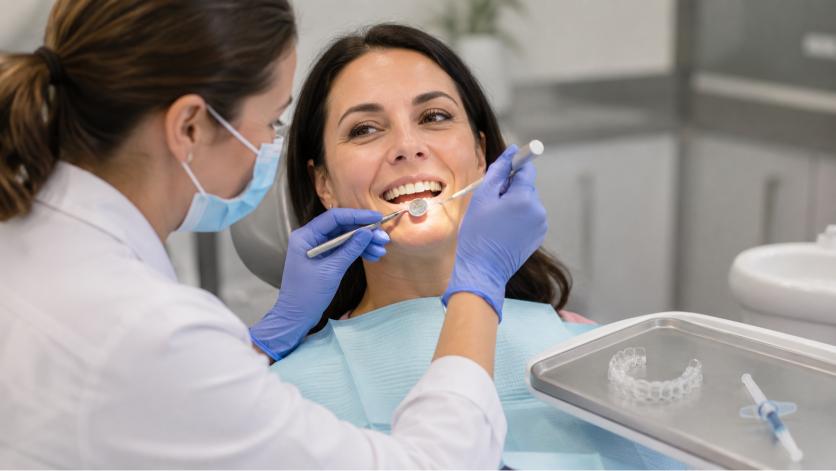
If you’re considering veneers and want honest, expert guidance, schedule a personalized consultation at our clinic in San Tan Valley, AZ or you may book online appointment. We take a conservative, patient-first approach to cosmetic dentistry helping you understand every option before making a lifelong decision. Contact us today to find out whether veneers are truly the right choice for your smile.
Conclusion
Veneers do not ruin your teeth when they are carefully planned, conservatively prepared, and placed by an experienced dentist. However, they are not reversible. Enamel removal is permanent, and veneers require long-term maintenance and eventual replacement.
The difference between success and regret comes down to proper case selection, skilled execution, and responsible aftercare. For the right candidate, veneers are a safe and predictable way to enhance a smile but they should always be chosen with a clear understanding of the lifelong commitment involved.
Frequently Asked Questions
Do veneers damage healthy teeth?
Veneers do not inherently damage healthy teeth, but they do require permanent enamel removal. When preparation is conservative and bonding is done correctly, the underlying tooth can remain strong and stable.
How long do veneers last?
Porcelain veneers typically last 10–20 years with proper care, while composite veneers generally last 5–7 years. Longevity depends heavily on oral hygiene, bite forces, and regular dental maintenance.
Can you go back to natural teeth after veneers?
No. Because enamel is permanently removed during preparation, teeth will always require some form of coverage once veneers are placed.
Are veneers high maintenance?
Veneers are not complicated to maintain, but they do require consistent brushing, flossing, routine dental visits, and protection from grinding or biting hard objects.
What is the biggest risk of getting veneers?
The biggest risk is over-preparation or poor bonding technique. Excessive enamel removal can weaken teeth, and improper sealing can increase the risk of decay beneath the veneer.