
Is Bleaching Safe During Pregnancy? Evidence-Based Guide for Expecting Mothers
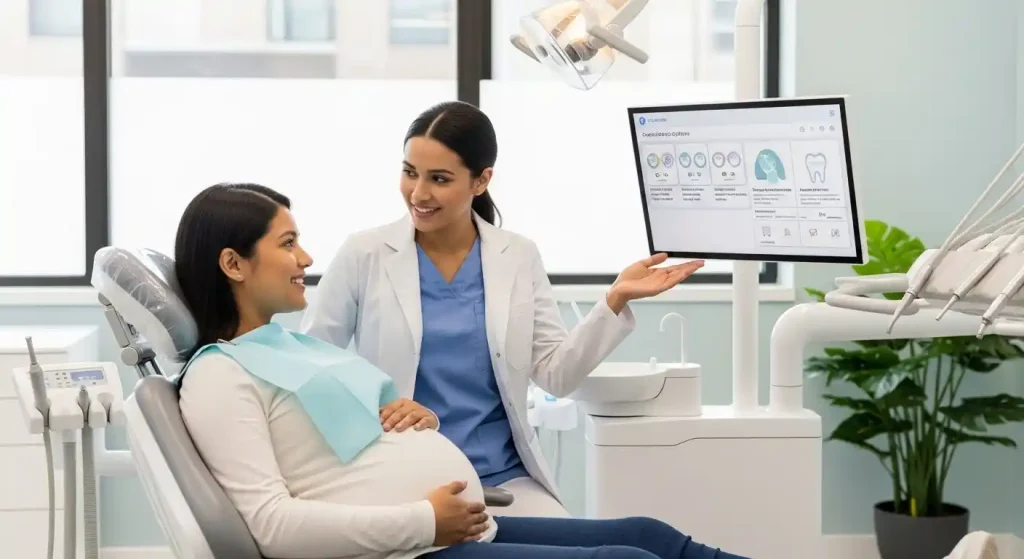
Teeth bleaching is not considered medically necessary during pregnancy, and most dental professionals recommend postponing it until after delivery. Because it is a cosmetic procedure, dentists generally advise waiting to avoid any potential risks. During pregnancy, hormonal changes can increase gum sensitivity and inflammation, making bleaching treatments more uncomfortable. For these reasons, focusing on routine dental care in San Tan Valley, AZ and postponing cosmetic whitening is considered the safest approach for expecting mothers. How Teeth Bleaching Works Before evaluating safety, it helps to understand what bleaching does to your teeth. “Whitening” usually refers to removing surface stains, while “bleaching” uses chemical agents to lighten the tooth from within. The main bleaching agents are hydrogen peroxide and carbamide peroxide, which breaks down into hydrogen peroxide in the mouth. These molecules penetrate enamel into the dentin, oxidizing stains and changing the tooth’s internal color. In-office bleaching uses high-concentration gels (15–40%) sometimes activated by light or laser. At-home systems, like strips or custom trays, use lower concentrations (3–22%) over longer periods. Higher concentrations and longer contact increase absorption into oral tissues and potentially the bloodstream. How Pregnancy Affects Oral Health Pregnancy causes significant changes in the mouth that affect the safety of bleaching. Elevated progesterone and estrogen increase blood flow to the gums, making them more prone to inflammation, bleeding, and swelling, a condition called pregnancy gingivitis, which often peaks in the second trimester. Gum sensitivity is heightened, and peroxide-based bleaching agents can irritate soft tissue. Frequent vomiting from morning sickness also exposes enamel to stomach acid, increasing the risk of erosion and sensitivity. Overall, the oral cavity’s inflammatory state during pregnancy can make chemical irritants more intense, meaning bleaching may cause discomfort or damage. These factors make the pregnant mouth a poor candidate for chemical whitening. Is Bleaching Safe During Pregnancy? What Current Evidence Says The honest answer is that we do not know if teeth bleaching is completely safe during pregnancy, which is why most dental professionals recommend postponing it. Controlled human studies on pregnant women and bleaching agents do not exist, as exposing pregnant women to substances of unknown risk is ethically impermissible. Animal studies using high-dose peroxide have shown some developmental concerns, but these results cannot be directly applied to typical human bleaching, since concentrations and physiology differ significantly. Professional guidance, including from the American Dental Association, states that no confirmed harm has been documented, but safety is not proven. Given the uncertainty, dentists follow the precautionary principle: elective cosmetic procedures should be postponed when any potential risk exists. Potential Risks of Bleaching During Pregnancy Pregnant women should be especially cautious, as even minor chemical exposure or irritation can have amplified effects during this sensitive period. Chemical Absorption and Swallowing Risk Hydrogen peroxide can be absorbed through the mouth’s mucous membranes and enter the bloodstream. In-office treatments use trays or dams to limit contact, but at-home strips and trays make containment less reliable. Small amounts of gel are often swallowed, and any systemic chemical absorption during pregnancy is a concern due to the connection between maternal and fetal circulation. Gum Irritation and Sensitivity Peroxide-based bleaching agents commonly cause gum irritation. During pregnancy, when gums are already inflamed and sensitive, irritation can be significantly worse. Chemical burns, prolonged sensitivity, and exacerbated gingivitis are all possible, and tooth sensitivity may also be amplified. Increased Nausea from Taste or Smell Pregnant women often have heightened taste and smell, particularly in the first trimester. Bleaching products’ chemical taste and odor can trigger or worsen nausea and vomiting, increasing discomfort and risk of enamel erosion. Unknown Effects on Fetal Development The first trimester is a critical period of fetal organ formation, when chemical exposures carry the highest potential risk. Because peroxide exposure during pregnancy has not been studied in humans, there is no safety data available. The absence of evidence is not evidence of safety, making precaution essential. Safety by Product Type When it comes to teeth bleaching during pregnancy, the safety of each product type varies widely, and caution is essential. Is Whitening Toothpaste Safe During Pregnancy? Whitening toothpastes are generally considered the safest option during pregnancy. Most use mild abrasives to polish surface stains rather than peroxide to change tooth color. Some contain low-level hydrogen peroxide (usually ≤1%), but contact time is brief since toothpaste is rinsed immediately. If using a whitening toothpaste, choose one that relies on abrasives rather than peroxide, and consult your dentist if uncertain. Are Whitening Strips Safe While Pregnant? Whitening strips are not recommended during pregnancy. They typically contain 6–14% hydrogen peroxide and are applied for 30 minutes or more, allowing significant chemical contact with gums and mucous membranes. Prolonged exposure increases absorption risk, and most dental organizations advise avoiding even over-the-counter strips. Can You Use Whitening Trays During Pregnancy? Whitening trays, whether custom-fitted or store-bought, are also inadvisable. They often use higher-concentration peroxide gels for extended periods. Custom trays reduce gel leakage, but absorption through gums and soft tissue still occurs. Their risk is higher than toothpaste and comparable to or greater than strips. Is Laser or In-Office Bleaching Safe? In-office bleaching, including laser treatments, uses the highest peroxide concentrations (up to 40%) in cosmetic dentistry. Protective barriers limit gum contact, but the procedure is still intensive and universally discouraged during pregnancy. Additionally, lying in the dental chair for long periods can become uncomfortable as pregnancy progresses. Is Hydrogen Peroxide Safe During Pregnancy? Diluted hydrogen peroxide (1–3%) may be used safely as a mouth rinse or for minor oral care. However, using it for DIY teeth bleaching is not recommended, as higher concentrations constitute chemical exposure that dentists advise avoiding. Therapeutic use under professional guidance is different from cosmetic whitening. Can Teeth Bleaching Cause Miscarriage? There is no scientific evidence that teeth bleaching causes miscarriage. No studies have shown a causal link between peroxide-based whitening products and pregnancy loss. This reassurance is important for anyone who used such products before realizing they were pregnant. However, the absence of evidence does not mean intentional bleaching