





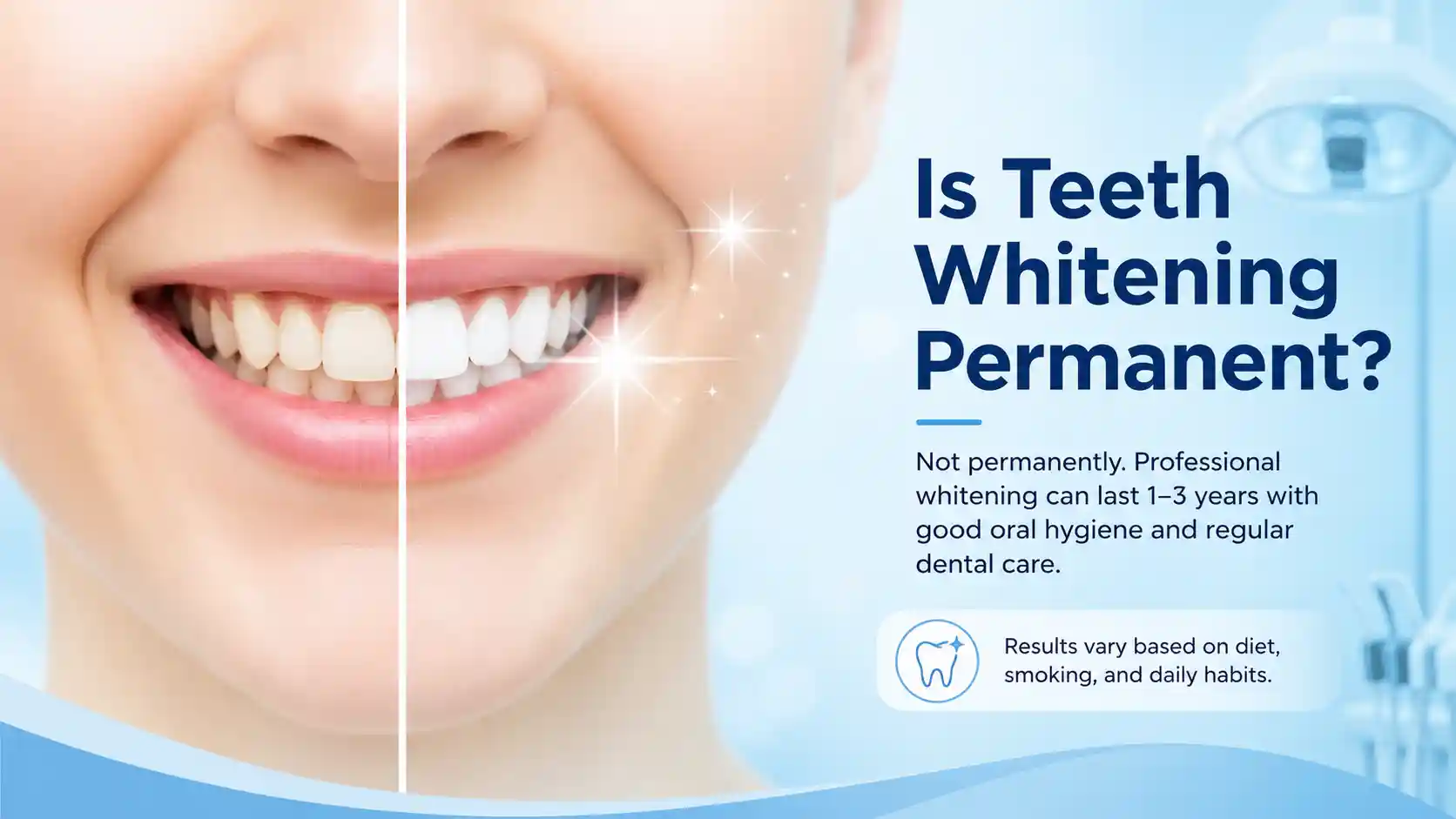
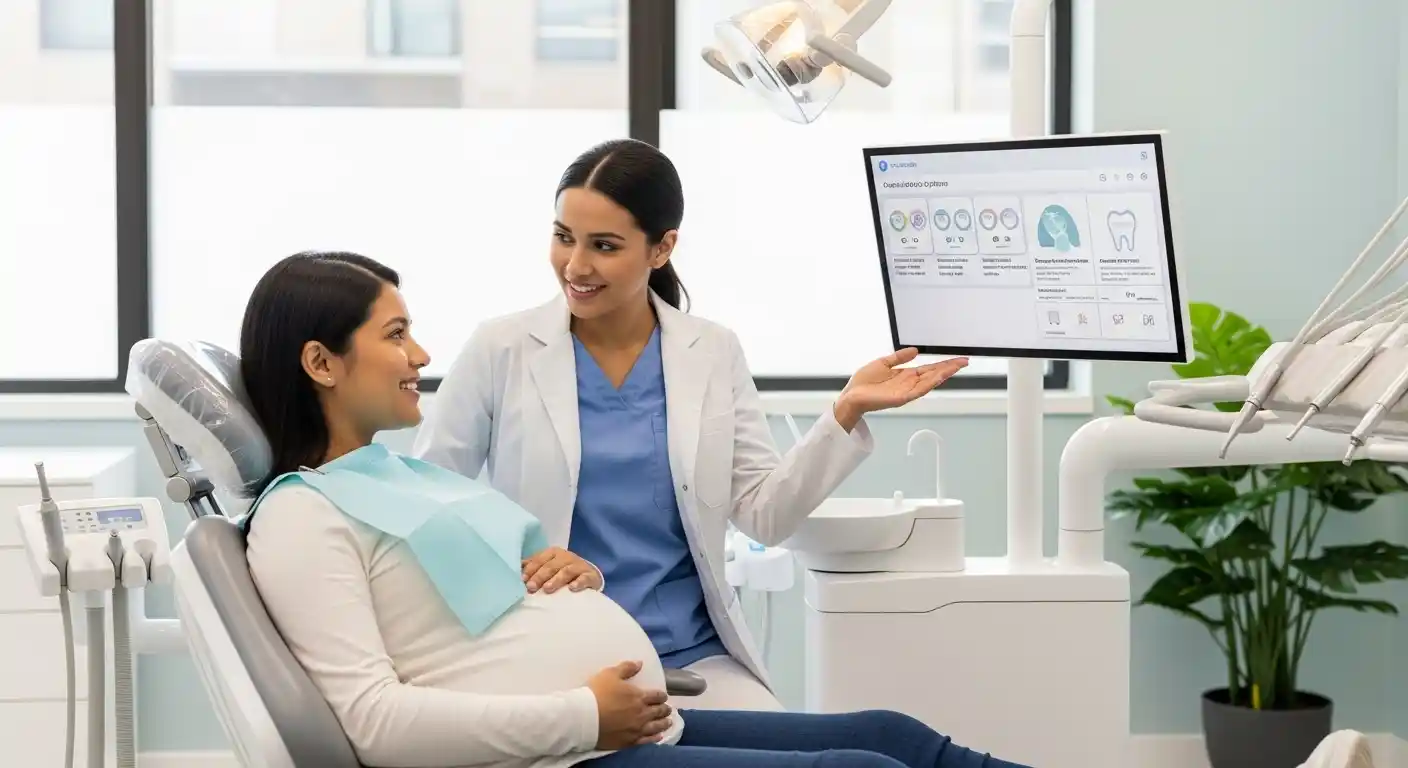
Teeth bleaching is not considered medically necessary during pregnancy, and most dental professionals recommend postponing it until after delivery. Because it is a cosmetic procedure, dentists generally advise waiting to avoid any potential risks.
During pregnancy, hormonal changes can increase gum sensitivity and inflammation, making bleaching treatments more uncomfortable. For these reasons, focusing on routine dental care in San Tan Valley, AZ and postponing cosmetic whitening is considered the safest approach for expecting mothers.
How Teeth Bleaching Works
Before evaluating safety, it helps to understand what bleaching does to your teeth. “Whitening” usually refers to removing surface stains, while “bleaching” uses chemical agents to lighten the tooth from within.
The main bleaching agents are hydrogen peroxide and carbamide peroxide, which breaks down into hydrogen peroxide in the mouth. These molecules penetrate enamel into the dentin, oxidizing stains and changing the tooth’s internal color.
In-office bleaching uses high-concentration gels (15–40%) sometimes activated by light or laser. At-home systems, like strips or custom trays, use lower concentrations (3–22%) over longer periods. Higher concentrations and longer contact increase absorption into oral tissues and potentially the bloodstream.
How Pregnancy Affects Oral Health
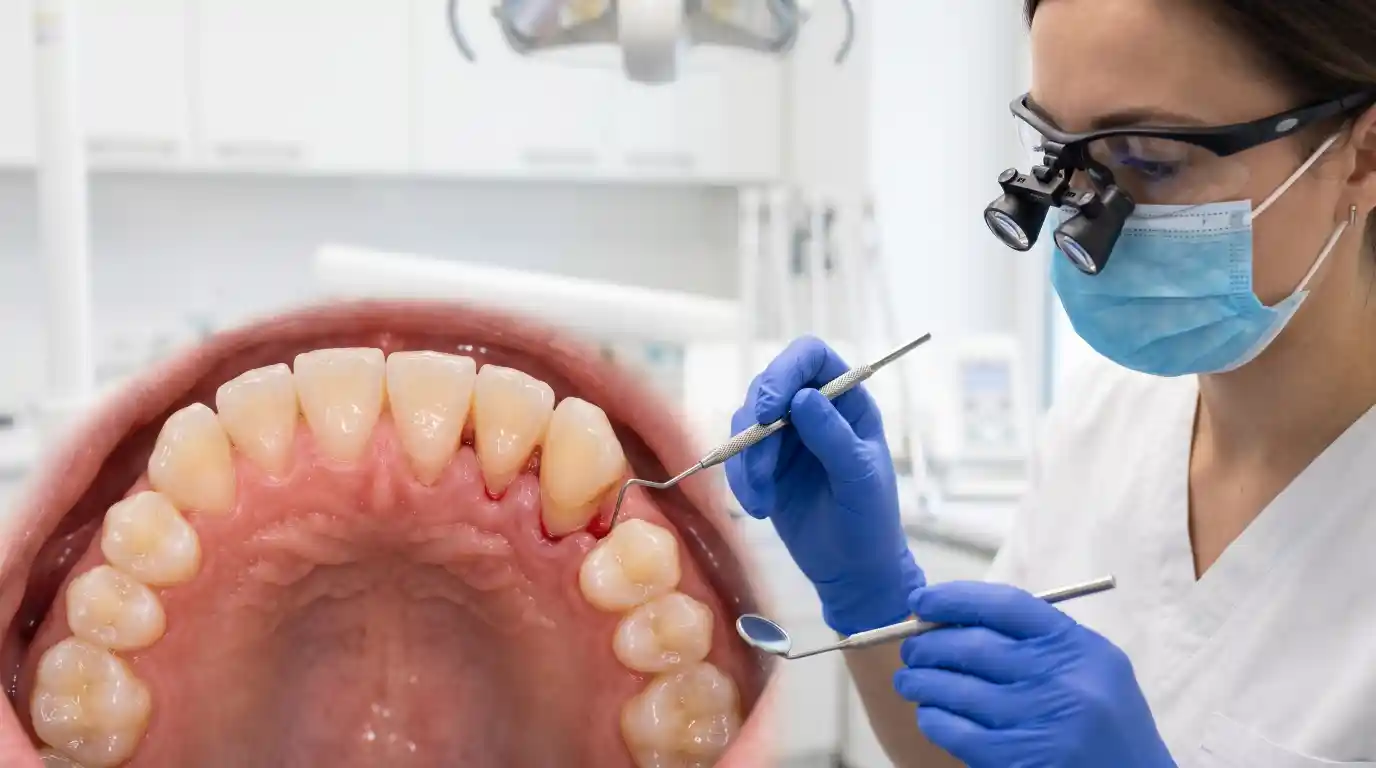
Pregnancy causes significant changes in the mouth that affect the safety of bleaching. Elevated progesterone and estrogen increase blood flow to the gums, making them more prone to inflammation, bleeding, and swelling, a condition called pregnancy gingivitis, which often peaks in the second trimester.
Gum sensitivity is heightened, and peroxide-based bleaching agents can irritate soft tissue. Frequent vomiting from morning sickness also exposes enamel to stomach acid, increasing the risk of erosion and sensitivity.
Overall, the oral cavity’s inflammatory state during pregnancy can make chemical irritants more intense, meaning bleaching may cause discomfort or damage. These factors make the pregnant mouth a poor candidate for chemical whitening.
Is Bleaching Safe During Pregnancy? What Current Evidence Says
The honest answer is that we do not know if teeth bleaching is completely safe during pregnancy, which is why most dental professionals recommend postponing it. Controlled human studies on pregnant women and bleaching agents do not exist, as exposing pregnant women to substances of unknown risk is ethically impermissible.
Animal studies using high-dose peroxide have shown some developmental concerns, but these results cannot be directly applied to typical human bleaching, since concentrations and physiology differ significantly.
Professional guidance, including from the American Dental Association, states that no confirmed harm has been documented, but safety is not proven. Given the uncertainty, dentists follow the precautionary principle: elective cosmetic procedures should be postponed when any potential risk exists.
Potential Risks of Bleaching During Pregnancy
Pregnant women should be especially cautious, as even minor chemical exposure or irritation can have amplified effects during this sensitive period.
Chemical Absorption and Swallowing Risk
Hydrogen peroxide can be absorbed through the mouth’s mucous membranes and enter the bloodstream. In-office treatments use trays or dams to limit contact, but at-home strips and trays make containment less reliable. Small amounts of gel are often swallowed, and any systemic chemical absorption during pregnancy is a concern due to the connection between maternal and fetal circulation.
Gum Irritation and Sensitivity
Peroxide-based bleaching agents commonly cause gum irritation. During pregnancy, when gums are already inflamed and sensitive, irritation can be significantly worse. Chemical burns, prolonged sensitivity, and exacerbated gingivitis are all possible, and tooth sensitivity may also be amplified.
Increased Nausea from Taste or Smell
Pregnant women often have heightened taste and smell, particularly in the first trimester. Bleaching products’ chemical taste and odor can trigger or worsen nausea and vomiting, increasing discomfort and risk of enamel erosion.
Unknown Effects on Fetal Development
The first trimester is a critical period of fetal organ formation, when chemical exposures carry the highest potential risk. Because peroxide exposure during pregnancy has not been studied in humans, there is no safety data available. The absence of evidence is not evidence of safety, making precaution essential.
Safety by Product Type
When it comes to teeth bleaching during pregnancy, the safety of each product type varies widely, and caution is essential.
Is Whitening Toothpaste Safe During Pregnancy?
Whitening toothpastes are generally considered the safest option during pregnancy. Most use mild abrasives to polish surface stains rather than peroxide to change tooth color. Some contain low-level hydrogen peroxide (usually ≤1%), but contact time is brief since toothpaste is rinsed immediately. If using a whitening toothpaste, choose one that relies on abrasives rather than peroxide, and consult your dentist if uncertain.
Are Whitening Strips Safe While Pregnant?
Whitening strips are not recommended during pregnancy. They typically contain 6–14% hydrogen peroxide and are applied for 30 minutes or more, allowing significant chemical contact with gums and mucous membranes. Prolonged exposure increases absorption risk, and most dental organizations advise avoiding even over-the-counter strips.
Can You Use Whitening Trays During Pregnancy?
Whitening trays, whether custom-fitted or store-bought, are also inadvisable. They often use higher-concentration peroxide gels for extended periods. Custom trays reduce gel leakage, but absorption through gums and soft tissue still occurs. Their risk is higher than toothpaste and comparable to or greater than strips.
Is Laser or In-Office Bleaching Safe?
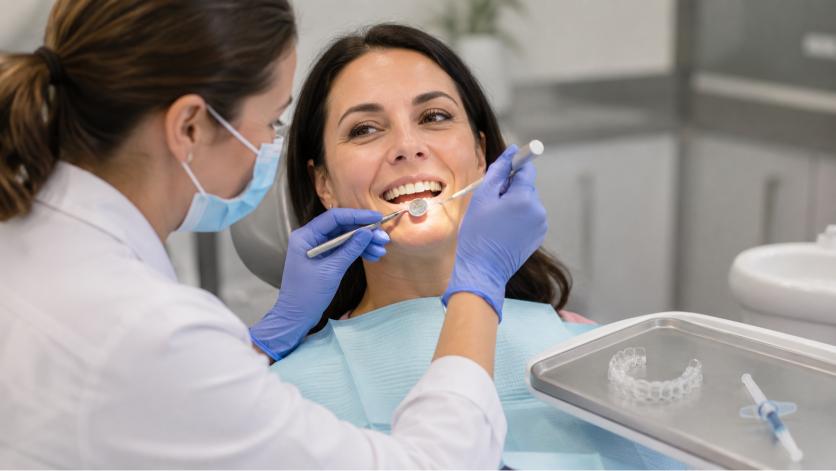
In-office bleaching, including laser treatments, uses the highest peroxide concentrations (up to 40%) in cosmetic dentistry. Protective barriers limit gum contact, but the procedure is still intensive and universally discouraged during pregnancy. Additionally, lying in the dental chair for long periods can become uncomfortable as pregnancy progresses.
Is Hydrogen Peroxide Safe During Pregnancy?
Diluted hydrogen peroxide (1–3%) may be used safely as a mouth rinse or for minor oral care. However, using it for DIY teeth bleaching is not recommended, as higher concentrations constitute chemical exposure that dentists advise avoiding. Therapeutic use under professional guidance is different from cosmetic whitening.
Can Teeth Bleaching Cause Miscarriage?
There is no scientific evidence that teeth bleaching causes miscarriage. No studies have shown a causal link between peroxide-based whitening products and pregnancy loss. This reassurance is important for anyone who used such products before realizing they were pregnant.
However, the absence of evidence does not mean intentional bleaching is risk-free. Elective cosmetic procedures are generally discouraged during pregnancy, not because they are proven harmful, but because the risk-benefit balance for non-essential treatments is unfavorable. If you have concerns, consult your OB-GYN or midwife, who can provide guidance based on your individual situation.
What If You Used Bleaching Products Before Knowing You Were Pregnant?
First, do not panic. Many women use whitening products in early pregnancy before realizing they are expecting, and there is no documented evidence linking standard bleaching use to adverse fetal outcomes. Occasional short-term exposure to over-the-counter whitening products is unlikely to cause harm.
Recommended steps are simple: stop using bleaching products, inform your prenatal provider at your next appointment, and contact your dentist or OB-GYN if you experience unusual symptoms such as prolonged oral pain, swelling, or unexpected bleeding. In most cases, there is nothing to worry about, but keeping your healthcare providers informed is always the safest approach.
Safe Alternatives to Brighten Your Smile During Pregnancy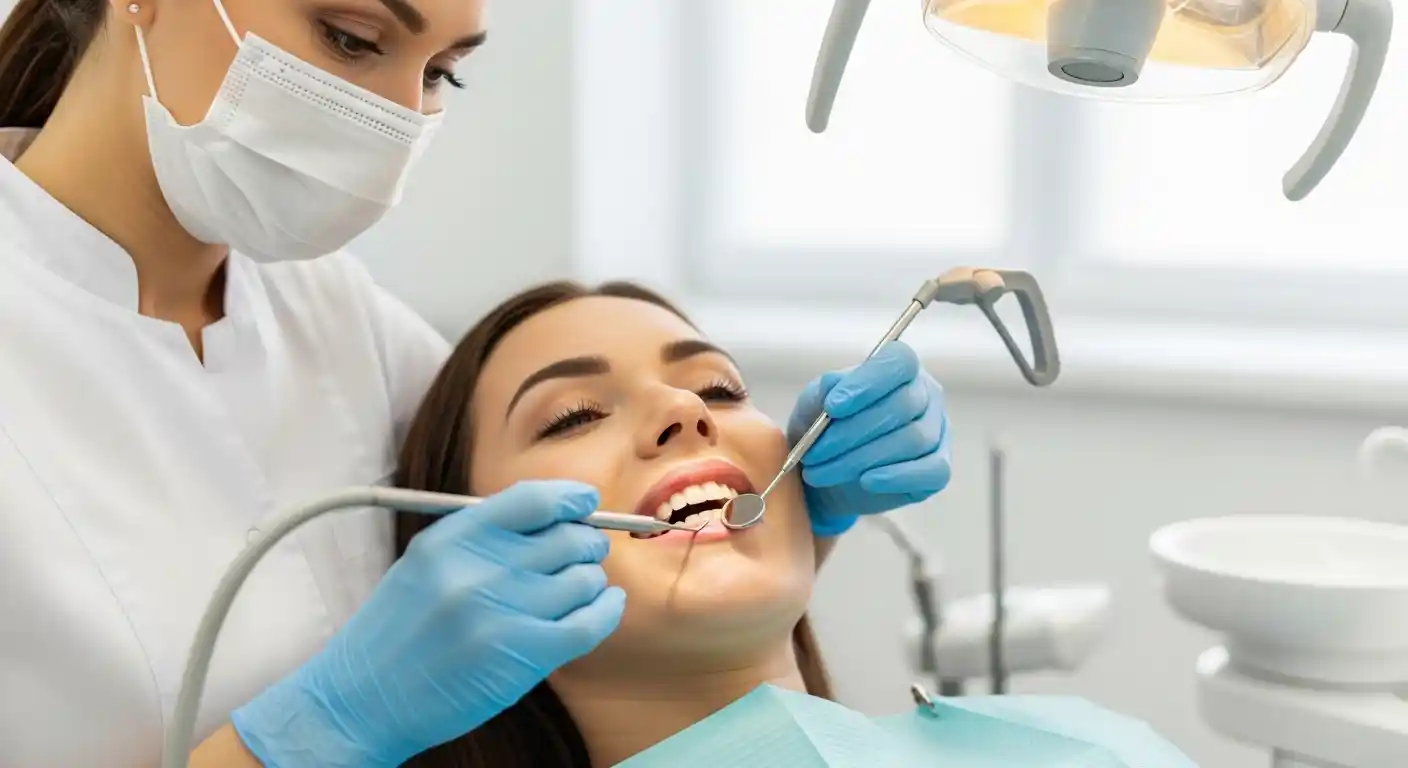
Even though bleaching isn’t recommended during pregnancy, simple preventive habits can help maintain a bright, healthy smile.
Professional Dental Cleaning (Safe During 2nd Trimester)
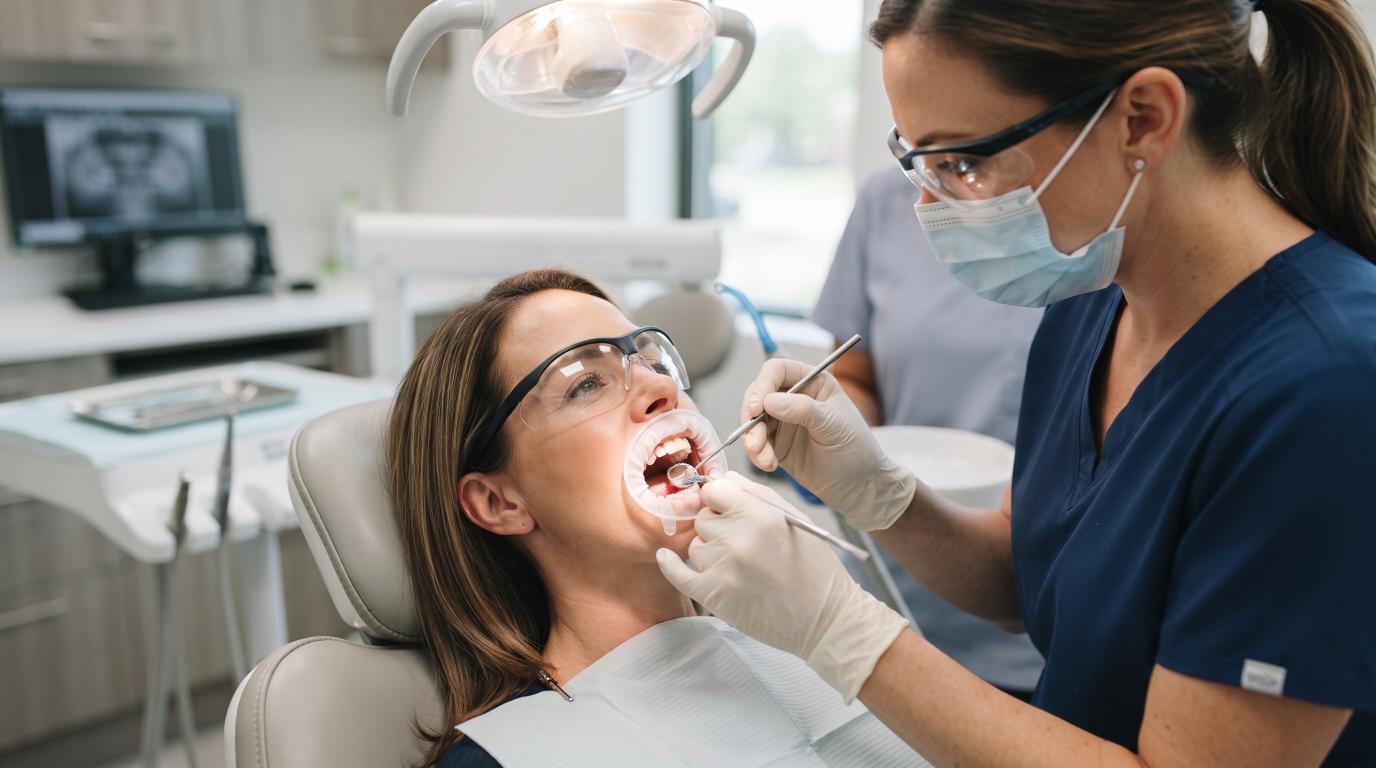
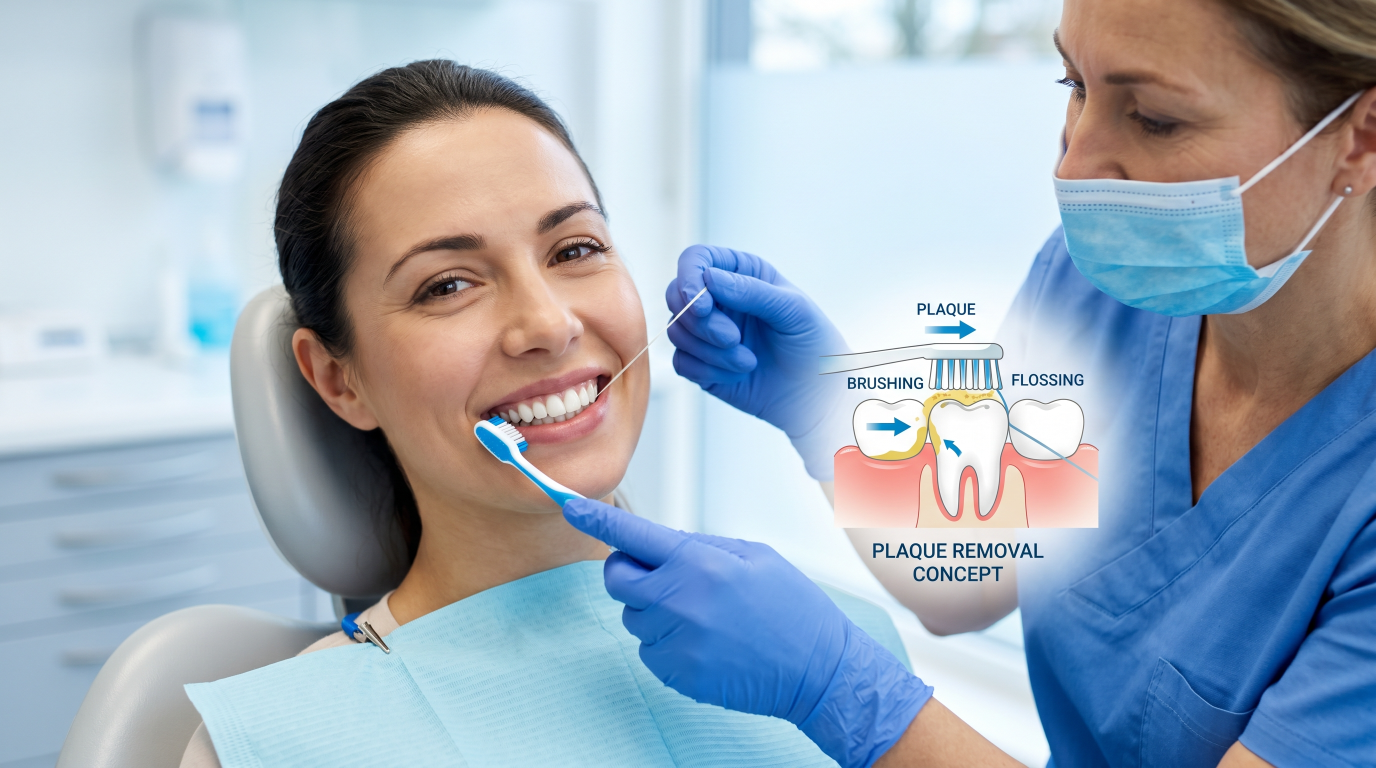
A professional dental cleaning is one of the safest and most effective ways to brighten your smile during pregnancy. Hygienists use mechanical polishing to remove surface stains from coffee, tea, and foods. The second trimester is the ideal window: morning sickness often subsides, procedural stress risk is lower, and lying back in the chair is more comfortable. Cleanings also help manage pregnancy gingivitis.
Improved Oral Hygiene Routine
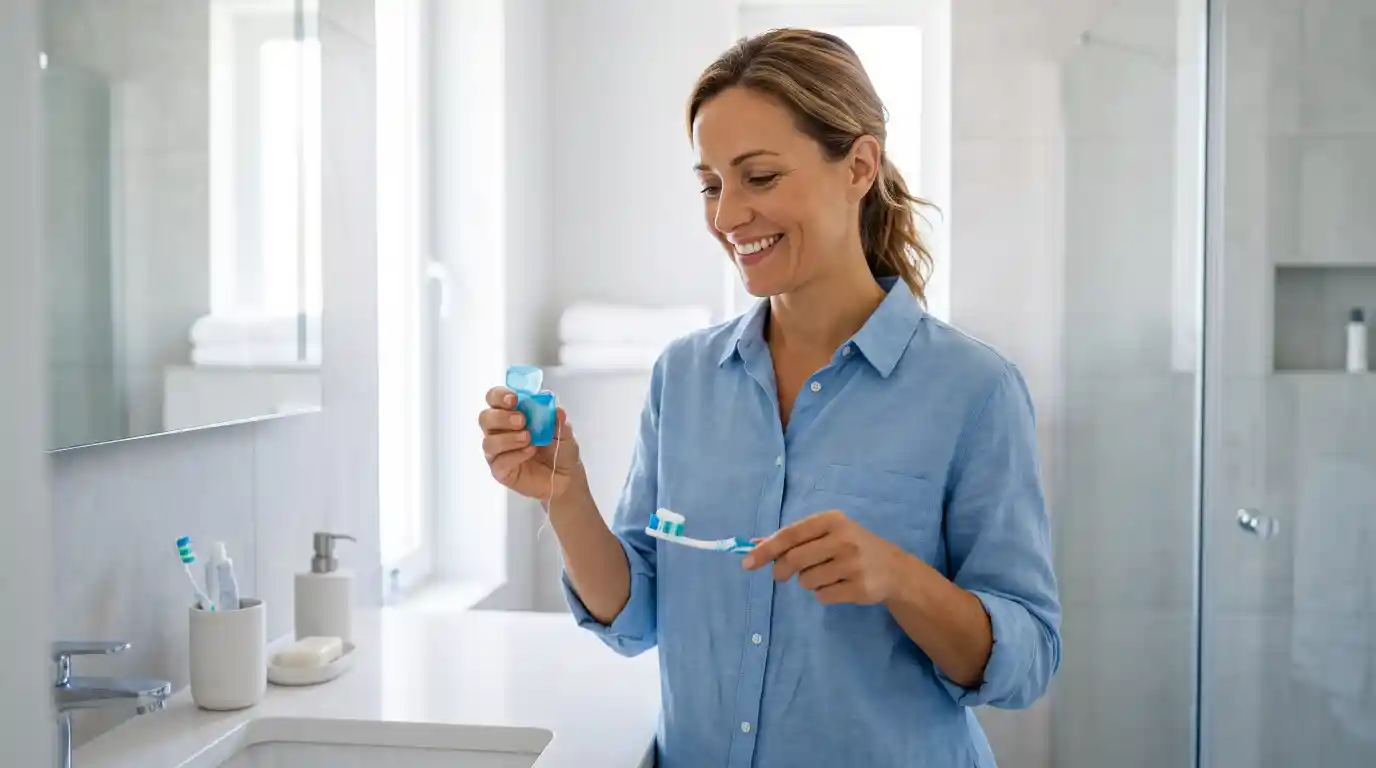
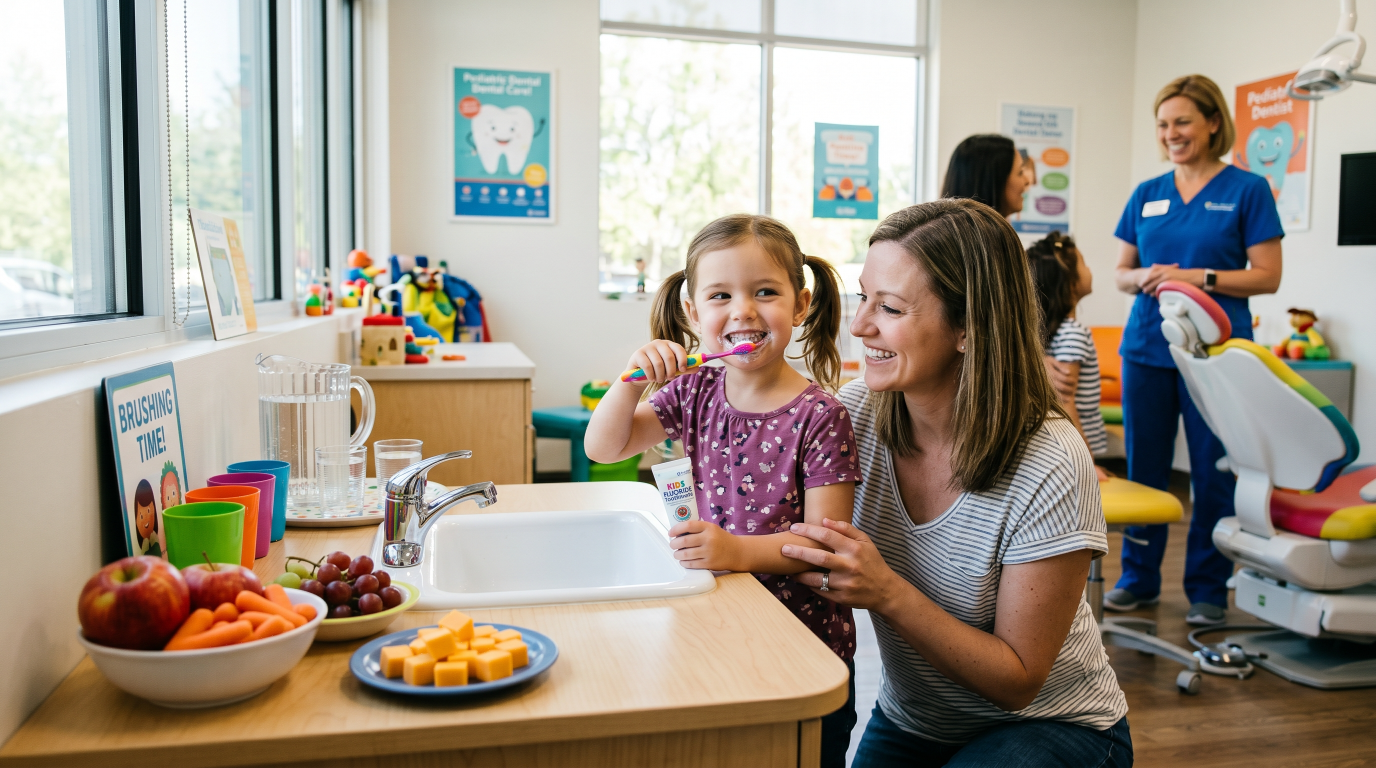
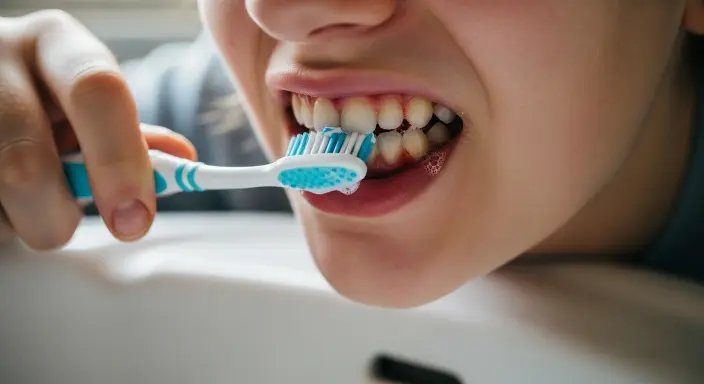
Consistent brushing with a soft-bristled toothbrush and fluoride toothpaste, along with daily flossing, removes plaque and surface stains naturally. If morning sickness makes brushing difficult, rinsing with water or a mild fluoride mouthwash after vomiting can neutralize acid and protect enamel.
Diet Modifications to Reduce Stains
Certain foods and drinks coffee, black tea, red wine, dark berries, soy sauce, and tomato-based sauces can stain teeth. Limiting these or rinsing with water immediately after consumption helps slow stain buildup. Crunchy fruits and vegetables like apples, celery, and carrots act as natural abrasives that gently clean tooth surfaces while you eat.
Safe Stain Prevention Tips
- Drink staining beverages through a straw to reduce enamel contact
- Stay hydrated to encourage saliva, which naturally cleans teeth
- Use abrasive-based whitening toothpaste (without peroxide) to maintain surface brightness
While these methods cannot replicate professional bleaching, they help preserve a healthy, bright smile until it is safe to pursue chemical whitening.
When Can You Resume Bleaching After Pregnancy?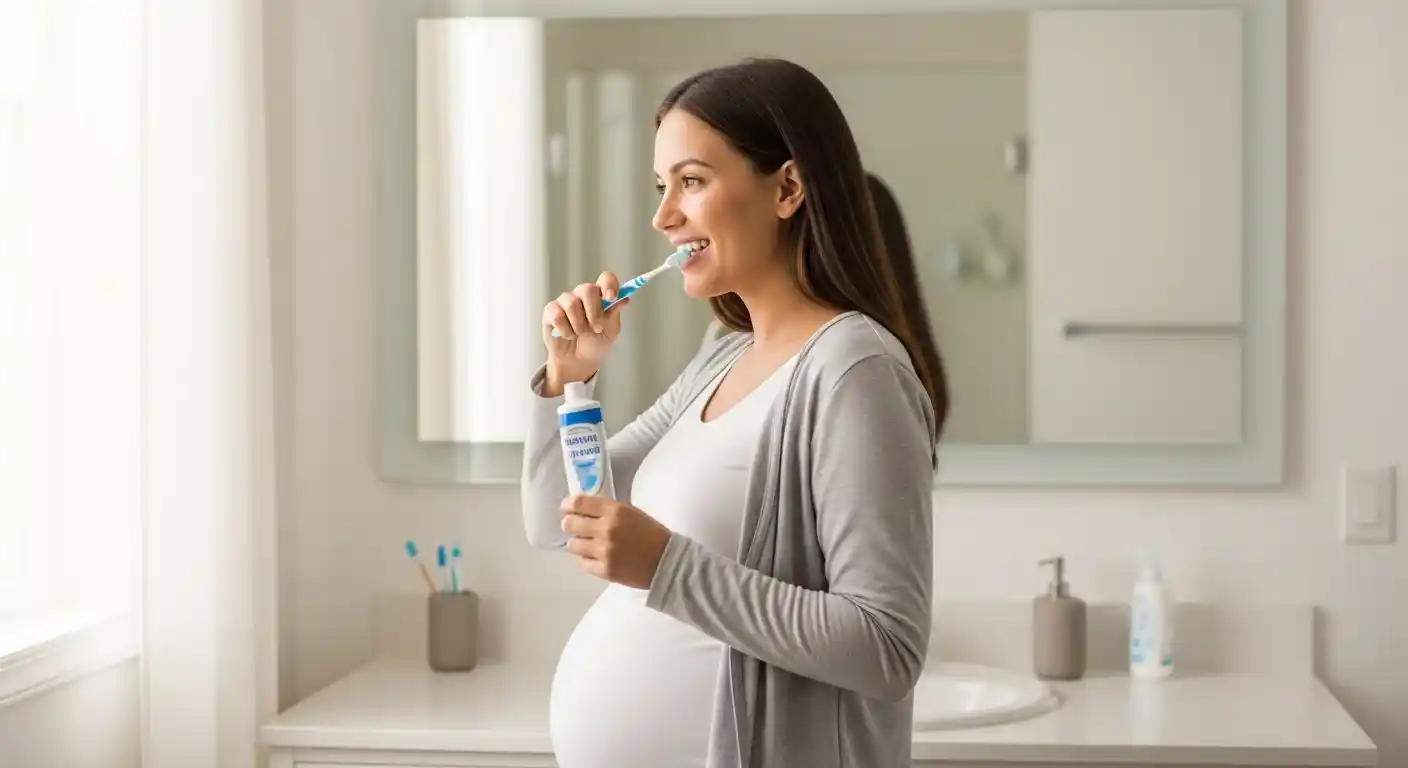
Most dentists consider it safe to resume teeth bleaching after delivery, but timing depends on factors like hormonal fluctuations and gum sensitivity. If you are not breastfeeding, you can typically discuss whitening options at your first postpartum dental visit, though your dentist may recommend waiting a few weeks to allow your gums and enamel to stabilize.
If you are breastfeeding, caution is advised. While hydrogen peroxide levels from dental bleaching are likely minimal, no studies confirm safety, so many providers suggest waiting until breastfeeding is complete. A postpartum dental evaluation can help determine the safest product type and timing for resuming bleaching.
Dentist Recommendations for Pregnant Patients
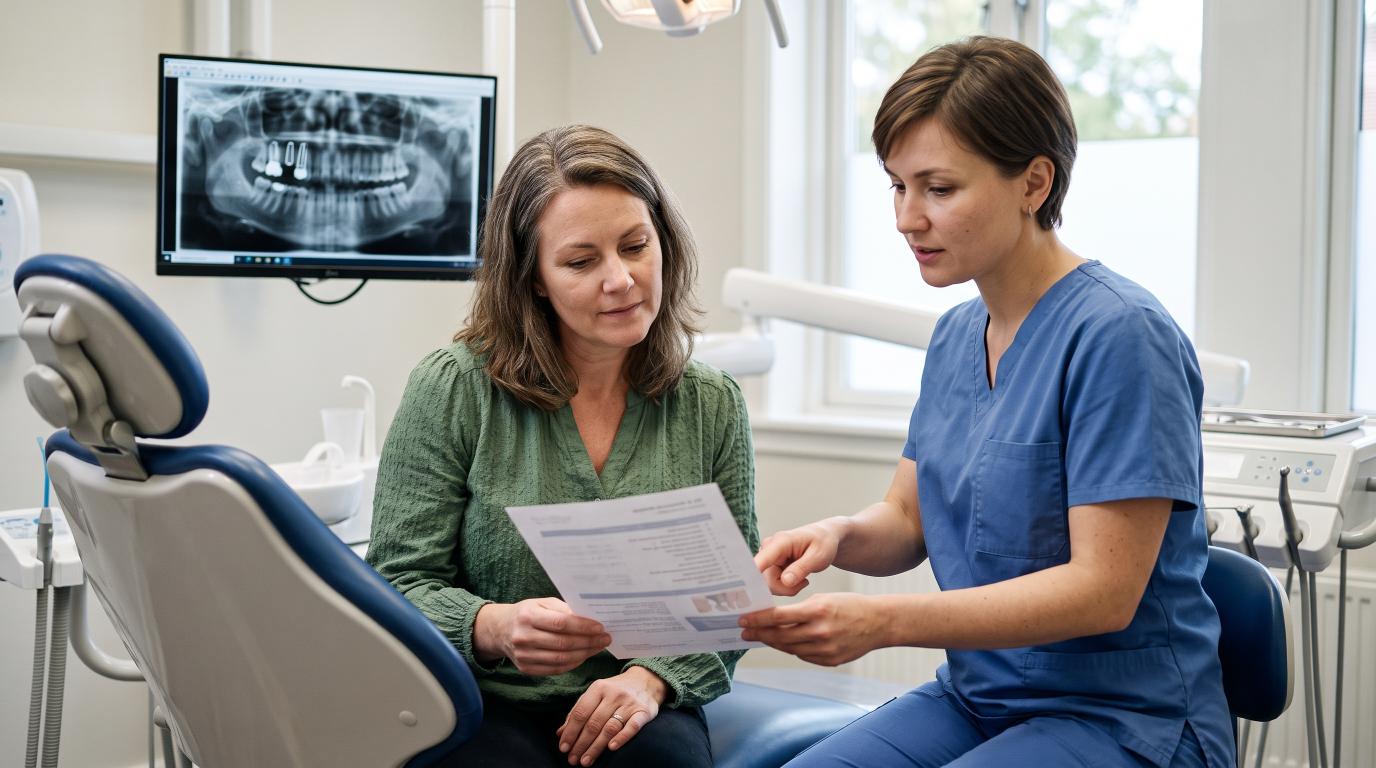
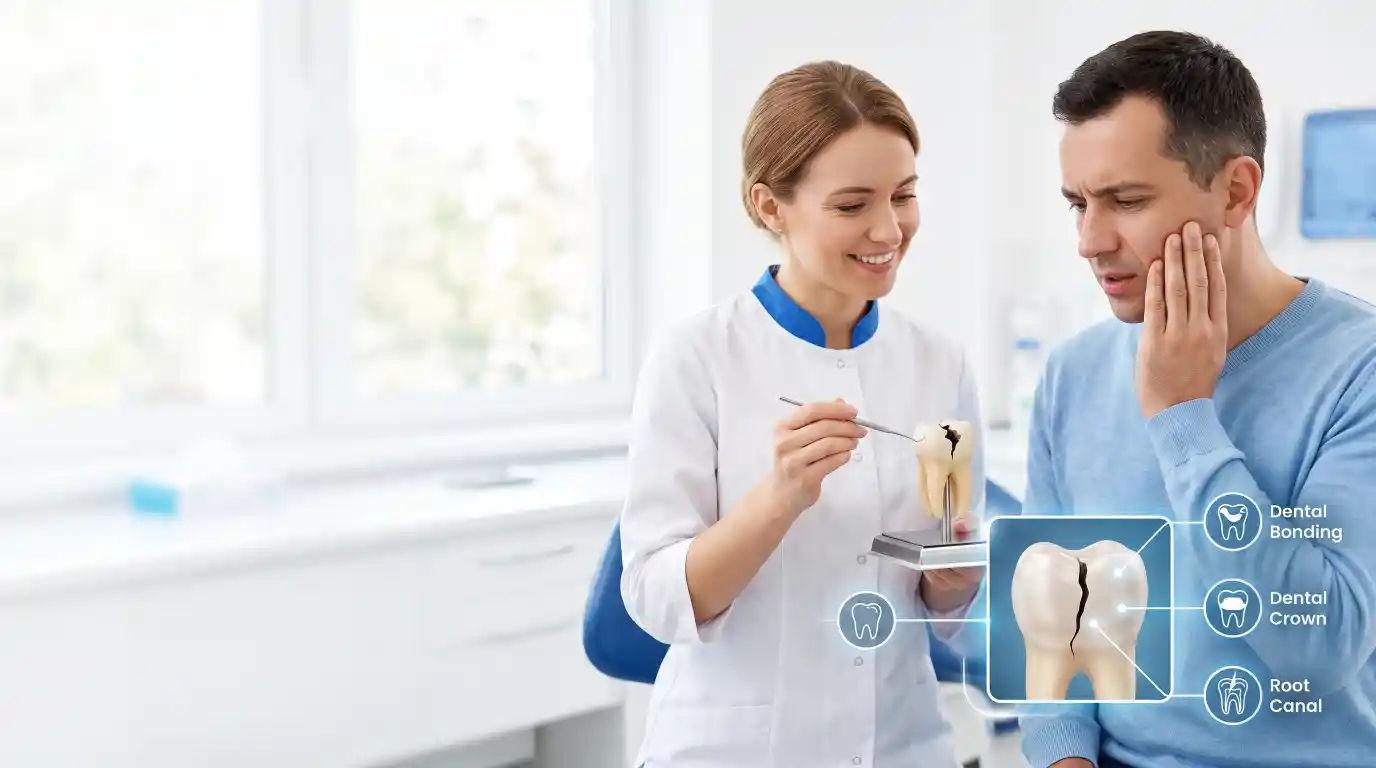
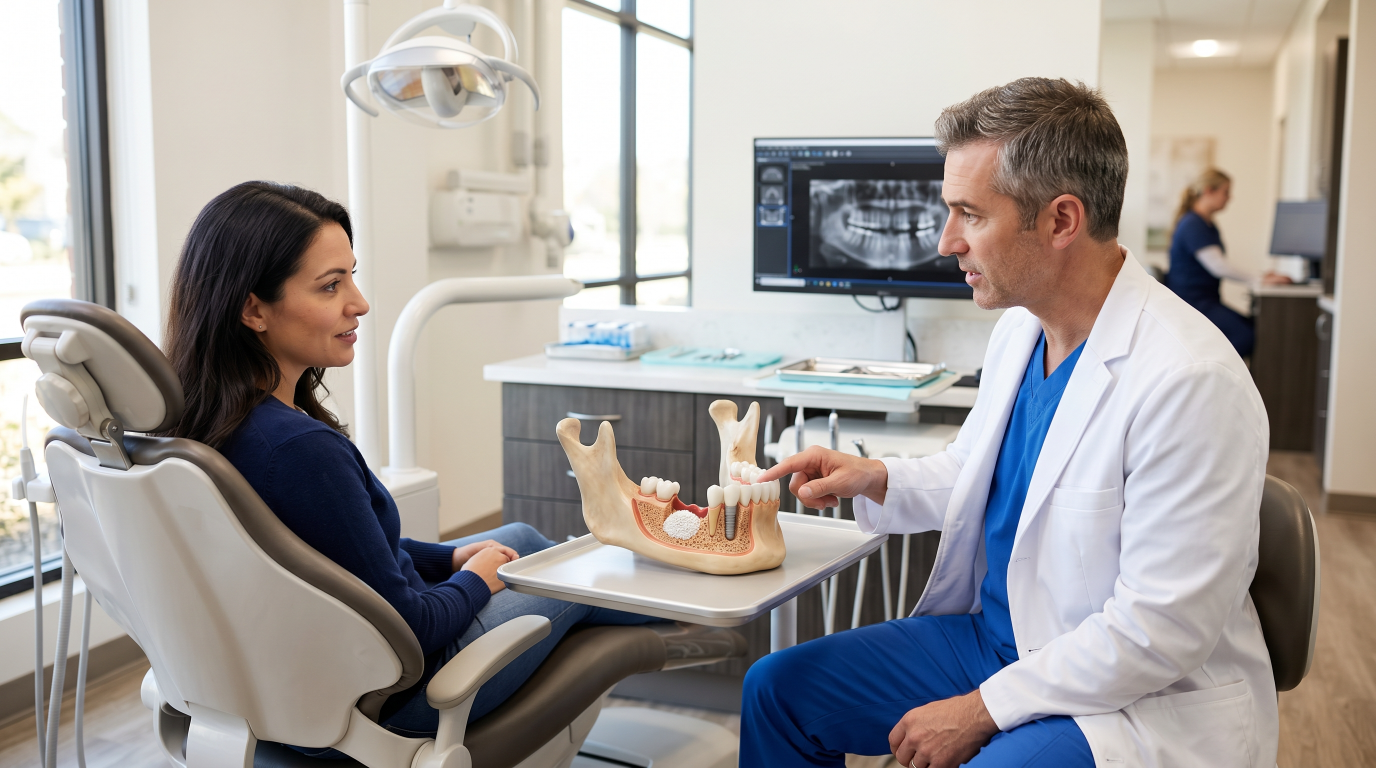
Dental care during pregnancy is important and should not be neglected. Routine cleanings, cavity treatment, gum disease management, and dental X-rays with proper shielding are considered safe, while elective cosmetic procedures that carry unknown risks should be postponed.
The second trimester (weeks 14–27) is generally the safest period for elective dental work, though emergency procedures can be performed at any time. Pregnant patients should always inform their dentist of their pregnancy and stage, so care teams can coordinate safely regarding anesthetics, medications, positioning, and timing.
Ready to Keep Your Smile Safe During Pregnancy?
Schedule a consultation with the experts at San Tan Dental in San Tan Valley, AZ. Our team provides gentle, pregnancy-safe dental care and can guide you on the best ways to maintain a bright, healthy smile until it’s safe to resume teeth whitening. Book your appointment today!
Conclusion
Teeth bleaching during pregnancy is not recommended, as there is insufficient evidence to confirm its safety. Cosmetic whitening is elective, and the potential risks gum irritation, chemical absorption, and unknown effects on fetal development make postponing the procedure the safest choice. Expecting mothers in San Tan Valley, AZ can maintain a bright smile through professional cleanings, good oral hygiene, and safe dietary habits until it is safe to resume whitening after pregnancy. Always consult your dentist and OB-GYN for personalized guidance.
Frequently Asked Questions
Is teeth bleaching safe in the first trimester?
No, elective bleaching is discouraged during the first trimester due to rapid fetal development and heightened sensitivity.
Can pregnancy hormones affect whitening results?
Yes, hormonal changes can increase gum sensitivity and enamel susceptibility, which may make bleaching more uncomfortable or less predictable.
Are at-home whitening strips safe while pregnant?
No, at-home strips typically contain higher peroxide levels and prolonged exposure, making them unsafe during pregnancy.
Can I use whitening toothpaste while pregnant?
Yes, whitening toothpastes that rely on mild abrasives (not peroxide) are generally considered safe.
When can I safely resume teeth bleaching after pregnancy?
Most dentists recommend waiting until after delivery, and if breastfeeding, consider delaying until it is complete. A postpartum dental evaluation can guide the safest timing and method.