








Using mouthwash once or twice daily is ideal for most people, but your perfect frequency depends on your specific dental needs and the type of mouthwash you choose. Overusing it can dry out your mouth and kill good bacteria, while using it too little means missing out on cavity protection and fresher breath.
Understanding Mouthwash and Its Purpose
Mouthwash does more than just make your breath smell minty fresh. It plays an important role in keeping your mouth healthy when used correctly as part of your daily oral care routine.
What Is Mouthwash?
Mouthwash is a liquid product designed to rinse your mouth and provide benefits that brushing and flossing alone can’t deliver. Most mouthwashes contain active ingredients like fluoride, antibacterial agents, or essential oils that fight germs and strengthen teeth. The liquid format allows mouthwash to reach areas of your mouth that your toothbrush might miss, including between teeth and along the gum line.
How Mouthwash Supports Oral Hygiene
Mouthwash works as a helpful addition to brushing and flossing, not as a replacement for them. When you rinse with mouthwash, you wash away food particles and bacteria that might still be hanging around after brushing. Antibacterial mouthwashes can reduce plaque buildup and fight the bacteria that cause gum disease.
How Often Should You Use Mouthwash Daily?
Most dentists recommend using mouthwash once or twice a day for the best results. Finding the right frequency for your needs helps you get the benefits without overdoing it.
Is Once-a-Day Mouthwash Enough?
For most people with healthy teeth and gums, using mouthwash once a day is perfectly fine. A single daily rinse can freshen your breath, help prevent cavities, and support gum health without causing any problems. Once-a-day use is especially good if you’re using a strong therapeutic mouthwash or one with alcohol.
Can You Use Mouthwash Twice a Day Safely?
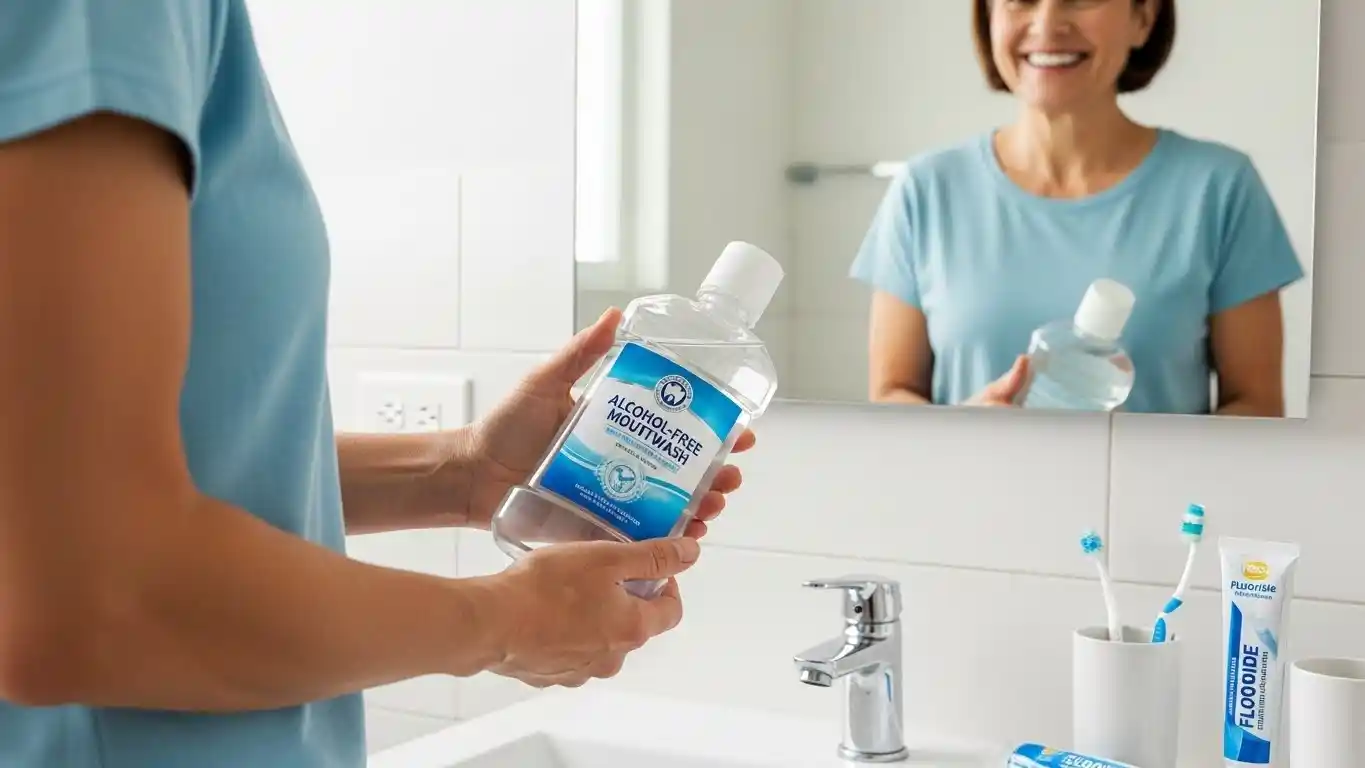
Using mouthwash twice daily is generally safe and is actually what many dentists recommend. Rinsing in the morning and evening can provide better protection throughout the day and help keep your breath fresh longer. This frequency works especially well if you’re using an alcohol-free mouthwash or a gentle daily-use formula.
Factors That Affect Ideal Mouthwash Frequency
Your personal dental health plays a big role in determining how often you should use mouthwash. People with gum disease or a history of cavities might benefit from twice-daily use. The type of mouthwash also matters when deciding frequency, as strong antiseptic mouthwashes should typically only be used for short periods as prescribed by a dentist.
Best Time to Use Mouthwash in Your Oral Care Routine
When you use mouthwash matters just as much as how often you use it. Timing your rinse correctly helps you get the maximum benefit from both your toothpaste and your mouthwash.
Should You Use Mouthwash Before or After Brushing?
Most dentists actually recommend using mouthwash after brushing and flossing. This order allows you to first remove plaque and debris with your brush and floss, then seal in protection with mouthwash. However, some dentists suggest using it before brushing to loosen food particles and bacteria.
How Long to Wait Between Brushing and Mouthwash
If you brush with fluoride toothpaste, waiting at least 30 minutes before using mouthwash gives the fluoride time to work. The concern is that rinsing too soon washes away the concentrated fluoride from your toothpaste before it can strengthen your enamel. A good compromise is to use mouthwash at a different time than brushing, like after lunch.
Why Timing Matters for Fluoride Mouthwash
Fluoride needs time to bond with your tooth enamel to provide its protective benefits. For the best fluoride protection, dentists often recommend using fluoride mouthwash at a completely separate time from brushing to ensure both products get adequate time to strengthen your teeth.
Can You Use Mouthwash Too Often?
More isn’t always better when it comes to mouthwash. Using it too frequently can actually create problems in your mouth that you’re trying to prevent.
Signs You’re Overusing Mouthwash
Your mouth will often tell you when you’re overdoing it with mouthwash. If you notice your mouth feels unusually dry, that’s a red flag. Overuse can also cause irritation, burning sensations, or soreness on your tongue, gums, or inner cheeks. Some people develop staining on their teeth from using certain mouthwashes too frequently.
How Excessive Use Affects Oral Bacteria
Your mouth contains both good and bad bacteria, and they need to stay in balance for optimal health. Using mouthwash too often can kill off beneficial bacteria along with the harmful ones. This imbalance can actually lead to worse bad breath over time, as harmful bacteria may bounce back stronger.
Alcohol-Based vs Alcohol-Free Mouthwash Risks
Alcohol-based mouthwashes are more likely to cause problems with frequent use compared to alcohol-free versions. Alcohol dries out your mouth by reducing saliva production, and saliva is crucial for naturally washing away bacteria. Alcohol-free mouthwashes are gentler and can typically be used more frequently without causing dryness or irritation.
Who Should Use Mouthwash More or Less Often?
Everyone’s mouth is different, and your ideal mouthwash frequency depends on your specific oral health situation. Some people need more frequent use while others should actually cut back.
Mouthwash Frequency for Gum Disease
If you have gingivitis or periodontitis, your dentist might recommend using mouthwash more often than the average person. Some people with gum disease use mouthwash three times a day to keep bacteria levels under control. Your dentist might prescribe a special antimicrobial mouthwash for short-term use to treat active gum disease.
Mouthwash Use for Bad Breath
People struggling with chronic bad breath often reach for mouthwash multiple times throughout the day. While this provides temporary relief, using mouthwash too frequently for bad breath can backfire because the drying effect makes bad breath worse. A better approach is to use mouthwash twice daily and focus on addressing the root cause.
Special Frequency Guidelines for Children
Children should use mouthwash less frequently than adults, and only if they’re old enough to spit it out reliably without swallowing. Most dentists recommend waiting until a child is at least six years old before introducing mouthwash. When children do use it, once a day is typically enough with an alcohol-free, kid-friendly formula.
Choosing the Right Mouthwash Based on Frequency
The type of mouthwash you choose should match how often you plan to use it. Different formulas are designed for different usage patterns.
Daily-Use Mouthwash vs Therapeutic Mouthwash
Daily-use mouthwashes are gentle formulas designed for regular, long-term use. Therapeutic mouthwashes are stronger and designed to treat specific problems like advanced gum disease. They’re not meant for daily long-term use because their powerful ingredients can cause side effects with extended frequent use.
How Fluoride Content Changes Usage Recommendations
Mouthwashes with higher fluoride concentrations require careful attention to frequency. While fluoride is excellent for preventing cavities, too much can cause fluorosis, which creates white spots on teeth. If you’re already getting fluoride from toothpaste and drinking fluoridated water, you might not need a fluoride mouthwash every single day.
Mouthwash and Oral Sensitivity Concerns

If you have a sensitive mouth, the type and frequency of mouthwash you use becomes even more important. Sensitivity issues can make regular mouthwash use uncomfortable or even painful.
Can Frequent Mouthwash Cause Sensitivity?
Yes, using mouthwash too often can definitely increase tooth sensitivity and make your mouth more reactive to temperature and certain foods. Alcohol-based mouthwashes are especially likely to cause sensitivity because they dry out your mouth and can irritate gum tissue. If you notice increased sensitivity after starting a new mouthwash, cutting back usually helps.
How to Reduce Irritation from Regular Use
If you want to keep using mouthwash regularly but experience irritation, switching to an alcohol-free formula is the first step. Using less mouthwash per rinse can also help. Make sure you’re not swishing too vigorously or for too long, as aggressive rinsing can irritate gum tissue.
Alternatives to Daily Mouthwash Use
Mouthwash isn’t essential for everyone, and there are other ways to keep your mouth healthy if you prefer not to use it regularly. Understanding your options helps you make the best choice for your oral care routine.
When Brushing and Flossing Are Enough
If you brush twice daily for two minutes with fluoride toothpaste and floss once a day, you’re already doing the most important things for oral health. Many dentists say that mouthwash is optional for people with healthy teeth and gums who maintain excellent brushing and flossing habits.
Natural and Low-Use Mouthwash Options
For people who want something between using commercial mouthwash daily and using nothing at all, natural alternatives exist. Rinsing with plain water after meals helps wash away food particles and is completely safe to do multiple times daily. Some people make simple saltwater rinses at home, which can soothe irritation and reduce bacteria.
When to Ask a Dentist About Mouthwash Use
Sometimes you need professional guidance to figure out the right mouthwash routine for your situation. Certain circumstances definitely warrant a conversation with your dentist.
Conditions That Require Prescription Mouthwash
Severe gum disease, persistent dry mouth, and high cavity risk are conditions where your dentist might prescribe a special mouthwash. Prescription rinses contain higher concentrations of active ingredients than over-the-counter products. If you have any chronic oral health condition, ask your dentist whether a prescription mouthwash would help.
When Mouthwash May Do More Harm Than Good
Some situations call for avoiding or limiting mouthwash use entirely. If you have extremely dry mouth from medication, most mouthwashes will make the problem worse. If you notice that mouthwash causes consistent irritation despite trying different brands, you’re better off skipping it altogether.
Conclusion
Finding the right mouthwash frequency is key to maintaining excellent oral health without overdoing it. Most people benefit from using mouthwash once or twice daily, preferably with an alcohol-free formula to avoid dryness and irritation. Remember that mouthwash works best as part of a complete routine that includes brushing twice daily and flossing regularly. Pay attention to how your mouth responds and adjust your frequency based on your specific needs, whether that’s treating gum disease, fighting bad breath, or simply maintaining healthy teeth. If you’re unsure about the right routine for you, don’t hesitate to ask your dentist for personalized recommendations.
Ready to improve your oral care routine?
Schedule a dental checkup today to discuss which mouthwash and frequency will work best for your unique needs and get professional advice tailored to your mouth’s health.
Frequently Asked Questions
How often should you use mouthwash?
Most people can safely use mouthwash once or twice a day, depending on the type. Daily-use mouthwashes are designed for regular use, while therapeutic or prescription mouthwashes should only be used as directed by a dentist.
Is it bad to use mouthwash every day?
Using mouthwash every day is generally safe if it’s alcohol-free and fluoride-based. Overusing strong or alcohol-based mouthwash may cause dry mouth, irritation, or disrupt healthy oral bacteria.
Should you use mouthwash before or after brushing?
Dentists usually recommend using mouthwash after brushing and flossing, unless the mouthwash instructions say otherwise. This helps protect enamel and allows fluoride to stay on teeth longer.
Can you use mouthwash more than twice a day?
Using mouthwash more than twice a day is not usually necessary and may increase the risk of tooth sensitivity or gum irritation, especially with medicated or alcohol-based formulas.
Who should avoid frequent mouthwash use?
People with dry mouth, sensitive gums, children, or those using prescription mouthwash should limit use and follow dentist recommendations to avoid side effects.