




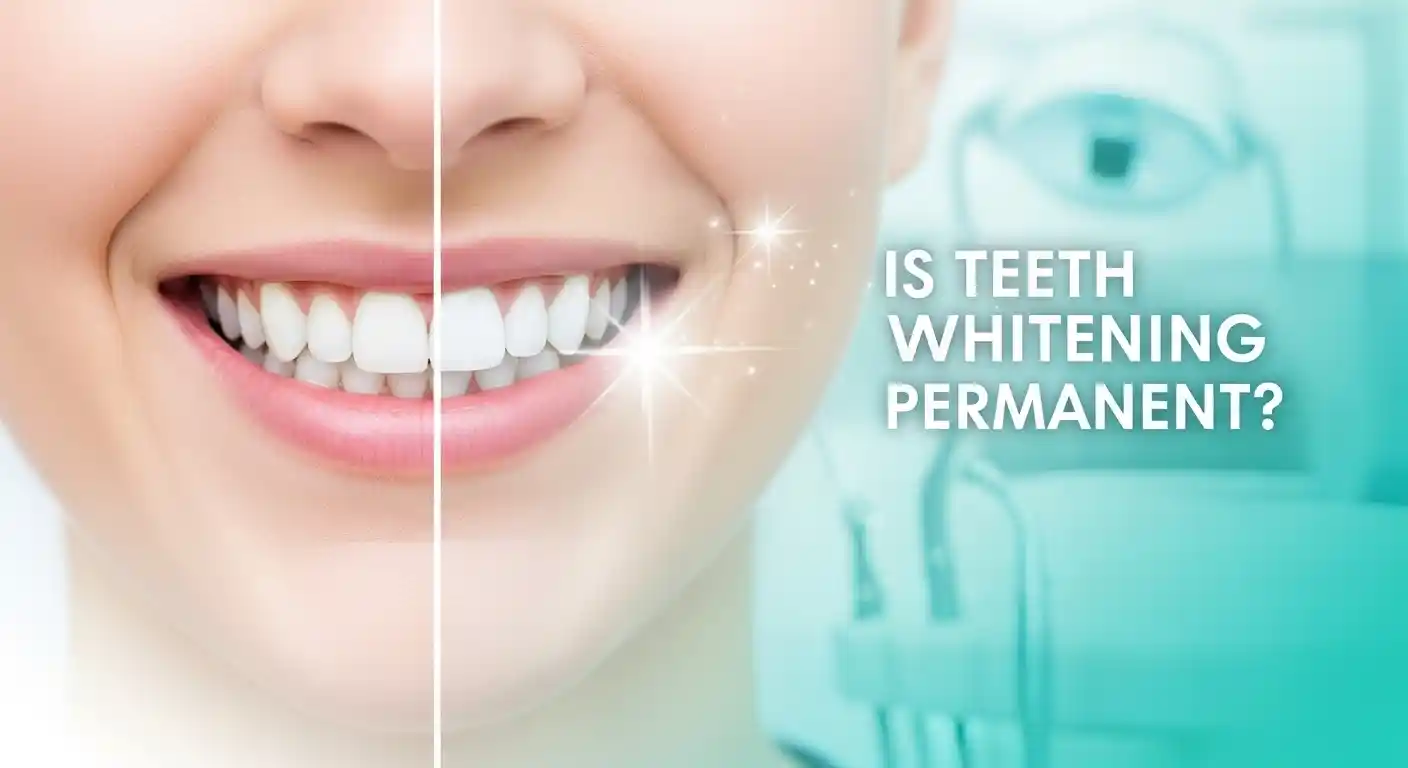




Yellow teeth can affect your confidence every time you smile or laugh. It’s one of the top concerns patients bring up during routine checkups, and I completely understand why—it’s visible and often feels hard to control.
The encouraging part is that most cases of yellowing respond well to proper care, whether through simple daily habits or professional treatments. The right approach depends on the cause, and with realistic expectations, you can achieve a noticeably brighter smile without compromising your oral health.
Understanding Yellow Teeth
Before we can discuss treatments, it’s important to understand the anatomy of your smile. Many people assume that teeth are naturally stark white, but in reality, natural teeth come in a variety of off-white and ivory shades.
What is tooth discoloration?
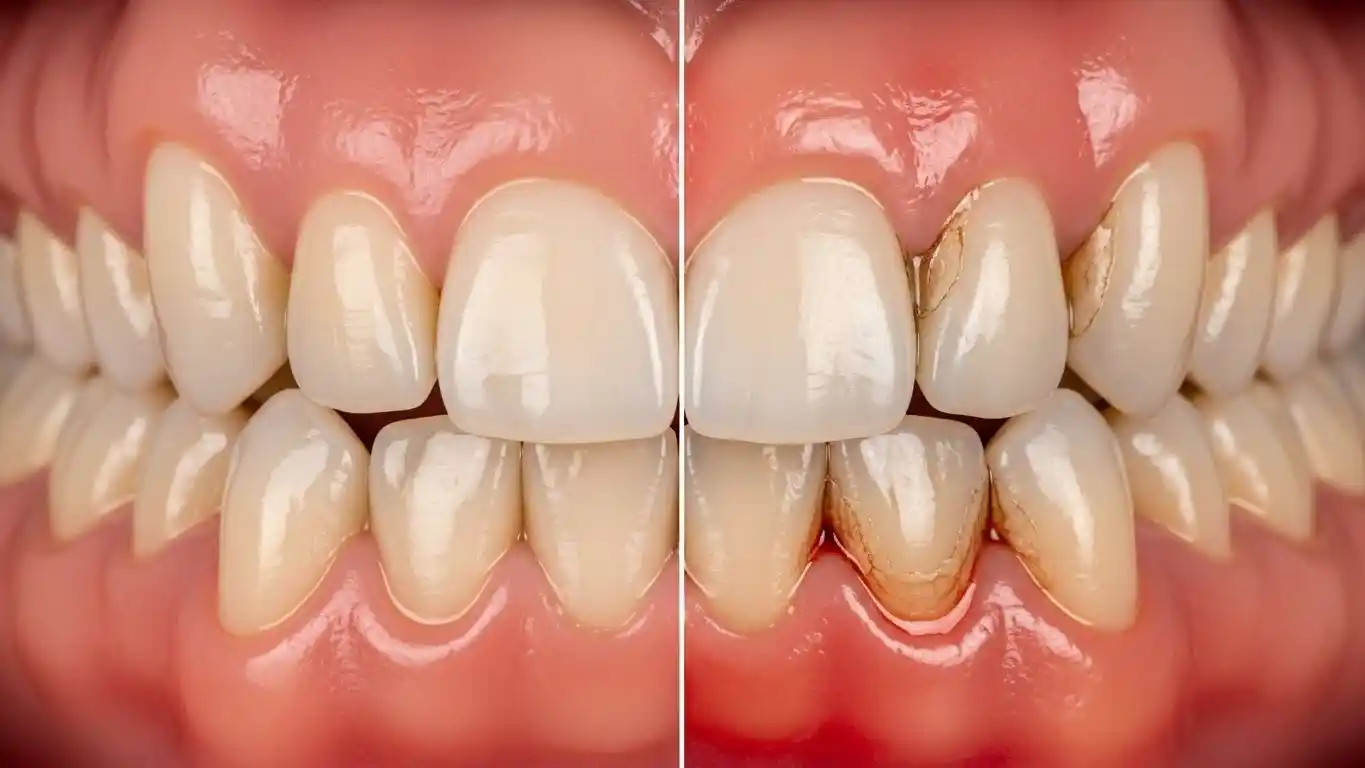
In clinical practice, we categorize discoloration into two main types: extrinsic and intrinsic. Extrinsic staining occurs on the outer layer of the tooth, the enamel, and is usually caused by lifestyle factors like coffee or tobacco. Intrinsic staining, however, happens within the inner structure of the tooth, known as the dentin.
When the enamel thins or the dentin itself darkens, the tooth appears yellow from the inside out. This distinction is crucial because a treatment that works for a surface stain—like a gritty toothpaste—will do absolutely nothing for intrinsic discoloration.
Different color meanings
Not all discoloration is yellow. If you notice brown spots, it may indicate tooth decay or long-term tobacco use. Gray or blue-tinted teeth often point to internal nerve damage or exposure to certain antibiotics during childhood. White spots can actually be a sign of early demineralization or “fluorosis” from too much fluoride. Yellow is the most common hue, usually signaling either a buildup of plaque or the natural thinning of your enamel.
What Causes Yellow Teeth?
Identifying the root cause of the color change is the first step toward a successful treatment plan. Dentists often see a combination of lifestyle choices and biological factors that contribute to a duller smile over time.
You’re Getting Older
As we age, our teeth naturally undergo changes. The outer layer of enamel is incredibly hard, but it wears down over decades of chewing and brushing. Beneath that enamel is the dentin, which is naturally yellowish. As the white enamel thins, the yellow dentin shows through more prominently. This is why many older adults find that their teeth look more “golden” even if they have excellent hygiene.
You’re a Smoker
Tobacco is perhaps the most aggressive external stainer of teeth. Both nicotine and tar create stubborn, dark yellowish-brown stains that seep into the microscopic pores of the enamel. Because these stains are so persistent, they often require professional-grade oxidation to lift, as standard brushing rarely reaches deep enough into the tooth structure to reverse the damage.
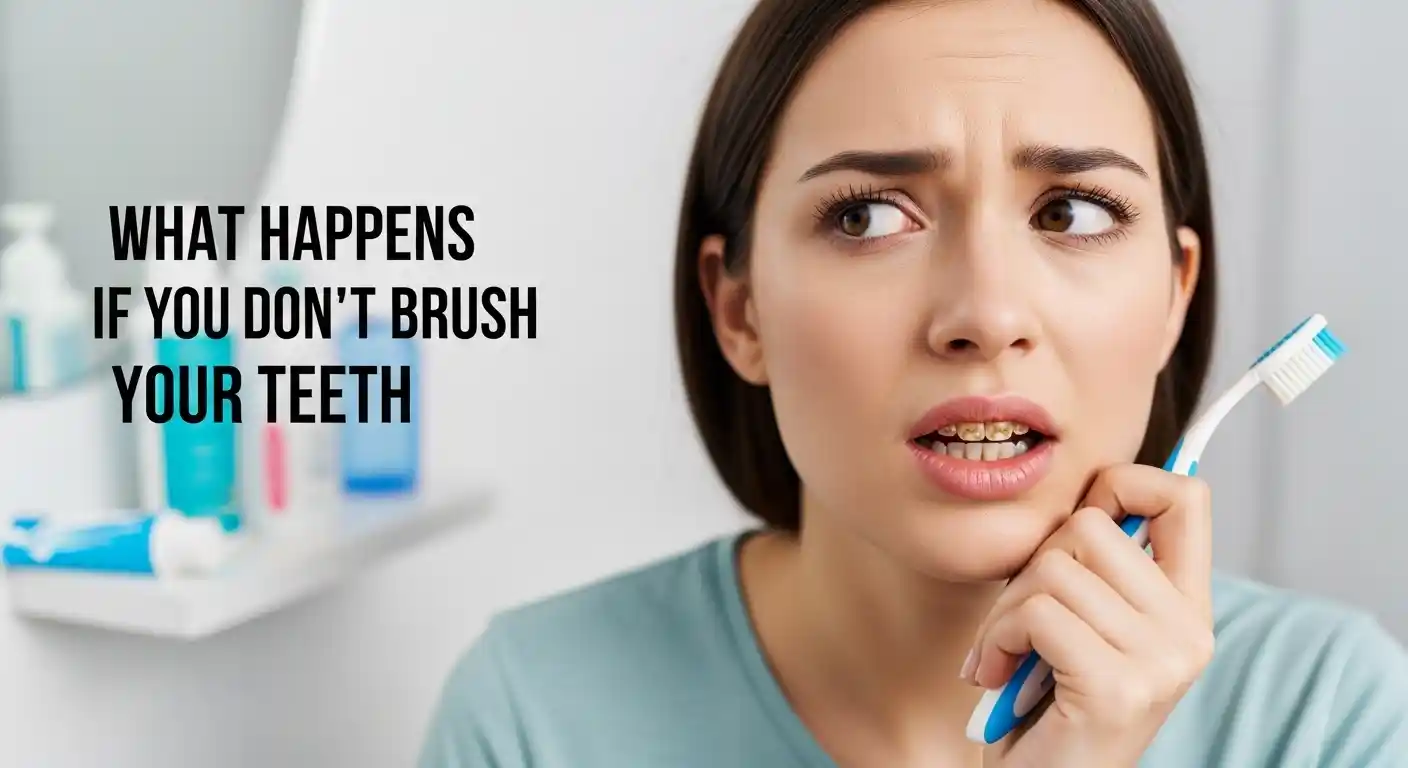
Your Oral Hygiene Is Lacking
When you skip brushing or flossing, a sticky film called plaque begins to accumulate on the surfaces of your teeth. If it isn’t removed, it hardens into tartar (calculus), which often has a yellow or even brown appearance. Tartar is porous, meaning it picks up food stains even more easily than enamel does. Once plaque has hardened into tartar, only a dental professional can remove it using specialized tools.
You’re on Medication
Certain medications can change the color of your teeth from the inside. For example, if children are given tetracycline or doxycycline while their permanent teeth are still forming, they may develop permanent yellow or grayish bands. In adults, some high blood pressure medications, antipsychotics, and even certain antihistamines have been linked to tooth discoloration.
You Have an Illness
Less commonly, systemic health issues can affect the enamel. Conditions that affect metabolism or certain infections in pregnant mothers can lead to enamel hypoplasia, where the enamel doesn’t form correctly, appearing thin and yellow. Additionally, treatments like chemotherapy or radiation to the head and neck can alter the chemical composition of your saliva and the color of your teeth.
The Yellow Is in Your Genes
Just like some people are born with fairer skin or thicker hair, some individuals are genetically predisposed to have thinner enamel or naturally darker dentin. If your parents had yellowish teeth despite healthy habits, you might simply have a genetic baseline that leans toward a warmer hue. In these cases, “natural” whitening methods are rarely effective because the color is a structural trait.
Why Are My Teeth Yellow When I Brush Them Every Day?
It can be incredibly frustrating to maintain a strict hygiene routine and still see a yellow reflection in the mirror. This common complaint usually stems from a misunderstanding of how brushing affects the different layers of the tooth.
First things first, brush your teeth regularly
Consistency is the foundation of oral health, but the technique matters as much as the frequency. If you brush too hard (aggressive brushing), you might actually be scrubbing away your enamel. This leads to a paradoxical effect: the more you “clean” with a heavy hand, the yellower your teeth look as the enamel disappears. Using a soft-bristled brush and a gentle, circular motion is the best way to keep teeth clean without causing wear.
Enamel Protection
Enamel is the shield that keeps your teeth white and strong. Once it is gone, it does not grow back. Acidic foods and drinks—like sodas, citrus, and sports drinks—can soften the enamel, making it easier to wear away during brushing. From a dental perspective, we recommend waiting at least 30 to 60 minutes after eating acidic foods before brushing. This allows your saliva to naturally remineralize the surface, keeping that white protective layer intact.
Natural Ways to Get Rid of Yellow Teeth

The internet is full of “hacks” for a whiter smile, but as a dentist, I urge caution. While some natural methods are harmless, others can cause irreversible damage to your enamel and gums.
Oil pulling
Oil pulling is an ancient practice that involves swishing an oil—usually coconut, sesame, or sunflower oil—in your mouth for about 15–20 minutes. The theory is that the oil “pulls” bacteria and toxins out of the oral cavity. While it may help reduce the bacteria that lead to plaque, there is no peer-reviewed clinical evidence that oil pulling actually changes the internal color of the teeth. It is generally safe, but it shouldn’t replace your toothbrush.
Baking soda and hydrogen peroxide
This is a classic home remedy that actually has some merit. Baking soda is a mild abrasive that can help scrub away surface stains, while hydrogen peroxide is a natural bleaching agent. In fact, many commercial toothpastes use this exact combination. However, you must be careful with concentration. Using a paste that is too gritty or a peroxide solution that is too strong can lead to tooth sensitivity and gum irritation.
Coconut oil pulling
Specifically, using coconut oil is popular because it contains lauric acid, which is known for its antimicrobial properties. Like general oil pulling, it can contribute to a cleaner oral environment and fresher breath. While a cleaner mouth looks brighter, don’t expect coconut oil to provide the same dramatic results as a professional whitening treatment.
Apple cider vinegar
I frequently have to warn patients about this one. Apple cider vinegar (ACV) is highly acidic. While the acetic acid can indeed remove stains, it does so by breaking down the enamel. Repeated use of ACV as a mouthwash or scrub can lead to significant enamel erosion, which eventually makes your teeth look more yellow as the dentin is exposed. If you use it, do so very sparingly and rinse with plain water immediately afterward.
Lemon, orange, or banana peels
The claim is that rubbing these peels on your teeth will whiten them due to the d-limonene or minerals like potassium and manganese. While these are relatively harmless, they are also largely ineffective for deep stains. Furthermore, the citric acid in lemon and orange peels can be just as damaging as vinegar if used frequently.
Activated charcoal
Activated charcoal is a huge trend right now, marketed as a way to “absorb” stains. However, charcoal is highly abrasive. In clinical practice, we often see patients who have used charcoal and ended up with sensitive teeth and worn-down enamel. It might remove a surface coffee stain, but it can also scratch your dental work and wear away the very layer you’re trying to keep white.
At-Home Treatments for Yellow Teeth
If you want to brighten your smile at home, the best approach is to focus on prevention and using products that are specifically formulated for dental safety. These methods are slower than professional treatments but are excellent for maintenance.
Brushing your teeth
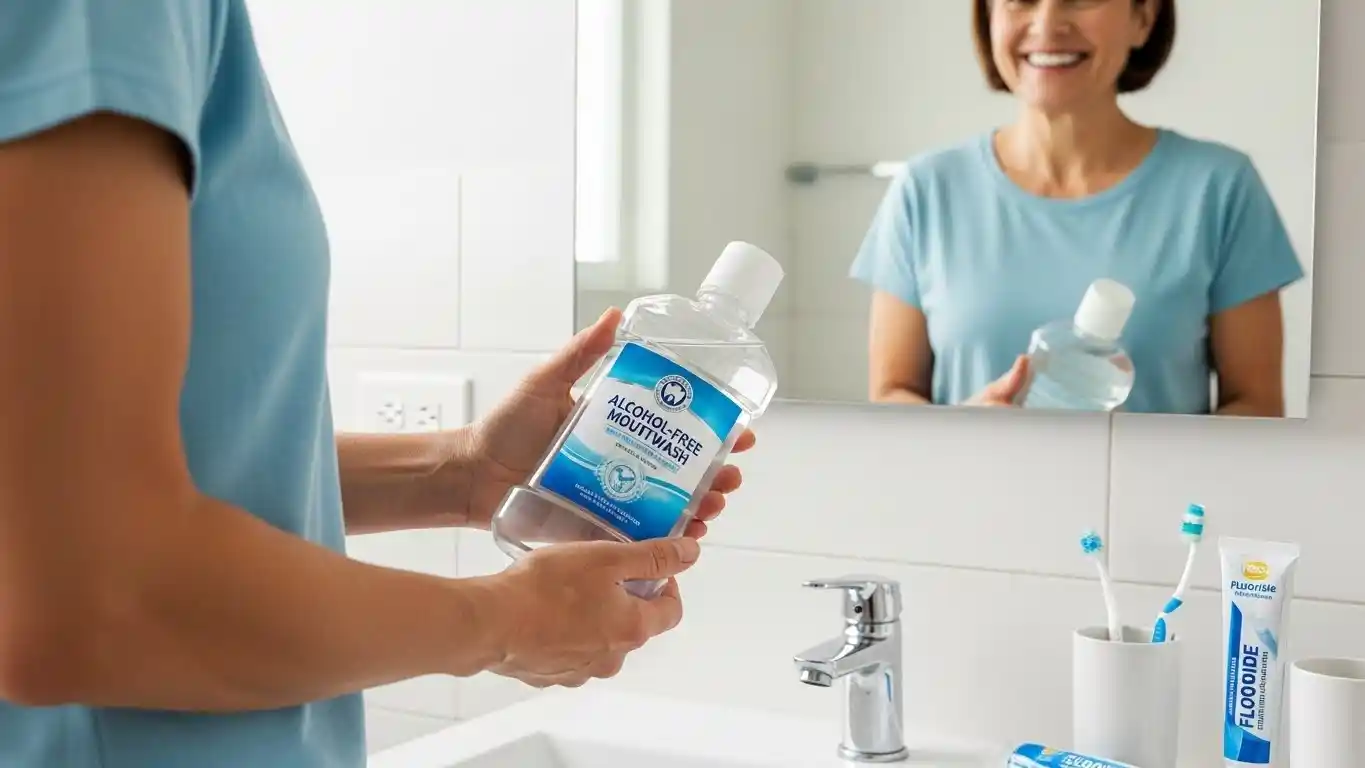
It sounds simple, but the most effective home treatment is a high-quality electric toothbrush used twice daily with a fluoride toothpaste. Electric brushes are far more efficient at removing the daily biofilm (plaque) that makes teeth look dull. Look for toothpastes with the ADA Seal of Acceptance to ensure the abrasivity levels are safe for your enamel.
Avoid Stain-Causing Foods
Prevention is often the best “cure.” Foods and drinks with intense pigments—like red wine, blueberries, soy sauce, and coffee—contain chromogens that stick to enamel. If you can’t give them up, try drinking through a straw to bypass your front teeth, or rinse your mouth with water immediately after consuming them to prevent the pigments from settling in.
Eat Calcium-Rich Foods
A diet high in calcium and phosphorus helps keep your enamel strong and thick. Cheese, milk, and yogurt are excellent because they also stimulate saliva production, which neutralizes acids in the mouth. Crunchy, high-fiber vegetables like celery and carrots act as “nature’s toothbrushes,” mechanically scrubbing the surfaces of your teeth as you chew.
Professional Dental Treatments to Fix Yellow Teeth

When home remedies aren’t enough, professional intervention offers the most predictable and dramatic results. Dentists have access to higher concentrations of whitening agents and advanced technology that simply cannot be sold over the counter.
Professional teeth whitening
In-clinics whitening involves the application of a high-concentration peroxide gel, often activated by a specialized light or laser. This process can brighten teeth by several shades in a single hour-long appointment. Because we protect your gums with a barrier, we can use much stronger bleaching agents than you’ll find in a drug store box, reaching those deeper intrinsic stains.
Veneers for yellow teeth
For some patients, whitening isn’t the answer. If you have permanent internal staining (like from medications) or very thin enamel, veneers may be the best option. These are thin, custom-made porcelain shells that are bonded to the front of your teeth. They can be made in any shade of white and are highly resistant to future staining.
Dental bonding
Bonding is a more conservative and affordable alternative to veneers. We apply a tooth-colored composite resin to the surface of the tooth and shape it to look natural. This is a great solution for covering up a single discolored tooth or fixing small chips while simultaneously improving the color.
Dental crowns
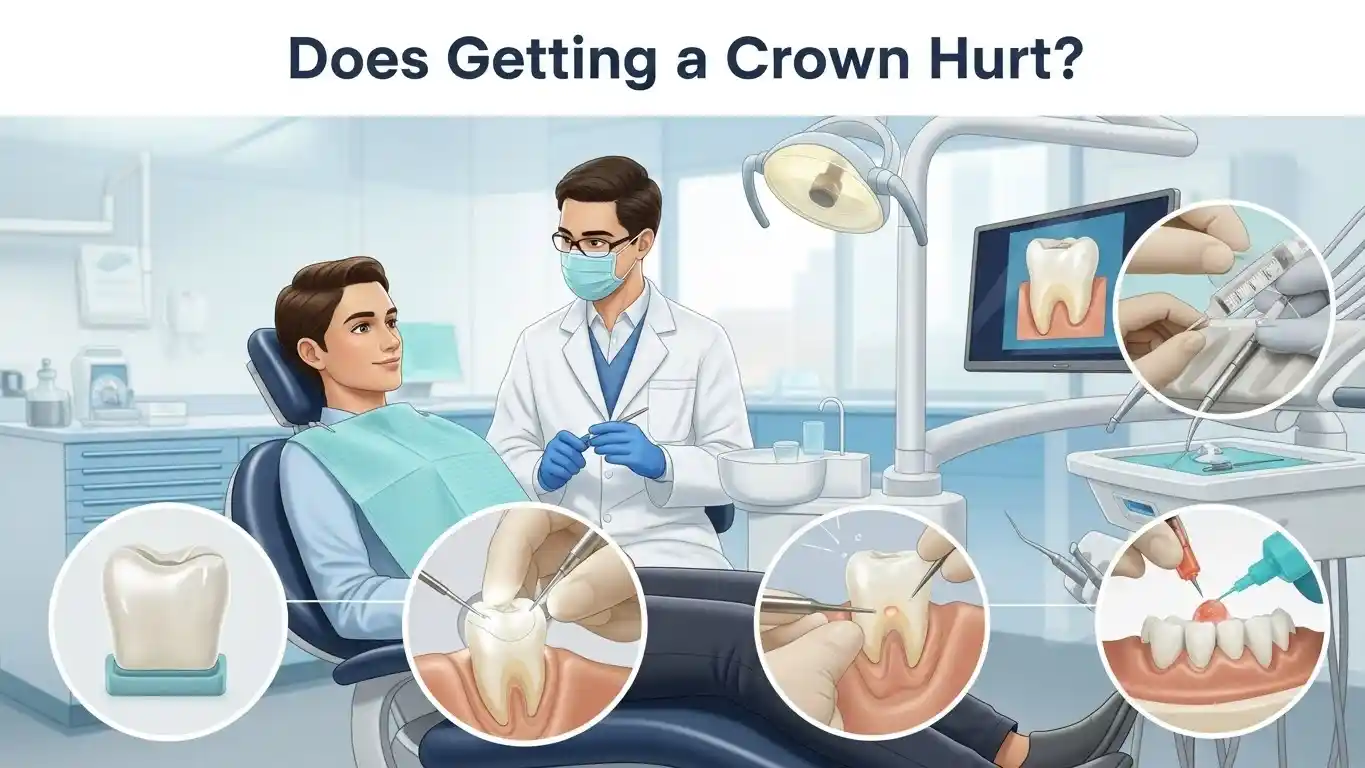
If a tooth is yellow because it has undergone a root canal or has a very large, old filling, a dental crown might be necessary. A crown covers the entire tooth like a cap, restoring its strength and providing a perfectly white, aesthetic appearance.
When Should You See a Dentist?
While yellowing is often a cosmetic issue, it can sometimes be a symptom of a larger health concern. Knowing when to stop DIY treatments and call a professional can save you from pain and expensive repairs down the road.
When should I call my dentist?
You should schedule an appointment if the yellowing is accompanied by pain, sensitivity to hot and cold, or bleeding gums. If you’ve tried over-the-counter whitening strips for several weeks with no results, it’s time for a professional evaluation. We can determine if the discoloration is something that requires a clinical solution rather than just a cosmetic one.
Ready for a Brighter Smile?
If you’re ready to brighten your smile safely and effectively, schedule a consultation with our dental team at Santan Dentist. We can help you choose the best whitening option for your teeth and ensure your enamel stays healthy. Book your appointment today and take the first step toward a confident, radiant smile.
Conclusion
Yellow teeth are a common concern, and in most cases, they can be safely improved with the right care. Understanding the causes—from natural aging and genetics to lifestyle habits—helps you choose the most effective approach. Daily habits like gentle brushing, avoiding stain-causing foods, and maintaining a calcium-rich diet can prevent further yellowing, while professional treatments offer faster, long-lasting results for deeper stains.
Remember, protecting your enamel and overall oral health is just as important as achieving a brighter smile. With realistic expectations and the guidance of a dental professional, you can enjoy a confident, radiant smile that lasts for years.
Frequently Asked Questions
Can yellow teeth become completely white again?
It depends on the cause. Surface stains from coffee, tea, or tobacco can often be removed with professional whitening. However, intrinsic discoloration, genetics, or enamel thinning may only improve partially. Veneers or bonding are options for a more permanent solution.
Are home remedies safe for whitening teeth?
Some home remedies, like gentle brushing with fluoride toothpaste, are safe. Others, such as apple cider vinegar, lemon juice, or activated charcoal, can damage enamel if used frequently. Always use caution and consult your dentist before trying DIY treatments.
How long does professional teeth whitening last?
Results vary based on lifestyle and oral habits. On average, professional whitening can last 6–24 months. Maintaining good oral hygiene and avoiding stain-causing foods or drinks helps prolong results.
Can yellow teeth be a sign of a dental problem?
Sometimes, yes. Sudden yellowing, gray discoloration, or dark spots on a single tooth may indicate decay, trauma, or internal damage. A dental exam can determine the cause and recommend the appropriate treatment.
How can I prevent my teeth from turning yellow again?
Consistent brushing and flossing, regular dental cleanings, limiting stain-causing foods and drinks, and avoiding tobacco are key. Using a straw for colored beverages and eating enamel-friendly foods like cheese and crunchy vegetables can also help.