








A dental crown falling out can be alarming, even when it doesn’t cause pain. The absence of discomfort doesn’t mean you can ignore the situation. Your tooth remains vulnerable without its protective covering, and delaying treatment can lead to serious complications.
Understanding why your crown fell out, what the lack of pain means, and what steps to take can help you protect your tooth and avoid costly damage.
Why Your Crown Fell Out
Cement Failure
Dental cement bonds the crown to your tooth. Over time, this cement can weaken or dissolve. Eating sticky foods, temperature changes, and normal wear gradually break down the bond. Most crowns last 10 to 15 years before the cement fails.
If the cement simply wore out and your tooth underneath remains healthy, you likely won’t feel pain.
Tooth Decay Under the Crown
Decay can develop beneath a crown if bacteria sneak through gaps in the cement. As decay progresses, it destroys the tooth structure that holds the crown in place.
You might not feel pain if the tooth had a root canal previously. Dead teeth don’t transmit pain signals. However, decay is actively damaging your tooth even without symptoms.
Poor Crown Fit
A crown that never fit properly may eventually come loose. If the dentist didn’t shape it correctly or if it was fabricated with slight errors, it won’t seal properly against your tooth.
Tooth Structure Changes
Teeth can shift, grind down, or develop cracks over years. These changes affect how the crown fits. A tooth that’s ground down from clenching or grinding may no longer provide adequate surface area for the crown to grip.
Trauma or Injury
Biting down on hard objects, accidents, or facial injuries can dislodge crowns. If the impact only affected the crown and cement—not the tooth itself—you won’t necessarily feel pain afterward.
Why It Doesn’t Hurt
Previous Root Canal
If your tooth underwent root canal treatment before receiving the crown, the nerve was removed. Without a nerve, the tooth cannot transmit pain signals regardless of what happens to it.
Don’t let the absence of pain fool you into thinking the situation isn’t urgent. The tooth still needs protection.
Healthy Tooth Structure
When cement simply fails and the underlying tooth remains healthy and intact, there’s no reason for pain. You might feel sensitivity to temperature or pressure, but not throbbing pain.
No Infection Yet
Pain typically indicates infection, inflammation, or nerve exposure. If bacteria haven’t reached the inner tooth or caused an infection, you won’t experience pain. However, the exposed tooth is vulnerable and infection can develop quickly.
High Pain Threshold
Some people have naturally higher pain thresholds. You might feel some discomfort but not interpret it as significant pain.
Immediate Steps to Take
Retrieve and Clean the Crown
Find your crown as soon as possible. Rinse it gently with warm water to remove any debris or old cement. Don’t use soap, toothpaste, or harsh cleaners.
Inspect the crown for damage. If it’s intact without cracks or breaks, your dentist can likely recement it. Store it in a small container or plastic bag.
Examine Your Tooth
Look at the exposed tooth in a mirror. Note its color, shape, and condition. Dark spots might indicate decay. A fractured or crumbled tooth suggests more extensive damage.
Check for sharp edges that could cut your tongue or cheek. If present, dental wax from a pharmacy can cover them temporarily.
Call Your Dentist Immediately
Contact your dentist the same day your crown falls out, even without pain. Most dental offices accommodate crown emergencies quickly because exposed teeth deteriorate rapidly.
If it’s after hours, call the emergency number. Many dentists provide after-hours guidance or emergency services for situations like this.
Protect the Exposed Tooth
Until you see your dentist, protect the vulnerable tooth. Avoid chewing on that side of your mouth. Stick to soft foods that don’t require much biting force.
Brush the exposed tooth gently with a soft-bristled toothbrush. Keep it clean to prevent bacterial buildup, but don’t scrub aggressively.
Temporary Crown Reattachment
If you cannot see a dentist immediately, temporary dental cement is available at most pharmacies. Clean both the crown and tooth thoroughly. Apply a small amount of temporary cement inside the crown and press it firmly onto your tooth.
Bite down gently to seat it properly, then wipe away excess cement. This is only a temporary solution. Don’t use super glue, household adhesives, or other non-dental products.
What Your Dentist Will Do
Examination and Assessment
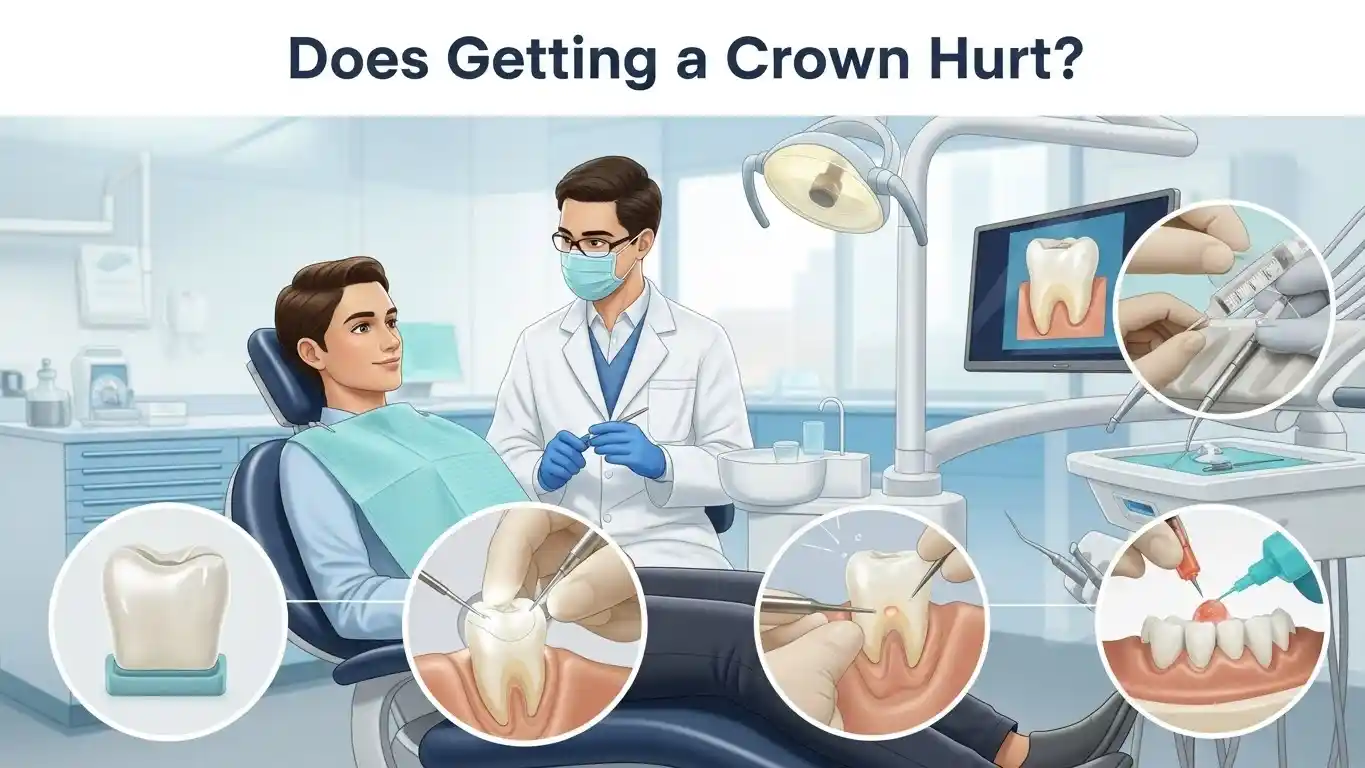
Your dentist will examine both the crown and the exposed tooth. X-rays reveal decay, cracks, or bone loss that aren’t visible to the naked eye.
The dentist checks the crown’s interior for signs of decay or damage. They measure how much tooth structure remains and whether it’s healthy enough to support the crown.
Cleaning and Preparation
If the tooth is healthy and the crown intact, the dentist removes all old cement from both surfaces. They clean the tooth thoroughly and may apply medication if any sensitivity or minor decay is present.
The tooth must be completely dry before recementation. Moisture prevents proper bonding and causes the crown to fail again quickly.
Recementation
Using professional-grade dental cement, your dentist bonds the crown back onto your tooth. They ensure proper alignment and fit before the cement sets.
After cementing, excess material is removed and the margins are polished smooth. The dentist verifies that the crown is secure and properly sealed.
Alternative Treatments
If recementation isn’t possible, your dentist discusses alternatives. A damaged crown needs replacement with a new one. Significant tooth decay requires removal before a new crown can be fabricated.
Why You Shouldn’t Wait
Rapid Tooth Deterioration
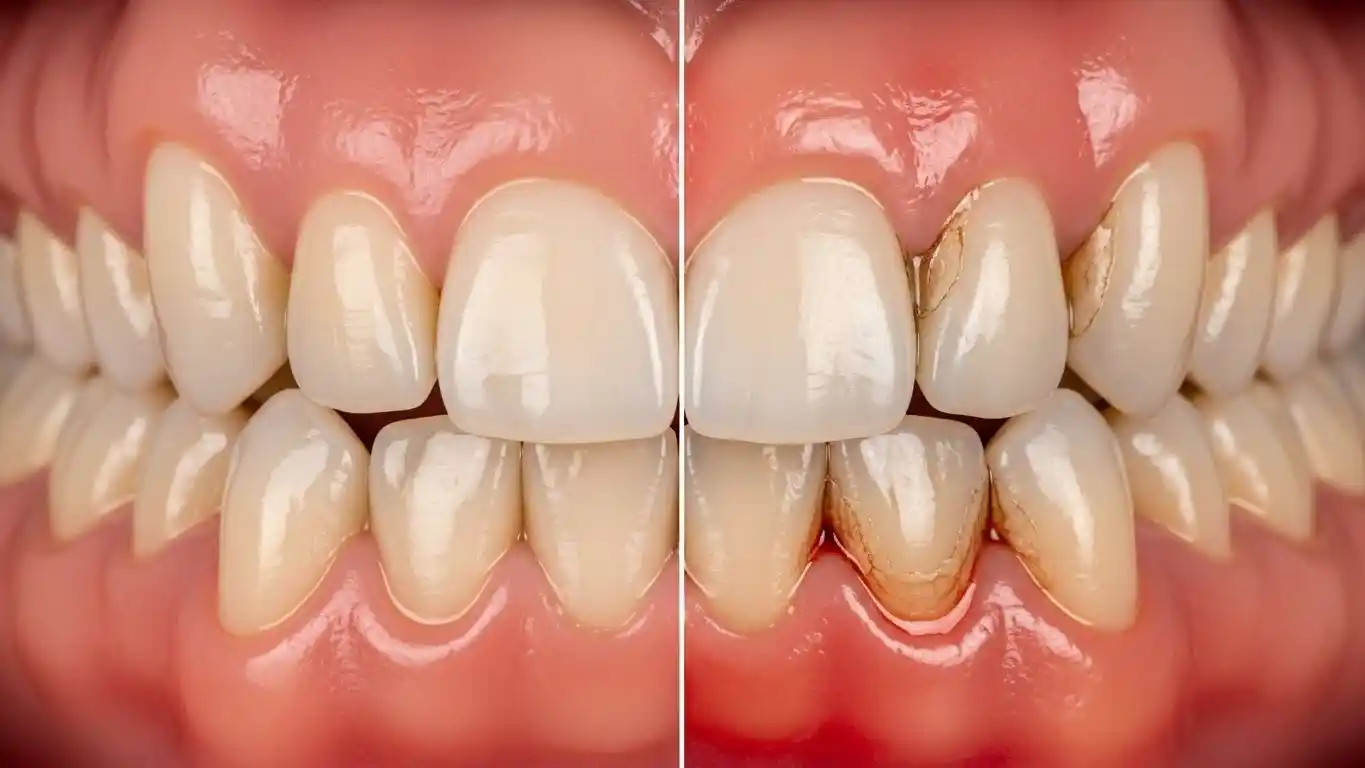
Exposed teeth deteriorate quickly. Enamel isn’t designed to withstand direct exposure to food, bacteria, and temperature changes without protection. What starts as a healthy tooth can develop decay within days or weeks.
Biting forces that the crown normally distributes can crack an unprotected tooth. Once fractured, the tooth may become unsalvageable.
Infection Risk
Bacteria constantly present in your mouth will colonize the exposed tooth. They can penetrate deeper layers, reaching the pulp where nerves and blood vessels reside. This causes infection, abscess formation, and severe pain.
An infection that starts painlessly can become a dental emergency requiring root canal treatment or extraction.
Tooth Movement
Teeth shift when space opens up. Adjacent teeth may drift toward the gap, and opposing teeth can erupt further into the space. Even a few weeks without the crown can cause enough movement to prevent the original crown from fitting properly.
Increased Treatment Costs
A simple recementation costs a fraction of what you’ll pay if complications develop. Root canals, new crowns, posts, cores, and especially implants to replace extracted teeth cost thousands of dollars.
Addressing the problem immediately while it’s still simple saves money and preserves your natural tooth.
Temporary Care While Waiting
Diet Modifications
Eat soft foods that don’t require much chewing. Avoid the side with the missing crown entirely. Good options include yogurt, scrambled eggs, mashed potatoes, soup, and smoothies.
Avoid sticky foods like caramel, taffy, or gum. Stickiness can dislodge temporary cement if you’ve used it, or trap debris around the exposed tooth.
Oral Hygiene
Brush at least twice daily, but be extra gentle around the exposed tooth. Floss carefully to remove food particles between teeth, but don’t force floss into the area where the crown was.
Rinse with warm salt water several times daily. Mix half a teaspoon of salt in eight ounces of warm water. This reduces bacteria and soothes any minor irritation.
Pain Management
Even though you don’t currently feel pain, you might develop sensitivity. Over-the-counter pain relievers like ibuprofen or acetaminophen can help if discomfort develops.
Avoid aspirin directly on the tooth or gums—it can burn tissue. If sensitivity to cold develops, breathe through your nose instead of your mouth when outdoors in cold weather.
What to Avoid
Don’t chew ice, hard candy, or anything crunchy. Avoid temperature extremes—very hot or very cold foods and beverages. Don’t use the tooth to open packages, bite nails, or hold objects.
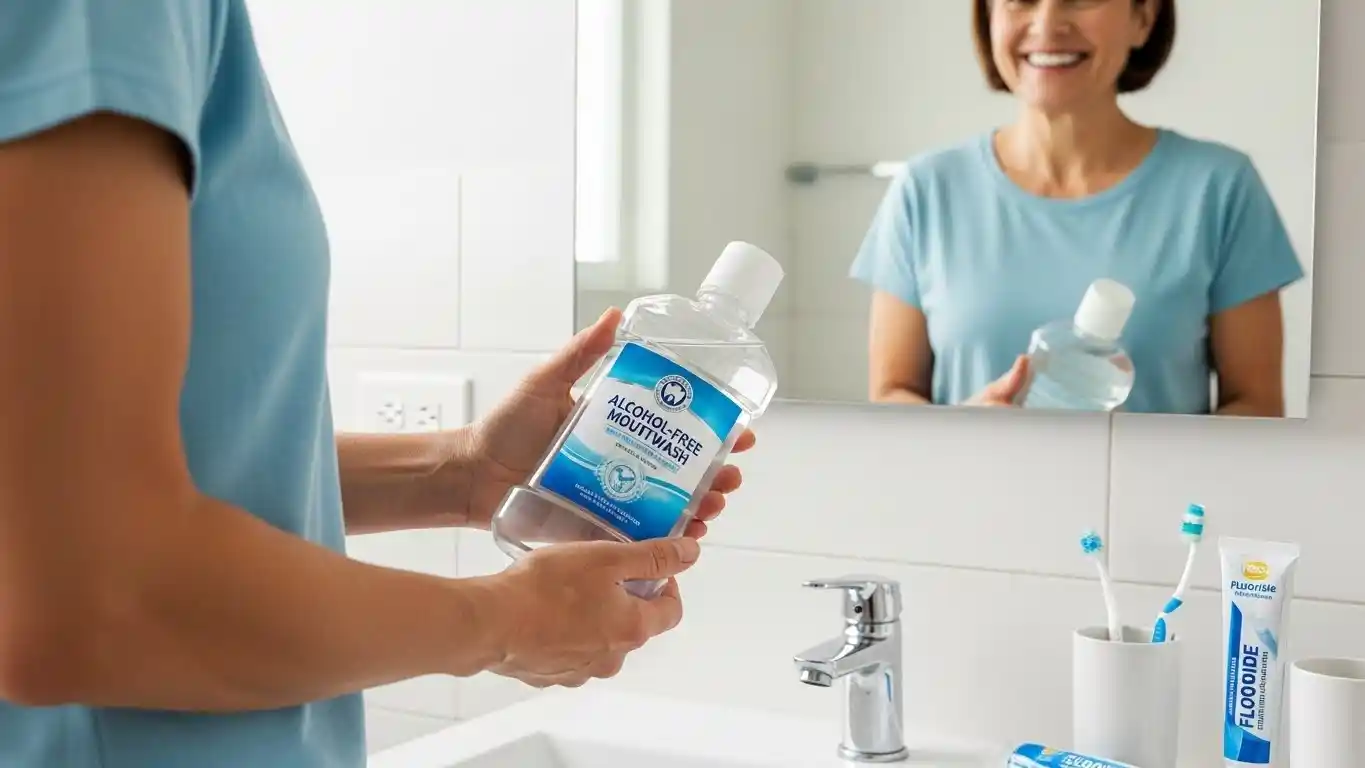
Skip alcohol-based mouthwashes, which can irritate exposed tooth structure. Avoid acidic foods and drinks like citrus, tomatoes, and soda that can erode tooth enamel.
Long-Term Considerations
Crown Lifespan
Crowns typically last 10 to 15 years, though some survive 20 years or more with excellent care. Factors affecting longevity include oral hygiene, diet, grinding or clenching habits, and the crown material.
After recementation, your crown may last many more years if the tooth underneath is healthy.
Prevention Strategies
Regular dental checkups allow your dentist to monitor crown integrity and catch problems early. Professional cleanings remove plaque and tartar that can compromise the cement seal.
If you grind or clench your teeth, a nightguard protects crowns from excessive force.
Material Choices for Replacement
If you need a new crown, discuss material options with your dentist. Porcelain-fused-to-metal crowns are durable and less expensive. All-ceramic or all-porcelain crowns look more natural but can be more fragile.
Zirconia crowns offer strength and aesthetics, though they cost more.
Special Situations
Crowns on Implants
If a crown on a dental implant falls off, the implant itself is usually fine. See your dentist promptly—the implant abutment needs protection just like a natural tooth.
Don’t attempt to reattach an implant crown yourself. The connection mechanism differs from natural teeth and requires professional handling.
Temporary Crowns
Temporary crowns are designed to fall off easily so the permanent crown can be placed. If a temporary crown comes off, it’s less urgent than a permanent crown, but you should still contact your dentist.
Clean it and try to reattach it with temporary cement. If you can’t reach your dentist immediately, the tooth will be sensitive but generally safe for a few days.
Crowns on Baby Teeth
Children sometimes receive crowns on baby teeth to treat extensive decay. If a child’s crown falls out, contact your pediatric dentist. The urgency depends on how soon the tooth is expected to shed and whether infection is present.
Insurance and Cost Considerations
Recementation Coverage
Most dental insurance plans cover crown recementation at 80 to 100 percent if you’re within the crown’s warranty period. Even out of warranty, recementation is usually a covered basic procedure.
Expect to pay $50 to $200 out of pocket depending on your insurance. This is significantly less than a new crown, which can cost $800 to $3,000.
Replacement Crown Costs
If the crown cannot be recemented, a new one will be necessary. Insurance typically covers 50 percent of crown costs after you meet your deductible. Coverage may be limited if the original crown was placed recently.
Discuss payment plans with your dentist if cost is a concern. Many offices offer financing options for major dental work.
Expert Dental Care for Crown Emergencies
If your crown has fallen out, don’t delay professional care. At Valencia DC, our skilled dental team provides fast emergency treatment for loose or lost crowns. We know dental problems can happen anytime, and we’re here to protect your smile.
Our dentists carefully examine your tooth and crown to decide the best solution. In many cases, a simple recementation may be enough. If more treatment is needed, we use advanced methods and high-quality materials.
This ensures strong, lasting results and peace of mind. Schedule your emergency appointment today at Ocotillo Trails Family Dentistry. Our caring team is ready to restore your crown quickly and securely.
Conclusion
A crown falling out without pain doesn’t mean it’s safe to wait. The absence of discomfort only means damage hasn’t happened yet—but it will if you delay treatment. Contact your dentist immediately, even if you feel fine.
Protect the exposed tooth by avoiding chewing on that side, keeping the area clean, and using temporary cement if available. Save the crown and bring it to your appointment.
Most cases are quick and inexpensive to fix if addressed early. Waiting turns a simple repair into a costly problem and risks permanent damage to your tooth.
Frequently Asked Questions
How long can I wait to see a dentist if my crown fell out?
You should see a dentist within 24–48 hours. Even if it doesn’t hurt, the exposed tooth is vulnerable. Delaying treatment can lead to decay, cracks, or tooth shifting.
Can I just leave the crown off if it doesn’t hurt?
No, leaving the crown off puts your tooth at risk. The crown protects against bacteria, decay, and fractures. What feels fine now will likely become painful and costly later.
Will my dentist just glue it back on?
In many cases, yes—if both crown and tooth are healthy. The dentist will clean and recement it securely. If there’s damage or decay, more treatment may be needed.
Why doesn’t my tooth hurt if the nerve is exposed?
Most of the time, the nerve isn’t exposed when a crown falls off. If you had a root canal, the nerve is already removed. Otherwise, the inner pulp is still protected by dentin unless the tooth is fractured.
Can I eat normally without the crown?
It’s best to avoid chewing on that side. Stick to soft foods to prevent cracking the tooth. Food can also get trapped in the space where the crown was.
Should I try to push the crown back on myself?
Only if you can’t see a dentist right away. Use temporary dental cement from a pharmacy, never household glue. This is a short-term fix until your dentist reattaches it properly.