



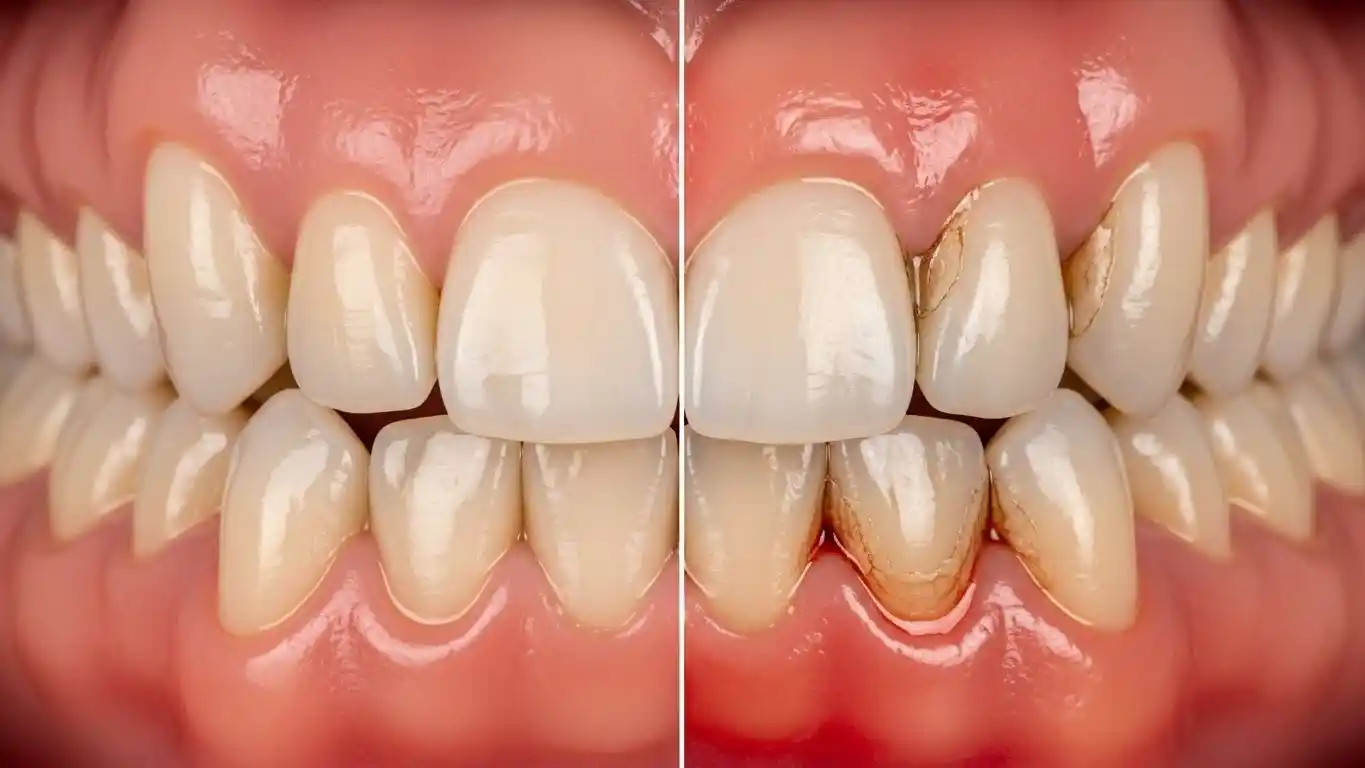
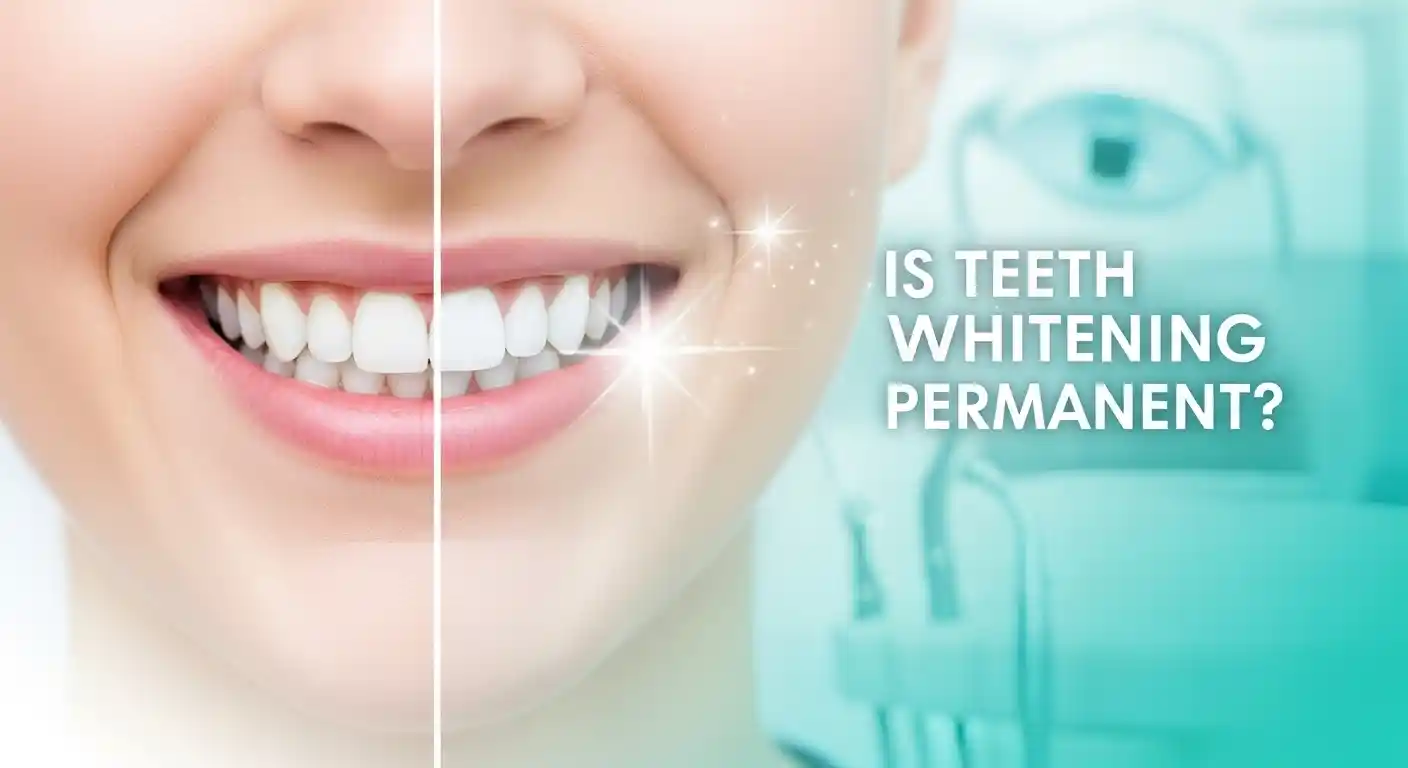




Anyone who is dealing with yellow or stained teeth and wants to get rid of them. For them the simple and most straightforward solution to this problem is teeth bleaching. It is a cosmetic dental procedure in which peroxide bleaching powder is used.
That’s why it is called teeth bleaching. It could be done at the dental office as well as at home by yourself. However, the one at the dental office is more effective and done by a professional with measured precautions.
In this guide, we will discuss what teeth bleach is and how it can brighten your smile. How do professional treatment and home remedies differ, and which one should you choose? If you want to learn everything about teeth bleaching, then stay with us.
Understand Teeth Bleaching: How It Works and Its Methods
Teeth bleaching is a process that removes stains and discolouration from your teeth to make them appear whiter. In this process two types of chemicals are commonly used that are hydrogen peroxide or carbamide peroxide. These chemicals are effective for whitening your discoloured teeth because they can easily penetrate your teeth’ pores and help the process of whitening.
The primary reasons that turn your teeth colour are drinking coffee, tea, or soda, eating certain foods like berries or curry, smoking, and even just getting older can make your teeth look yellow or brown.
How It Works
The peroxide chemical is applied to your teeth, and it breaks down into oxygen molecules. These molecules penetrate in enamel and dentin and react with stain molecules and remove them. It makes the extrinsic stains caused by tea, coffee, etc, less visible and ultimately brightens the teeth. However, the intrinsics that are often caused by aging, trauma, and medication are relatively difficult to remove. But still, they can be cured using strong bleaching powder.

Types of Teeth Bleaching Methods
Three major types of bleaching methods are commonly used to achieve the desired results.
Dentist Office Whitening Treatment
A dentist does this one. They generally use bleaching gel with high concentration. It is facilitated by a light or laser to speed up the process. Its results are immediate and quick due to the high amount of chemicals used by a dentist. The dental office treatment can help you whiten your teeth 3-8 shades in 60 to 90 minutes.
At-Home Whitening Method
This involves the whitening process at home. But you have to consult with a professional dentist before the process. The dentist will provide you with a custom tray with a low concentration of gel. You will apply it in the recommended amount on a daily basis for a period of one to two weeks.
Compared to the dentist’s office process, this one is a gradual process. The results are not immediate. Instead, you will see the effectiveness as you keep applying the gel. Most at-home methods can take 1-4 weeks to show full results.
Home Whitening Kits
The third method is to use whitening strips, gel, toothpaste, or trays. Compared to the above two methods, these are less effective but more convenient and affordable.
Teeth bleaching strips are thin, flexible strips coated with bleaching gel. You need to wear them for 30 minutes once or twice a day for like two weeks. They typically contain 6-10% hydrogen peroxide. It is one of the most convenient methods because it does not require any mixing or preparation and is even used while doing other activities.
Bleaching gel is a more powerful option as it uses hydrogen peroxide or carbamide peroxide in gel form. These gels can be applied directly to your teeth using trays, brushes, or syringes. You can get professional strength gels (15-35% hydrogen peroxide) from the dentist, while the milder versions (3-10% hydrogen peroxide) are available over the counter. You have to apply them for 30 minutes to 2 hours for 1-2 weeks.
Benefits of Teeth Bleaching for a Brighter Smile
Here are the key benefits of teeth bleaching;
Fast and Noticeable Results
One of the most significant advantages of teeth bleaching is how quickly you can see results. Depending on the method you choose, you might notice whiter teeth in just a few days or weeks. Professional treatments can show results after just one visit, while at-home methods usually take 1-2 weeks of regular use.
Boosting Confidence with a Whiter Smile
Another benefit is boosting your social confidence. When you have dark and yellowish teeth, you feel under confident and less likely to interact with people in gatherings. Once you have bright teeth, it gives you confidence, and you can smile and talk freely in social situations.
Is Teeth Bleaching Safe for Everyone?
Teeth bleaching is generally safe when done correctly, but it’s not right for everyone. If you have healthy teeth and gums, bleaching is usually fine. However, you should avoid bleaching if you have cavities, gum disease, or very sensitive teeth without talking to a dentist first.
Side Effects of Teeth Whitening
The most common side effect encounter by many people is;
Tooth Sensitivity and Gum Irritation:
Some people might experience temporary tooth sensitivity or gum irritation during treatment. This usually goes away after the treatment is finished. Pregnant women and children under 16 should avoid bleaching treatments.
The best option to avoid such conditions is to receive treatment under professional dentist supervision. Because they will evaluate your dental condition before the treatment, the thorough examination will help in diagnosing the issue and doing the procedure according to the conditions.
How to Choose the Right Teeth Bleaching Option for You
If you are curious to know which teeth bleaching option is best for you. Then here are a few key considerations you need to look for when choosing the one that best fits your requirements. So consider three main factors: cost, safety, and results.
Comparing Cost
At-home methods are the most budget-friendly but take longer to work. Professional treatments cost more but provide faster and quicker results.
How Safe the Option is
For safety, professional treatments are generally the safest because dental experts supervise them. However, most over-the-counter products are also safe when used as directed.
Results of the Option You Are Choosing
The final consideration is how fast you want to get results. It varies from person to person, depending on their requirements. If you want quick and fast results, then you have to go for professional dentist treatment. If you have patience and can wait for 2 to 3 weeks. Then, you can try home remedies.
Tips for Long-Lasting Whitening Effects
Once you’ve whitened your teeth, you’ll want to keep them looking bright for as long as possible. Avoid or limit staining foods and drinks like coffee, tea, red wine, and dark berries. Maintain good oral hygiene by brushing twice daily with whitening toothpaste and flossing regularly. Consider touch-up treatments every 6-12 months. And your visit can vary depending on your lifestyle and habits. Like if you smoke and drink coffee, tea or red wine. Then you should visit after a few months. You can visit after 6 to 12 months if you have clean eating and drinking habits.
Ready to Get That Perfect Smile? Let’s Make It Happen
Hopefully now you have a clear understanding of teeth bleaching options available. There are chances you can easily make informed decisions about which method will suit you.
Whether you choose a simple at-home treatment or decide to visit a dentist for professional whitening, it entirely depends on you.
If you’re looking to consult a professional dentist for teeth bleaching, you can reach out to our experienced dental team at Ocotillo Trails Family Dentistry.
Frequently Asked Questions
How often can I safely bleach my teeth?
For most people, professional teeth bleaching can be done every 6-12 months, while at-home treatments can typically be used every 3-6 months. Always follow the instructions on your chosen product and consult your dentist if you’re unsure.
Will teeth bleaching damage my tooth enamel?
When appropriately used, teeth bleaching products are safe and won’t permanently damage your enamel. However, overuse can weaken enamel temporarily. This is why it’s essential to follow directions and not exceed recommended usage times.
Why do my teeth feel sensitive after bleaching?
Tooth sensitivity is a common but temporary side effect of bleaching. The bleaching agents can temporarily make teeth more sensitive to hot, cold, or sweet foods. This usually goes away within 24-48 hours after treatment.
Can I bleach my teeth if I have fillings or crowns?
Bleaching products only work on natural tooth enamel so that they won’t change the colour of fillings or crowns. If you have visible dental work in your front teeth, talk to your dentist about your options.
How long do teeth bleaching results last?
Results typically last 6 months to 2 years, depending on your lifestyle and habits. People who avoid staining substances and maintain good oral hygiene can enjoy their results for extended periods.