









Have you ever been told you need a ridge augmentation dental code procedure but felt confused about what it means? You’re not alone! Many of our patients here in San Tan Valley, Arizona feel overwhelmed when we mention special codes and procedures they’ve never heard of before.
The good news is that understanding these codes is simpler than you think. Ridge augmentation procedures help rebuild your jawbone so you can get dental implants later. Think of it like fixing the foundation of a house before building on top of it. When we use specific codes, we’re just telling your insurance company exactly what work needs to be done.
What Is a Dental Ridge and Why Does It Matter?
Your dental ridge is the curved part of your jawbone where your teeth used to sit. When you lose a tooth, your body starts to take away the bone that was supporting it. This happens pretty quickly – about 25% of the bone disappears within just one year!
This bone loss creates problems if you want to get dental implants later. Implants need strong, thick bones to hold them in place safely. Without enough bone, the implant might fail or look unnatural. At Ocotillo Trails Family Dentistry, we see this situation quite often and have helped many San Tan Valley families solve this problem.
The Main Ridge Augmentation Procedure Codes
We use special codes to describe different types of bone grafting procedures. The most important code for ridge work is D7950. This code covers procedures that add bone material to make your ridge taller, wider, or both.
The D7950 code includes getting the bone material from your own body or using donated bone. We will choose the best option based on your specific needs during your consultation. This code also covers synthetic bone materials that help your natural bone grow back stronger.
How Our Ridge Building Procedures Work
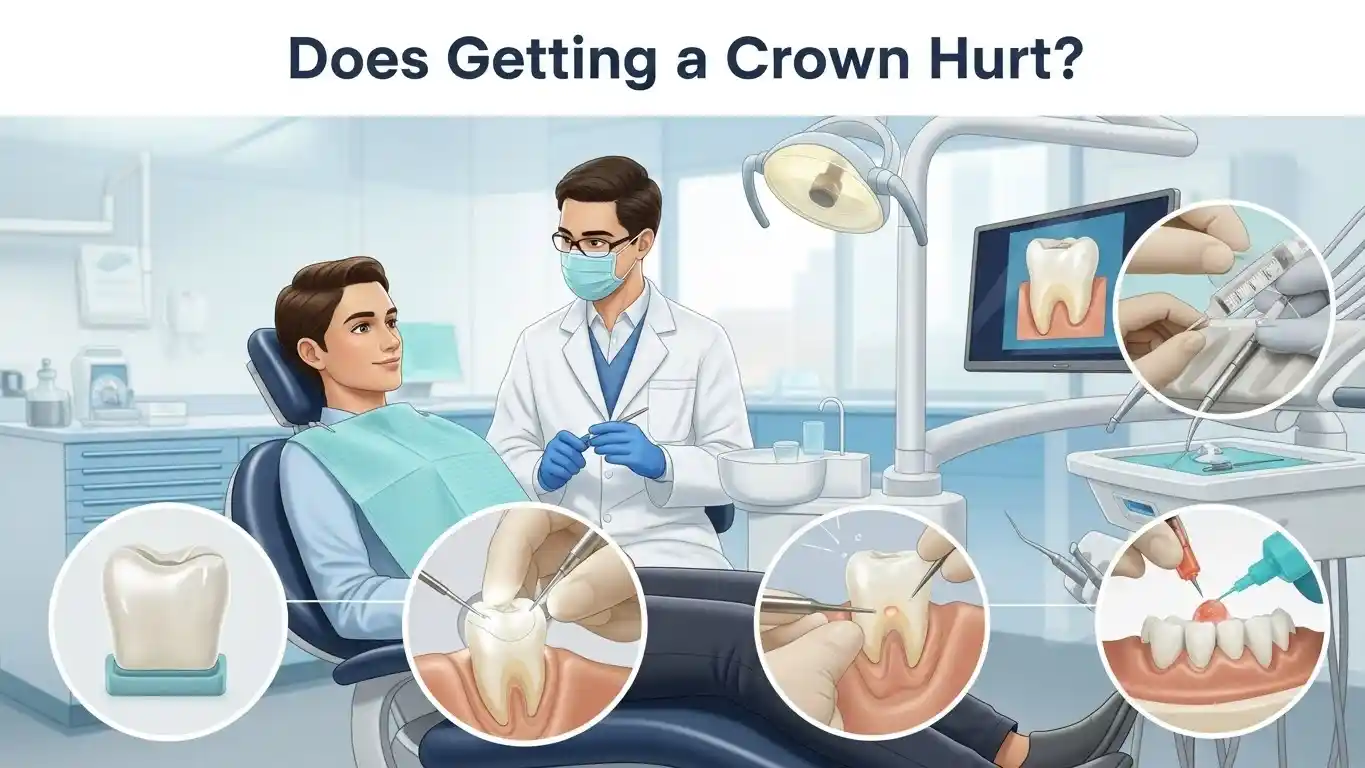
The process is much easier than most people expect. First, we numb the area completely so you won’t feel anything during the procedure. Then we make a small opening in your gum to reach the bone underneath.
Next comes the bone grafting material. This might be your own bone from another part of your mouth, processed bone from a donor, or special synthetic materials that encourage bone growth. We place this material where your ridge needs to be stronger or bigger. The Ocotillo Trails Family Dentistry team has years of experience choosing the right materials for each patient’s unique situation.
Other Important Codes You Might See
Besides D7950, there are other codes we might use depending on your situation. The D7953 code is for preserving bone right after a tooth extraction. This prevents bone loss from happening in the first place.
If you need work around existing implants, we might use code D6103. This covers bone grafts that fix problems around implants that are already in place. Each code tells your insurance company exactly what type of bone work you’re getting, and we handle all the paperwork for you.
Insurance Coverage in Arizona
Many dental insurance plans in Arizona cover ridge augmentation procedures when they’re medically necessary. This usually means the procedure is needed for future implant placement or to fix damage from injury or infection.
Your insurance company will want to see proof that the procedure is necessary. This includes X-rays showing bone loss and detailed notes explaining why you need the work done. We help all our patients with the paperwork needed for insurance approval and work directly with your insurance company to maximize your benefits.
Recovery and What to Expect
Healing after ridge augmentation takes time, but most of our patients find it much easier than they expected. We’ll give you detailed instructions on how to care for the area while it heals. This includes eating soft foods for a while and avoiding certain activities that might disturb the graft.
The bone grafting material needs time to become part of your natural bone. This process, called integration, usually takes several months. We’ll check on your progress with follow-up visits to make sure everything is healing properly and answer any questions you might have.
Costs and Payment Options
The cost of ridge augmentation varies depending on how much work you need. Simple procedures cost less than complex ones that require more bone grafting material. We will give you a detailed estimate before starting any work, so there are no surprises.
Many of our patients use dental financing to make the procedure more affordable. Companies like CareCredit offer payment plans that let you spread the cost over several months. At Ocotillo Trails Family Dentistry, we work with several financing companies to help make treatment affordable for everyone in the San Tan Valley community.
Why Choose Our Professional Care
Ridge augmentation requires special skills and experience to do properly. Dentists who perform these procedures regularly get better results and have fewer complications. We also know how to work with insurance companies to maximize your coverage.
At Ocotillo Trails Family Dentistry, our team has extensive experience with all types of bone grafting procedures. We use the latest techniques and materials to ensure the best possible outcomes for our patients. Our staff also helps with insurance paperwork and financing options, making the whole process as smooth as possible for you.
Planning for Future Implants
Most patients who get ridge augmentation are planning to get dental implants later. The bone graft creates a strong foundation that can support implants for many years. We will coordinate the timing of both procedures to ensure the best results for your specific case.
It’s important to maintain good oral hygiene during the healing process. This helps the bone graft integrate properly and reduces the risk of complications. We will give you specific instructions on how to keep the area clean without disturbing the healing process.
Conclusion
If you’ve been told you need ridge augmentation, don’t worry—it’s a small step with big benefits. It prepares your jaw for the future, makes your implant treatment more successful, and ensures your smile lasts for years.
Understanding the ridge augmentation dental code is just part of the bigger picture. What matters most is working with a dental team who puts your comfort and results first. At Ocotillo Trails Family Dentistry, we’re here to make sure your care is clear, effective, and tailored to your needs.
Ready to learn more or book a consultation in San Tan Valley? Contact us today. Let’s rebuild your smile the right way starting with a strong foundation.
Frequently Asked Questions
Does insurance cover ridge augmentation procedures in Arizona?
Many Arizona dental insurance plans cover ridge augmentation when it’s medically necessary for future implant placement. Coverage varies by plan, so we always check with your insurance company and provide documentation showing the medical necessity of the procedure to maximize your benefits.
How long does it take to heal after ridge augmentation?
Initial healing takes about 2-3 weeks, but complete bone integration takes 3-6 months. Most of our patients can return to normal activities within a few days, though they need to avoid hard foods and strenuous activity for the first week after surgery.
What’s the difference between D7950 and D7953 codes?
D7950 is used for ridge augmentation procedures that rebuild bone height or width, usually months after tooth extraction. D7953 is used for ridge preservation, which means placing bone graft material immediately after tooth extraction to prevent bone loss. We’ll explain which code applies to your situation.
Can I get dental implants right after ridge augmentation?
Usually, you need to wait 3-6 months after ridge augmentation before placing implants. This allows the bone graft to integrate with your natural bone, creating a strong foundation for the implant. We will monitor your healing and let you know when it’s safe to proceed with implants.
Are there payment options available for ridge augmentation in San Tan Valley?
Yes, we offer financing options through companies like CareCredit. These plans allow you to spread payments over several months or years, making the procedure more affordable for patients without full insurance coverage. Our team will help you find the best payment option for your budget.