



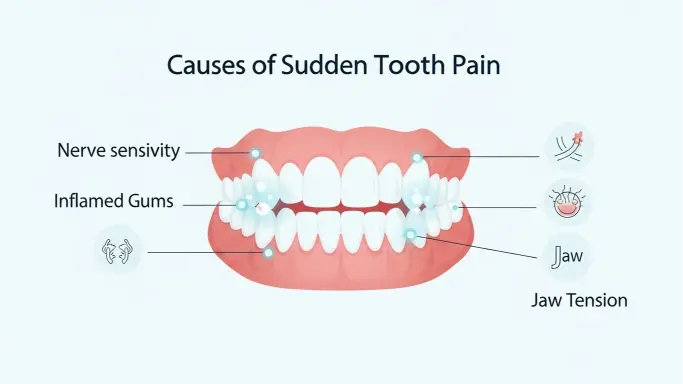






If all your teeth hurt suddenly, the most common causes include tooth sensitivity from enamel loss, sinus infections, teeth grinding, gum disease, or multiple cavities developing simultaneously. Less obvious triggers can include teeth whitening products, acidic foods, or even respiratory infections that create pressure on your tooth roots.
While some causes of sudden tooth pain are temporary and resolve on their own, others require immediate dental attention—especially if accompanied by swelling, fever, or pain lasting more than 48 hours. Understanding what’s behind your discomfort is the first step toward finding relief and knowing when to see a dentist.
Understanding the Sudden Onset of Tooth Pain
Sudden tooth pain doesn’t always mean something catastrophic has happened. In many cases, teeth pain all at once develops because of changes in your oral environment, inflammatory responses, or pressure on nerve endings serving multiple teeth simultaneously. Unlike gradual dental problems, sudden onset of tooth pain catches you off guard—often appearing overnight or within hours.
The human mouth contains complex networks of nerves that can react quickly to various stimuli. When inflammation occurs in the gums, sinuses, or jaw, pain signals spread throughout your dental structures, making it feel like every tooth is affected. This widespread pain pattern alerts you that something affecting your oral health needs attention.
Common Reasons Why All Your Teeth Hurt Suddenly
Multiple factors can trigger widespread dental pain, ranging from everyday oral health issues to more complex underlying conditions. Understanding these common causes helps you identify what might be affecting your teeth and when professional care is needed. Let’s examine the most frequent culprits behind sudden, generalized tooth discomfort.
Tooth Sensitivity and Enamel Loss
Sensitive teeth represent one of the most common reasons for sudden, widespread dental pain. When tooth enamel wears away, the underlying dentin becomes exposed. Dentin contains microscopic tubules leading directly to nerve centers, making teeth extremely reactive to stimuli.
Temperature sensitivity ranks among the most recognizable symptoms. You might notice sharp pains when consuming hot coffee or ice cream because thermal changes stimulate nerve endings. Many people find that teeth hurt when eating sweets, as sugar and acidic compounds irritate sensitive nerves. Enamel erosion from acidic beverages, aggressive brushing, teeth grinding, and age-related wear gradually thin enamel, leading to seemingly sudden widespread discomfort.
Cavities and Tooth Decay
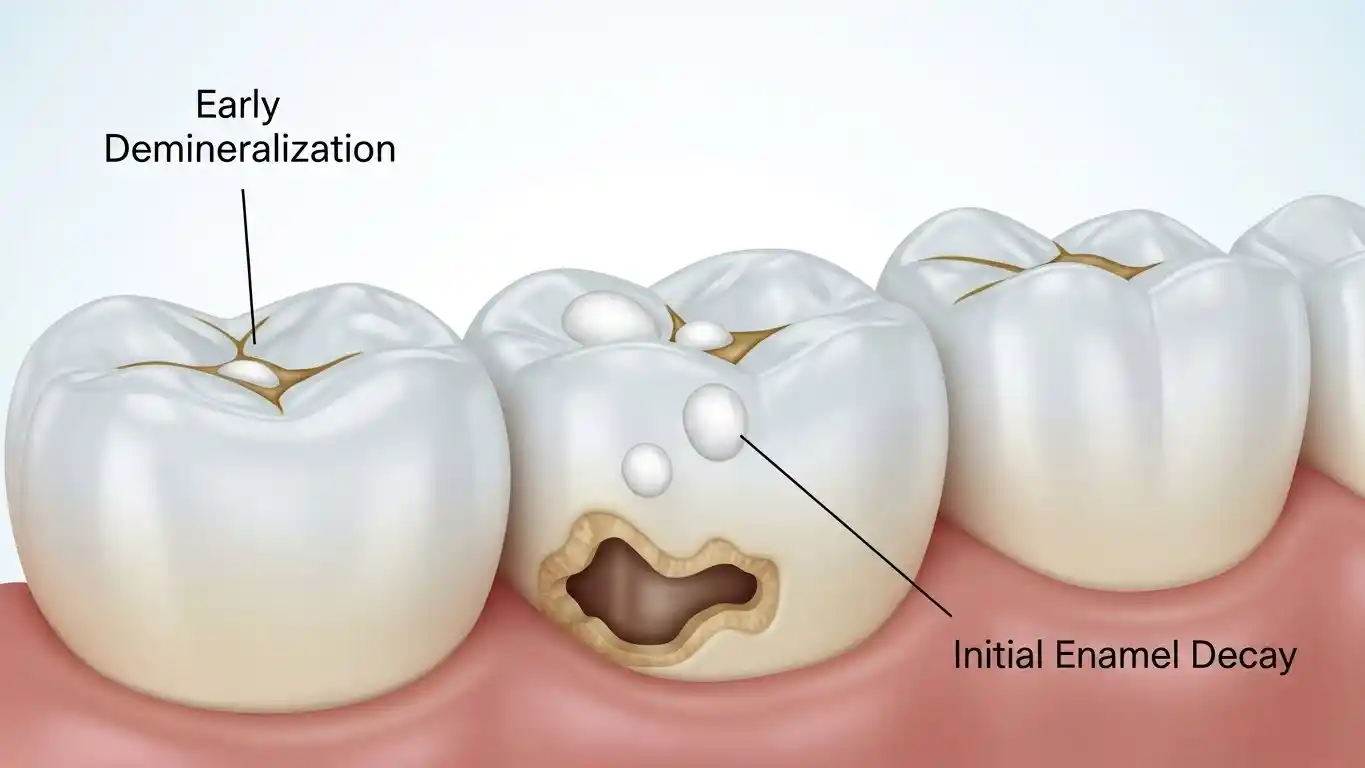
While cavities often affect individual teeth, multiple cavities can develop simultaneously, especially with inconsistent oral hygiene or decay-promoting dietary habits. Tooth decay occurs when bacterial acids eat away at enamel, creating holes that expose sensitive inner layers.
Having untreated dental decay across several teeth can cause all your teeth to hurt suddenly. When bacteria penetrate deeper in multiple locations simultaneously, the resulting pain feels widespread and overwhelming.
Gum Disease and Receding Gums
Gum disease represents a significant cause of generalized tooth pain. When bacteria accumulate along the gum line, they trigger inflammation called gingivitis. If untreated, this advances to periodontitis—a serious gum infection that damages soft tissue and bone.
Receiving gums commonly accompany periodontal disease and expose tooth roots that lack protective enamel. Since gum recession can affect your entire mouth, the resulting discomfort makes all your teeth hurt simultaneously. Exposed tooth roots react intensely to temperature changes and touch.
Sinus Infection or Sinus Pressure
One surprising cause of sudden tooth pain has nothing to do with teeth at all. Sinus infection and sinus congestion can create significant dental discomfort, particularly in upper teeth. Your maxillary sinuses sit directly above the roots of upper molars and premolars.
When sinus pressure builds, it pushes downward on tooth roots, creating a dull, aching sensation affecting multiple teeth. The discomfort typically worsens when bending forward or lying down and often occurs alongside facial tenderness, nasal congestion, and headache.
Teeth Grinding and Jaw Clenching (Bruxism)
Bruxism—teeth grinding and jaw clenching—places enormous pressure on teeth, jaw joints, and surrounding muscles. Many people grind their teeth unconsciously during sleep or clench during stress without realizing it.
Teeth grinding wears down enamel, cracks teeth, and irritates ligaments holding teeth in their sockets. When this happens across your dental arch, jaw pain and dental discomfort affect multiple teeth simultaneously. You might wake up with a sore jaw, aching teeth, or headaches from muscular tension.
Cracked, Damaged, or Weakened Teeth
A cracked tooth doesn’t always announce itself immediately. Hairline cracks might exist before suddenly causing discomfort when bacteria infiltrate or chewing pressure extends the damage. When you have several weakened or damaged teeth, they might all start hurting around the same time.
Tooth injury from trauma can affect multiple teeth even if damage isn’t immediately visible. A cracked crown or filling can trigger sudden pain by exposing vulnerable inner tooth structure.
Dental Abscess or Infection
A dental abscess forms when bacterial infection creates a pus pocket inside or around a tooth. While typically affecting one tooth, dental infection can spread to surrounding tissues, causing pain throughout the affected area. In severe cases, nerve infection radiates beyond the original site.
Infection-related tooth pain tends to be intense and throbbing, often accompanied by swelling, bad taste, and fever. An untreated abscess represents a dental emergency because infection can spread to your jaw, neck, and bloodstream.
Lifestyle and External Triggers That Can Cause Sudden Tooth Pain
Beyond direct dental problems, various lifestyle factors and external influences can trigger sudden, widespread tooth sensitivity. Your daily habits, dietary choices, and oral care routines significantly impact your dental health. These environmental triggers often cause temporary discomfort that resolves once the irritant is removed.
Teeth Whitening and Bleaching Products
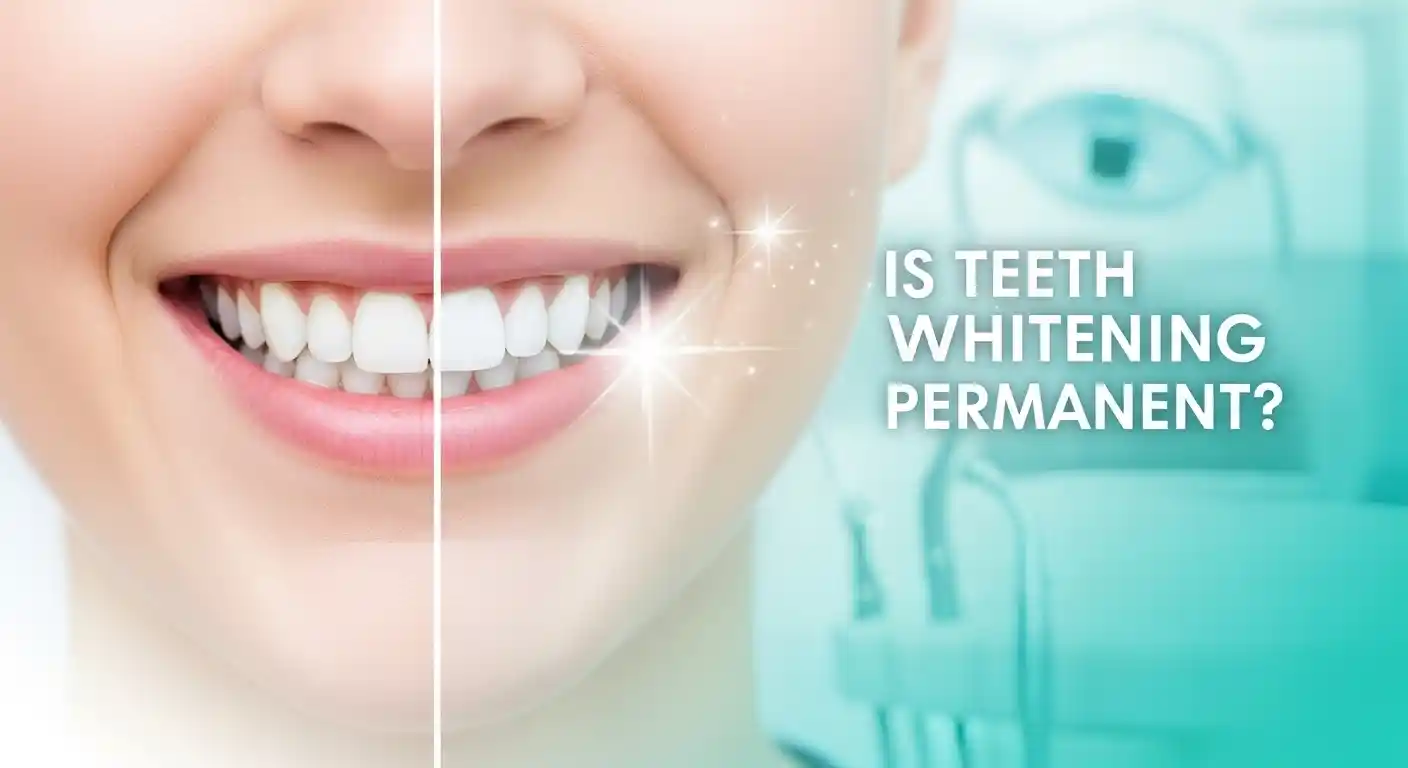
Tooth whitening treatments and teeth bleaching products can cause significant temporary sensitivity. Peroxide-based chemicals penetrate enamel to remove stains but also temporarily make teeth more reactive.
Whitening-related sensitivity typically affects all treated teeth since bleaching agent contacts your entire smile. This pain usually appears during treatment or within hours afterward and generally resolves within days after stopping treatment.
Acidic Diet and Erosion
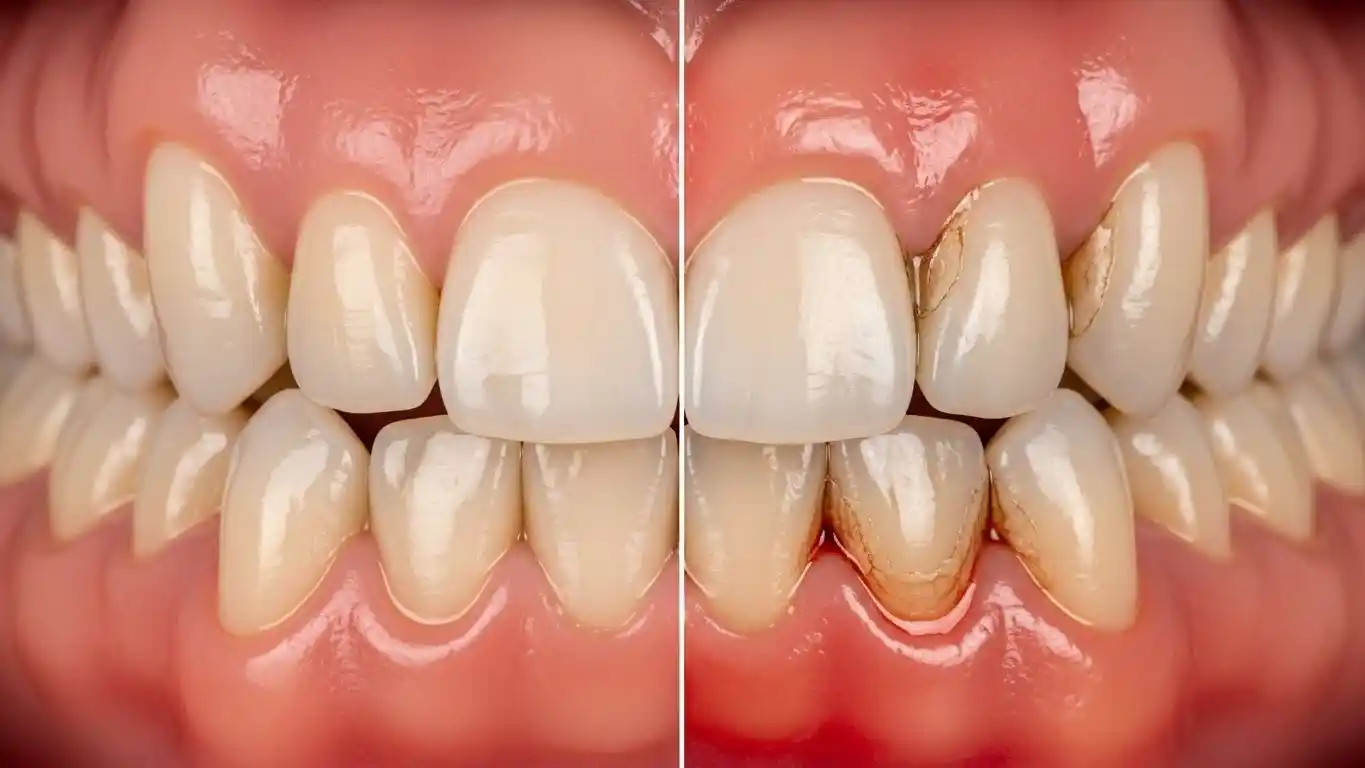
An acidic diet represents a major contributor to enamel erosion. Beverages like soda, sports drinks, wine, and citrus juices contain acids that dissolve tooth enamel over time. Even healthy acidic foods and drinks contribute to erosion when consumed frequently.
When enamel erosion progresses across multiple teeth, sudden sensitivity can emerge seemingly from nowhere. The damage affects all teeth contacting these substances, explaining why pain feels generalized.
Overbrushing and Excessive Oral Products
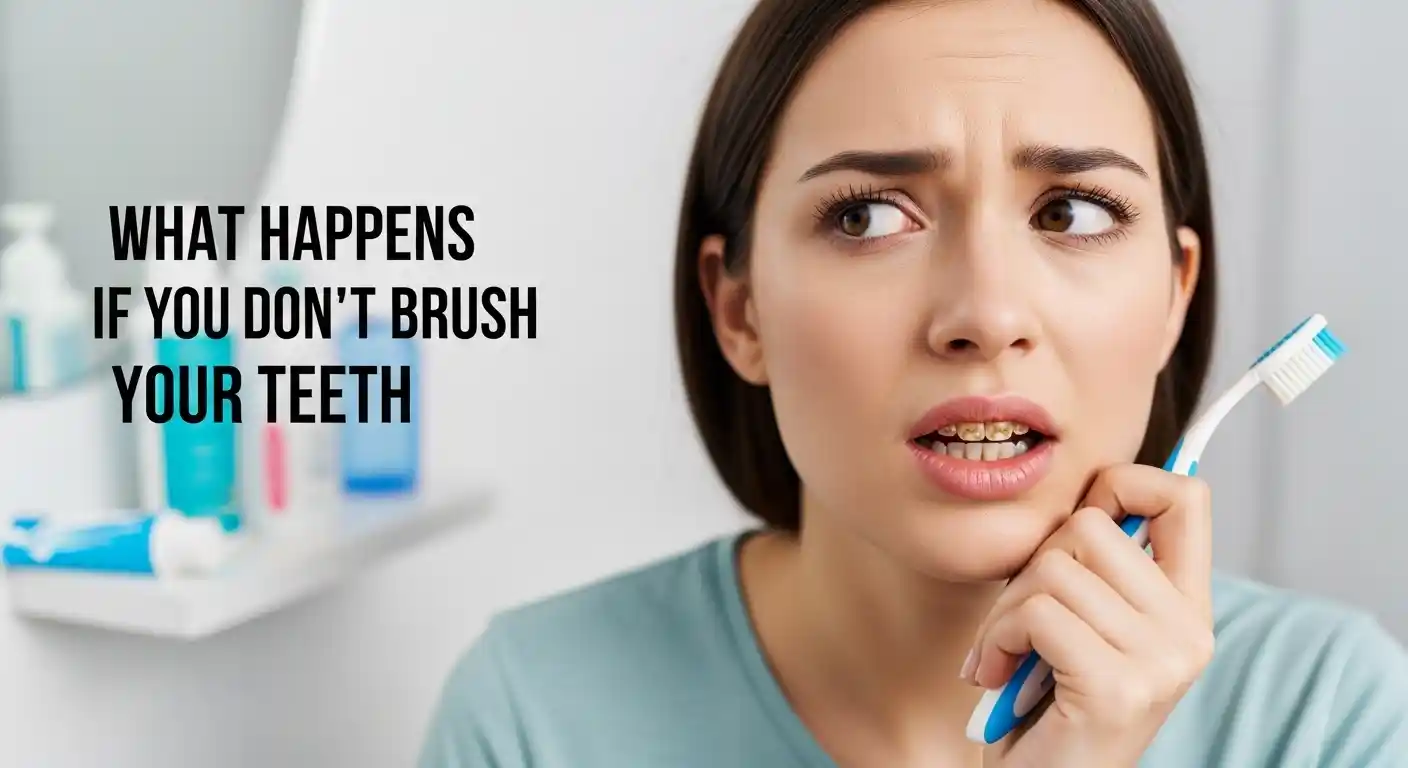
Overenthusiastic brushing can harm teeth rather than help them. Brushing too hard, too frequently, or with hard-bristled brushes gradually wears away enamel, leading to damaged enamel from brushing that manifests as widespread sensitivity. Excessive mouthwash use, particularly with alcohol-based formulations, can also irritate sensitive areas.
Dehydration and Dry Mouth
Saliva plays a crucial protective role, washing away food particles, neutralizing acids, and providing minerals that strengthen enamel. Dehydration reduces saliva production, leaving teeth vulnerable. Similarly, chronic dry mouth from medications or medical conditions creates environments where tooth problems develop rapidly. Since dry mouth affects your entire oral cavity, the resulting sensitivity impacts multiple teeth simultaneously.
Can Medical Conditions Cause All Teeth to Hurt Suddenly?
Several systemic health issues can manifest as widespread dental pain, even when your teeth themselves are perfectly healthy. These conditions affect your body as a whole but create symptoms in your mouth. Understanding these connections helps explain seemingly mysterious tooth discomfort that doesn’t stem from actual dental problems.
Respiratory Infections and Flu
Beyond sinus-specific infections, general cold and flu tooth pain occurs surprisingly often. Respiratory infections cause inflammation throughout your upper respiratory system, including areas sharing nerve pathways with teeth. Fever, congestion, and systemic inflammation all contribute to generalized aching.
Pressure changes from congestion, coughing, and sneezing also impact tooth roots and jaw joints. This type of tooth pain typically resolves as the underlying infection clears.
Nutritional Deficiencies
Systemic nutritional deficiencies can compromise dental health from within. Vitamin deficiency tooth pain, particularly involving vitamin D, calcium, and vitamin B12, can weaken tooth structure and increase sensitivity. These nutrients are essential for maintaining strong enamel and healthy gums.
Inadequate calcium intake weakens jawbone and tooth structure, potentially causing generalized discomfort. If you follow restrictive diets or have absorption issues, discuss supplementation with your healthcare provider.
Nerve-Related Pain
Certain neurological conditions cause nerve-related tooth pain that mimics dental problems but originates in the nervous system. Trigeminal neuralgia affects the nerve providing sensation to your face and teeth, causing sudden, severe facial and dental pain affecting multiple teeth.
Nerve damage from injury, surgery, or conditions like diabetes can also manifest as unusual tooth sensations. Unlike pain from dental disease, nerve-related discomfort often has an electric, shooting quality occurring spontaneously without triggers.
Is Sudden Tooth Pain Serious?
The question “is sudden tooth pain serious?” depends entirely on the underlying cause. Some instances resolve quickly and pose no long-term threat, while others signal dental emergencies requiring immediate intervention.
Temporary tooth pain after eating cold foods, using whitening products, or during sinus infections often subsides once the trigger is removed. If sensitivity improves within a day or two without swelling or fever, you can often manage it with desensitizing toothpaste while monitoring for changes.
However, signs of tooth pain that need attention include persistent discomfort lasting more than 48 hours, progressively worsening pain, visible swelling or redness, fever, difficulty eating or sleeping, or pain with loose teeth or discharge. These symptoms suggest active infection or advanced disease requiring treatment.
When to See a Dentist for Sudden Tooth Pain

Knowing when to call a dental professional can mean the difference between simple treatment and complex procedures. While not every instance of tooth sensitivity requires urgent care, certain situations demand prompt attention.
Contact your dentist within 24 hours if tooth pain persists beyond two days, intensifies despite over-the-counter medication, or interferes with your ability to eat or sleep. These symptoms indicate problems that won’t resolve on their own.
Emergency dental symptoms requiring same-day care include severe, unrelenting pain, significant facial or gum swelling, fever above 101°F, difficulty swallowing or breathing, bleeding that doesn’t stop, visible pus or abscesses, or sudden tooth looseness. These signs suggest active infection or trauma that could lead to dangerous complications.
When to see a dentist also depends on individual risk factors. If you have diabetes, weakened immunity, heart conditions, or are pregnant, even minor dental pain warrants evaluation since infections progress more rapidly in these populations.
How Sudden Tooth Pain Is Treated
Treatment for widespread tooth pain depends entirely on identifying and addressing the underlying cause. Your dentist will conduct a thorough examination, possibly including X-rays, to determine what’s triggering your discomfort. Once the cause is identified, appropriate treatment can provide relief and prevent future problems.
Treatment for Sensitive Teeth
When sensitivity stems from enamel loss or exposed dentin, several effective treatments exist. Understanding how to treat sensitive teeth starts with daily use of desensitizing toothpaste containing potassium nitrate or stannous fluoride. These ingredients block tubules in dentin that transmit pain signals, typically providing relief within two weeks.
Professional fluoride treatments delivered in your dentist’s office strengthen enamel and reduce sensitivity more effectively than over-the-counter products. Your dentist applies concentrated fluoride directly to tooth surfaces, allowing minerals to penetrate and reinforce weakened areas.
For severe sensitivity, dentists might recommend dental bonding to cover exposed roots, prescription-strength fluoride toothpaste, or gum grafting to cover receded areas and protect vulnerable roots.
Professional Dental Treatments
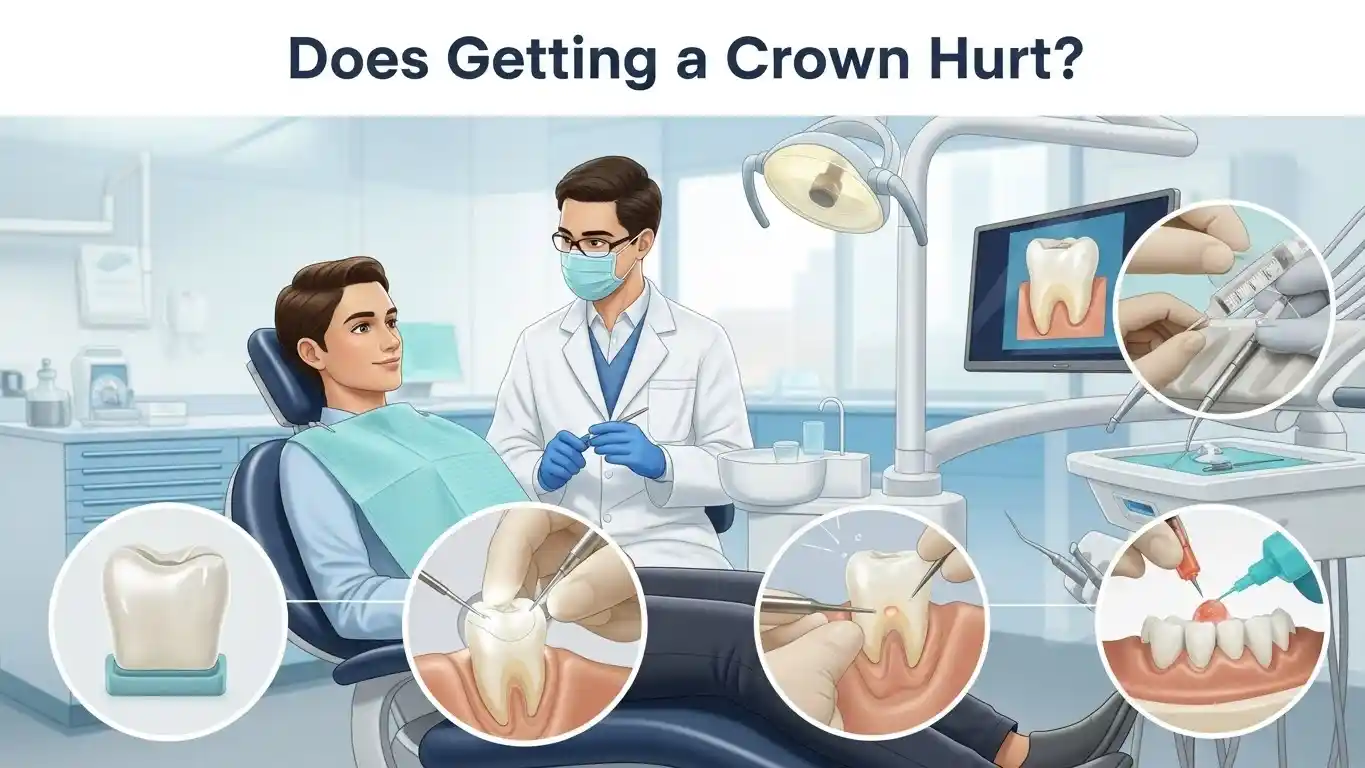
More serious causes require targeted dental procedures. Cavities need fillings to remove decay and restore structure. Extensive decay might require crowns or root canal therapy if infection has reached the tooth’s pulp.
Gum disease treatment ranges from deep cleaning procedures for moderate cases to surgical interventions for advanced periodontitis. Infection treatment always begins with antibiotics, followed by drainage of abscesses and removal of infected tissue.
For bruxism-related pain, custom night guards protect teeth from grinding forces while you sleep. Cracked teeth might need bonding, crowns, or extraction depending on fracture severity.
Can Sudden Tooth Pain Be Prevented?
While you can’t prevent every instance of dental discomfort, many causes are entirely preventable through consistent oral hygiene. The question “can sensitive teeth be prevented?” has a qualified yes—with proper care, you can significantly reduce risk of enamel erosion.
Oral Hygiene Tips
Following comprehensive oral hygiene tips forms the foundation of prevention. Brush twice daily using a soft-bristled brush and fluoride toothpaste with gentle pressure. Floss daily to remove plaque from between teeth. Regular professional cleanings every six months allow your dentist to catch problems early.
Enamel Protection
Enamel protection strategies include limiting acidic foods and beverages, drinking water throughout the day, and using straws for acidic drinks to minimize contact with teeth. Address teeth grinding with a night guard if recommended, avoid chewing ice or hard objects, and maintain regular dental checkups to catch problems early.
Sudden tooth pain affecting all your teeth can stem from numerous causes ranging from benign sensitivity to serious infections. Understanding potential triggers helps you respond appropriately—whether adjusting your oral care routine or seeking professional treatment. Remember that persistent pain always warrants evaluation, and by practicing preventive care, you can maintain a healthy, comfortable smile.
Get Relief from Sudden Tooth Pain Today
Experiencing sudden tooth pain that won’t go away? Don’t wait for it to get worse. At Santan Dentist, our experienced team in Gilbert, AZ is ready to diagnose the cause of your discomfort and provide fast, effective treatment. Whether you’re dealing with sensitivity, infection, or unexplained dental pain, we offer comprehensive care to get you back to smiling comfortably. Schedule your appointment today by calling (480) 565-5488 or book online to take the first step toward pain-free teeth.
Conclusion
Sudden tooth pain affecting all your teeth can stem from various causes—from enamel erosion and sinus infections to teeth grinding and gum disease. While some instances of sensitivity resolve on their own, persistent pain lasting more than 48 hours or accompanied by swelling and fever requires professional evaluation. Don’t ignore widespread dental discomfort, as early intervention prevents minor issues from becoming serious problems. By maintaining good oral hygiene, protecting your enamel, and scheduling regular dental checkups, you can keep your smile healthy and pain-free.
Frequently Asked Questions
Why do all my teeth hurt suddenly even if I don’t have cavities?
All your teeth can hurt suddenly without cavities due to tooth sensitivity, sinus infections, teeth grinding, gum recession, or nerve-related pain. These conditions affect multiple teeth at once and often involve inflammation or pressure on shared nerve pathways rather than decay.
Can stress really cause all my teeth to hurt at once?
Yes, stress can cause teeth grinding or jaw clenching (bruxism), especially during sleep. This places excessive pressure on teeth and jaw muscles, leading to widespread tooth pain, jaw soreness, and headaches that may appear suddenly.
How long does sudden tooth sensitivity usually last?
Sudden tooth sensitivity can last anywhere from a few hours to several days, depending on the cause. Sensitivity from whitening products, acidic foods, or dehydration often improves within a few days, while pain lasting more than 48 hours should be evaluated by a dentist.
Is sudden tooth pain a dental emergency?
Sudden tooth pain becomes a dental emergency if it is severe, worsening, or accompanied by swelling, fever, pus, difficulty swallowing, or loose teeth. These symptoms may indicate infection or abscess and require immediate dental care.
What can I do at home to relieve sudden tooth pain?
You can reduce discomfort by using desensitizing toothpaste, avoiding hot, cold, or acidic foods, staying hydrated, and taking over-the-counter pain relievers if appropriate. However, home remedies only manage symptoms—persistent or severe pain requires professional dental evaluation.