
Is Root Canal Painless? What You Really Need to Know

A root canal is generally considered a painless procedure thanks to modern dental techniques and effective local anesthesia. During the treatment, the area is fully numbed, so most patients feel little to no pain often comparing it to getting a routine filling. In fact, the purpose of a root canal is to relieve the severe pain caused by an infected or damaged tooth, not to cause it. After the procedure, some mild soreness or sensitivity is normal for a few days as the area heals, but this discomfort is usually manageable with over-the-counter pain relief. Overall, root canal treatment is designed to eliminate pain, restore the health of your tooth, and allow you to return to normal activities quickly. Why Are People Afraid of Root Canals? Fear of root canals is widespread, but it is largely a product of old stories, secondhand accounts, and cultural mythology rather than the reality of modern dental care. Where the Myth of Root Canal Pain Comes From Decades ago, before sophisticated anesthetics and precision tools, root canals were genuinely more uncomfortable procedures. Stories from grandparents or older relatives reflected a real experience but one that belongs firmly in the past. Unfortunately, dental anxiety tends to persist across generations, and those old stories get passed down long after the dentistry has improved. Popular culture has also done little to help, frequently using root canals as shorthand for something unbearably awful. Tooth Pain vs Root Canal Pain: A Key Difference It is important to understand what people are often confusing when they say root canals are painful. The severe, throbbing, sleepless-night pain they associate with the procedure is almost always the pain of the infected or damaged tooth that led to needing a root canal. The treatment itself is specifically designed to eliminate that source of pain. The procedure removes the infected nerve tissue, which is what is causing the agony. By the time most patients leave the dental chair, the worst of their pain is already behind them. What Is a Root Canal Treatment? Understanding what actually happens during a root canal goes a long way toward demystifying the procedure and reducing anxiety about it. How a Root Canal Works Each tooth has a soft inner layer called the pulp, which contains nerves and blood vessels. When this pulp becomes infected or damaged, the dentist removes it, cleans the inside of the tooth, and seals it to prevent further infection. Once treated, the tooth can continue to function normally. Why a Root Canal Is Needed A root canal is needed when the pulp becomes infected or severely inflamed. This can happen due to deep decay, a cracked tooth, repeated dental work, or injury. If not treated, the infection can spread, causing severe pain, swelling, and more serious dental problems. Does a Root Canal Hurt During the Procedure? This is the question almost everyone asks, and the answer is reassuring: for most patients, the answer is no. The Role of Local Anesthesia Before the procedure starts, your dentist numbs the area with local anesthesia so you don’t feel pain. You may feel a small pinch during the injection, but after that, the tooth and surrounding area stay completely numb throughout the treatment. What You Actually Feel During Treatment During the procedure, you may feel slight pressure or vibration, but not pain. Many patients say it feels similar to getting a filling, with only mild discomfort from keeping the mouth open for a while. The entire process is carefully controlled to keep you as comfortable as possible throughout. Sedation Options for Anxious Patients If you feel nervous, sedation options like laughing gas or oral medication can help you relax. For severe anxiety, stronger sedation methods may also be available to make the experience more comfortable. Your dentist will recommend the best option based on your comfort level and needs. Step-by-Step: What Happens During a Root Canal A root canal typically takes one to two appointments, each lasting between 60 and 90 minutes depending on the complexity of the case and the number of canals involved. Cleaning the Infected Pulp After numbing the area, the dentist creates a small opening in the tooth and removes the infected pulp using specialized tools. The inside of the tooth is then cleaned and disinfected to remove bacteria. This step is important to stop the infection and relieve pain. Shaping and Sealing the Tooth Once cleaned, the canals are shaped and filled with a rubber-like material called gutta-percha to seal them. This prevents bacteria from entering again and protects the tooth from future infection. A temporary filling may be placed if another visit is needed. Final Restoration: Filling or Crown After a root canal, the tooth becomes weaker and needs protection. In most cases, a dental crown is placed to restore strength and function, while some teeth may only need a filling. This final step helps the tooth last for many years. Is a Root Canal Painful After the Procedure? Some post-treatment soreness is normal and expected, but it is manageable and temporary. Normal Discomfort vs Severe Pain After the numbness wears off, you may feel slight tenderness or sensitivity, especially when biting. This is a normal part of healing and not a cause for concern. However, severe or increasing pain, swelling, or discomfort after a few days should be checked by your dentist. How Long Pain Lasts After a Root Canal Discomfort is usually the highest within the first 1–2 days and then gradually improves. Most people feel normal within a few days, and full healing typically happens within a week. If pain lasts longer or gets worse, a follow-up visit is recommended. How to Manage Post-Treatment Pain Pain can usually be managed with over-the-counter medications like ibuprofen or acetaminophen. Eating soft foods, avoiding chewing on the treated side, and rinsing with warm salt water can also help. Following your dentist’s instructions will support faster and smoother healing. Signs You May Need a Root Canal Recognizing the warning signs early
Does a Root Filling Hurt? What to Expect Before, During, and After the Procedure
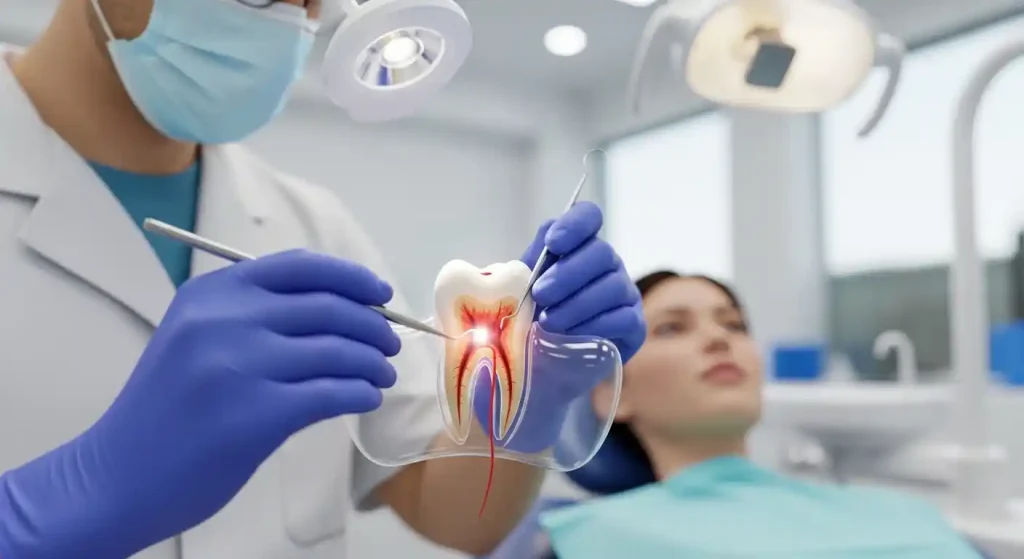
Many people worry about pain when they hear they need a root filling. The simple answer is: a root filling usually does not hurt during the procedure. Dentists use local anesthesia to numb the area, so most patients feel little to no pain while the treatment is being done. After the procedure in San Tan Valley, AZ, it is normal to experience mild soreness or sensitivity for a few days, especially when chewing. However, the discomfort is typically manageable with over-the-counter pain relief and fades as the tooth heals. In most cases, patients in San Tan Valley, AZ feel much better after the root filling than before the treatment. What Is a Root Filling? A root filling is a dental treatment used to remove infection from inside a tooth and seal it to prevent further damage. Understanding Root Canal Treatment A root filling, commonly called root canal treatment, is a dental procedure used to save a tooth that has become infected or severely damaged at its core. Inside each tooth is soft tissue called the pulp, which contains nerves and blood vessels. When bacteria reach this pulp through deep decay, cracks, or trauma, it can lead to infection, pain, and swelling. During the procedure, the dentist removes the infected pulp, cleans and shapes the root canals, and then fills and seals them to prevent further infection. The “root filling” refers to the sealing material placed inside the canals, usually a rubber-like substance called gutta-percha. Why Dentists Recommend Root Fillings Dentists recommend root fillings when an infection reaches the pulp and cannot be treated with simpler procedures. If left untreated, the infection can spread to surrounding bone, form an abscess, and eventually lead to tooth loss. Preserving the natural tooth is usually the best option because it maintains normal function and keeps nearby teeth properly aligned. After treatment, the tooth is often restored with a crown, allowing it to function normally for many years. Why People Think Root Fillings Are Painful Many people assume root fillings are painful because of old misconceptions and stories from the past. In reality, modern dental techniques have made the procedure far more comfortable than most people expect. Common Myths About Root Canal Pain Many people believe root canal treatment is extremely painful because of long-standing myths and negative phrases often used in everyday conversation. However, this reputation mainly comes from outdated experiences before modern dental technology and anesthesia were widely available. Today, advanced techniques and effective local anesthetics make the procedure much more comfortable. In fact, most patients report that a root canal feels similar to getting a routine filling. The Real Source of Tooth Pain Before Treatment The severe pain people associate with root canals usually comes from the infection inside the tooth, not from the treatment itself. When bacteria reach the pulp, pressure builds within the tooth, irritating the nerves and causing intense discomfort. By removing the infected pulp and cleaning the canals, the dentist relieves that pressure and stops the source of pain. As a result, root canal treatment actually helps eliminate tooth pain rather than causing it. What Does a Root Filling Feel Like? Most patients feel pressure rather than pain during a root filling because the tooth is fully numbed with local anesthesia. During the Procedure Once local anesthesia takes effect, you should not feel pain during the procedure. The dentist will confirm the area is fully numb, though you may feel a brief pinch from the injection. During treatment, patients usually feel pressure or slight vibrations from dental instruments rather than pain. The appointment length depends on the tooth and its root canals, with simple cases often completed within an hour. After the Procedure As the anesthetic wears off, mild tenderness or aching around the treated tooth is common. This happens because the surrounding tissues may be slightly inflamed after the procedure. Sensitivity when biting is also normal for a few days, especially if there was infection beforehand. Most patients find that any soreness after treatment is much less severe than the pain they had before the root filling. Factors That Can Affect Pain Levels Several factors can influence how comfortable a root filling feels during and after the procedure. These factors mainly relate to the condition of the tooth, the complexity of the treatment, and individual pain sensitivity. Severity of Tooth Infection A more severe infection can make it harder to achieve full numbness with anesthetic, as the acidic environment created by bacteria can reduce its effectiveness. In such cases, your dentist may need to administer additional anesthetic or prescribe antibiotics before treatment begins to bring the infection under control first. Tooth Location and Root Complexity Front teeth typically have a single, relatively straight root canal, making treatment more straightforward. Back teeth, particularly upper and lower molars often have three or four canals that may be curved or narrow, requiring more time and precision. This complexity doesn’t necessarily mean more pain, but it can extend the procedure and increase the likelihood of requiring a follow-up appointment. Individual Pain Sensitivity People experience and respond to pain differently. Anxiety about dental treatment can heighten pain perception, while patients who feel calm and reassured often find the experience far more tolerable. Your own pain threshold and previous dental experiences will play a role in how you process the sensations during treatment. Overall Oral Health Condition Patients with healthy surrounding gums and bone tend to recover more smoothly. Pre-existing gum disease or bone loss can complicate both the procedure and the healing process, and may require additional treatment alongside the root filling. Step-by-Step: What Happens During a Root Filling A root filling is a structured procedure that removes infection and seals the tooth to prevent further damage. The treatment is usually completed in a few clear steps. Numbing the Tooth The first step is applying local anesthesia around the affected tooth to ensure the area is completely numb. A topical gel may be used before the injection to make the process