












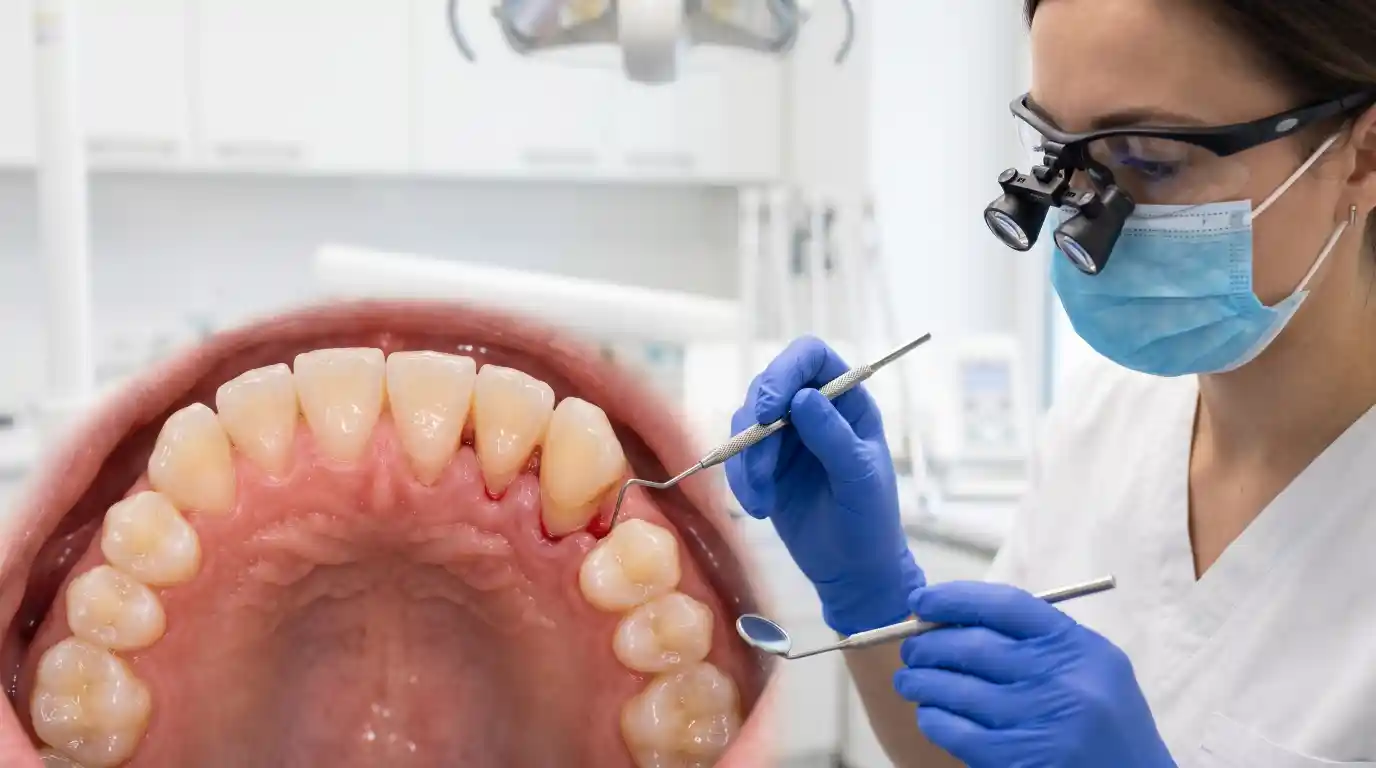



Many people worry about pain when they hear they need a root filling. The simple answer is: a root filling usually does not hurt during the procedure. Dentists use local anesthesia to numb the area, so most patients feel little to no pain while the treatment is being done.
After the procedure in San Tan Valley, AZ, it is normal to experience mild soreness or sensitivity for a few days, especially when chewing. However, the discomfort is typically manageable with over-the-counter pain relief and fades as the tooth heals. In most cases, patients in San Tan Valley, AZ feel much better after the root filling than before the treatment.
What Is a Root Filling?
A root filling is a dental treatment used to remove infection from inside a tooth and seal it to prevent further damage.
Understanding Root Canal Treatment
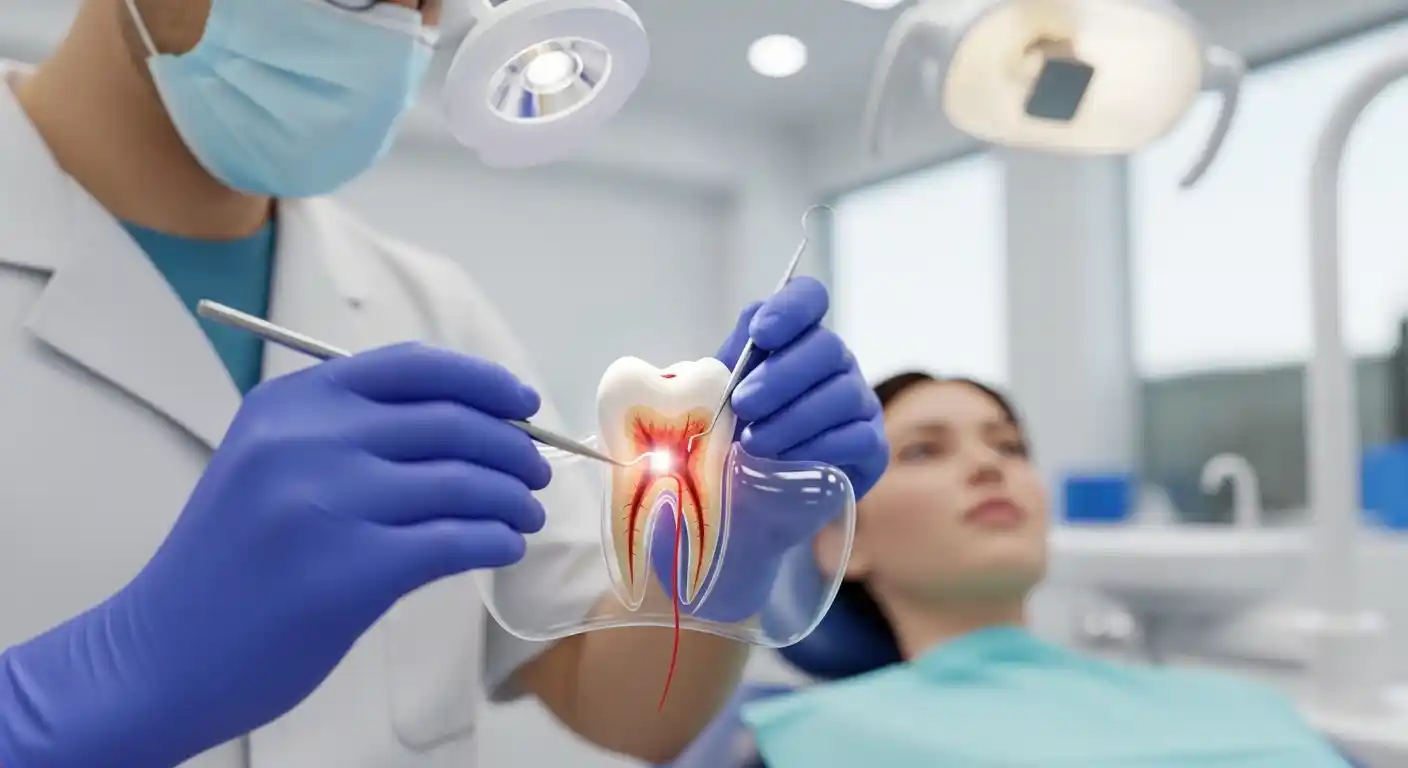
A root filling, commonly called root canal treatment, is a dental procedure used to save a tooth that has become infected or severely damaged at its core. Inside each tooth is soft tissue called the pulp, which contains nerves and blood vessels. When bacteria reach this pulp through deep decay, cracks, or trauma, it can lead to infection, pain, and swelling.
During the procedure, the dentist removes the infected pulp, cleans and shapes the root canals, and then fills and seals them to prevent further infection. The “root filling” refers to the sealing material placed inside the canals, usually a rubber-like substance called gutta-percha.
Why Dentists Recommend Root Fillings
Dentists recommend root fillings when an infection reaches the pulp and cannot be treated with simpler procedures. If left untreated, the infection can spread to surrounding bone, form an abscess, and eventually lead to tooth loss.
Preserving the natural tooth is usually the best option because it maintains normal function and keeps nearby teeth properly aligned. After treatment, the tooth is often restored with a crown, allowing it to function normally for many years.
Why People Think Root Fillings Are Painful
Many people assume root fillings are painful because of old misconceptions and stories from the past. In reality, modern dental techniques have made the procedure far more comfortable than most people expect.
Common Myths About Root Canal Pain
Many people believe root canal treatment is extremely painful because of long-standing myths and negative phrases often used in everyday conversation. However, this reputation mainly comes from outdated experiences before modern dental technology and anesthesia were widely available.
Today, advanced techniques and effective local anesthetics make the procedure much more comfortable. In fact, most patients report that a root canal feels similar to getting a routine filling.
The Real Source of Tooth Pain Before Treatment
The severe pain people associate with root canals usually comes from the infection inside the tooth, not from the treatment itself. When bacteria reach the pulp, pressure builds within the tooth, irritating the nerves and causing intense discomfort.
By removing the infected pulp and cleaning the canals, the dentist relieves that pressure and stops the source of pain. As a result, root canal treatment actually helps eliminate tooth pain rather than causing it.
What Does a Root Filling Feel Like?
Most patients feel pressure rather than pain during a root filling because the tooth is fully numbed with local anesthesia.
During the Procedure
Once local anesthesia takes effect, you should not feel pain during the procedure. The dentist will confirm the area is fully numb, though you may feel a brief pinch from the injection.
During treatment, patients usually feel pressure or slight vibrations from dental instruments rather than pain. The appointment length depends on the tooth and its root canals, with simple cases often completed within an hour.
After the Procedure
As the anesthetic wears off, mild tenderness or aching around the treated tooth is common. This happens because the surrounding tissues may be slightly inflamed after the procedure.
Sensitivity when biting is also normal for a few days, especially if there was infection beforehand. Most patients find that any soreness after treatment is much less severe than the pain they had before the root filling.
Factors That Can Affect Pain Levels
Several factors can influence how comfortable a root filling feels during and after the procedure. These factors mainly relate to the condition of the tooth, the complexity of the treatment, and individual pain sensitivity.
Severity of Tooth Infection
A more severe infection can make it harder to achieve full numbness with anesthetic, as the acidic environment created by bacteria can reduce its effectiveness. In such cases, your dentist may need to administer additional anesthetic or prescribe antibiotics before treatment begins to bring the infection under control first.
Tooth Location and Root Complexity
Front teeth typically have a single, relatively straight root canal, making treatment more straightforward. Back teeth, particularly upper and lower molars often have three or four canals that may be curved or narrow, requiring more time and precision. This complexity doesn’t necessarily mean more pain, but it can extend the procedure and increase the likelihood of requiring a follow-up appointment.
Individual Pain Sensitivity
People experience and respond to pain differently. Anxiety about dental treatment can heighten pain perception, while patients who feel calm and reassured often find the experience far more tolerable. Your own pain threshold and previous dental experiences will play a role in how you process the sensations during treatment.
Overall Oral Health Condition
Patients with healthy surrounding gums and bone tend to recover more smoothly. Pre-existing gum disease or bone loss can complicate both the procedure and the healing process, and may require additional treatment alongside the root filling.
Step-by-Step: What Happens During a Root Filling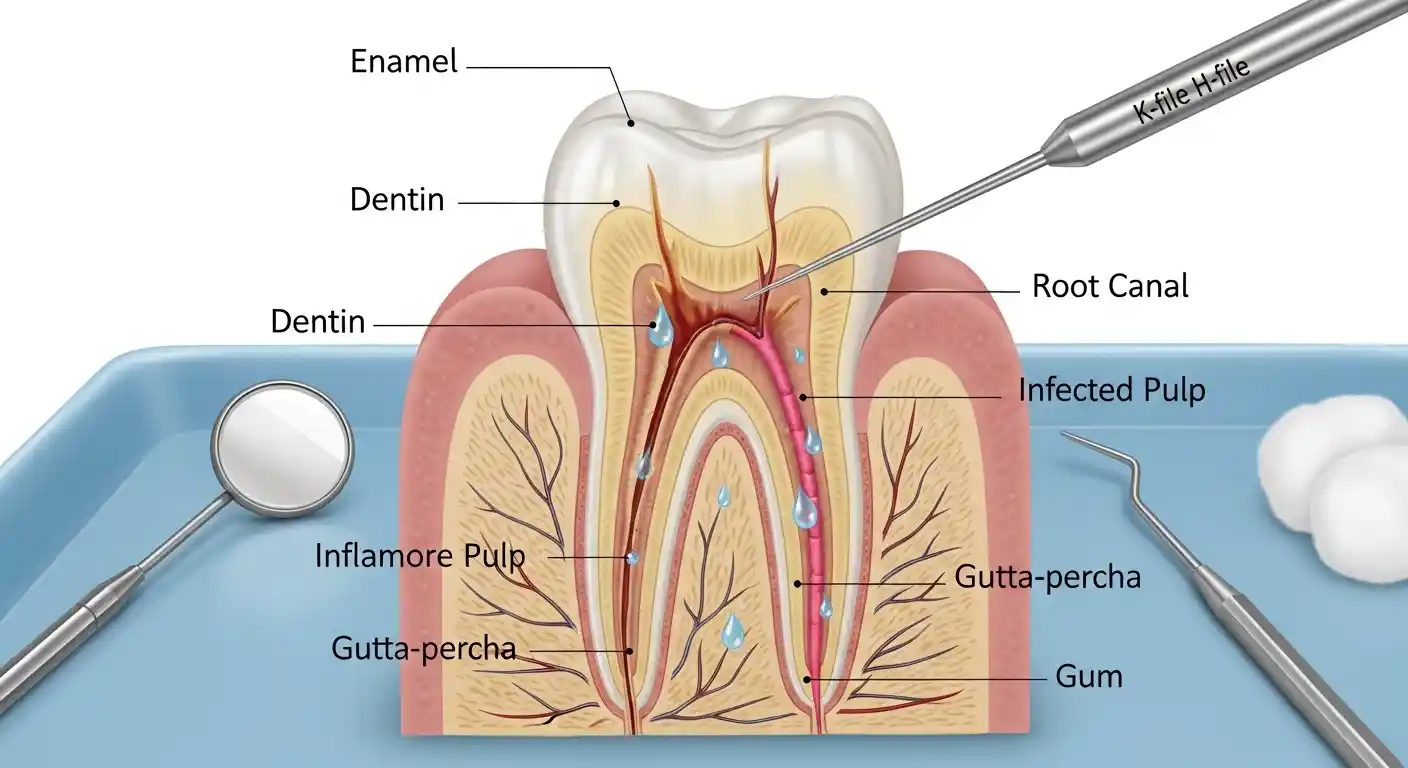
A root filling is a structured procedure that removes infection and seals the tooth to prevent further damage. The treatment is usually completed in a few clear steps.
Numbing the Tooth
The first step is applying local anesthesia around the affected tooth to ensure the area is completely numb. A topical gel may be used before the injection to make the process more comfortable. Temporary numbness in the lip, cheek, or tongue is normal and usually wears off within a few hours.
Cleaning the Infected Pulp
Once the tooth is numb, the dentist makes a small opening in the crown to reach the pulp chamber. Using fine instruments and a protective rubber dam, the infected pulp is carefully removed and the root canals are thoroughly cleaned and disinfected.
Filling and Sealing the Root Canal
After the canals are cleaned and shaped, they are filled with gutta-percha, a biocompatible rubber-like material, and sealed with dental cement. A temporary or permanent filling is then placed to close the opening in the tooth.
Placing a Crown if Needed
For many teeth, especially molars that handle strong biting forces, a dental crown may be recommended after the root filling. The crown protects the treated tooth, restores strength, and helps it function normally again.
How Dentists Make Root Fillings Comfortable
Dentists use several techniques and modern tools to make root filling procedures as comfortable as possible for patients.
Local Anesthesia
Modern local anesthetics are fast-acting and highly effective at numbing the tooth and surrounding area. Dentists carefully administer injections to minimize discomfort and ensure the area is fully numb before beginning the procedure. If you feel any sensation during treatment, additional anesthetic can easily be given.
Modern Dental Technology
Advances in dental technology have significantly improved root canal treatment. Rotary nickel-titanium instruments help dentists clean and shape canals with greater precision, while digital X-rays provide clear imaging with less radiation. Electronic apex locators also help determine the exact length of each canal, making the procedure more accurate and efficient.
Sedation Options for Anxious Patients
Patients with dental anxiety can discuss sedation options with their dentist. Nitrous oxide (laughing gas) helps patients feel calm and relaxed, while oral sedation may be used for moderate anxiety. In more complex cases or for severe dental phobia, IV sedation or general anesthesia may be available at specialist clinics.
Recovery After a Root Filling
Recovery after a root filling is usually quick, and most patients return to normal activities within a few days. Following your dentist’s aftercare instructions can also help speed up the healing process and reduce discomfort.
Normal Symptoms After Treatment
Mild soreness or sensitivity is common for a few days after root canal treatment. Because the tooth and surrounding tissues have been treated, slight inflammation can occur as part of the natural healing process. Tenderness when biting, a dull ache, or mild gum sensitivity are typical during the early recovery period.
How Long Recovery Usually Takes
For most patients, any discomfort peaks within the first 24 to 48 hours and then gradually improves. By the end of the first week, the majority of people are back to normal. If the infection was particularly severe before treatment, full healing of the surrounding bone and tissue may take several weeks but you should not be in significant pain during this time.
Tips to Reduce Discomfort
- Take over-the-counter pain relief such as ibuprofen or paracetamol as directed, starting before the anesthetic wears off if possible.
- Avoid chewing on the treated side until the final crown or permanent restoration is in place.
- Stick to soft foods for the first day or two soups, yoghurt, scrambled eggs, and similar options are ideal.
- Rinse gently with warm salt water to soothe the gum tissue around the treated tooth.
- Avoid very hot or very cold food and drinks while the tooth remains sensitive.
Signs You Should Contact Your Dentist
While mild discomfort is normal after a root filling, certain symptoms require prompt attention. Contact your dentist if you experience severe or worsening pain that doesn’t improve after a few days. Swelling of the gums, face, or jaw especially if it appears or worsens after the first couple of days can indicate that the infection hasn’t fully resolved.
Other warning signs include a persistent bad taste, discharge around the tooth, or a visible bump on the gum, which may signal re-infection. If your bite feels uneven or the tooth feels higher than the surrounding teeth, let your dentist know, as the temporary filling may need adjustment to prevent extra pressure on the treated tooth.
How to Prevent Needing Another Root Filling
Taking proactive steps to care for your teeth can greatly reduce the risk of needing another root filling. A consistent oral care routine combined with regular dental visits helps keep your teeth strong and healthy for years to come.
Maintain Good Oral Hygiene
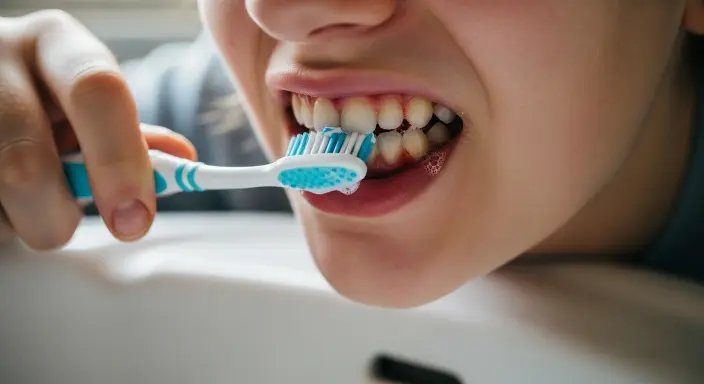
Preventing decay from reaching the tooth pulp is the most effective way to avoid root canal treatment. Brush twice daily with fluoride toothpaste and clean between your teeth with floss or interdental brushes. Removing plaque from these areas consistently helps protect your teeth and gums over the long term.
Visit Your Dentist Regularly
Regular dental check-ups help your dentist catch early signs of decay, cracks, or gum disease before they become serious. Most adults benefit from at least one check-up per year, and professional cleanings remove tartar that brushing alone cannot address.
Treat Cavities Early
If a cavity is detected, having it filled promptly can prevent more extensive treatment later. Small cavities are easy and inexpensive to treat, while untreated decay can reach the pulp, making a root filling necessary. Early care keeps minor issues from turning into major problems.
When to See a Dentist for Tooth Pain
Not all tooth pain requires a root filling, but certain warning signs indicate that an infection may have reached the pulp and prompt attention is needed. Schedule an appointment if you experience a persistent, throbbing toothache, prolonged sensitivity to hot or cold, or pain when biting down.
Other signs include swelling around a tooth, darkening of the tooth’s color, or a raised bump on the gum nearby. Some pulp infections may cause little or no pain initially, which is why regular dental check-ups are crucial early detection through an X-ray can prevent more serious problems.
Protect Your Smile with Expert Root Filling Care
Save your natural tooth and relieve pain quickly! Contact Santan Dentist in San Tan Valley, AZ, to schedule your root filling consultation today. Our skilled team uses the latest techniques and anesthesia to ensure a comfortable, stress-free experience. Don’t wait until early treatment can prevent further infection and help you maintain a healthy, strong smile for years to come.
Conclusion
Root fillings, or root canal treatments, are designed to relieve pain, save infected teeth, and restore normal function. While the procedure may sound intimidating, modern dental techniques, effective local anesthesia, and advanced technology make it far more comfortable than many people expect. Mild soreness or sensitivity after treatment is normal, and following your dentist’s aftercare instructions can help speed recovery. By maintaining good oral hygiene, attending regular dental check-ups, and addressing cavities early, you can reduce the likelihood of needing another root filling in the future.
Frequently Asked Questions
Does a root filling hurt?
Most patients feel little to no pain during the procedure due to local anesthesia. Mild soreness or sensitivity may occur afterward but is usually manageable with over-the-counter pain relief.
How long does it take to recover from a root filling?
Discomfort typically peaks in the first 24–48 hours and improves gradually. Most people return to normal within a week, although deeper tissue may take longer to fully heal.
How long does a root filling last?
A well-done root filling, combined with proper oral care and a protective crown if needed, can last many years or even a lifetime.
Can I eat normally after a root filling?
It’s best to avoid chewing on the treated tooth until a permanent restoration is in place. Stick to soft foods for the first day or two and avoid very hot or cold foods while the tooth is sensitive.
When should I contact my dentist after a root filling?
Call your dentist if you experience severe or worsening pain, swelling of the gums or face, a persistent bad taste, discharge around the tooth, or if your bite feels uneven. These could indicate infection or that the filling needs adjustment.