












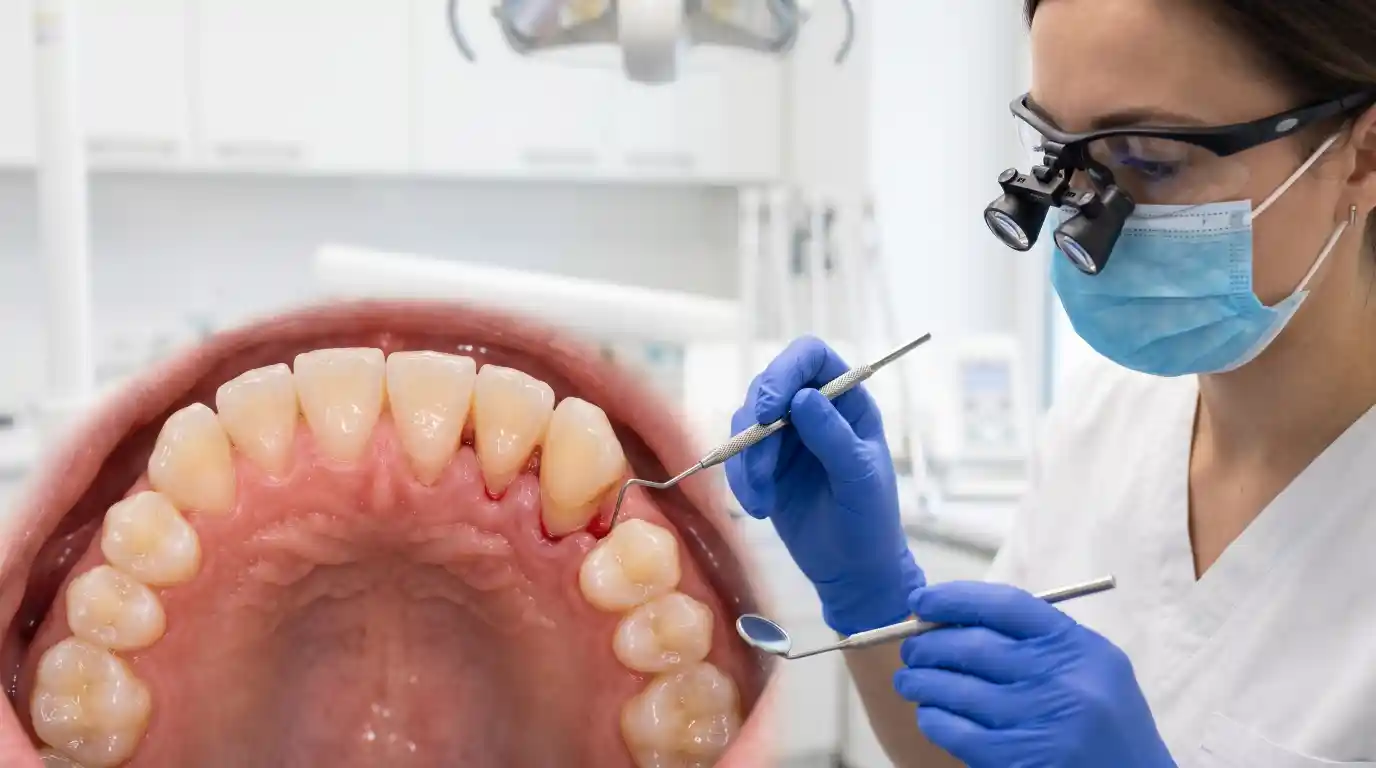





A root canal is generally considered a painless procedure thanks to modern dental techniques and effective local anesthesia. During the treatment, the area is fully numbed, so most patients feel little to no pain often comparing it to getting a routine filling. In fact, the purpose of a root canal is to relieve the severe pain caused by an infected or damaged tooth, not to cause it.
After the procedure, some mild soreness or sensitivity is normal for a few days as the area heals, but this discomfort is usually manageable with over-the-counter pain relief. Overall, root canal treatment is designed to eliminate pain, restore the health of your tooth, and allow you to return to normal activities quickly.
Why Are People Afraid of Root Canals?
Fear of root canals is widespread, but it is largely a product of old stories, secondhand accounts, and cultural mythology rather than the reality of modern dental care.
Where the Myth of Root Canal Pain Comes From
Decades ago, before sophisticated anesthetics and precision tools, root canals were genuinely more uncomfortable procedures. Stories from grandparents or older relatives reflected a real experience but one that belongs firmly in the past.
Unfortunately, dental anxiety tends to persist across generations, and those old stories get passed down long after the dentistry has improved. Popular culture has also done little to help, frequently using root canals as shorthand for something unbearably awful.
Tooth Pain vs Root Canal Pain: A Key Difference
It is important to understand what people are often confusing when they say root canals are painful. The severe, throbbing, sleepless-night pain they associate with the procedure is almost always the pain of the infected or damaged tooth that led to needing a root canal.
The treatment itself is specifically designed to eliminate that source of pain. The procedure removes the infected nerve tissue, which is what is causing the agony. By the time most patients leave the dental chair, the worst of their pain is already behind them.
What Is a Root Canal Treatment?
Understanding what actually happens during a root canal goes a long way toward demystifying the procedure and reducing anxiety about it.
How a Root Canal Works
Each tooth has a soft inner layer called the pulp, which contains nerves and blood vessels. When this pulp becomes infected or damaged, the dentist removes it, cleans the inside of the tooth, and seals it to prevent further infection. Once treated, the tooth can continue to function normally.
Why a Root Canal Is Needed
A root canal is needed when the pulp becomes infected or severely inflamed. This can happen due to deep decay, a cracked tooth, repeated dental work, or injury. If not treated, the infection can spread, causing severe pain, swelling, and more serious dental problems.
Does a Root Canal Hurt During the Procedure?
This is the question almost everyone asks, and the answer is reassuring: for most patients, the answer is no.
The Role of Local Anesthesia
Before the procedure starts, your dentist numbs the area with local anesthesia so you don’t feel pain. You may feel a small pinch during the injection, but after that, the tooth and surrounding area stay completely numb throughout the treatment.
What You Actually Feel During Treatment
During the procedure, you may feel slight pressure or vibration, but not pain. Many patients say it feels similar to getting a filling, with only mild discomfort from keeping the mouth open for a while. The entire process is carefully controlled to keep you as comfortable as possible throughout.
Sedation Options for Anxious Patients
If you feel nervous, sedation options like laughing gas or oral medication can help you relax. For severe anxiety, stronger sedation methods may also be available to make the experience more comfortable. Your dentist will recommend the best option based on your comfort level and needs.
Step-by-Step: What Happens During a Root Canal
A root canal typically takes one to two appointments, each lasting between 60 and 90 minutes depending on the complexity of the case and the number of canals involved.
Cleaning the Infected Pulp
After numbing the area, the dentist creates a small opening in the tooth and removes the infected pulp using specialized tools. The inside of the tooth is then cleaned and disinfected to remove bacteria. This step is important to stop the infection and relieve pain.
Shaping and Sealing the Tooth
Once cleaned, the canals are shaped and filled with a rubber-like material called gutta-percha to seal them. This prevents bacteria from entering again and protects the tooth from future infection. A temporary filling may be placed if another visit is needed.
Final Restoration: Filling or Crown
After a root canal, the tooth becomes weaker and needs protection. In most cases, a dental crown is placed to restore strength and function, while some teeth may only need a filling. This final step helps the tooth last for many years.
Is a Root Canal Painful After the Procedure?
Some post-treatment soreness is normal and expected, but it is manageable and temporary.
Normal Discomfort vs Severe Pain
After the numbness wears off, you may feel slight tenderness or sensitivity, especially when biting. This is a normal part of healing and not a cause for concern. However, severe or increasing pain, swelling, or discomfort after a few days should be checked by your dentist.
How Long Pain Lasts After a Root Canal
Discomfort is usually the highest within the first 1–2 days and then gradually improves. Most people feel normal within a few days, and full healing typically happens within a week. If pain lasts longer or gets worse, a follow-up visit is recommended.
How to Manage Post-Treatment Pain
Pain can usually be managed with over-the-counter medications like ibuprofen or acetaminophen. Eating soft foods, avoiding chewing on the treated side, and rinsing with warm salt water can also help. Following your dentist’s instructions will support faster and smoother healing.
Signs You May Need a Root Canal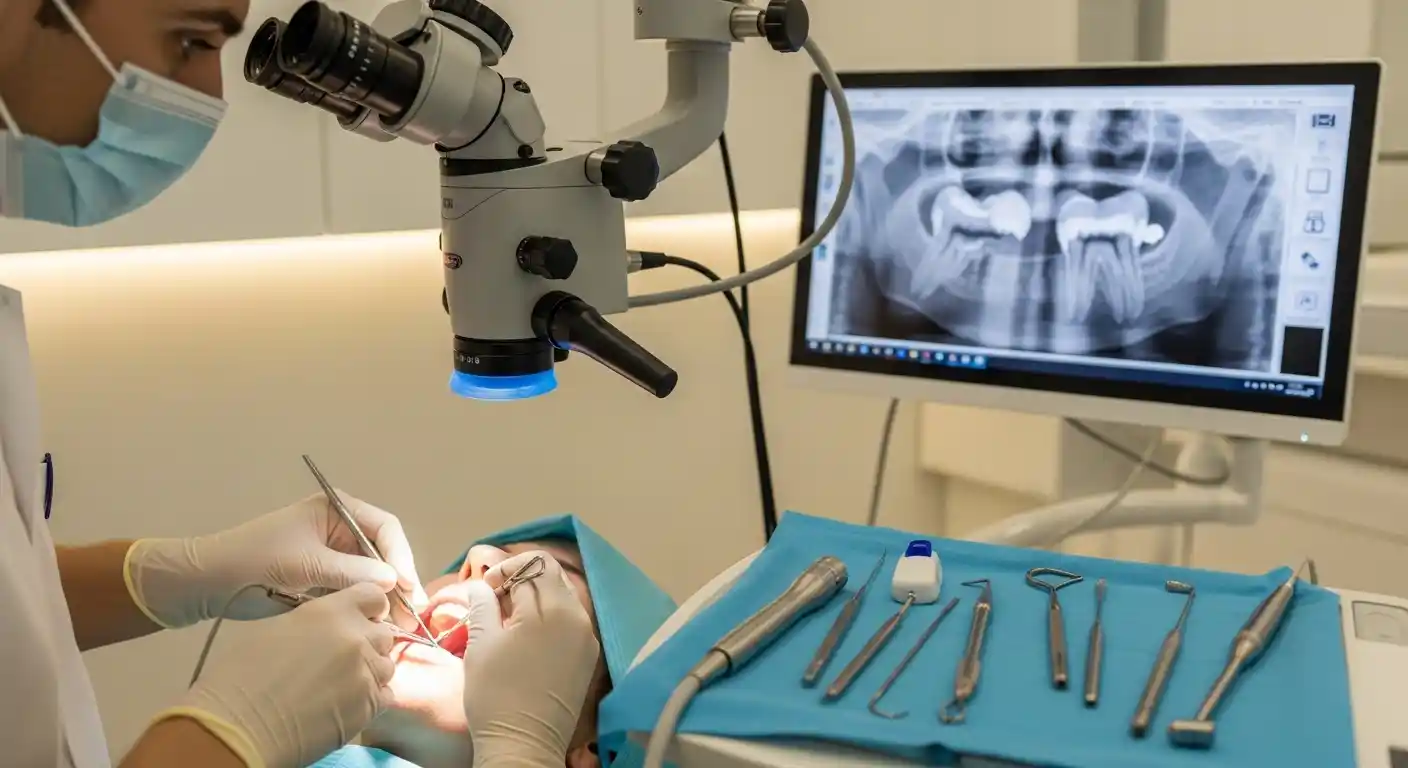
Recognizing the warning signs early can prevent the situation from worsening and may even make treatment more straightforward.
Persistent Tooth Pain
A deep, continuous toothache that does not go away, especially one that radiates to the jaw, face, or ear, is one of the most common indicators of pulp infection. Pain that intensifies when you bite down or apply pressure to the tooth also warrants prompt evaluation by a dentist.
Sensitivity to Hot and Cold
Lingering sensitivity to hot or cold temperatures, particularly pain that persists for more than a few seconds after the stimulus is removed can signal that the nerve inside the tooth is damaged or infected. While some tooth sensitivity is normal, the kind that does not quickly subside is worth having checked.
Swelling or Gum Infection
Swelling around the gum near a tooth, a raised bump on the gums that resembles a pimple (sometimes called a dental abscess or fistula), darkening of a tooth, or a persistent bad taste in your mouth are all signs that infection may be present. Any of these symptoms should prompt a dental visit without delay.
Modern Technology That Makes Root Canals Painless
One of the biggest reasons root canals are so much better today than they were a generation ago is the remarkable advancement in dental technology.
Advanced Anesthesia Techniques
Modern anesthetics are stronger, faster, and last longer, helping keep the area fully numb during the procedure. New delivery systems also make injections more comfortable, even for sensitive or infected teeth.
Digital Imaging and Precision Tools
Digital X-rays and 3D imaging help dentists see the tooth clearly and plan treatment with accuracy. Flexible tools are used to clean the canals safely and efficiently, making the procedure quicker and smoother.
Laser and Minimally Invasive Methods
Lasers can be used to clean and disinfect the canals more effectively with less discomfort. These advanced methods improve precision and support faster healing, making root canal treatment easier for patients.
Root Canal vs Tooth Extraction: Which Is Less Painful?
Some patients consider tooth extraction as an alternative to a root canal, thinking removing the tooth may be easier. In reality, both procedures use local anesthesia and are similar in comfort during treatment. However, extraction can lead to more post-treatment issues like gaps, shifting teeth, and bone loss. Replacing a missing tooth with an implant or bridge also requires additional procedures and higher cost. Preserving your natural tooth with a root canal is usually the better long-term choice.
What Happens If You Avoid a Root Canal Due to Fear?
Avoiding a necessary root canal does not make the problem go away, it makes it significantly worse. An untreated pulp infection does not resolve on its own. Over time, the infection can spread to the surrounding bone, causing an abscess that may require more invasive treatment. In serious cases, the bacteria can spread to other parts of the body, creating a systemic health risk. You will also continue to experience increasing pain as the infection progresses. Delaying treatment out of fear ultimately leads to more pain, not less, and often results in losing the tooth entirely.
Benefits of Getting a Root Canal
Despite its reputation, a root canal is one of the most beneficial dental procedures available when it is needed.
Pain Relief
The primary and most immediate benefit is the elimination of the toothache that drove you to the dentist in the first place. By removing the infected nerve tissue, a root canal eliminates the source of the pain. Most patients experience dramatic relief very quickly after treatment.
Saving Your Natural Tooth
Nothing functions quite like a natural tooth. Preserving it maintains the natural bite, supports the jawbone, and avoids the complications that come with tooth loss. A tooth that has been treated with a root canal and properly restored can last a lifetime with good oral hygiene and regular dental visits.
Preventing Infection Spread
A dental infection left unchecked does not stay localized. Treating it promptly through a root canal stops the spread of bacteria to adjacent teeth, the jawbone, and potentially beyond. This protects your overall oral health and reduces the risk of more complex and costly problems down the line.
Tips to Reduce Anxiety Before a Root Canal
If you are feeling anxious about an upcoming procedure, these strategies can help:
- Talk to your dentist openly about your fears. A good practitioner will explain every step, answer your questions, and adjust the pace of treatment to keep you comfortable.
- Ask about sedation options that might be appropriate for your level of anxiety.
- Bring headphones and listen to music or a podcast during the procedure to help distract yourself.
- Practice slow, deep breathing before and during the appointment. It lowers your heart rate and signals to your nervous system that you are safe.
- Establishing a hand signal with your dentist that means “pause” knowing you can stop at any moment provides significant reassurance.
- Avoid consuming excessive caffeine before the appointment, as it can heighten feelings of anxiety.
- Focus on the outcome: the end of the pain and the preservation of your tooth. The procedure is temporary; the relief is lasting.
When Should You See a Dentist Immediately?
Certain symptoms require urgent attention and should not be ignored or waited out. Contact your dentist right away if you experience any of the following:
- Severe, throbbing tooth pain that does not improve with over-the-counter pain relief
- Swelling in the face, jaw, or neck
- Fever accompanied by dental pain (a sign the infection may be spreading)
- Difficulty swallowing or breathing due to swelling
- A visible abscess or pimple-like bump on the gum
- A tooth that has been knocked out or severely damaged by trauma
Take the First Step Toward a Pain-Free Smile
Don’t let fear or uncertainty keep you from getting the care you need. If you’re experiencing tooth pain or think you may need a root canal, the team at San Tan Dentist in San Tan Valley, AZ is here to help. We provide gentle, modern root canal treatments designed to keep you comfortable while protecting your natural smile. Call us today or book your appointment online to get relief, restore your tooth, and take the next step toward a healthier, pain-free smile.
Conclusion
A root canal is not the painful procedure many people fear it is actually designed to relieve pain, not cause it. Thanks to modern anesthesia and advanced dental techniques, most patients feel little to no pain during treatment, and only mild, temporary soreness afterward. By treating the infection early, a root canal helps save your natural tooth, restore comfort, and prevent more serious dental problems. If you are experiencing symptoms, consulting your dentist as soon as possible can make the treatment easier, safer, and far more comfortable.
Frequently Asked Questions
Is a root canal painful?
No, a root canal is usually painless because the area is numbed with local anesthesia. Most patients feel only pressure, not pain.
How long does a root canal take?
A root canal typically takes 60 to 90 minutes and may require one or two appointments depending on the case.
How long does pain last after a root canal?
Mild soreness may last a few days, but most people feel significantly better within 2–3 days and fully recover within a week.
Do I need a crown after a root canal?
In most cases, yes. A crown helps protect and strengthen the treated tooth, especially for back teeth that handle more chewing pressure.
What happens if I delay a root canal?
Delaying treatment can lead to worsening infection, increased pain, and even tooth loss. The infection may also spread to surrounding areas if left untreated.