
How Long does professional teeth whitening last
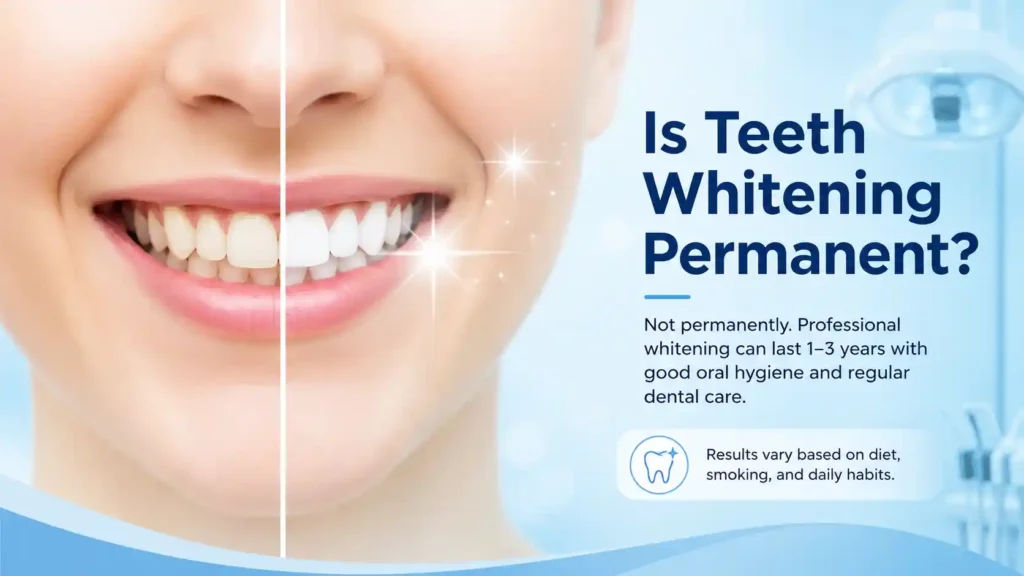
Professional teeth whitening can provide noticeable results that last from several months to a few years, depending on the treatment, your oral hygiene, and your daily habits. Brushing and flossing regularly, limiting stain-causing foods and drinks, and scheduling routine dental cleanings can help maintain your brighter smile. When your teeth begin to lose their brightness, maintenance whitening can refresh your results. Contact our dental team today to discuss in-office or take-home whitening options and find the right treatment for your smile. What is Teeth Whitening? Teeth whitening is all about removing stains so your smile looks brighter and simple like that! There are two kinds of stains. The first are surface stains, think coffee, tea, or soda marks that sit right on your enamel. The second are deeper stains that come from inside your teeth, often caused by aging or certain medications. Whitening products use peroxide to break down those stain molecules. It seeps into your enamel and clears out the discoloration. Professional whitening has a stronger formula, which is why dentists can brighten your teeth in just one visit while store bought strips can take weeks to show results. How Long Does Teeth Whitening Last? Depending completely on what route you take, professional whitening at your dentist’s clinic usually gives you one to three years. But I’ve seen people lose their brightness in six months and others still look good after four years. The trick is to take good care of your teeth once the whitening is done. Custom whitening trays made by your dentist usually last about a year. Store bought whitening strips may keep your teeth bright for three to six months, if used correctly. Whitening toothpaste doesn’t create outstanding results, it mainly helps you maintain the brightness you already have. But here’s the important part: your daily habits have a much bigger impact than the product you use. If you drink coffee or tea often, your whitening results will fade faster. Smoking also causes stains that are hard to remove. By cutting back on these habits, you can make your smile stay brighter for longer. You’ll need to do touch-ups from time to time. It’s just like coloring your hair. It looks great at first, but needs regular care to stay that way. Teeth whitening works the same way. Am I a Good Candidate for Teeth Whitening? Most people can safely whiten their teeth when they follow proper guidelines or use dentist-approved products. Not everyone though. You’re probably fine if your teeth and gums are healthy and your stains are yellow or light brown. Don’t expect instant, picture-perfect results, whitening takes time and consistency. Avoid whitening your teeth if you have major cavities, gum issues, or very thin enamel. If you have crowns or fillings on your front teeth, remember they won’t change color, which can make your smile look rough. Teeth whitening also isn’t for kids under 16, since their teeth and nerves are still developing. Another important point: whitening only works on natural teeth. Dental work like fillings, crowns, and veneers will stay the same shade, so they might look darker next to newly whitened teeth. It’s best to have your dentist check your mouth first. They can spot any problems and make sure whitening is safe and effective for you. Are There Any Risks to Teeth Whitening? Teeth whitening is generally safe when used as directed, but it does come with a few possible side effects. The most common one is tooth sensitivity. About half of people who whiten experience a sharp, sudden pain when eating or drinking something cold. The good news is that this sensitivity usually fades within a few days after you stop the treatment. Another concern is gum irritation. If the whitening gel touches your gums, it can cause redness or even mild burns, especially with over-the-counter kits that aren’t applied carefully. Overusing whitening products can also damage your enamel, making your teeth weaker over time. Whitening too often doesn’t make your teeth whiter. It can actually do more harm than good. Most side effects are temporary and go away on their own. However, if you still feel pain or irritation after a week, it’s best to contact your dentist. They can check for underlying issues and guide you on how to whiten your teeth safely. Types of Teeth Whitening Methods There’s a bunch of options out there. Here’s what’s actually worth considering. Professional In Clinic Whitening Your dentist uses seriously concentrated peroxide gel – we’re talking 25% to 40%. It takes about an hour to 90 minutes. You walk out with teeth that are 3 to 8 shades lighter, like immediately. Expect to pay a few hundred dollars, depending on your location and the dentist you visit. Custom Take-Home Trays Dentist makes trays that fit your mouth exactly. You load them up with professional gel (10% to 20% peroxide) and wear them anywhere from 30 minutes to a few hours each day. It takes two to four weeks to see full results. Over-the-Counter Strips Those plastic strips with gel on them. Usually around 5% to 10% peroxide. Stick them on for 30 minutes once or twice a day for two weeks. They work, just not as dramatically as the professional stuff. It’s fairly affordable, depending on the brand and product you choose. The big problem is they don’t get between your teeth very well. Whitening Toothpaste Has some mild scrubbing stuff and a bit of peroxide in it. Only tackles surface stains. Maybe get one shade lighter if you’re lucky. It’s a budget-friendly option, with prices varying slightly by brand. Good for keeping up results between bigger treatments though. Whitening Gel Pens You paint gel right onto your teeth. Super convenient but honestly pretty weak. Fine for quick touch-ups The cost falls within an affordable range. LED Light Kits Gel trays plus some LED light gadgets. Companies swear the light makes it work faster. The research doesn’t really back that up though. Most dentists will tell you
Can People With Crowns or Fillings Get Teeth Whitening?
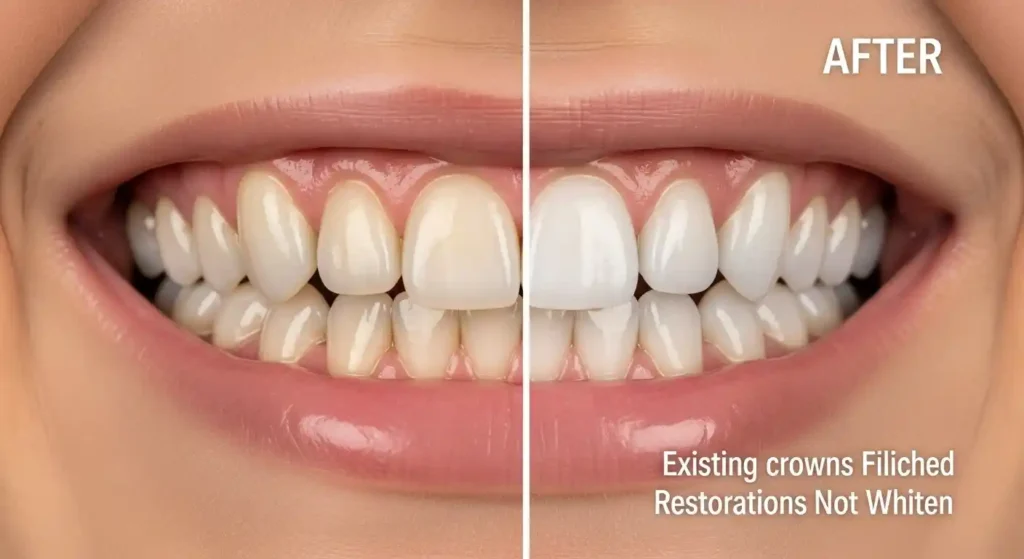
Yes, people with crowns or fillings can get teeth whitening but there’s an important limitation. Whitening treatments only work on natural tooth enamel, which means crowns, fillings, veneers, and other dental restorations will not change color. The good news is that you still have effective options to achieve a bright, uniform look, especially here in San Tan Valley, AZ. Dentists often recommend whitening your natural teeth first and then replacing or adjusting visible crowns or fillings to match the new shade. How Teeth Whitening Works Teeth whitening is a popular cosmetic dental treatment designed to remove stains and discoloration, helping restore a brighter, more youthful smile. It works through a chemical process that targets deep and surface stains without damaging the natural structure of the teeth. How Whitening Affects Natural Teeth Most whitening treatments whether professional or at-home use hydrogen peroxide or carbamide peroxide as their active ingredient. These compounds penetrate the enamel and break up the molecular bonds in stain particles, which makes the tooth appear lighter. The process is entirely chemical, relying on the porous, organic nature of natural enamel to absorb and react with the bleaching agent. Professional in-office whitening typically uses concentrations of 15–40% hydrogen peroxide, often activated with a special light or laser to speed up the process. Results can be dramatic, sometimes four to eight shades lighter in a single session. Why Crowns and Fillings Don’t Whiten Crowns and fillings are made from synthetic materials porcelain, ceramic, composite resin, or metal alloys. These materials are manufactured to a specific color and are non-porous by design. Because the bleaching agent can’t penetrate their surfaces, it simply has no chemical pathway to change their color. You can apply whitening gel to a porcelain crown all day and the shade won’t budge even slightly. This is a fundamental characteristic of the materials, not a flaw in the whitening product. Types of Dental Restorations and How They React to Whitening Different types of dental restorations respond differently to whitening treatments, but none of them actually whiten like natural teeth. Understanding how each material behaves can help you set realistic expectations before starting treatment. Porcelain crowns are highly color-stable and resistant to staining. Their smooth, glazed surface helps maintain their original shade over time, which is a major advantage. However, this also means they do not respond to whitening agents at all. Composite fillings are slightly more prone to staining over time, especially from coffee, tea, or tobacco. While whitening treatments may help remove some surface discoloration, they do not change the internal color of the material. As a result, older or stained fillings may appear darker after your natural teeth are whitened. Metal (amalgam) fillings are completely unaffected by whitening treatments. Since they are typically placed in back teeth, they usually do not impact the overall appearance of your smile after whitening. Veneers behave similarly to porcelain crowns. They are designed to be stain-resistant and maintain a consistent color, which means they will not whiten. If veneers appear discolored, it is usually an indication that they may need replacement rather than whitening. Will Teeth Whitening Damage Crowns or Fillings? This is a common concern, and the reassuring answer is no teeth whitening does not structurally damage crowns or fillings. Whitening agents are designed to target stains in natural enamel and do not break down or harm materials like porcelain, ceramic, or metal. Your restorations will remain intact throughout the process. However, some patients may experience temporary tooth sensitivity during or after whitening, especially if they have multiple fillings or exposed margins around crowns. This is usually mild and short-lived, often resolving within a day or two. If you already have sensitive teeth, your dentist can adjust the treatment or recommend desensitizing products to keep you comfortable. The Biggest Drawback: Uneven Tooth Color This is the main concern to be aware of: when your natural teeth whiten but your restorations remain the same color, the contrast can become more noticeable than the original staining. This can create an uneven smile, especially if the restorations are in visible areas. For example, a front-facing porcelain crown that was matched to your original tooth shade may appear darker or mismatched after whitening, as the surrounding natural teeth become lighter. The same issue can occur with composite fillings, which may have blended in before but now stand out more clearly. Who Is a Good Candidate for Teeth Whitening With Dental Work? Not everyone with dental restorations faces the same level of risk. Your candidacy depends largely on where your restorations are located and how many you have. Better candidates include people whose crowns or fillings are on back teeth (premolars, molars) that aren’t prominently visible when smiling. In these cases, whitening the front natural teeth produces great results without any noticeable mismatch. People who need more planning include those with crowns or large composite fillings on front teeth, especially the upper incisors and canines that dominate the smile line. These cases still have solutions, but they require a coordinated treatment plan. Healthy enamel is also a prerequisite. Whitening on teeth with significant enamel erosion, active decay, or gum disease can cause pain and complications. A thorough dental exam before whitening is essential, not optional. What Are Your Options for a Whiter, Even Smile? Achieving a bright, uniform smile often requires a combination of approaches, especially if you have existing crowns or fillings. A customized treatment plan can help ensure your natural teeth and restorations blend seamlessly for the best aesthetic result. Whiten Natural Teeth First The most common and practical approach is to whiten your natural teeth first, then reassess. This gives you a clear picture of your new, lighter baseline shade which becomes the target when it’s time to match or replace restorations. Replace Crowns or Fillings After Whitening Once your natural teeth have stabilized at their new shade (typically one to two weeks after treatment), your dentist can replace existing restorations with new ones matched to the lighter color. This
Will Teeth Whitening Remove Stains?

Yes, teeth whitening can remove many types of stains but not all. Whitening treatments are highly effective at reducing surface-level discoloration caused by food, beverages, and lifestyle habits such as smoking. However, they have limitations when it comes to deeper, internal stains caused by factors like certain medications, dental trauma, or natural aging. Before investing time and money in a whitening treatment, it’s important to understand what’s causing your tooth discoloration, how whitening products work, and what realistic results look like—especially if you’re considering treatment in San Tan Valley, AZ. This guide walks you through everything you need to know to decide whether teeth whitening is the right solution for your smile. What Causes Teeth Stains? Teeth stains develop from a surprisingly wide range of sources. Dietary habits are among the most common culprits: coffee, tea, red wine, and dark berries all contain compounds called chromogens and tannins that cling to tooth enamel and cause gradual yellowing or browning over time. Even foods that seem harmless, like tomato sauce or soy sauce, can contribute to surface discolouration with regular consumption. Smoking and tobacco use are major contributors to some of the most stubborn staining dentists see. Nicotine and tar penetrate the porous surface of enamel and can cause yellowish-brown deposits that worsen significantly over the years. Some stains have nothing to do with what you eat or drink. Certain antibiotics — particularly tetracycline, when taken during childhood while teeth are still developing — can cause greyish or brownish bands within the tooth structure itself. Excessive fluoride exposure during development can also cause a condition called fluorosis, which leaves white spots or brown patches on teeth. Dental trauma, such as a blow to a tooth, can cause internal bleeding or nerve damage that darkens a tooth from the inside out. Finally, aging is a natural factor. As enamel gradually thins over decades of use, the yellowish dentine layer beneath becomes more visible, leading to a naturally duller, darker appearance that no amount of brushing can reverse on its own. Types of Teeth Stains Understanding the type of stain affecting your teeth is key to determining how effective whitening treatments will be. Extrinsic Stains (Surface Stains) Extrinsic stains form on the outer surface of the tooth enamel or within the thin protein film that coats it. Common culprits include coffee, tea, wine, pigmented foods, and tobacco. Because these stains sit at or near the enamel surface, they respond best to whitening treatments. Both professional and over-the-counter options can deliver noticeable results, making extrinsic stains the easiest to treat. Intrinsic Stains (Internal Stains) Intrinsic stains develop within the tooth itself, either inside the enamel or in the dentin beneath it. Causes include tetracycline use during tooth development, fluorosis, dental trauma, tooth decay, or rare genetic conditions. These stains are embedded deep in the tooth structure and cannot be removed with surface treatments alone. Standard whitening agents have limited penetration, so intrinsic stains are the most challenging to treat and often require advanced cosmetic procedures beyond conventional whitening. Age-Related Stains Age-related discoloration combines extrinsic and intrinsic factors. Over time, enamel naturally wears down and becomes more porous, allowing surface stains to penetrate deeper. Meanwhile, the underlying dentin gradually darkens, giving teeth a yellowish hue. Whitening treatments can improve age-related stains, particularly the surface component, though results may be more gradual and modest compared with treating purely extrinsic stains in younger teeth. What Type of Stains Can Teeth Whitening Remove? Whitening treatments work best on yellow and light-brown extrinsic stains caused by diet, beverages, and everyday exposure. These types of stains respond well to both professional in-office treatments and high-quality at-home products. Moderate age-related yellowing can also improve significantly, particularly with professional-strength whitening agents. However, whitening is far less effective on gray-toned discoloration, deep brown marks, or stains resulting from tetracycline antibiotics, fluorosis, root canal treatments, or dental trauma. In such cases, hydrogen peroxide or carbamide peroxide may produce little to no visible improvement, and could even create uneven results by lightening surrounding teeth while leaving the intrinsically stained tooth relatively unchanged. It’s also important to remember that whitening agents do not affect dental restorations, including crowns, veneers, bridges, or composite bonding. If you have visible restorations, whitening your natural teeth may create a noticeable color mismatch. How Teeth Whitening Works to Remove Stains Most teeth whitening products work through a chemical bleaching process, using hydrogen peroxide or carbamide peroxide as the active ingredient. When applied, these compounds break down into oxygen molecules that penetrate the enamel and reach the porous dentin beneath. The oxygen molecules interact with the colored compounds causing the stains, breaking the chemical bonds that hold them together, and either rendering them colorless or small enough to be removed. The strength of the whitening depends on the concentration of peroxide used. Professional in-office treatments typically use hydrogen peroxide at concentrations of 25–40%, often enhanced with a special light or laser. Dentist-prescribed take-home trays generally contain carbamide peroxide at 10–22%, which releases hydrogen peroxide gradually over a longer period. Over-the-counter strips and gels contain much lower concentrations, usually 3–10%, which makes them slower to work and less effective on heavier or deep-set stains. Will Teeth Whitening Remove Black or Brown Stains? The answer depends heavily on the cause of those stains. Brown staining from coffee, tea, or red wine is often extrinsic and tends to respond well to professional whitening. However, deep brown or black staining tells a different story. Dark black or very deep brown marks are frequently a sign of tooth decay, dead or dying tooth pulp, or severe tetracycline staining — all of which are intrinsic problems that whitening cannot adequately address. Staining from iron supplements or certain mouthwashes (particularly those containing chlorhexidine) can also produce dark deposits on tooth surfaces that whitening alone may not fully eliminate. If you have black or very dark brown spots on your teeth, the first step should always be a dental examination. Some dark staining indicates a dental health issue requiring
Does Teeth Whitening Have Side Effects
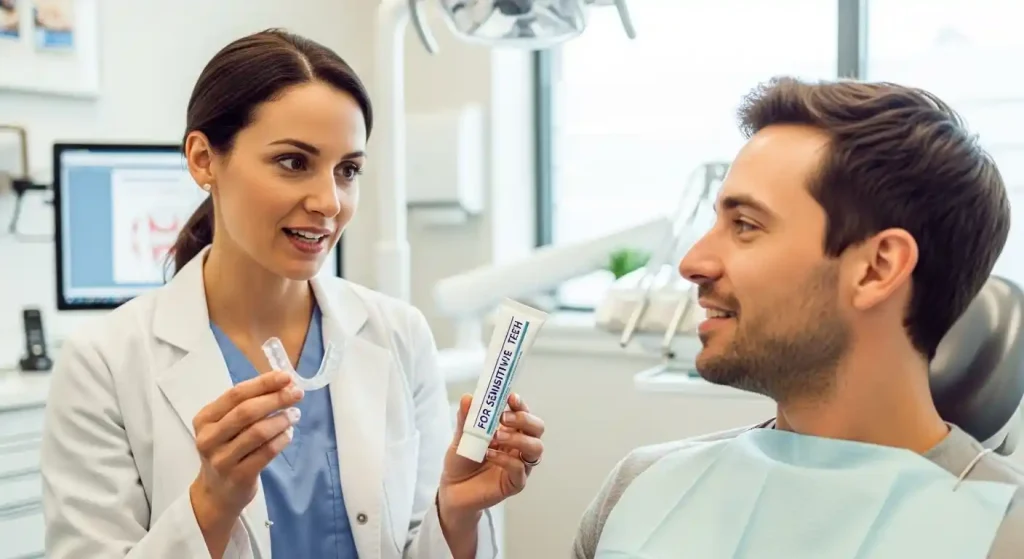
Teeth whitening is generally safe, but like any cosmetic treatment, it can come with side effects. The most common issues are temporary tooth sensitivity and gum irritation, caused when bleaching agents penetrate enamel or contact soft tissues, leading to soreness or redness. Most side effects are mild and short-lived, and professional supervision in San Tan Valley, AZ can prevent almost all complications. What those glossy ads rarely mention is that results can vary depending on your teeth, enamel thickness, and habits. Understanding the risks and learning how to minimize them ensures you can enjoy a brighter smile without discomfort. Let’s explore everything you need to know about teeth whitening side effects. How Does Teeth Whitening Work? To understand the potential side effects of teeth whitening, it helps to know the science behind the process. Teeth whitening isn’t just surface scrubbing; it’s a chemical process that penetrates the enamel to break down stains and brighten your smile. How deeply the chemicals work also explains why some people experience sensitivity or gum irritation. If you’re considering treatment in San Tan Valley, AZ, knowing the science can help you choose the safest and most effective method. Professional vs. At-Home Whitening There are two main approaches to whitening: Professional Whitening: Performed in a dental clinic, this method uses high concentrations of hydrogen peroxide or carbamide peroxide (typically 25%–40%). Because the chemicals are strong, dentists apply protective barriers to shield your gums and soft tissues, minimizing the risk of side effects. At-Home Whitening: This includes whitening strips, gels, and trays available at pharmacies. These contain lower concentrations of bleaching agents (usually 3%–10%) and require longer application times. While generally safe, improper use can lead to temporary tooth sensitivity or uneven whitening. Types of Teeth Stains Not all stains respond the same way, and knowing your stain type helps determine how whitening will work: Extrinsic Stains: Surface-level discoloration from coffee, tea, red wine, or tobacco. These are usually easier to remove and respond well to both professional and at-home treatments. Intrinsic Stains: Deeper discoloration inside the tooth, often caused by aging, trauma, or medications such as tetracycline. Intrinsic stains are harder to treat and often require professional intervention for noticeable results. Expected Results and Limitations No whitening treatment—regardless of cost—can guarantee permanently paper-white teeth. Understanding what’s realistic can prevent disappointment and help you make informed choices about treatment intensity. What Realistic Results Look Like: Most people can expect their teeth to brighten by 3 to 8 shades. Your natural dentin (the layer beneath the enamel) also plays a role; if it has a yellowish hue, achieving an extremely bright “Hollywood white” may not be possible without veneers. How Long Results Last: Teeth whitening is a cosmetic procedure that requires maintenance. Results typically last six months to two years, depending on your diet and oral hygiene habits. Frequent coffee drinking, smoking, or other stain-causing behaviors can cause results to fade sooner. Common Side Effects of Teeth Whitening If you’ve ever wondered what could go wrong with teeth whitening, you’re not alone. While whitening is generally safe, understanding the common teeth whitening side effects and how to prevent them can help you enjoy a brighter smile without discomfort. Tooth Sensitivity and Enamel Erosion The most frequent complaint after whitening is tooth sensitivity. When bleaching agents penetrate the enamel, the dentin underneath becomes exposed, making teeth more reactive to hot, cold, sweet, or acidic foods. For most people, this sensitivity is temporary and fades within a few days. However, overusing whitening products can permanently weaken or erode enamel—and once enamel is gone, it doesn’t grow back. Tips to Minimize Sensitivity: Use toothpaste formulated for sensitive teeth at least two weeks before whitening. Avoid extremely hot or cold foods and beverages during treatment. Ask your dentist about products containing potassium nitrate or fluoride to strengthen enamel. Space out at-home treatments instead of applying strips every day. Gum Irritation and Chemical Burns When whitening gel comes into contact with gums, it can cause redness, soreness, or even chemical burns in severe cases. This is especially common with poorly fitting trays from drugstore kits. How to Protect Your Gums: Ensure trays fit snugly but comfortably. Follow all product instructions carefully. Apply a thin layer of petroleum jelly on your gums as a protective barrier. Rinse immediately if you feel burning or discomfort. Uneven Whitening and Over-Whitening Risks Sometimes teeth may appear patchy after whitening. This can happen because dental work like fillings or crowns won’t change color, enamel thickness varies, or at-home products are applied inconsistently. Over-whitening is another risk. Excessive use of bleaching products can make teeth look translucent at the edges, increase sensitivity, and damage enamel. Tips for Consistent Results: Apply whitening products evenly, paying attention to each tooth. Consider professional whitening for teeth with crowns or fillings. Stick to recommended treatment schedules—more is not better. Potential Damage to Tooth Nerves Though rare, aggressive or prolonged whitening can irritate the pulp—the innermost part of the tooth containing nerves. In extreme cases, this may lead to nerve damage, requiring a root canal. Warning Signs: Severe, persistent tooth pain that doesn’t improve after a few days. Extreme sensitivity that worsens over time. Sudden discoloration of a tooth. Professional supervision reduces this risk, as dentists can adjust treatment intensity if warning signs appear. The Myth of “Permanent” Whitening No whitening treatment lasts forever. Teeth naturally accumulate new stains over time from foods, drinks, and aging. Many people don’t realize this and try to maintain results with constant whitening, which can lead to increased sensitivity and enamel damage. How to Maintain a Healthy Smile: Set realistic expectations about how long results last. Focus on maintenance with proper oral hygiene and limiting stain-causing foods. Avoid frequent bleaching—prevention is better than repeated treatment. Less Common Side Effects While sensitivity and gum irritation top the list, some people experience other issues that are worth knowing about: Dry Mouth During Treatment Tray-based systems that keep your mouth open for 30 minutes can leave you feeling like you’ve
How to Get Rid of Yellow Teeth: A Complete Guide
Yellow teeth can affect your confidence every time you smile or laugh. It’s one of the top concerns patients bring up during routine checkups, and I completely understand why—it’s visible and often feels hard to control. The encouraging part is that most cases of yellowing respond well to proper care, whether through simple daily habits or professional treatments. The right approach depends on the cause, and with realistic expectations, you can achieve a noticeably brighter smile without compromising your oral health. Understanding Yellow Teeth Before we can discuss treatments, it’s important to understand the anatomy of your smile. Many people assume that teeth are naturally stark white, but in reality, natural teeth come in a variety of off-white and ivory shades. What is tooth discoloration? In clinical practice, we categorize discoloration into two main types: extrinsic and intrinsic. Extrinsic staining occurs on the outer layer of the tooth, the enamel, and is usually caused by lifestyle factors like coffee or tobacco. Intrinsic staining, however, happens within the inner structure of the tooth, known as the dentin. When the enamel thins or the dentin itself darkens, the tooth appears yellow from the inside out. This distinction is crucial because a treatment that works for a surface stain—like a gritty toothpaste—will do absolutely nothing for intrinsic discoloration. Different color meanings Not all discoloration is yellow. If you notice brown spots, it may indicate tooth decay or long-term tobacco use. Gray or blue-tinted teeth often point to internal nerve damage or exposure to certain antibiotics during childhood. White spots can actually be a sign of early demineralization or “fluorosis” from too much fluoride. Yellow is the most common hue, usually signaling either a buildup of plaque or the natural thinning of your enamel. What Causes Yellow Teeth? Identifying the root cause of the color change is the first step toward a successful treatment plan. Dentists often see a combination of lifestyle choices and biological factors that contribute to a duller smile over time. You’re Getting Older As we age, our teeth naturally undergo changes. The outer layer of enamel is incredibly hard, but it wears down over decades of chewing and brushing. Beneath that enamel is the dentin, which is naturally yellowish. As the white enamel thins, the yellow dentin shows through more prominently. This is why many older adults find that their teeth look more “golden” even if they have excellent hygiene. You’re a Smoker Tobacco is perhaps the most aggressive external stainer of teeth. Both nicotine and tar create stubborn, dark yellowish-brown stains that seep into the microscopic pores of the enamel. Because these stains are so persistent, they often require professional-grade oxidation to lift, as standard brushing rarely reaches deep enough into the tooth structure to reverse the damage. Your Oral Hygiene Is Lacking When you skip brushing or flossing, a sticky film called plaque begins to accumulate on the surfaces of your teeth. If it isn’t removed, it hardens into tartar (calculus), which often has a yellow or even brown appearance. Tartar is porous, meaning it picks up food stains even more easily than enamel does. Once plaque has hardened into tartar, only a dental professional can remove it using specialized tools. You’re on Medication Certain medications can change the color of your teeth from the inside. For example, if children are given tetracycline or doxycycline while their permanent teeth are still forming, they may develop permanent yellow or grayish bands. In adults, some high blood pressure medications, antipsychotics, and even certain antihistamines have been linked to tooth discoloration. You Have an Illness Less commonly, systemic health issues can affect the enamel. Conditions that affect metabolism or certain infections in pregnant mothers can lead to enamel hypoplasia, where the enamel doesn’t form correctly, appearing thin and yellow. Additionally, treatments like chemotherapy or radiation to the head and neck can alter the chemical composition of your saliva and the color of your teeth. The Yellow Is in Your Genes Just like some people are born with fairer skin or thicker hair, some individuals are genetically predisposed to have thinner enamel or naturally darker dentin. If your parents had yellowish teeth despite healthy habits, you might simply have a genetic baseline that leans toward a warmer hue. In these cases, “natural” whitening methods are rarely effective because the color is a structural trait. Why Are My Teeth Yellow When I Brush Them Every Day? It can be incredibly frustrating to maintain a strict hygiene routine and still see a yellow reflection in the mirror. This common complaint usually stems from a misunderstanding of how brushing affects the different layers of the tooth. First things first, brush your teeth regularly Consistency is the foundation of oral health, but the technique matters as much as the frequency. If you brush too hard (aggressive brushing), you might actually be scrubbing away your enamel. This leads to a paradoxical effect: the more you “clean” with a heavy hand, the yellower your teeth look as the enamel disappears. Using a soft-bristled brush and a gentle, circular motion is the best way to keep teeth clean without causing wear. Enamel Protection Enamel is the shield that keeps your teeth white and strong. Once it is gone, it does not grow back. Acidic foods and drinks—like sodas, citrus, and sports drinks—can soften the enamel, making it easier to wear away during brushing. From a dental perspective, we recommend waiting at least 30 to 60 minutes after eating acidic foods before brushing. This allows your saliva to naturally remineralize the surface, keeping that white protective layer intact. Natural Ways to Get Rid of Yellow Teeth The internet is full of “hacks” for a whiter smile, but as a dentist, I urge caution. While some natural methods are harmless, others can cause irreversible damage to your enamel and gums. Oil pulling Oil pulling is an ancient practice that involves swishing an oil—usually coconut, sesame, or sunflower oil—in your mouth for about 15–20 minutes. The theory is that the oil
How Often Should You Use Mouthwash?
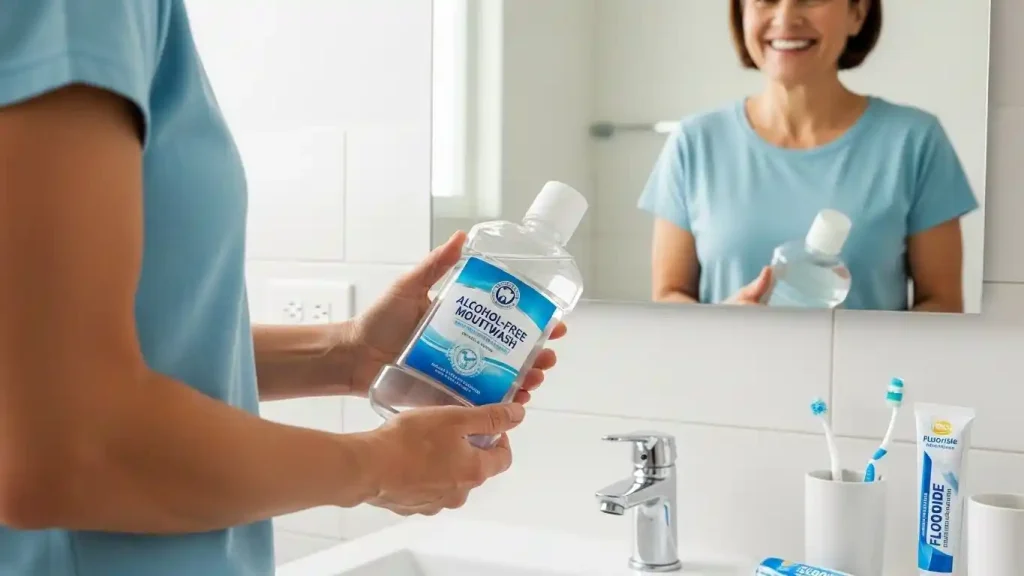
Using mouthwash once or twice daily is ideal for most people, but your perfect frequency depends on your specific dental needs and the type of mouthwash you choose. Overusing it can dry out your mouth and kill good bacteria, while using it too little means missing out on cavity protection and fresher breath. Understanding Mouthwash and Its Purpose Mouthwash does more than just make your breath smell minty fresh. It plays an important role in keeping your mouth healthy when used correctly as part of your daily oral care routine. What Is Mouthwash? Mouthwash is a liquid product designed to rinse your mouth and provide benefits that brushing and flossing alone can’t deliver. Most mouthwashes contain active ingredients like fluoride, antibacterial agents, or essential oils that fight germs and strengthen teeth. The liquid format allows mouthwash to reach areas of your mouth that your toothbrush might miss, including between teeth and along the gum line. How Mouthwash Supports Oral Hygiene Mouthwash works as a helpful addition to brushing and flossing, not as a replacement for them. When you rinse with mouthwash, you wash away food particles and bacteria that might still be hanging around after brushing. Antibacterial mouthwashes can reduce plaque buildup and fight the bacteria that cause gum disease. How Often Should You Use Mouthwash Daily? Most dentists recommend using mouthwash once or twice a day for the best results. Finding the right frequency for your needs helps you get the benefits without overdoing it. Is Once-a-Day Mouthwash Enough? For most people with healthy teeth and gums, using mouthwash once a day is perfectly fine. A single daily rinse can freshen your breath, help prevent cavities, and support gum health without causing any problems. Once-a-day use is especially good if you’re using a strong therapeutic mouthwash or one with alcohol. Can You Use Mouthwash Twice a Day Safely? Using mouthwash twice daily is generally safe and is actually what many dentists recommend. Rinsing in the morning and evening can provide better protection throughout the day and help keep your breath fresh longer. This frequency works especially well if you’re using an alcohol-free mouthwash or a gentle daily-use formula. Factors That Affect Ideal Mouthwash Frequency Your personal dental health plays a big role in determining how often you should use mouthwash. People with gum disease or a history of cavities might benefit from twice-daily use. The type of mouthwash also matters when deciding frequency, as strong antiseptic mouthwashes should typically only be used for short periods as prescribed by a dentist. Best Time to Use Mouthwash in Your Oral Care Routine When you use mouthwash matters just as much as how often you use it. Timing your rinse correctly helps you get the maximum benefit from both your toothpaste and your mouthwash. Should You Use Mouthwash Before or After Brushing? Most dentists actually recommend using mouthwash after brushing and flossing. This order allows you to first remove plaque and debris with your brush and floss, then seal in protection with mouthwash. However, some dentists suggest using it before brushing to loosen food particles and bacteria. How Long to Wait Between Brushing and Mouthwash If you brush with fluoride toothpaste, waiting at least 30 minutes before using mouthwash gives the fluoride time to work. The concern is that rinsing too soon washes away the concentrated fluoride from your toothpaste before it can strengthen your enamel. A good compromise is to use mouthwash at a different time than brushing, like after lunch. Why Timing Matters for Fluoride Mouthwash Fluoride needs time to bond with your tooth enamel to provide its protective benefits. For the best fluoride protection, dentists often recommend using fluoride mouthwash at a completely separate time from brushing to ensure both products get adequate time to strengthen your teeth. Can You Use Mouthwash Too Often? More isn’t always better when it comes to mouthwash. Using it too frequently can actually create problems in your mouth that you’re trying to prevent. Signs You’re Overusing Mouthwash Your mouth will often tell you when you’re overdoing it with mouthwash. If you notice your mouth feels unusually dry, that’s a red flag. Overuse can also cause irritation, burning sensations, or soreness on your tongue, gums, or inner cheeks. Some people develop staining on their teeth from using certain mouthwashes too frequently. How Excessive Use Affects Oral Bacteria Your mouth contains both good and bad bacteria, and they need to stay in balance for optimal health. Using mouthwash too often can kill off beneficial bacteria along with the harmful ones. This imbalance can actually lead to worse bad breath over time, as harmful bacteria may bounce back stronger. Alcohol-Based vs Alcohol-Free Mouthwash Risks Alcohol-based mouthwashes are more likely to cause problems with frequent use compared to alcohol-free versions. Alcohol dries out your mouth by reducing saliva production, and saliva is crucial for naturally washing away bacteria. Alcohol-free mouthwashes are gentler and can typically be used more frequently without causing dryness or irritation. Who Should Use Mouthwash More or Less Often? Everyone’s mouth is different, and your ideal mouthwash frequency depends on your specific oral health situation. Some people need more frequent use while others should actually cut back. Mouthwash Frequency for Gum Disease If you have gingivitis or periodontitis, your dentist might recommend using mouthwash more often than the average person. Some people with gum disease use mouthwash three times a day to keep bacteria levels under control. Your dentist might prescribe a special antimicrobial mouthwash for short-term use to treat active gum disease. Mouthwash Use for Bad Breath People struggling with chronic bad breath often reach for mouthwash multiple times throughout the day. While this provides temporary relief, using mouthwash too frequently for bad breath can backfire because the drying effect makes bad breath worse. A better approach is to use mouthwash twice daily and focus on addressing the root cause. Special Frequency Guidelines for Children Children should use mouthwash less frequently than adults, and only if they’re old enough to spit it
What Happens If You Don’t Brush Your Teeth
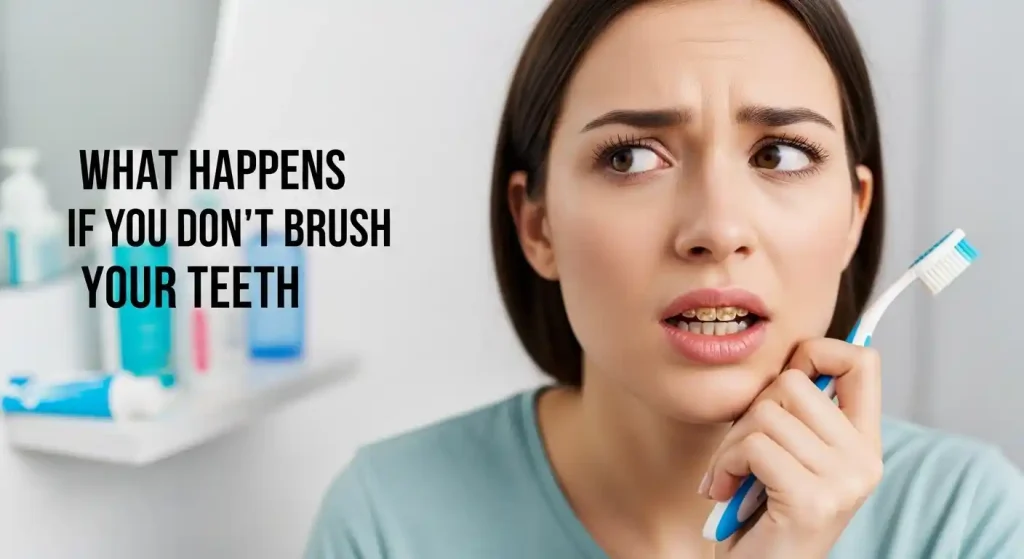
Your mouth is home to over 700 different types of bacteria right now. Within 24 hours of skipping your toothbrush, these tiny organisms multiply so fast they could fill a swimming pool if they were visible to the naked eye. Although it sounds dramatic. And that’s just the beginning compared to what they’re doing to your teeth while you sleep. Most people think skipping a brushing session here and there won’t hurt. They’re wrong. The damage starts in hours, not days. From the fuzzy film coating your teeth to the silent destruction happening beneath your gums, your mouth transforms into a bacterial playground faster than you’d believe. This isn’t about scaring you into better habits – it’s about showing you exactly what’s happening inside your mouth when that toothbrush stays dry. By the time you finish reading, you’ll understand why those two minutes twice a day matter more than you ever realized. What Happens in the First Day So you skip brushing before bed. What’s the big deal, right? Well, bacteria in your mouth are basically throwing a party. These little guys feed on whatever food is stuck between your teeth – especially if you had something sugary or starchy for dinner. As they eat, they produce acid. That’s their waste product. Within just a few hours, you’ll notice that fuzzy feeling on your teeth. Run your tongue across them. You can feel that plaque building up. It’s basically a sticky film made of bacteria, leftover food bits, and your saliva all mixed together. Pretty disgusting when you think about it. Your breath starts to smell bad too. The bacteria release these sulfur compounds that smell like, well, like you need to brush your teeth. Most people don’t realize this happens so fast. Even after skipping just one brushing session, your mouth’s already in rough shape. A Few Days Without Brushing Now let’s say you go three or four days without brushing. Maybe you’re camping or traveling and just can’t get to it. Things get worse very fast. That is a soft plaque. It starts turning hard even, like, really hard. Dentists call it tartar or calculus (not the math kind). Once plaque hardens into tartar, you can’t brush it off anymore. It’s cemented onto your teeth. The only way to get it off is having a dentist scrape it with special tools. And that is not fun. Your gums probably look redder than normal. They might even bleed a little when you eat an apple or finally decide to brush. This is gingivitis, which is basically the first stage of gum disease. Your gums are mad at you because bacteria are irritating them constantly. The bad breath gets really noticeable at this point. You know when someone’s talking to you and you kind of want to step back Yeah, that. The acid keeps attacking your teeth non-stop too. Your enamel starts losing minerals. Think of it like rust forming on a bike left outside. Those little white spots you sometimes see on teeth. That’s the beginning of tooth decay. And here’s what’s crazy – your mouth just feels disgusting all the time. That fuzzy feeling won’t go away no matter how much water you drink or gum you chew. After Weeks of Not Brushing Okay, so what if someone really lets things go for like two to four weeks? I know someone who broke their arm and had a hard time with basic stuff, including brushing it got bad. The tartar buildup becomes really obvious. You can actually see yellow or brownish crusty stuff near the gum line. It looks dirty because, well, it is dirty. And it’s packed with bacteria that keep attacking your teeth and gums 24/7. Gingivitis gets way worse. Your gums start pulling away from your teeth a bit, creating these little pockets. Bacteria love hiding in there because it’s hard to clean. Your gums might bleed randomly now, even when you’re not touching them. Some people get this nasty taste in their mouth that just won’t go away. Cavities start forming. The acid has eaten through the hard enamel on your teeth and reached the softer layer underneath called dentin. You might notice your teeth hurt when you drink something cold or eat candy. Those sharp pains. That’s decay getting deeper into your tooth. The amount of bacteria in your mouth shoots way up. Studies show people who don’t brush have literally hundreds of times more harmful bacteria than people who brush regularly. Your whole mouth becomes this unhealthy environment. Months and Years Without Brushing (This Gets Serious) If someone stops brushing for months, we’re talking about major problems. The cavities get deep enough to hit the nerve inside your tooth. That causes those horrible toothaches that keep you up at night. The kind where you can’t think about anything else. You’d need root canals or even have teeth pulled at this point. The gum disease progresses from gingivitis to periodontitis. This is where the infection goes below your gum line and starts destroying the bone holding your teeth in place. Your gums recede, making your teeth look super long. The pockets between your gums and teeth get deep – like 5mm or more. Sometimes pus forms in there. Your teeth get loose because the bone support is disappearing. People actually lose teeth from this. I’m not exaggerating. Adults who don’t brush regularly can lose teeth in their 30s or 40s. Once a tooth falls out, the other teeth shift around, messing up your bite. Your face can even look different because missing teeth make your cheeks sink in. Chewing becomes hard, which means you can’t eat certain foods anymore. And the cosmetic stuff. Your teeth turn yellow, brown, or even black in spots. The tartar makes your whole smile look dirty. Bad breath becomes this constant, strong thing. People notice. It affects job interviews, dating, just regular conversations. You become self-conscious about smiling or talking too close to someone. How This Affects
Electric vs. Traditional Toothbrush
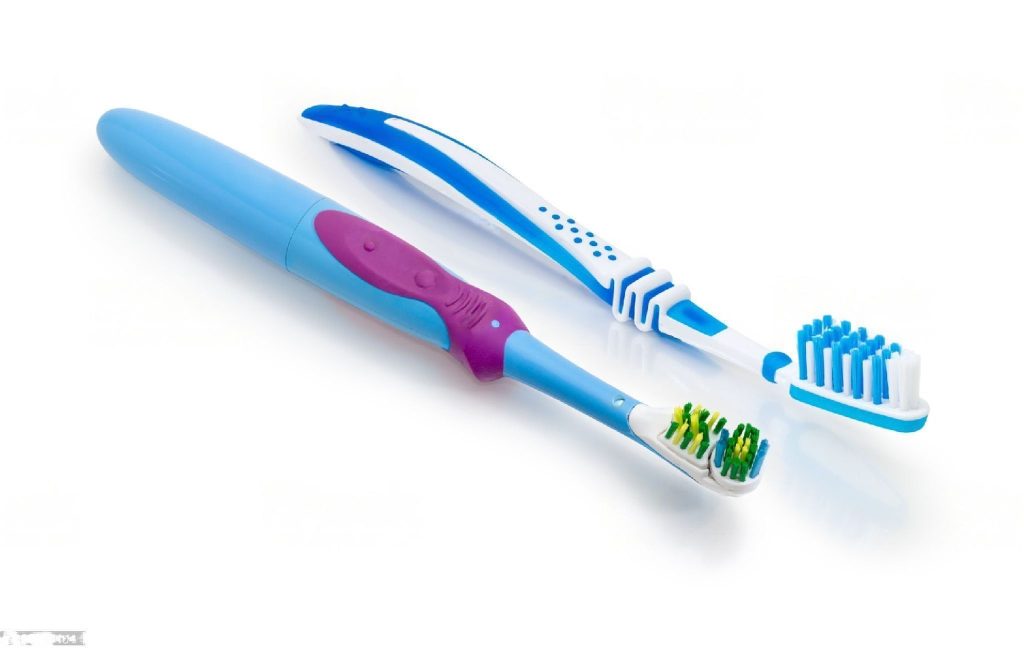
It’s time to choose a new toothbrush. Which type will you purchase – electric or traditional? Your cosmetic dentist at Ocotillo Trails Family Dentistry in Queen Creek has patients who use both successfully. Consider the following benefits of both electric and traditional toothbrushes to determine which type might be right for you. Benefits of Electric Toothbrushes Your cosmetic dentist at Ocotillo Trails Family Dentistry in Queen Creek often recommends electric toothbrushes for children, those with motor disabilities, and the elderly. This is because children find them fun and may be more likely to brush with them, while those who have trouble brushing, especially those with arthritis, can benefit from how easy they are to use. Electric toothbrushes also commonly offer many helpful features, including a smaller head that better reaches tight spaces near the back of the mouth. Plus, some research has indicated that electric toothbrushes may be more effective in removing plaque. You may like: Anesthesia Benefits of Traditional Toothbrushes Traditional toothbrushes aren’t without their merits, however. Traditional toothbrushes are less expensive, more readily available and easier to travel with. They require no batteries or charging, and many people find them more comfortable to grip since they aren’t as bulky. Traditional toothbrushes also better allow you to adjust the pressure with which you brush your teeth since you brush manually. Overall, the toothbrush that is right for you will be the one you are most comfortable with and most likely to use. No extra toothbrush features provide any additional benefit when the toothbrush is left in the drawer. How and how often you brush your teeth is far more important than what style of toothbrush you prefer. In other words – it’s up to you! If you have any questions or concerns about which type of toothbrush is best for you, speak to your Queen Creek cosmetic dentist. Here at Ocotillo Trails Family Dentistry, we’re committed to your oral health, and we’d love to help you in any way we can. Give us a call today! You may like: Dental Staff
Boost Your Smile with Dental Veneers
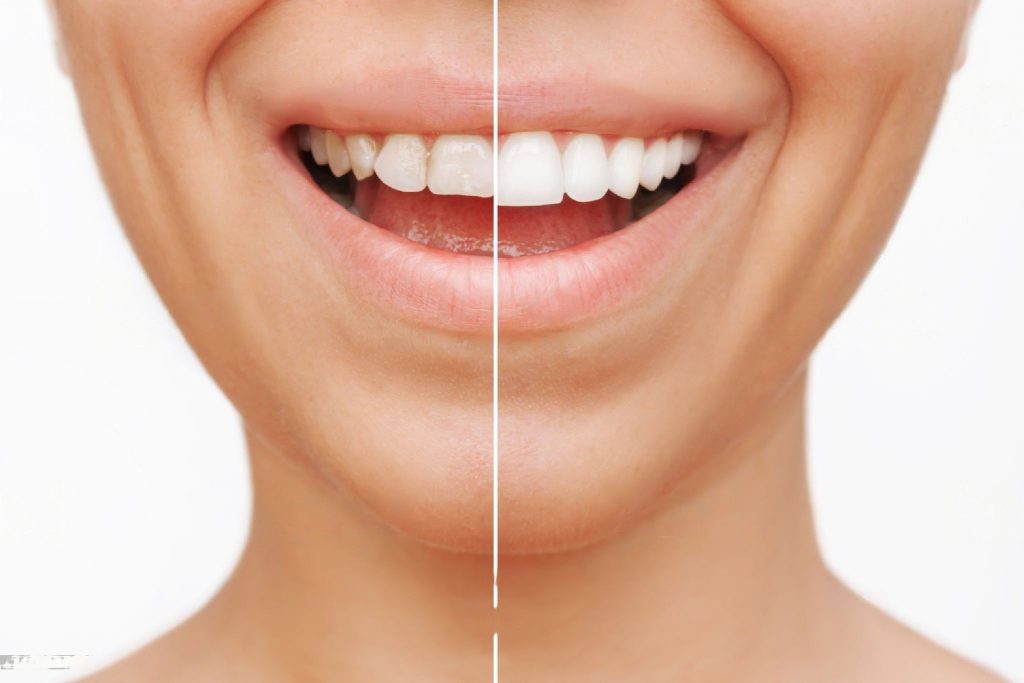
When you love your smile, you’ll find it easier to smile more often and feel confident in social situations. Of course, if you are embarrassed by your smile, everything from giving a presentation in front of colleagues to smiling for a group photo can leave you feeling slightly uneasy. Fortunately, our Queen Creek, AZ, cosmetic dentist, Dr. Matthew Roper, can improve your smile with the help of dental veneers! What are dental veneers? Often made from porcelain, veneers are thin shells that are custom-made to cover the front surface of your teeth to improve the overall shape and look of your smile. This treatment is a simple way to give you a completely enhanced and rejuvenated smile without having to undergo extensive tooth preparation. What problems can dental veneers treat? Veneers are a very versatile cosmetic restoration that can hide a wide range of issues to enhance your appearance and help you feel more confident in your smile. From minor to more serious aesthetic problems, these simple restorations can mask it all. Here are some of the issues that veneers can treat: Stains and discolorations Cracked or chipped teeth Misshapen or uneven teeth Gaps between teeth Slightly crooked or misaligned teeth Veneers have the ability to alter the shape, size, or color of your teeth. They can even give you a straighter smile without needing to get braces. Even just getting veneers for one or two teeth that are in need of repair can significantly boost your smile. What goes into getting dental veneers? If you are ready to improve your smile through cosmetic dentistry, then the next step is to schedule a consultation with our Queen Creek, AZ, dentist to find out if your teeth are healthy enough for treatment. After determining that veneers are right for your situation, we will prep your teeth and take oral impressions which we will then send to a dental lab to create your veneers. Since each veneer is based on the size and shape of your teeth, it can take anywhere from 2-4 weeks for your veneers to be made. In the meantime, temporary veneers will be placed on your teeth. Once your final restorations have been created, you’ll come back in for a final fitting where we will bond the veneers to your teeth with a special resin that is hardened into place with a curing light. You may like: 3 Benefits of CEREC Technology Interested? Give us a call! Whether you have questions about getting dental veneers in Queen Creek, AZ, or you already want to sit down with us and find out if you are an ideal candidate, don’t hesitate to call Ocotillo Trails Family Dentistry at (480) 457-1977 to schedule a consultation. You may like: Santan Invisalign