








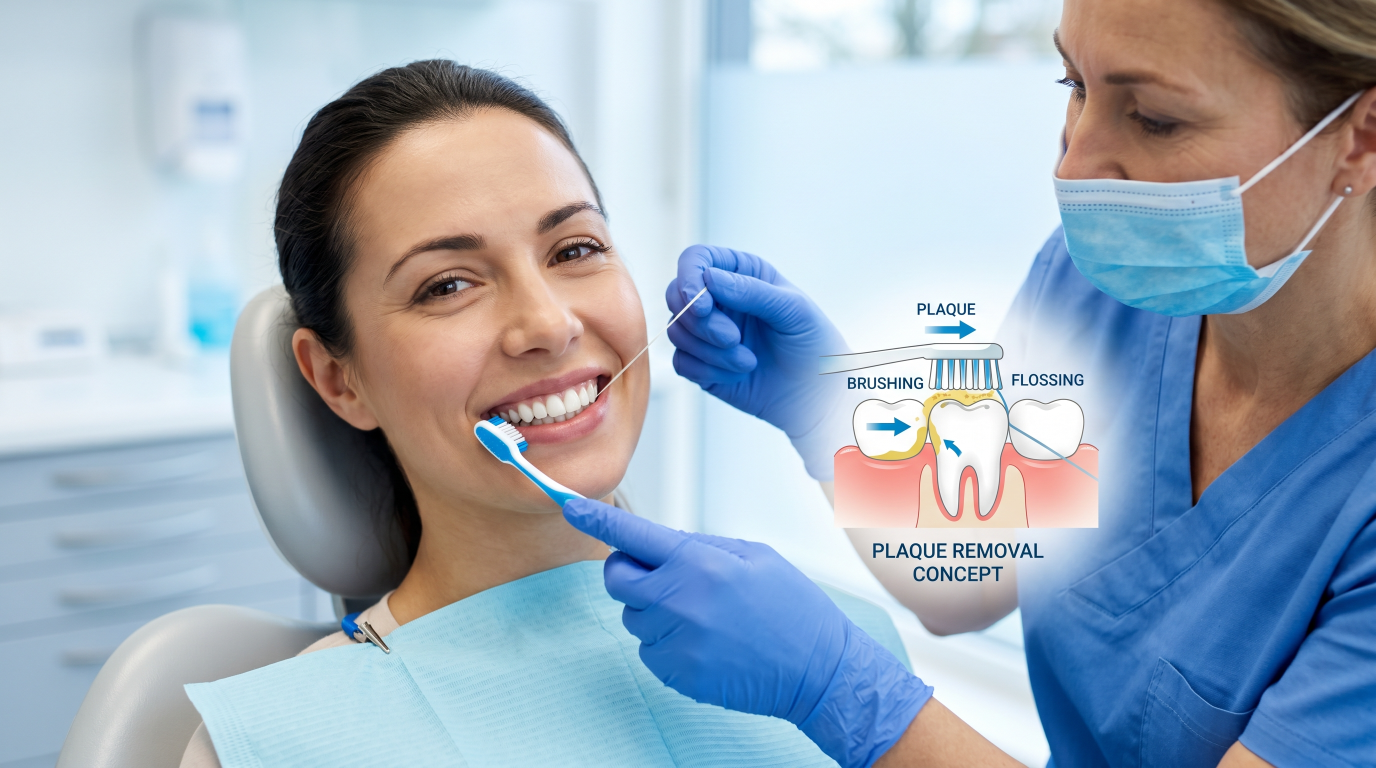
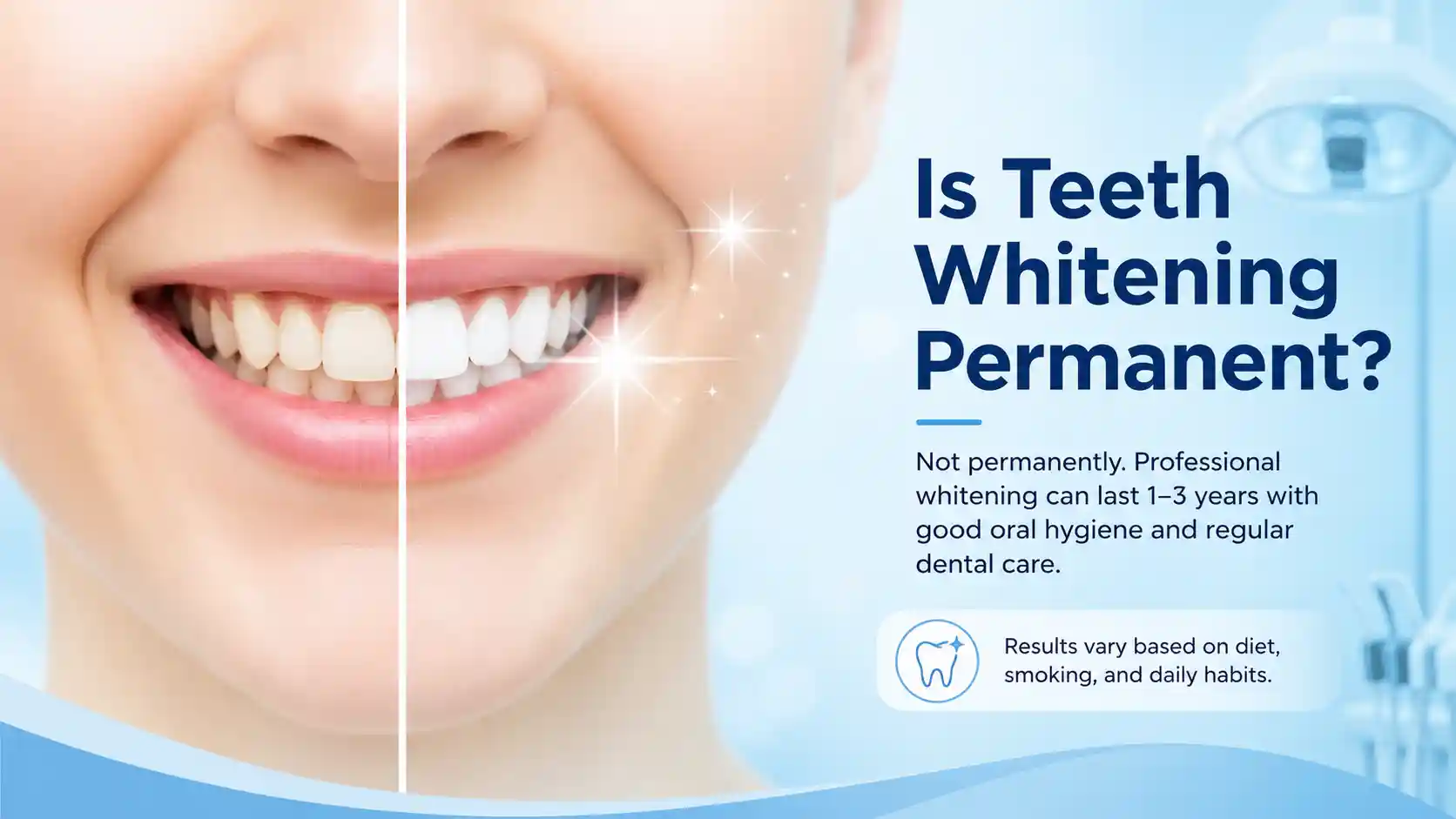
Professional teeth whitening can provide noticeable results that last from several months to a few years, depending on the treatment, your oral hygiene, and your daily habits. Brushing and flossing regularly, limiting stain-causing foods and drinks, and scheduling routine dental cleanings can help maintain your brighter smile.
When your teeth begin to lose their brightness, maintenance whitening can refresh your results. Contact our dental team today to discuss in-office or take-home whitening options and find the right treatment for your smile.
What is Teeth Whitening?
Teeth whitening is all about removing stains so your smile looks brighter and simple like that! There are two kinds of stains. The first are surface stains, think coffee, tea, or soda marks that sit right on your enamel. The second are deeper stains that come from inside your teeth, often caused by aging or certain medications.
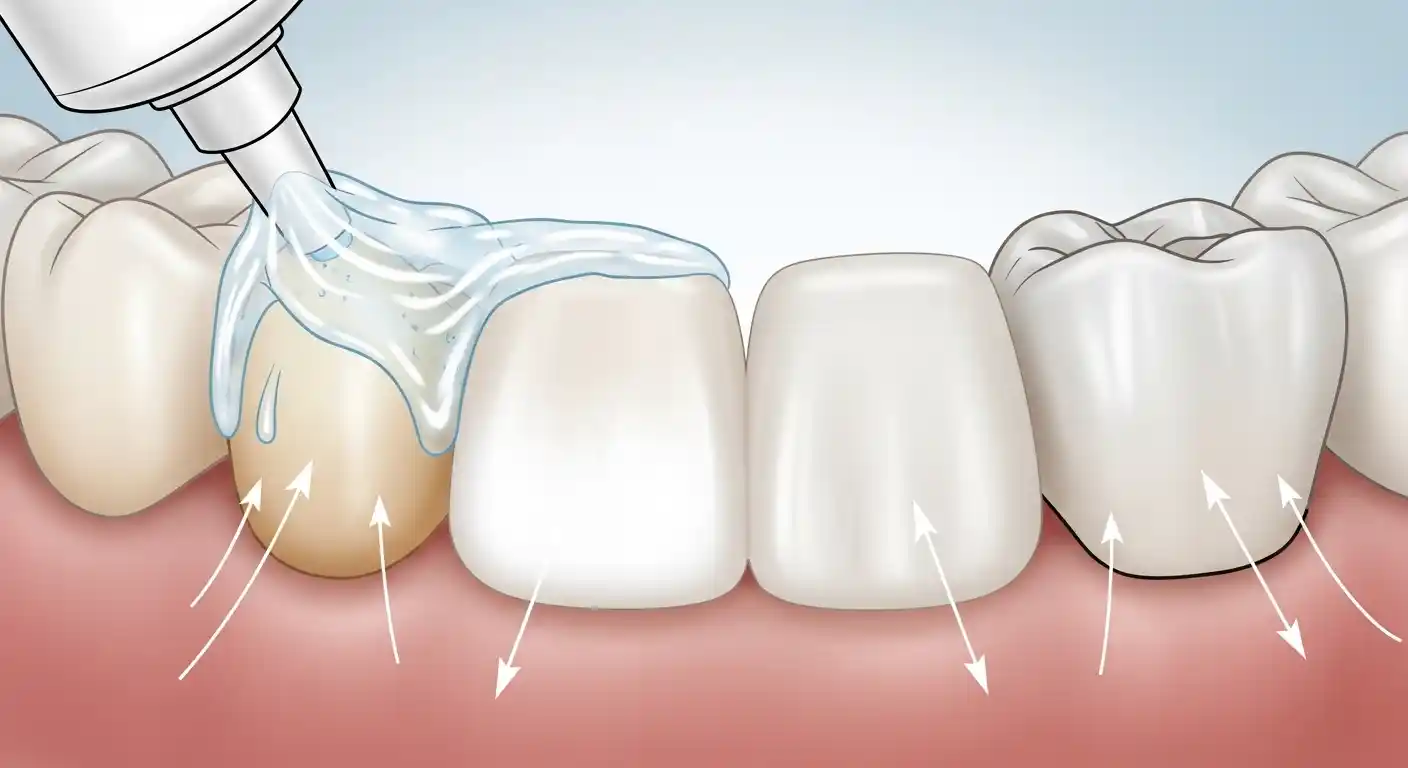
Whitening products use peroxide to break down those stain molecules. It seeps into your enamel and clears out the discoloration. Professional whitening has a stronger formula, which is why dentists can brighten your teeth in just one visit while store bought strips can take weeks to show results.
How Long Does Teeth Whitening Last?
Depending completely on what route you take, professional whitening at your dentist’s clinic usually gives you one to three years. But I’ve seen people lose their brightness in six months and others still look good after four years. The trick is to take good care of your teeth once the whitening is done.
Custom whitening trays made by your dentist usually last about a year. Store bought whitening strips may keep your teeth bright for three to six months, if used correctly. Whitening toothpaste doesn’t create outstanding results, it mainly helps you maintain the brightness you already have.
But here’s the important part: your daily habits have a much bigger impact than the product you use. If you drink coffee or tea often, your whitening results will fade faster. Smoking also causes stains that are hard to remove. By cutting back on these habits, you can make your smile stay brighter for longer.
You’ll need to do touch-ups from time to time. It’s just like coloring your hair. It looks great at first, but needs regular care to stay that way. Teeth whitening works the same way.
Am I a Good Candidate for Teeth Whitening?
Most people can safely whiten their teeth when they follow proper guidelines or use dentist-approved products. Not everyone though. You’re probably fine if your teeth and gums are healthy and your stains are yellow or light brown. Don’t expect instant, picture-perfect results, whitening takes time and consistency.
Avoid whitening your teeth if you have major cavities, gum issues, or very thin enamel. If you have crowns or fillings on your front teeth, remember they won’t change color, which can make your smile look rough. Teeth whitening also isn’t for kids under 16, since their teeth and nerves are still developing.
Another important point: whitening only works on natural teeth. Dental work like fillings, crowns, and veneers will stay the same shade, so they might look darker next to newly whitened teeth. It’s best to have your dentist check your mouth first. They can spot any problems and make sure whitening is safe and effective for you.
Are There Any Risks to Teeth Whitening?
Teeth whitening is generally safe when used as directed, but it does come with a few possible side effects. The most common one is tooth sensitivity. About half of people who whiten experience a sharp, sudden pain when eating or drinking something cold. The good news is that this sensitivity usually fades within a few days after you stop the treatment.
Another concern is gum irritation. If the whitening gel touches your gums, it can cause redness or even mild burns, especially with over-the-counter kits that aren’t applied carefully. Overusing whitening products can also damage your enamel, making your teeth weaker over time.
Whitening too often doesn’t make your teeth whiter. It can actually do more harm than good. Most side effects are temporary and go away on their own. However, if you still feel pain or irritation after a week, it’s best to contact your dentist. They can check for underlying issues and guide you on how to whiten your teeth safely.
Types of Teeth Whitening Methods
There’s a bunch of options out there. Here’s what’s actually worth considering.
Professional In Clinic Whitening
Your dentist uses seriously concentrated peroxide gel – we’re talking 25% to 40%. It takes about an hour to 90 minutes. You walk out with teeth that are 3 to 8 shades lighter, like immediately. Expect to pay a few hundred dollars, depending on your location and the dentist you visit.
Custom Take-Home Trays
Dentist makes trays that fit your mouth exactly. You load them up with professional gel (10% to 20% peroxide) and wear them anywhere from 30 minutes to a few hours each day. It takes two to four weeks to see full results.
Over-the-Counter Strips
Those plastic strips with gel on them. Usually around 5% to 10% peroxide. Stick them on for 30 minutes once or twice a day for two weeks. They work, just not as dramatically as the professional stuff. It’s fairly affordable, depending on the brand and product you choose. The big problem is they don’t get between your teeth very well.
Whitening Toothpaste
Has some mild scrubbing stuff and a bit of peroxide in it. Only tackles surface stains. Maybe get one shade lighter if you’re lucky. It’s a budget-friendly option, with prices varying slightly by brand. Good for keeping up results between bigger treatments though.
Whitening Gel Pens
You paint gel right onto your teeth. Super convenient but honestly pretty weak. Fine for quick touch-ups The cost falls within an affordable range.
LED Light Kits
Gel trays plus some LED light gadgets. Companies swear the light makes it work faster. The research doesn’t really back that up though. Most dentists will tell you the light is basically pointless. Whitening kits are moderately priced and offer good value compared to in-clinic treatments.
What Happens During Teeth Whitening
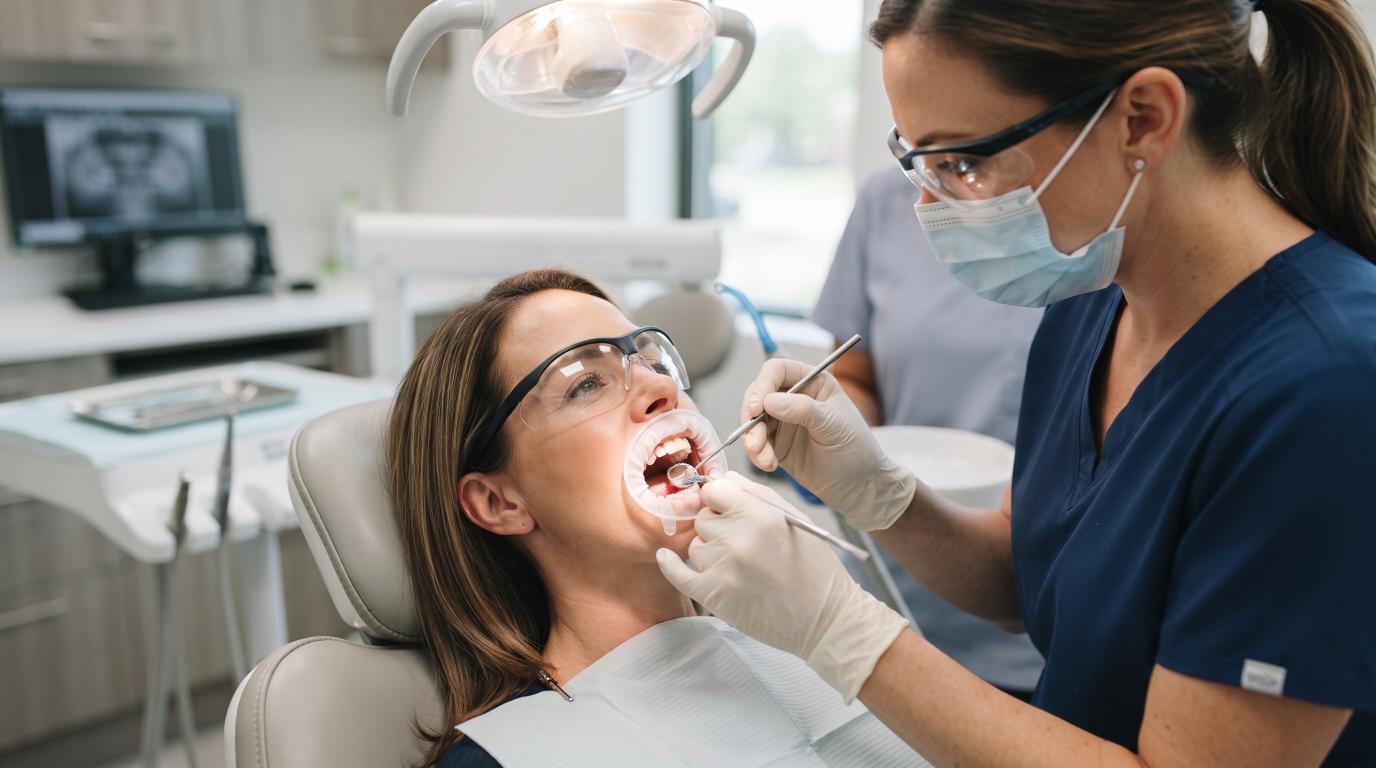
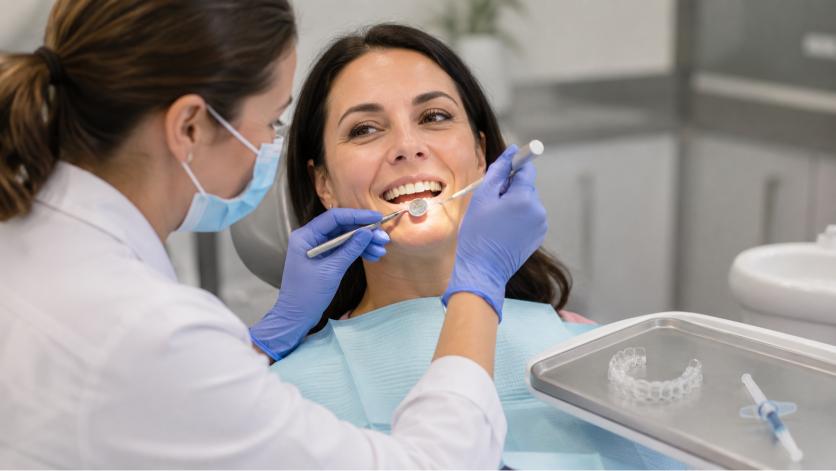
Professional whitening starts with your dentist checking your current shade and giving your teeth a good cleaning. They’ll put some rubber shield or protective gel on your gums so the bleaching stuff doesn’t burn them. Then they brush the whitening gel onto your teeth. This stuff is way stronger than anything you can buy at the store.
Some dentists use a special light during the whitening process, but it’s still unclear if it really makes a difference. Gel sits there for 15 to 20 minutes. They might put it on two or three more times in the same visit. The whole thing takes 60 to 90 minutes. You see the difference right when you look in the mirror afterward.
Take-home trays are a different process. The first appointment is just making impressions of your teeth. Then you get your trays and gel to use at home however your dentist tells you.
What is the Most Permanent Teeth Whitening Procedure?
Nothing lasts forever. But some treatments definitely outlast others. Professional in-clinic whitening gives you the longest run – one to three years on average. The high peroxide concentration creates a deeper color change that doesn’t fade as fast.
Veneers aren’t really whitening though. They’re thin porcelain shells that cover your teeth. Last 10 to 15 years and resist stains incredibly well. But getting them means your dentist has to shave down some of your natural enamel first, and you can’t reverse that. It’s definitely on the expensive side, especially if you’re treating multiple teeth.
There’s also internal bleaching for individual teeth that got dark from trauma or root canals. The dentist puts bleaching stuff inside the actual tooth. Can last several years but only works in pretty specific cases.
If you want the longest-lasting practical approach. Get professional whitening, then maintain it properly. Use whitening toothpaste every day. Stay away from staining stuff when you can. Do touch-ups every 6 to 12 months with take-home trays. That keeps your teeth bright without paying for expensive dental treatments every year.
Can I Whiten My Own Teeth at Home?
Sure, absolutely. Just know what you’re getting into. Drugstore products work but they’re slower and way less dramatic. Decent whitening strips will lighten your teeth a few shades for much cheaper than professional treatment.
You’ll see DIY tricks online – baking soda, activated charcoal, lemon juice, all that. Most dentists will tell you to avoid those. They can wreck your enamel pretty badly.
The best home option is custom trays from your dentist. You get professional-strength gel and trays that fit perfectly. Results are almost as good as in-office treatment if you actually stick with the program.
Maintaining Your Whitening Results
Professional whitening lasts 1 to 3 years with decent care. Some things help stretch it out. Others kill it fast.
What Extends Results
Reduce your intake of stain-causing beverages and avoid smoking to maintain your whitening results.. Use whitening toothpaste. Drink through straws when possible. Rinse your mouth after coffee or wine. Get regular dental cleanings. Touch up every 6 to 12 months.
What Kills Results Fast
Coffee, tea, red wine, dark sodas, berries, tomato sauce, curry, and smoking or chewing tobacco are the biggest stain-causing offenders. Not brushing properly. Getting older (enamel just yellows naturally as you age).
Genetics matters too. Some people’s teeth naturally fight off staining. Others watch their teeth yellow no matter how careful they are. The type of stain makes a difference too. Yellow stains respond great to whitening and stay gone longer. Brown or gray stains are tougher to get rid of and creep back faster.
Be realistic here. Your teeth won’t stay blindingly white forever without effort. Whitening’s an ongoing thing, not something you do once and forget about.
Does Permanent Teeth Whitening Exist?
No, it doesn’t exist, your teeth face staining constantly. Food, drinks, aging everything’s working against you. Even if you brush perfectly, you can’t stop it completely. Veneers come closest to permanent whiteness. They fight off stains and last a decade or more. But they’re not whitening – they’re replacements.
Teeth whitening isn’t a one-time fix, and full replacements can be expensive and complex. The best way to keep your teeth white for the long term is through consistent maintenance. A professional whitening treatment followed by regular touch-ups can help your smile stay bright for years.
Think of it like caring for your car: you wouldn’t wash it once and expect it to stay clean forever. The same goes for your teeth. Regular care and smart habits make all the difference. Choose the longest-lasting whitening option that fits your budget, and build daily habits that protect your results. That’s the real secret to keeping your smile bright without spending a fortune.
Achieve a Brighter Smile with Professional Guidance
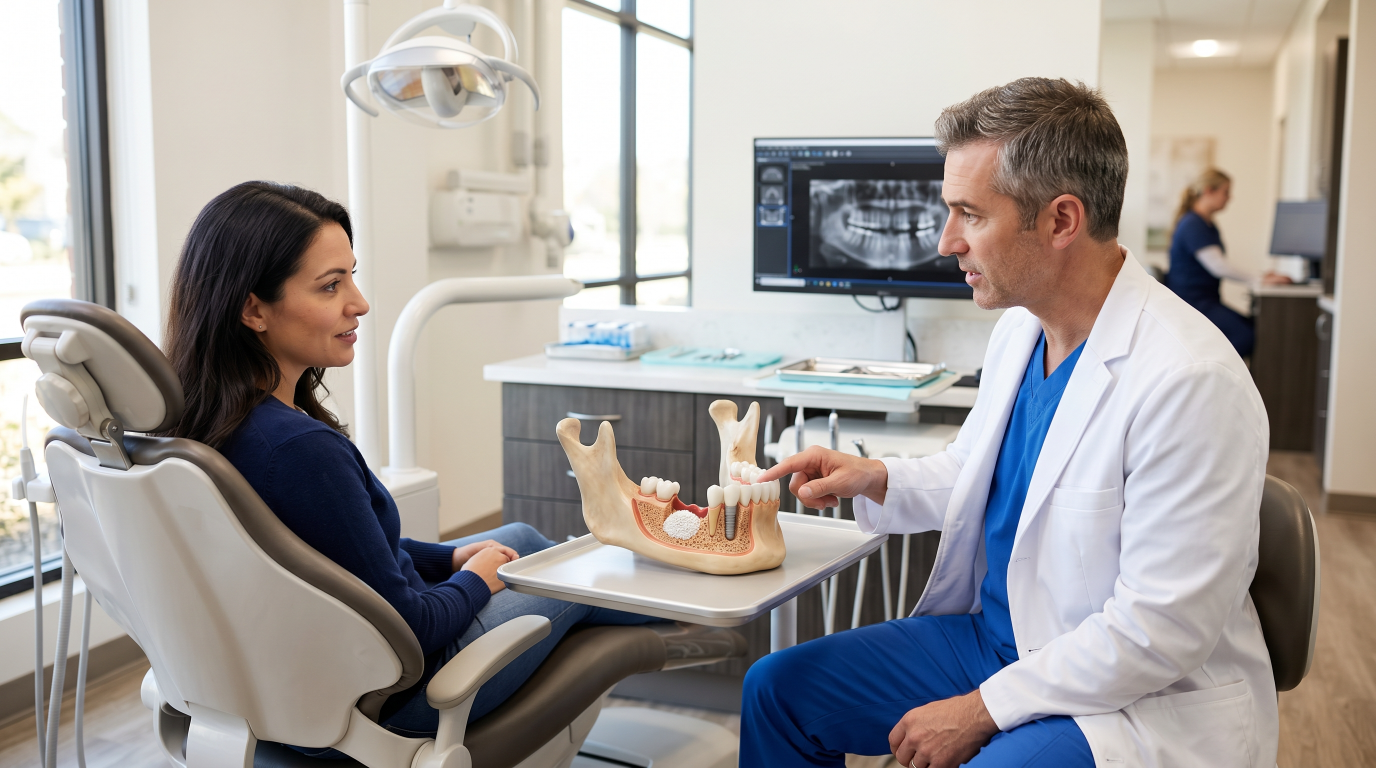
While at-home whitening products can help maintain your results, professional dental care ensures safe, effective, and long-lasting teeth whitening. A dentist can recommend the best treatment for your teeth and provide tips to keep your smile bright.
Schedule your appointment with a trusted dental clinic today and get expert advice for achieving a healthier, whiter smile that lasts.
Frequently Asked Questions
Is teeth whitening safe for enamel?
When you use it correctly, yeah. But overuse weakens enamel. Follow the recommended schedule and don’t go nuts with it.
How much does professional teeth whitening cost?
In-clinic treatments can be quite pricey, while custom take-home trays cost a bit less. Drugstore products are the most affordable, but they don’t work nearly as well.
Can teeth whitening damage existing fillings or crowns?
Teeth whitening doesn’t harm fillings or crowns, but it also doesn’t change their color. This can make your natural teeth look whiter than your dental work, creating an uneven shade.
Why do my teeth hurt after whitening?
Peroxide gets into your enamel and bugs the nerves temporarily. It usually goes away in a few days. Sensitivity toothpaste helps manage the pain.
Will my teeth stay white if I quit coffee?
Cutting out coffee and staining drinks helps a ton. But aging yellows naturally over time. You’ll still need periodic touch-ups to keep them bright.