










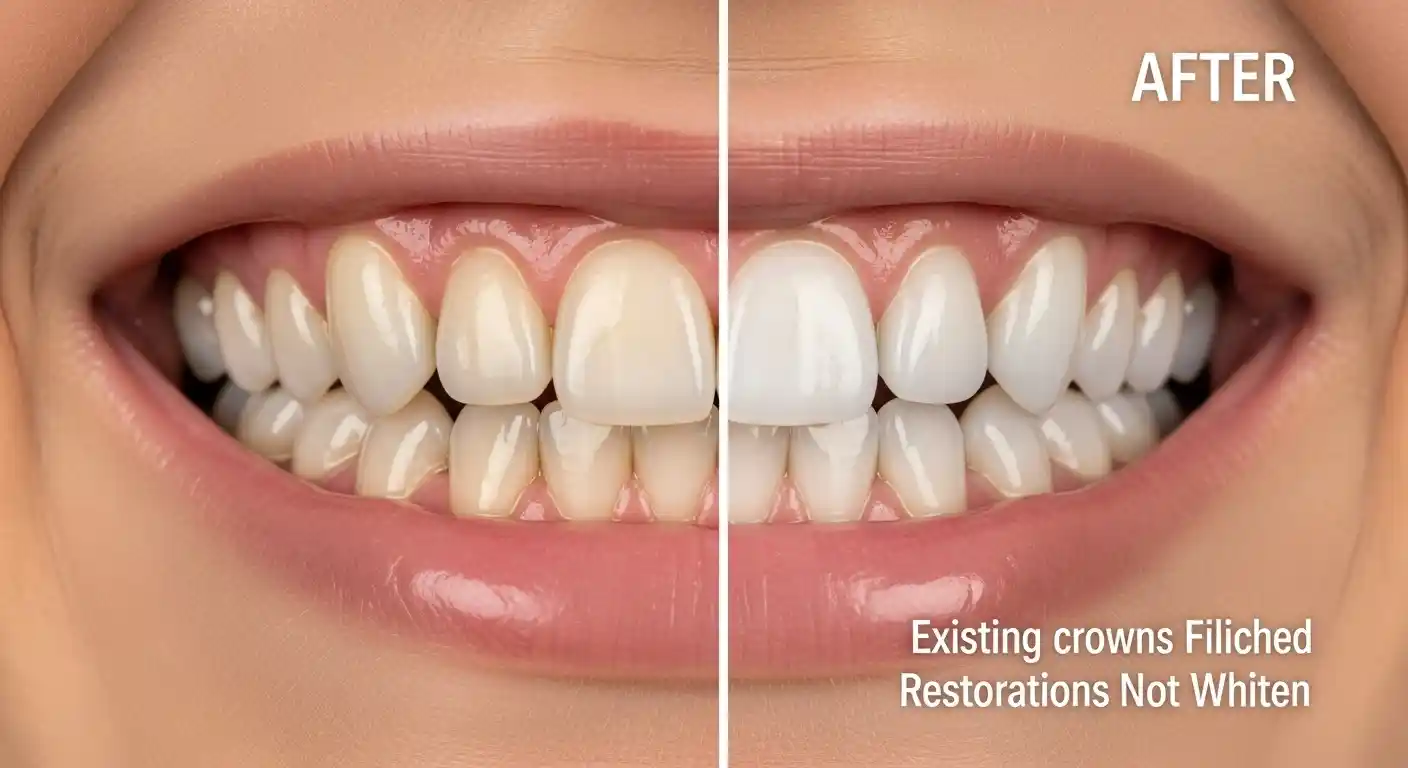
Yes, people with crowns or fillings can get teeth whitening but there’s an important limitation. Whitening treatments only work on natural tooth enamel, which means crowns, fillings, veneers, and other dental restorations will not change color.
The good news is that you still have effective options to achieve a bright, uniform look, especially here in San Tan Valley, AZ. Dentists often recommend whitening your natural teeth first and then replacing or adjusting visible crowns or fillings to match the new shade.
How Teeth Whitening Works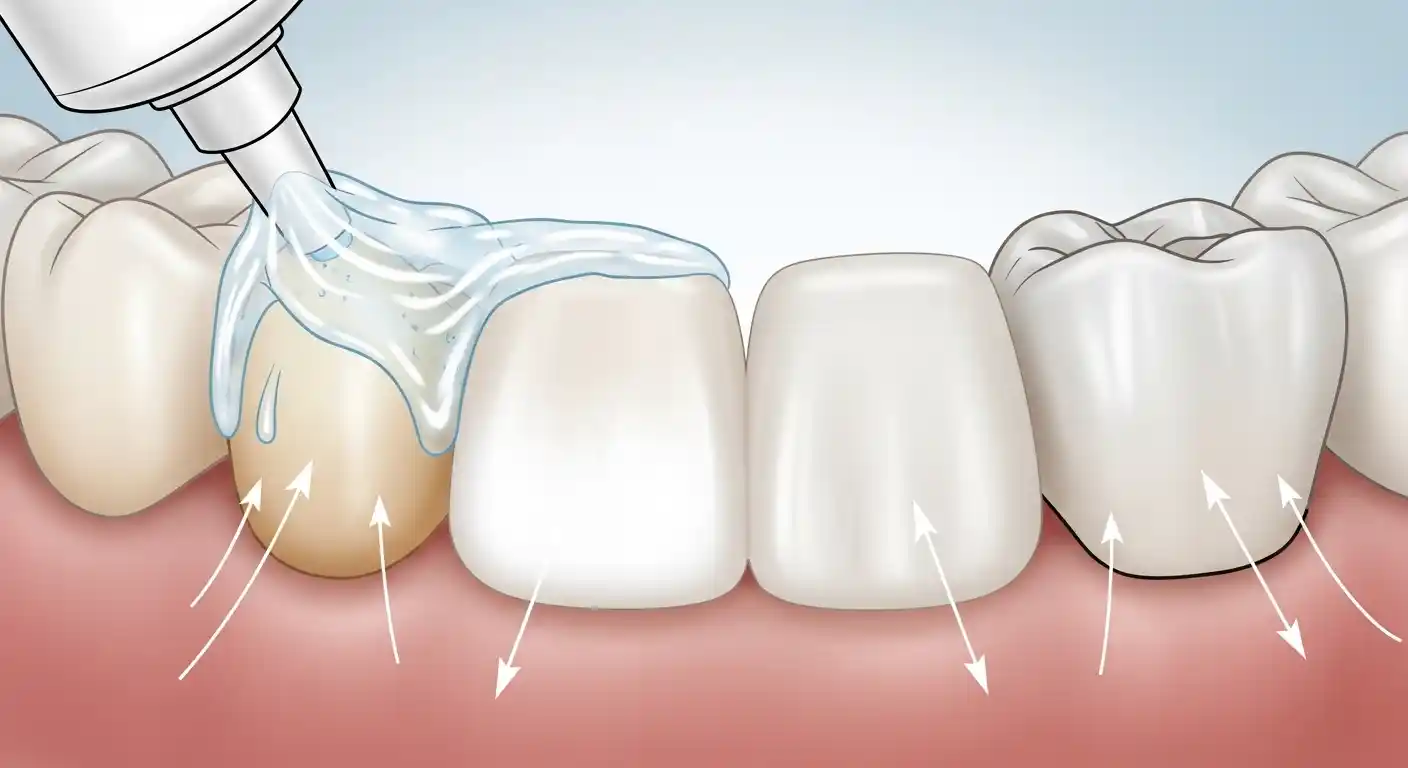
Teeth whitening is a popular cosmetic dental treatment designed to remove stains and discoloration, helping restore a brighter, more youthful smile. It works through a chemical process that targets deep and surface stains without damaging the natural structure of the teeth.
How Whitening Affects Natural Teeth
Most whitening treatments whether professional or at-home use hydrogen peroxide or carbamide peroxide as their active ingredient. These compounds penetrate the enamel and break up the molecular bonds in stain particles, which makes the tooth appear lighter. The process is entirely chemical, relying on the porous, organic nature of natural enamel to absorb and react with the bleaching agent.
Professional in-office whitening typically uses concentrations of 15–40% hydrogen peroxide, often activated with a special light or laser to speed up the process. Results can be dramatic, sometimes four to eight shades lighter in a single session.
Why Crowns and Fillings Don’t Whiten
Crowns and fillings are made from synthetic materials porcelain, ceramic, composite resin, or metal alloys. These materials are manufactured to a specific color and are non-porous by design.
Because the bleaching agent can’t penetrate their surfaces, it simply has no chemical pathway to change their color. You can apply whitening gel to a porcelain crown all day and the shade won’t budge even slightly. This is a fundamental characteristic of the materials, not a flaw in the whitening product.
Types of Dental Restorations and How They React to Whitening
Different types of dental restorations respond differently to whitening treatments, but none of them actually whiten like natural teeth. Understanding how each material behaves can help you set realistic expectations before starting treatment.
Porcelain crowns are highly color-stable and resistant to staining. Their smooth, glazed surface helps maintain their original shade over time, which is a major advantage. However, this also means they do not respond to whitening agents at all.
Composite fillings are slightly more prone to staining over time, especially from coffee, tea, or tobacco. While whitening treatments may help remove some surface discoloration, they do not change the internal color of the material. As a result, older or stained fillings may appear darker after your natural teeth are whitened.
Metal (amalgam) fillings are completely unaffected by whitening treatments. Since they are typically placed in back teeth, they usually do not impact the overall appearance of your smile after whitening.
Veneers behave similarly to porcelain crowns. They are designed to be stain-resistant and maintain a consistent color, which means they will not whiten. If veneers appear discolored, it is usually an indication that they may need replacement rather than whitening.
Will Teeth Whitening Damage Crowns or Fillings?
This is a common concern, and the reassuring answer is no teeth whitening does not structurally damage crowns or fillings. Whitening agents are designed to target stains in natural enamel and do not break down or harm materials like porcelain, ceramic, or metal. Your restorations will remain intact throughout the process.
However, some patients may experience temporary tooth sensitivity during or after whitening, especially if they have multiple fillings or exposed margins around crowns. This is usually mild and short-lived, often resolving within a day or two. If you already have sensitive teeth, your dentist can adjust the treatment or recommend desensitizing products to keep you comfortable.
The Biggest Drawback: Uneven Tooth Color
This is the main concern to be aware of: when your natural teeth whiten but your restorations remain the same color, the contrast can become more noticeable than the original staining. This can create an uneven smile, especially if the restorations are in visible areas.
For example, a front-facing porcelain crown that was matched to your original tooth shade may appear darker or mismatched after whitening, as the surrounding natural teeth become lighter. The same issue can occur with composite fillings, which may have blended in before but now stand out more clearly.
Who Is a Good Candidate for Teeth Whitening With Dental Work?
Not everyone with dental restorations faces the same level of risk. Your candidacy depends largely on where your restorations are located and how many you have.
Better candidates include people whose crowns or fillings are on back teeth (premolars, molars) that aren’t prominently visible when smiling. In these cases, whitening the front natural teeth produces great results without any noticeable mismatch.
People who need more planning include those with crowns or large composite fillings on front teeth, especially the upper incisors and canines that dominate the smile line. These cases still have solutions, but they require a coordinated treatment plan.
Healthy enamel is also a prerequisite. Whitening on teeth with significant enamel erosion, active decay, or gum disease can cause pain and complications. A thorough dental exam before whitening is essential, not optional.
What Are Your Options for a Whiter, Even Smile?
Achieving a bright, uniform smile often requires a combination of approaches, especially if you have existing crowns or fillings. A customized treatment plan can help ensure your natural teeth and restorations blend seamlessly for the best aesthetic result.
Whiten Natural Teeth First
The most common and practical approach is to whiten your natural teeth first, then reassess. This gives you a clear picture of your new, lighter baseline shade which becomes the target when it’s time to match or replace restorations.
Replace Crowns or Fillings After Whitening
Once your natural teeth have stabilized at their new shade (typically one to two weeks after treatment), your dentist can replace existing restorations with new ones matched to the lighter color. This is especially effective for front-facing composite fillings and older crowns that are due for replacement anyway.
Professional Cleaning and Polishing
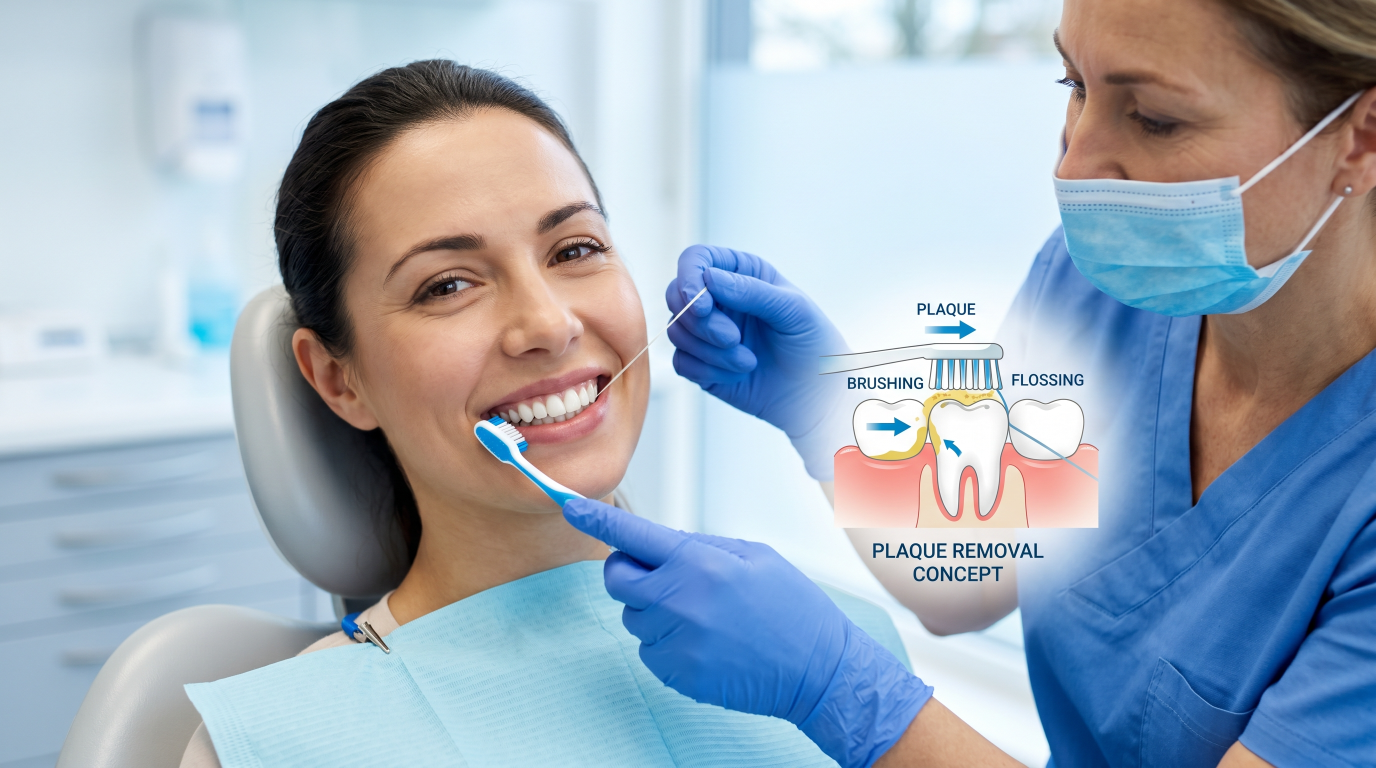
Before any whitening treatment, a professional cleaning removes surface stains and tartar buildup, giving whitening agents better access to enamel and improving overall results. Polishing can also refresh the appearance of composite restorations slightly, though it won’t change their base color.
Combination Treatment Plan
For patients with significant restorations in visible areas, the smartest approach is a coordinated plan: professional whitening followed by cosmetic replacement of restorations that no longer match. This two-phase strategy produces the most uniform, natural-looking results and is often what cosmetic dentists recommend for full smile makeovers.
Step-by-Step Treatment Plan Your Dentist May Recommend
- Oral exam and shade assessment Your dentist evaluates the health of your teeth and maps the location, size, and condition of all restorations. Current tooth shade is recorded against a shade guide.
- Whitening treatment Professional in-office whitening or custom take-home trays are used on your natural teeth.
- Waiting period (1–2 weeks) Tooth color continues to stabilize after whitening. This step is important before matching restorations to a new shade.
- Replace or adjust restorations Any fillings or crowns in visible areas that now appear mismatched are replaced to match the new, lighter shade.
- Final polishing A finishing polish ensures everything blends seamlessly for a cohesive, bright smile.
This structured approach prevents the common mistake of ordering new restorations before whitening is complete which would simply result in mismatched shades in reverse.
When Is the Best Time to Get Teeth Whitening?
Before getting new restorations is almost always the ideal time to whiten. If you know you need a new crown or filling in a visible area, whiten first. That way, the new restoration can be made to match your brighter, post-whitening shade right from the start no second replacement needed.
Before major events weddings, graduations, reunions is another popular window. Plan for the full treatment cycle, including any restoration replacement, at least four to six weeks in advance to ensure your smile is settled and polished in time.
Avoid whitening right after getting new restorations. The new work is matched to your current shade; whitening immediately afterward will make them look darker by comparison.
Can You Whiten Teeth Around Fillings or Crowns?
Yes, whitening gel doesn’t need to avoid your restorations. The gel can be applied across all your teeth at once. The restorations simply won’t respond. In best-case scenarios, where restorations are few, small, or in non-visible positions, the overall whitening effect on natural teeth is excellent and any mismatch is minimal or unnoticeable.
Professional vs. At-Home Whitening: What Works Better?
Both professional and at-home whitening options can improve your smile, but the right choice depends on your goals, the severity of staining, and whether you have existing dental restorations. Understanding the differences helps you choose the most effective and safe approach for your situation.
Professional Whitening
In-office treatments deliver the fastest and most dramatic results. Higher-concentration peroxide gels, controlled application, and sometimes LED or laser activation allow you to see a noticeable improvement in just one appointment. Professional take-home kits with custom-fitted trays also offer strong, effective results with added convenience.
At-Home Kits
Over-the-counter whitening kits use lower concentrations of peroxide, which means results are more gradual. They can help improve mild to moderate staining on natural teeth, but require consistent use over several weeks to see visible changes.
Whitening Toothpaste and Strips
These products offer the most limited whitening effects. Whitening toothpastes mainly remove surface stains through mild abrasives, while strips can provide modest improvements using low-strength peroxide. However, they cannot deliver the same level of results as professional treatments and are less effective for significant discoloration or complex cases involving restorations.
Common Mistakes to Avoid
Whitening after getting new crowns or fillings. Your restorations were just matched to your current shade. Whitening now shifts your natural teeth lighter while the restorations stay put. Sequence matters.
Expecting restorations to change color. No whitening product professional or otherwise will alter the color of porcelain, ceramic, or composite restorations. Expecting otherwise leads to frustration.
Overusing whitening products. More isn’t better. Excessive use of whitening treatments can cause enamel sensitivity, gum irritation, and doesn’t improve results beyond a certain point.
Skipping the dentist consultation. This is the most consequential mistake. A dentist can map your restorations, identify potential problems, and sequence your treatment correctly. Going it alone with over-the-counter kits when you have visible dental work is a gamble that often backfires cosmetically.
How to Maintain Your Results After Whitening
Maintaining your whitening results is just as important as the treatment itself, especially if you want to keep your smile bright and consistent over time. With the right habits, you can prolong your results and reduce the need for frequent touch-ups.
Daily Oral Care
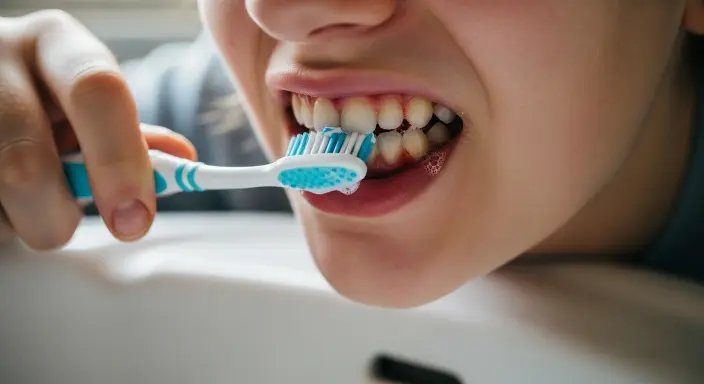
Brush twice daily with a fluoride toothpaste, floss regularly, and use a whitening or fluoride mouthwash. Good oral hygiene helps prevent new stains from building up on your natural teeth and keeps your smile looking fresh.
Avoid Staining Habits
Coffee, tea, red wine, and tobacco are the main causes of tooth discoloration. If you can’t avoid them completely, try using a straw for beverages and rinse your mouth with water afterward to minimize staining.
Touch-Up Treatments
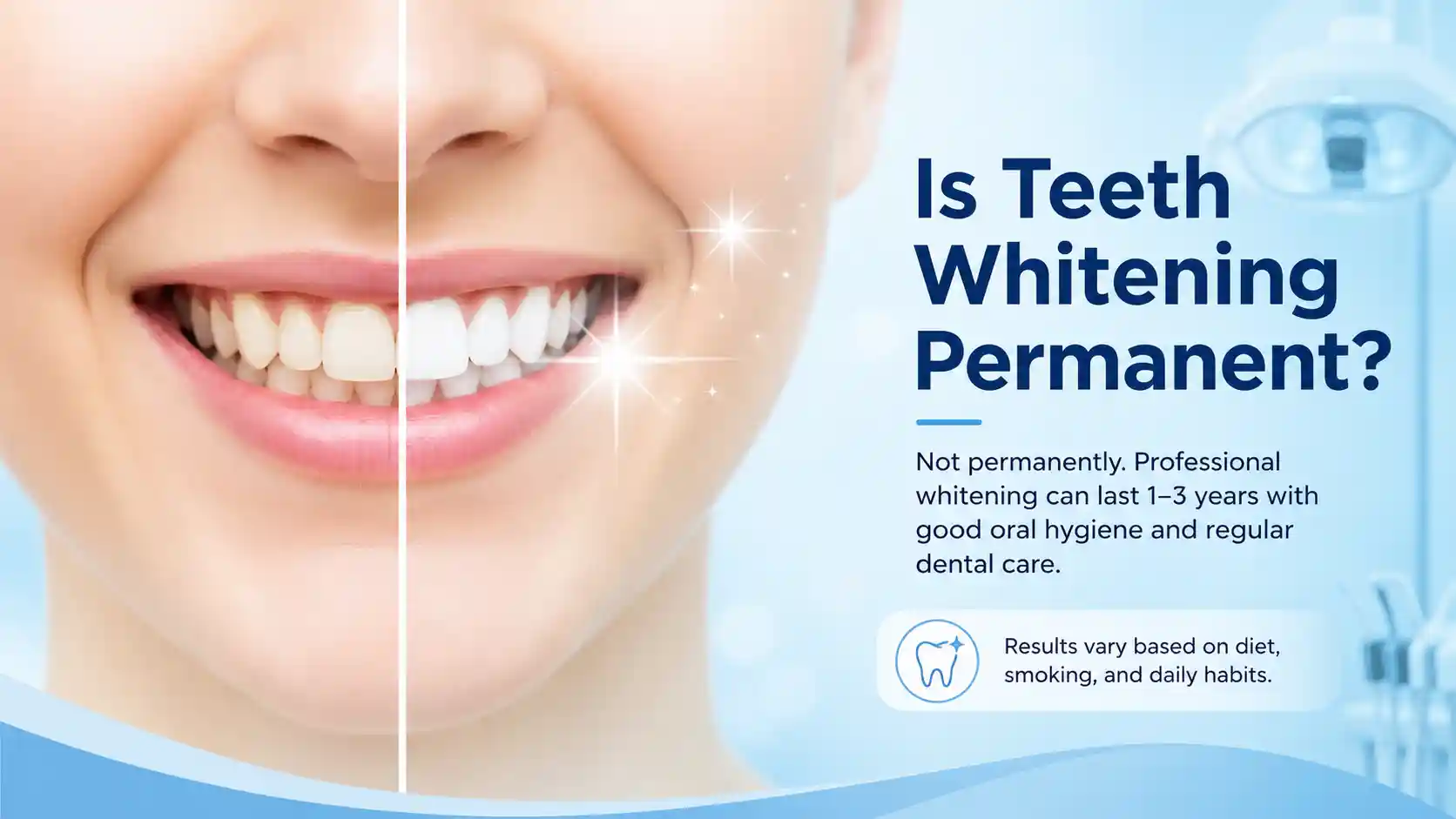
Whitening results typically last anywhere from six months to two years, depending on your diet and habits. Occasional touch-up treatments using custom trays and professional-grade gel can help maintain your results without needing a full whitening session each time.
When Whitening Isn’t Enough: Alternative Cosmetic Options
Sometimes whitening alone, even combined with restoration replacement, isn’t the right solution. For patients with multiple discolored, worn, or misshapen teeth, broader cosmetic dentistry options may provide better outcomes:
Porcelain veneers cover the front surface of teeth and can create a uniform, dramatically brighter smile across multiple teeth simultaneously.
New crowns with updated, whiter shades are a natural fit if existing crowns are old, worn, or structurally due for replacement.
Dental bonding uses tooth-colored composite resin to correct shape, fill gaps, or cover discoloration, a more affordable option than veneers for isolated problem areas.
Full smile makeovers combine whitening, veneers, bonding, and other treatments into a comprehensive cosmetic plan designed for maximum transformation.
Ready for a Brighter, More Even Smile in San Tan Valley, AZ?
If you’re in San Tan Valley, AZ and want a brighter, more even smile even with crowns or fillings our team can help you achieve natural-looking results with a personalized whitening plan. At San Tan Valley’s trusted dental office, we carefully evaluate your smile, whiten your natural teeth, and ensure any restorations blend seamlessly for a balanced appearance. Schedule your consultation today to take the first step toward a healthier, more confident smile with results tailored just for you.
Conclusion
Teeth whitening can be a great way to achieve a brighter, more confident smile, but it’s important to understand how it works if you have crowns or fillings. While whitening treatments can effectively lighten your natural teeth, they will not change the color of dental restorations. This can sometimes lead to uneven results if not properly planned.
The best approach is to work with your dentist to create a treatment plan that first whitens your natural teeth and then adjusts or replaces any visible crowns or fillings to match your new shade. With the right timing and professional guidance, you can achieve a balanced, natural-looking smile that looks clean, uniform, and healthy.
Frequently Asked Questions
Can crowns or fillings be whitened?
No, crowns and fillings do not respond to whitening treatments because they are made from materials that do not absorb bleaching agents. Only natural teeth can be whitened.
Will teeth whitening make my fillings look darker?
Yes, it can. Since your natural teeth become lighter, older fillings may appear darker or more noticeable in comparison.
How long should I wait before replacing fillings after whitening?
It’s best to wait about 1–2 weeks after whitening before replacing fillings or crowns. This allows your teeth to stabilize at their final shade for accurate color matching.
Can I whiten my teeth if I have multiple crowns?
Yes, but results depend on the number and location of your crowns. A dentist can help plan whitening so your natural teeth and restorations look as uniform as possible.
Is professional whitening better for people with dental work?
Yes, professional whitening is usually more effective because it provides controlled, even results and allows your dentist to plan treatment around your crowns or fillings for a better overall outcome.