







kashif

Latest Posts

  • All Post
  • affordable dentist
  • Affordable Dentistry
  • Braces
  • Cater to Cowards
  • CEREC
  • CEREC crowns
  • Cosmetic Dentistry
  • Crooked Teeth
  • Dental Bonding
  • Dental Bridges
  • Dental Crowns
  • Dental Emergency
  • Dental Implants
  • Dental Insurance
  • Dentist
  • Dentures
  • Emergency Dentist
  • Family Dentist
  • Fillings
  • General dentistry
  • Gilbert emergency dentist
  • Gum Disease
  • Invisalign
  • Lumineers
  • Mercury Free
  • Pediatric Dentistry
  • Porcelain Veneers
  • Root Canal
  • Root Canals
  • Sedation Dentistry
  • Sensitive Teeth
  • Snap-On Smile
  • Teeth Blaching
  • Teeth Bleacing
  • Teeth Whitening
  • TMJ
  • Tooth Infections
  • Veeners
  • White Fillings

Will Teeth Whitening Remove Stains?

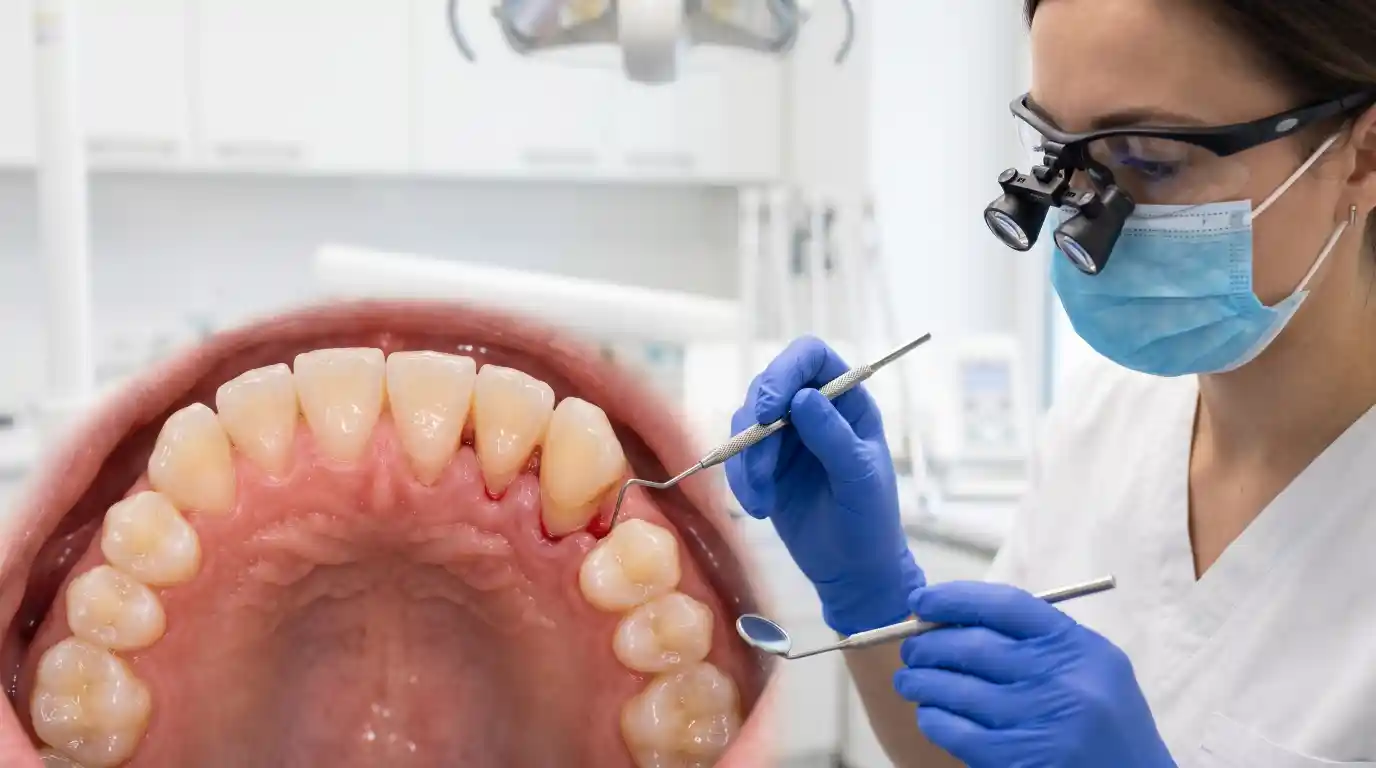
Yes, teeth whitening can remove many types of stains  but not all. Whitening treatments are highly effective at reducing surface-level discoloration caused by food, beverages, and lifestyle habits such as smoking. However, they have limitations when it comes to deeper, internal stains caused by factors like certain medications, dental trauma, or natural aging.

Before investing time and money in a whitening treatment, it’s important to understand what’s causing your tooth discoloration, how whitening products work, and what realistic results look like—especially if you’re considering treatment in San Tan Valley, AZ. This guide walks you through everything you need to know to decide whether teeth whitening is the right solution for your smile.

What Causes Teeth Stains?

Teeth stains develop from a surprisingly wide range of sources. Dietary habits are among the most common culprits: coffee, tea, red wine, and dark berries all contain compounds called chromogens and tannins that cling to tooth enamel and cause gradual yellowing or browning over time. Even foods that seem harmless, like tomato sauce or soy sauce, can contribute to surface discolouration with regular consumption.

Smoking and tobacco use are major contributors to some of the most stubborn staining dentists see. Nicotine and tar penetrate the porous surface of enamel and can cause yellowish-brown deposits that worsen significantly over the years.

Some stains have nothing to do with what you eat or drink. Certain antibiotics — particularly tetracycline, when taken during childhood while teeth are still developing — can cause greyish or brownish bands within the tooth structure itself. Excessive fluoride exposure during development can also cause a condition called fluorosis, which leaves white spots or brown patches on teeth. Dental trauma, such as a blow to a tooth, can cause internal bleeding or nerve damage that darkens a tooth from the inside out.

Finally, aging is a natural factor. As enamel gradually thins over decades of use, the yellowish dentine layer beneath becomes more visible, leading to a naturally duller, darker appearance that no amount of brushing can reverse on its own.

Types of Teeth Stains

Understanding the type of stain affecting your teeth is key to determining how effective whitening treatments will be.

Extrinsic Stains (Surface Stains)

Extrinsic stains form on the outer surface of the tooth enamel or within the thin protein film that coats it. Common culprits include coffee, tea, wine, pigmented foods, and tobacco. Because these stains sit at or near the enamel surface, they respond best to whitening treatments. Both professional and over-the-counter options can deliver noticeable results, making extrinsic stains the easiest to treat.

Intrinsic Stains (Internal Stains)

Intrinsic stains develop within the tooth itself, either inside the enamel or in the dentin beneath it. Causes include tetracycline use during tooth development, fluorosis, dental trauma, tooth decay, or rare genetic conditions. These stains are embedded deep in the tooth structure and cannot be removed with surface treatments alone. Standard whitening agents have limited penetration, so intrinsic stains are the most challenging to treat and often require advanced cosmetic procedures beyond conventional whitening.

Age-Related Stains

Age-related discoloration combines extrinsic and intrinsic factors. Over time, enamel naturally wears down and becomes more porous, allowing surface stains to penetrate deeper. Meanwhile, the underlying dentin gradually darkens, giving teeth a yellowish hue. Whitening treatments can improve age-related stains, particularly the surface component, though results may be more gradual and modest compared with treating purely extrinsic stains in younger teeth.

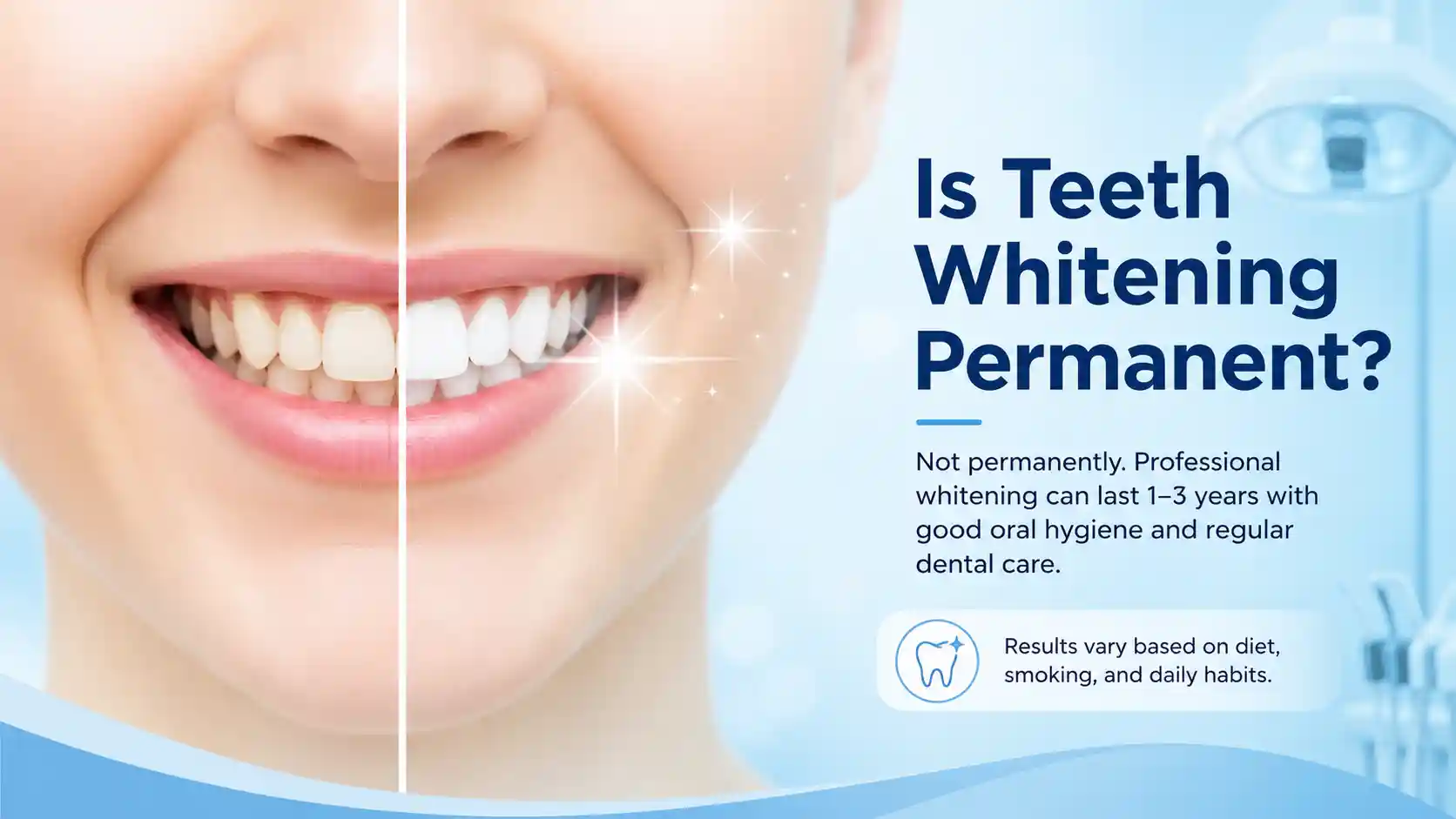
What Type of Stains Can Teeth Whitening Remove?Before and after results of teeth whitening showing yellow teeth transformed to bright white teeth

Whitening treatments work best on yellow and light-brown extrinsic stains caused by diet, beverages, and everyday exposure. These types of stains respond well to both professional in-office treatments and high-quality at-home products. Moderate age-related yellowing can also improve significantly, particularly with professional-strength whitening agents.

However, whitening is far less effective on gray-toned discoloration, deep brown marks, or stains resulting from tetracycline antibiotics, fluorosis, root canal treatments, or dental trauma. In such cases, hydrogen peroxide or carbamide peroxide may produce little to no visible improvement, and could even create uneven results by lightening surrounding teeth while leaving the intrinsically stained tooth relatively unchanged.

It’s also important to remember that whitening agents do not affect dental restorations, including crowns, veneers, bridges, or composite bonding. If you have visible restorations, whitening your natural teeth may create a noticeable color mismatch.

How Teeth Whitening Works to Remove Stains

Most teeth whitening products work through a chemical bleaching process, using hydrogen peroxide or carbamide peroxide as the active ingredient. When applied, these compounds break down into oxygen molecules that penetrate the enamel and reach the porous dentin beneath. The oxygen molecules interact with the colored compounds causing the stains, breaking the chemical bonds that hold them together, and either rendering them colorless or small enough to be removed.

The strength of the whitening depends on the concentration of peroxide used. Professional in-office treatments typically use hydrogen peroxide at concentrations of 25–40%, often enhanced with a special light or laser. Dentist-prescribed take-home trays generally contain carbamide peroxide at 10–22%, which releases hydrogen peroxide gradually over a longer period. Over-the-counter strips and gels contain much lower concentrations, usually 3–10%, which makes them slower to work and less effective on heavier or deep-set stains.

Will Teeth Whitening Remove Black or Brown Stains?

The answer depends heavily on the cause of those stains. Brown staining from coffee, tea, or red wine is often extrinsic and tends to respond well to professional whitening. However, deep brown or black staining tells a different story.

Dark black or very deep brown marks are frequently a sign of tooth decay, dead or dying tooth pulp, or severe tetracycline staining — all of which are intrinsic problems that whitening cannot adequately address. Staining from iron supplements or certain mouthwashes (particularly those containing chlorhexidine) can also produce dark deposits on tooth surfaces that whitening alone may not fully eliminate.

If you have black or very dark brown spots on your teeth, the first step should always be a dental examination. Some dark staining indicates a dental health issue requiring treatment — not a cosmetic procedure. Attempting to whiten over decay or structural damage can worsen the underlying problem and delay necessary care.

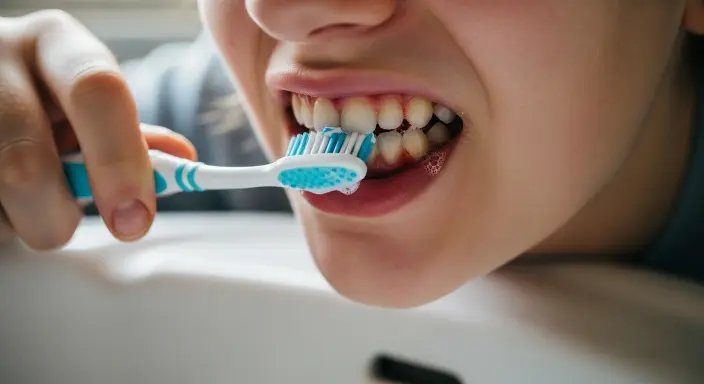
Teeth Whitening for Smoking Stains: Fact or Myth?Comparison of teeth stained from smoking versus the same teeth after professional whitening treatment

Most teeth whitening products work through a chemical bleaching process, using hydrogen peroxide or carbamide peroxide as the active ingredient. The oxygen molecules interact with the colored compounds causing the stains, breaking the chemical bonds that hold them together, and either rendering them colorless or small enough to be removed.

The strength of the whitening depends on the concentration of peroxide used. Professional in-office treatments typically use hydrogen peroxide at concentrations of 25–40%, often enhanced with a special light or laser. Over-the-counter strips and gels contain much lower concentrations, usually 3–10%, which makes them slower to work and less effective on heavier or deep-set stains.

Professional Teeth Whitening vs At-Home Whitening

Not all whitening options are created equal. The right choice depends on the severity of your staining, your budget, and how closely you want professional supervision.

Professional Teeth Whitening

In-office whitening, performed by a dentist or qualified professional, uses the highest concentrations of whitening agents and can produce dramatic results in a single session of 60 to 90 minutes. Dentist-prescribed take-home trays, custom-fitted to your teeth, use lower concentrations applied over several weeks and represent an excellent middle ground between speed and cost.
Professional whitening is generally recommended for moderate to heavy staining, sensitive teeth, or those who want the most predictable results.

At-Home Whitening Options

Over-the-counter whitening strips, gels, toothpastes, and LED kits are widely available and significantly cheaper than professional options. They can work well for mild extrinsic staining and maintenance after professional treatment.
The main limitation of at-home options is their lower peroxide concentration, which means slower results and reduced effectiveness against entrenched staining. One-size-fits-all trays also increase the risk of gel leaking onto gums, potentially causing irritation.

What If Teeth Whitening Won’t Remove My Stains?

If your staining is intrinsic, severe, or unresponsive to whitening, several cosmetic dentistry options can still deliver the bright, even smile you want.

Dental Bonding

Dental bonding involves applying a tooth-colored composite resin directly to the tooth surface to cover discolouration and imperfections. It is a relatively affordable, minimally invasive procedure that can be completed in a single appointment. Bonding is well-suited to isolated staining on one or a few teeth.

Veneers

Porcelain veneers are thin shells bonded to the front surface of teeth, effectively masking any color or shape irregularities beneath them. They are highly effective for severe intrinsic staining, including tetracycline or fluorosis-related discolouration, and can produce dramatic, long-lasting improvements. Veneers require some irreversible removal of tooth enamel and represent a significant investment.

Crowns

A dental crown covers the entire visible portion of a tooth and is typically recommended when a tooth has significant structural damage alongside discoloration. While primarily restorative, a well-matched crown can also address severe aesthetic staining. Crowns require more significant tooth preparation than veneers and are generally reserved for teeth with functional issues.

Enamel Microabrasion

Enamel microabrasion is a technique where a dentist gently removes a very thin layer of surface enamel, revealing the fresher, lighter layer beneath. It can be effective for certain types of superficial intrinsic staining, such as mild fluorosis white spots. Because a small amount of tooth structure is permanently removed, it is best used conservatively and under professional guidance.

Are There Side Effects of Teeth Whitening?

Teeth whitening is considered safe when used correctly, but side effects are relatively common, particularly with stronger treatments or overuse of at-home products.

Tooth Sensitivity

Temporary tooth sensitivity is the most frequently reported side effect of whitening, affecting many patients. Peroxide penetrates enamel and reaches the nerve-rich dentine beneath, causing sharp twinges or generalised sensitivity to cold, heat, or sweet foods for several days. This sensitivity typically resolves within 48 to 72 hours. Using a toothpaste formulated for sensitive teeth in the weeks before and after treatment, or choosing a lower-concentration product, can help manage this side effect.

Gum Irritation

Gum irritation occurs when whitening gel comes into contact with the soft gum tissue surrounding the teeth. Professional treatments include barriers to protect gum tissue, significantly reducing this risk. If irritation does occur, it usually appears as temporary redness, tenderness, or white patches that resolve within a day or two once the source of contact is removed.

How to Get the Best Whitening Results Safely

Dental Check-Up First

Start with a dental check-up before any whitening treatment. This ensures you have no underlying decay or gum disease that could make whitening painful or ineffective. Getting a professional clean beforehand also removes surface plaque and tartar, allowing the whitening agent to make direct, even contact with enamel.

Follow Instructions Carefully

Follow product instructions precisely — leaving whitening agents on longer than directed does not improve results and increases the risk of sensitivity and gum irritation. Space out treatments as recommended, and avoid whitening more frequently than advised.

Avoid Staining Foods and Drinks

Avoid eating or drinking anything that could stain your teeth in the hours immediately following whitening. During this “white diet” window, enamel pores are temporarily more open and susceptible to restaining, so staying away from coffee, tea, red wine, and coloured sauces will protect your results.

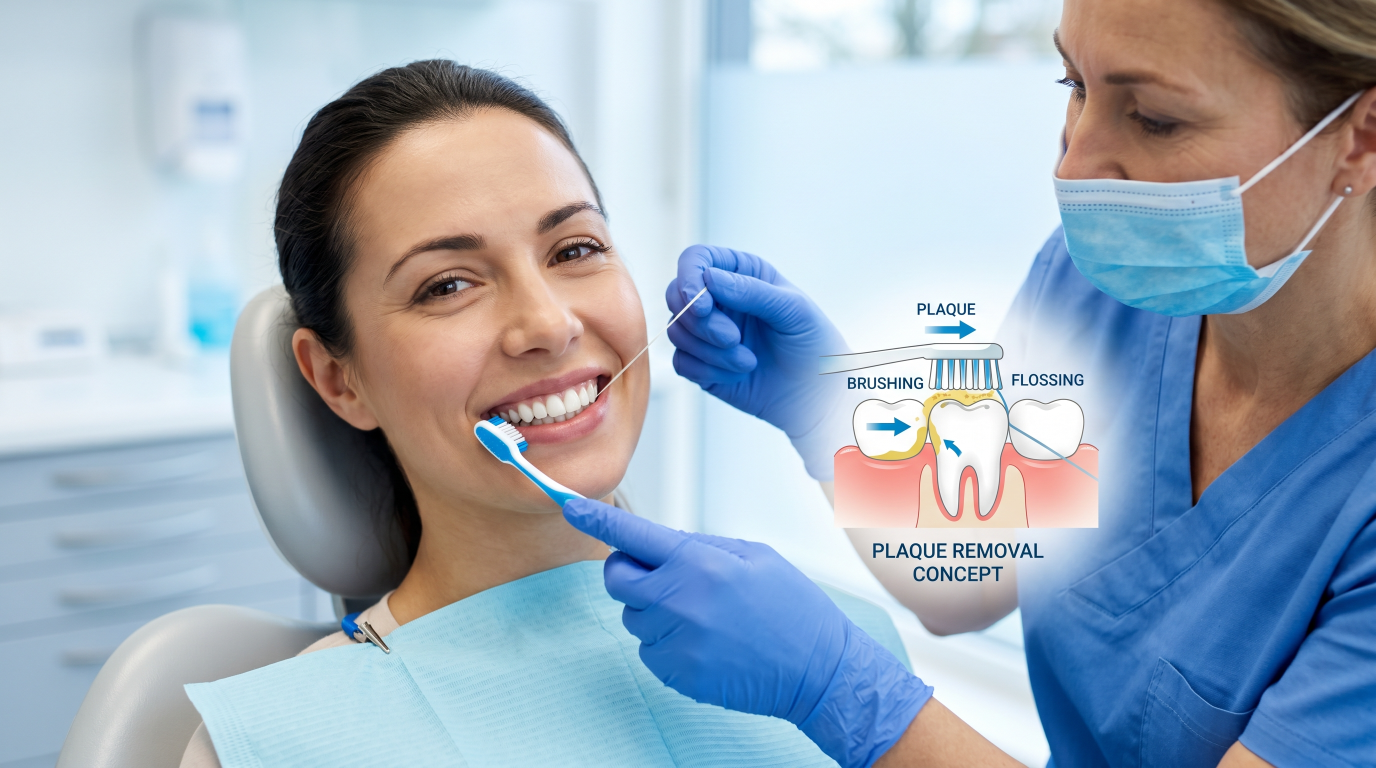
How Can I Prevent Teeth Staining After Whitening?Person smiling with bright white teeth surrounded by toothbrush, toothpaste, floss, and mouthwash for dental care

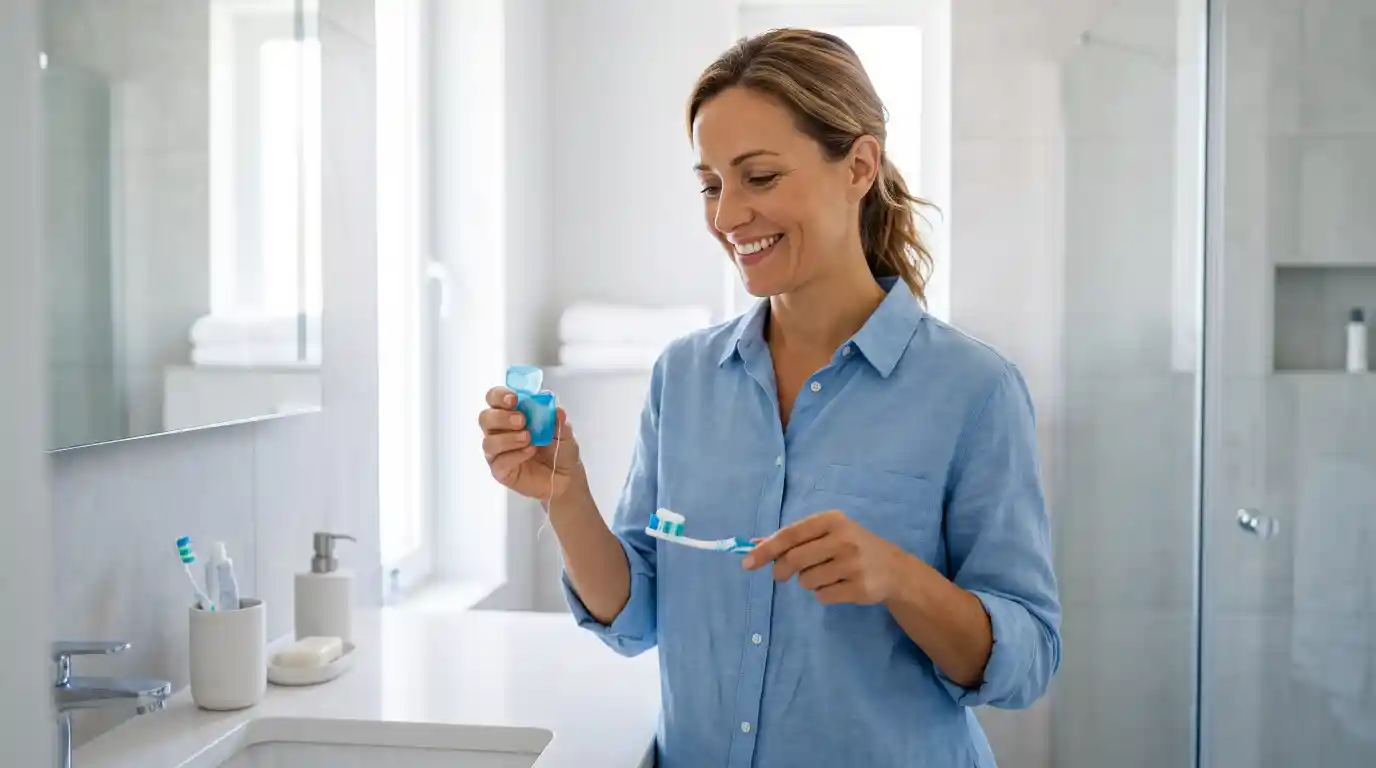
Maintaining your whitening results is simple with consistent care. Rinse your mouth after consuming staining foods or drinks, wait at least 30 minutes before brushing to protect softened enamel, and use a straw for beverages like coffee or red wine to limit tooth contact. Quitting smoking, practicing good oral hygiene with regular brushing, flossing, and professional cleanings, and using occasional at-home touch-ups can help prevent stains—allowing professional whitening results to last one to three years.

Ready for a Brighter, More Confident Smile?

If you’re considering teeth whitening and want safe, professional results in San Tan Valley, AZ, the experienced team at San Tan Dentist is here to help. We’ll evaluate your tooth discoloration, recommend the right treatment, and help you achieve a whiter smile you’ll love. Schedule your teeth whitening consultation today and take the first step toward a healthier, brighter smile.

Conclusion

Teeth whitening can effectively remove many common stains, especially those caused by food, drinks, and smoking, but it is not a universal solution for every type of discoloration. Surface-level and mild age-related stains respond best to whitening treatments, while deep intrinsic stains from medications, trauma, or fluorosis often require alternative cosmetic solutions. Understanding the cause of your tooth stains and choosing the right treatment—whether professional whitening, at-home options, or cosmetic dentistry—is key to achieving safe, realistic, and long-lasting results. A dental consultation is always the best first step toward a brighter, healthier smile.

Frequently Asked Questions

Does teeth whitening work on all stains?

No, teeth whitening works best on extrinsic stains caused by food, drinks, and smoking. Intrinsic stains from medications, trauma, or fluorosis are harder to treat and may require veneers or bonding.

How long do teeth whitening results last?

With proper care, professional teeth whitening results can last one to three years. Avoiding staining foods, quitting smoking, and maintaining good oral hygiene can extend results.

Can teeth whitening remove smoking stains completely?

Teeth whitening can significantly reduce smoking stains, especially if they are surface-level. Long-term or heavy smoking may require professional treatments and lifestyle changes for lasting results.

Is teeth whitening safe for sensitive teeth?

Yes, when done correctly. People with sensitive teeth should use lower-concentration products, follow instructions carefully, and consider professional whitening under dental supervision.

Will teeth whitening change the color of crowns or veneers?

No, whitening treatments only affect natural tooth enamel. Crowns, veneers, and fillings will not change color and may need replacement to match whitened teeth.


Book your visit online

View available appointments and enjoy dentistry done right.

Contact Us

(480) 457-1977

40815 N Ironwood Rd #102, San Tan Valley, AZ 85140, United States

©2007-2023 Ocotillo Trails Dentistry • All Rights Reserved