














Yellow teeth do not always mean poor oral hygiene. To get rid of yellow teeth, brush twice daily with fluoride toothpaste, clean between your teeth, and reduce habits that cause staining. Whitening toothpaste can remove some surface stains, while peroxide-based whitening products can lighten the natural tooth shade. Professional cleaning or other dental treatments may be needed when home care cannot address the discoloration.
At Ocotillo Trails Family Dentistry in San Tan Valley, AZ, our dental team helps patients identify why their teeth appear yellow and which treatments may work. Coffee, tea, tobacco, aging, tartar buildup, and certain dental conditions can affect tooth color. Identifying the cause helps you choose a suitable treatment without unnecessary damage to your teeth or gums.
What Causes Yellow Teeth?
Yellow teeth usually result from surface stains, changes in the tooth’s natural structure, or a buildup of plaque and tartar. Identifying the cause helps you choose a treatment that addresses the actual problem instead of simply trying to cover the color.
Surface Stains From Food, Drinks, and Tobacco
Surface stains, also called extrinsic stains, form on the outside of teeth. Coffee, tea, red wine, dark-colored sauces, and tobacco can leave pigments on the tooth surface over time. Brushing and flossing help control plaque and food deposits, but they may not remove every stain. A professional dental cleaning can remove hardened tartar and certain surface deposits. Whitening products may improve remaining stains if your teeth and gums are healthy.
Natural Aging and Thinning Enamel
Enamel is the hard outer layer of a tooth. Dentin, the layer beneath it, has a naturally yellowish color. As enamel wears down with age or acid exposure, more of the dentin may show through. This means healthy teeth can become more yellow even when you brush every day. Whitening may improve the shade, but the results depend on the cause and condition of the teeth. Brushing harder will not restore worn enamel and may cause more damage.
Plaque and Tartar Buildup
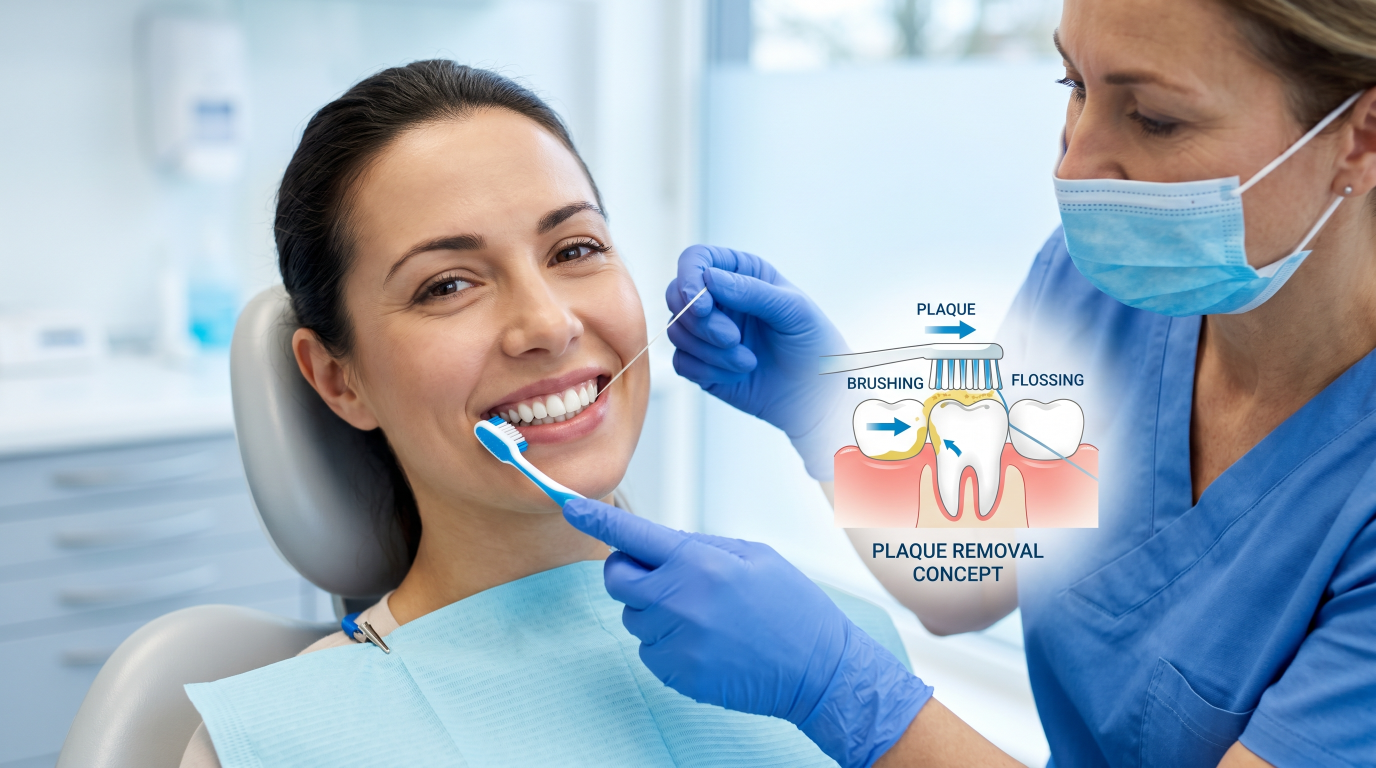
Plaque is a sticky film of bacteria that forms on teeth. When plaque is not removed, it can harden into tartar, which may look yellow or brown near the gumline. A toothbrush cannot remove hardened tartar. A dental professional needs to clean it away. If your teeth look yellow despite regular brushing, a dental cleaning may be a better first step than buying another whitening product.
Medications, Genetics, and Dental Problems
Some tooth discoloration starts inside the tooth. Certain medications taken while teeth are developing can cause lasting changes in color. Genetics also affects natural tooth shade and enamel thickness. Injury, tooth decay, and damage to the tooth’s inner tissue can cause a tooth to turn gray, brown, or dark yellow. If one tooth changes color suddenly, or discoloration comes with pain or sensitivity, arrange a dental examination before trying to whiten it.
Why Are My Teeth Yellow Even Though I Brush Every Day?
Your teeth may still look yellow even if you brush twice daily because brushing cannot change their natural color or remove every type of discoloration. Regular brushing removes plaque and some surface stains, but it cannot eliminate hardened tartar, restore thinning enamel, or completely correct stains that develop inside a tooth.
The location and appearance of the yellowing can help explain what is happening. Yellow or brown deposits near the gumline may indicate tartar buildup, which requires professional cleaning. If all your teeth have a similar yellowish shade, that may simply be their natural color. However, a single tooth becoming noticeably darker could indicate an injury, decay, or another dental problem.
Brushing harder or using abrasive whitening products will not solve these problems and may damage your enamel over time. According to the American Dental Association’s guidance on tooth discoloration, factors such as aging, medications, and tooth injuries can also affect tooth color. If your teeth remain yellow despite good oral hygiene, a dental examination can help determine whether cleaning, whitening, or another treatment is appropriate.
Do Natural Remedies Whiten Yellow Teeth?
Most natural whitening remedies do not have enough reliable evidence to recommend them as effective ways to whiten teeth. Some may remove a small amount of surface debris, while others can damage enamel or irritate the gums.
Baking Soda
Baking soda is used in some toothpastes to help remove surface stains. However, that does not mean every homemade baking soda mixture is safe. The amount, texture, and way it is used affect the risk of abrasion. Choose a toothpaste formulated for dental use instead of scrubbing your teeth with a homemade powder. Do not mix whitening ingredients without professional guidance.
Apple Cider Vinegar and Lemon Juice
Avoid using apple cider vinegar or lemon juice to whiten teeth. Both are acidic, and repeated exposure can erode enamel. As enamel becomes thinner, the yellow dentin underneath may become more visible. Acid damage cannot be reversed simply by brushing or using whitening toothpaste. If you have already tried acidic remedies and your teeth feel sensitive, stop using them and speak with a dentist.
Activated Charcoal
Activated charcoal is sold in powders and toothpastes that promise a whiter smile, but evidence of its effectiveness remains limited. A 2017 literature review by Brooks and colleagues found insufficient scientific evidence to support the safety and effectiveness claims of charcoal dental products. Some abrasive formulations may also damage tooth surfaces, particularly when used with aggressive brushing.
Instead of relying on homemade charcoal mixtures, choose dental products with established safety and effectiveness. Natural ingredients should not automatically be considered safer for enamel.
How to Get Rid of Yellow Teeth at Home
You can get rid of some yellow stains on teeth at home by maintaining good oral hygiene and using suitable whitening products. Whitening toothpaste helps reduce surface discoloration, while peroxide-based whitening strips or gels can lighten the natural tooth shade. However, the results depend on whether the yellowing comes from external stains or changes within the tooth.
An effective home-care routine should focus on removing existing surface stains, limiting new discoloration, and protecting enamel. You do not need to use several whitening products at once. Choosing the right method and following its instructions is more important than brushing harder or applying whitening products more frequently. The following methods can help improve or maintain your tooth color without relying on unsafe home remedies.
Brush Twice Daily With Fluoride Toothpaste
Brushing twice a day for two minutes helps remove plaque and food particles that can make teeth appear dull or yellow. Use a soft-bristled toothbrush and fluoride toothpaste to clean all tooth surfaces, especially around the gumline and back teeth. Hold your toothbrush at a slight angle toward the gums and use gentle, short movements rather than aggressive scrubbing.
Excessive pressure can wear down enamel and irritate your gums without making your teeth whiter. If surface staining is a concern, consider a fluoride toothpaste designed for stain removal. The American Dental Association’s toothpaste guidance explains how toothpaste ingredients support oral health and may help reduce discoloration.
Floss or Clean Between Your Teeth
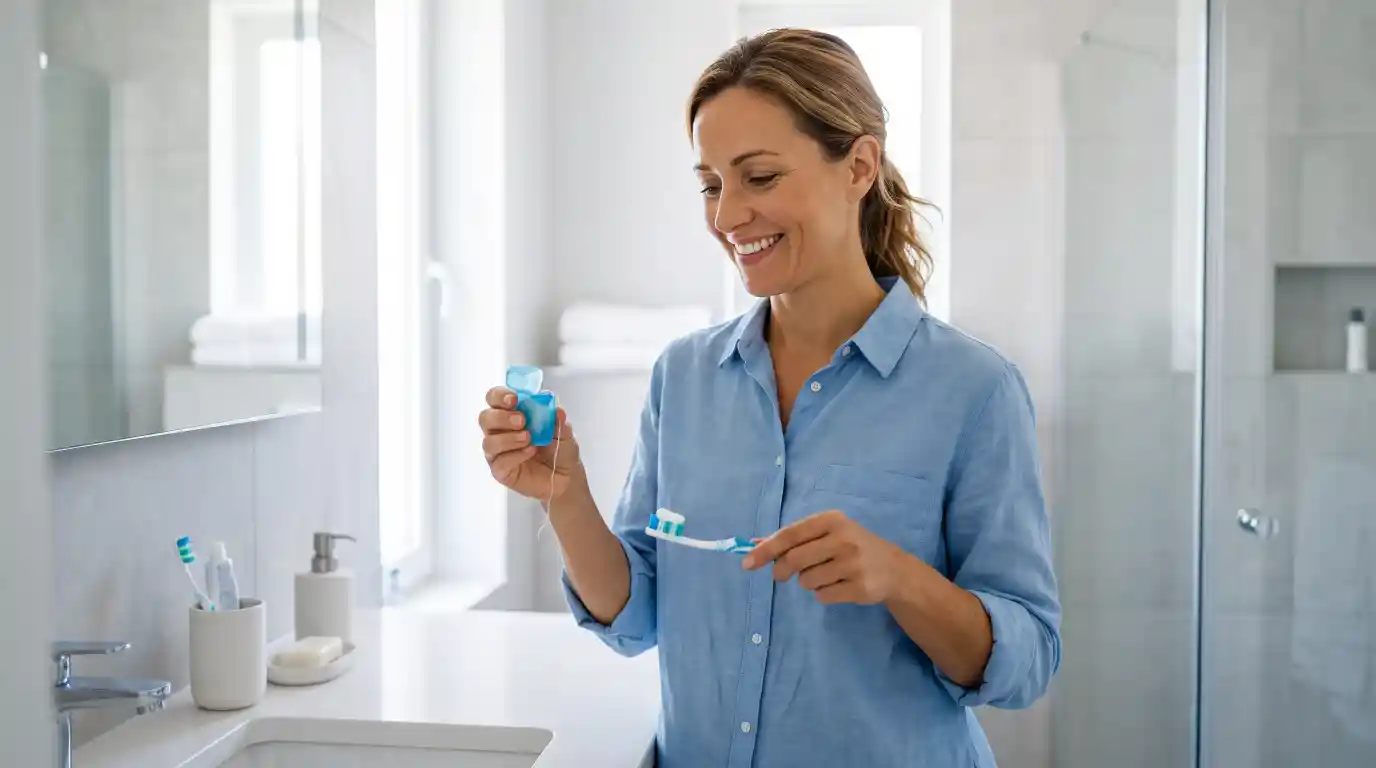
Cleaning between your teeth once daily helps prevent plaque and food particles from accumulating in areas your toothbrush cannot reach. These deposits may make the spaces between teeth appear darker or less clean. Dental floss works well for many people, while interdental brushes may be more suitable for larger spaces or certain dental restorations. Choose a cleaning tool that fits comfortably without injuring your gums.
Interdental cleaning does not bleach enamel or change the natural shade of your teeth. Its main benefit is preventing deposits that can contribute to visible discoloration, tooth decay, and gum problems. If you notice hardened yellow deposits between your teeth that do not come off with regular cleaning, they may be tartar and require professional removal.
Use Whitening Products as Directed
Home whitening products work in different ways. Most whitening toothpastes polish away marks on enamel, while peroxide-based strips and gels can lighten the natural shade of teeth. A 2020 systematic review by Devila and colleagues found that whitening toothpaste was less effective than whitening strips in the studies compared, although the evidence was limited. This difference helps explain why choosing the right product matters more than using several treatments at once.
Follow the manufacturer’s instructions, including how much product to use and how long to leave it on. Excessive use can cause temporary sensitivity or gum irritation. People with untreated cavities or gum problems should consult a dentist before bleaching. Our guide on teeth whitening strips explains what these products can achieve and where their limitations begin.
Limit Foods and Drinks That Stain Teeth
Coffee, tea, red wine, and strongly colored foods can contribute to surface stains. You do not always need to stop consuming them, but reducing frequent exposure can help maintain your natural tooth shade.
Drink water after consuming staining beverages, and rinse your mouth with water when practical. If you drink acidic beverages, avoid brushing immediately afterward because acid can temporarily soften enamel. Waiting about 30 to 60 minutes before brushing is a useful precaution.
Avoid Tobacco
Smoking and other tobacco use can cause persistent yellow or brown stains. Tobacco also increases the risk of gum disease and other oral health problems. Stopping tobacco use helps protect your oral health and reduces continued staining. If stains have already developed, a dental cleaning or whitening treatment may still be needed.
Professional Treatments for Yellow Teeth

Professional treatment may be appropriate when surface stains remain after cleaning or when the natural tooth color is the main concern. The best option depends on the cause of discoloration, the condition of your teeth, existing dental work, and the result you want.
Professional Dental Cleaning
A dental cleaning removes plaque, tartar, and certain surface stains. It is a good starting point when discoloration comes from deposits on your teeth. Cleaning does not bleach the natural tooth structure. If your teeth remain yellow after deposits are removed, your dentist can assess whether whitening or another treatment is likely to make a difference.
Professional Teeth Whitening
Professional teeth whitening uses peroxide-based agents to lighten discoloration in natural teeth. Before treatment, a dentist examines your teeth and gums, checks existing restorations, and determines whether whitening is suitable for the type of staining you have.
Treatment options include in-office whitening and dentist-supervised whitening with custom trays for home use. Results depend on the cause of discoloration, and some patients experience temporary sensitivity or gum irritation. Professional treatment also cannot change the color of existing crowns, veneers, or fillings. If home whitening has not produced the desired improvement, explore our professional teeth whitening services to understand the available options.
Dental Bonding
Dental bonding uses tooth-colored composite material to cover or improve the appearance of selected areas. It may be suitable for an isolated discolored tooth or certain cosmetic concerns that whitening cannot fully correct. Bonding does not bleach the natural tooth. The material itself can stain over time and may need polishing or replacement. Your dentist can explain whether bonding is a reasonable option for the affected teeth.
Veneers
Veneers are thin coverings placed over the front surfaces of selected teeth. They can change the visible color and shape of teeth when whitening alone is not enough. Veneers are not the first choice for every yellow smile. They require careful planning, and some types involve removing a small amount of tooth structure. Discuss their maintenance, cost, and long-term implications with your dentist before choosing them.
Home Whitening vs. Professional Treatment
Home whitening is generally suitable for mild discoloration when teeth and gums are healthy, while professional treatment may be more appropriate for stubborn stains, tartar buildup, or discoloration that does not respond to over-the-counter products.
The best option depends on what is making your teeth yellow. For example, whitening toothpaste may help with coffee stains, but it will not remove hardened tartar. Similarly, peroxide-based whitening can lighten natural teeth but cannot change the shade of existing dental restorations.
The table below compares the treatment options based on the type of discoloration they address and their main limitations.
|
Treatment |
Best suited for |
Main limitation |
|
Whitening toothpaste |
Mild surface stains from food and drinks | Limited effect on internal tooth color |
| Whitening strips or gels | Suitable yellowing of natural teeth |
Results vary; may cause sensitivity |
|
Professional dental cleaning |
Tartar, plaque, and removable surface stains | Does not bleach natural teeth |
| Professional teeth whitening | Discoloration suitable for peroxide bleaching |
Does not whiten crowns, veneers, or fillings |
|
Dental bonding |
Localized discoloration or minor cosmetic defects | Composite can stain and require maintenance |
| Veneers | Persistent visible discoloration not adequately corrected by whitening |
May require enamel removal and future replacement |
For mild staining, starting with appropriate home care may be reasonable. If discoloration is caused by tartar, professional cleaning is necessary because whitening products cannot remove hardened deposits. When teeth remain yellow after cleaning, whitening may be an option if the teeth and gums are healthy. More extensive cosmetic treatments are generally considered when simpler approaches cannot achieve an acceptable result. A dental examination is particularly important if only one tooth has changed color, you have existing restorations, or you experience pain or unusual sensitivity. These situations may require treatment beyond routine whitening.
When Should You See a Dentist About Yellow Teeth?
Arrange a dental appointment if tooth discoloration appears suddenly, affects only one tooth, or occurs with pain, sensitivity, damaged enamel, or bleeding gums. These changes may need more than a cosmetic treatment.
A dentist can check for cavities, gum disease, tartar, injury, and other causes before recommending whitening. This is especially useful if over-the-counter products have not worked or if you have crowns, veneers, or fillings on your front teeth.
Whitening products change the shade of natural teeth, but they do not change the color of existing crowns, veneers, or fillings. Treating teeth without considering these restorations can leave an uneven result. A dental assessment helps you choose a plan that fits your oral health and cosmetic goals.
Ready for a Brighter Smile?
If your teeth still look yellow despite regular brushing and home whitening products, a dental examination can help identify the cause. At Ocotillo Trails Family Dentistry in San Tan Valley, AZ, our team can evaluate your teeth, discuss your concerns, and recommend treatment based on your oral health and cosmetic goals.
Whether you need a professional cleaning, teeth whitening, or another cosmetic treatment, choosing the right option starts with understanding the cause. Our team can explain the available treatments, their limitations, and what results you can reasonably expect.
Schedule a dental consultation to discuss your options for a brighter smile.
Conclusion
Yellow teeth can result from surface stains, plaque buildup, aging, or changes within the tooth. Brushing twice daily, cleaning between teeth, and using safe whitening products can help improve some discoloration. However, deeper stains and naturally yellow dentin may require professional treatment. Understanding the cause helps you choose a suitable method without damaging your enamel or gums.
Frequently Asked Questions
Can Yellow Teeth Become White Again?
Yes, yellow teeth can often be made lighter, but the result depends on the cause. Surface stains may improve with cleaning or whitening products. Yellowing caused by naturally darker dentin, enamel thinning, medication, or tooth damage may respond less predictably and may require a different treatment.
How Long Does It Take to Get Rid of Yellow Teeth?
The time varies by treatment. Whitening toothpaste may take repeated use to improve surface stains, while some professional whitening treatments can produce visible changes during one appointment. Deeper discoloration may need a different plan. Your dentist can estimate the likely treatment time after examining your teeth.
How Long Do Teeth Whitening Results Last?
Teeth whitening results are not permanent. How long they last depends on the whitening method, oral hygiene, and habits such as drinking coffee, tea, or using tobacco. Regular dental care and limiting staining foods and drinks can help maintain a brighter smile.
Are Yellow Teeth a Sign of Poor Oral Hygiene?
No, yellow teeth do not always mean poor oral hygiene. Natural tooth shade, aging, genetics, enamel thinning, medication, and surface stains can all affect color. However, plaque and tartar buildup can also make teeth look yellow, so regular brushing, flossing, and dental checkups remain important.
Is Professional Teeth Whitening Better Than Home Remedies?
Professional whitening is a more controlled option for people who are suitable candidates for treatment. Home remedies such as lemon juice, vinegar, and abrasive charcoal powders can damage teeth and should not be used as whitening treatments. A dentist can help you choose an option that fits the cause of your discoloration.