










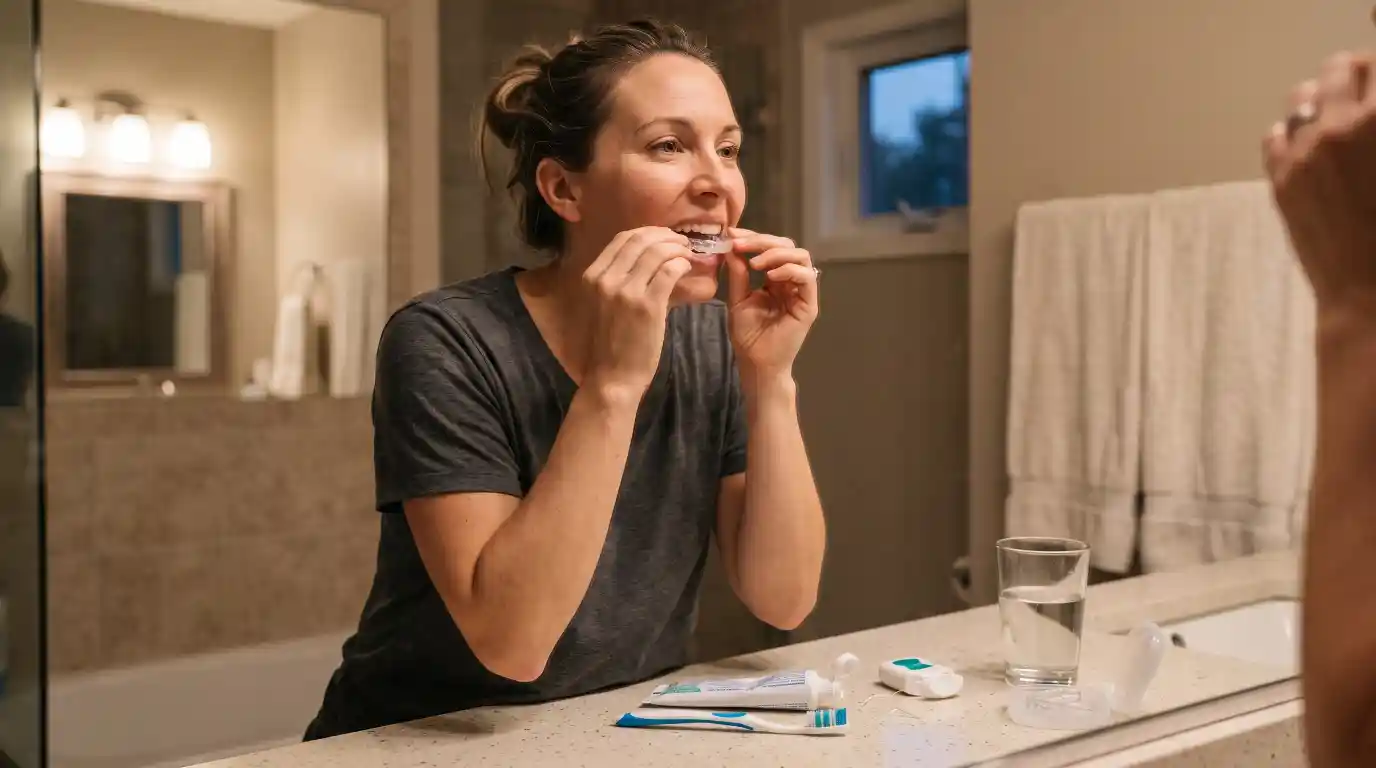
The best way to protect your teeth from grinding is to wear a custom night guard while you sleep. During the day, keep your lips closed, your teeth slightly apart, and your tongue resting on the roof of your mouth to help prevent clenching. Teeth grinding, also called bruxism, often happens without you noticing and can be caused by stress, anxiety, sleep problems, or certain medicines. Most people can protect their teeth and reduce symptoms with a custom night guard and healthy daily habits.
At Ocotillo Trails Family Dentistry in San Tan Valley, AZ, we see patients dealing with teeth grinding every week. The good news is that it is very treatable once you understand what causes it and how to protect your teeth going forward. This guide walks through the causes, warning signs, and the best ways to stop grinding before it damages your smile.
What Is Teeth Grinding (Bruxism)?
Teeth grinding, also called bruxism, happens when a person clenches or grinds their teeth without meaning to. It usually happens at night during sleep, though some people also grind their teeth during the day, especially when they are stressed or focused on something difficult.
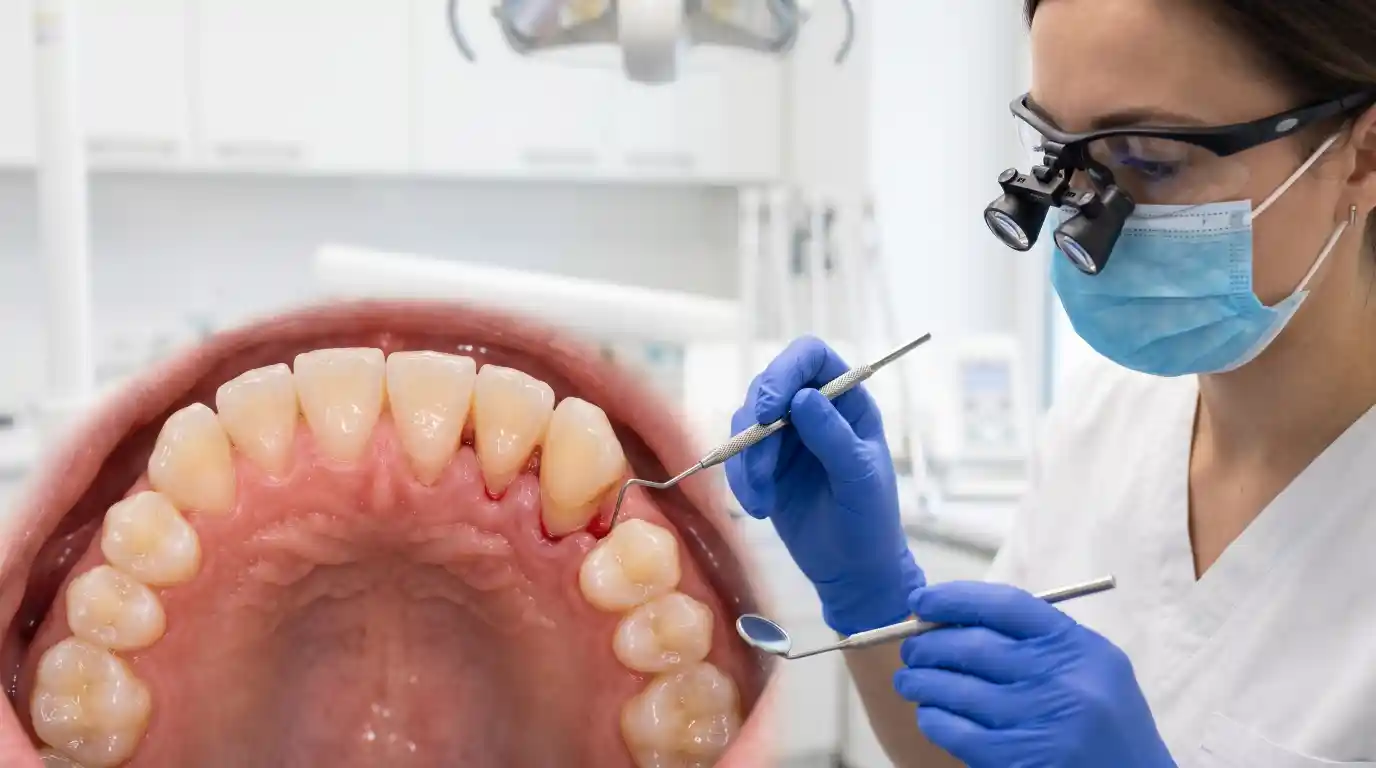
Many people do not realize they grind their teeth until a partner mentions the sound, or a dentist notices the wear during a checkup. Left untreated, bruxism can wear down teeth, damage dental work, and lead to ongoing jaw pain.

What Causes Teeth Grinding?
There is rarely just one cause behind teeth grinding. Most cases come from a mix of physical and lifestyle factors working together.
Stress and Anxiety Stress is one of the most common triggers for teeth grinding. When the body is under mental or emotional strain, muscles tend to tense up without a person noticing, including the jaw muscles. This tension often shows up most strongly at night.
Sleep Disorders Conditions like sleep apnea are closely linked to teeth grinding. When breathing is interrupted during sleep, the body can respond with muscle tension and jaw movement, which often leads to grinding.
Bite Problems and Misaligned Teeth When teeth do not line up correctly, the jaw may shift or clench to find a more comfortable position. Over time, this can turn into a grinding habit that is hard to notice without a dental exam.
Medications and Health Conditions Certain antidepressants and other medications list teeth grinding as a possible side effect. Health conditions that affect the nervous system can also play a role in why some people grind more than others.
Lifestyle Habits That Increase Grinding Caffeine, alcohol, tobacco, and recreational drug use can all make grinding worse. These substances affect sleep quality and muscle relaxation, both of which are closely tied to bruxism.
Signs and Symptoms of Teeth Grinding
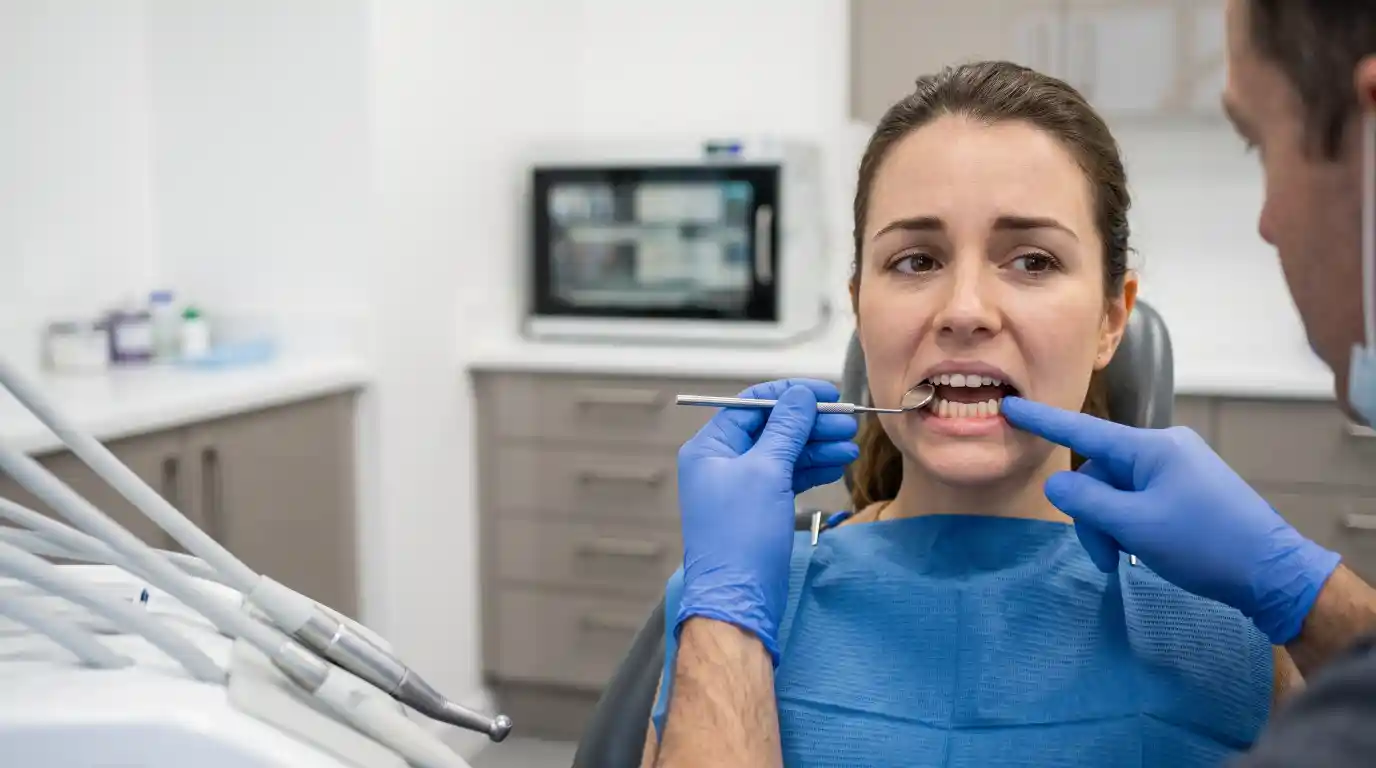
Because most grinding happens during sleep, many people do not know they have a problem until they notice these warning signs.
|
Sign or Symptom |
What It Looks Like |
|
Worn or Chipped Teeth |
Flattened, chipped, or worn down teeth, often spotted by a dentist during a routine exam |
|
Jaw Pain and Tightness |
Waking up with a sore or tight jaw from muscles working overtime during sleep |
|
Morning Headaches |
Dull headaches near the temples, especially first thing in the morning |
|
Tooth Sensitivity |
Increased sensitivity to hot, cold, or sweet foods as enamel wears down |
|
Clicking or Popping Jaw |
A clicking or popping sound when opening or closing the mouth |
Why Teeth Grinding Can Damage Your Teeth
Grinding puts a huge amount of pressure on teeth, far more than normal chewing. Over time, this pressure adds up and causes lasting damage. Enamel is the hard outer layer that protects your teeth, but it cannot grow back once it wears away. Grinding slowly wears this layer down, leaving teeth more vulnerable to decay and sensitivity.
The repeated force from grinding can crack fillings, crowns, and even natural teeth. Cracks are not always painful right away, which means they can go unnoticed until the damage gets worse. Grinding puts stress on the jaw joint and surrounding gum tissue.
Over time, this can lead to jaw disorders and gum recession around the affected teeth. Grinding does not just affect your teeth. It can disrupt deep sleep and lead to ongoing headaches, facial pain, and general fatigue during the day.
Best Treatments for Teeth Grinding
Treatment usually depends on what is causing the grinding and how severe it has become.
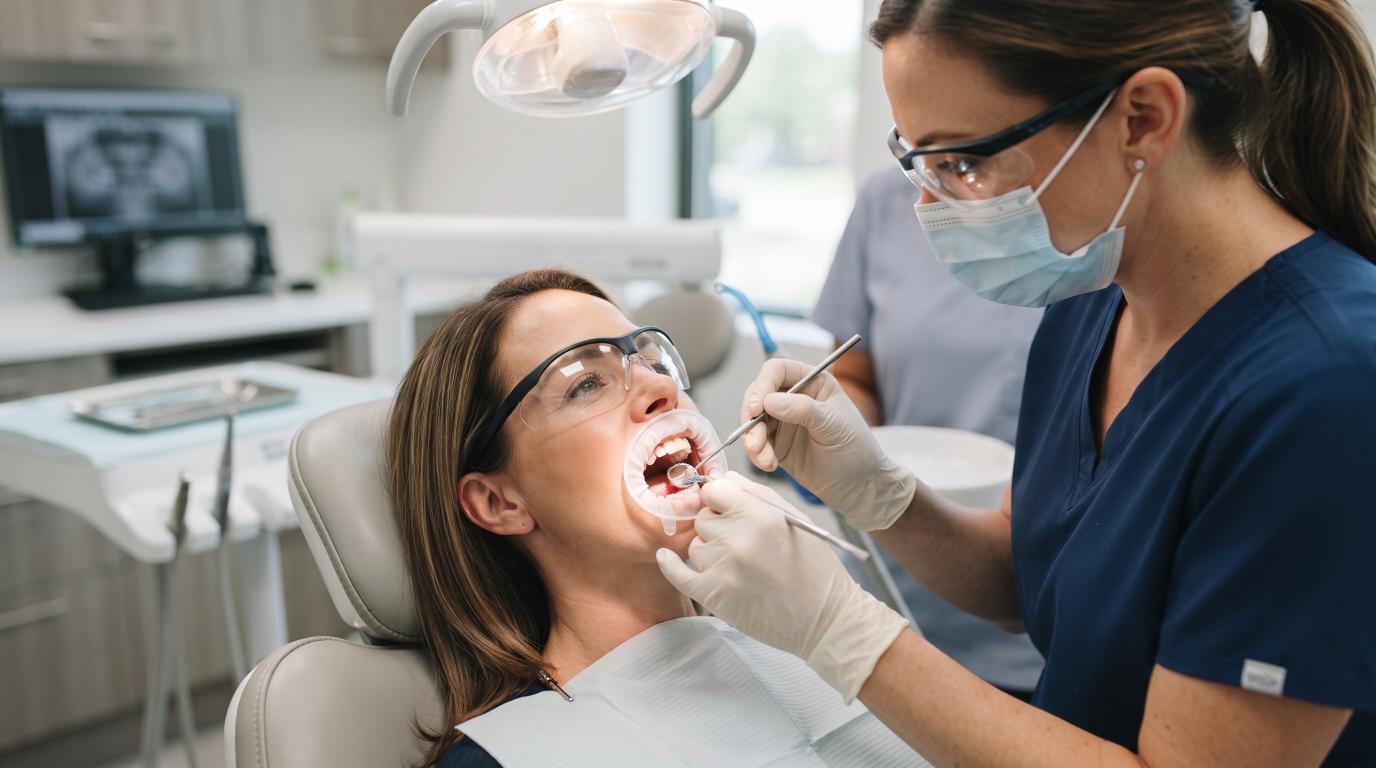
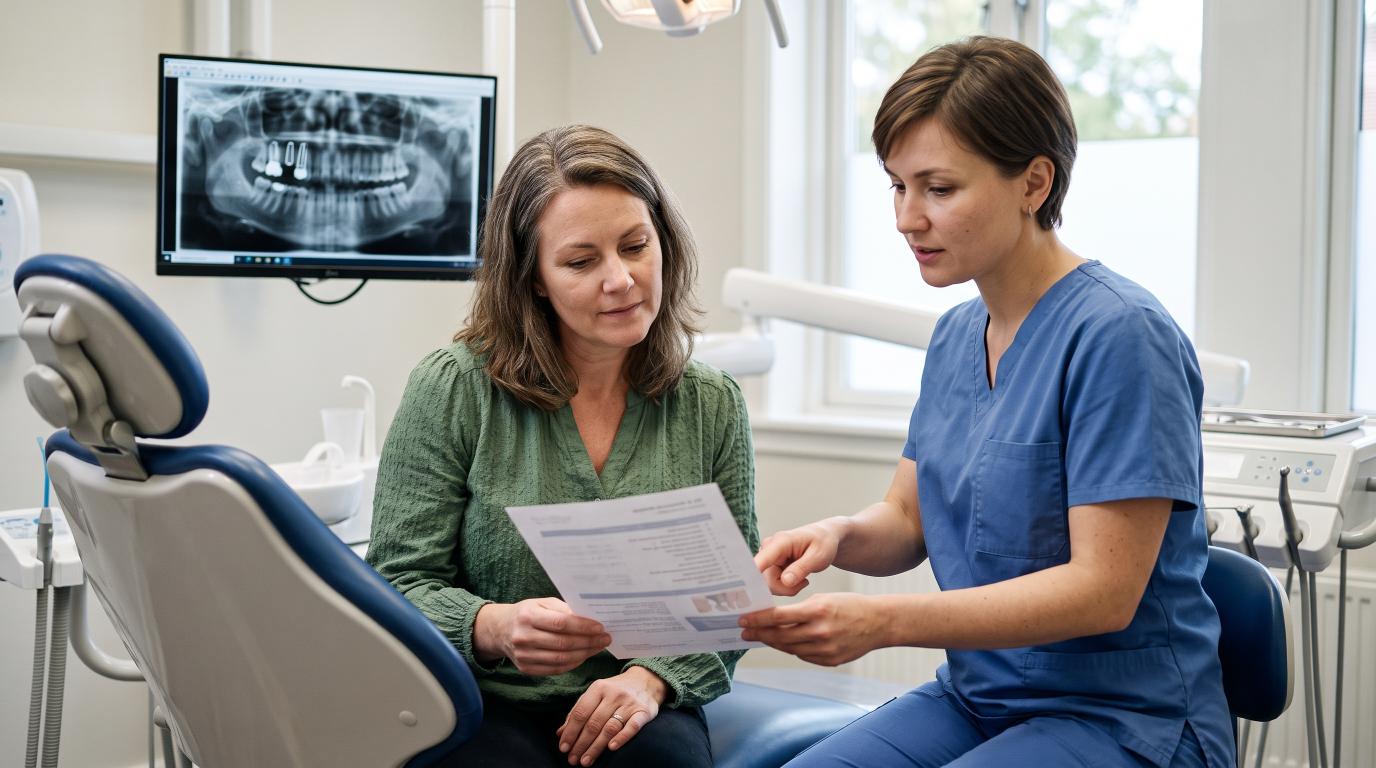
Professional Dental Treatments A dentist can evaluate the wear on your teeth, check your bite, and recommend a treatment plan suited to your specific situation, rather than a one size fits all fix.
Mouthguards and Splints Along with standard night guards, some patients benefit from occlusal splints, which are designed to reduce muscle activity and protect the teeth during more severe grinding.
Physical Therapy for Jaw Muscles For patients with ongoing jaw pain, physical therapy focused on the jaw and neck muscles can relieve tension and improve range of motion.
Medications for Short-Term Relief In some cases, muscle relaxants or other medications may be used short term to reduce severe grinding while other treatments take effect.
Treating Underlying Medical Conditions If sleep apnea or another medical condition is driving the grinding, treating that condition directly is often the most effective long term solution.

Natural Ways to Help Reduce Teeth Grinding
Alongside professional treatment, a few natural habits can help calm the muscles involved in grinding.
Warm Compresses
Applying a warm compress to the jaw before bed can relax tense muscles and ease existing soreness. The heat increases blood flow to the area, which helps loosen muscles that have been clenched tight during the day. Holding a warm cloth or heating pad against the jaw for ten to fifteen minutes before sleep is often enough to notice a difference, especially for people who already have some jaw soreness built up.
Gentle Jaw Stretching
Simple stretches, like slowly opening the mouth wide and holding for a few seconds, can loosen tight jaw muscles over time. Doing this a few times a day, especially before bed, helps train the muscles to release tension instead of holding onto it through the night. Over several weeks, consistent stretching can reduce how tight the jaw feels in the morning and may lower how often grinding happens.
Mindfulness and Relaxation Techniques
Deep breathing, meditation, or other relaxation practices can lower overall stress levels, which often reduces how much a person grinds at night. Since stress is one of the biggest triggers behind bruxism, calming the nervous system before bed gives the jaw less reason to tense up while you sleep. Even five to ten minutes of slow breathing or a guided meditation before bed can help signal to your body that it is time to relax.
Magnesium-Rich Foods and Healthy Nutrition
Foods high in magnesium, like leafy greens, nuts, and whole grains, support muscle relaxation and may help reduce nighttime muscle tension. Magnesium plays a direct role in how muscles contract and release, so getting enough of it through diet can make it easier for the jaw to fully relax during sleep. Pairing a magnesium rich diet with the other habits on this list tends to work better than relying on food changes alone.
Good Sleep Hygiene
Keeping a regular sleep schedule and creating a calm bedtime routine supports deeper sleep, which can lower the frequency of grinding episodes. Going to bed and waking up at the same time each day helps regulate your body’s natural sleep cycle, leading to more restful, uninterrupted sleep. A dark, quiet room and limiting screens in the hour before bed both help you fall into deeper sleep stages faster, which tends to reduce how much grinding happens once you are asleep.
How to Stop Daytime Teeth Clenching
Daytime clenching often happens without any awareness at all. Unlike nighttime grinding, which happens during sleep, daytime clenching usually shows up during moments of focus or stress, like working at a computer, driving in traffic, or dealing with a tense conversation. Many people do not even realize their jaw is tight until they notice soreness later in the day or catch themselves mid-clench.
Setting reminders to check in with your jaw throughout the day, whether through a phone alert, a sticky note at your desk, or simply pairing the check-in with something you already do often, like checking email, can help you notice when you are clenching. When you catch yourself, the fix is simple. Let your lips stay lightly closed, keep your teeth apart, and let your jaw hang loose for a few seconds. This position, sometimes called the resting jaw position, gives the muscles a chance to release tension before it builds up further.
Over time, this awareness can turn into a habit that reduces daytime tension significantly. The more often you catch and correct clenching during the day, the less tension carries over into the evening and night, which can also help reduce how much you grind while asleep.
Teeth Grinding in Children
Teeth grinding is common in children and is not always something to worry about right away.
Common Causes: Growing jaws, new teeth coming in, and even normal childhood stress can all lead to grinding in kids.
When It Is Normal Many children grind their teeth as baby teeth come in and shift, and this often goes away on its own as the child grows.
When to See a Dentist If a child shows signs of worn teeth, complains of jaw pain, or grinds loudly enough to wake other family members, it is worth having a dentist take a look.
How to Prevent Teeth Grinding Long-Term
Long term prevention comes down to consistent habits and regular dental care. Routine visits let your dentist catch early signs of wear before they turn into bigger problems, and adjust your treatment plan as needed.
Since stress is one of the biggest triggers, building stress management into your daily routine, not just before bed, can make a real difference over time. Consistent, quality sleep supports muscle relaxation and reduces the nighttime tension that often leads to grinding.
Wearing a night guard consistently, even after symptoms improve, helps prevent future wear and protects the progress you have already made.
Protect Your Smile With Ocotillo Trails Family Dentistry
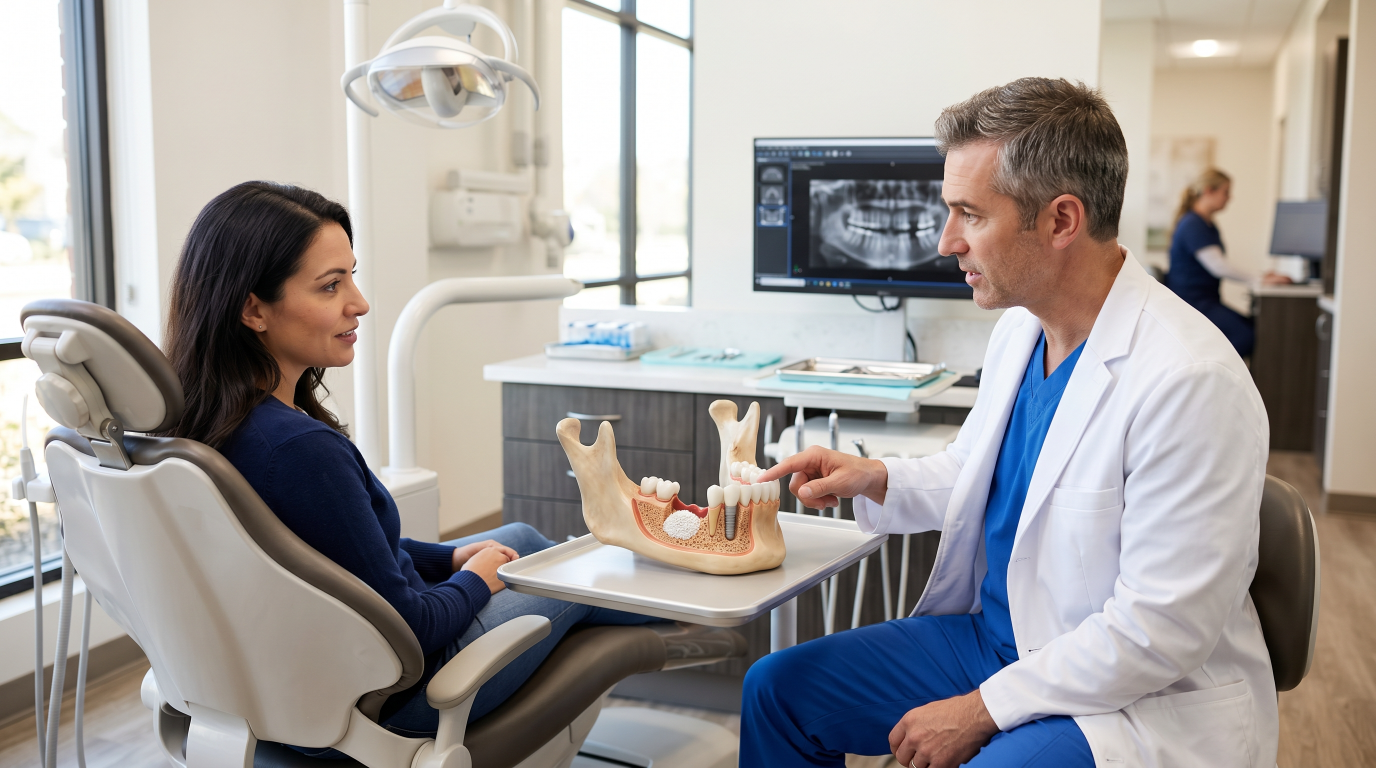
If you think you might be grinding your teeth at night, do not wait for the damage to get worse. The team at Ocotillo Trails Family Dentistry in San Tan Valley, AZ can check for signs of wear, fit you for a custom night guard, and build a treatment plan around your specific needs.
Whether you are dealing with jaw pain, worn teeth, or morning headaches, our friendly team is ready to help you find real relief. Contact us today to schedule a visit and start protecting your smile for the long run.
Conclusion
Teeth grinding is more common than most people realize, and it often goes unnoticed until a dentist points out the wear or a partner mentions the sound at night. Once you understand what triggers your grinding, whether it is stress, poor sleep, or a bite that is slightly off, protecting your teeth becomes much easier.
Small daily habits, paired with the right treatment, can stop grinding from causing lasting damage and help you wake up without the jaw pain and headaches that so often come with it.
Frequently Asked Questions
Can Teeth Grinding Be Stopped Permanently?
In many cases, yes, especially when the underlying cause is properly treated. For some people, though, bruxism becomes something to manage long term with a night guard and regular dental checkups rather than a problem that disappears for good.
What Is the Best Way to Protect Teeth From Grinding?
A custom fitted night guard from your dentist is generally the most effective way to protect teeth from grinding damage. Unlike drugstore guards, a custom guard is molded to match your exact bite, so it stays comfortable and in place through the night.
Do Night Guards Really Work?
Yes. Night guards create a physical barrier between the upper and lower teeth, absorbing the pressure from grinding instead of letting it wear down your enamel.
Can Stress Cause Teeth Grinding?
Yes, stress is one of the most common causes of teeth grinding, particularly grinding that happens during sleep. When you are under mental or emotional pressure, your body often holds tension in the jaw without you realizing it.
How Can I Tell If I Grind My Teeth at Night?
Common signs include waking up with a sore or tight jaw, a dull headache near the temples, and teeth that feel more sensitive than usual. A dentist can also confirm bruxism during a routine exam by checking for specific wear patterns.
Can Teeth Grinding Damage Dental Fillings or Crowns?
Yes, the repeated pressure from grinding can crack, loosen, or wear down fillings and crowns over time, sometimes requiring repair or full replacement. If you already have fillings or crowns, wearing a night guard is especially important to protect that dental work from unnecessary strain.
Can Children Outgrow Teeth Grinding?
Many children outgrow grinding as their permanent teeth come in and their jaw growth stabilizes, so it is often less concerning in kids than in adults. That said, it is still worth having a dentist keep an eye on it, especially if a child complains of jaw pain or shows visible wear on their teeth.
What Foods or Drinks Make Teeth Grinding Worse?
Caffeine, alcohol, and highly processed foods can all increase muscle tension and disrupt sleep quality, both of which can make grinding worse. Cutting back on these, especially in the hours before bed, is a simple change that can meaningfully reduce how often you grind.