








Most people feel pressure rather than sharp pain during dental implant placement because the dentist numbs the area first. So, do dental implants hurt? Some soreness is normal after surgery, but it usually improves over the next several days. Discomfort depends on the procedure and healing. At Ocotillo Trails Family Dentistry in San Tan Valley, AZ, patients can discuss dental implant treatment and recovery before deciding what is right for them. Here is what to expect during surgery and recovery.
How Is Dental Implant Surgery Planned?
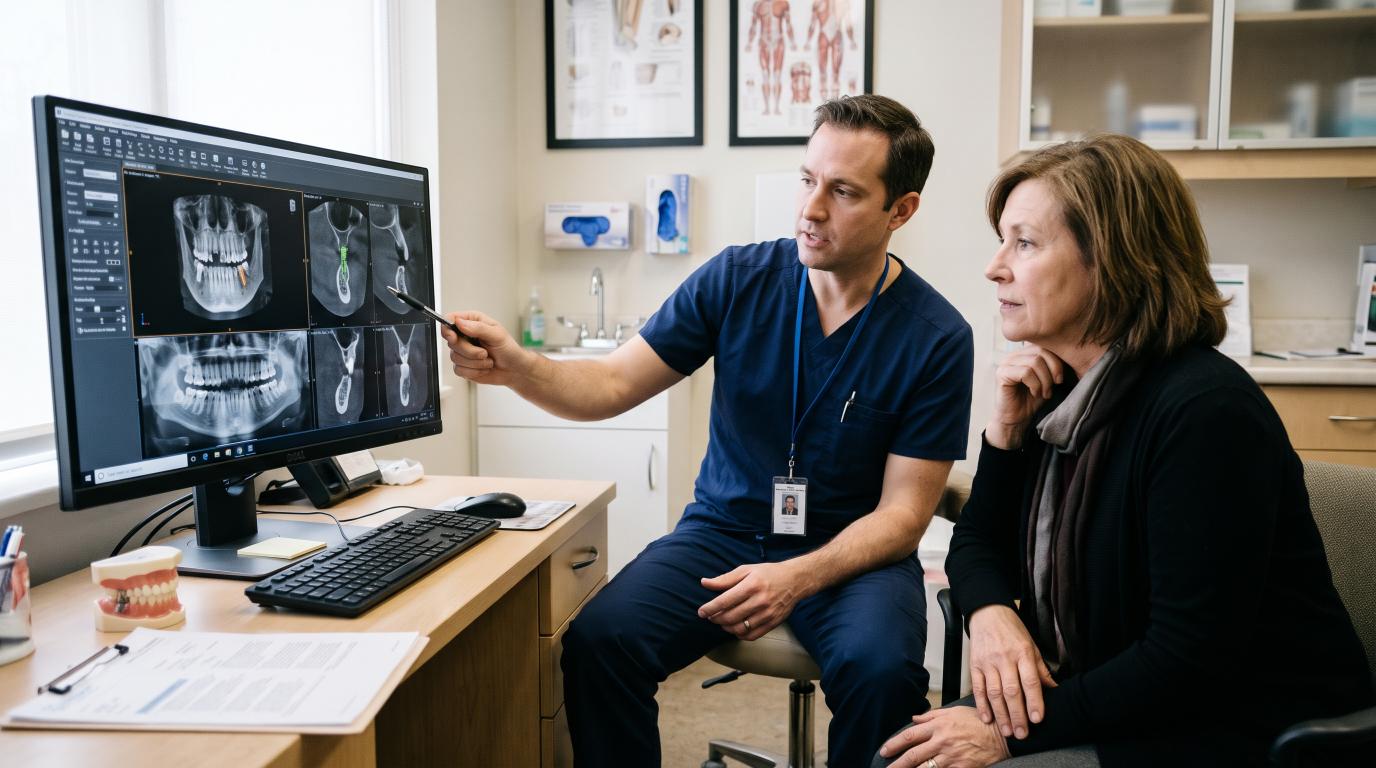
Before placing a dental implant, the dentist examines your gums, checks your jawbone, and reviews your medical history. Dental X-rays help assess the available bone, while a 3D scan may be used when more detailed information is needed. The dentist also checks the position of nearby nerves and sinus spaces to determine where the implant can be placed safely.
If the jawbone lacks enough support, bone grafting may be recommended before or during implant placement. Your dentist will also consider any existing dental infections, medications, or health conditions that could affect healing. This planning helps determine the appropriate treatment approach and identify possible complications before surgery.
What Does Getting a Dental Implant Feel Like?
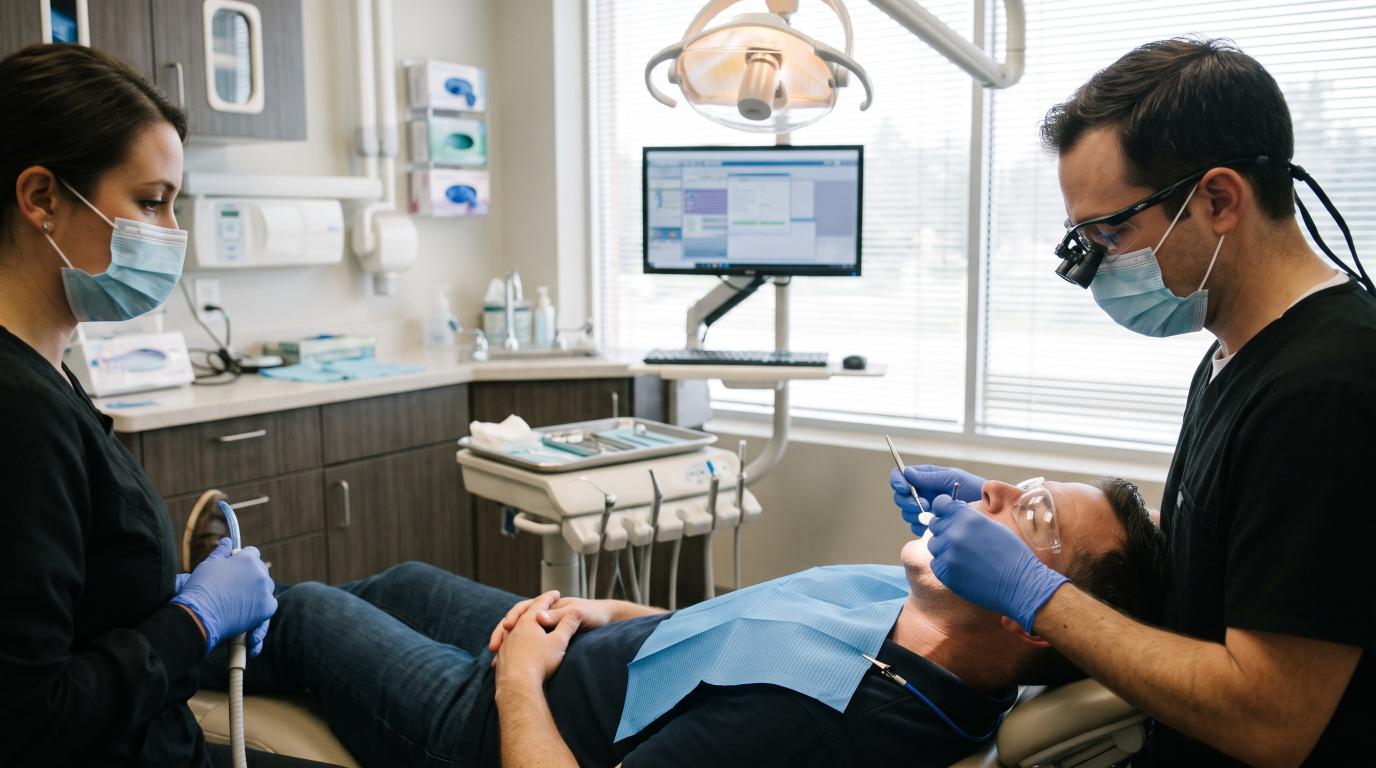
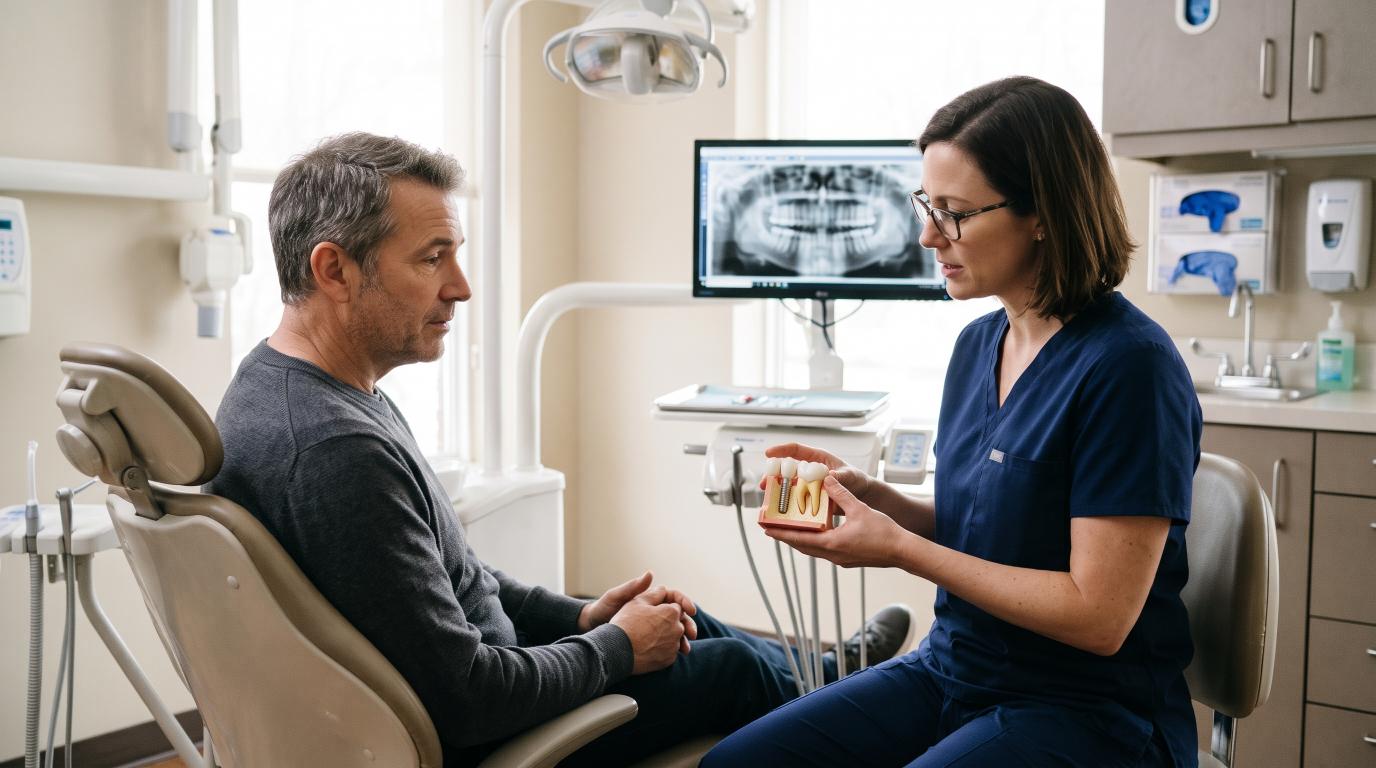
Implant placement usually feels like pressure and vibration, not a sharp cut. After numbing the area, the dentist prepares the bone and places the implant post. Stitches may be needed. The final tooth may be fitted later, after bone bonds with the implant. An abutment connects the implant to the crown. Ask which visits are planned and whether the gums will need numbing again.
Does the Numbing Injection Hurt?
Yes, the injection may briefly pinch or sting. A topical gel may make it easier. Tell the dentist if you have had trouble getting numb. They can check the area before starting and adjust the anesthetic if needed.
What Will You Feel During Implant Placement?
You may feel pressure, vibration, water, or suction near the jaw. Dental instruments also make unfamiliar sounds. These sensations can happen even when pain is blocked. Tell the dentist if your jaw needs a short break.
Can You Feel Pain During Dental Implant Surgery?
You should not feel sharp pain while the area is numb. If you feel a painful pinch or burning sensation, tell the dentist immediately. They can pause and give more anesthetic if needed. You do not have to tolerate pain to finish treatment.
How Painful Is Recovery After Dental Implant Surgery?
Most patients experience mild to moderate discomfort after dental implant surgery. The soreness comes from the gums and nearby tissues healing around the implant. The amount of pain depends on how much tissue was treated and whether other procedures were performed at the same time.
Some patients find it uncomfortable to chew, speak for long periods, or open their mouths widely. Others experience only minor tenderness. The important thing is that discomfort should gradually improve as healing progresses. Knowing what normal pain feels like can make it easier to recognize unusual symptoms.
What Does Dental Implant Pain Feel Like?
Dental implant pain usually feels like a dull ache or tenderness around the surgical area. The gums may feel sensitive when touched, while the jaw can feel stiff or tight when opening the mouth. Some patients also notice a mild throbbing sensation after the numbing medication wears off.
This discomfort comes from the healing tissues rather than the implant post itself. Sharp, shooting, or burning pain is different from typical surgical soreness. Contact the dental office if these symptoms develop or become more noticeable.
When Is Pain Usually at Its Worst?
Discomfort is commonly strongest during the first 24 to 48 hours after dental implant surgery. As the local anesthesia wears off, the treated area becomes more sensitive. The intensity depends on the complexity of surgery.
A single implant placed without additional procedures may cause less discomfort than treatment involving several areas of the jaw. Pain should become easier to manage as recovery progresses. If it continues increasing or does not respond to the recommended medication, contact the treating dentist.
Can Temporary Teeth or Dentures Cause Discomfort During Healing?
Yes, temporary teeth or dentures can cause discomfort if they press against the gums while the implant site heals. As swelling decreases, a removable denture may also fit differently, causing rubbing or soreness when eating or speaking. A study of dental implant patients published in Clinical Oral Implants Research found that some patients underestimated the difficulties of healing and reported problems with temporary restorations. If your temporary tooth or denture causes pressure or irritation, contact the dental office to have it checked. Do not attempt to adjust the appliance yourself, and follow your dentist’s instructions about when it can be worn.
Dental Implant Pain and Recovery Timeline
Discomfort after dental implant surgery generally improves during the first week, although complete healing takes much longer. The jawbone gradually bonds with the implant through a process called osseointegration, which can take several months. The following timeline describes recovery after a straightforward procedure. Patients who undergo tooth extractions, bone grafting, or multiple implant placements may experience a different healing pattern.
What to Expect During the First 24 Hours
During the first 24 hours, soreness may begin as the local anesthesia wears off. The gums can feel tender, and light bleeding or pink saliva may occur around the surgical area. Some patients feel tired after treatment, particularly if sedation was used. The mouth may also feel slightly swollen or sensitive when speaking. Rest during this period and avoid disturbing the surgical site. Follow the instructions for gauze use and bleeding control, and report bleeding that does not stop.
What to Expect on Days 2–3
Swelling, bruising, and jaw stiffness may become more noticeable during the second and third days after surgery. The University of Minnesota School of Dentistry’s implant aftercare instructions state that moderate pain is common during the first 24 to 48 hours, while swelling is expected during the first 72 hours. These symptoms should gradually improve as healing continues. If intense pain persists despite prescribed medication or bruising continues to worsen, contact the treating dentist.
What to Expect on Days 4–7
By days 4 to 7, soreness should generally begin to decrease. The gums may remain slightly tender, but everyday activities such as speaking and eating soft foods often become more comfortable. Bruising may still be visible, especially after a more involved procedure. Stitches may also remain in place while the gum tissue closes. Continue following the cleaning and eating instructions provided after surgery. Increasing swelling, discharge, or pain that returns after improving should be checked.
What to Expect After the First Week
After the first week, many patients feel noticeably better following uncomplicated implant surgery. Mild gum sensitivity may remain, particularly when more than one implant was placed. Although the mouth may feel comfortable, the implant is still bonding with the surrounding bone.
This healing process continues beneath the gums and does not usually cause noticeable pain. Follow-up appointments allow the dentist to check healing and determine when the implant is ready for the next treatment stage. Avoid putting heavy chewing pressure on the implant until the dentist confirms it is safe.
What Factors Can Make Dental Implant Surgery More Painful?
The amount of discomfort after implant surgery depends on the extent of treatment, the condition of the jawbone, and individual pain sensitivity. A simple implant placement may involve less tissue than a procedure requiring bone reconstruction or several implants.
Additional surgical steps can affect how long the gums remain tender. However, more extensive treatment does not automatically mean severe pain. The dentist can explain which parts of the planned procedure may affect recovery.
How Bone Grafting or a Sinus Lift Affects Recovery
A dental bone graft adds material to areas where the jawbone needs more support for an implant. A sinus lift increases the available bone in the upper back jaw, beneath the sinus. Both procedures involve additional treatment of the surrounding tissues. This can result in more swelling, tenderness, or a longer recovery period. If bone is taken from another area of the body, that area may also require healing. Patients undergoing a sinus lift may receive additional instructions about avoiding pressure in the sinus area.
How Multiple Implants or Full-Arch Surgery Affect Discomfort
Placing multiple dental implants involves treating several areas of the jaw. Patients may experience tenderness in more than one location, making chewing and cleaning the mouth less comfortable during early recovery. Full-arch implant surgery may also involve removing remaining teeth or placing temporary restorations.
These additional procedures can affect the recovery experience. Before surgery, ask how many implants will be placed, whether temporary teeth will be used, and how much time may be needed before returning to normal activities.
How Individual Pain Sensitivity Can Affect Recovery
People experience pain differently, even when they undergo similar dental procedures. Anxiety, previous dental experiences, general health, and medications can influence how discomfort is perceived. Someone who has experienced difficult dental treatment in the past may feel more nervous about implant surgery.
Others may have medical conditions that affect their choice of pain medication. Discuss any concerns, allergies, and previous problems with anesthesia before the procedure. This information helps the dentist choose an appropriate approach to pain management.
How to Relieve Pain After Dental Implant Surgery
Follow your dentist’s aftercare instructions to control early implant pain. Helpful steps include taking recommended medicine, resting, easing swelling, and protecting the wound. Prepare soft foods and a cold pack before surgery. Do not take extra doses or try home remedies for pain that is getting worse. Call if symptoms worsen or seem unusual. Your instructions may differ after a graft or other added procedure.
Using Pain Medication as Directed
Your dentist may recommend ibuprofen, acetaminophen, or prescription medicine based on your health. Follow the dose they give you. Check other medicines for the same ingredients, since some combinations are unsafe. If pain remains uncontrolled, call rather than taking extra doses.
Managing Swelling With Cold Compresses and Rest
A wrapped cold pack against the cheek may reduce early swelling. Use it in short periods according to your aftercare instructions. Never place ice directly on the gums or bare skin. Rest with your head raised if advised and avoid activities that cause bleeding.
Choosing Foods That Are Comfortable to Eat

Soft foods avoid pressure on tender gums. Consider yogurt, scrambled eggs, mashed potatoes, or lukewarm soup. Skip hard, sticky, crunchy, and very hot foods at first. Chew away from the surgery if possible, and follow any special limits for temporary teeth.
Activities to Avoid While Healing
Avoid smoking or vaping because tobacco can interfere with healing. Limit strenuous exercise as your dentist directs. Do not poke the wound or rinse forcefully soon after surgery. Ask when to brush near the site and whether you should avoid using a straw.
Are Dental Implants More Painful Than Tooth Extractions or Root Canals?
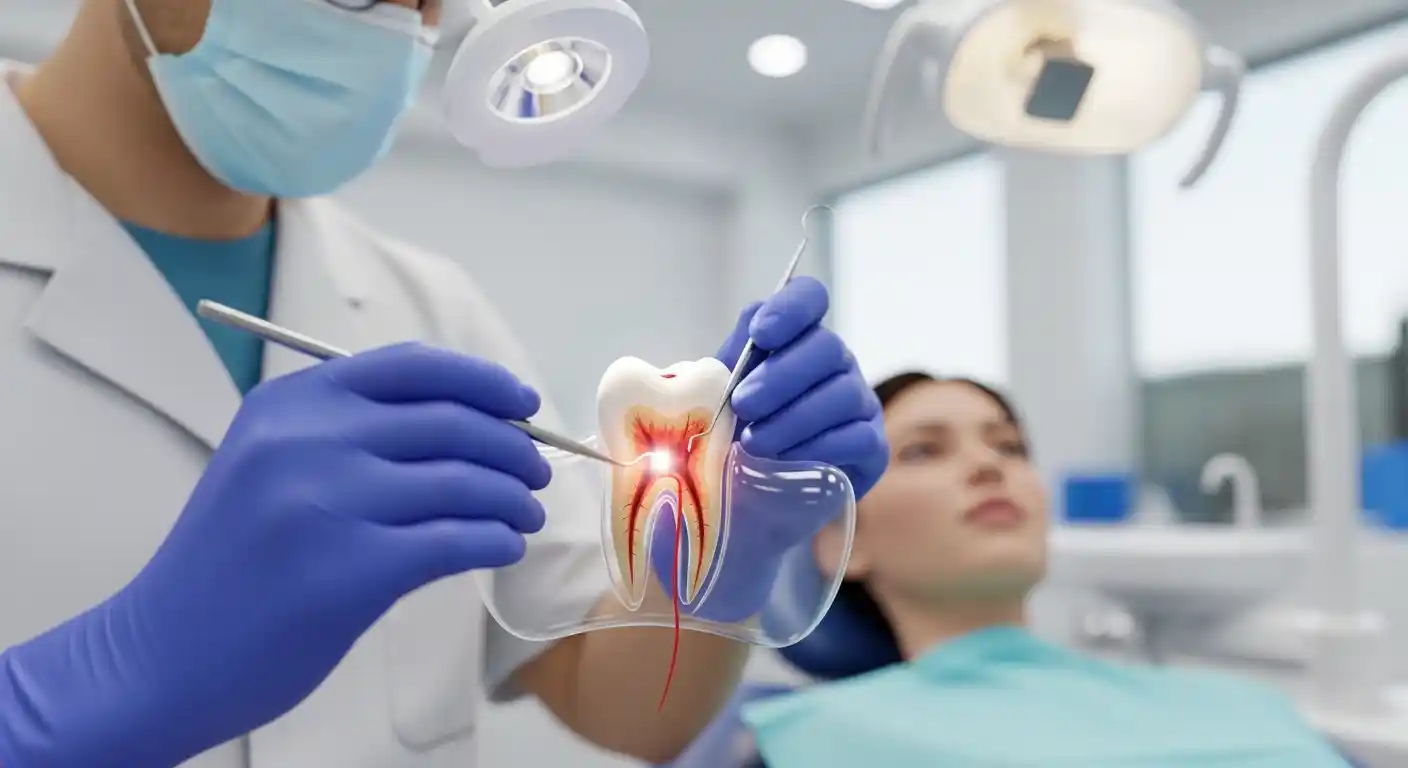
Dental implants are not necessarily more painful than tooth extractions or root canals. All three procedures typically involve local anesthesia, but they treat different parts of the mouth and have different recovery requirements. A dental implant involves placing a post in the jawbone. An extraction removes a tooth from its socket, while a root canal removes infected or damaged tissue from inside a tooth.
The amount of pain depends on the condition being treated, the difficulty of the procedure, and how the body responds afterward.
|
Dental Procedure |
What Patients May Feel During Treatment |
Recovery Considerations |
|
Dental Implant |
Pressure or vibration while the area is numb |
Temporary soreness, gum tenderness, and swelling |
|
Tooth Extraction |
Firm pressure as the tooth is loosened and removed |
Tenderness around the extraction socket; surgical extractions may require more recovery |
|
Root Canal |
Pressure or movement while the tooth is numb |
Temporary sensitivity, particularly when biting |
A 2021 pain comparison review published in the International Journal of Dentistry examined discomfort following dental implant placement and tooth extraction. The review found that implant placement was generally reported as less unpleasant than tooth extraction, with less pain after surgery and fewer limitations on daily activities.
More complicated surgery, existing infections, or additional bone grafting can affect recovery. The review compared implant placement with tooth extraction, not root canal treatment. Therefore, it should not be used to claim that implants are consistently more or less painful than root canals.
When Is Dental Implant Pain a Warning Sign?
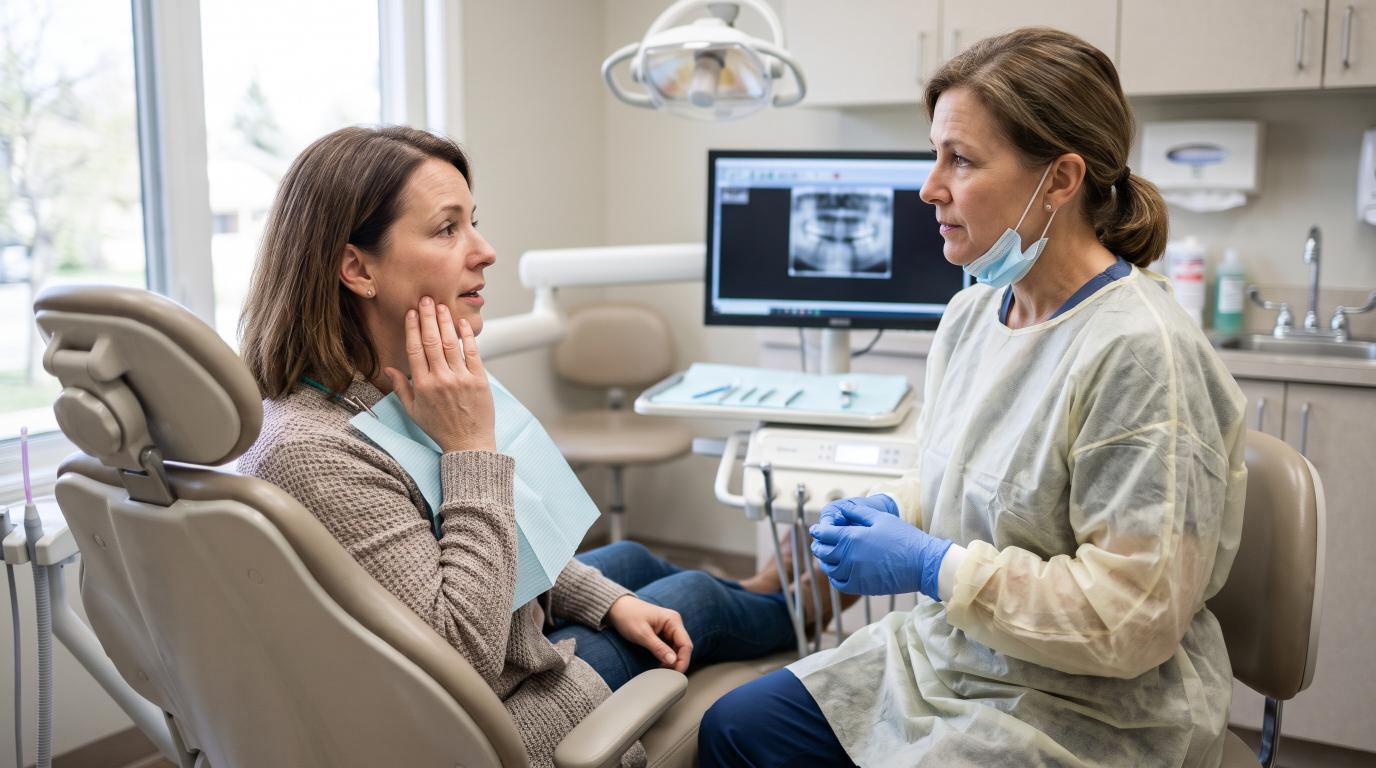
Dental implant pain becomes concerning when it gets worse instead of improving, develops after the surgical area has healed, or appears with unusual symptoms. Normal healing can involve temporary soreness and swelling.
However, severe pain, increasing redness, discharge, or changes in sensation may indicate a problem requiring dental attention. Recognizing these symptoms matters because some complications develop gradually, while others require prompt evaluation.
Why Pain That Gets Worse Needs Attention
Pain that becomes stronger after initially improving may indicate irritation, inflammation, infection, or another problem around the implant. For example, discomfort that begins interfering with sleep or becomes difficult to control with recommended medication should not be ignored.
Pain when biting may also need attention, especially after the dentist has cleared the implant for chewing. Avoid testing the implant by pressing on it or chewing hard foods. Contact the dental office so the cause of the discomfort can be examined.
Signs That May Indicate an Infection
An infection around a dental implant may cause increasing redness, swelling, tenderness, pus, or an unpleasant taste in the mouth. Fever or worsening pain may also occur. Mild swelling after surgery is expected, but swelling that continues getting worse or returns after improving needs attention. Contact the treating dentist promptly if these symptoms develop. If swelling makes breathing or swallowing difficult, seek emergency medical care immediately.
Why an Implant Might Hurt Weeks or Months Later
Pain that develops weeks or months after implant placement may come from inflamed gums, pressure from a restoration, or a problem with the surrounding bone. One possible complication is peri-implantitis, an inflammatory condition involving the tissues around an implant that can lead to supporting bone loss.
A 2024 patient interview study found that some patients did not notice peri-implantitis developing, while others experienced symptoms. This means the absence of pain does not always indicate that an implant is healthy.
New discomfort, bleeding around an implant, or changes in the gums should be examined by a dentist. Regular dental checkups can also help identify problems that may not cause noticeable symptoms.
Can Dental Implant Surgery Cause Numbness or Tingling?
Yes, dental implant surgery can sometimes irritate or injure nearby nerves, particularly when implants are placed in the lower jaw. Nerve-related symptoms may include numbness, tingling, burning, or changes in feeling around the lower lip, chin, tongue, or gums. A 2015 nerve injury review explains how implant placement can affect nearby nerves and why careful treatment planning and early assessment are important. If unusual numbness or tingling remains after the local anesthesia should have worn off, contact the treating dentist immediately. Early evaluation can help determine the cause and whether additional treatment is necessary.
How Can You Feel More Comfortable Before Dental Implant Surgery?
Talk through your pain-control plan before implant surgery. Ask how numbing works and how to signal discomfort during treatment. Mention dental anxiety, medicines, and any past trouble staying numb. Find out whether sedation requires a ride home. Arrange time to rest afterward. Request written aftercare instructions and a number to call if something feels wrong. These steps make preparation easier.
Understanding Sedation Options for Dental Anxiety
Sedation can help patients feel calmer during dental implant treatment. However, local anesthesia is still normally used to numb the surgical area and prevent pain. Depending on the provider and the patient’s health, options may include nitrous oxide, oral sedation, or IV sedation. Not every dental office offers every option. Ocotillo Trails Family Dentistry provides information about dental anesthesia options on its website. Ask which methods are available for the planned implant procedure and whether someone will need to drive you home.
Questions to Ask Your Implant Dentist Before Surgery
Before scheduling treatment, ask how many implants will be placed and whether additional procedures, such as tooth extraction or bone grafting, are necessary. Discuss which sensations are expected during surgery and what pain medication may be recommended afterward. Ask about possible complications and which symptoms should prompt a call to the dental office. Patients who wear dentures should also ask whether their appliance can be used during healing. Understanding these details helps patients prepare for treatment and recovery.
Conclusion
Dental implant surgery should not cause sharp pain when the area is properly numb. Most discomfort happens afterward, when the gums and surrounding tissues begin to heal. Soreness usually improves within several days, although recovery can take longer if bone grafting or multiple implants are involved.
So, do dental implants hurt? Some discomfort is expected, but severe pain or soreness that keeps getting worse should be checked. Everyone heals differently, which is why it helps to know what your procedure involves before getting started. Talk with the dentist about any concerns you have, especially if you have experienced problems with anesthesia or healing after dental treatment.
Schedule a Consultation to Discuss Dental Implant Pain
If you’re worried about pain during dental implant surgery, you can discuss it with our dentist at Ocotillo Trails Family Dentistry in San Tan Valley, AZ. During your appointment, we can examine the area where the implant may be placed and explain what the procedure would involve.
We can also discuss how the area will be numbed, whether additional treatment may be needed, and what you should expect during recovery. You can ask questions about discomfort, healing time, or anything else that concerns you before deciding on treatment. Call (480) 457-1977 to schedule a dental implant consultation at Ocotillo Trails Family Dentistry.
Frequently Asked Questions
How Long Does Dental Implant Pain Last?
Pain often improves within several days after a simple implant. Many people feel much better within a week, although grafting can extend recovery. Discomfort should become milder, not stronger. Call if pain worsens or returns.
Can You Return to Work the Day After Implant Surgery?
Yes, some people return to desk work the next day. Heavy lifting or a physically demanding job may require more rest. Sedation and certain medicines can affect driving or safe work. Ask your dentist based on your procedure and duties.
What Is the Most Uncomfortable Part of Getting a Dental Implant?
For some patients, the numbing injection is the least pleasant part. Others notice more discomfort after anesthesia fades. Grafting or longer surgery may change the experience. Tell your dentist which part worries you so they can explain how it will be managed.
Can You Choose Sedation if You Are Afraid of Dental Implant Pain?
Yes, ask whether sedation is suitable for you. Options depend on your health, the procedure, and the dental office. Sedation reduces anxiety but does not replace local anesthesia. Ask about preparation, cost, and whether someone needs to drive you home.
Can a Dental Implant Hurt Years After Placement?
Yes. New pain years later is not something to ignore. It may involve the gums, bone, crown, or bite. Avoid chewing hard foods on that side until it is checked. Your dentist may examine the implant and take images to find the cause.
Is Getting an Implant-Supported Denture Painful?
Placing the implants involves surgery, so temporary soreness is possible. A healed, properly fitted denture should not cause ongoing pain. Pressure spots or loose attachments may cause rubbing. Have your dentist adjust the fit instead of trying to reshape it yourself.
Does It Hurt After a Dental Implant Is Removed?
Yes, some soreness and swelling may follow implant removal. Recovery depends on whether it was loose, infected, or firmly attached. Bone grafting may be discussed if support is missing. Follow the aftercare plan and report increasing pain or bleeding that will not stop.