






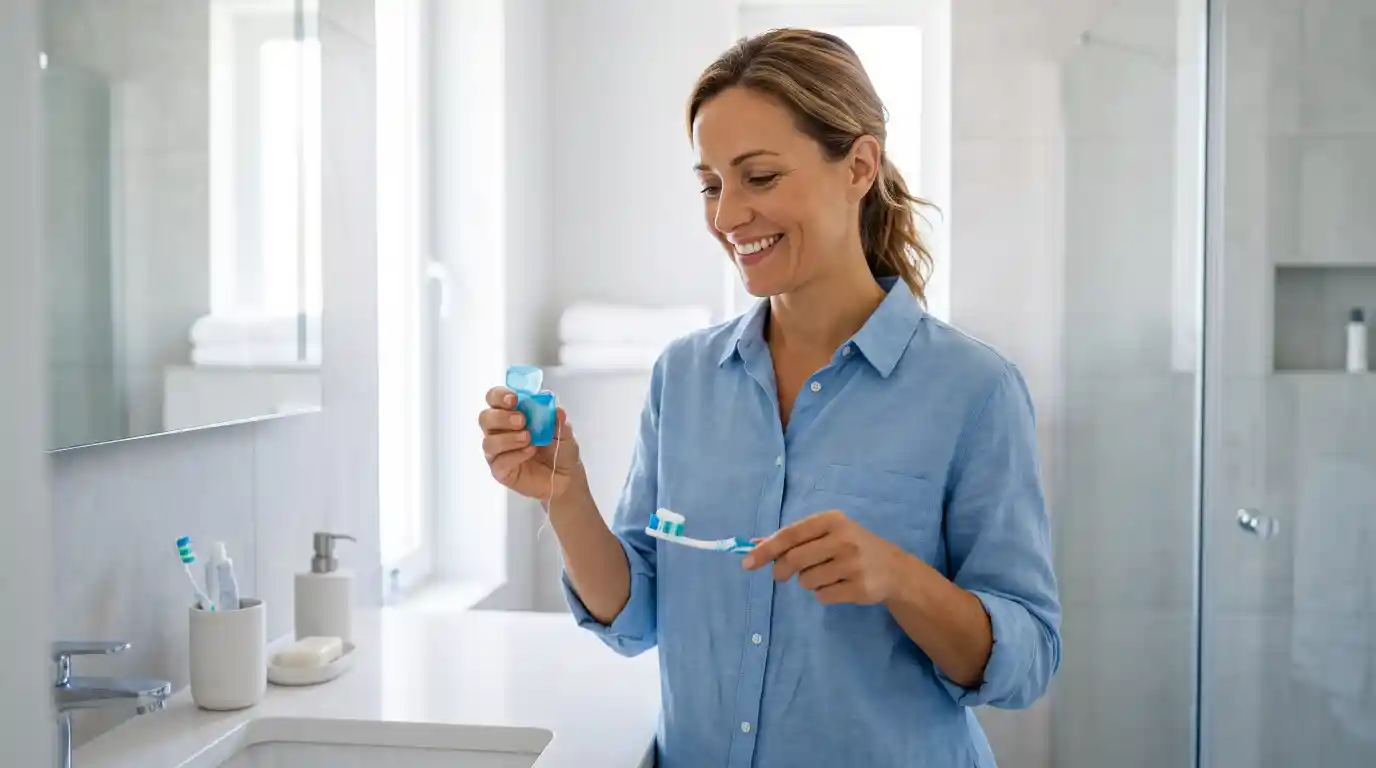


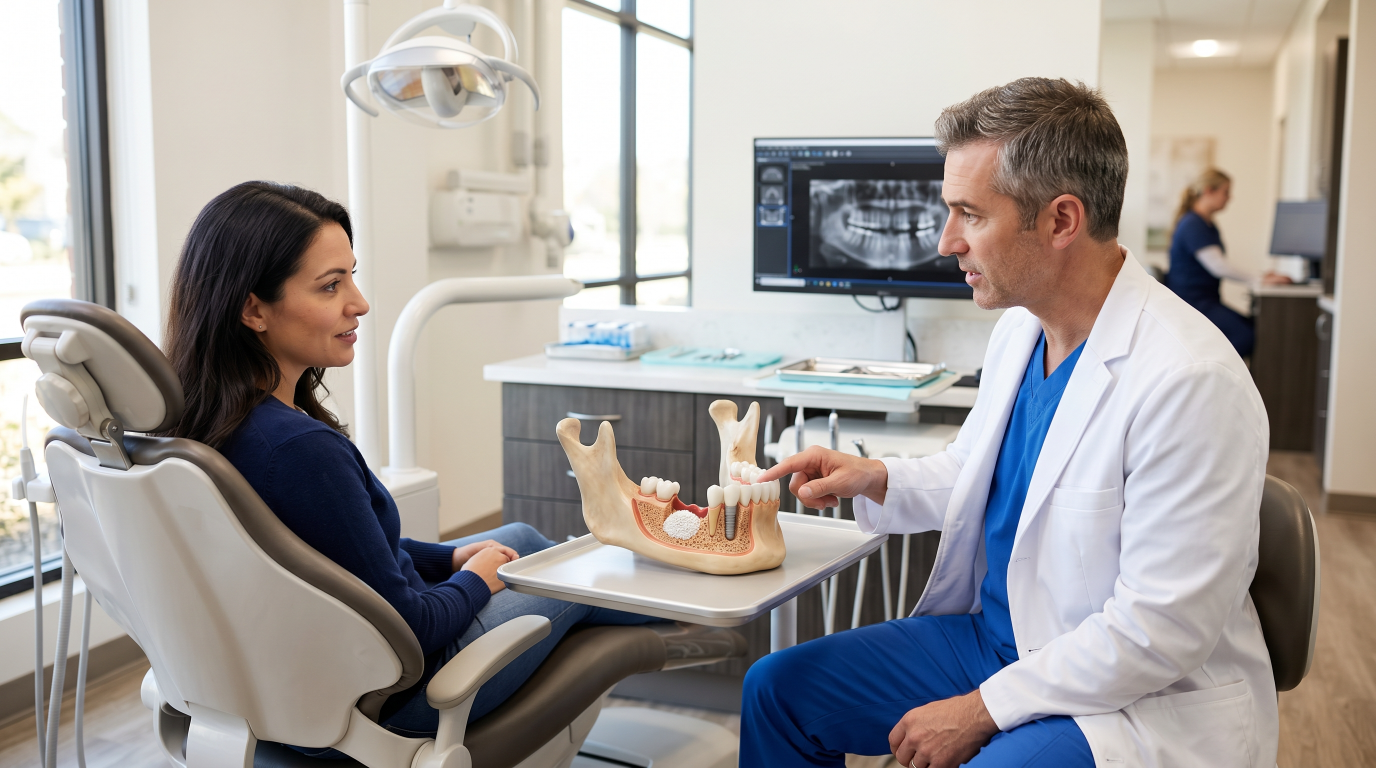
Dentists generally recommend flossing before brushing. Flossing first loosens and removes food particles and plaque trapped between the teeth, clearing the way for a more thorough brush afterward. Once the debris is gone, the fluoride in toothpaste can reach more tooth surfaces, including the spots flossing just cleaned out. Research supports this order as well, showing that flossing before brushing removes more plaque overall and leaves more fluoride in contact with the teeth. Still, the most important factor is consistency: flossing and brushing daily matters more than the exact sequence.
This small change in order can make a noticeable difference in how clean a mouth feels and how healthy the gums stay over time. At Ocotillo Trails Dentistry in San Tan Valley, patients are guided through this simple routine during every visit, since a few small daily habits can prevent a lot of dental problems down the road.
Why the Order Matters
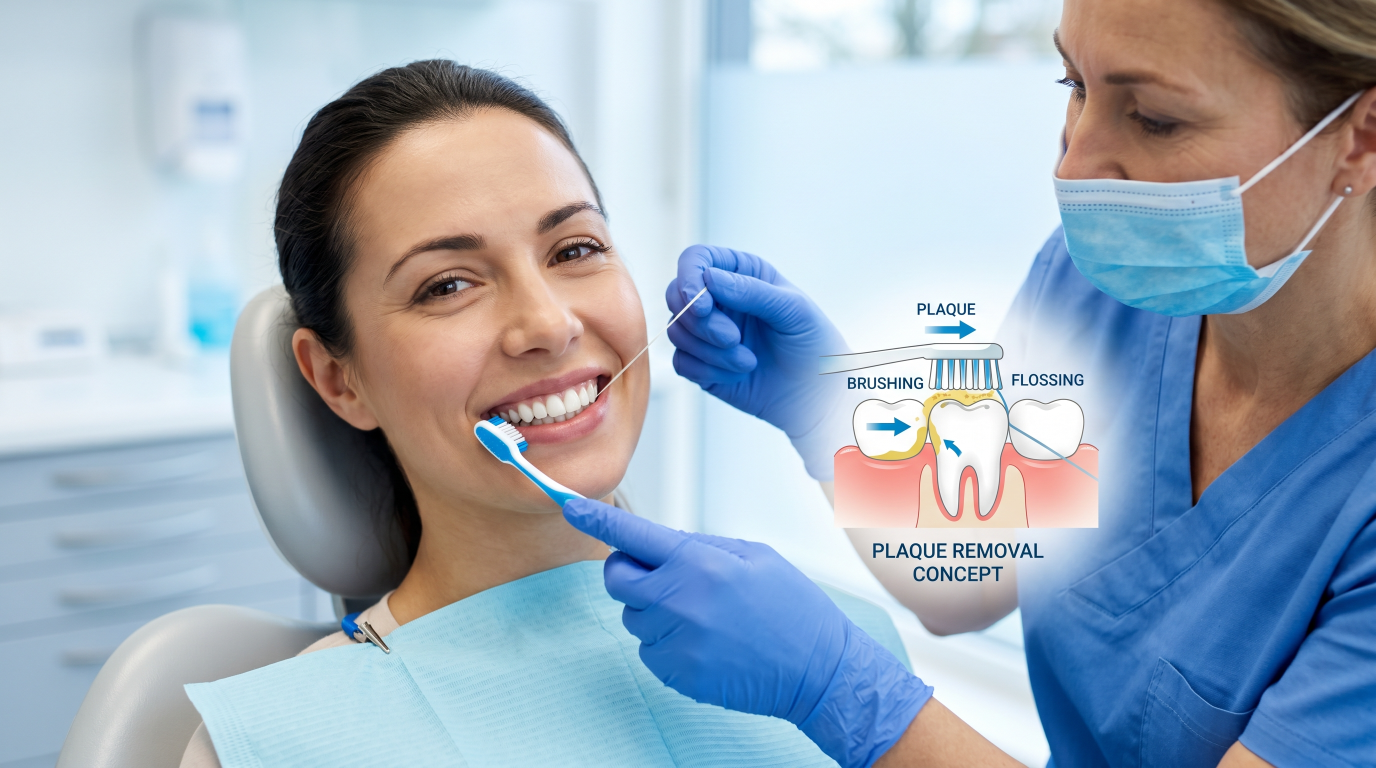
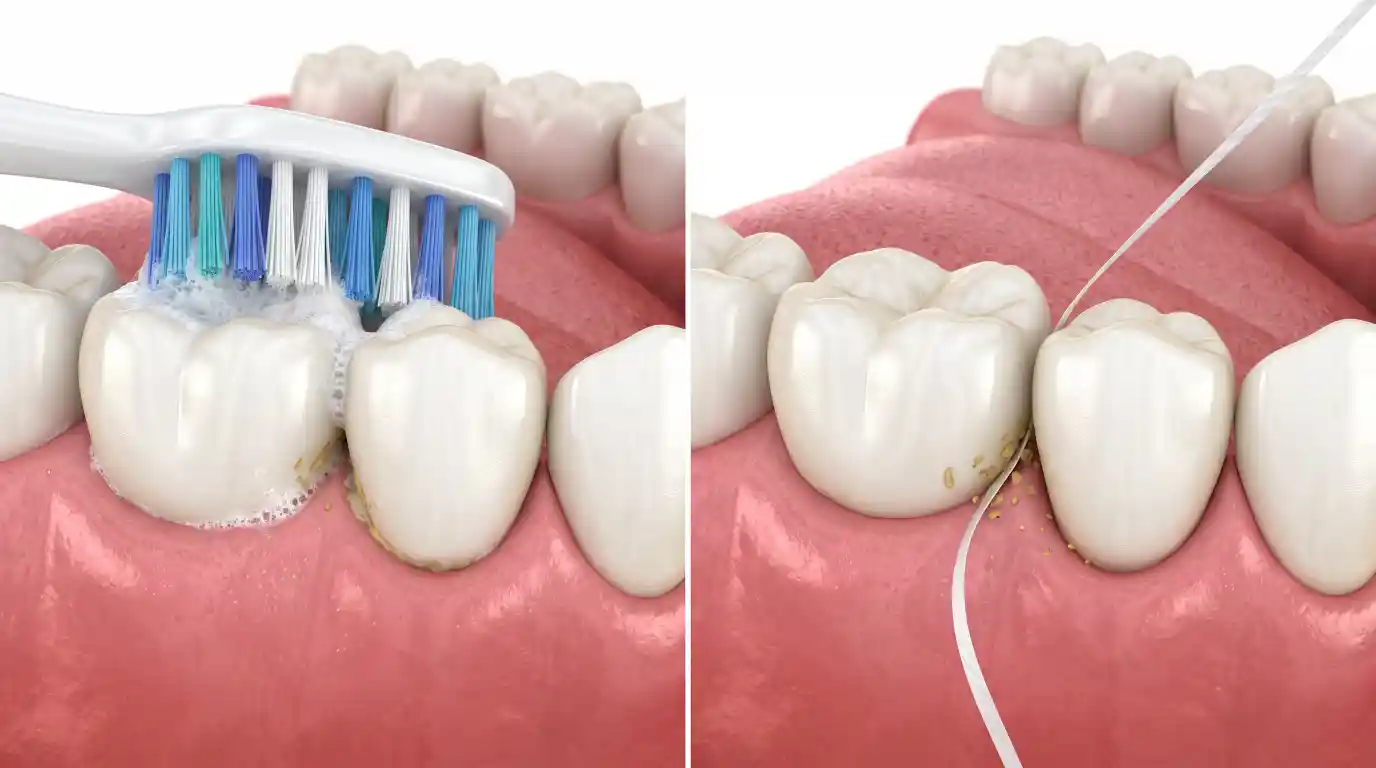
Brushing and flossing are not two separate jobs. They work as a team. Your toothbrush cleans the flat surfaces of your teeth, but it cannot reach the tight spaces between them. That is where floss comes in. Floss slides into those tiny gaps and pulls out plaque and leftover food that your brush cannot touch.
Why the Sequence Matters
Plaque is a sticky film of bacteria that builds up on teeth throughout the day. Brushing first and flossing after means the surfaces get cleaned, but the sticky plaque trapped between the teeth stays behind. When flossing finally happens, it ends up pushing that loosened plaque around instead of clearing it away completely.
The Benefit of Flossing First
Flossing before brushing breaks up plaque and food debris ahead of time. This allows the toothbrush and toothpaste to clean a smoother, clearer surface afterward. The fluoride in toothpaste also gets a better chance to soak into the spaces between the teeth, which helps strengthen enamel and fight cavities where they are most likely to start.
Different Types of Dental Floss
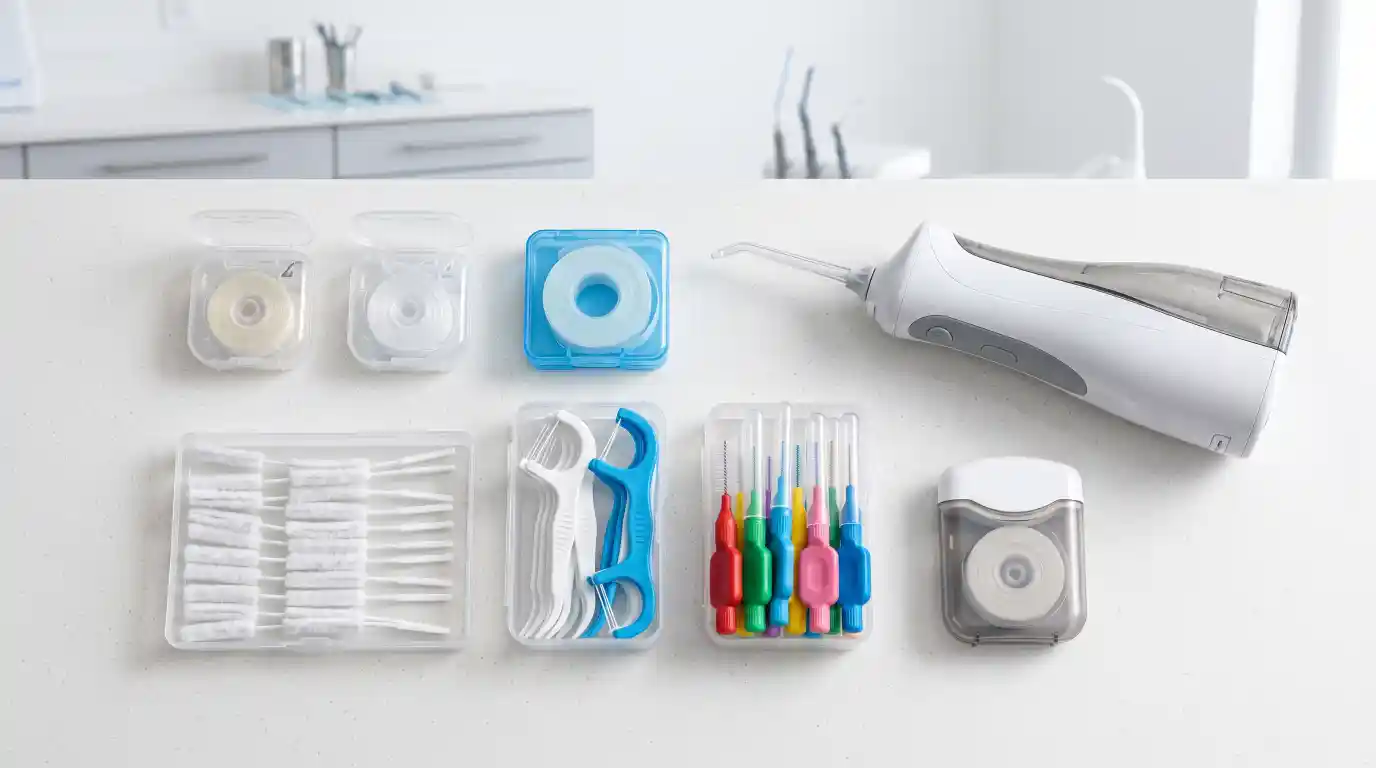
Not all floss is the same. Here are the most common types you might come across.
- Waxed floss. Coated with a thin layer of wax, making it easier to slide between tight teeth.
- Unwaxed floss. Thinner and can squeak against teeth, which some people use to check if their teeth are truly clean.
- Dental tape. Wider and flatter than regular floss, often preferred by people with more space between their teeth.
- PTFE floss. A smooth, strong material that glides easily and resists shredding, even between very tight teeth.
- Super floss. Designed with stiff ends and spongy sections, useful for cleaning around braces, bridges, and gaps.
- Floss picks. Small plastic tools with a piece of floss attached, convenient for travel or quick use.
- Water flosser. Uses a stream of water to clean between teeth and along the gumline, a good option for people with braces or sensitive gums.
- Interdental brushes. Tiny brushes that fit between teeth, often used by people with larger gaps or dental work.
Should You Floss Before or After Brushing?
The order of flossing and brushing can affect how well plaque is removed and how effectively fluoride protects the teeth.
Flossing Before Brushing
First, it removes plaque and food debris before your toothbrush even touches your teeth. This means your brushing time is spent cleaning teeth that are already partly clean, not pushing gunk around.
Second, it helps fluoride reach more of your tooth surfaces. Once the space between your teeth is clear, the fluoride from your toothpaste can settle into those areas instead of getting blocked by trapped debris.
Third, this order is backed by research. Several dental studies have found that flossing before brushing removes more plaque overall than brushing first. One study published in dental hygiene journals found that people who flossed before brushing had noticeably less plaque left behind compared to those who brushed first and flossed later.
Flossing After Brushing
Flossing after brushing is not harmful. It will not damage your teeth or gums. If this is the order you have always used, your mouth is still getting real benefits from both steps.
However, this order is generally less effective for one main reason. When you brush first, plaque and debris are still packed between your teeth. Your toothpaste’s fluoride cannot fully reach those tight spaces yet. Then, when you floss afterward, you are removing debris that the fluoride never really got to treat.
So flossing after brushing still works and it is still much better than skipping flossing altogether. But if you want the best results from your routine, switching the order can help you get more value from the same amount of effort.
What Do Dentists Recommend?
Most dental professionals now recommend flossing before brushing based on current research. This is a shift from what many people were taught growing up, when brushing usually came first.
The American Dental Association (ADA) supports daily flossing as part of a complete oral care routine, though it has historically left the exact order flexible since the most important part is that you floss and brush every single day. That said, growing research points to flossing first as the more effective method for reducing plaque and improving fluoride contact with your teeth.
At Ocotillo Trails Dentistry, we often tell our patients that consistency matters more than perfection. If flossing before brushing feels easier to remember, stick with that order. What matters most is that both steps happen daily, every single day, without fail.
Benefits of Flossing Before Brushing
Making this small switch in your routine comes with real benefits for your oral health.
- Removes trapped food. Floss reaches food particles stuck between your teeth that your toothbrush simply cannot access.
- Reduces plaque buildup. Clearing plaque before brushing means less sticky buildup left behind after your routine is done.
- Improves fluoride contact. With debris out of the way, fluoride from your toothpaste can reach more of your enamel.
- Supports healthier gums. Removing plaque near the gumline lowers your risk of gum irritation and gum disease.
- Helps prevent cavities. Less trapped plaque means fewer chances for cavities to form between your teeth.
- Fresher breath. Removing hidden food particles helps reduce the bacteria that cause bad breath.
How to Floss Properly (Step-by-Step)
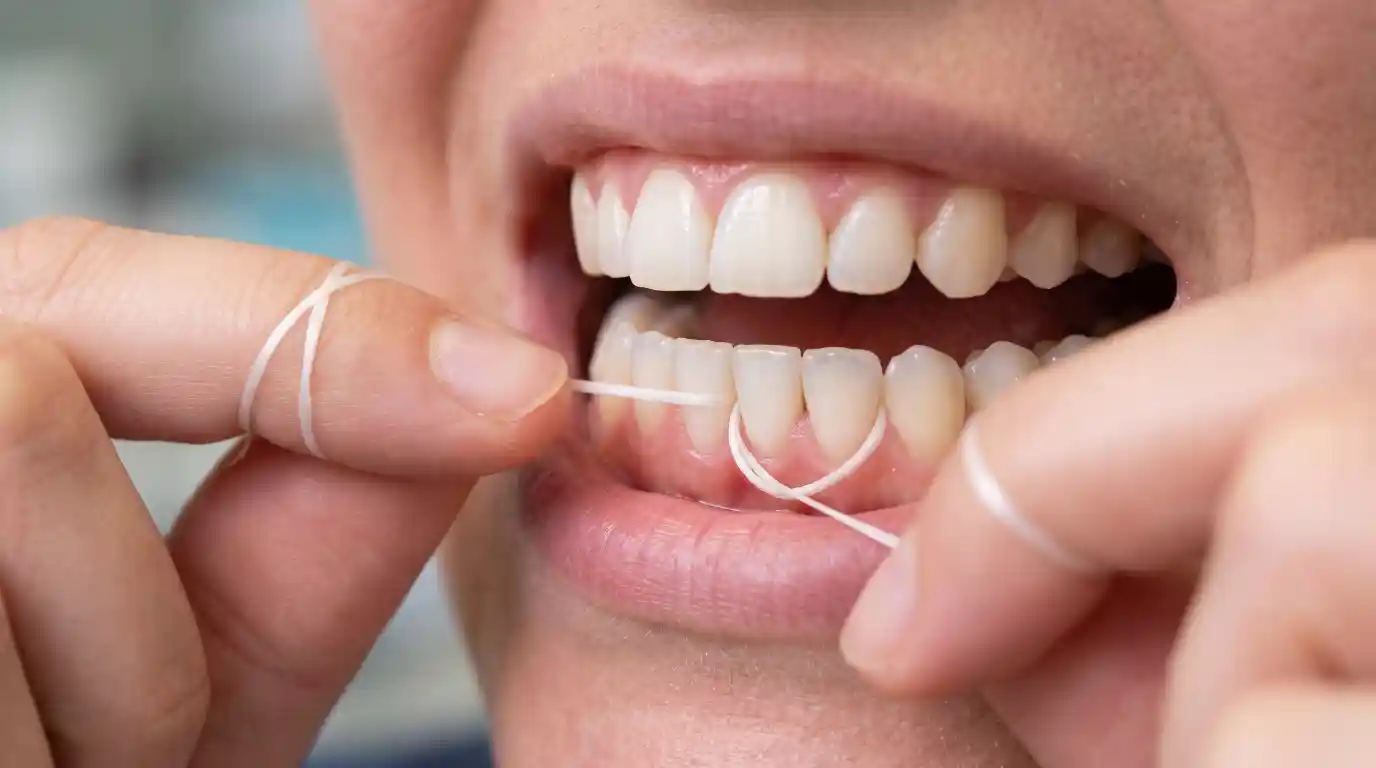
Flossing the right way matters just as much as flossing in the right order. Here is a simple step-by-step guide.
Use enough floss. Break off about 18 inches of floss. This gives you enough length to use a clean section for each tooth.
Wrap it correctly. Wind most of the floss around your middle fingers, leaving a couple of inches to work with between your hands.
Slide gently between teeth. Use a gentle back and forth motion to guide the floss between your teeth. Do not snap or force it, since this can hurt your gums.
Form a C shape around each tooth. Curve the floss around the side of each tooth in a C shape. This helps you clean the curved surface instead of just the flat middle.
Clean below the gumline. Gently slide the floss just slightly under the gumline. This is where plaque often hides and causes irritation if left alone.
Use a clean section for every tooth. Unwind a fresh section of floss as you move from tooth to tooth. Reusing the same dirty section just spreads bacteria around instead of removing it.

Complete Oral Hygiene Routine
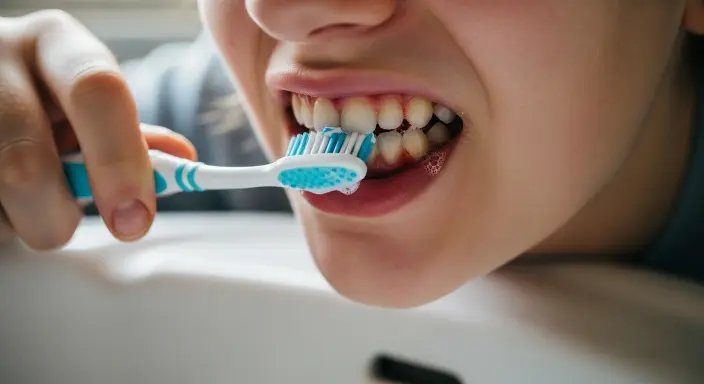
For the best results, follow the same order every day. Start by flossing to clear out plaque and food debris stuck between your teeth. Next, brush for a full two minutes using fluoride toothpaste, making sure to cover every surface, not just the front of your teeth. After that, clean your tongue with a tongue scraper or your toothbrush, since bacteria on your tongue is a common cause of bad breath.
If your dentist has recommended a mouthwash, use it last as a final rinse to reach any bacteria your floss and brush may have missed. This whole routine only takes a few extra minutes each day, but sticking to it consistently can make a real difference in your oral health over time.
Should You Floss in the Morning or at Night?
Timing matters less than you might think. What matters most is that you floss once a day, every day, without skipping. That said, many dentists suggest flossing at night. Throughout the day, food and bacteria build up in your mouth. Flossing before bed clears this out before you sleep, which is when your mouth produces less saliva and bacteria can do more damage.
The best time to floss is whatever time you will actually stick with. If mornings work better for your schedule and you know you will floss consistently then, that is a fine choice too. Consistency beats perfect timing every time.
How Often Should You Floss?
Flossing once a day is enough for most people. This gives your teeth a full cleaning cycle every 24 hours, clearing out the plaque and food debris that build up over the course of a day.
Flossing twice a day is not usually necessary, unless your dentist has told you otherwise, such as if you have braces, gum disease, or other special dental needs. For most people, one thorough flossing session a day, done correctly, is enough to protect your gums and prevent cavities between your teeth.
Common Flossing Mistakes to Avoid
Even with the right order and tools, small mistakes can reduce how effective your flossing really is.
- Snapping the floss. Forcing floss too quickly between teeth can hurt your gums and cause bleeding.
- Skipping back teeth. Molars are harder to reach but collect just as much plaque, if not more.
- Reusing dirty floss. Using the same section of floss for every tooth just moves bacteria around your mouth.
- Flossing too aggressively. Being too rough can damage gum tissue over time instead of protecting it.
- Flossing inconsistently. Skipping days reduces the benefits and allows plaque to build back up.
Special Flossing Situations
Some situations call for a slightly different flossing approach. People with braces often need special tools like floss threaders, super floss, or water flossers to get floss under the wires and between the brackets, since regular floss can be hard to maneuver around them. Dental implants still need daily flossing too, since keeping the area clean helps prevent gum irritation and bacteria buildup around the implant site, even though the implant itself is not a natural tooth.
Bridges and crowns also need special attention. With bridges, floss threaders or special bridge floss help you clean under the false tooth and around the teeth supporting it, since regular floss cannot pass through that area on its own. Crowns need regular flossing around their edges too, since plaque can build up there just as easily as it does on natural teeth.
As for dentures, the dentures themselves are not flossed, but any remaining natural teeth and the gum line still need daily cleaning to stay healthy and free of irritation.
Signs You’re Flossing Correctly
If you are flossing the right way, over time you should notice a few clear signs.
- Less bleeding over time. Some bleeding is normal when you first start or restart flossing, but it should reduce within a week or two.
- Healthier gums. Your gums should look pink and feel firm, not swollen or sore.
- Cleaner feeling teeth. Your teeth should feel smooth, not fuzzy or coated, after flossing and brushing.
- Less plaque buildup. Your dentist should notice less plaque and tartar at your regular checkups.
Ready for a Healthier Smile?
Flossing and brushing at home go a long way, but they work best when paired with regular care from a dentist who knows your smile inside and out. If it has been a while since your last cleaning, or if you are dealing with bleeding gums, tooth sensitivity, or just have questions about the best routine for your teeth, At Ocotillo Trails Dentistry in San Tan Valley would love to help you figure out what your smile really needs.
We take the time to walk you through simple, practical habits that fit into your everyday life, so caring for your teeth never feels complicated or overwhelming. Whether it has been six months or a few years since your last visit, there is no better time than now to get back on track. Contact us today to schedule your next appointment, and let us help you build a routine that keeps your smile healthy, comfortable, and confident for years to come.
Conclusion
At the end of the day, the question of flossing before or after brushing comes down to getting the most out of the time you already spend on your teeth. Flossing first clears away the plaque and food debris hiding between your teeth, which means the fluoride in your toothpaste is not blocked and can actually reach those tight spaces where cavities like to form. This one small change in order does not take extra time or extra effort, but it can lead to noticeably healthier gums and fewer cavities over the months and years ahead.
That said, flossing after brushing is not a mistake, and if that is the order you have used your whole life, your teeth are still benefiting from it. The real goal here is not perfection, it is consistency. A daily habit of flossing, brushing for two full minutes, and cleaning your tongue will do far more for your smile than worrying about getting every single detail exactly right.
If you take one thing away from this guide, let it be this: floss every single day, brush twice a day, and see your dentist regularly for checkups and cleanings. These simple habits, done consistently, are what actually protect your teeth and gums over the long run, far more than any single trick or product ever could.
Frequently Asked Questions
Should you floss before or after brushing?
Flossing before brushing is generally recommended because it removes plaque first, allowing fluoride from your toothpaste to reach more tooth surfaces. This simple switch in order helps you get more protection out of the same toothpaste you already use every day.
Can you brush without flossing?
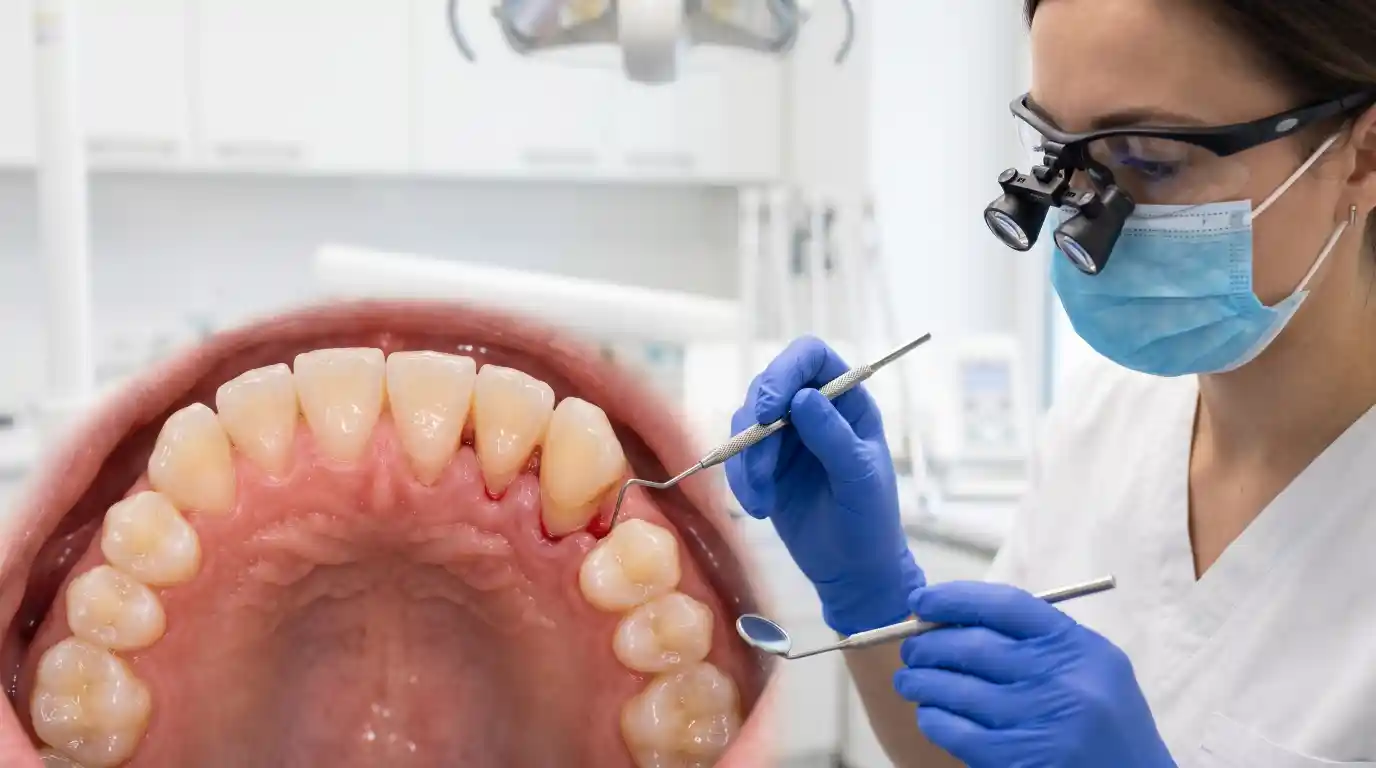
You can, but brushing alone misses the tight spaces between your teeth, leaving plaque behind that can lead to cavities and gum disease over time. Over months and years, this trapped plaque tends to harden into tartar, which only a dentist can safely remove.
Should you rinse after brushing?
Rinsing with water right after brushing can wash away some of the fluoride before it has time to work. Many dentists suggest spitting out excess toothpaste without rinsing, or waiting a bit if you rinse, so the fluoride has more time to strengthen your enamel.
Is a water flosser as effective as string floss?
Water flossers can be very effective, especially for people with braces or sensitive gums, though string floss is still often recommended for removing tightly packed plaque. Some people even use both, running a water flosser first and finishing with string floss for the tightest spots.
What happens if you never floss?
Skipping flossing allows plaque to build up between your teeth, which can lead to cavities, gum disease, and bad breath over time. This buildup often shows up first as swollen or bleeding gums, which is usually one of the earliest warning signs your mouth gives you.
Should children floss before or after brushing?
The same order applies to children once they have two teeth touching each other. Flossing before brushing gives kids the same fluoride and plaque removal benefits as adults, and starting the habit early makes it much more likely to stick as they grow older.