









The best teeth whitening for sensitive teeth is usually a dentist-supervised option that uses a lower whitening strength, shorter wear time, or custom trays. These choices can brighten your smile while giving you more control over discomfort. Whitening toothpaste or sensitive whitening strips may help with mild surface stains, but they may not create the same result as professional treatment.
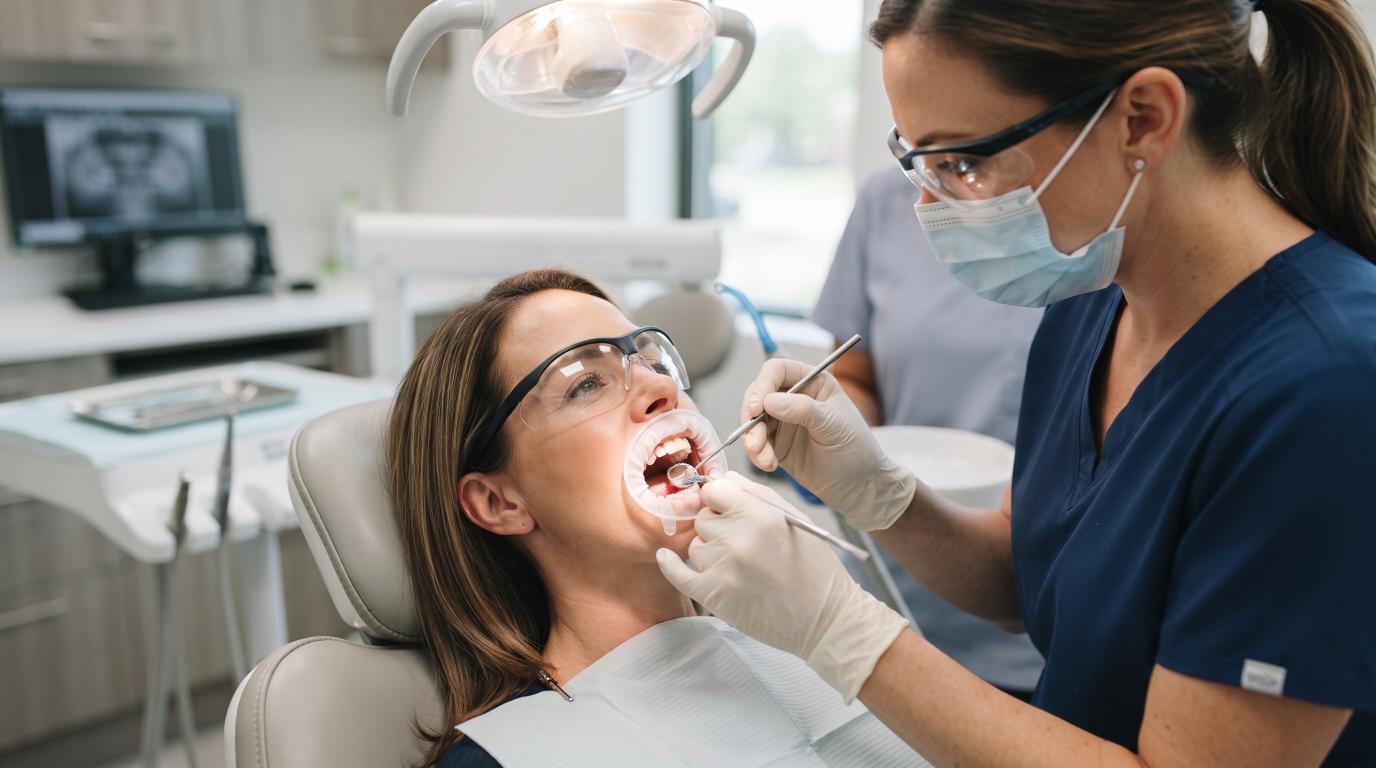
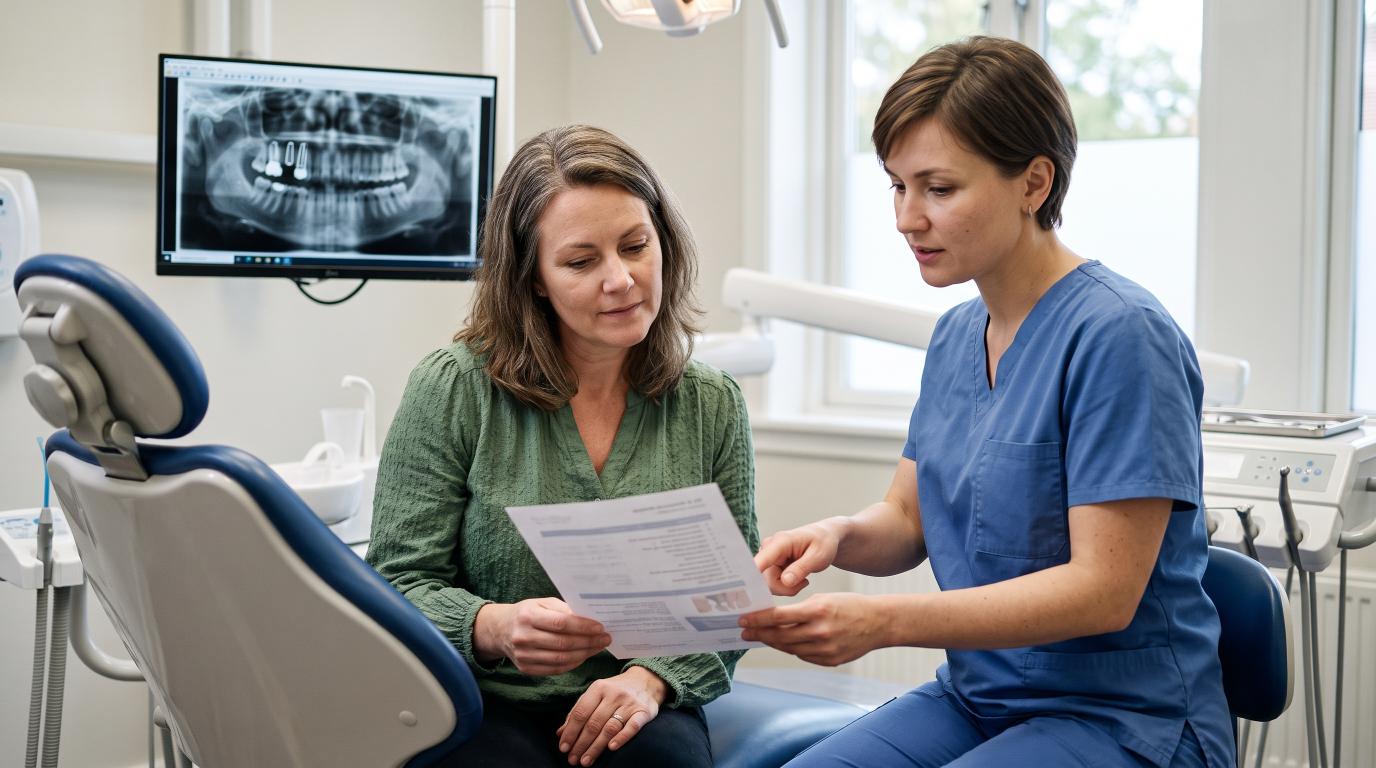
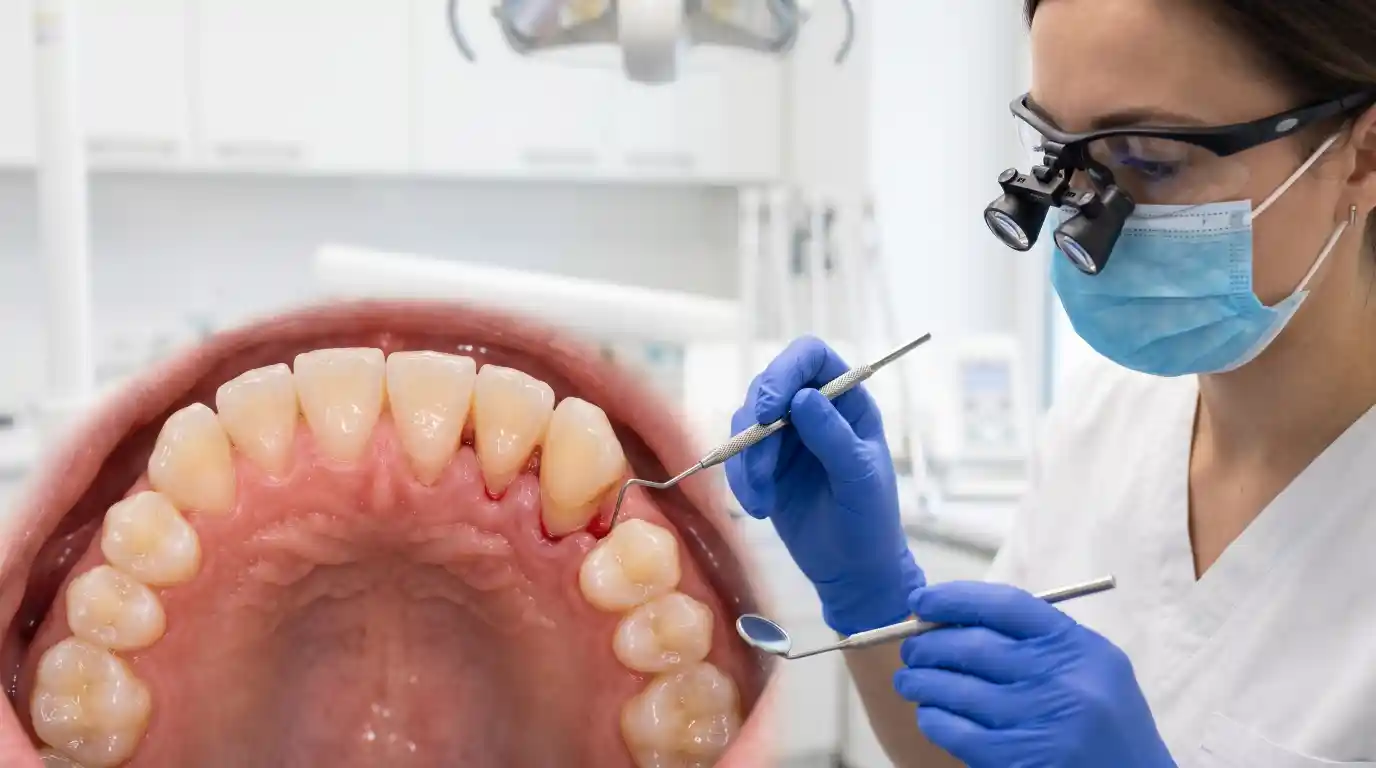
At Ocotillo Trails Family Dentistry in San Tan Valley, AZ, whitening should begin with a check of your teeth and gums. Sensitivity can come from worn enamel, gum recession, cavities, cracks, or exposed roots. Treating the cause first can make whitening safer and more comfortable.
No single method is best for everyone. Your stain type, sensitivity level, dental work, and whitening goals all matter. This guide explains the gentlest options, ingredients to consider, products to avoid, and signs that you should speak with a dentist before whitening.
- Best overall option for many sensitive teeth: Dentist-supervised take-home trays
- Fastest option: Professional in-office whitening
- Best for mild surface stains: Sensitive whitening toothpaste
- Best low-cost option: Low-strength strips made for sensitive teeth
- Most important first step: Find the cause of sensitivity
- When to avoid whitening: If you have cavities, cracked teeth, gum disease, or strong unexplained pain
Why Does Teeth Whitening Make Sensitive Teeth Hurt?

Whitening products often contain hydrogen peroxide or carbamide peroxide. These ingredients move through the outer tooth layer and break apart stain molecules. During this process, some people feel short, sharp pain or a stronger reaction to cold air, drinks, or food.
Sensitivity is often temporary, but it can feel worse when the whitening product is strong or stays on the teeth for too long. Existing enamel wear, gum recession, cracks, or decay can also make the nerves inside a tooth easier to reach.
One sensitive tooth may point to a local problem rather than a normal whitening reaction. Pain that is severe, keeps returning, or lasts after you stop whitening should be checked by a dentist.
Can You Safely Whiten Sensitive Teeth?
Many people with mild sensitivity can still whiten their teeth. The safest plan usually starts with understanding why the teeth are sensitive and choosing a method that allows better control over strength and wear time.
A dentist may suggest treating cavities, inflamed gums, exposed roots, or damaged enamel before whitening. You may also be asked to use sensitive toothpaste before and during treatment.
Best Teeth Whitening Options for Sensitive Teeth
The best whitening option depends on your sensitivity level, stain type, budget, and how quickly you want to see results.
Dentist-Supervised Take-Home Whitening Trays

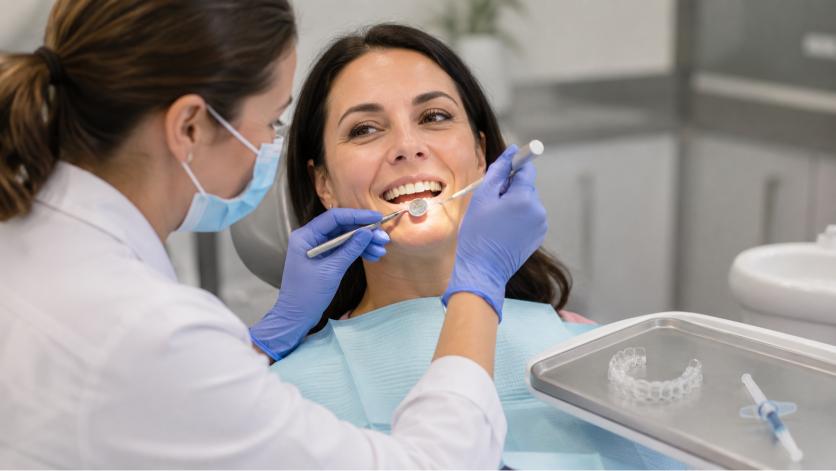
Custom take-home trays are often one of the best teeth whitening options for sensitive teeth. The trays are made to fit closely over your teeth, which helps keep the whitening gel in the correct area and reduces contact with the gums.
Your dentist can select a lower gel strength and adjust how long or how often you wear the trays. This gives you more control over sensitivity while still allowing your teeth to whiten gradually. Treatment can also be paused or adjusted if discomfort becomes too strong.
Professional In-Office Whitening
Professional in-office whitening can provide faster and more noticeable results than most at-home products. The dentist protects your gums and applies the whitening product carefully, which lowers the risk of uneven application or gum irritation.
However, strong whitening products may increase temporary sensitivity. If your teeth already react to hot or cold temperatures, your dentist may use shorter sessions, a gentler strength, or sensitivity-reducing treatment before and after whitening.
Whitening Strips for Sensitive Teeth
Whitening strips made for sensitive teeth usually contain a lower level of whitening ingredients or require a shorter wear time. They may be a useful option for mild yellowing or surface stains caused by coffee, tea, or food.
Strips are affordable and easy to use, but they may not fit every tooth evenly. They can also touch the gums if placed incorrectly. Follow the instructions carefully and stop using them if you develop strong or lasting pain.
Low-Strength Whitening Gels
Low-strength whitening gels can brighten teeth more gradually than stronger products. The slower process may be more comfortable for people who have mild sensitivity or have experienced pain during whitening in the past.
Results depend on the active ingredient, gel strength, application method, wear time, and number of treatments. Using extra gel or leaving it on longer will not always improve results and may increase sensitivity.
Whitening Toothpaste for Sensitive Teeth
Whitening toothpaste mainly removes stains from the outer surface of the teeth. It may help reduce stains caused by coffee, tea, tobacco, and dark-colored foods, but it does not change deep tooth color like peroxide-based whitening treatments.
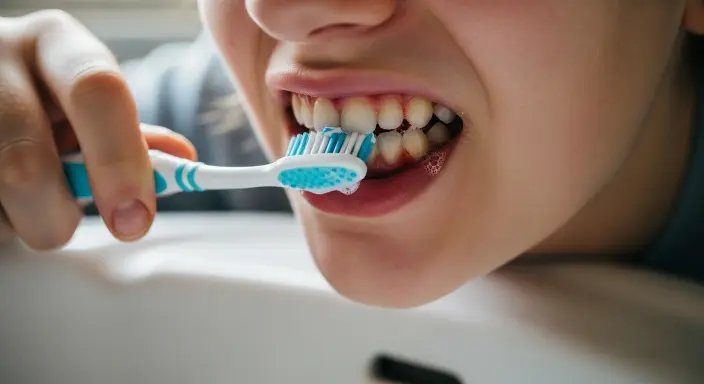
A toothpaste made for sensitive teeth may contain ingredients that help reduce discomfort while gently polishing stains. Choose a fluoride toothpaste and use a soft-bristled toothbrush. Brushing too hard can wear enamel and expose sensitive areas near the gumline.
Peroxide-Free Whitening Products
Peroxide-free whitening products may be more comfortable for people who cannot tolerate common bleaching ingredients. These products often work by lifting or polishing away surface stains instead of changing the natural shade inside the tooth.
They may provide subtle results, but they are less likely to whiten deep or long-standing discoloration. Check the ingredients carefully because peroxide-free does not always mean the product is gentle or non-abrasive.
Professional Whitening vs. At-Home Whitening
Professional whitening offers more supervision and faster results, while at-home options are often more affordable and gradual.
|
Factor |
Professional Whitening |
At-Home Whitening |
|
Speed |
Often faster |
Usually more gradual |
|
Sensitivity control |
Dentist can adjust the plan |
Depends on the product and correct use |
|
Strength |
May use stronger products |
Often uses lower strengths |
|
Fit |
Custom protection or trays may be used |
Store-bought products have a general fit |
|
Best for |
Deeper stains or faster results |
Mild stains and gradual whitening |
|
Cost |
Usually higher |
Usually lower |
|
Supervision |
Completed or managed by a dental professional |
Often used without direct supervision |
Which Whitening Ingredient Is Best for Sensitive Teeth?
Hydrogen peroxide works more quickly and is common in office treatments, strips, and gels. Carbamide peroxide breaks down more slowly, so it is often used in take-home trays. Neither ingredient is completely free from sensitivity. The concentration and contact time may matter as much as the ingredient itself.
A lower strength used correctly may be more comfortable than a strong product used for a long session. Some products include potassium nitrate or fluoride. These ingredients may help manage sensitivity or support enamel, but they do not make every whitening product suitable for every patient.
How to Choose a Whitening Product for Sensitive Teeth
Start by checking the active ingredient and strength. Look for a product made for sensitive teeth or ask your dentist which concentration may suit you. Review the wear time. A product that stays on for a shorter period may be easier to manage. Do not use more gel or wear strips longer than the instructions say. Consider your type of stain.
Toothpaste may help with surface stains, while deeper yellow color may respond better to peroxide-based whitening. Also check whether you have crowns, veneers, fillings, or bonding near the front teeth. These materials will not whiten like natural enamel, which may lead to a color difference.
How to Whiten Sensitive Teeth With Less Discomfort
Use sensitive toothpaste for several days or weeks before whitening if your dentist recommends it. Continue using it during the whitening period. Start with shorter sessions or leave more time between treatments. A gradual plan can still improve the shade without pushing through strong pain. Avoid very hot, cold, sweet, or acidic foods during treatment. Teeth may react more strongly for a short time after whitening.
Use only the amount of gel directed. Extra gel may spread onto the gums and does not always produce a better result. Stop whitening if the pain becomes strong, lasts for a long time, or affects one tooth more than the others.
What Should You Avoid When Whitening Sensitive Teeth?
Avoid high-strength whitening products when you do not know the cause of your sensitivity. Stronger does not always mean better, especially when the teeth or gums are already irritated. Do not use several whitening products at the same time. Combining strips, gels, pens, and whitening toothpaste may increase irritation without giving a more even result.
Avoid leaving products on overnight unless they were designed and prescribed for that use. Longer contact can raise the chance of pain and gum irritation. Skip acidic home remedies such as lemon juice, vinegar, or fruit acids. Acid can weaken the tooth surface and make sensitivity worse. Charcoal and rough powders may also scratch or wear the surface when used too often or with heavy brushing.
What Type of Tooth Stains Do You Have?
Extrinsic stains sit on the outer tooth surface. They often come from coffee, tea, red wine, tobacco, and dark foods. Cleaning, whitening toothpaste, strips, or professional whitening may improve them.
Intrinsic stains are inside the tooth. They may be linked to age, injury, medication, or tooth development. These stains can be harder to change and may need a different cosmetic plan.
Knowing the stain type helps prevent wasted time and discomfort from a product that is unlikely to work.
When Teeth Whitening May Not Work
Whitening changes the color of natural teeth. It does not change the shade of crowns, veneers, tooth-colored fillings, or bonding.
If you whiten the natural teeth around dental work, the restoration may look darker afterward. Your dentist can help plan the order of whitening and replacement work for a more even smile.
Very dark, gray, or injury-related stains may also respond less than common yellow stains. Bonding, veneers, crowns, or another treatment may sometimes provide a better result.
When Whitening Should Not Be the First Step

Do not begin whitening if you have an untreated cavity, cracked tooth, loose filling, active gum disease, or painful gum recession. Whitening gel may enter or irritate these areas.
Sudden sensitivity in one tooth also needs attention. It may be caused by decay, a crack, a damaged filling, or another problem.
How Long Does Teeth Whitening Last?
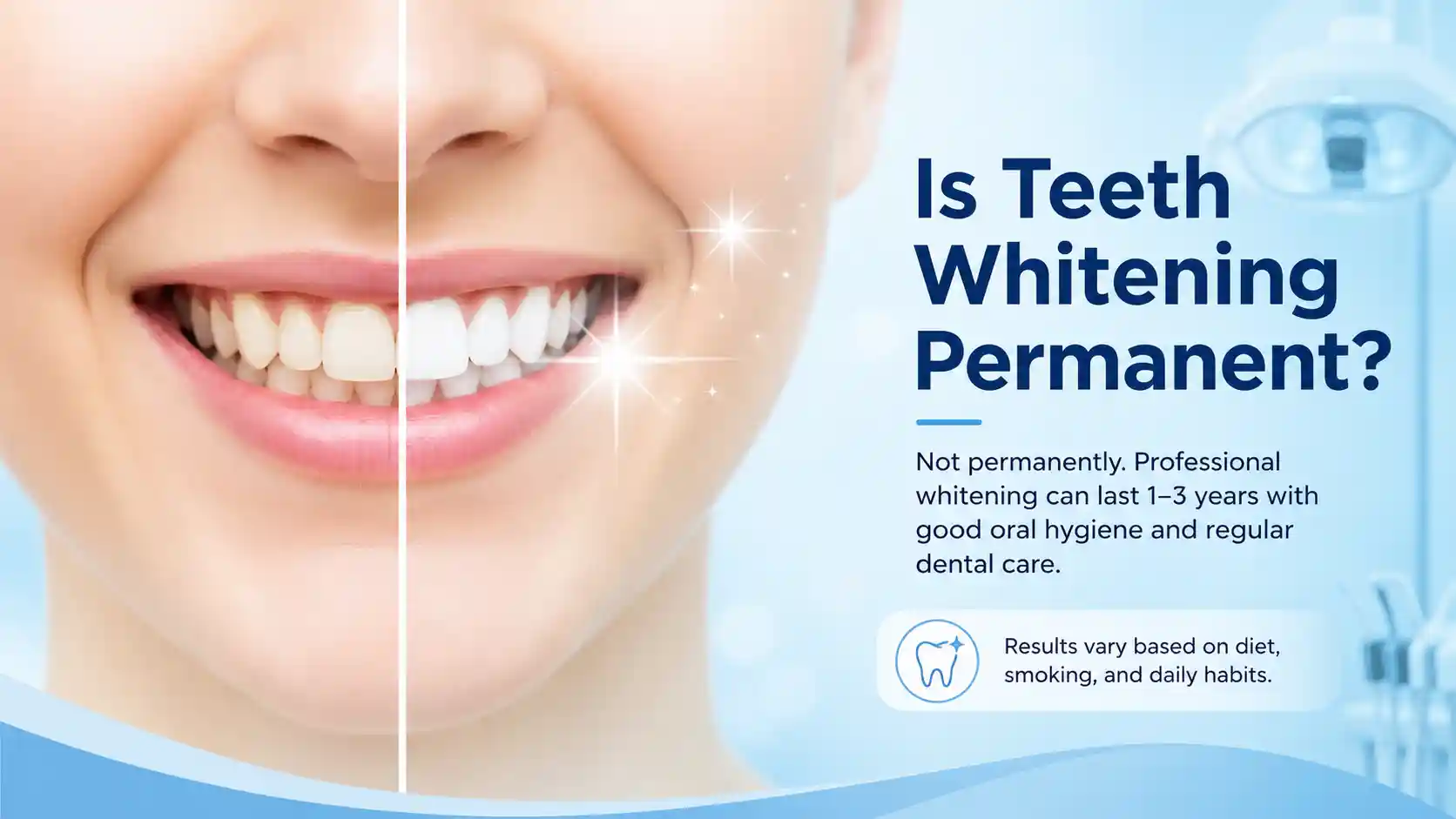
Whitening results can last from several months to a few years, but this varies. Coffee, tea, tobacco, red wine, and dark foods can cause new stains.
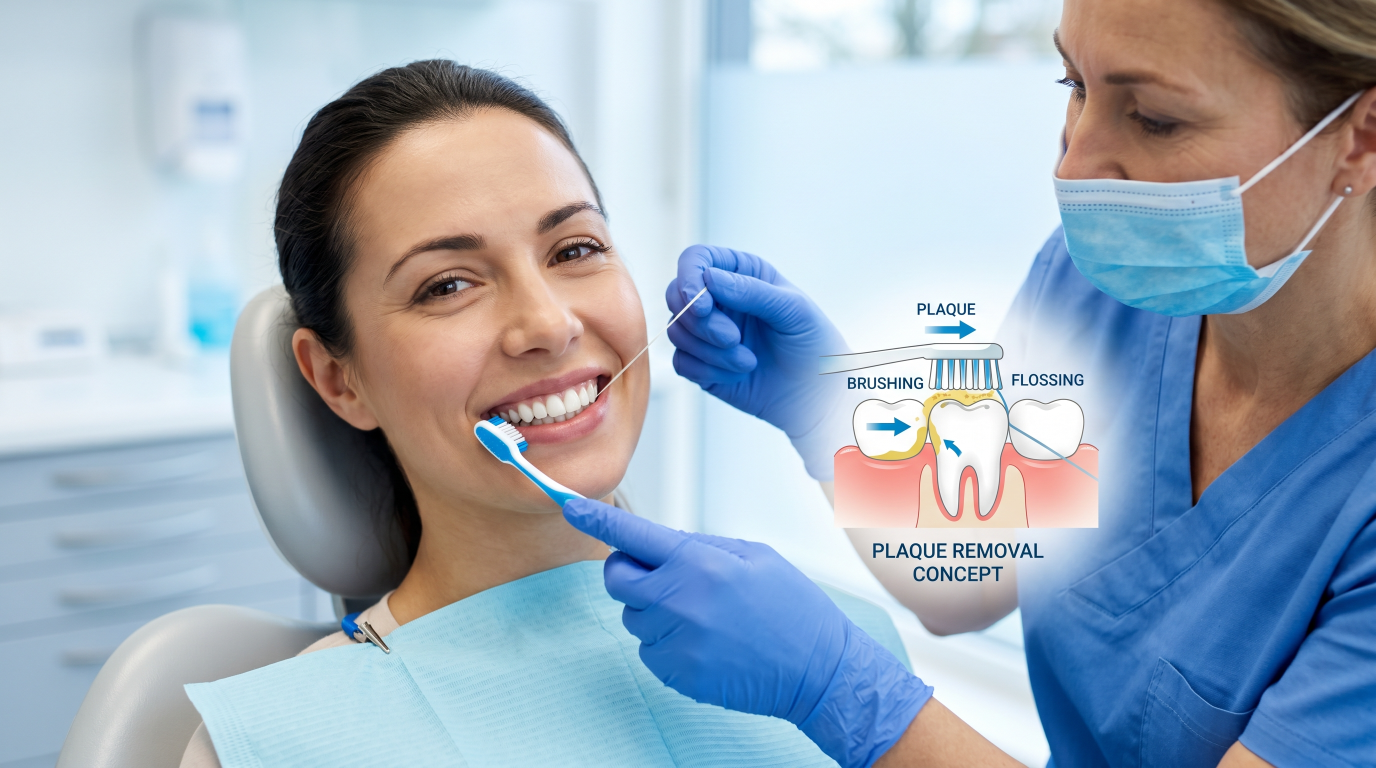
Brush twice a day, floss daily, and attend regular cleanings. Rinsing with water after dark drinks may also help reduce new surface stains.
Some patients use occasional touch-up treatments. Ask your dentist how often touch-ups are safe for your teeth, especially if you have ongoing sensitivity.
When Should You Contact a Dentist?
Contact a dentist if sensitivity is severe, lasts after you stop whitening, or affects only one tooth. You should also seek care for swelling, a broken tooth, gum bleeding, or pain when biting.
Gum burning, white patches, or sores may mean the whitening product touched the soft tissue or was used too long. A dental examination can find the cause and help you decide whether to pause, change, or stop whitening.
How to Choose the Best Whitening Method for Your Teeth
Think about your sensitivity level, stain type, budget, and desired speed. Mild surface stains may need only gentle toothpaste or sensitive strips.
Deeper stains may respond better to dentist-supervised trays or in-office whitening. Existing dental work and oral health can also affect the final choice.
The safest method is one that fits your teeth, uses a suitable strength, and includes a plan for managing sensitivity.
Ready for a Brighter Smile in San Tan Valley?
Sensitive teeth do not always mean you must avoid whitening. The right first step is finding the cause of sensitivity and choosing a method that protects your comfort.
Schedule a whitening consultation with Ocotillo Trails Family Dentistry in San Tan Valley, AZ. Contact us our team can examine your teeth, review your goals, and recommend a professional or take-home option that fits your smile.
Conclusion
For many people with sensitive teeth, dentist-supervised take-home trays offer the best balance of comfort, control, and noticeable whitening. Professional in-office whitening may suit patients who want faster results, while sensitive whitening strips and toothpaste can help with mild surface stains.
Do not whiten through severe pain or combine several strong products. Cavities, cracks, gum recession, enamel wear, and dental restorations can affect both comfort and results.
An examination at Ocotillo Trails Family Dentistry in San Tan Valley, AZ can help identify the cause of sensitivity and determine which whitening method is most suitable for your smile.
Frequently Asked Questions
Can You Whiten Teeth if They Are Sensitive?
Yes, many people with sensitive teeth can still whiten safely. The cause and severity of sensitivity should be considered first. A lower strength, shorter wear time, or dentist-supervised plan may reduce discomfort. Stop and seek advice if pain becomes strong or lasts.
What Is the Gentlest Way to Whiten Sensitive Teeth?
Dentist-supervised take-home trays with a suitable gel strength are often a gentle option. Custom trays help control where the gel sits and how much is used. Sensitive whitening strips or toothpaste may help with mild surface stains. The best method depends on your teeth and stain type.
Is Professional Whitening Safe for Sensitive Teeth?
Professional whitening may be safe when a dentist checks your mouth and adjusts the treatment. Gum protection, shorter applications, or a lower strength may be used. Some patients may still develop temporary sensitivity. Existing cavities, cracks, or gum problems should be treated first.
Is Hydrogen Peroxide Bad for Sensitive Teeth?
Hydrogen peroxide is a common whitening ingredient, but it can cause temporary sensitivity. Higher strengths and longer contact times may feel more intense. It is not automatically harmful when used correctly. People with existing sensitivity should ask a dentist about a suitable product and schedule.
Can Whitening Strips Damage Sensitive Teeth?
Whitening strips can cause pain or gum irritation when used too often or left on too long. Choose strips made for sensitive teeth and follow the directions. Do not place them over damaged teeth or sore gums. Stop using them if discomfort becomes strong or does not improve.
Does Sensitivity Go Away After Teeth Whitening?
Whitening sensitivity is often temporary and may improve after treatment stops. It can last longer if the product was too strong or an untreated dental problem is present. Strong pain in one tooth is not something to ignore. Contact a dentist if sensitivity continues or becomes worse.
Can Crowns, Veneers, or Fillings Be Whitened?
No, whitening products do not change the color of crowns, veneers, fillings, or bonding. Only natural tooth structure responds to bleaching. Whitening nearby teeth can create a shade difference. A dentist can plan treatment so your natural teeth and dental work look more balanced.