








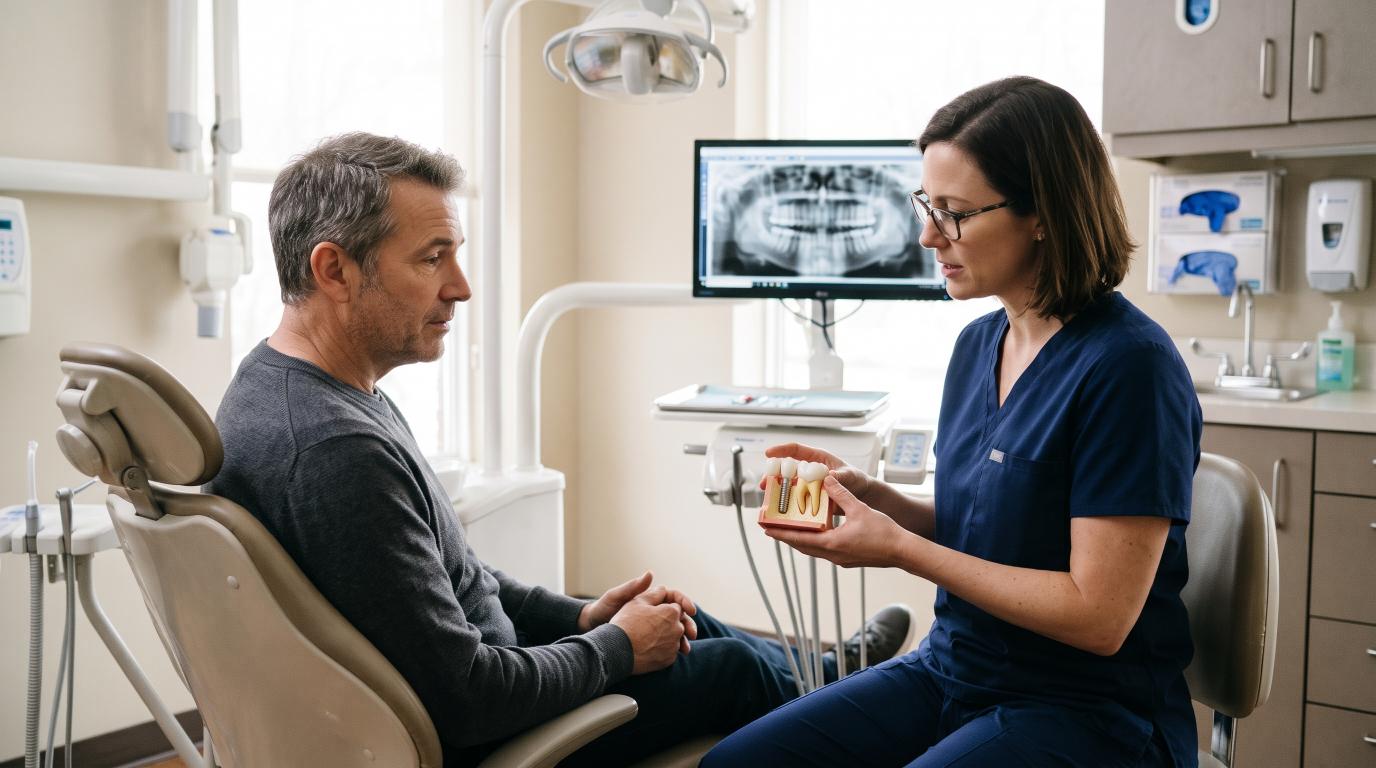
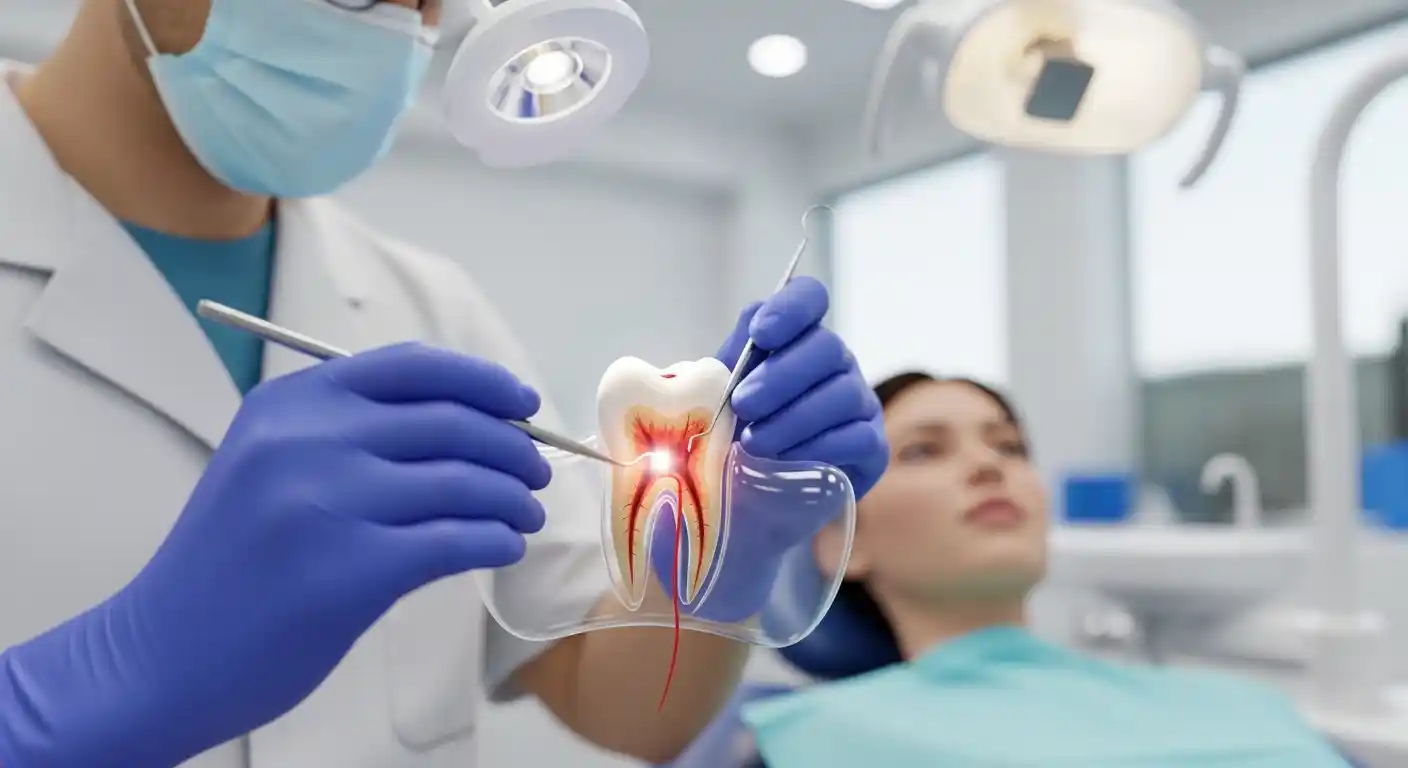
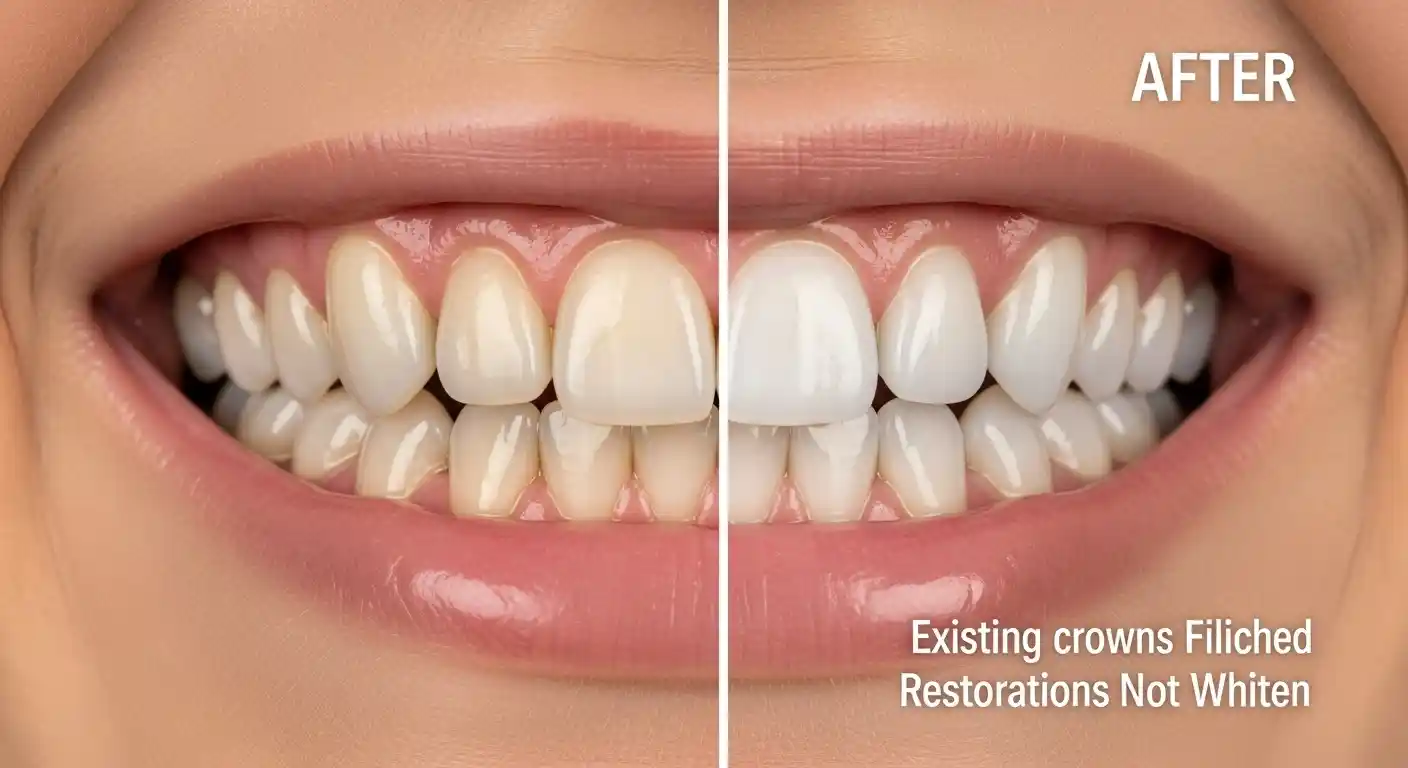


How often should you use mouthwash? For many adults who choose to use it, once a day is enough, although some mouthwashes are designed for twice-daily use. The right frequency depends on the ingredients, your risk of cavities or gum disease, and the product instructions. Mouthwash is not essential for everyone, and it should never replace brushing twice daily with fluoride toothpaste and cleaning between your teeth.
A fluoride rinse may provide extra cavity protection, while an antibacterial rinse can help control plaque and gum inflammation. However, using mouthwash more often does not automatically improve oral health. Understanding when to rinse, how much to use, and when to limit mouthwash can help you build a safer daily routine.
How Often Should You Use Mouthwash Daily?
Most adults who use mouthwash can follow a once-daily or twice-daily schedule, depending on the product instructions. A standard 0.05% sodium fluoride rinse is usually intended for daily use, while certain antibacterial mouthwashes are designed for use twice a day. The correct frequency depends on the active ingredients, the condition being addressed, and your dentist’s recommendations.
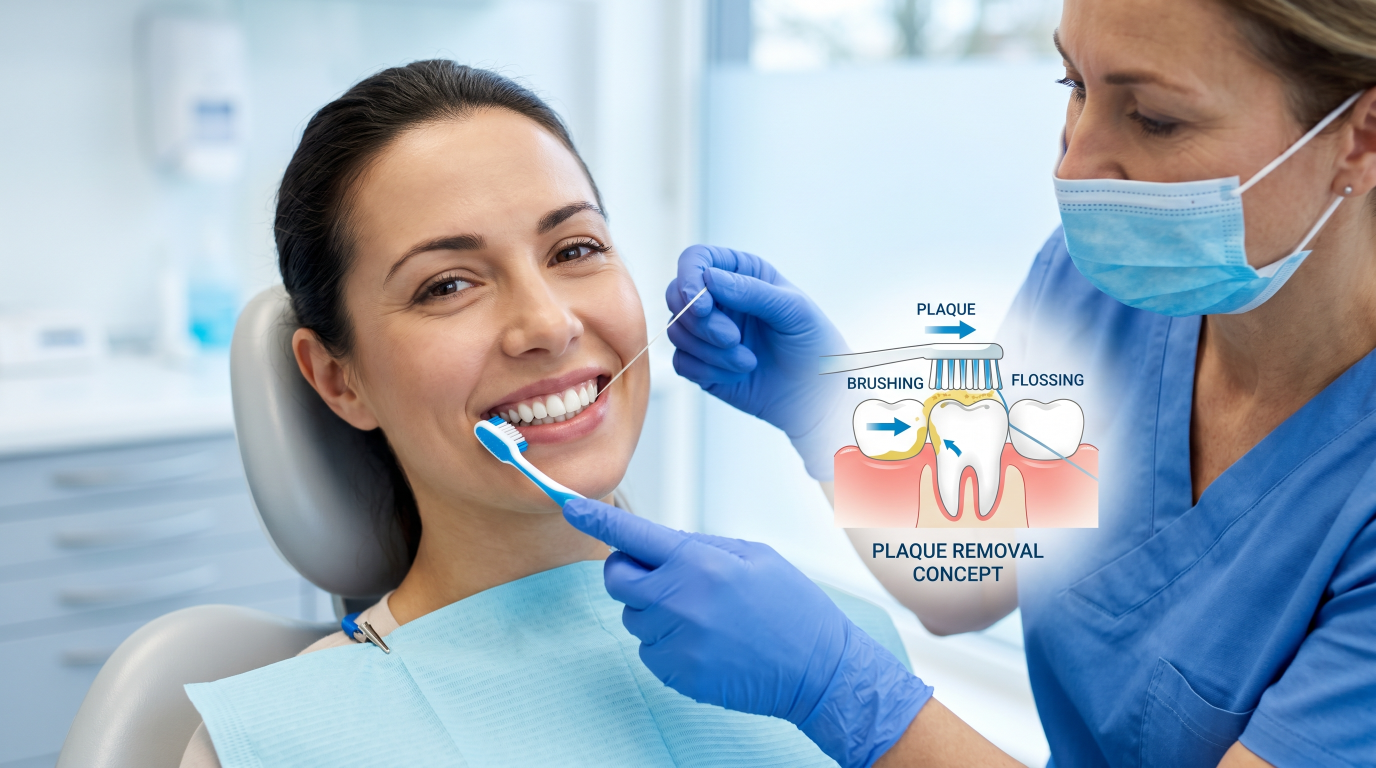
The American Dental Association’s mouthrinse guidance explains that mouthwash can provide additional benefits for some people, but it is not a replacement for brushing and flossing. Someone with healthy teeth and gums may not need mouthwash, while a person with frequent cavities or gingivitis may benefit from a targeted rinse. Following the recommended schedule is more important than simply increasing how often you rinse.
Is Once-a-Day Mouthwash Enough?
Yes, once-a-day mouthwash use is enough for many people who choose a product designed for daily rinsing. For example, a fluoride mouthwash containing 0.05% sodium fluoride is commonly recommended for daily use to provide additional protection against tooth decay.
This may be especially useful for people who frequently develop cavities or have difficulty keeping certain areas of their teeth clean. However, fluoride mouthwash is not automatically necessary for everyone who already brushes twice daily with fluoride toothpaste. Your risk of tooth decay, fluoride exposure, and dental history help determine whether an additional daily rinse would be beneficial.
Can You Use Mouthwash Twice a Day Safely?
Yes, using mouthwash twice daily can be safe when the product is specifically designed for that frequency. Some antibacterial mouthwashes have morning and evening instructions to help control plaque, gingivitis, or bad breath.
However, twice-daily use is not appropriate for every rinse. A product labeled for once-daily use should not be used twice simply to get faster results. Prescription mouthwashes, including chlorhexidine, also require specific instructions regarding dose, frequency, and duration. Follow the label or your dentist’s recommendations instead of increasing the number of rinses on your own.
Factors That Affect Ideal Mouthwash Frequency
The ideal mouthwash frequency depends on your cavity risk, gum health, age, and the ingredients in the rinse. Someone prone to tooth decay may benefit from a fluoride mouthwash, while a person with gingivitis may be advised to use an antimicrobial product.
Dry mouth, oral irritation, and difficulty swallowing can also affect whether regular rinsing is suitable. Certain ingredients may cause discomfort or staining with repeated use. Children need additional supervision because swallowing mouthwash can be harmful. A dentist can help determine whether mouthwash is necessary and which frequency is appropriate for your oral health.
Best Time to Use Mouthwash in Your Oral Care Routine
When you use mouthwash matters just as much as how often you use it. Timing your rinse correctly helps you get the maximum benefit from both your toothpaste and your mouthwash.
Should You Use Mouthwash Before or After Brushing?
Most dentists actually recommend using mouthwash after brushing and flossing. This order allows you to first remove plaque and debris with your brush and floss, then seal in protection with mouthwash. However, some dentists suggest using it before brushing to loosen food particles and bacteria.
How Long to Wait Between Brushing and Mouthwash
If you brush with fluoride toothpaste, waiting at least 30 minutes before using mouthwash gives the fluoride time to work. The concern is that rinsing too soon washes away the concentrated fluoride from your toothpaste before it can strengthen your enamel. A good compromise is to use mouthwash at a different time than brushing, like after lunch.
Why Timing Matters for Fluoride Mouthwash
Fluoride needs time to bond with your tooth enamel to provide its protective benefits. For the best fluoride protection, dentists often recommend using fluoride mouthwash at a completely separate time from brushing to ensure both products get adequate time to strengthen your teeth.
How to Use Mouthwash Correctly
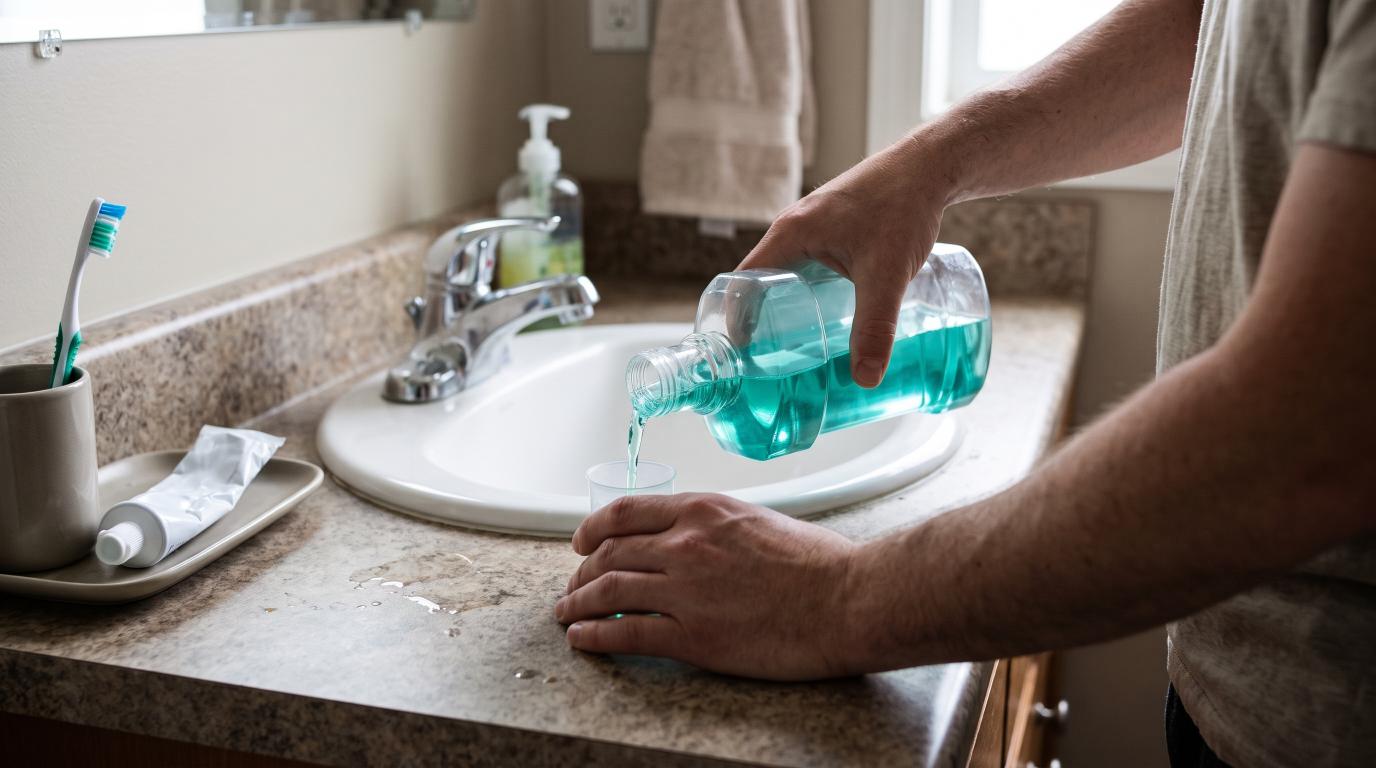
To use mouthwash correctly, measure the recommended amount, swish it around your mouth for the time stated on the label, and spit it out without swallowing. Different mouthwashes have different instructions depending on their ingredients and purpose. Fluoride rinses help protect against cavities, while antibacterial rinses help control plaque and gum inflammation. Using more mouthwash or rinsing longer than recommended does not necessarily provide better results. Follow the product directions or your dentist’s instructions to get the intended benefits.
How Much Mouthwash Should You Use?
Most adult mouthwashes recommend around 10–20 mL per rinse, although the exact amount varies by product. Check the label before pouring and use the measuring cap or cup provided. Avoid guessing the amount or filling your entire mouth with rinse. Using more than directed does not improve its effectiveness and may increase exposure to ingredients that can cause irritation. Prescription mouthwashes may require a specific dose, so follow your dentist’s instructions.
How Long Should You Swish Mouthwash?
Many mouthwashes recommend swishing for 30–60 seconds, but always check the product label. Move the liquid gently around your teeth, gums, and other areas of your mouth so the rinse reaches different surfaces. After the recommended time, spit it into the sink without swallowing. Rinsing for longer than directed does not guarantee better protection and may cause discomfort with certain products. The American Dental Association’s mouthrinse guidance emphasizes following product-specific instructions for proper use.
Can You Eat or Drink After Using Mouthwash?
For fluoride mouthwash, avoid eating or drinking for at least 30 minutes after rinsing. This gives the fluoride time to remain in contact with your teeth without being washed away immediately. Other mouthwash products may have different instructions based on their active ingredients. For example, some prescription antibacterial rinses have specific restrictions on eating, drinking, or rinsing afterward. Check the label or ask your dentist before changing your routine.
Can You Use Mouthwash Too Often?
Yes, using mouthwash more frequently than directed can increase the risk of unwanted effects, including oral irritation, burning, and changes in taste. Some antibacterial products can also cause staining or other side effects when used over time. The risks depend on the ingredients, concentration, and length of use.
A Cochrane review of chlorhexidine mouthwash examined 51 studies involving 5,345 participants. Researchers found strong evidence that chlorhexidine reduces plaque buildup when used with regular tooth cleaning. However, use for four weeks or longer was associated with tooth staining, and other reported effects included taste changes and irritation of oral tissues. These findings show why stronger antibacterial rinses should be used according to appropriate treatment instructions.
Signs You’re Overusing Mouthwash
Your mouth will often tell you when you’re overdoing it with mouthwash. If you notice your mouth feels unusually dry, that’s a red flag. Overuse can also cause irritation, burning sensations, or soreness on your tongue, gums, or inner cheeks. Some people develop staining on their teeth from using certain mouthwashes too frequently.
How Excessive Use Affects Oral Bacteria
Your mouth contains both good and bad bacteria, and they need to stay in balance for optimal health. Using mouthwash too often can kill off beneficial bacteria along with the harmful ones. This imbalance can actually lead to worse bad breath over time, as harmful bacteria may bounce back stronger.
Alcohol-Based vs Alcohol-Free Mouthwash Risks
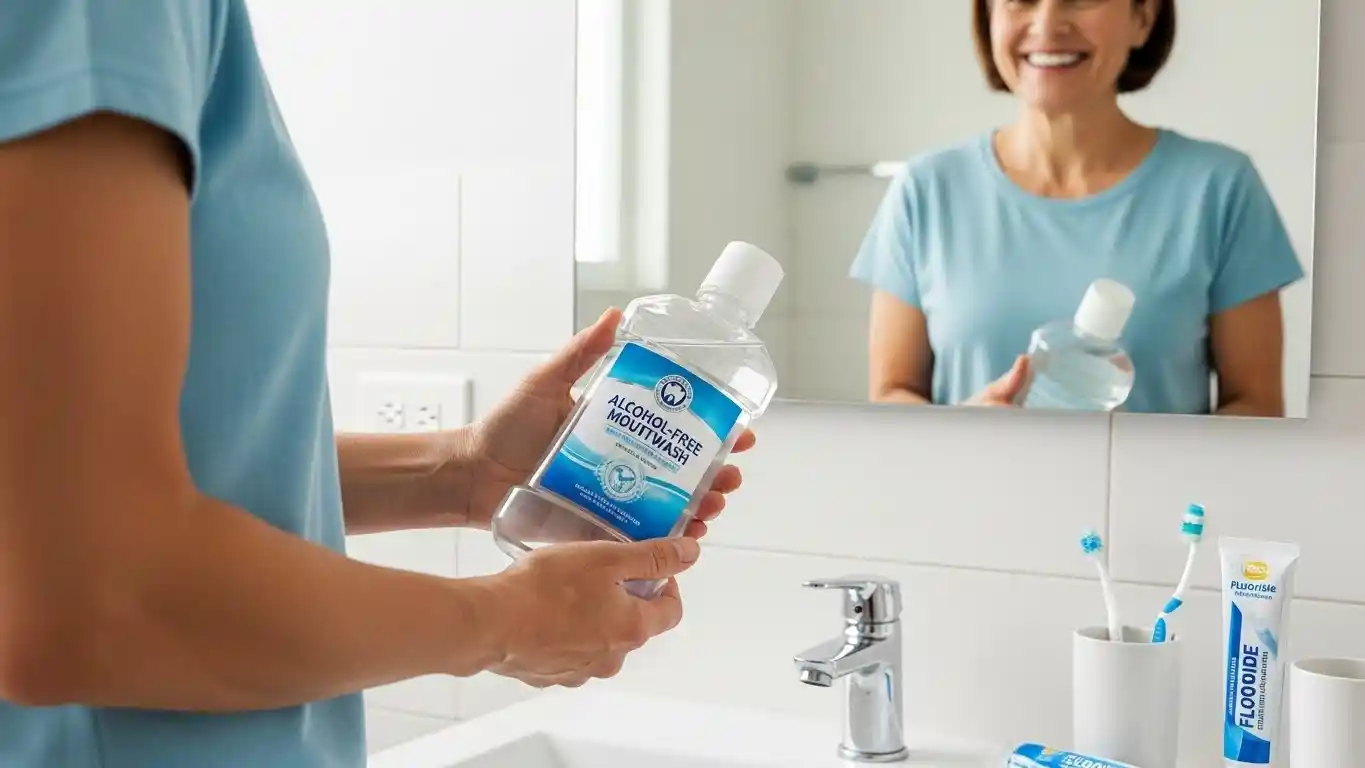
Alcohol-based mouthwashes are more likely to cause problems with frequent use compared to alcohol-free versions. Alcohol dries out your mouth by reducing saliva production, and saliva is crucial for naturally washing away bacteria. Alcohol-free mouthwashes are gentler and can typically be used more frequently without causing dryness or irritation.
Who Should Use Mouthwash More or Less Often?
Everyone’s mouth is different, and your ideal mouthwash frequency depends on your specific oral health situation. Some people need more frequent use while others should actually cut back.
Mouthwash Frequency for Gum Disease
If you have gingivitis or periodontitis, your dentist might recommend using mouthwash more often than the average person. Some people with gum disease use mouthwash three times a day to keep bacteria levels under control. Your dentist might prescribe a special antimicrobial mouthwash for short-term use to treat active gum disease.
Mouthwash Use for Bad Breath
People struggling with chronic bad breath often reach for mouthwash multiple times throughout the day. While this provides temporary relief, using mouthwash too frequently for bad breath can backfire because the drying effect makes bad breath worse. A better approach is to use mouthwash twice daily and focus on addressing the root cause.
Special Frequency Guidelines for Children
Children should use mouthwash less frequently than adults, and only if they’re old enough to spit it out reliably without swallowing. Most dentists recommend waiting until a child is at least six years old before introducing mouthwash. When children do use it, once a day is typically enough with an alcohol-free, kid-friendly formula.
Choosing the Right Mouthwash Based on Frequency
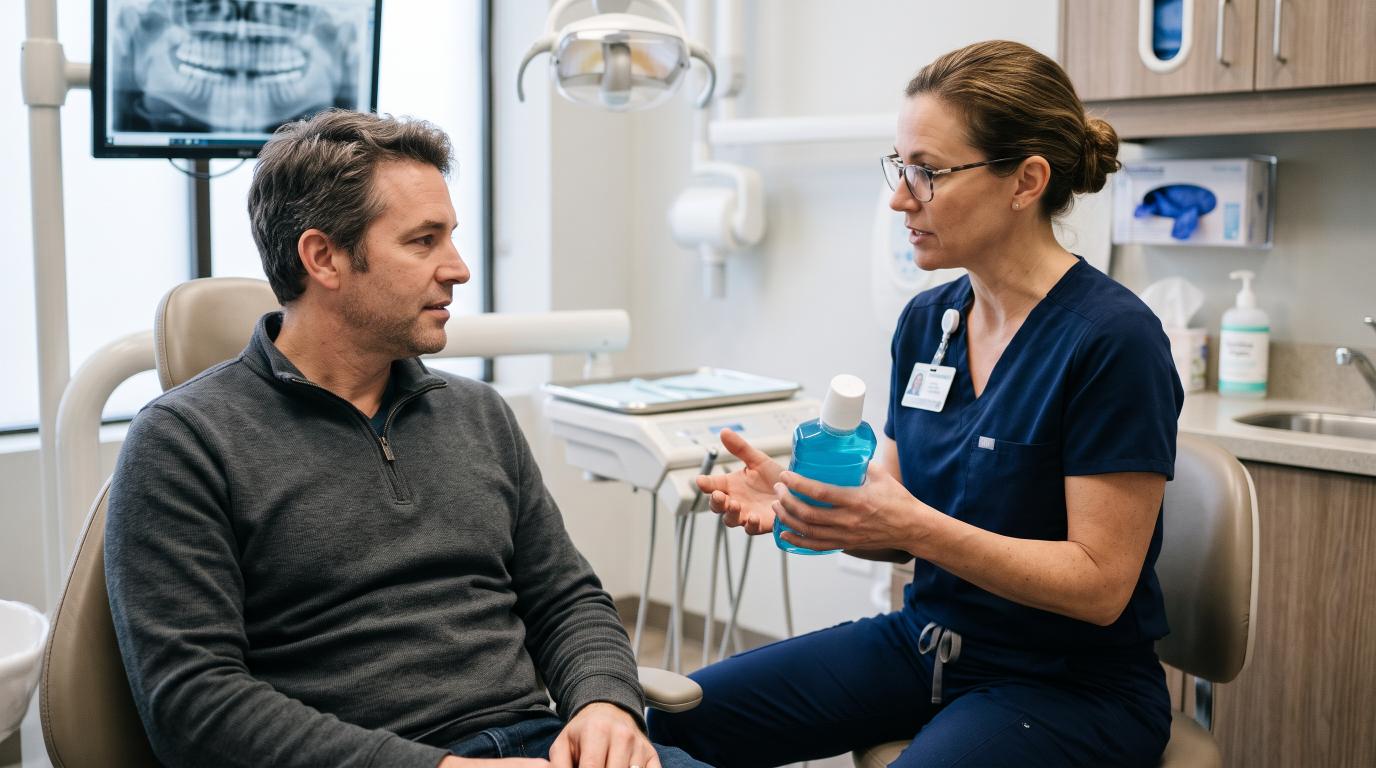
Choose mouthwash according to the problem you want to address rather than selecting a product simply because it can be used frequently. Fluoride mouthwashes help prevent cavities, antibacterial products may help control plaque and gingivitis, and cosmetic rinses mainly provide temporary breath freshness.
Some therapeutic mouthwashes are suitable for ongoing daily use, while others require a specific treatment schedule. Consider the active ingredients, recommended frequency, age restrictions, and any existing dental conditions before choosing a product.
Daily-Use Mouthwash vs Therapeutic Mouthwash
Daily-use mouthwash describes a product intended for regular rinsing, while therapeutic mouthwash contains active ingredients designed to address a particular oral health concern. These categories can overlap because many therapeutic products are suitable for daily use.
For example, a daily fluoride rinse is therapeutic because it helps prevent tooth decay. Some antibacterial mouthwashes are also formulated for ongoing use to help control plaque and gingivitis.
Prescription mouthwashes, such as chlorhexidine, may require closer monitoring because of possible side effects. The prescribing information for chlorhexidine oral rinse describes a commonly recommended dose of 15 mL for 30 seconds, twice daily, or as directed by a dentist. It also identifies possible effects such as staining and altered taste. These instructions illustrate why the appropriate frequency depends on the product rather than whether it is labeled therapeutic.
How Fluoride Content Changes Usage Recommendations
Mouthwashes with higher fluoride concentrations require careful attention to frequency. While fluoride is excellent for preventing cavities, too much can cause fluorosis, which creates white spots on teeth. If you’re already getting fluoride from toothpaste and drinking fluoridated water, you might not need a fluoride mouthwash every single day.
When to Ask a Dentist About Mouthwash Use
Sometimes you need professional guidance to figure out the right mouthwash routine for your situation. Certain circumstances definitely warrant a conversation with your dentist.
Conditions That Require Prescription Mouthwash
Severe gum disease, persistent dry mouth, and high cavity risk are conditions where your dentist might prescribe a special mouthwash. Prescription rinses contain higher concentrations of active ingredients than over-the-counter products. If you have any chronic oral health condition, ask your dentist whether a prescription mouthwash would help.
When Mouthwash May Do More Harm Than Good
Some situations call for avoiding or limiting mouthwash use entirely. If you have extremely dry mouth from medication, most mouthwashes will make the problem worse. If you notice that mouthwash causes consistent irritation despite trying different brands, you’re better off skipping it altogether.
Conclusion
How often you should use mouthwash depends on the product and your oral health needs. Once-daily rinsing may be appropriate for many people, while some mouthwashes are intended for twice-daily use. Other products, especially prescription and higher-strength fluoride rinses, have different schedules.
The most important step is choosing a product with ingredients suited to your needs and following its directions. Mouthwash can provide additional benefits, but it does not replace brushing twice daily with fluoride toothpaste and cleaning between your teeth.
If you experience recurring cavities, gum inflammation, or persistent bad breath, your dentist can help determine whether mouthwash should be part of your routine.
Ready to improve your oral care routine?
Schedule a dental checkup today to discuss which mouthwash and frequency will work best for your unique needs and get professional advice tailored to your mouth’s health.
Frequently Asked Questions
How Often Should You Use Mouthwash?
Many adults who use mouthwash rinse once or twice daily, depending on the product instructions. Some fluoride rinses are intended for once-daily use, while certain antibacterial products are used twice daily. Mouthwash is optional for many people who already maintain good oral hygiene.
Is It Bad to Use Mouthwash Every Day?
No, daily mouthwash use is generally safe when the product is designed for that frequency and used correctly. However, certain ingredients may cause irritation, staining, dryness, or taste changes. Follow the label and avoid exceeding the recommended number of rinses.
Should You Use Mouthwash Before or After Brushing?
Fluoride mouthwash is generally best used at a different time from brushing rather than immediately afterward. This helps preserve the concentrated fluoride left behind by toothpaste. Some prescription antibacterial rinses have different instructions, so always follow the recommended schedule.
Can You Use Mouthwash More Than Twice a Day?
You should only use mouthwash more than twice daily if the product directions or your dentist specifically recommend that frequency. Extra rinsing may increase irritation or ingredient-related side effects without providing additional protection.
Who Should Avoid Frequent Mouthwash Use?
Children younger than six should generally avoid mouthwash unless directed by a dentist. People with dry mouth, sensitive oral tissues, or irritation from certain ingredients may also need to limit use or choose a different formula. Prescription mouthwash users should follow their dentist’s instructions.