











A pediatric dentist is a dentist who cares for children’s teeth, gums, and mouths. They treat children from infancy through the teenage years. Pediatric dentists provide regular checkups, cleanings, fluoride treatments, and other preventive care. They can also treat cavities, infections, damaged teeth, and other dental problems. Your child should have their first dental visit when their first tooth appears or by their first birthday.
If you are a parent trying to figure out the right dental care for your child, you have probably come across the term pediatric dentist. This guide breaks down what that actually means, what makes children’s dental needs different from adults, and how to choose the right kind of care for your family.
Ocotillo Trails Family Dentistry serves families in San Tan Valley and nearby Queen Creek, and questions about children’s dental care come up often. This guide walks through everything you need to know, from training and services to how to prepare your child for their very first visit.
What Is a Pediatric Dentist?
A pediatric dentist is a dental provider who focuses specifically on the oral health of infants, children, and teenagers. Most pediatric dentists treat patients from infancy through the teenage years, often up until around age 18, though this can vary depending on the provider and the patient’s needs.
Pediatric dentists play a role in both preventive and restorative dental care for kids. This means they help prevent problems before they start, through things like cleanings and checkups, while also treating issues that come up, like cavities or injuries, using methods designed specifically for younger patients.
What Training Does a Pediatric Dentist Have?
Like all dentists, pediatric dentists start with a dental school education, which typically takes four years to complete after undergraduate studies. From there, pediatric dentists complete additional pediatric dentistry residency training, which usually adds at least two more years of accredited education focused specifically on treating children.
During this additional training, pediatric dentists learn about child development, behavior guidance techniques, how a child’s teeth and jaw grow and change over time, and how to care for children with special healthcare needs. Pediatric dentists complete at least two years of additional accredited education after dental school, which is specifically designed to prepare them for the unique challenges of treating young patients.
What Does a Pediatric Dentist Do?

Pediatric dentists provide a wide range of services designed around the needs of children at different stages of development.
Preventive Dental Care
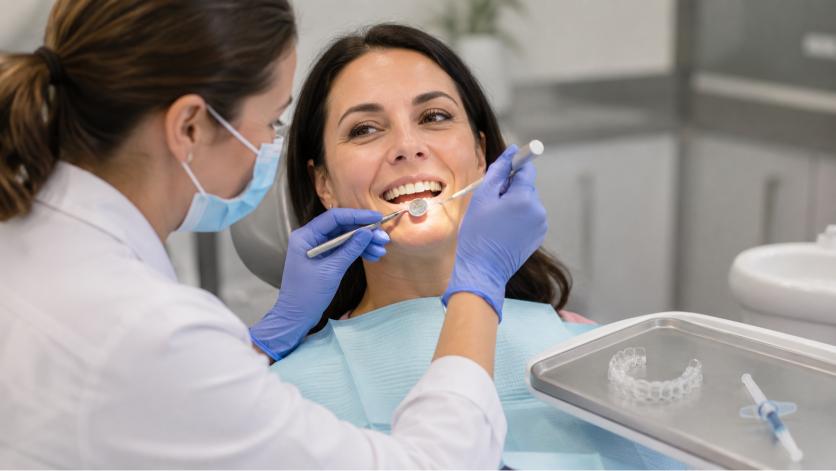
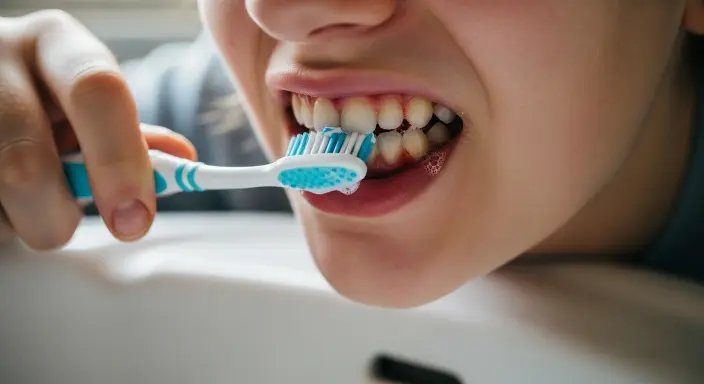
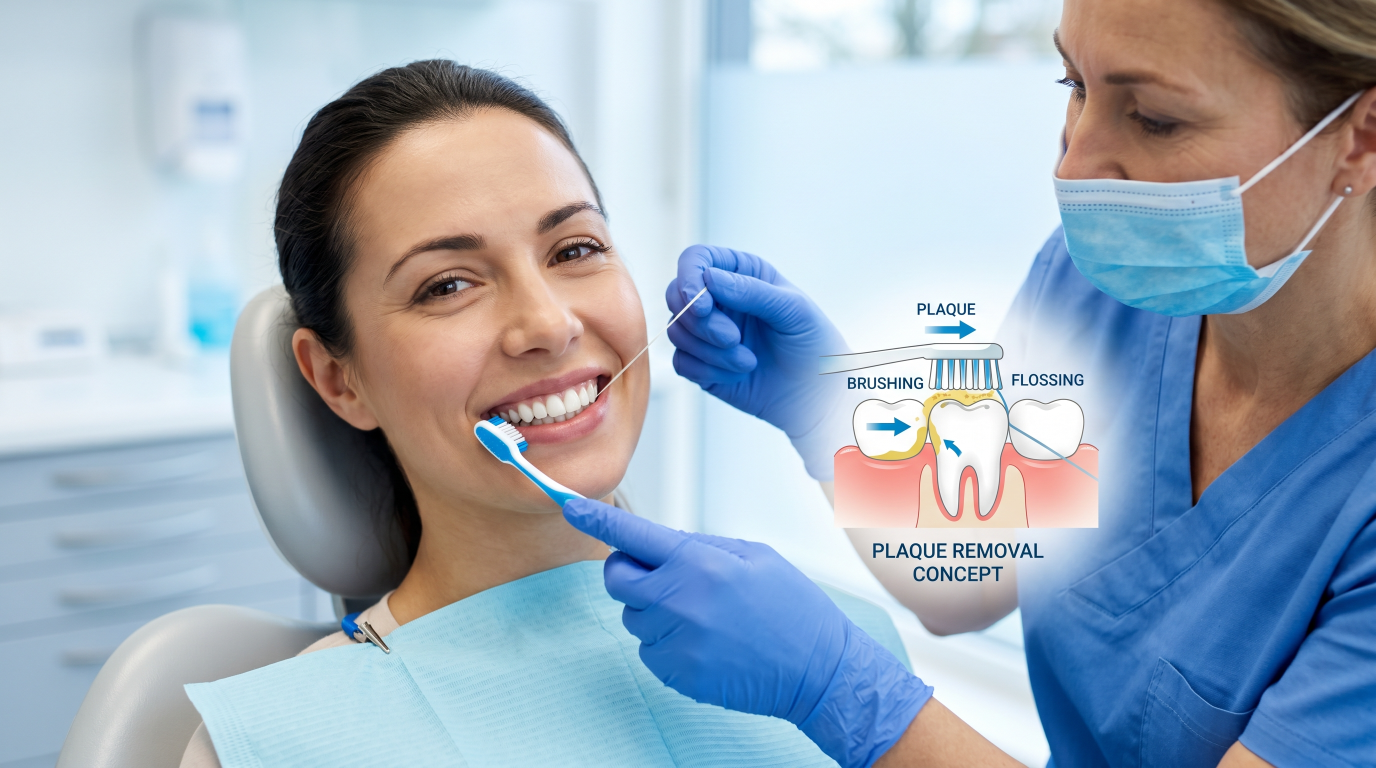
This includes regular cleanings, checkups, and guidance on brushing and flossing habits that fit a child’s age and stage of development. During these visits, dentists also check for early warning signs that might not be obvious to parents, like slight discoloration or minor gum irritation. Building this routine early also helps children get comfortable with regular visits, which makes future appointments feel far less intimidating.
Cavity Detection and Treatment
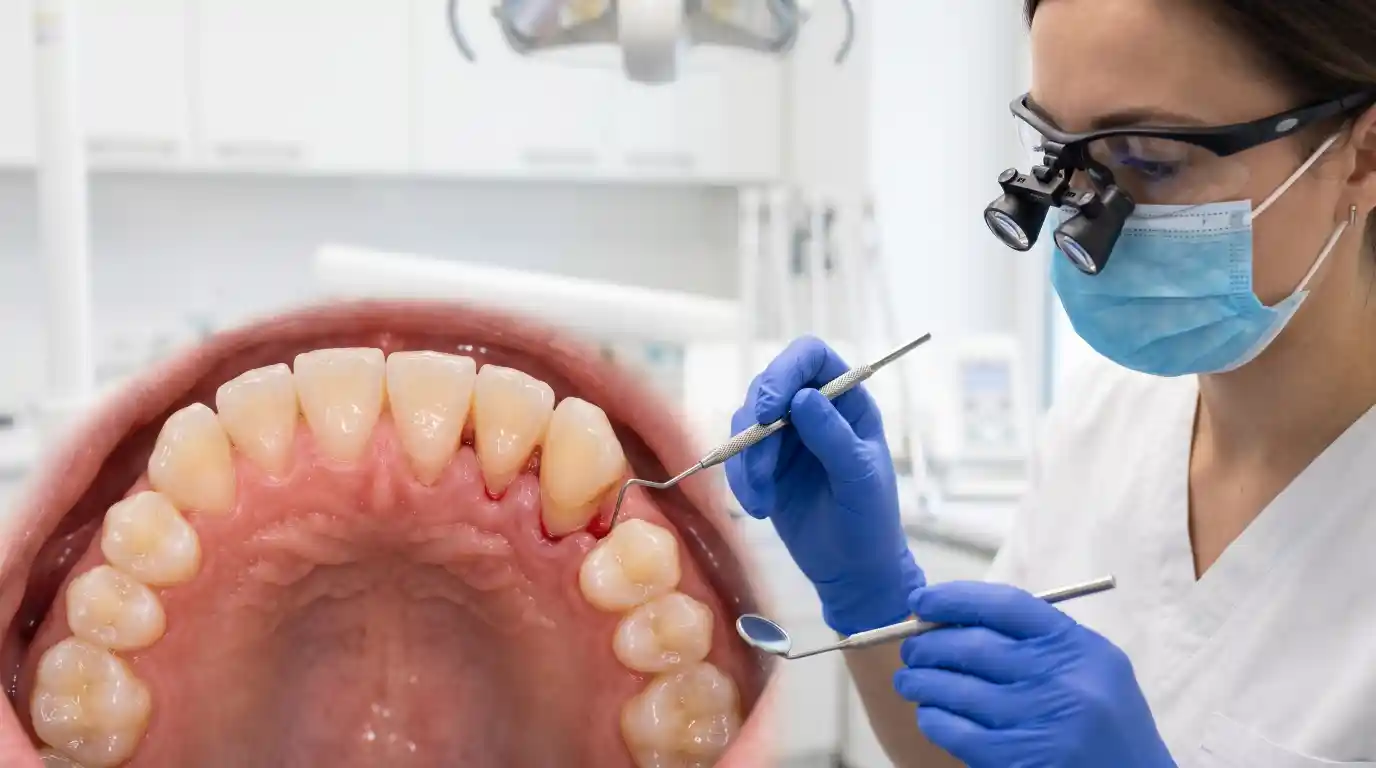
Children are prone to cavities, especially in their baby teeth, so pediatric dentists are experienced in spotting early signs of decay and treating cavities in a way that feels manageable for a young patient. Baby teeth have thinner enamel than adult teeth, which means cavities can form and spread more quickly if they are not caught early.
Treatment methods are often adjusted to keep the process gentle, using techniques and communication that help reduce fear or discomfort for the child.
Dental Sealants and Fluoride Treatments
Sealants are thin coatings applied to the chewing surfaces of back teeth to help prevent cavities, while fluoride treatments help strengthen tooth enamel. Back teeth tend to have deep grooves where food and bacteria can easily get trapped, which makes them more prone to decay, so sealants act as an extra layer of protection in those spots. Fluoride treatments work by making the enamel more resistant to the acids that cause cavities.
Monitoring Tooth and Jaw Development
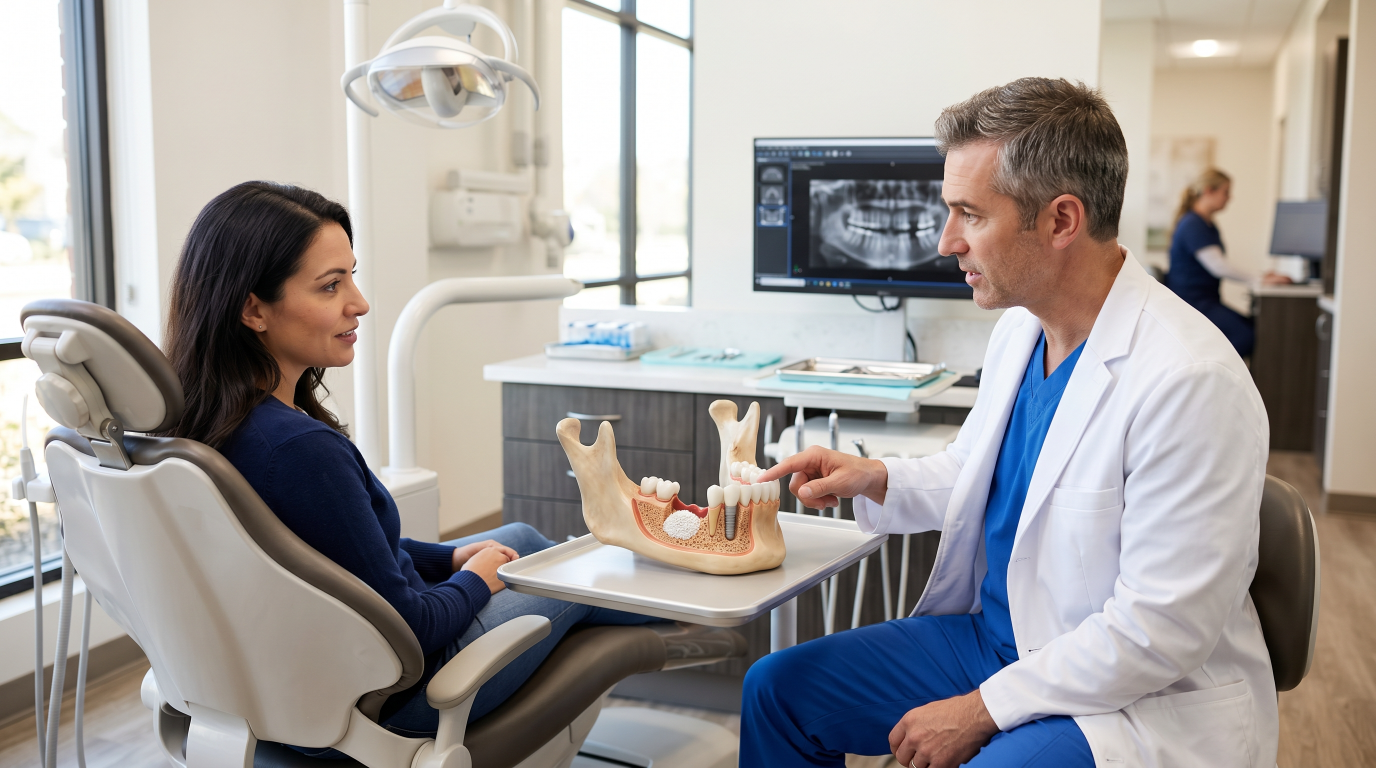
As children grow, their teeth and jaw go through a lot of change. Pediatric dentists keep an eye on this development, watching for issues like crowding, bite problems, or teeth coming in out of order. This monitoring often includes tracking how baby teeth are spaced, since that spacing can affect how adult teeth eventually come in.
Treatment for Chipped, Broken, or Knocked-Out Teeth
Kids are active, and dental injuries happen. Pediatric dentists are trained to handle these situations, whether that means treating a chipped tooth or managing a more serious injury. Having a dentist familiar with pediatric dental trauma can also help parents feel more confident about what steps to take next.
Care for Children With Special Healthcare Needs
Some children have physical, developmental, or behavioral needs that require extra care and patience during dental visits. Pediatric dentists receive training specifically focused on supporting these children in a way that feels safe and comfortable. This might involve adjusting communication style, allowing extra time during appointments, or using specific techniques to help a child feel more at ease.
How Is a Pediatric Dentist Different From a General Dentist?
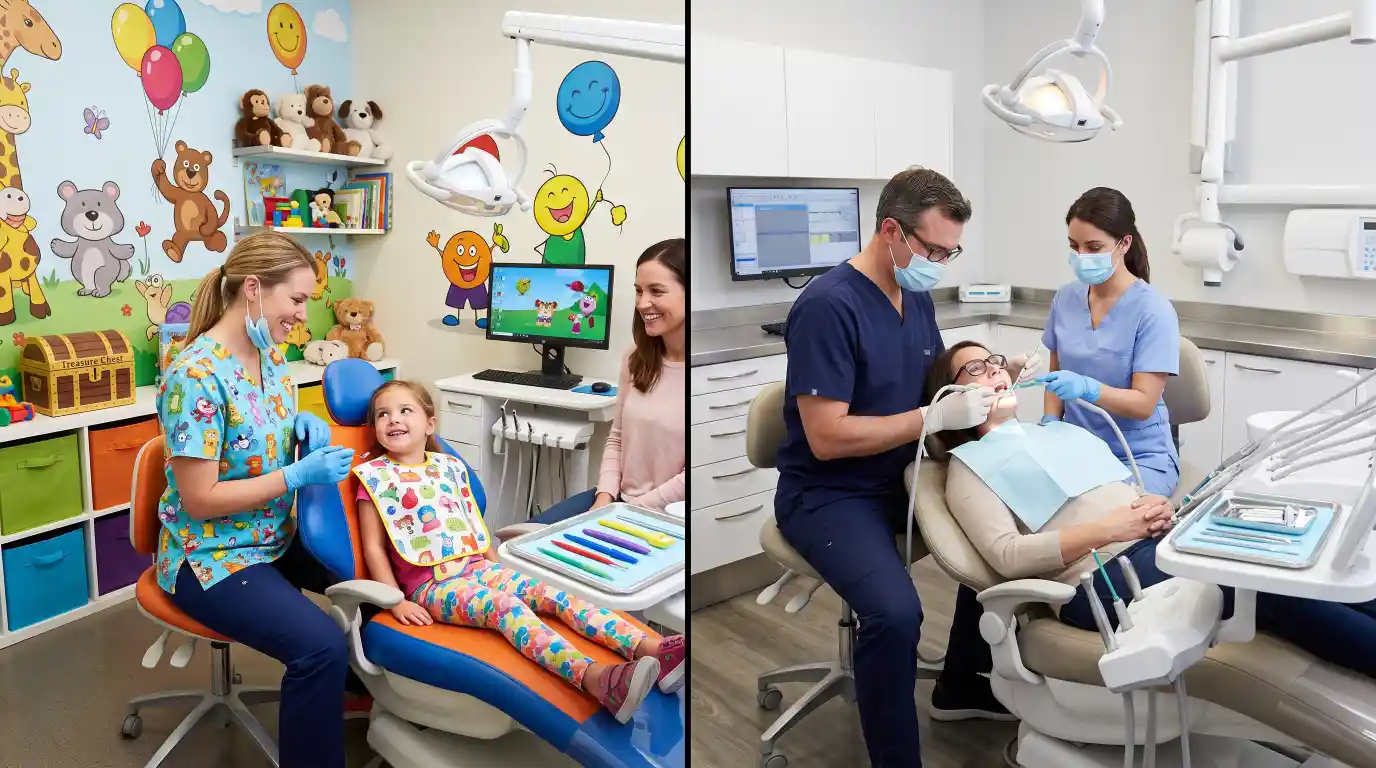
While both types of dentists provide important care, there are some key differences worth understanding. Pediatric dentists complete additional specialist training focused entirely on children, while general dentists complete broader training meant to treat patients of all ages.
Because of this, pediatric dentists typically see only infants, children, and teenagers, while general dentists often treat patients across every age group, including adults and seniors. Pediatric dental offices are also often designed with child-focused equipment and treatment methods in mind, from smaller tools sized for little mouths to techniques built around keeping kids calm and cooperative.
That said, many general and family dentists are also very experienced in treating children and may be a great fit for your family, especially if your child feels comfortable there and the practice offers the right services for their needs. The right choice often comes down to your child’s comfort level and the specific care they need, rather than the title alone.
Why Are Children’s Dental Needs Different?
Children’s mouths are constantly changing, which creates unique needs that differ quite a bit from adult dental care.
Baby Teeth and Developing Adult Teeth
Kids have a mix of baby teeth and, eventually, developing adult teeth underneath. Caring for baby teeth properly matters, since they hold space for adult teeth and support healthy chewing and speech development. If a baby tooth is lost too early, due to decay or injury, nearby teeth can shift into that space, which sometimes leads to crowding once adult teeth start coming in. This is part of why even baby teeth that will eventually fall out still deserve consistent, proper care.
Changing Jaw and Bite Development
As a child grows, their jaw shape and bite pattern continue to develop, often shifting gradually over several years. Dental visits during this time help catch potential issues early, before they become bigger problems later on. Things like thumb sucking, mouth breathing, or early tooth loss can all affect how the jaw and bite develop, so regular checkups give a dentist the chance to notice these patterns and offer guidance before they turn into more serious concerns.
Greater Need for Behavior Guidance
Younger patients often need more guidance and patience during appointments, since dental visits can feel new or intimidating, especially for a child who does not yet understand what to expect. This requires a different approach than typical adult appointments, often involving simple explanations, a slower pace, and extra reassurance throughout the visit. Building comfort early on can also shape how a child feels about dental care well into their teenage years and beyond.
Early Prevention of Cavities and Oral Health Problems
Since childhood habits often shape lifelong oral health, early prevention plays a bigger role in children’s dental care than it typically does for adults. Habits formed in these early years, like regular brushing, healthy snacking choices, and consistent dental visits, tend to carry into adulthood. This makes early prevention less about fixing problems and more about building a strong foundation that supports healthy teeth for years to come.
How Pediatric Dentists Help Children Feel Comfortable
A big part of children’s dental care is making the experience feel safe and manageable, not scary. This often includes age-appropriate communication, where dental staff explain things in simple, friendly language a child can understand. Positive behavior guidance techniques are also commonly used to help kids feel encouraged rather than pressured during their visit.
Many offices create a child-friendly dental environment, with welcoming waiting areas and a calm, patient approach throughout the appointment. For kids who feel nervous, extra support for dental fear and anxiety can make a big difference, helping turn a stressful experience into a more positive one over time.
When Should a Child First Visit the Dentist?

Many parents are surprised at how early dental visits should begin. The American Academy of Pediatric Dentistry recommends scheduling the first dental visit when the first tooth appears or no later than the child’s first birthday, whichever comes first. Starting early helps catch potential issues before they become bigger problems and gives your child a chance to get used to the idea of dental visits from a young age.
It also gives parents a chance to ask questions about feeding habits, teething, and early oral care. The first visit is usually short and gentle, often focused on a basic look at the teeth and gums, along with guidance for parents on brushing, feeding habits, and what to expect as more teeth come in.
When Should You Consider Taking Your Child to a Pediatric Dentist?
While many children do well with a family dentist, there are certain situations where seeking specialized pediatric experience may be worth considering, including:
- Persistent dental fear or difficulty cooperating during appointments
- Early or recurring cavities that need ongoing attention
- Concerns about tooth development or bite alignment
- Dental injuries, like a chipped or knocked-out tooth
- Complex treatment needs that require specialized care
- Physical, developmental, behavioral, or medical conditions that require extra support
Does Every Child Need a Pediatric Dentist?
Not necessarily. Many children receive excellent care from a family dentist, especially when that dentist has experience treating kids and offers the services your child needs. Routine care, like cleanings and checkups, is often well within the scope of a general or family dental practice.
That said, specialized pediatric experience may be especially beneficial for children with more complex needs, significant dental anxiety, or specific developmental concerns. What matters most is the dentist’s experience with children and their ability to make your child feel safe and comfortable, regardless of the specific title on the door.
How to Choose the Right Dentist for Your Child
Finding the right fit for your child’s dental care involves a few key considerations. Start by asking about the dentist’s experience treating children specifically, since comfort and skill with young patients can vary widely. It also helps to check the services available for young patients, making sure the practice can meet your child’s specific needs.
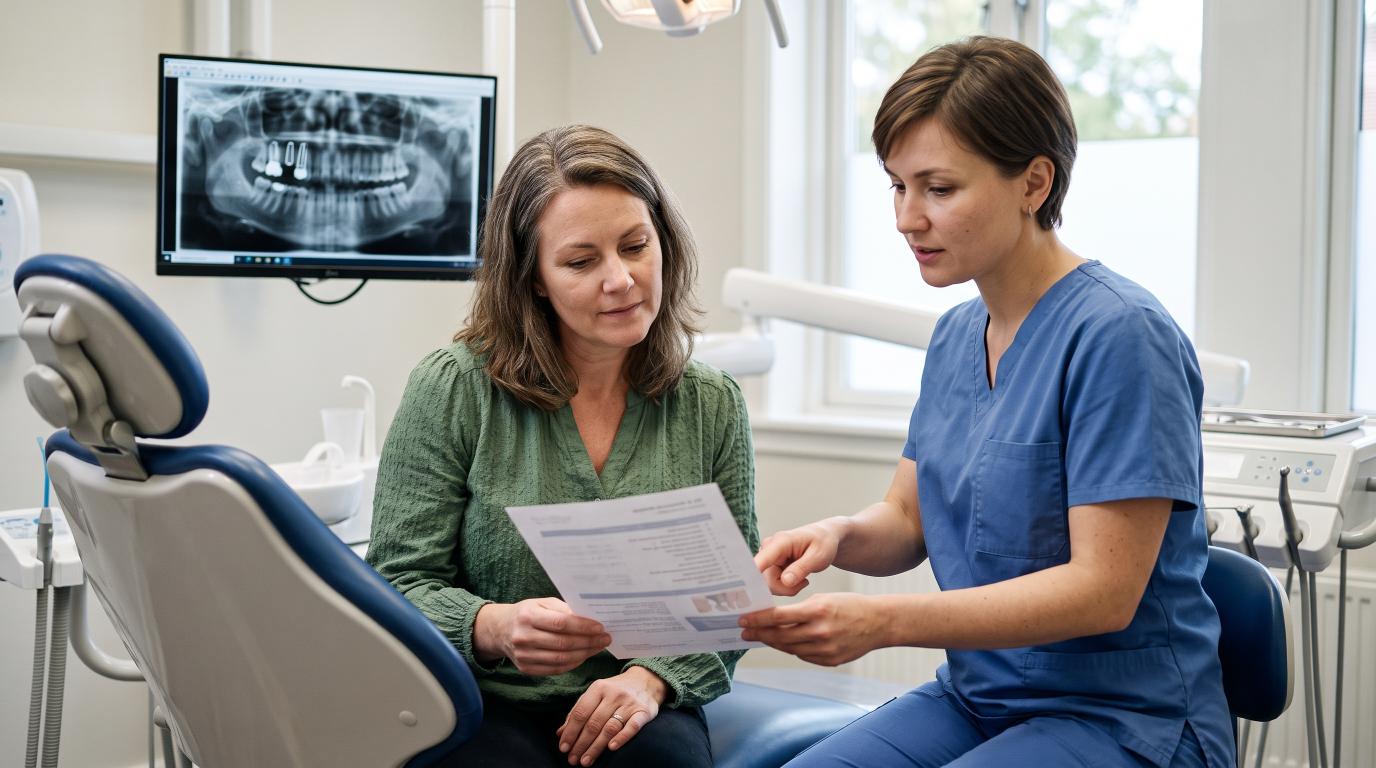
If your child has dental anxiety or additional healthcare needs, it is worth discussing these directly with the practice ahead of time. Consider the communication style and office environment as well, since a calm, welcoming setting can make a real difference for a nervous child. Finally, review practical details like insurance coverage, location, and appointment availability, since convenience matters for keeping up with regular visits.
How Parents Can Prepare a Child for a Dental Visit
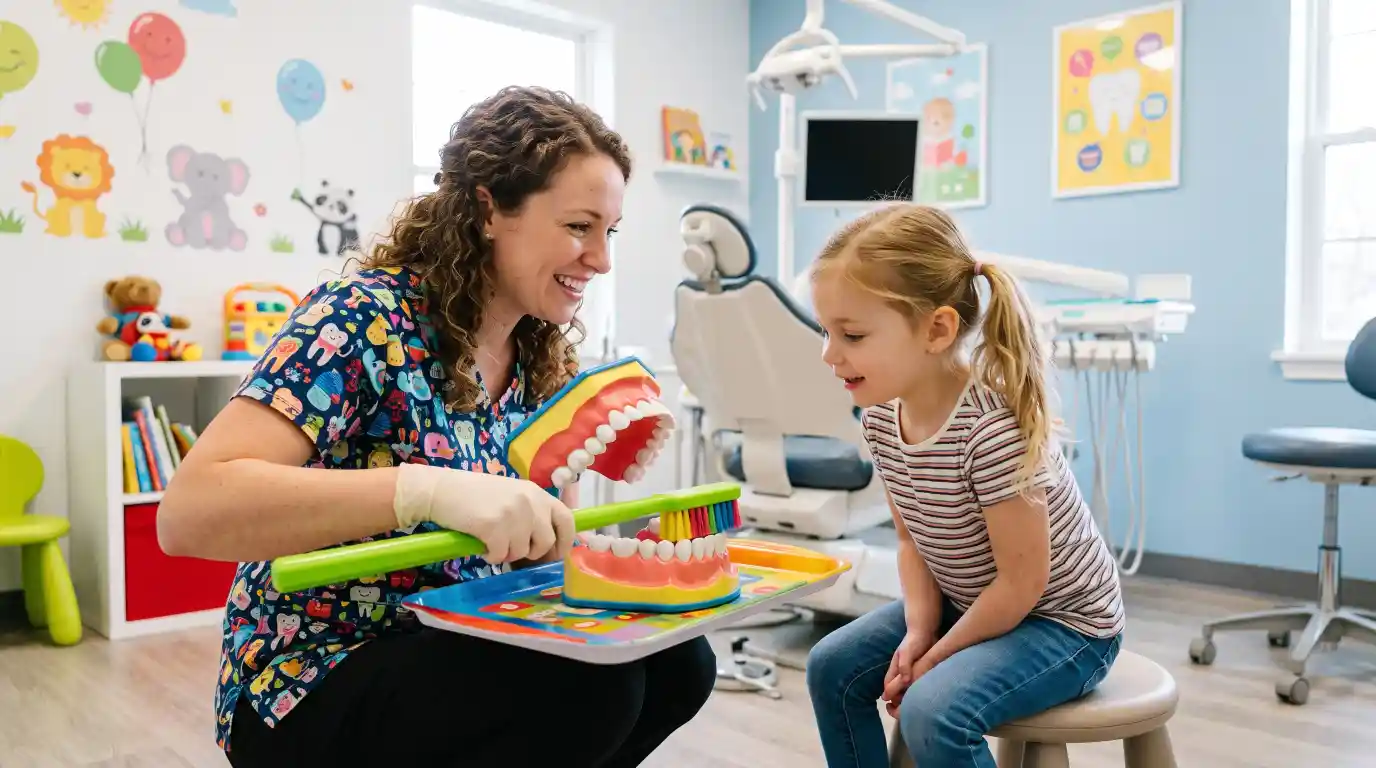
A little preparation can go a long way in making a dental visit feel less intimidating for your child.
Use positive and simple language when talking about the visit, focusing on the fact that the dentist helps keep teeth healthy and strong. Avoid sharing frightening dental experiences, even your own, since children often pick up on parental anxiety. Try to choose an appointment time when your child is well rested, since tiredness can make cooperation harder. Bring any relevant medical and dental information to the appointment, so the dental team has a full picture of your child’s health. Finally, tell the dental team about any fears or additional needs ahead of time, so they can adjust their approach and help your child feel as comfortable as possible.
Schedule Your Child’s Dental Visit in San Tan Valley
Early and consistent dental care helps set your child up for healthy teeth and confident smiles for years to come. Ocotillo Trails Family Dentistry proudly serves families in San Tan Valley and nearby Queen Creek, offering dental care for patients of all ages, including children.
If you are searching for the right fit for your child’s dental needs, we encourage you to reach out and ask about the specific services and experience that matter most to your family. Contact us today and take the next step toward healthy smiles for your whole family.
Conclusion
Choosing the right dental care for your child does not have to feel complicated. Whether you go with a pediatric specialist or a family dentist experienced in treating kids, what matters most is finding a provider who makes your child feel safe, understood, and cared for at every visit. Starting early, staying consistent, and asking the right questions along the way all help set your child up for a lifetime of healthy teeth and confident smiles.
Frequently Asked Questions
What age does a pediatric dentist treat?
Pediatric dentists typically treat patients from infancy through the teenage years, often up to around age 18. The exact age range can vary slightly depending on the individual provider and practice.
Is a pediatric dentist the same as a family dentist?
No, a pediatric dentist completes additional specialized training focused entirely on children, while a family dentist treats patients of all ages. Both can provide quality care, depending on your child’s specific needs.
Can a general dentist treat children?
Yes, many general and family dentists treat children regularly and have experience providing routine dental care for younger patients. Some may also refer more complex cases to a pediatric specialist when needed.
When should a baby first see a dentist?
The American Academy of Pediatric Dentistry recommends the first visit happen when the first tooth appears or no later than the first birthday. Starting early helps catch potential issues sooner.
What happens during a child’s first dental visit?
The first visit is usually short and gentle, involving a basic look at the teeth and gums along with guidance for parents. It is designed to feel simple and non-threatening for both child and parent.
Do pediatric dentists treat dental emergencies?
Yes, pediatric dentists are trained to handle dental emergencies in children, including injuries like chipped, broken, or knocked-out teeth. Prompt care can help protect your child’s long-term oral health.
Can a pediatric dentist treat children with special needs?
Yes, pediatric dentists receive specific training in caring for children with physical, developmental, or behavioral needs. This training helps them adjust their approach to keep these visits comfortable and manageable.
How often should children visit the dentist?
Most children benefit from a dental checkup every six months, though your dentist may recommend a different schedule based on your child’s specific oral health needs.