











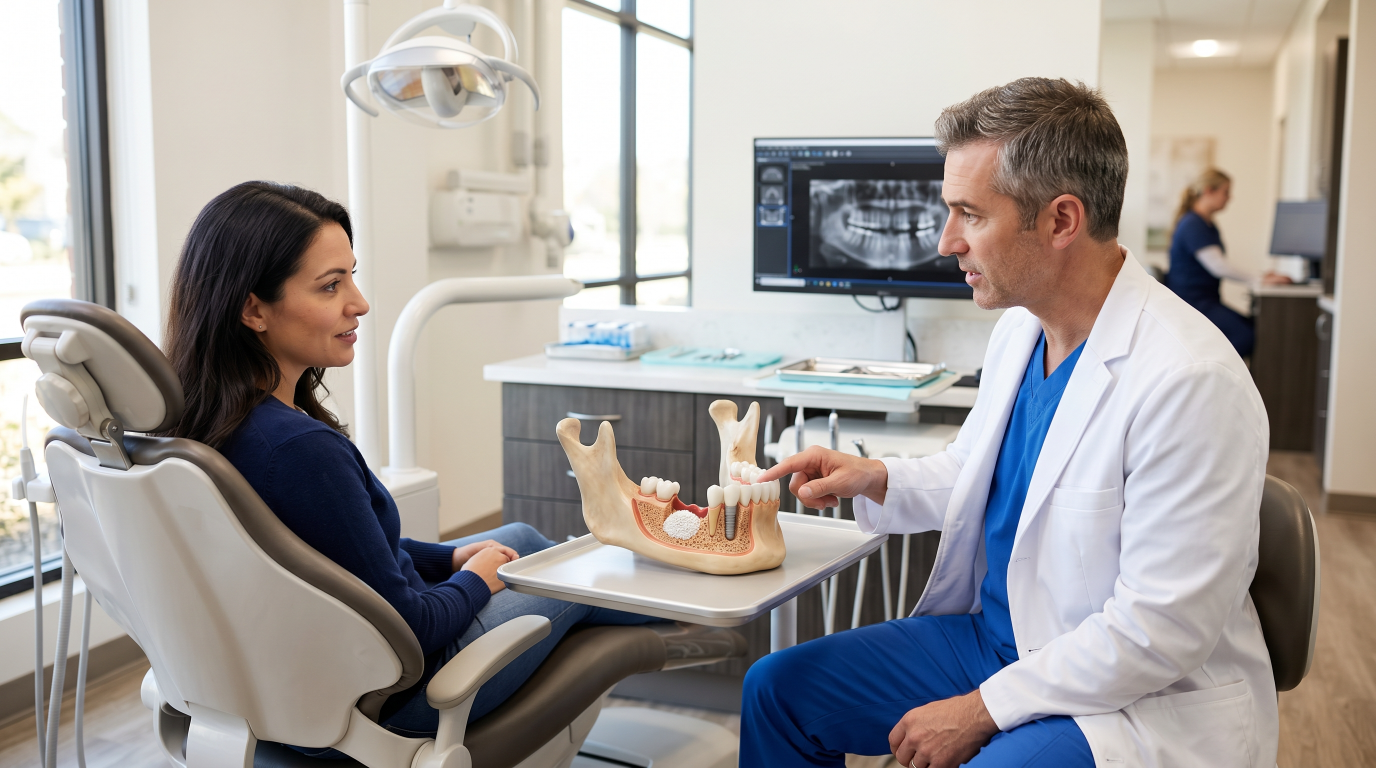
If you are missing a tooth, one of the first questions you may ask is, does Delta Dental cover implants? The short answer is that some Delta Dental plans may help pay for dental implants, but not every plan does. Your benefits can depend on the exact plan, where you live, whether coverage comes through an employer, and the services included in your treatment.
For patients in San Tan Valley, AZ, the safest approach is to check your own plan before treatment begins. Ocotillo Trails Family Dentistry can create a treatment plan based on your dental needs, while your Delta Dental plan documents or insurer can confirm what benefits may apply. Delta Dental itself states that many dental benefit plans help with implant costs, while some do not.
Some Delta Dental plans cover part of dental implant treatment, while others exclude implants. Coverage may apply differently to the implant post, abutment, crown, extraction, X-rays, or bone grafting. Check your plan, annual maximum, deductible, waiting period, network rules, and any treatment limits before you begin.
Does Delta Dental Cover Dental Implants?
Yes, some Delta Dental plans cover dental implants, but coverage is plan-specific. There is no single Delta Dental rule that applies to every member.
Two people with Delta Dental can have very different benefits. Current Delta Dental of Arizona individual plans include options that pay a percentage toward implants after a waiting period, while another listed plan does not cover implants. Check your Summary of Benefits or call the member service number on your card.
Why Delta Dental Implant Coverage Varies
Delta Dental implant coverage can vary because each plan has different benefits, limits, and rules. Two people with Delta Dental may have very different implant coverage.
Delta Dental Does Not Have One Standard Plan
Delta Dental offers many plans based on location, employer, and coverage level. Some plans may cover part of an implant, while others may exclude it. Always check your own Summary of Benefits.
PPO, HMO, and Other Plan Types
PPO plans usually offer more freedom when choosing a dentist, while DHMO plans may require you to use a specific network. Implant coverage, copays, and network rules can differ between plan types.
Employer-Sponsored vs. Individual Plans
Employer plans depend on the benefits selected by the employer. Individual plans may have different deductibles, annual maximums, and waiting periods. This is why coverage can vary even between people who both have Delta Dental.
Covered Services and Exclusions
Implant treatment may include the implant post, abutment, crown, extraction, X-rays, and bone grafting. Your plan may cover some of these services but not others. Check both the covered services and exclusions.
Medical Necessity and Plan Limitations
Even if your dentist recommends an implant, insurance may still apply limits such as waiting periods, annual maximums, frequency rules, or missing-tooth restrictions. A recommended treatment is not automatically a covered benefit.
The best way to know what Delta Dental may pay is to review your plan and request a pre-treatment estimate before starting treatment.
What Part of Dental Implant Treatment Does Delta Dental Cover?
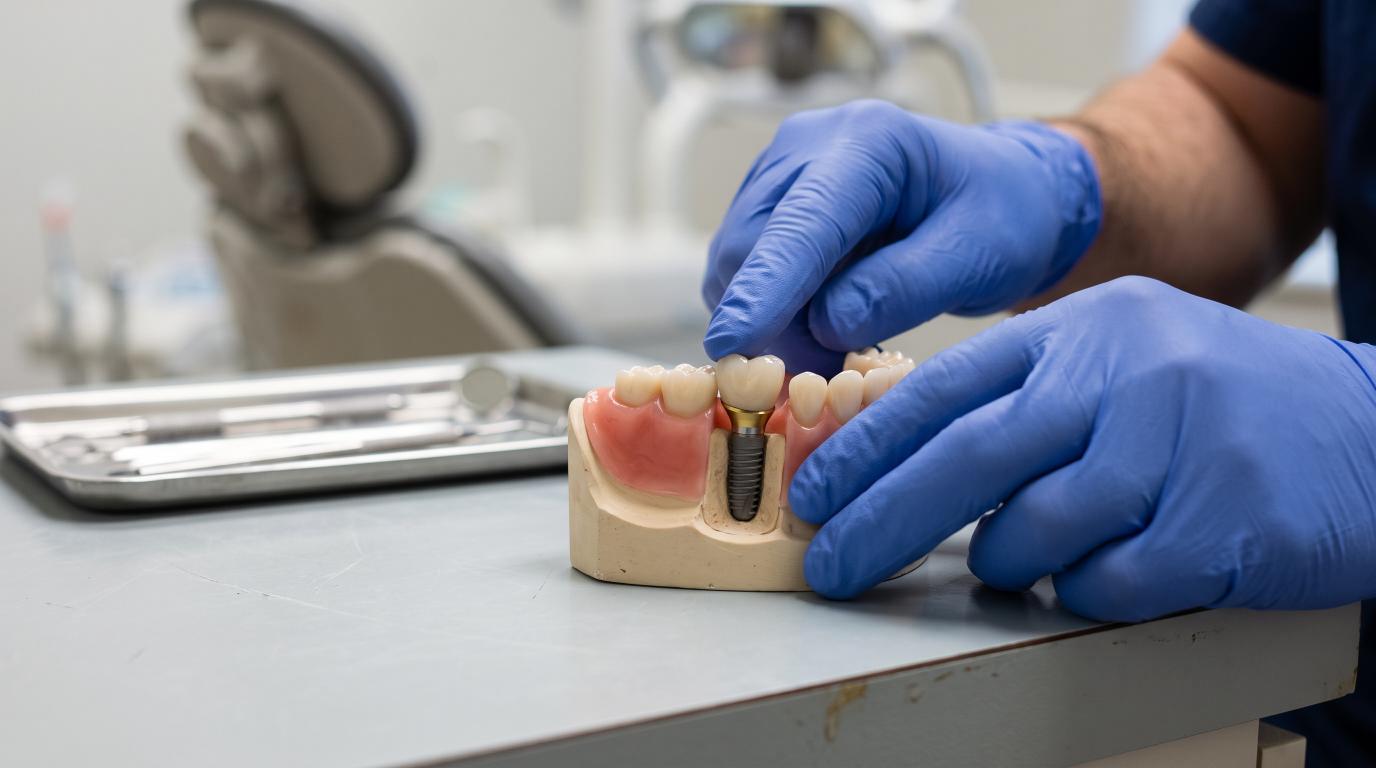
Implant treatment includes several services, and insurance may process each one separately.
The Dental Implant The implant is the post placed into the jawbone. Some plans cover placement, while others exclude it or limit how often benefits can be used.
Abutment The abutment connects the implant to the final tooth. It may have its own coverage rules.
Implant Crown The crown is the visible tooth attached to the implant. It may have separate coverage from the implant itself.
Tooth Extraction If a tooth needs removal before an implant, the extraction may be covered separately depending on the plan.
Bone Grafting and Other Preparatory Procedures Some patients need bone grafting before implant placement. Coverage varies, so check your specific benefits.
Diagnostic Exams and X-Rays Exams and X-rays may fall under a different benefit category than implant surgery.
How Much Does Delta Dental Pay for Implants?

There is no single percentage Delta Dental pays for every implant case.
Deductibles and Coinsurance
A deductible is the amount you may need to pay before certain benefits begin. Coinsurance is the percentage of the covered cost shared between you and the plan. For example, even if your plan pays 50 percent, that payment may be based on Delta Dental’s allowed fee rather than the dentist’s full charge. This can affect how much you pay out of pocket.
Annual Maximums
An annual maximum is the most your dental plan will pay toward covered services during a benefit year. Many dental plans have limits in the $1,000 to $2,000 range, although your amount may be different. Because implant treatment can be expensive, it may use a large part of your available annual benefit.
Waiting Periods
Some Delta Dental plans require a waiting period before major services, including implants, are covered. This means you may need to stay enrolled for several months before benefits become available. The waiting period depends on your specific plan, so check your benefit documents before scheduling treatment.
In-Network vs. Out-of-Network Benefits
Choosing an in-network PPO dentist may help reduce your overall cost because participating dentists agree to contracted fees. Out-of-network care may still be available under some plans, but your share of the cost can be higher. Always confirm your dentist’s network status before treatment.
Frequency and Coverage Limitations
Some plans limit how often they will pay for an implant or related restoration. These limits may apply over several years and can affect replacement treatment. Your plan may also have rules for crowns, dentures, or other implant-supported restorations.
Your Estimated Out-of-Pocket Cost
Your final cost depends on the treatment fee, deductible, coinsurance, annual maximum, remaining benefits, and any non-covered procedures. Your dentist can provide a treatment estimate, but the insurer makes the final benefit decision. A pre-treatment estimate can give you a clearer idea of what you may need to pay.
How Much Do Dental Implants Cost Without Insurance?
Without dental insurance, the total cost of dental implants depends on the type of treatment you need. Replacing one tooth is usually a simpler case than replacing several teeth or a full arch. The final amount can also change based on the location of the missing tooth, the condition of your jawbone, the type of restoration used, and how complex the procedure is.
It is also important to remember that an implant is not always one single charge. Treatment may include an exam, X-rays or scans, tooth extraction, bone grafting, implant placement, an abutment, and the final crown. Some patients need only a few of these steps, while others need additional preparation before the implant can be placed. A detailed treatment plan can help you understand which services are needed and what may affect your final cost.
How to Check if Your Delta Dental Plan Covers Implants

Start with your plan documents. Look for implants, prosthodontics, major services, oral surgery, crowns, and exclusions. Check:
- Whether implants are listed as covered.
- Your deductible.
- Your annual maximum and how much remains.
- Any waiting period.
- Whether your dentist is in your required network.
- Frequency limits or missing-tooth rules.
- Whether an alternate benefit may apply.
- Whether preauthorization or a pre-treatment estimate is recommended or required.
Delta Dental also warns that online cost tools do not guarantee eligibility, coverage, or payment. Your plan documents control the final benefit decision.
Get a Pre-Treatment Estimate Before Getting Implants
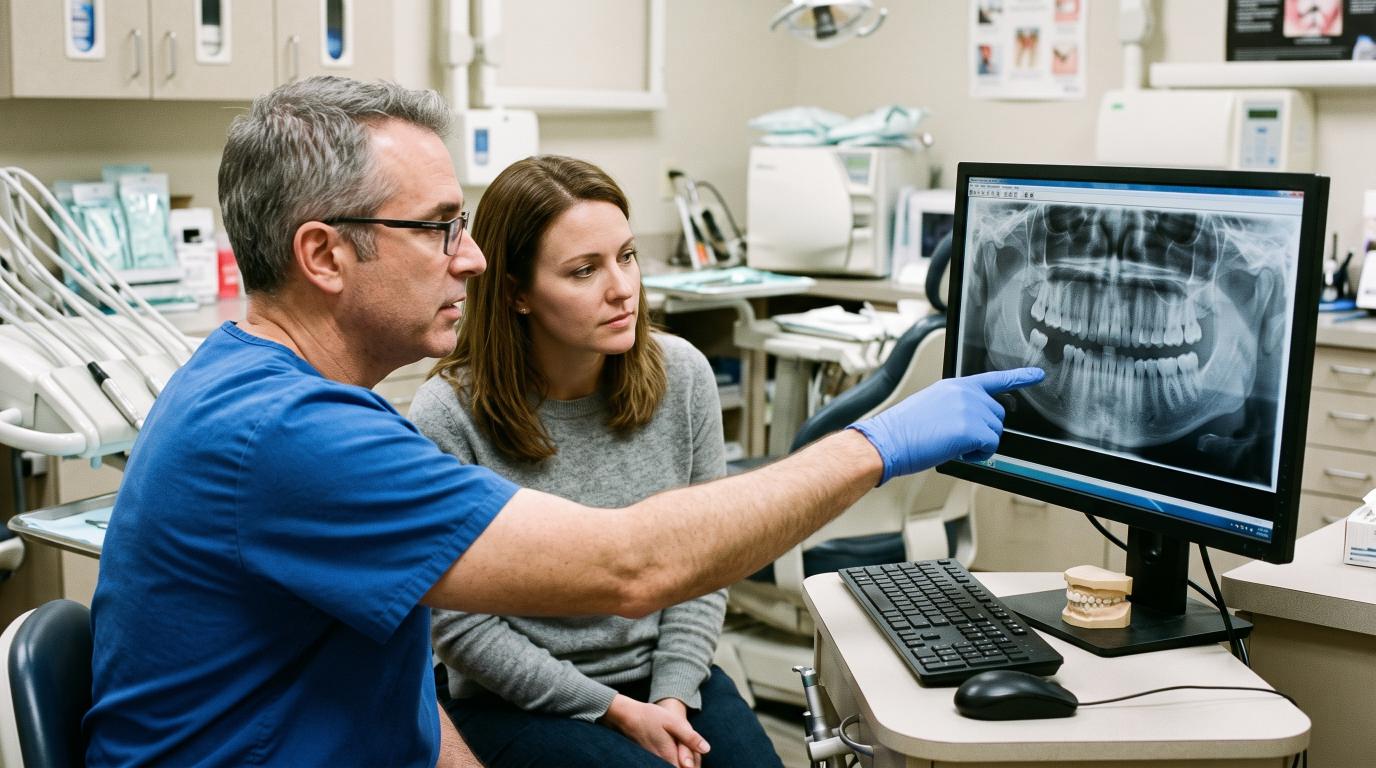
A pre-treatment estimate can reduce surprises before a costly procedure.
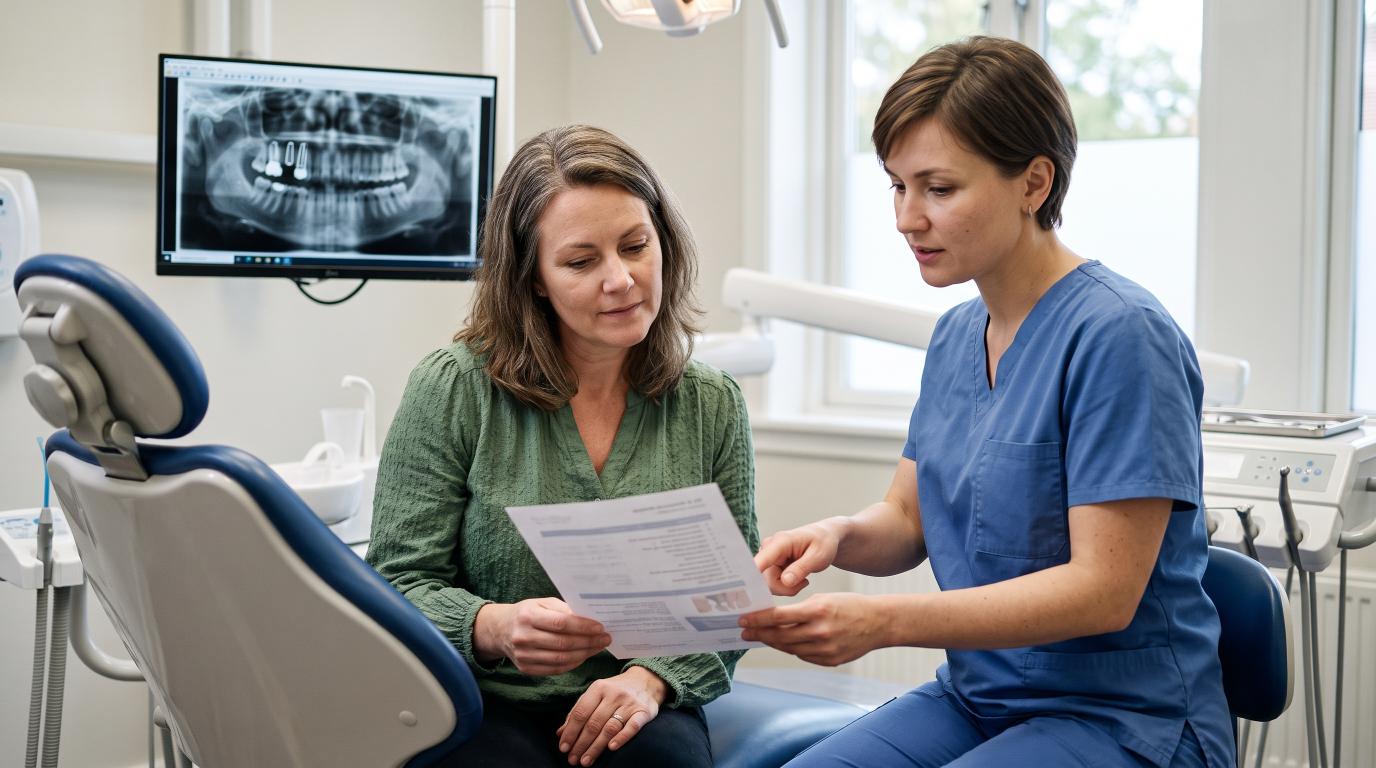
Ask Your Dentist for a Detailed Treatment Plan Your dentist first determines what care you need, including the implant, crown, extraction, grafting, or other services.
Have Your Dentist Submit a Pre-Treatment Estimate Delta Dental defines a pre-treatment estimate as a treatment plan submitted for review before care begins. It helps show the estimated plan benefit and can make budgeting easier.
Review Delta Dental’s Estimated Payment Check which procedures appear eligible, the estimated payment, and any exclusions or limits.
Confirm Your Expected Out-of-Pocket Cost Compare the insurer’s estimate with your dentist’s plan. An estimate is not a final payment guarantee.
Does Delta Dental Require Preauthorization for Dental Implants?
Some Delta Dental plans may require preauthorization before dental implant treatment starts, while other plans may only recommend a pre-treatment estimate. During this review, Delta Dental may look at your dentist’s treatment plan, X-rays, diagnosis, and the procedures being recommended.
The goal is to determine whether the treatment meets the rules of your specific plan and which parts may qualify for benefits. Preauthorization does not always guarantee final payment because your benefits can still be affected by deductibles, annual maximums, waiting periods, exclusions, or changes in eligibility.
Even if your plan does not require formal approval, it is still a good idea to have your dentist submit a detailed treatment plan before starting. This can help you understand what Delta Dental may pay and what costs you may need to cover yourself.
What to Do if Delta Dental Does Not Cover Your Implants
No implant benefit does not always mean every related service is excluded. Ask whether exams, X-rays, extraction, grafting, or the final crown have separate benefits. Also ask whether a bridge or denture has an alternative benefit.
If you still have a balance, ask the dental office about available payment options or financing. Eligible dental expenses may also be payable with HSA or FSA funds, depending on the account rules and the type of expense. IRS guidance recognizes qualifying dental care as medical expenses and explains that HSA and FSA rules apply to eligible medical and dental costs.
Can Delta Dental Deny Coverage for Dental Implants?
Yes. A claim or pre-treatment request can be denied even when implants are a reasonable treatment choice. Common reasons include:
- The plan excludes implants.
- The waiting period has not ended.
- The annual maximum has already been reached.
- Required documentation is missing.
- A frequency limit applies.
- The service does not meet the plan’s benefit rules.
- A network or referral rule was not followed.
- A missing-tooth or pre-existing-condition provision applies to that specific plan.
Read the Explanation of Benefits, or EOB, for the processing reason.
How to Appeal a Delta Dental Implant Claim Denial?
If Delta Dental denies your implant claim, start by reviewing the Explanation of Benefits, or EOB, to understand the reason. The denial may be related to missing documents, plan exclusions, waiting periods, annual limits, or another benefit rule. You can also contact Delta Dental and ask for a clear explanation of what information is needed for reconsideration.
If you believe the claim should be reviewed again, follow the appeal instructions provided by your plan. Your dentist may help by submitting X-rays, treatment notes, medical history, or other supporting records. Make sure the appeal is submitted within the required time and keep copies of all documents for your records.
Delta Dental Implants: A Simple Cost Example
Here is a simple example for illustration only. It is not a promise of Delta Dental benefits.
|
Step |
Example Amount |
|
Total eligible implant-related charge |
$4,000 |
|
Deductible |
$50 |
|
Remaining amount considered |
$3,950 |
|
Example plan share at 50% |
$1,975 |
|
Annual maximum still available |
$1,500 |
| Estimated plan payment |
Up to $1,500 |
|
Estimated patient responsibility |
At least $2,500 |
This example shows why the annual maximum matters. Even with 50 percent coverage, payment may stop when the available maximum is reached. Allowed fees, exclusions, network status, and other rules can also change the result.
Ready to Discuss Dental Implants in San Tan Valley, AZ?
If you are thinking about replacing a missing tooth with a dental implant, Ocotillo Trails Family Dentistry in San Tan Valley, AZ can help you understand your treatment options. Our team can examine your teeth and gums, explain the steps involved, and create a treatment plan based on your dental needs.
You can also use that treatment plan when reviewing your Delta Dental benefits or requesting a pre-treatment estimate. Contact us to schedule a consultation and get a clearer understanding of your dental implant options, treatment needs, and possible next steps.
Conclusion
Delta Dental may provide benefits toward dental implants, but the exact coverage depends on the plan you have. Some plans may help with the implant itself, while others may provide separate benefits for the crown, extraction, X-rays, or other related procedures. Deductibles, annual maximums, waiting periods, network rules, and plan exclusions can also change how much you may need to pay.
Before moving forward with treatment, review your plan carefully and ask for a pre-treatment estimate when possible. This can give you a clearer idea of which services may be covered and what your expected out-of-pocket cost could be. Checking these details early can help you plan your treatment with fewer financial surprises.
Frequently Asked Questions
Does Delta Dental cover dental implants?
Some Delta Dental plans may provide coverage for dental implants, while others may not. Coverage depends on your specific plan, location, employer benefits, and policy limits. Always check your plan details before starting treatment.
Does Delta Dental PPO cover implants?
Some Delta Dental PPO plans may include implant benefits, but coverage is not the same for every PPO plan. Your deductible, coinsurance, annual maximum, and other limits can affect how much the plan may pay.
Does Delta Dental cover the implant crown?
An implant crown may be covered separately from the implant post and abutment. Some plans provide benefits for the crown even when other parts of treatment have different limits. Review your plan to see how each service is handled.
Does Delta Dental cover bone grafting for implants?
Bone grafting may be covered under some plans when it is needed before implant placement. However, it can have separate coverage rules or limitations. Ask Delta Dental whether bone grafting is included under your specific benefits.
Is there a waiting period for dental implants?
Some Delta Dental plans may have a waiting period before major services such as implants become eligible for coverage. The length of the waiting period depends on the plan. Check your benefit documents before scheduling treatment.
Can Delta Dental deny an implant claim?
Yes, a claim may be denied because of plan exclusions, missing documentation, waiting periods, annual maximums, or other limitations. Review the reason listed on your Explanation of Benefits and contact Delta Dental if you need clarification.
How can I find out what my Delta Dental plan will pay?
Start by reviewing your Summary of Benefits or contacting Delta Dental directly. You can also ask your dentist to submit a pre-treatment estimate. This can give you a better idea of what may be covered and what you may need to pay yourself.