









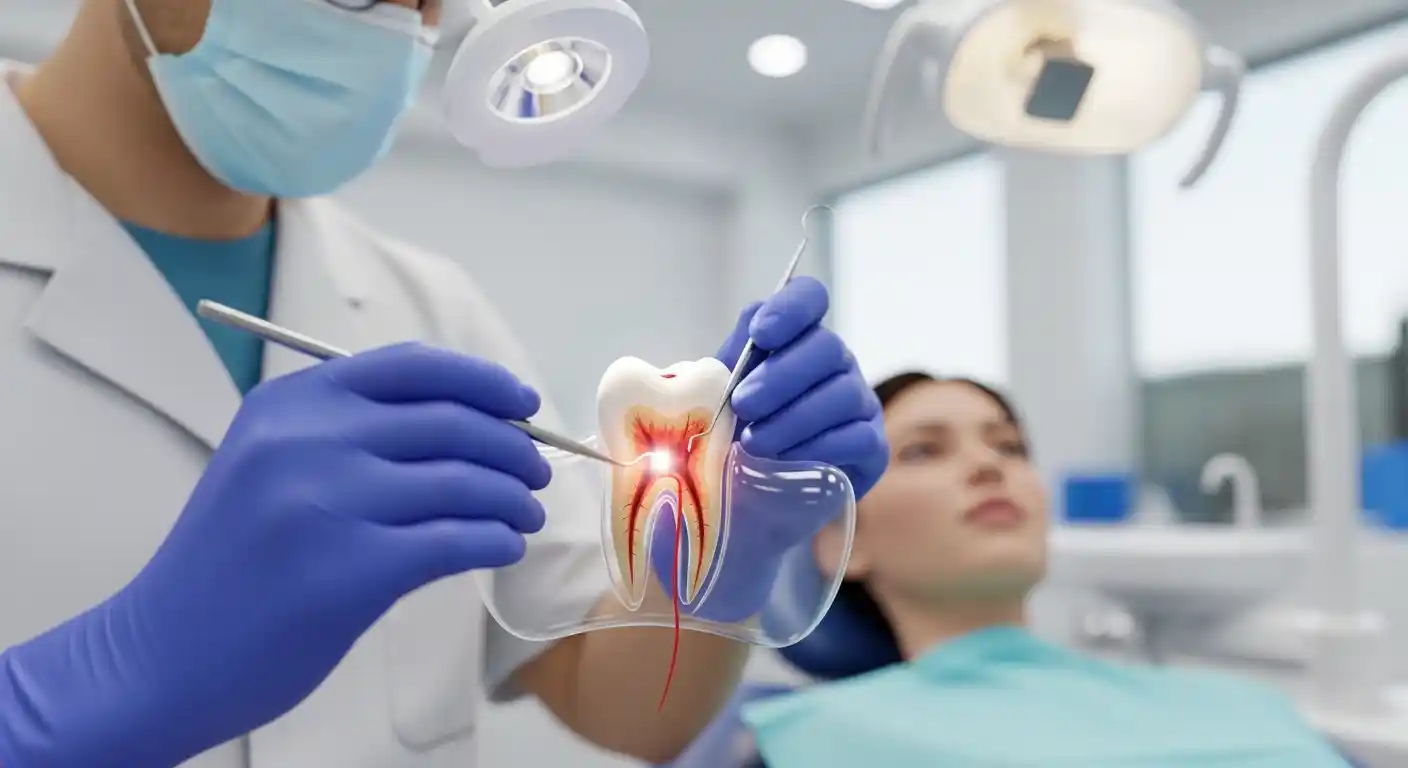
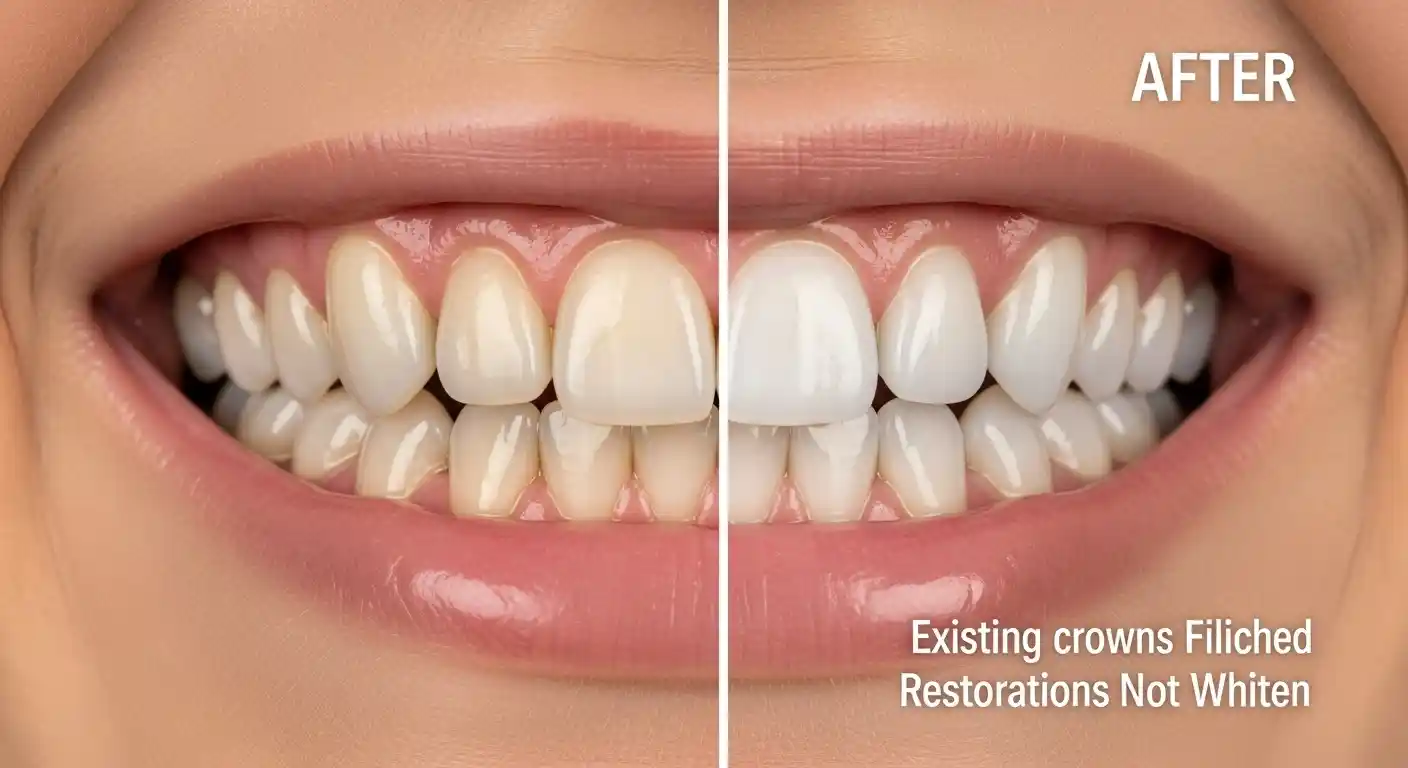


Before-and-after veneer photos show how thin coverings on the front of teeth can improve stains, chips, small gaps, and uneven shapes. If you are looking at teeth veneers before and after pictures, pay attention to changes in color, tooth size, spacing, and smile balance. Photos can show the cosmetic result, but they cannot tell you how the teeth feel, whether the bite works well, or how long the veneers will last.
At Ocotillo Trails Family Dentistry in San Tan Valley, AZ, we help patients understand what veneers can change and when another treatment may be a better choice. The results you see online are useful examples, not promises of how your own teeth will look.
Common Veneer Transformations to Look for in Photos
Before-and-after veneer photos show how treatment changes the appearance of teeth. Common improvements include covering deep stains, closing small gaps, repairing damaged edges, and improving uneven tooth shapes. The following examples explain what to look for when comparing results.
Correcting Discolored Teeth
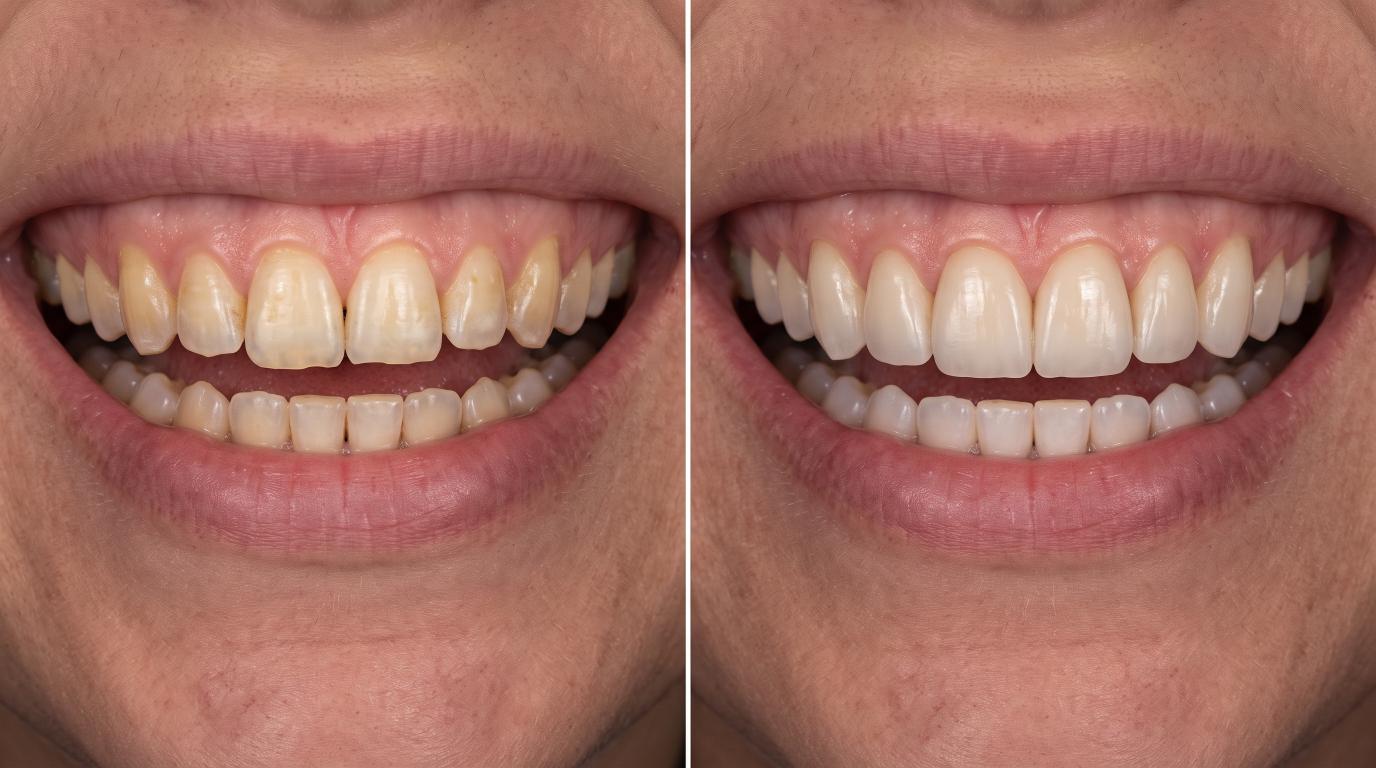
In before photos, teeth may have dark stains, uneven coloring, or discoloration that whitening cannot remove. After veneer placement, the treated teeth can appear brighter and more even in shade. However, very dark teeth may need a different veneer material or additional treatment to prevent the original color from showing through.
Closing Gaps Between Front Teeth
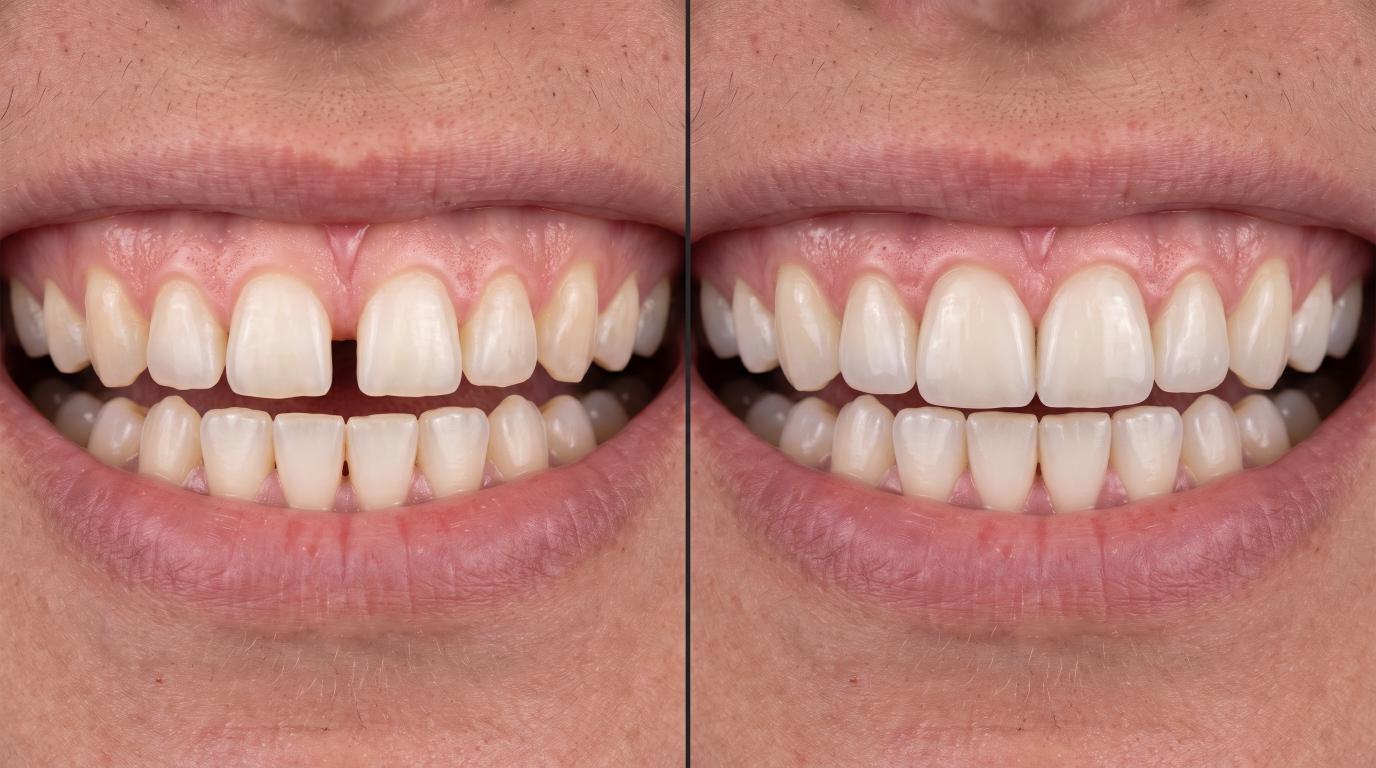
Small spaces between front teeth can sometimes be closed by changing the width of the teeth with veneers. Before photos may show a noticeable gap, while after photos show teeth that appear closer together. Larger gaps or problems with tooth position may require orthodontic treatment instead.
Repairing Chipped or Worn Teeth
A chipped or worn tooth may appear shorter or uneven beside neighboring teeth. Veneers can restore the visible edge and create a smoother appearance. The finished tooth should still match the surrounding teeth in size and shape. Minor chips may be treated with dental bonding instead.
Improving Uneven Tooth Shapes
Some people have front teeth that are naturally smaller, narrower, or differently shaped. Veneers can improve these differences by changing the visible tooth outline. After treatment, the teeth may look more balanced without appearing identical. The final design should suit the person’s natural smile.
Four Changes to Look for in Teeth Veneers Before and After Photos
When comparing teeth veneers before and after photos, look beyond how white the teeth appear. Pay attention to tooth proportions, spacing, and how the smile fits the person’s face. These details help you judge whether the result looks natural and balanced.
Tooth Color and Shade
Compare the shade of the treated teeth with the surrounding natural teeth. A good color match should look consistent without making every tooth appear completely white or flat. Remember that lighting and camera settings can also affect how bright veneers look in photographs.
Tooth Shape and Proportions
Look at the length and width of the front teeth. Teeth that are too long or wide may look out of place, even when they are evenly shaped. Compare the front teeth with the smaller teeth beside them to see whether the finished smile looks balanced.
Tooth Spacing and Alignment
Check whether the spaces between teeth look even and whether the front edges follow a natural line. Veneers can improve the appearance of minor gaps or uneven teeth, but photographs alone cannot show whether orthodontic treatment was also used.
Smile Symmetry
Compare the left and right sides of the smile, including tooth length, shape, and how much tooth is visible. A natural smile does not need perfect symmetry. The goal is for the teeth to look balanced with the lips and other facial features.
How to Evaluate Before-and-After Dental Photos
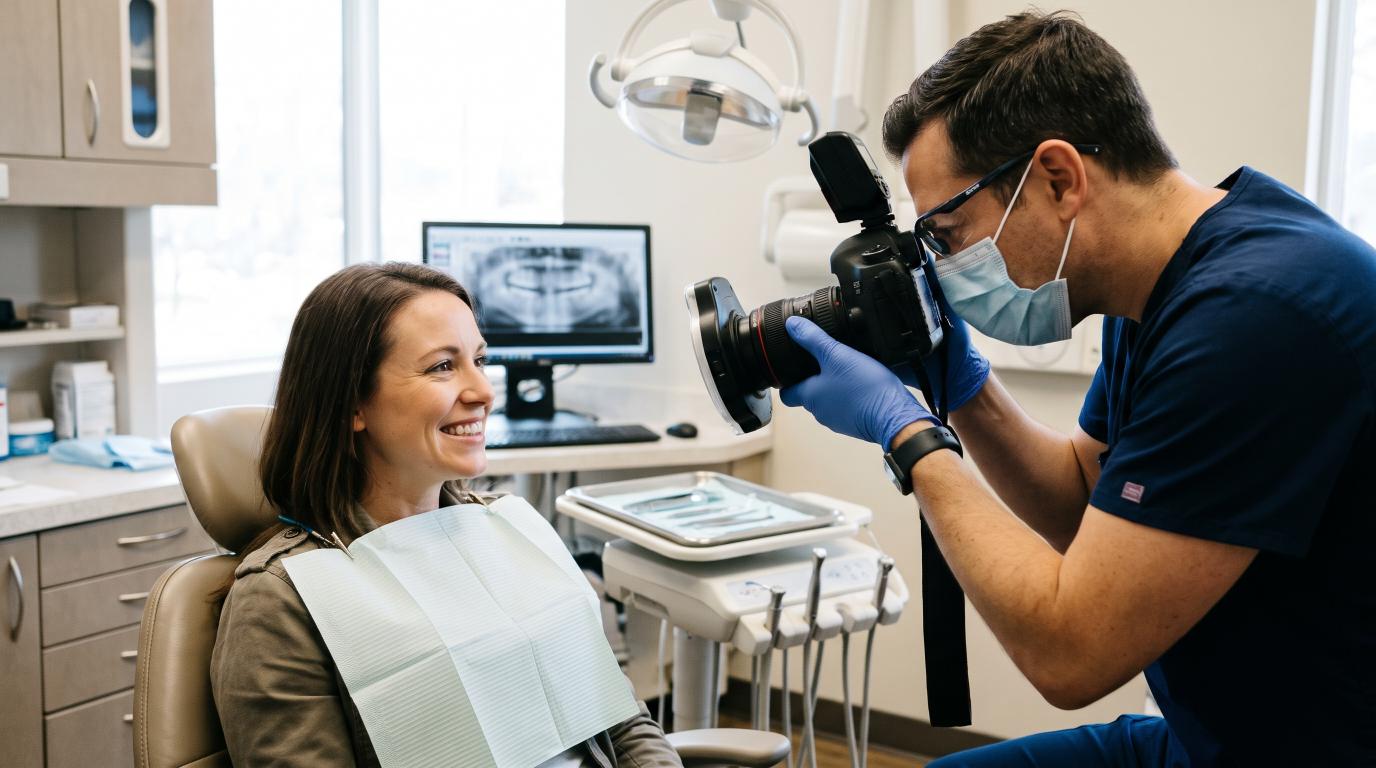
Good photos make it easier to compare results fairly. Look at more than one view when possible, including a full smile and close-up images. Use these checks before deciding whether a result seems realistic for you.
|
What to check |
Why it matters |
|
Camera angle |
A tilted or closer camera can make teeth look longer or more even. |
| Lighting and quality |
Bright light, shadows, and filters can change how white teeth appear. |
|
Smile and expression |
Different lip positions reveal different amounts of teeth and gums. |
| Editing and disclosure |
Ask whether images are edited and what other dental work was done. |
A clear patient gallery should identify the treatment used and, when available, how many teeth were treated. Images taken right after placement may not tell you how the gums look after healing.
When Other Dental Treatments Contribute to a Smile Transformation
Some impressive veneer results involve more than one procedure. Knowing what happened before the final photo prevents confusion about what veneers can do on their own.
Teeth Whitening
Whitening may be done before veneers so the surrounding natural teeth match the planned shade. Our teeth whitening options address a different concern from veneers. Whitening products do not change the color of porcelain or composite restorations.
Gum Contouring
Uneven gums can make teeth look too short or different in size. Gum contouring changes the gumline rather than the tooth surface. If a before-and-after photo shows much more of the tooth, ask whether the gums were treated. Gum health and the amount of tissue around the teeth must be checked before this procedure is considered.
Orthodontic Treatment
Braces or clear aligners move teeth into better positions. They may be needed before veneers when gaps are large, teeth are crowded, or the bite needs correction. Straightening first can reduce the amount of tooth reshaping required. When comparing photos, ask whether the patient completed orthodontic treatment before the veneers were placed.
Crowns and Other Restorations
A smile makeover may include crowns, bonding, or replacement fillings alongside veneers. A crown covers much more of a tooth and is often chosen when a tooth needs greater structural support. Bonding can repair smaller defects with tooth-colored resin. Our crowns and bridges page explains restorative options that serve different needs from veneers.
Why the Same Veneer Treatment Produces Different Results
Two people can receive the same number of veneers and still have different outcomes. The starting teeth and treatment choices affect what is possible.
Original tooth condition. Healthy enamel, existing fillings, dark stains, and cracks all affect veneer planning. A tooth with decay or gum disease needs care before cosmetic work begins.
Number of teeth treated. One veneer must blend with nearby teeth. Several veneers allow more control over a smile’s overall shade and shape, but treating extra healthy teeth is not automatically better.
Veneer design and material. Porcelain and composite have different strengths, appearance, repair options, and preparation needs. A review of veneer materials and preparation designs explains why the choice should fit the tooth and clinical situation.
Individual bite characteristics. Teeth grinding, a deep bite, or heavy contact on front teeth can place more stress on veneers.
Digital Planning and Tooth Preparation for Veneers
Careful planning helps the final veneers fit the teeth and look right with the whole smile. Some dental offices use digital tools, while others plan with photographs, models, and trial designs.
Digital Smile Design
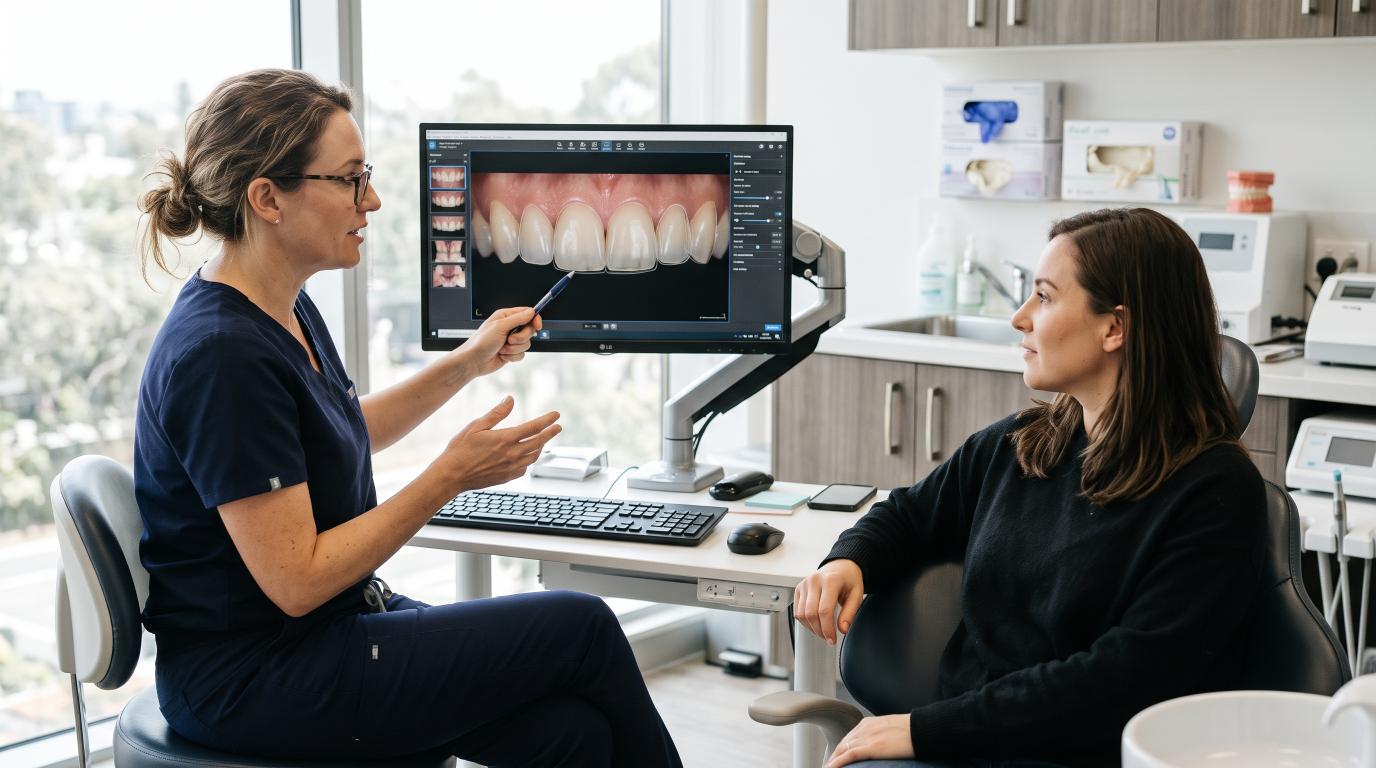
Digital smile design uses photos, scans, or computer images to plan changes in tooth shape and size. It can help the dentist and patient discuss a possible result before treatment. A digital preview is a planning tool, not a guarantee of the final appearance.
Controlling Tooth Reduction
Some veneers require a small amount of enamel to be removed so the new surface does not look thick. Other cases need little or no removal. The amount depends on tooth position, material, and the desired result. Since enamel does not grow back, preparation should be planned carefully. Ask how much natural tooth structure will remain and whether a less invasive option would work.
3D-Printed Preparation Guides
Certain dental teams use 3D-printed guides to help control where and how much tooth is reduced. These guides are created from the planned tooth shape and help the clinician follow that plan. A published report on digitally guided veneer preparation describes this approach and its limits. Not every veneer case requires this technology, and a guide does not replace careful clinical judgment.
What Photographs Cannot Reveal About Veneer Treatment
Before-and-after veneer photos cannot show whether the teeth and gums are healthy, how the bite functions, whether the patient feels comfortable, or how the veneers perform over time. A photo only shows the visible result. A dental examination and follow-up visits are needed to check the health and function of the treated teeth.
Tooth and gum health. Photos cannot confirm whether teeth are free of decay or whether gums are healthy. Veneers do not treat infections, and the teeth beneath them still need daily care.
Bite function. The upper and lower teeth must meet comfortably when chewing or moving the jaw. A picture cannot show whether a veneer receives too much pressure.
Comfort after placement. Some people notice short-term sensitivity after preparation or bonding. Persistent pain, a sharp edge, or trouble biting should be checked rather than ignored.
Long-term performance. A new smile may look excellent on day one, but veneers can wear, chip, loosen, or need replacement over time. A 2024 review of clinical veneer survival highlights the importance of preserved enamel, bite forces, and material choice. Brush, floss, attend regular dental visits, and avoid using your teeth to open packages.
Possible Changes and Complications After Veneer Placement
Veneers can last for years with proper care, but they are not permanent or free from risk. Knowing the warning signs makes it easier to seek help early.
Veneer Margin Discoloration
The margin is where the veneer meets the natural tooth. Over time, a darker line may appear near this edge because of staining, changes in bonding material, or problems with the fit. This does not always mean the veneer has failed. An early clinical report on porcelain veneers documented changes in margin appearance during follow-up. Have new discoloration checked, especially if the area catches food or feels rough.
Chipping and Fractures
Porcelain is strong but can break under a hard impact or repeated heavy pressure. Biting ice, grinding teeth, or a sudden injury can damage a veneer. A long-term study comparing veneer preparation approaches recorded fractures and other failures during follow-up. Small chips may sometimes be repaired, while larger breaks can require replacement. A nightguard may be recommended for people who grind their teeth.
Veneer Debonding
Debonding means the veneer comes loose from the tooth. It may happen because of bite pressure, bonding problems, or changes around the restoration. If a veneer falls off, keep it safe and contact the dental office. Do not glue it back yourself. The dentist must check the tooth and veneer before deciding whether it can be bonded again or needs to be replaced.
Gum Irritation
Gums may feel tender soon after treatment, especially when work was done close to the gumline. Irritation that continues can come from trapped plaque, a rough edge, or a veneer that does not fit well. Brush gently and clean between teeth as instructed. If swelling, bleeding, or soreness does not improve, arrange an exam.
How to Prepare for a Veneer Consultation Using Photo Examples
Bring a few pictures that show the kind of smile you like. Use them to explain your goals, not as exact results you expect your dentist to copy.
- Choose the features you like. Note whether you prefer a softer tooth shape, a natural shade, or more even front edges.
- Look for similar starting teeth. Photos of teeth with concerns like yours offer a more useful comparison than dramatic cases with very different needs.
- Explain what you want to keep. Tell the dentist if you like your current tooth size, smile line, or natural color variation.
- Ask about all suitable options. Discuss veneers, bonding, whitening, or orthodontics, along with tooth preparation, costs, care, and possible risks.
Ask whether a trial smile or mock-up is available and what would happen if a veneer chips later. Clear answers help you judge both the appearance and the long-term commitment.
Conclusion
Teeth veneers before and after pictures can show improvements in stains, chips, gaps, tooth shape, and overall smile balance. They are a helpful starting point, but they do not show the full treatment process or prove that a similar result is right for you. The health of your teeth, bite, and gums matters just as much as the finished look. Compare photos carefully, ask which procedures were used, and discuss options with a dental professional before deciding.
Ready to Explore Your Veneer Options? Schedule a Consultation
Interested in a change to your smile? At Ocotillo Trails Family Dentistry in San Tan Valley, AZ, our team can examine your teeth, listen to what you hope to improve, and explain whether porcelain veneers, composite veneers, or another treatment is suitable. We’ll also discuss the expected appearance, preparation, and care involved. Call (480) 457-1977 or schedule a veneer consultation. Visit us at 40815 N Ironwood Rd, Suite 102, San Tan Valley, AZ 85140.
Frequently Asked Questions
Can you get veneers on just one or two teeth?
Yes. One or two veneers may work for a chipped, misshapen, or discolored tooth. Matching the shade and shape of nearby natural teeth takes careful planning. Our team can check whether bonding or another smaller treatment could also work.
How many veneers are needed for a smile makeover?
There is no fixed number. Some people need only one or two, while others choose several front teeth for a more even appearance. When looking at teeth veneers before and after photos, remember that a full smile makeover does not always require veneers on every front tooth.
Can veneers match the color of natural teeth?
Yes. The material and shade can be selected to blend with surrounding teeth. Natural teeth have small color differences and some translucency, so a good match involves more than picking a single bright shade.
Can veneers be whitened after placement?
No. Standard teeth whitening does not lighten porcelain or composite veneers the way it can lighten natural teeth. If your natural teeth change shade, talk with our team about cleaning, polishing, whitening those teeth, or changing the restoration if necessary.
Can veneers cover a single dark or discolored tooth?
Sometimes. The dentist must consider how dark the tooth is and whether enough sound tooth structure remains. An opaque material may help mask the color, but other options might provide a better result for a deeply discolored tooth.
Can a Tooth That Has Had a Root Canal Receive a Veneer?
Yes, a tooth that has had a root canal can receive a veneer if enough healthy tooth structure remains. The dentist will check the tooth’s strength, remaining enamel, and bite before recommending treatment. If the tooth is badly weakened or has a large filling, a dental crown may be a better option.