











Have you noticed a chip, gap, or stain on one of your front teeth and wondered if there is a simple fix? Composite veneers might be exactly what you are looking for. They are one of the most popular ways to improve a smile without a long, drawn out process, and many patients love how quickly they can see real results.
If you live in San Tan Valley, AZ or the surrounding area, this guide is for you. Ocotillo Trails Family Dentistry put together this simple breakdown so you can understand exactly what composite veneers are, how they work, and whether they might be a good fit for your smile. By the end, you should feel confident talking with your dentist about your own cosmetic goals.
What Are Composite Veneers?
Composite veneers are a thin layer of tooth colored resin material that a dentist bonds directly onto the front of your teeth to fix chips, gaps, stains, or other small cosmetic issues. They are made of the same type of material used in tooth colored fillings, shaped and polished to look natural against your surrounding teeth.
They work by covering up flaws and reshaping the front surface of a tooth, giving you a smoother, more even smile without altering the tooth underneath very much. Composite veneers are best for people with minor cosmetic concerns who want a quick, affordable way to improve how their teeth look, often in a single visit with results you can see the same day.
How Composite Resin Veneers Work
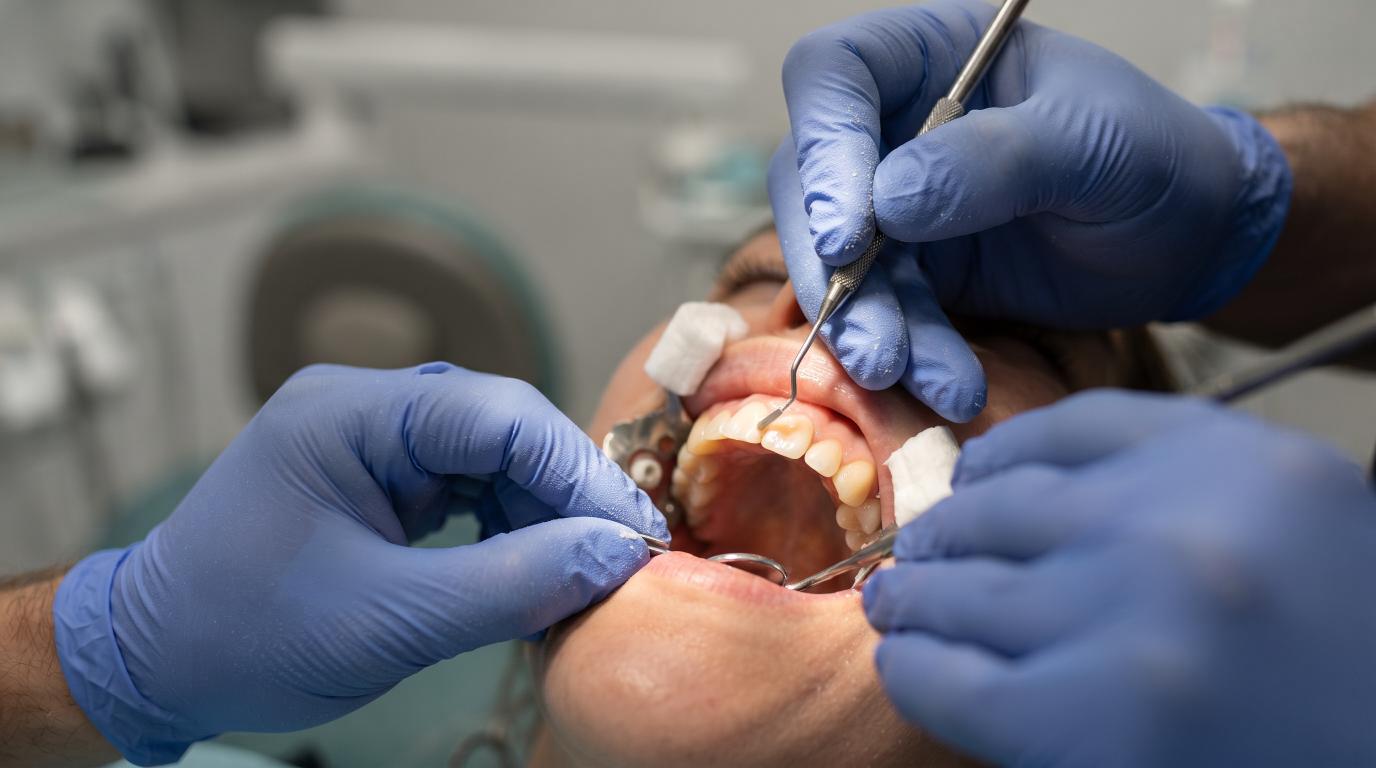
The dentist applies the resin material in soft layers, then shapes and smooths it to match the natural look of your other teeth. A special light is used to harden, or cure, each layer as it goes on, so the material becomes strong and stable by the end of the appointment. This layering process gives the dentist full control over the final shape, allowing small adjustments along the way until the tooth looks just right.
Once the last layer is cured, the surface is polished until it has a smooth, natural shine that closely matches your surrounding teeth. Because the material bonds directly to the tooth, it becomes a stable part of your smile without needing any separate attachment pieces.
Direct vs Indirect Bonding
Direct composite veneers are built right on your tooth during a single office visit. Indirect composite veneers are made outside the mouth, often in a lab, then bonded onto the tooth afterward. Both methods use the same resin material but follow a different process, and your dentist can help you decide which fits your case better.
Direct bonding tends to be faster and more affordable, since everything happens chairside in one appointment. Indirect bonding can take a bit longer since it usually involves a mold and a lab step, but it may offer a slightly more refined finish for certain cases, especially when several teeth need to be treated at once.
Cosmetic Issues They Can Correct
Composite veneers can fix chips, small gaps, stains, worn edges, oddly shaped teeth, and minor crookedness. They are a flexible option for small to moderate cosmetic concerns and can often be used on just one tooth or across your whole smile.
Because the resin can be shaped and sculpted in so many ways, composite veneers are often used to address more than one issue on the same tooth. For example, a single veneer might close a small gap while also covering a stain and smoothing out a chipped edge, all in one visit.
What Dental Problems Can Composite Veneers Fix?
Composite veneers are a flexible fix for many everyday smile concerns, from small chips to stubborn stains. Instead of needing a different treatment for each issue, one veneer can often address several problems on the same tooth at once.
Every smile is a little different, so the exact issues a veneer can fix will depend on your specific teeth and goals. Here is a closer look at some of the most common problems composite veneers can help correct.
Types of Composite Veneers

Composite veneers are not all made the same way, and knowing the difference can help you understand what to expect from your treatment plan.
Direct Composite Veneers
These are shaped directly onto your teeth by your dentist in one appointment. This option is fast and usually more affordable, since it skips the lab process. Because everything happens chairside, you can walk in with a chip or stain and walk out the same day with a fully finished veneer, making it a popular choice for patients who want quick results.
This method also allows your dentist to make small adjustments in real time, checking the shape, color, and bite as they go. Since there is no waiting period between visits, direct veneers tend to work especially well for smaller fixes or touch ups on just one or two teeth.
Indirect Composite Veneers
These are custom made outside the mouth, often based on a mold of your teeth, then bonded on during a follow up visit. They can offer a slightly more precise fit and finish, since the veneer is shaped under controlled lab conditions rather than directly in the mouth.
This process usually takes at least two appointments, one to prepare the tooth and take an impression, and a second to bond the finished veneer in place. Indirect veneers are often considered when several teeth need treatment at once, since the lab process can help keep the shape and shade consistent across multiple teeth.
Which Type Is Right for You?
The right choice depends on your budget, timeline, and how many teeth need treatment. Your dentist can help you decide which option fits your needs and goals best.
|
Feature |
Direct Composite Veneers |
Indirect Composite Veneers |
|
Where they’re made |
Directly on your tooth, in office |
Outside the mouth, often lab made |
|
Number of visits |
Usually one visit |
Usually two visits |
|
Cost |
Generally lower |
Slightly higher |
|
Fit and finish |
Good, dentist shaped |
Often more precise |
|
Best for |
Minor fixes, quick results |
Slightly more detailed cases |
Who Is a Good Candidate for Composite Veneers?
People with healthy teeth and gums are usually the best candidates for composite veneers. They work well for correcting minor cosmetic concerns such as chipped teeth, small gaps, mild discoloration, worn edges, or slightly uneven teeth. Because veneers are designed to improve appearance rather than treat serious dental problems, a healthy smile provides the best foundation for long-lasting results.
Composite veneers are also a great option for people who practice good oral hygiene and want an affordable smile makeover. Regular brushing, flossing, and dental checkups help keep both your veneers and natural teeth in good condition. Compared to porcelain veneers, composite veneers offer a faster and more budget-friendly way to achieve a brighter, more confident smile.
Who Should Not Get Composite Veneers?
Composite veneers are not the right choice for everyone. People with severe tooth damage often need a stronger option, like a crown, to properly protect the tooth. Advanced decay should be treated first, since placing a veneer over an unhealthy tooth will not solve the underlying problem.
Active gum disease should also be treated before any cosmetic work begins, since healthy gums are important for a good result. Heavy teeth grinding, known as bruxism, can quickly damage composite material, so this habit needs to be managed first, often with a night guard. Major bite problems usually need to be addressed by an orthodontist or another specialist before cosmetic veneers are considered.
Composite Veneer Procedure: Step by Step

Getting composite veneers is a simple, minimally invasive process that can often be completed in just one visit. Here’s what you can expect during each step of the procedure.
Initial Consultation: Your dentist examines your teeth, discusses your goals, and confirms that composite veneers are a good fit for your smile.
Shade Selection: A shade is chosen to match the natural color of your surrounding teeth, so the veneer blends in smoothly.
Tooth Preparation: The tooth surface is lightly prepared, often with minimal to no removal of natural tooth structure, to help the composite material bond well.
Applying the Composite Resin: The resin is applied in thin layers directly onto the tooth, building up the shape gradually.
Sculpting and Shaping: Your dentist carefully sculpts the material to match the natural curves and contours of your teeth.
Curing and Polishing: Each layer is hardened with a special light, and the final surface is polished until it looks smooth and natural.
Final Bite Check: Your dentist checks your bite to make sure the new veneer feels comfortable and does not interfere with normal chewing.
Benefits of Composite Veneers
Composite veneers offer a quick and affordable way to improve your smile. In many cases, they can be completed in just one appointment, making them a convenient choice for patients who want fast results without multiple dental visits. They are also more budget-friendly than porcelain veneers while still providing a natural-looking smile.
Another major advantage is that very little of your natural tooth needs to be removed, helping preserve your tooth structure. If a veneer becomes chipped or damaged, it can often be repaired easily without replacing the entire veneer. When carefully matched and polished, composite veneers blend naturally with your surrounding teeth.
Disadvantages of Composite Veneers
While composite veneers have many benefits, they are not as durable as porcelain veneers. They generally have a shorter lifespan and may need to be repaired or replaced sooner, especially with everyday wear and tear.
Composite resin is also more likely to stain from coffee, tea, red wine, and other dark-colored foods and drinks. To keep them looking their best, composite veneers require good oral hygiene, regular dental checkups, and occasional polishing or touch-ups.
Composite Veneers vs Porcelain Veneers

|
Feature |
Composite Veneers |
Porcelain Veneers |
|
Material |
Tooth colored resin |
Thin ceramic shell |
|
Appearance |
Natural, can stain over time |
Very natural, resists staining |
|
Durability |
Good, but more prone to chipping |
Stronger and more chip resistant |
|
Cost |
More affordable |
Generally more expensive |
|
Procedure Time |
Often one visit |
Usually two or more visits |
|
Tooth Preparation |
Minimal to none |
Slightly more tooth reduction needed |
|
Repairability |
Easy to repair chairside |
Often needs full replacement if damaged |
|
Longevity |
About 4 to 8 years |
About 10 to 15 years or longer |
Composite Veneers vs. Dental Bonding
Both composite veneers and dental bonding use tooth-colored resin, but they serve different purposes. Composite veneers cover the entire front of a tooth to improve its overall appearance, while dental bonding repairs small chips, cracks, gaps, or other minor flaws.
If you want a complete smile makeover, composite veneers are usually the better option. Dental bonding is a quicker and more affordable choice for fixing small cosmetic imperfections.
|
Feature |
Composite Veneers |
Dental Bonding |
|
Covers |
Entire front of the tooth |
A small area of the tooth |
|
Best For |
Multiple cosmetic concerns |
Minor chips, cracks, or gaps |
|
Appearance |
More uniform smile makeover |
Small, targeted repairs |
|
Cost |
Higher |
Lower |
|
Treatment Time |
Usually one visit |
Usually one visit |
|
Longevity |
About 4-8 years |
About 3-7 years |
How Long Do Composite Veneers Last?
Composite veneers typically last between 4 and 8 years, although their lifespan depends on how well you care for them. Good oral hygiene, a healthy diet, avoiding teeth grinding, and regular dental checkups can all help your veneers stay in good condition for longer.
Over time, composite veneers may show signs of wear, such as chips, rough edges, staining, or loosening. If you notice any of these changes, your dentist can determine whether a simple repair or a full replacement is the best option.
How to Care for Composite Veneers
Taking good care of your composite veneers helps keep them looking natural and lasting as long as possible. Brush and floss every day, limit stain-causing foods and drinks like coffee, tea, and red wine, and avoid biting hard objects such as ice or pens that could damage the resin.
If you grind your teeth at night, wearing a custom night guard can help protect your veneers from unnecessary wear. Regular dental checkups are also important, allowing your dentist to monitor your veneers, polish away minor stains, and address small issues before they become bigger problems.
How Much Do Composite Veneers Cost?
The cost of composite veneers varies depending on the number of teeth being treated, the complexity of your case, your dentist’s experience, and your location. In general, composite veneers are more affordable than porcelain veneers, making them a popular choice for patients who want to improve their smile without the higher cost of other cosmetic treatments.
While dental insurance usually does not cover composite veneers because they are considered a cosmetic procedure, some plans may provide benefits if treatment is medically necessary. The best way to know the exact cost is to schedule a consultation, where your dentist can evaluate your smile and provide a personalized treatment plan and estimate.
Are Composite Veneers Reversible?
Composite veneers are often considered more reversible than porcelain, especially when little to no natural tooth structure was removed during the process. In these cases, the veneer can sometimes be removed without permanently changing the tooth underneath.
That said, if any tooth preparation was done to help the material bond properly, some changes to the tooth surface may remain even after removal. After a veneer is taken off, your dentist can discuss whether your natural tooth needs any further treatment or if a replacement veneer makes more sense.
Can Composite Veneers Be Repaired or Replaced?
Minor chips can often be smoothed and repaired right in the dental chair without removing the entire veneer. Surface stains can sometimes be polished away, though deeper staining may require a full replacement for the best result. Small cracks can often be patched, but larger cracks usually call for a completely new veneer. Most patients can expect to need a replacement somewhere between four and eight years, depending on how well the veneers are cared for.
Common Risks and Limitations
Although composite veneers are a safe and effective cosmetic treatment, it’s important to understand their potential risks and limitations before making a decision.
Chipping: Since composite material is softer than porcelain, it can chip more easily under pressure or hard foods.
Staining: Composite veneers can pick up stains over time, especially with frequent coffee, tea, or tobacco use.
Wear Over Time: Daily chewing and grinding can gradually wear down the surface of a composite veneer.
Gum Irritation: If not shaped and polished properly, edges near the gum line can sometimes cause mild irritation.
Bond Failure: In rare cases, the bond between the composite material and the tooth can weaken, causing the veneer to loosen or fall off.
Composite Veneers Before and After: What Results Can You Expect?
Many patients see a noticeable smile transformation after composite veneers, with chips filled in, gaps closed, and discoloration covered. Results can range from a subtle touch up to a full smile makeover, depending on how many teeth are treated.
It helps to set realistic expectations before starting, since composite veneers improve appearance but do not change the health or alignment of teeth underneath. Final results are usually visible right away, though your dentist may schedule a short follow up visit to check the fit and make any small adjustments.
Conclusion
Composite veneers offer a simple, affordable way to fix small cosmetic issues and improve your smile, often in just one visit. Whether you are dealing with a chipped tooth, a small gap, or stubborn discoloration, this treatment can make a real difference without requiring a major commitment of time or money.
While composite veneers may not last as long as porcelain, they remain a popular starting point for many patients, especially those who want to see results quickly and are not ready for a bigger investment. They also give you room to upgrade to porcelain later if your needs or goals change down the road.
At the end of the day, the right choice depends on your specific teeth, budget, and what you want your smile to look like. A conversation with an experienced dentist is the best way to find out if composite veneers are the right fit for you, or if another cosmetic option might serve you better.
Ready to Improve Your Smile?
If you are considering composite veneers in San Tan Valley, AZ, Ocotillo Trails Family Dentistry is here to help you get started. Our friendly, experienced team takes the time to listen to your goals, answer your questions, and walk you through every step of the process, so you always know what to expect.
From your first consultation to the final polish, we focus on natural looking results and a comfortable experience for every patient. Whether you need one veneer or a full smile refresh, we will help you build a plan that fits your budget and your timeline. Call us today to schedule your consultation with Ocotillo Trails Family Dentistry in San Tan Valley, AZ, and take the first step toward a smile you love.
Frequently Asked Questions
What are composite veneers made of?
Composite veneers are made of a tooth colored resin material, the same type used in many dental fillings. This material is designed to bond directly to the surface of your tooth and can be shaped, layered, and polished by your dentist. It comes in a range of shades, which helps your dentist match it closely to your natural tooth color for a seamless look.
Are composite veneers worth it?
For minor cosmetic concerns and a smaller budget, many patients find composite veneers a worthwhile and effective option. They offer a noticeable improvement in appearance without the higher cost or longer timeline of porcelain veneers. Since results are often visible the same day, many patients feel the value is well worth it, especially for smaller fixes like chips or gaps.
Do composite veneers damage your teeth?
When placed properly, composite veneers require little to no removal of natural tooth structure, making them a fairly conservative option. This is one of the main reasons many patients prefer starting with composite before considering more invasive treatments. As long as you keep up with good oral hygiene, having composite veneers should not put your natural teeth at any added risk.
How long do composite veneers last?
Most composite veneers last between four and eight years with proper care. Their lifespan depends on factors like your diet, oral hygiene habits, and whether you grind your teeth at night. Regular dental checkups can help catch small issues early, which often helps veneers last closer to the higher end of that range.
Can composite veneers stain?
Yes, composite material can pick up stains over time, especially from coffee, tea, and tobacco. Unlike porcelain, composite resin has a slightly more porous surface, which makes it more likely to absorb color from foods and drinks. Cutting back on staining habits and keeping up with polishing visits can help slow this process down.
Can composite veneers be whitened?
Composite material does not respond to whitening treatments the way natural teeth do, so touch ups or replacement are usually needed instead. Whitening gels are designed to work on natural enamel, not resin material, so they will not brighten a stained veneer. If your composite veneers become discolored, your dentist can often polish, repair, or replace them to restore a bright, even look.
Are composite veneers removable?
In many cases, yes, especially when little tooth structure was removed during placement, though this depends on each individual case. If your dentist used a more conservative approach with minimal preparation, removing the veneer is usually straightforward. It is always best to talk with your dentist beforehand so you understand exactly what removal would involve for your specific teeth.
Are composite veneers better than porcelain veneers?
Neither option is better for everyone. Composite veneers are more affordable and quicker, while porcelain veneers tend to last longer and resist stains better. The right choice really comes down to your budget, timeline, and how long you want your results to last. Many patients start with composite and consider porcelain later if they want a longer lasting upgrade.