












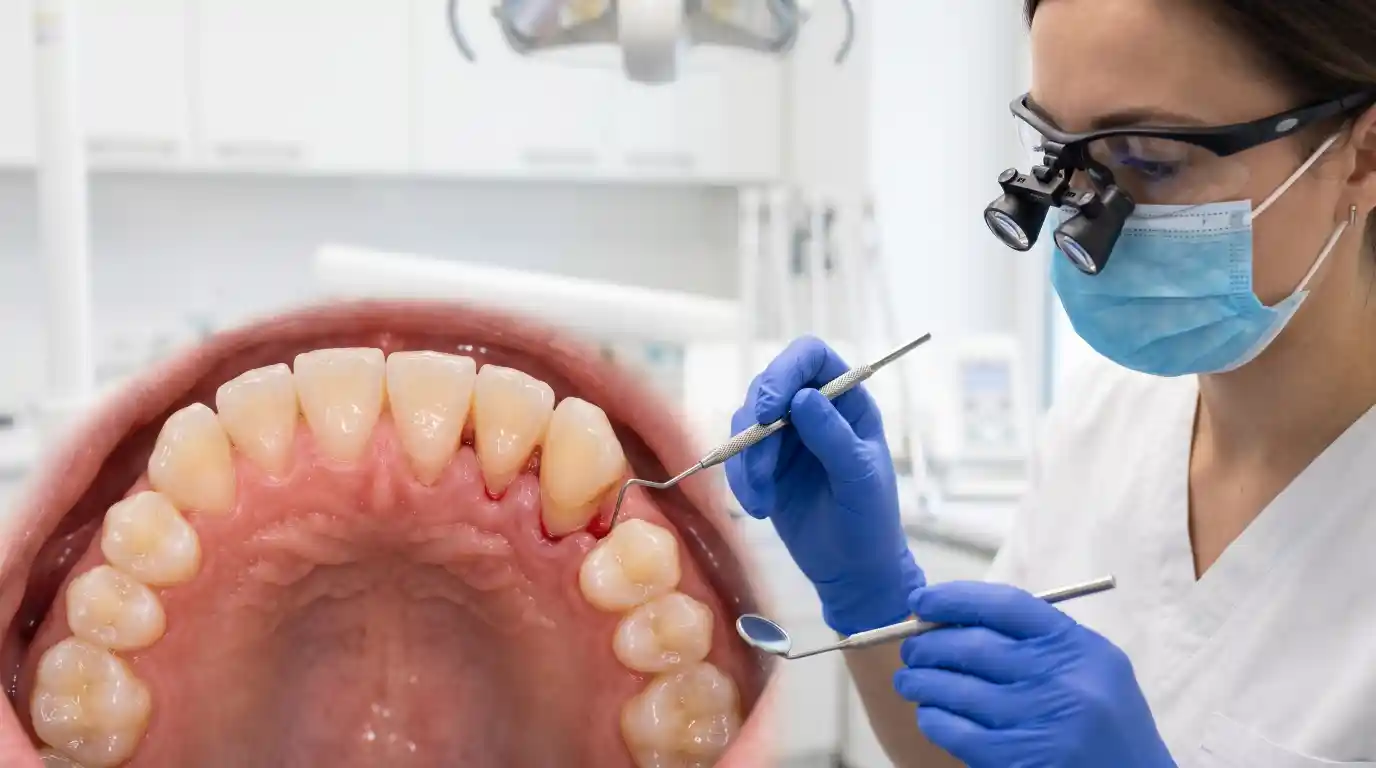



A cavity can start as a small spot in your tooth, but leaving it untreated can allow the damage to grow deeper. What are fillings for teeth? A dental filling is a restoration used to replace the part of a tooth damaged by decay. Your dentist removes the damaged tooth structure, cleans the area, and fills the space with a material that helps restore the tooth’s shape and function.
For patients in San Tan Valley, AZ, a dental exam can help find cavities before they cause serious discomfort. The right filling material depends on factors such as the tooth’s location, the size of the cavity, and how healthy the tooth remains. In this guide, you’ll learn about the different types of fillings, how the procedure works, what it may cost, how long fillings can last, and how to care for them.
What Are Fillings for Teeth?
A dental filling is a restoration used to repair a tooth that has been damaged by decay. When bacteria and acids damage the hard outer layers of a tooth, they can create a cavity. A dentist removes the damaged portion and fills the space with dental material.
The goal is not simply to cover the hole. A filling helps restore the tooth’s shape, strength, and function. It also gives you a smoother surface that can be cleaned as part of your normal oral hygiene routine.
What Does a Dental Filling Do?
A dental filling generally serves several purposes:
- Removes the damaged portion of the tooth
- Fills the space left by decay
- Restores the tooth’s shape
- Helps the tooth work normally when you bite and chew
- Provides a smooth surface that can be cleaned
A filling does not make a tooth completely immune to future decay. Decay can still develop around a filling if oral hygiene is poor or plaque and bacteria build up.
Why Do You Need a Tooth Filling?
A dentist typically recommends a filling after finding a cavity or a small area of tooth damage. Common reasons include:
- Tooth decay and cavities
- Small chips or cracks, depending on their location and severity
- An old filling that has cracked, worn down, or come loose
Tooth decay doesn’t repair itself once a cavity has fully formed. Left untreated, it tends to move deeper into the tooth over time. This is one reason a small cavity can go unnoticed: it may not cause any pain in its early stages, which is exactly why regular dental exams matter.
Your dentist can often catch decay on an X-ray or exam before you feel a thing. Your dentist will examine the tooth before deciding whether a filling is the right call. More extensive damage may point toward a different treatment altogether.
Chipped or Damaged Teeth
Not every filling is placed because of a cavity. Filling material can sometimes repair a small chip or area of damage. Whether this approach works depends on how much tooth structure is affected and where the damage is located.
Worn or Damaged Fillings
Fillings can wear down, crack, or loosen over time. Your dentist can examine an older restoration and determine whether it can stay in place or needs to be repaired or replaced.
What Are Dental Fillings Made Of?
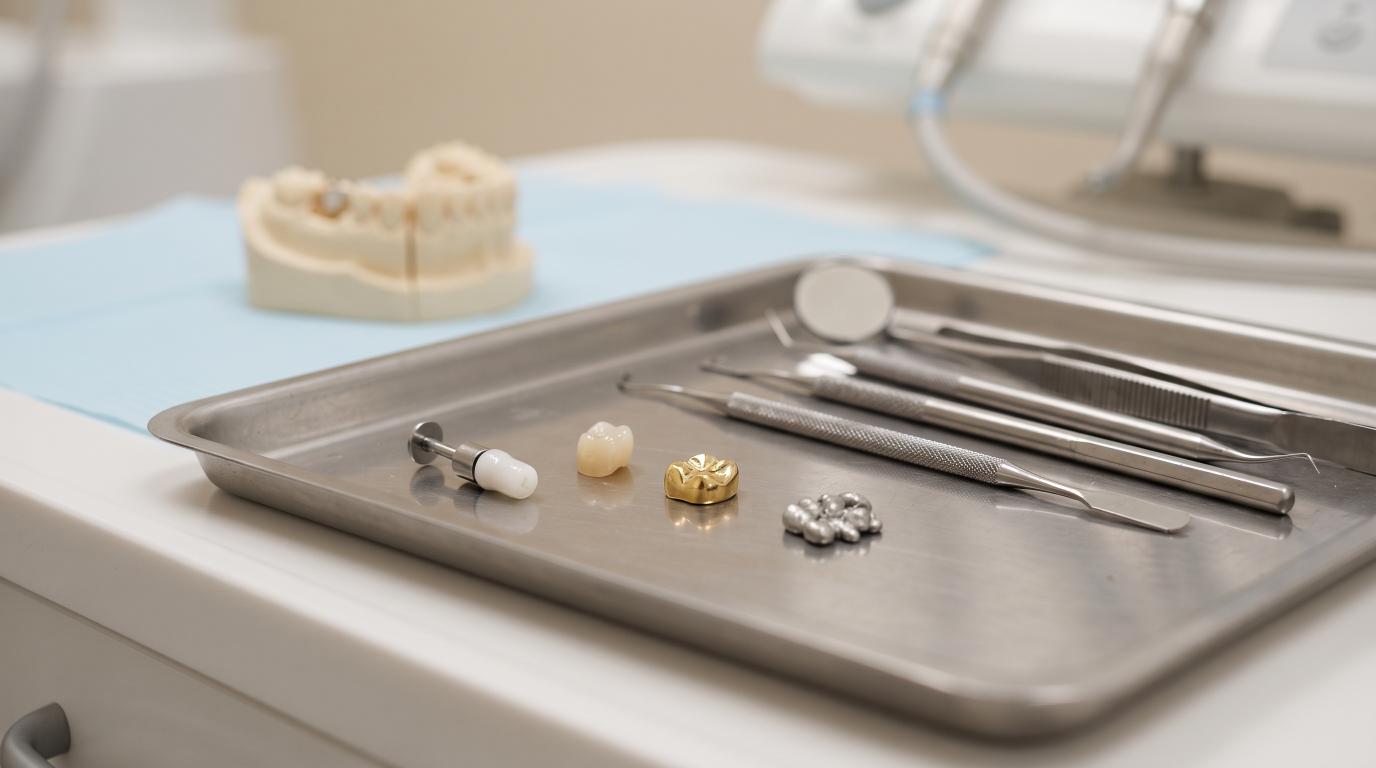
Dental fillings can be made from several different materials. The right choice depends on factors such as the tooth being treated, the size and location of the restoration, your bite, appearance preferences, and other treatment considerations. There is no single filling material that is right for every patient.
Composite Fillings
Composite fillings are tooth-colored restorations made from a resin material mixed with fine particles. One of their main benefits is their appearance: the material can be matched to the color of the surrounding tooth, making it less noticeable. Composite fillings are commonly used for many types of cavities, though their suitability depends on the location and size of the restoration.
Amalgam Fillings
Amalgam is a traditional silver-colored filling material that has been used for many years, particularly for restoring back teeth. Because it has a metallic appearance, it is more noticeable than a tooth-colored filling. Patients often have questions about the safety of amalgam. Your dentist can discuss the current condition of an existing amalgam filling and explain whether replacement is appropriate.
Gold Fillings
Gold is known for its durability and ability to withstand chewing forces. It’s also more noticeable than tooth-colored materials, and gold restorations may cost more than some other options, so cost and appearance are both important considerations.
Ceramic Fillings
Ceramic restorations are tooth-colored and provide a natural appearance. They may be considered when a larger restoration is needed and appearance is important. Ceramic can also be durable, but the material and type of restoration must be selected based on the individual tooth.
Glass Ionomer Fillings
Glass ionomer is another restorative material, useful in certain areas of the mouth and for specific applications. Its properties differ from composite, amalgam, gold, and ceramic. Your dentist can determine whether it’s appropriate for your particular restoration.
Direct vs. Indirect Dental Fillings
Dental restorations can generally be described as direct or indirect. Direct fillings are placed directly into the prepared tooth during the dental appointment. The dentist removes the damaged tooth structure, prepares the area, then places and shapes the filling material. Composite fillings are one example.
Indirect restorations are made outside the mouth before being placed in the tooth. This approach may be considered when a tooth has more damage than a simple filling can comfortably restore. The dentist evaluates the amount of healthy tooth structure remaining and determines what type of restoration is appropriate.
How Does the Dental Filling Procedure Work?

The filling process is usually completed in several steps, though the exact process can vary depending on the tooth, type of filling, and amount of decay.
Examination and Diagnosis: Your dentist examines the tooth to identify decay or damage. X-rays may be used to check areas that can’t be seen visually. The dentist then determines how extensive the problem is and whether a filling is the right treatment.
Numbing the Tooth: A local anesthetic numbs the area being treated. You may feel a brief pinch or pressure when it’s given, but once numb, you shouldn’t feel sharp sensations.
Removing the Decay: The dentist removes the decayed tooth structure and cleans the area so the filling can be placed properly. The amount removed depends on the extent of the decay.
Preparing the Tooth: The dentist prepares the remaining tooth structure for the restoration, with the shape depending on the size, location, and filling material used.
Placing the Filling Material: The selected material is placed into the prepared area. Composite material may be placed in layers and hardened with a curing light.
Shaping and Polishing: The dentist shapes the material so it fits naturally with the tooth, then polishes it for a smoother surface.
Checking Your Bite: Finally, your dentist checks your bite to make sure the filling doesn’t interfere with normal biting, adjusting it if necessary.
Do Dental Fillings Hurt?
Getting a filling shouldn’t normally be painful, since the tooth and surrounding area are numbed beforehand. You may feel pressure, movement, vibration, or sounds during the procedure. These sensations are different from pain. After the numbness wears off, some people experience temporary sensitivity to cold, heat, pressure, or biting for a short time.
Is Tooth Sensitivity Normal After a Filling?
Some sensitivity after a filling is common and may improve as the tooth settles. However, sensitivity that doesn’t improve, gets worse, or comes with significant pain should be checked by your dentist.
When Should You Call Your Dentist About Filling Pain?
Contact your dentist if you experience:
- Severe or increasing pain
- Pain when biting that doesn’t improve
- Persistent sensitivity
- A filling that feels loose
- A filling that breaks or falls out
- Swelling around the tooth
These symptoms don’t always mean the filling has failed, but they should be evaluated.
What Should You Expect After Getting a Filling?

You can usually return to normal activities the same day. Your mouth may stay numb for a few hours, so wait until the feeling returns before eating to avoid biting your cheek, lip, or tongue. Mild sensitivity to hot, cold, or pressure is common for a short time and should gradually improve.
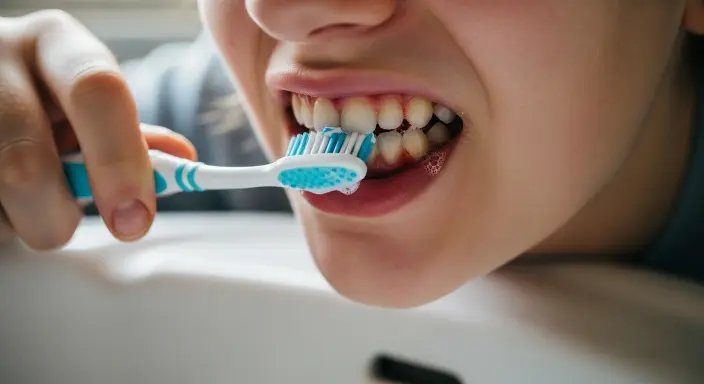
Caring for your filling is similar to caring for your natural teeth: brush twice a day with fluoride toothpaste, clean between your teeth daily, and avoid chewing on very hard objects. If sensitivity or pain continues, worsens, or affects your bite, contact your dentist for an evaluation.
How Long Do Dental Fillings Last?
Dental fillings don’t last forever, and their lifespan varies from person to person. Factors that affect how long a filling lasts include:
- The filling material
- Size of the restoration
- Location of the tooth
- Bite forces
- Oral hygiene
- Eating habits
- Normal wear over time
A filling on a tooth that receives heavy chewing forces may wear faster than one under less pressure.
When Should a Filling Be Replaced?
A dentist may recommend replacing a filling if it becomes cracked, broken, loose, worn, surrounded by new decay, or associated with ongoing discomfort. Don’t wait for a filling to fall out before having it checked. Regular dental exams help your dentist monitor older restorations.
How Much Do Dental Fillings Cost?
Dental fillings generally range from about $100 to $500 per tooth, though the exact price depends on several factors:
- Material: composite, amalgam, ceramic, and gold are priced differently
- Size and location of the cavity: larger or harder-to-reach areas may require more time and material
- Number of teeth treated: multiple fillings in one visit add to the total
- Additional work: X-rays or other diagnostic steps can increase the cost
- Insurance coverage: plans vary widely, so it’s worth checking your specific benefits before treatment
Smaller, more accessible cavities tend to cost less; larger or more complex restorations cost more. Your dentist’s office can give you an estimate once they’ve examined the tooth.
Filling vs. Crown: Which One Do You Need?

A filling and a crown can both restore a damaged tooth, but they’re used for different levels of damage. A filling may be enough when the cavity is small and enough healthy structure remains. A crown may be recommended when more of the tooth is damaged or weakened.
|
Feature |
Dental Filling |
Dental Crown |
|
Main purpose |
Repairs a cavity or smaller area of damage |
Protects and restores a tooth with more extensive damage |
|
When it may be needed |
When enough healthy tooth structure remains |
When a tooth is weakened, cracked, or significantly damaged |
|
Amount of tooth covered |
Fills the damaged area |
Covers most or all of the visible tooth |
|
Tooth structure |
Usually requires less removal |
May require more preparation |
|
Best for |
Small to moderate cavities |
Larger areas of decay or damage |
|
Treatment process |
Material placed into the prepared tooth |
Custom-made crown placed over the prepared tooth |
|
Cost |
Generally less expensive |
Generally more expensive |
|
Final choice |
Depends on size and location of damage |
Depends on strength and remaining structure |
Can a Cavity Be Treated Without a Filling?
It depends on how early the decay is found. Very early enamel changes may sometimes be managed with preventive care and fluoride, depending on the situation. But once decay creates a permanent hole, the damaged structure can’t grow back on its own.
A dentist needs to examine the tooth to determine how advanced the decay is and what treatment fits. Waiting for a cavity to become painful isn’t a reliable way to judge its severity. Some cavities progress without noticeable symptoms.
How Can You Prevent the Need for More Fillings?
You can’t prevent every cavity, but good oral care lowers your risk:
- Brush Twice a Day: Use fluoride toothpaste and clean all tooth surfaces, including near the gumline.
- Clean Between Your Teeth: Floss or use another method daily, since brushing alone doesn’t reach every space.
- Limit Sugary Foods and Drinks: Frequent sugar exposure contributes to decay, especially with repeated snacking throughout the day.
- Maintain Regular Dental Visits: Exams let your dentist catch problems early.
- Treat Early Signs of Decay: Sensitivity, pain, or a visible dark spot should be checked promptly.
Need a Dental Filling? Get Your Tooth Checked
Think you may have a cavity, damaged filling, or tooth sensitivity? Ocotillo Trails Family Dentistry in San Tan Valley, AZ can examine your tooth, explain what’s causing the problem, and recommend the right treatment for your needs. Don’t wait for tooth pain to get worse. Schedule an appointment to have your tooth evaluated and learn whether a filling can restore it.
Conclusion
Dental fillings are a common way to restore teeth affected by cavities, decay, and some types of minor damage. The dentist removes the damaged tooth structure and fills the area with a suitable restorative material.
There are several types of fillings, including composite, amalgam, gold, ceramic, and glass ionomer. Your dentist can recommend an option based on the tooth, size and location of the damage, appearance, and other treatment factors.
If you think you may have a cavity, don’t wait until the tooth becomes painful. An early dental examination can help identify the problem and determine whether a filling or another treatment is needed.
Frequently Asked Questions
What are fillings for teeth used for?
Dental fillings repair teeth damaged by cavities and tooth decay. A dentist removes the damaged portion and fills the space with a restorative material to restore the tooth’s shape and function.
Does getting a filling hurt?
Getting a filling should not normally be painful because your dentist numbs the area with local anesthesia. You may feel pressure or vibration during treatment, and some mild sensitivity afterward is possible.
How long does a dental filling take?
A routine filling can often be completed in one appointment. The treatment time depends on the cavity’s size and location, the tooth being treated, and the type of filling material used.
Can I eat normally after getting a filling?
You can usually return to your normal diet after a filling, but wait until the numbness wears off before eating. This helps prevent accidentally biting your cheek, lip, or tongue.
How long do dental fillings last?
Dental fillings can last for many years, but their lifespan varies based on the material, tooth location, bite pressure, oral hygiene, and normal wear. Your dentist can check older fillings during regular exams.
Can a filling fall out?
Yes, a filling can become loose, crack, or fall out over time. If this happens, contact your dentist so the tooth can be examined and the filling can be repaired or replaced if needed.
Are tooth-colored fillings better than silver fillings?
Neither type is best for every situation. Tooth-colored composite fillings offer a more natural appearance, while amalgam has been used for many years, particularly on back teeth. Your dentist can recommend the right option for your tooth.