








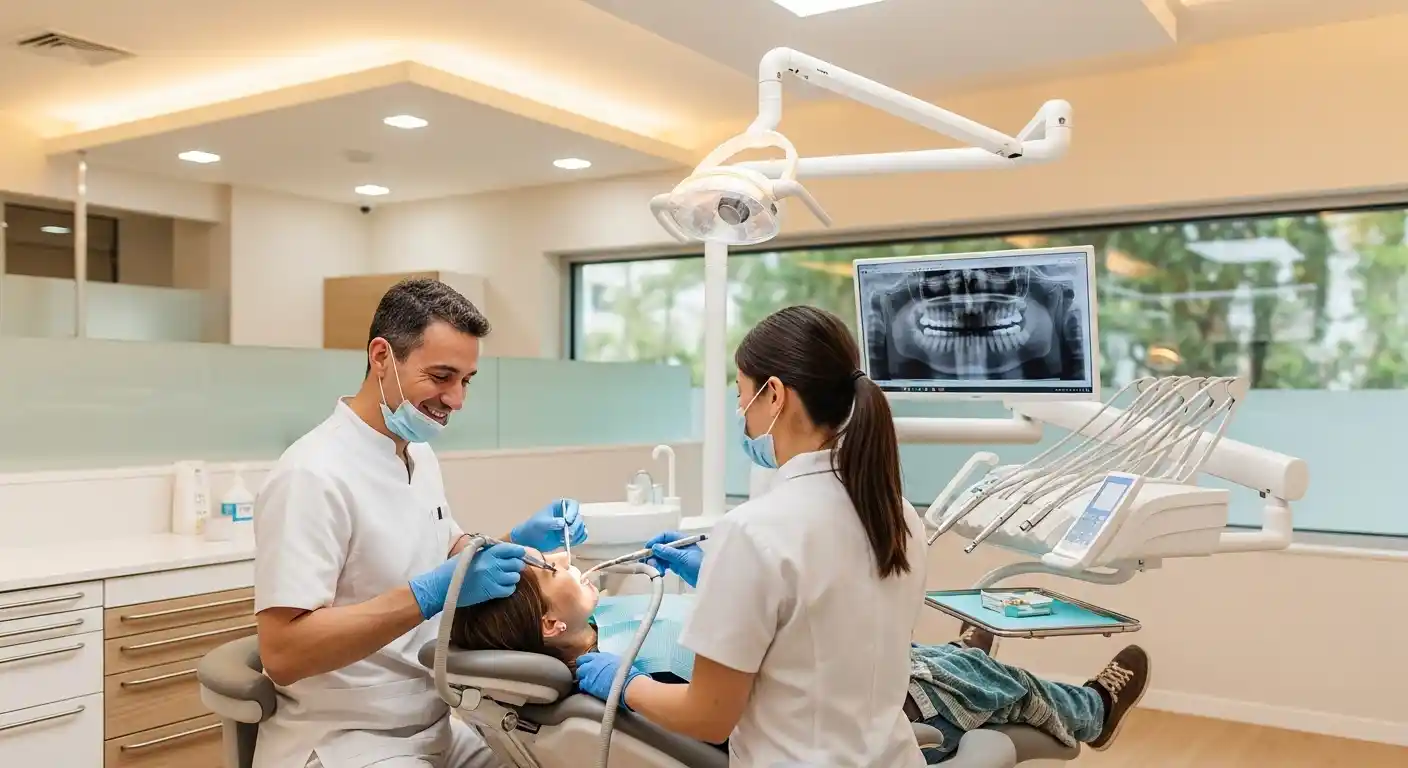

Yes, veneers are long-lasting, but they are not truly permanent and may need replacement over time. Porcelain veneers can last 10–20 years, while composite ones last 5–10 years, depending on care and habits. Your lifestyle, oral hygiene, and regular dental checkups play a key role in how long they stay looking their best.
Veneers improve your smile by covering chips, gaps, and discoloration, giving a natural look. At our San Tan Valley, AZ dental office, proper maintenance and avoiding habits like teeth grinding or biting hard objects can help them last longer and keep your smile bright. We’ll discuss all the factors that affect their longevity and how to make them last in this blog.
What Are Veneers?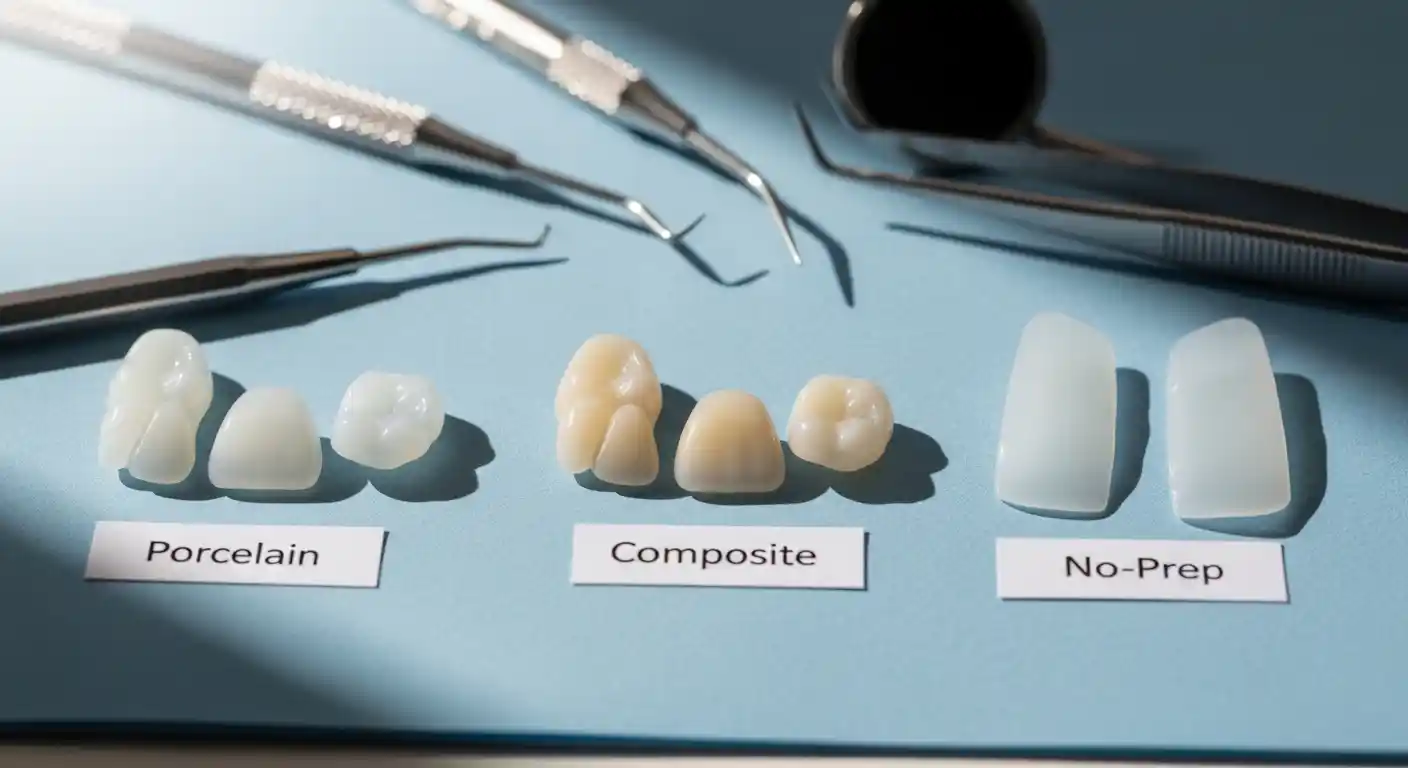
Veneers are custom-made, ultra-thin coverings that bond to the front surface of your teeth. They serve as a cosmetic dental solution for improving the appearance of teeth that are discolored, chipped, misshapen, or slightly misaligned. Think of them as a makeover for your smile—they can dramatically change the color, shape, size, and overall aesthetic of your teeth while maintaining a natural appearance.
Types of Veneers
There are several types of veneers available, each designed to address different cosmetic needs and preferences.
Porcelain Veneers
Porcelain veneers are the gold standard in cosmetic dentistry. Made from high-quality ceramic material, these veneers are custom-crafted in a dental laboratory to match your desired tooth color and shape. They’re incredibly durable, stain-resistant, and reflect light similarly to natural tooth enamel, making them virtually indistinguishable from your real teeth.
Composite Veneers
Composite resin veneers are made from a tooth-colored filling material that’s applied directly to your teeth and sculpted by your dentist. They can often be completed in a single visit, making them a faster and more affordable option than porcelain. However, they’re generally less durable and more prone to staining over time.
No-Prep Veneers
No-prep veneers, such as Lumineers, are ultra-thin porcelain veneers that require minimal to no removal of tooth enamel. They’re a less invasive option, but they’re not suitable for everyone and may look slightly bulkier than traditional veneers in some cases.
Removable Veneers
Sometimes called “snap-on veneers,” these are temporary cosmetic devices that fit over your existing teeth. They’re not a permanent dental treatment and are typically used for special occasions rather than everyday wear. Most dentists don’t consider these a true dental veneer option.
Veneers vs Crowns vs Bonding
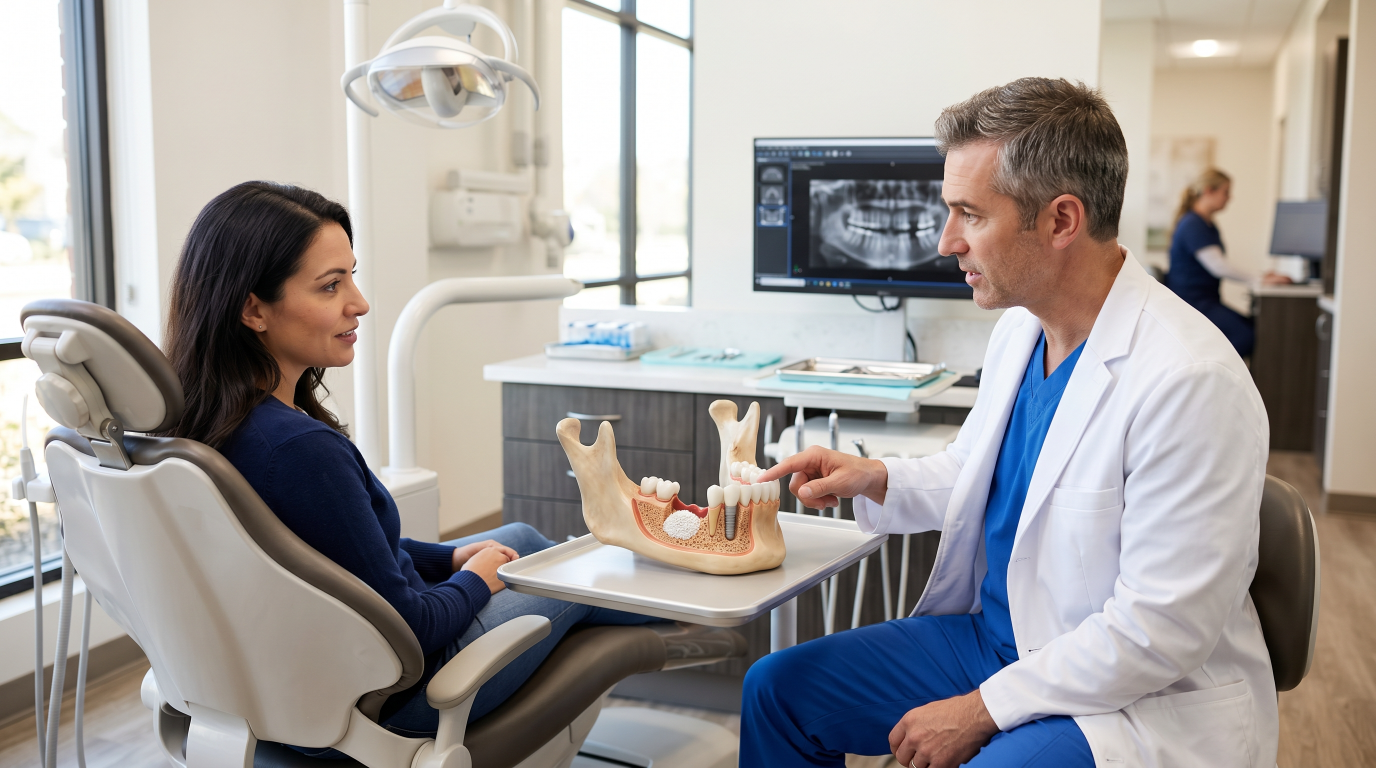
Understanding your options helps you make an informed decision. Veneers cover only the front surface of teeth and are ideal for cosmetic improvements. Crowns, on the other hand, cap the entire tooth and are used when there’s significant structural damage or decay.
Dental bonding involves applying composite resin directly to teeth without the lab work, making it the quickest and least expensive option, though also the least durable. Veneers strike a balance between durability, aesthetics, and invasiveness.
How Do Veneers Work?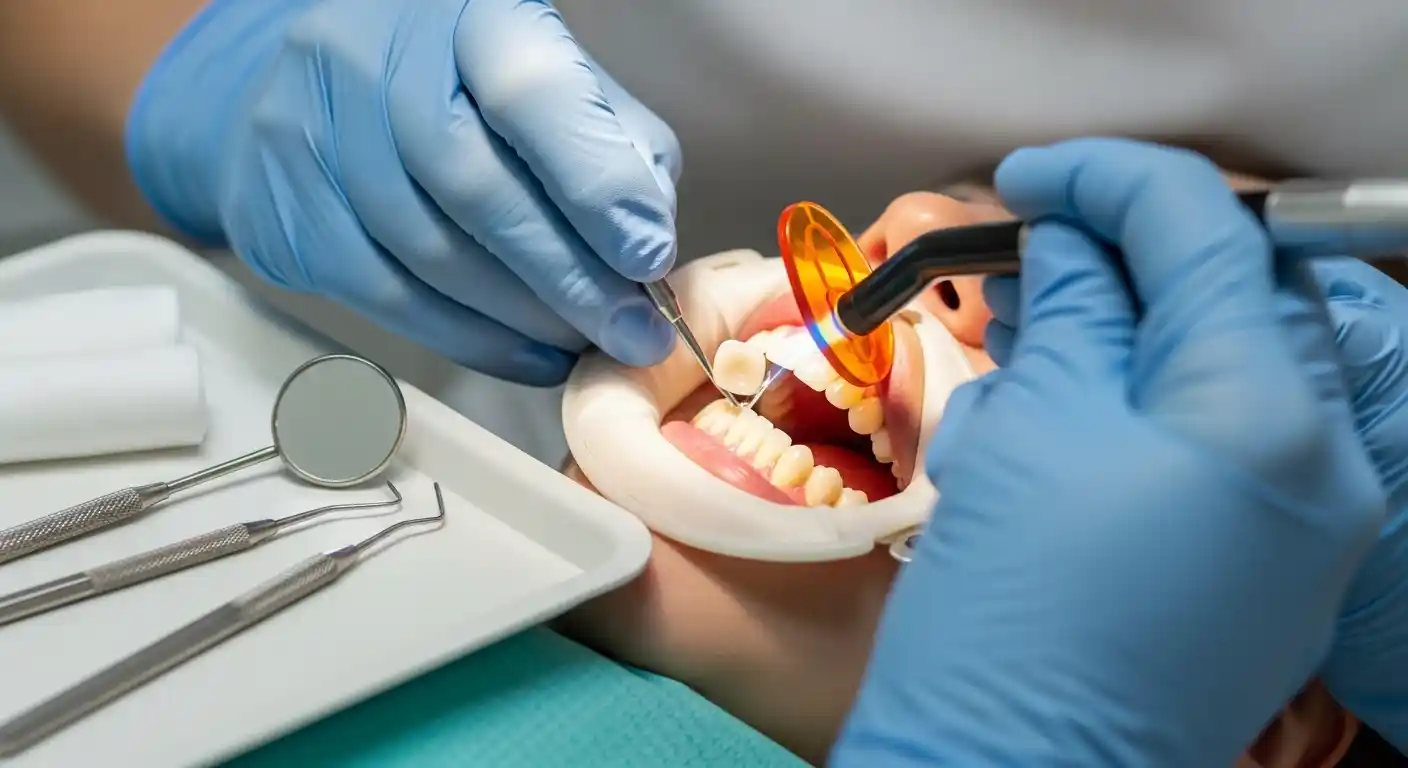
Understanding how veneers work can help you decide if they’re the right choice for your smile. The process may seem complex, but knowing each step will make you feel more confident and prepared for your treatment.
Step-by-Step Procedure
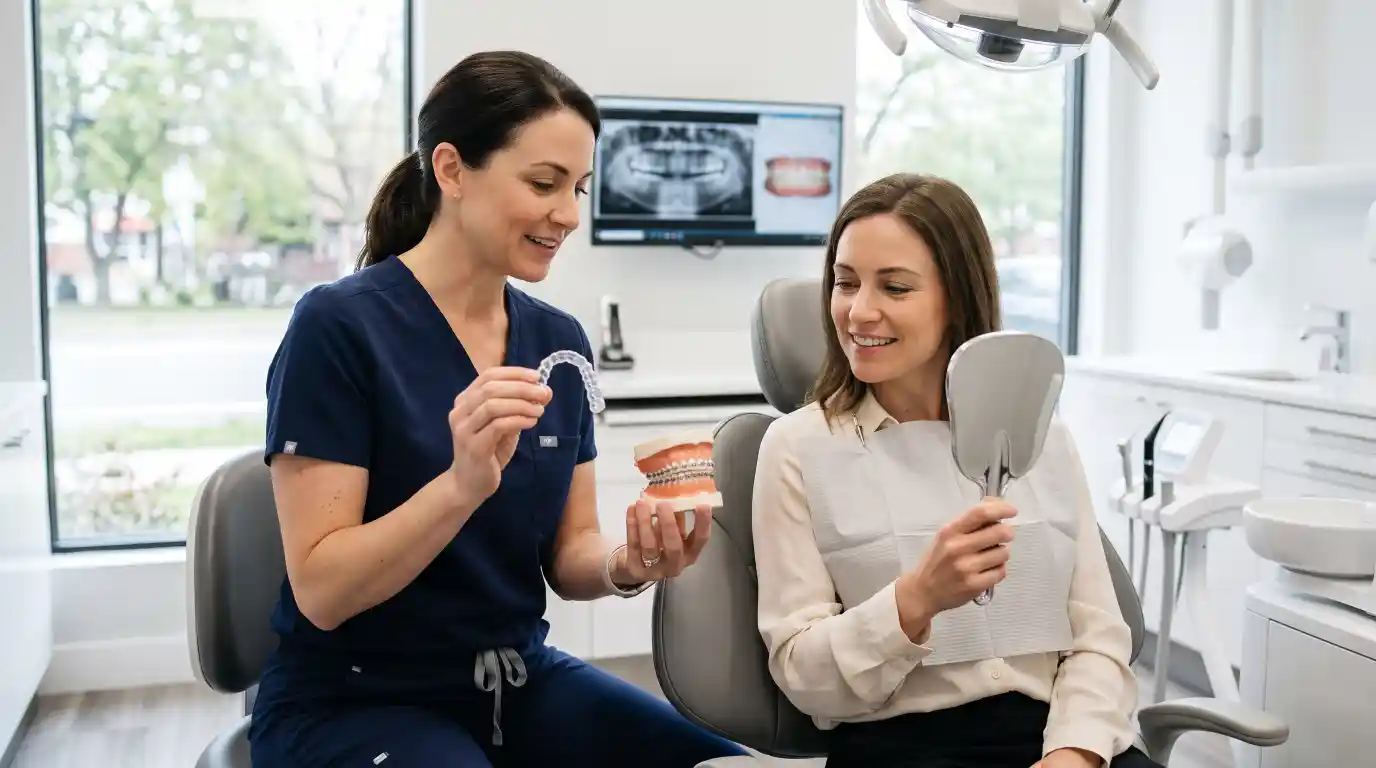
Getting veneers usually involves a few appointments. During the first visit, your dentist evaluates your oral health and discusses your cosmetic goals. A thin layer of enamel (about 0.5mm) is removed to make room, and impressions are sent to a lab where your custom veneers are crafted.
Temporary veneers may be placed while you wait for the permanent ones. At the final appointment, your dentist checks the fit and color before bonding the veneers with a special adhesive and curing light. Any final adjustments are made, and your teeth are polished for a natural, seamless finish.
Are Veneers Reversible?
Traditional veneers are not reversible because enamel must be removed, meaning your teeth will always need some form of coverage. No-prep veneers are sometimes marketed as reversible but still require a commitment. Only removable veneers are fully reversible, though they are considered temporary cosmetic solutions rather than permanent dental treatments.
Do Veneers Require Special Care?
While veneers are durable, they do require thoughtful care. You’ll need to maintain excellent oral hygiene, avoid using your teeth as tools, and potentially make some dietary adjustments. Many dentists recommend wearing a night guard if you grind your teeth. However, the daily care routine is similar to caring for your natural teeth: brushing twice daily, flossing, and regular dental checkups.
Are Veneers Permanent?
Veneers are long-lasting cosmetic solutions, but they are not permanent. Their lifespan depends on the type, your oral care, and lifestyle habits, and knowing how to maintain them ensures your smile lasts longer.
Longevity of Different Types
The lifespan of veneers depends on the type you choose. Porcelain veneers are highly durable, lasting 10–20 years, while composite veneers usually last 5–10 years and are more prone to staining and chipping. No-prep veneers can last as long as traditional porcelain when cared for properly, whereas removable veneers are temporary and not meant for long-term use.
Factors That Affect Permanence
How long your veneers last also depends on habits and lifestyle. Good oral hygiene is essential to prevent decay or gum issues around veneers. Grinding, biting hard objects, acidic foods, and staining beverages can damage or discolor them. Accidents or facial trauma can also compromise veneers, so protective measures during sports or risky activities are important.
Signs You May Need Replacement
Knowing when your veneers need attention is important for maintaining your smile. Chipping or cracking is an obvious sign, even if it’s minor. Discoloration, particularly at the edges where the veneer meets your natural tooth, may indicate it’s time for replacement. If a veneer feels loose or if you notice it shifting, contact your dentist immediately. Persistent sensitivity or pain around a veneered tooth could signal an underlying problem that needs addressing.
Advantages and Disadvantages of Veneers
Pros
Veneers offer numerous benefits that explain their popularity. They can give you dramatically whiter teeth that resist staining far better than natural enamel. They effectively fix cosmetic issues like chips, gaps, and minor misalignment without orthodontics. When properly placed, veneers look incredibly natural and can last for many years with appropriate care. They’re also relatively conservative compared to crowns since they preserve more of your natural tooth structure.
Cons and Risks
However, veneers aren’t without drawbacks. The cost can be significant, typically ranging from hundreds to thousands of dollars per tooth, and insurance rarely covers cosmetic procedures. Some patients experience increased tooth sensitivity, especially to hot and cold temperatures, after the enamel removal process. Veneers aren’t truly permanent and will eventually need replacement, meaning you’re committing to ongoing maintenance costs. The enamel removal process is irreversible, and there’s a small risk of damage to the underlying tooth during placement or if a veneer fails.
How to Make Veneers Last Longer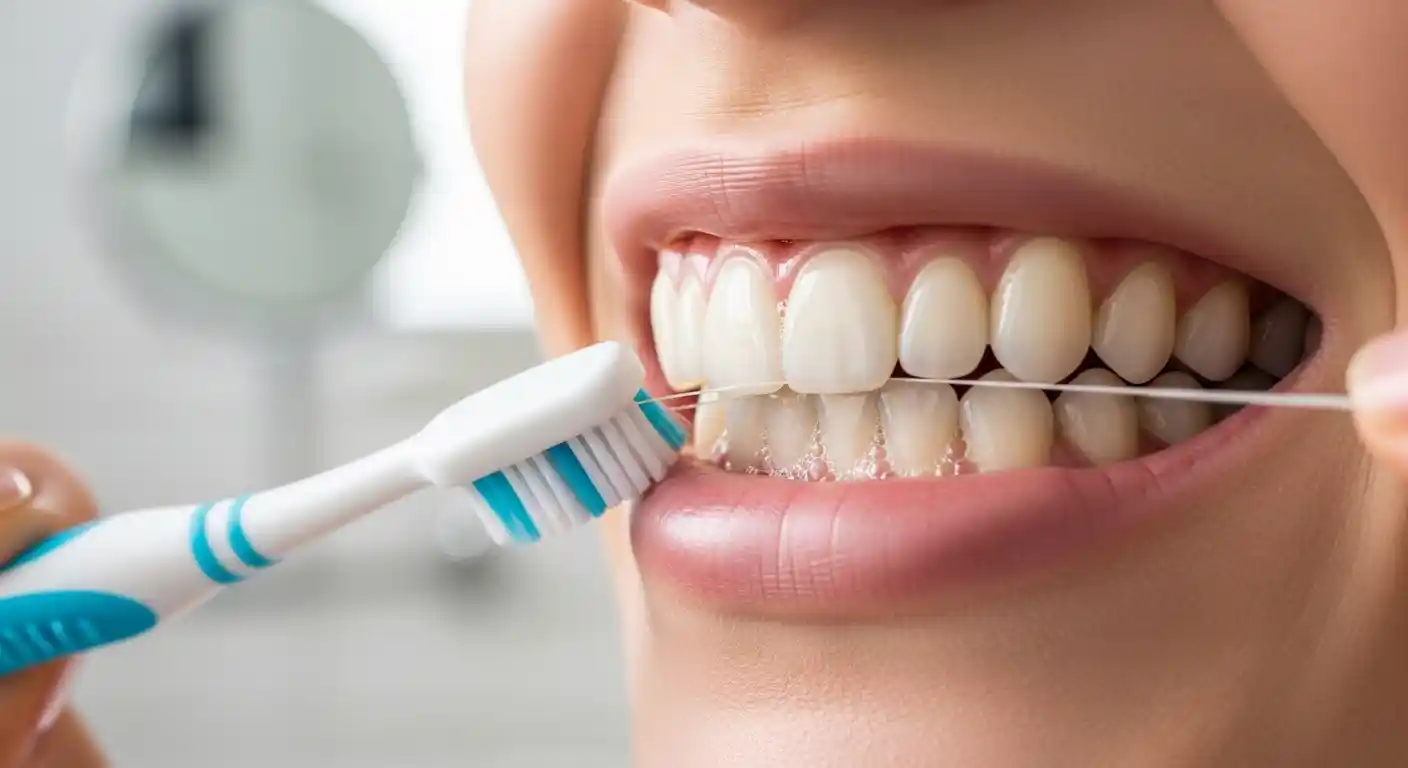
Veneers can last for years with proper care. Good daily habits, protection from damage, and regular dental visits are key to keeping your smile beautiful.
Daily Oral Hygiene
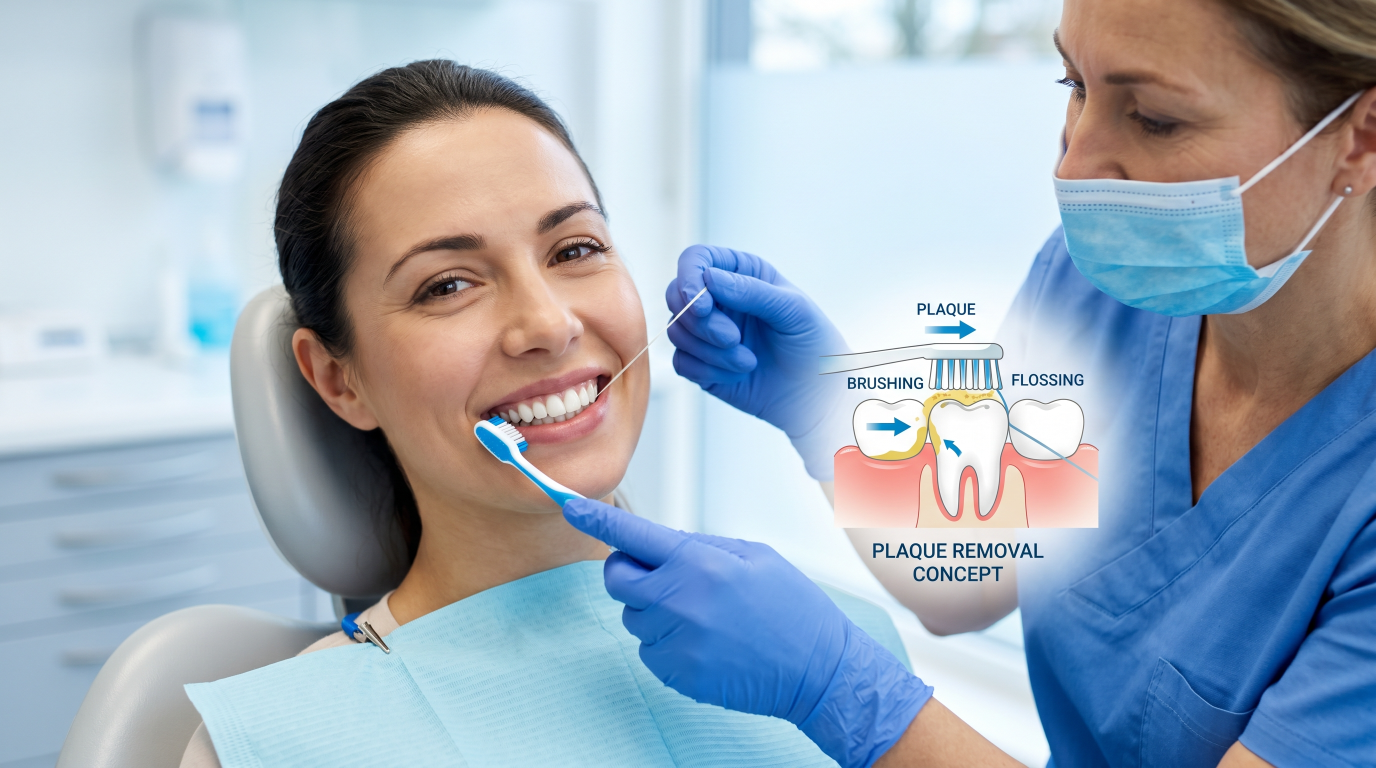
The foundation of long-lasting veneers is excellent oral hygiene. Brush at least twice daily with a non-abrasive toothpaste and a soft-bristled toothbrush. Floss daily to remove plaque and food particles between teeth and around the gum line. Consider using an antiseptic mouthwash to reduce bacteria and maintain gum health.
Avoid Biting Hard Objects
Treat your veneers with care. Don’t bite your nails, chew on ice, or use your teeth to open packages. Avoid biting directly into very hard foods like hard candy or unpopped popcorn kernels. Cut corn off the cob rather than biting into it directly.
Use a Night Guard if You Grind Your Teeth
If you grind or clench your teeth during sleep, a custom night guard is essential. This protective device cushions your teeth and distributes bite forces evenly, preventing damage to your veneers and natural teeth alike. While over-the-counter guards are available, a custom-fitted guard from your dentist provides better protection and comfort.
Limit Stain-Causing Foods and Drinks
While porcelain veneers resist staining well, the bonding cement and composite veneers can discolor. Limit consumption of coffee, tea, red wine, and dark berries. If you do indulge, rinse your mouth with water afterward. Avoid tobacco products entirely, as they can cause stubborn stains and compromise your overall oral health.
Regular Dental Checkups
Visit your dentist every six months for professional cleanings and examinations. Your dentist can identify potential problems early, clean areas you might miss, and polish your veneers to maintain their luster. These visits are crucial for catching issues before they require costly repairs or replacements.
Common Mistakes to Avoid
Don’t skip flossing—many people assume veneers don’t require it, but gum health is critical to veneer longevity. Avoid whitening toothpastes with harsh abrasives that can dull the veneer surface. Don’t ignore minor chips or sensitivity, as small problems can become major ones. Finally, don’t assume veneers make you immune to cavities; the underlying tooth structure can still decay if not properly maintained.
Alternatives to Veneers
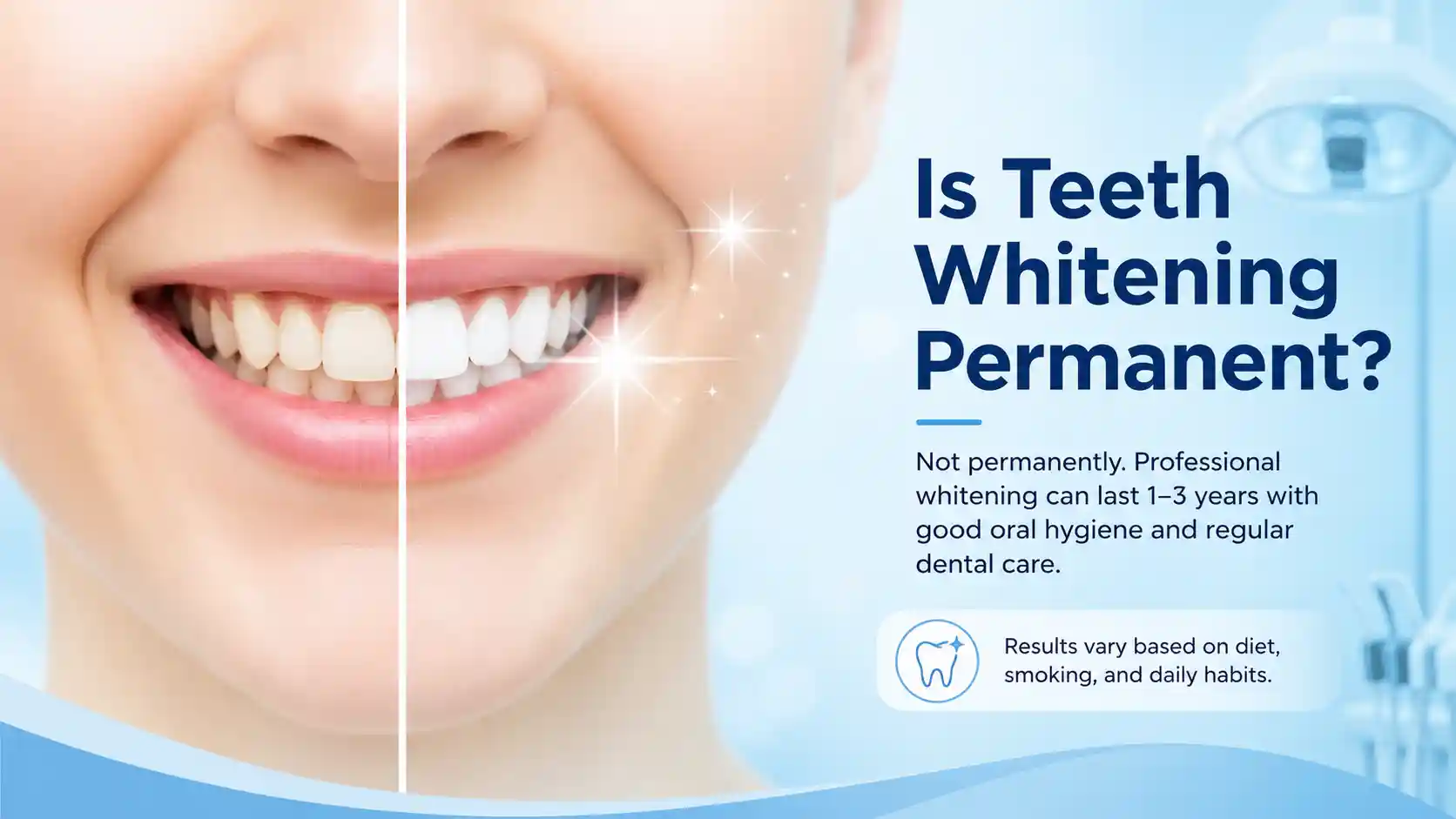
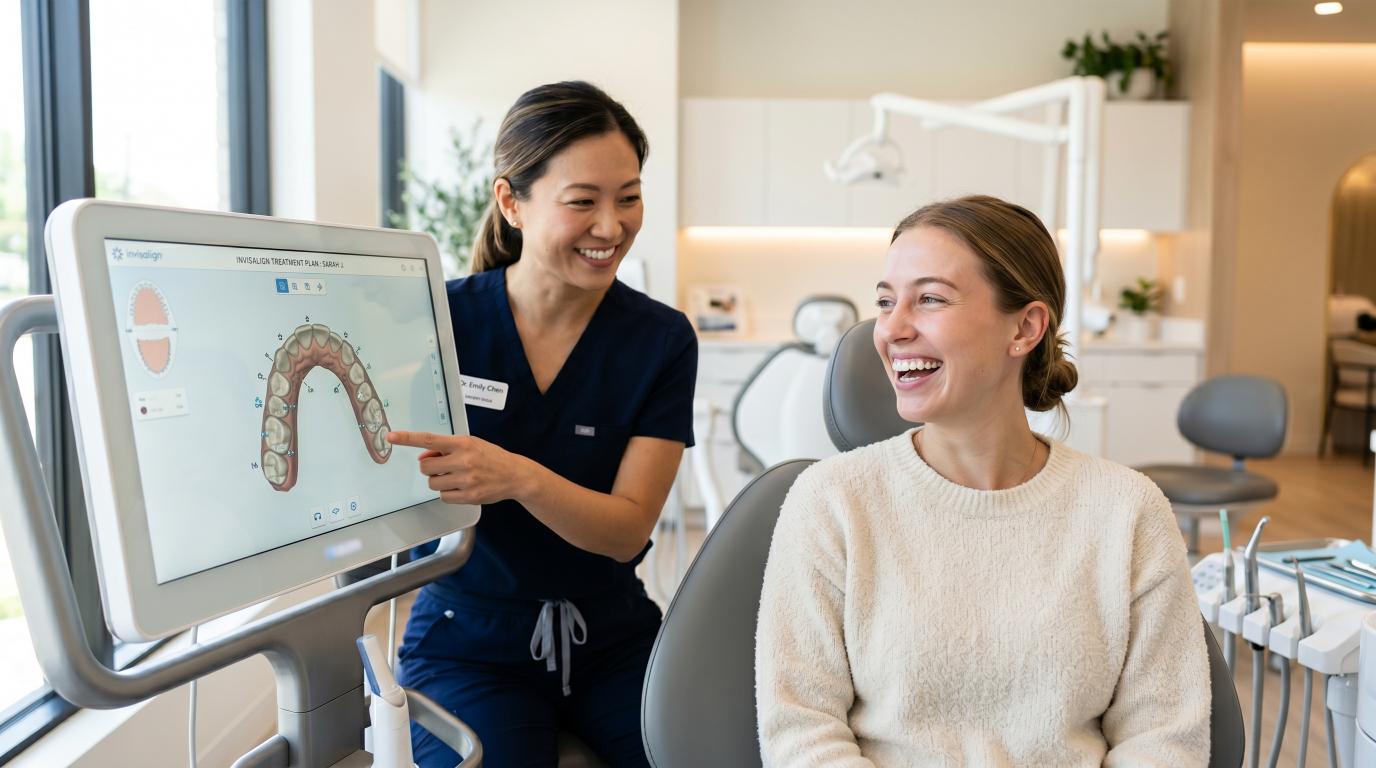
Veneers aren’t the only option for smile improvement. Dental bonding uses tooth-colored resin applied directly to teeth and can be completed in one visit, though it’s less durable than veneers. Crowns provide more comprehensive coverage for severely damaged teeth. Professional teeth whitening can address discoloration without altering tooth structure. Invisalign or traditional braces correct alignment issues that veneers can only mask.
When Veneers May Not Be the Best Option
Veneers aren’t suitable for everyone. If you have active gum disease or tooth decay, these issues must be resolved first. Severe misalignment or bite problems are better addressed with orthodontics. If you have insufficient enamel, weakened teeth, or severe bruxism that can’t be managed with a night guard, alternative treatments may be more appropriate. Young patients whose teeth are still developing should typically wait until adulthood.
Who Is a Good Candidate for Veneers?
Ideal candidates for veneers have good overall oral health with no active decay or gum disease. They have realistic expectations about what veneers can achieve and are committed to maintaining them properly. Good candidates typically have adequate enamel for the preparation process and don’t have severe grinding habits or, if they do, are willing to wear a protective night guard.
Age is also a consideration—veneers are generally recommended for adults whose teeth have finished developing. Lifestyle factors matter too; patients who smoke, consume excessive staining beverages, or engage in contact sports without protective gear may not be ideal candidates.
Costs and Considerations
Porcelain veneers typically cost between $925 and $2,500 per tooth, while composite veneers range from $250 to $1,500 per tooth. The price varies based on your location, the dentist’s expertise, and the complexity of your case.
Insurance rarely covers veneers since they’re considered cosmetic, though some plans may provide partial coverage if veneers are needed for structural reasons. More expensive veneers aren’t always better—the dentist’s skill often matters more than the price tag. However, choosing the cheapest option can sometimes lead to disappointing results or shorter lifespan.
Many dental practices offer financing options, including payment plans or third-party healthcare credit. Some patients find it worthwhile to invest in quality veneers from an experienced cosmetic dentist rather than seeking the lowest price.
Recovery and Outlook
After getting veneers, it’s normal to experience some temporary sensitivity to hot and cold foods or drinks. This usually subsides within a few days to weeks as your teeth adjust, and there may be a short period where your veneers feel slightly different, but most patients adapt quickly.
With proper care, porcelain veneers can last 15 to 20 years or more, while composite veneers typically last 5 to 10 years. Maintaining good oral hygiene, attending regular dental checkups, and using protective measures like night guards for teeth grinders can help maximize their lifespan. Most patients report high satisfaction, enjoying both the improved appearance and the confidence boost their veneers provide.
Signs Your Veneers May Need Attention
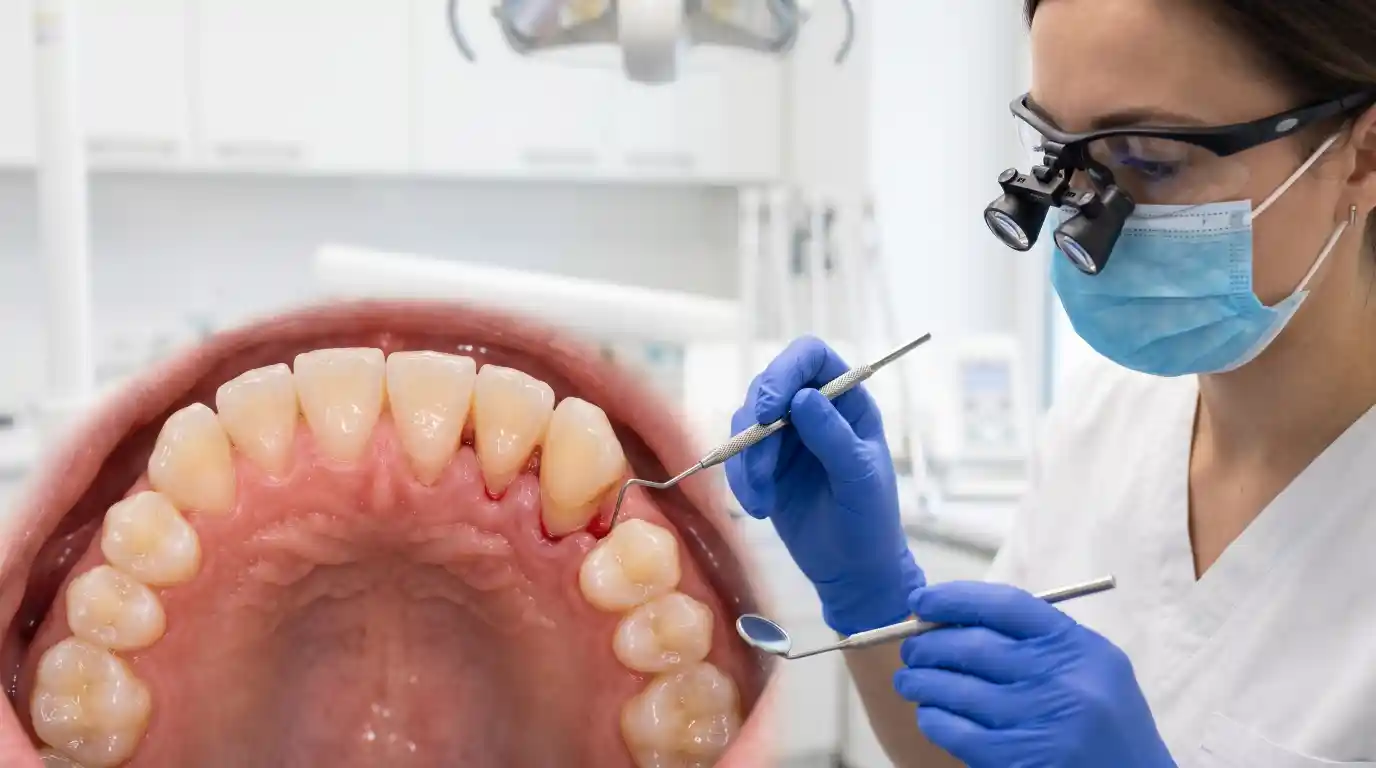
Watch for warning signs that your veneers need professional care. Chips, cracks, or worn edges can allow bacteria to build up, while gum irritation or discoloration at the margins may indicate problems with fit, decay, or bonding. Any new pain, sensitivity, or shifting veneers should be evaluated promptly to prevent further damage.
Veneers are a significant investment, and while not permanent, quality veneers maintained properly can keep your smile beautiful for many years.
Ready to transform your smile with veneers?
Ocotillo Trails Family Dentistry in San Tan Valley, AZ, provides expert veneer treatments for a natural, long-lasting smile. Our skilled dental team guides you through every step, from consultation to final placement. Proper care and maintenance ensure your veneers look their best for years. Call us today or book your appointment online to start your journey to a confident smile.
Conclusion
Veneers are an excellent solution for achieving a beautiful, confident smile. While they are long-lasting, they are not permanent, and their lifespan depends on the type of veneer, proper oral care, and lifestyle habits. By choosing the right veneer, maintaining good oral hygiene, avoiding habits that can damage them, and visiting your dentist regularly, you can enjoy the benefits of a flawless smile for many years. Investing in veneers is more than cosmetic—it’s an investment in confidence and overall dental health.
Frequently Asked Questions
How long do veneers last?
Veneers are a durable cosmetic solution, but they do not last forever. Porcelain veneers typically last 10–20 years, while composite veneers usually last 5–10 years, depending on your oral care and lifestyle habits.
Do veneers damage my natural teeth?
Traditional veneers require a small amount of enamel removal, but when placed correctly, they do not harm your teeth. Proper care and regular dental visits help maintain both veneers and natural teeth.
Can veneers stain or discolor?
Porcelain veneers resist stains well, but composite veneers and bonding materials can discolor over time from coffee, tea, red wine, or tobacco. Rinsing after consuming staining foods or drinks can help maintain their appearance.
Are veneers reversible?
Traditional veneers are not reversible due to enamel removal. No-prep veneers require minimal removal but still need a commitment. Only removable “snap-on” veneers are fully reversible, though they are temporary solutions.
How can I make my veneers last longer?
Maintain excellent oral hygiene, avoid biting hard objects, wear a night guard if you grind your teeth, limit stain-causing foods and drinks, and attend regular dental checkups to maximize the lifespan of your veneers.