



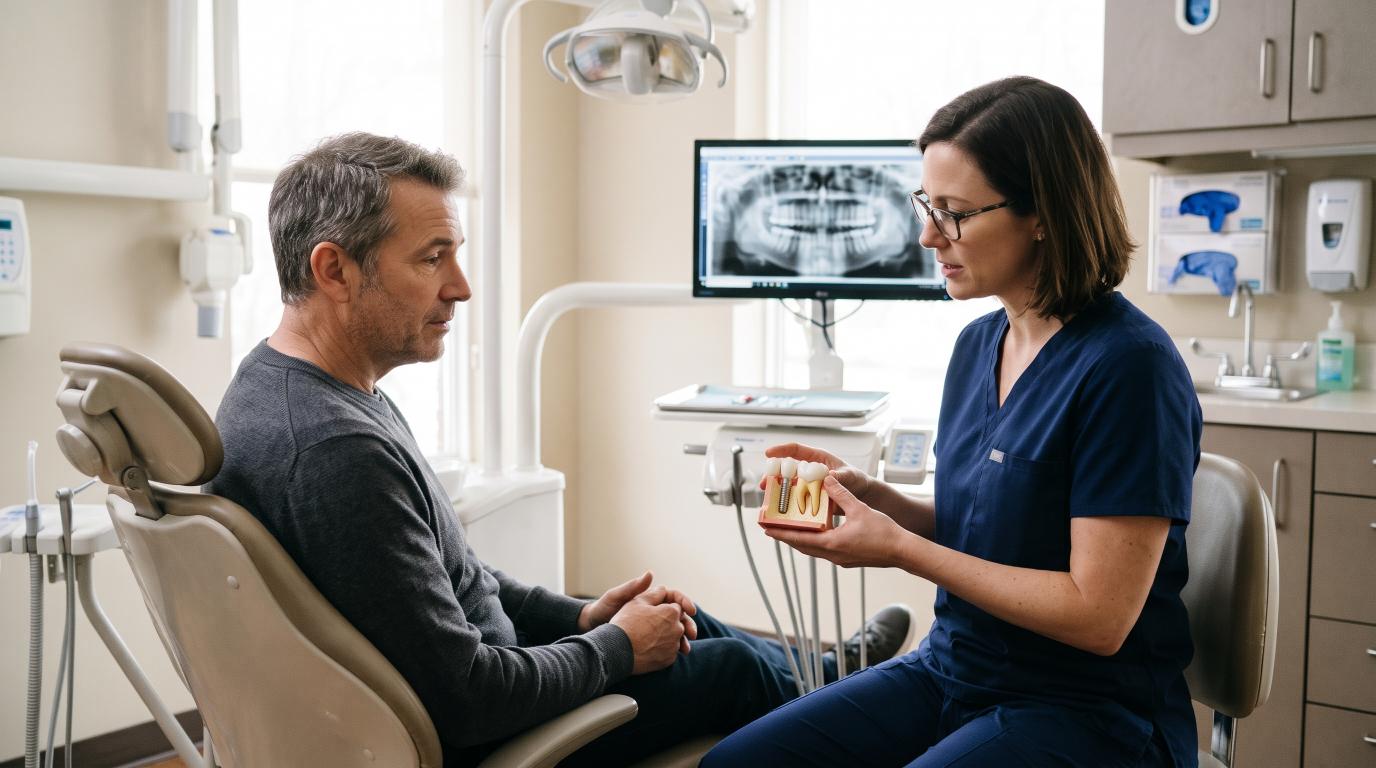
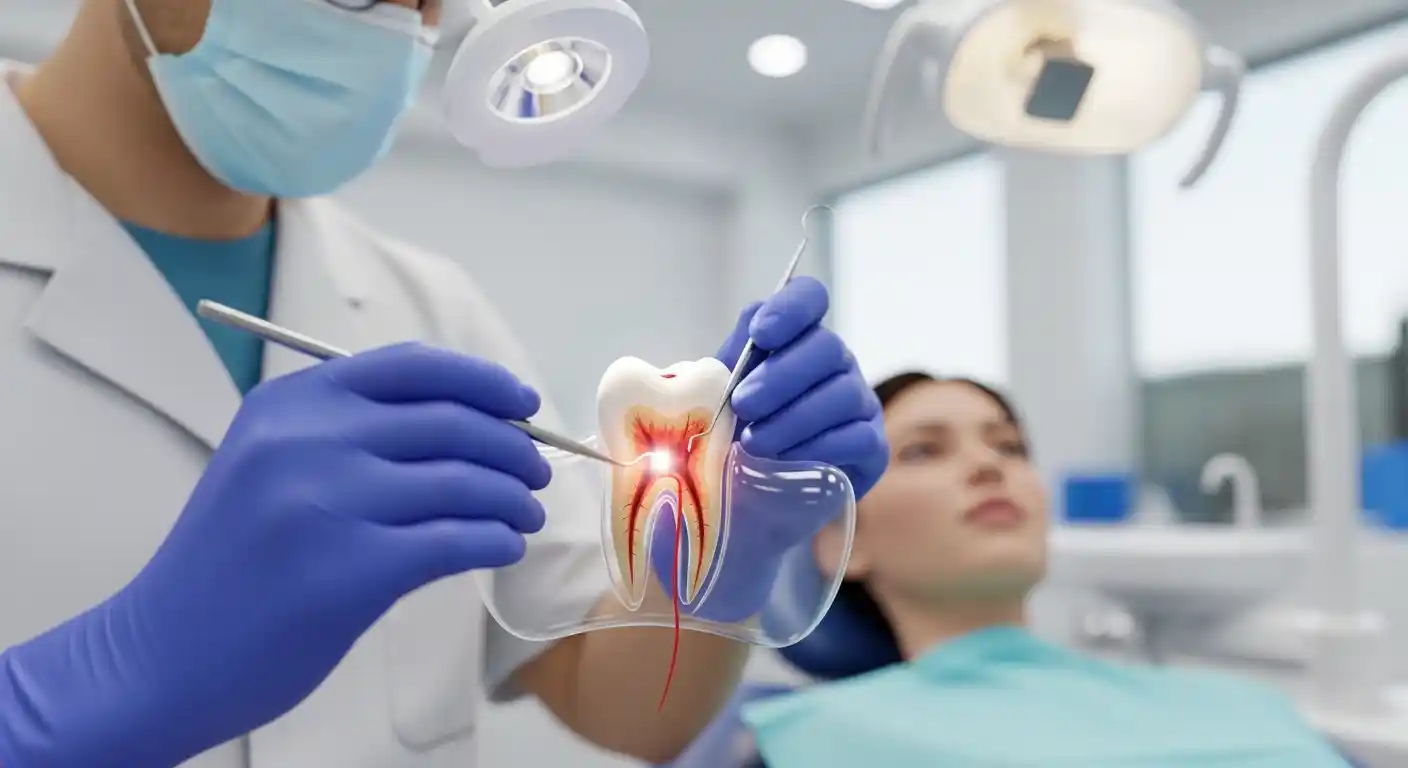
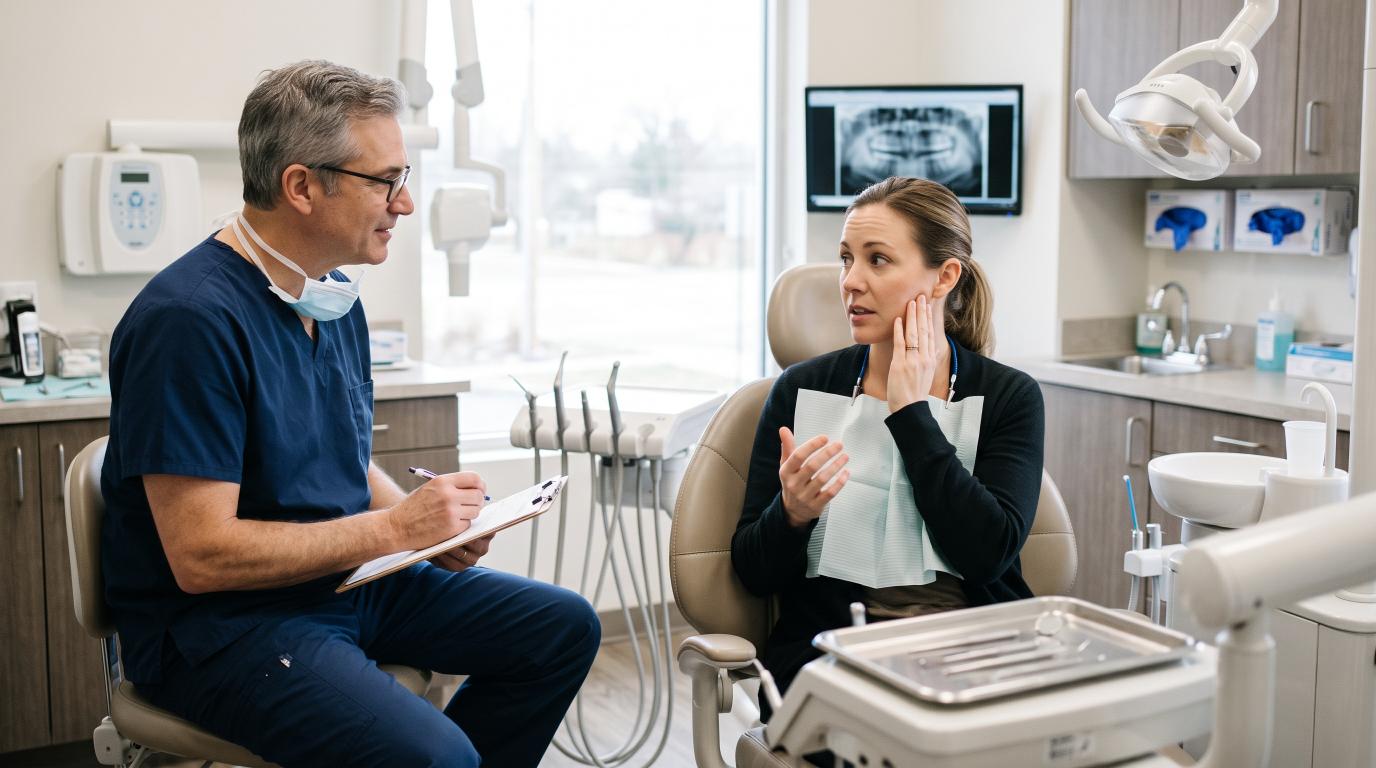





A dental bone graft is a procedure that adds bone or bone-like material to an area of the jaw where bone has been lost or is too thin. The graft helps support new bone formation and may create a stronger foundation for dental implants or other dental treatments.
Bone loss can happen after tooth loss, an extraction, an injury, or certain dental conditions. When there is not enough jawbone to support a planned treatment, a dentist may recommend a bone graft to rebuild or preserve the area.
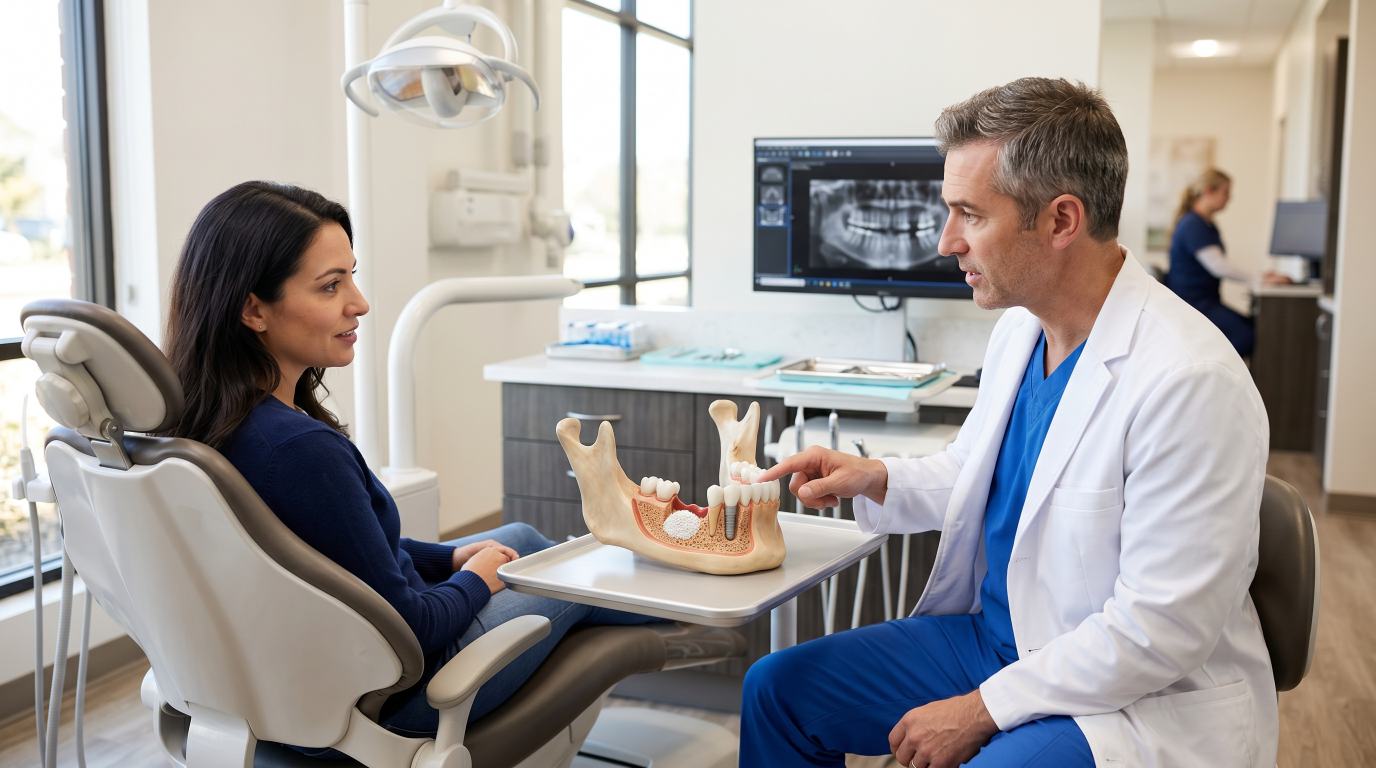
At Ocotillo Trails Family Dentistry in San Tan Valley, AZ, patients can discuss their dental concerns and learn whether bone grafting may be appropriate for their treatment plan. This guide explains the types of dental bone grafts, how the procedure works, how long healing may take, and what to expect during recovery.
What Is a Dental Bone Graft?
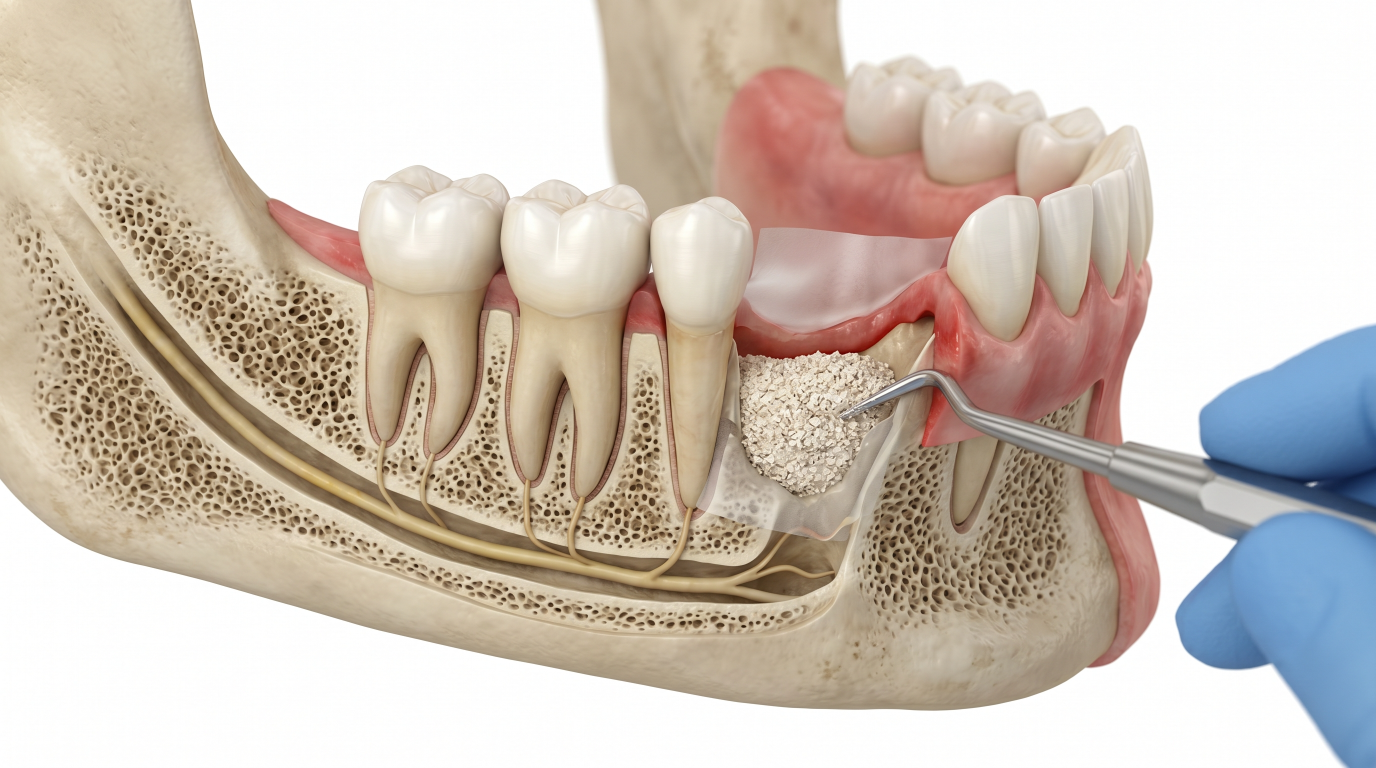
A dental bone graft is a procedure in which grafting material is placed in an area of the jaw that needs more bone support. The material helps fill the affected area and provides a structure that can support new bone growth.
Over time, the body may form new bones around or within the graft. The amount of new bone and the healing process depend on the graft material, the condition of the treatment site, and the patient’s individual circumstances.
A review published in the Journal of Pharmacy and Bioallied Sciences describes how bone graft materials can act as a scaffold for new bone formation. The review also explains that grafts may come from the patient’s own bone, human donors, animal sources, or synthetic materials.
Why Would You Need a Dental Bone Graft?
Your jawbone supports your teeth and provides the foundation for dental implants. If part of the bone becomes too thin or loses volume, certain dental treatments may be more difficult to perform. A dentist may recommend a dental bone graft for several reasons.
You Need a Dental Implant
Dental implants are placed in the jawbone to support replacement teeth. If there is not enough bone to support an implant in the planned position, a graft may help rebuild the area before or during implant treatment. Not everyone who receives a dental implant needs a bone graft. Your dentist will assess the amount and condition of your jawbone before recommending treatment.
You Have Lost a Tooth
After a tooth is lost or removed, the jawbone in that area can gradually lose volume. This happens partly because the bone no longer receives the same stimulation from the missing tooth. A socket preservation graft may be recommended after an extraction to help maintain the shape of the area, especially if you plan to replace the tooth later. A graft can help preserve bone, but it cannot prevent every change that may occur after tooth loss.
Gum Disease Has Affected Your Jawbone
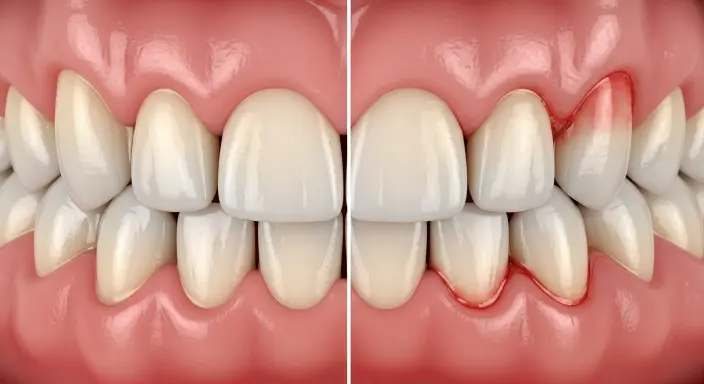
Advanced gum disease can damage the tissues and bone that support your teeth. In selected cases, a bone graft may be part of treatment to address certain bone defects. The appropriate treatment depends on the amount of damage and the condition of your gums. Your dentist may need to manage active gum disease before considering further procedures.
An Injury or Dental Problem Has Caused Bone Loss
An injury, infection, or complex dental procedure can sometimes leave an area of the jaw with less bone than needed for planned treatment. A dentist may recommend grafting to help rebuild that area. The need for a graft depends on the location and size of the defect and the type of dental treatment being considered.
Signs You May Need a Dental Bone Graft
Some warning signs to pay attention to include loose adult teeth that were not always loose, difficulty chewing or biting without pain, gums that look like they are pulling away from the teeth, visible changes in how your face looks around your cheeks or chin, and dentures that no longer fit comfortably even though they used to. If your dentist has told you that you are not a candidate for dental implants due to insufficient bone, that is another strong signal that a bone graft evaluation is worth having.
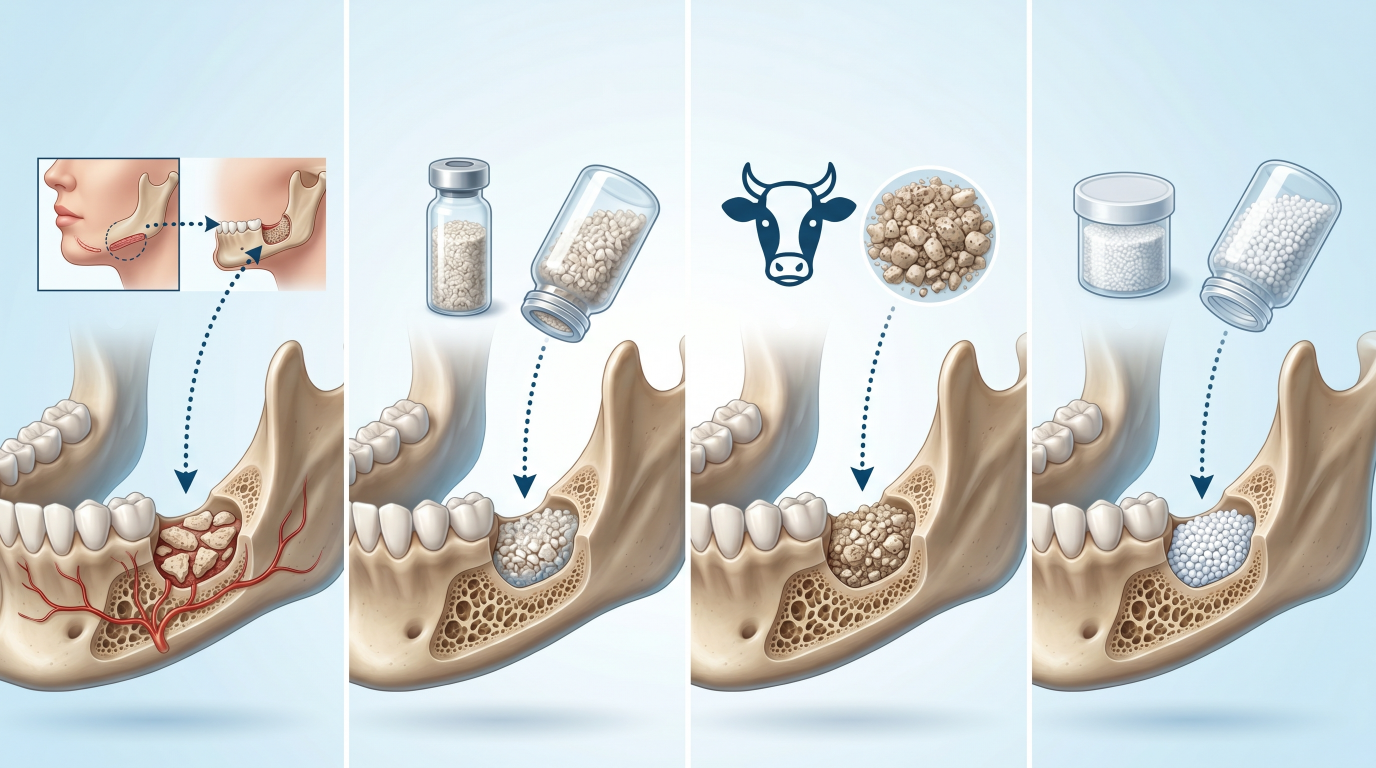
What Are the Types of Dental Bone Grafts?
Dental bone grafts are classified mainly by where the graft material comes from. Each type has different characteristics, and the best option depends on your dental needs.
1. Autograft: Bone From Your Own Body
An autograft uses bone taken from another part of your own body. Depending on the procedure, the bone may be collected from another area of the jaw or a different donor site.
Because the bone comes from the patient, it contains natural bone components that can support healing. However, collecting bone creates an additional surgical site, which may mean more treatment and recovery.
2. Allograft: Bone From a Human Donor
An allograft uses processed bone from a human donor. The material is prepared for medical use and provides a framework that can support new bone formation. One potential benefit is that the dentist does not need to collect bone from another part of your body. Whether an allograft is appropriate depends on the treatment area and the patient’s needs.
3. Xenograft: Bone From an Animal Source
A xenograft uses processed bone from an animal source, often bovine, or cow, bone. The material is prepared for use as a bone substitute and can provide a framework for new bone formation.
This type of graft may be used in selected procedures to rebuild or preserve an area of the jaw. Your dentist can explain the material being considered and why it may suit your treatment plan.
4. Synthetic Bone Graft
A synthetic graft uses a manufactured material designed to act as a bone substitute. Some synthetic grafts are made from calcium-based materials or other substances used in bone reconstruction.
Synthetic materials avoid the need to collect bone from the patient or use donor bone. However, their properties vary, and they are not suitable for every procedure.
The research review on bone grafts in dentistry describes different graft sources and material categories. The MD Periodontics guide to dental bone graft materials also discusses the differences between these options and how the choice relates to the planned dental restoration.
Which Type of Dental Bone Graft Is Best?
There is no single dental bone graft material that is best for every patient. The choice depends on the size and location of the area being treated, the amount of bone that is missing, and the goal of the procedure.
| Graft type | Where the material comes from | Main consideration |
| Autograft | The patient’s own bone | Requires a separate site from which bone is collected |
| Allograft | Processed human donor bone | Avoids collecting bone from the patient |
| Xenograft | Processed animal-derived bone | Provides a framework for bone formation |
| Synthetic graft | Manufactured bone substitute | Avoids the use of human or animal donor bone |
Your dentist will consider the advantages and limitations of each option before recommending one. Ask which material is planned, why it is appropriate for your case, and whether other options are available.
What Happens During a Dental Bone Graft Procedure?
The steps can vary depending on the amount of bone that needs to be rebuilt and whether the graft is performed after an extraction or as part of implant treatment.
Before the Procedure
Your dentist examines your teeth, gums, and jaw. Dental X-rays or other imaging may be used to assess the amount of bone available and plan the procedure. Your medical history, current medications, and general health are also important. Tell your dentist if you smoke, have a condition that may affect healing, or take medication that could influence your treatment. Before the appointment, ask how to prepare, what type of graft will be used, and whether you will need someone to take you home.
During the Procedure
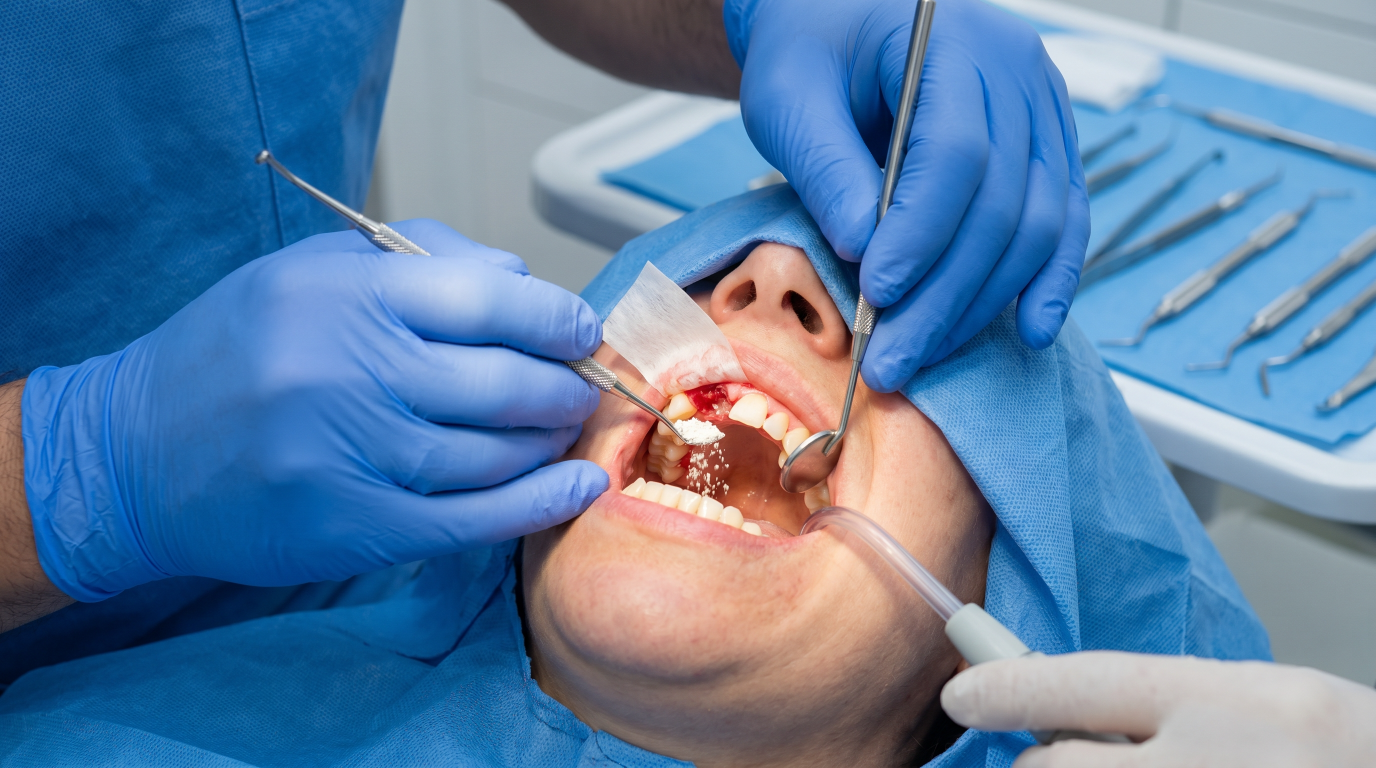
The treatment area is usually numbed with local anesthesia. Depending on the procedure and your needs, your dentist may discuss other comfort options. The dentist opens the gum tissue to reach the affected area and prepares the site. The graft material is then placed where additional bone support is needed.
In some cases, a protective membrane is used to cover the material before the gum tissue is repositioned and closed with stitches. The length of the procedure depends on the size of the graft and whether other dental treatments are performed at the same time.
After the Procedure
Your dentist will give you instructions for caring for the treated area at home. These may include advice about eating, cleaning your mouth, taking medication, and avoiding activities that could disturb the graft.
The gum tissue may heal before the bone underneath has fully developed. Follow-up appointments allow your dentist to monitor the area and decide when it is ready for the next stage of treatment.
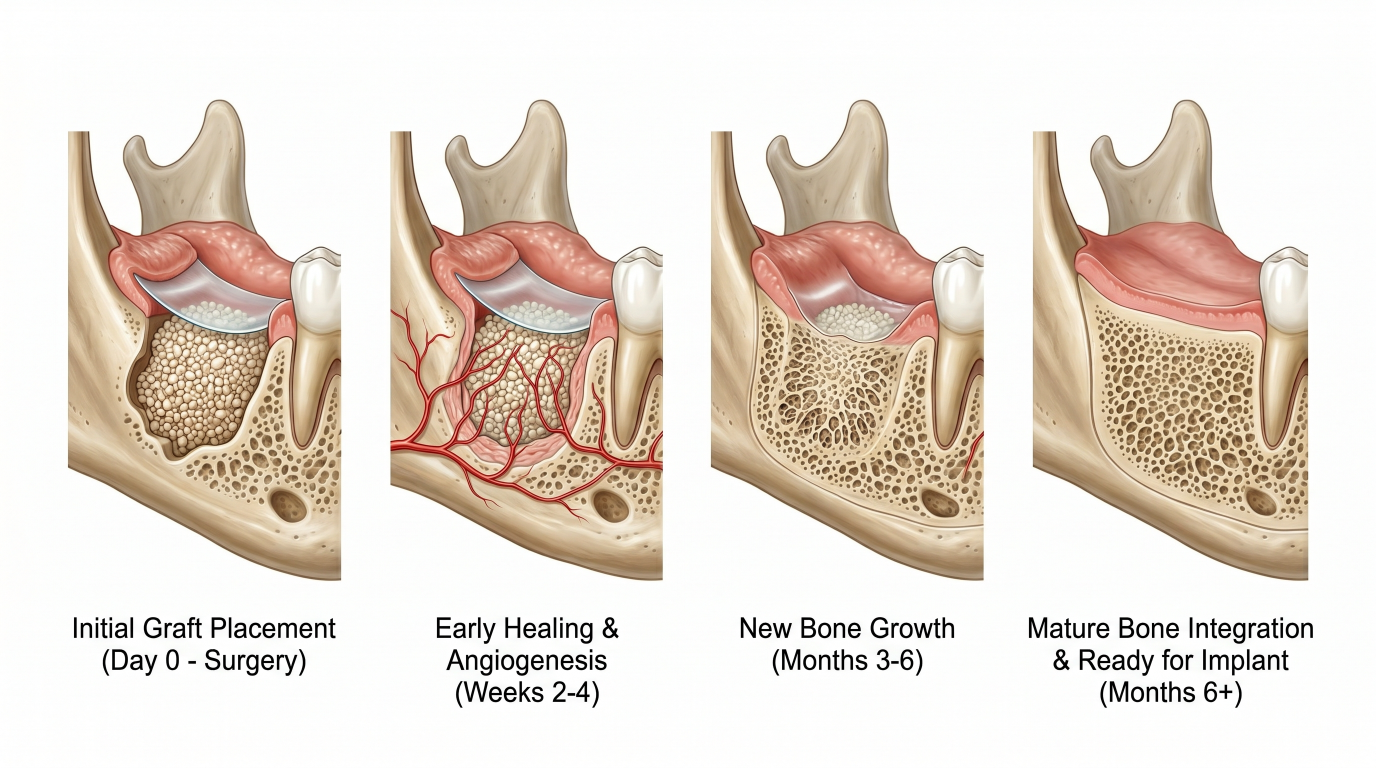
Dental Bone Graft Healing Stages
Learn what happens during each stage of dental bone graft healing, from the first few days after surgery to full bone growth and recovery.
First 24 Hours After Surgery
This is when swelling and discomfort are at their highest. You will likely feel sore around the surgical site and may notice some minor bleeding. Your dentist will send you home with gauze, a prescription or recommendation for pain medication, and instructions to keep the area clean without disturbing the graft.
The First Week of Recovery
Swelling usually peaks around day two or three and then gradually goes down. Most patients can manage discomfort with over-the-counter pain relief by days four and five. You will eat soft foods during this period and avoid anything hot, hard, or chewy that could put pressure on the graft site.
Bone Integration and Growth
Over the following weeks and months, your body begins replacing the graft scaffold with its own living bone cells. This is the longest part of the process. You will not feel this happening, but it is the most critical phase. Your jaw is quietly rebuilding itself from the inside.
When the Jawbone Becomes Strong Enough for Implants
Your dentist will monitor healing with follow-up X-rays. Once the bone appears mature and stable on imaging, and there is enough volume to support an implant, you will be cleared for the next step. This typically happens after three to six months, though larger grafts may require more time.
How Long Does a Dental Bone Graft Take to Heal?
A dental bone graft may take several months to heal fully. Some smaller grafts may be ready for the next treatment sooner, while larger grafts may require more time. The timeline depends on the size and location of the graft, the material used, your general health, and whether a dental implant is planned. Your dentist will assess your healing rather than relying only on a set number of weeks or months. The following stages provide a general idea of what recovery may look like.
The First 24 Hours
Some bleeding, swelling, and tenderness may occur during the first day. Follow your dentist’s instructions about rest, gauze, medication, and oral hygiene. Avoid touching or disturbing the surgical area.
The First Week
Swelling may be more noticeable during the first few days before it begins to improve. Eat foods that are easy to chew and avoid placing pressure on the grafted area. Follow your dentist’s cleaning instructions carefully.
The First Few Weeks
The gum tissue continues to heal. Your dentist may arrange a follow-up visit to check the site and review your recovery. Even if the gum looks healed, the bone underneath may still be developing.
The Following Months
New bones may continue to form and mature around the graft. If the graft was placed to prepare for a dental implant, your dentist will assess whether there is enough stable bone to proceed. Do not assume that the area is ready for an implant just because it feels comfortable. Your dentist will determine when it is appropriate to continue treatment.
Is a Dental Bone Graft Painful?
The procedure is usually performed with local anesthesia, which numbs the treatment area. You may feel pressure or movement during treatment, but you should not feel sharp pain. After the procedure, some soreness, swelling, or tenderness is possible. Your dentist will explain how to manage discomfort and which medications are suitable for you.
Recovery varies from person to person. Contact your dentist if your pain or swelling gets worse rather than gradually improving, or if you notice unusual drainage or other symptoms that concern you.
Dental Bone Graft Cost
The cost of a dental bone graft depends on several factors including the type of graft, the size of the area being treated, and the experience of your provider. A simple socket graft after a tooth extraction is generally the most affordable, while larger reconstruction procedures and sinus lifts cost significantly more.
Some dental insurance plans cover part of the cost when the graft is medically necessary, such as before an implant or after gum disease treatment. Many dental offices also offer financing options so you can spread the payments over time rather than paying everything at once.
How Should You Care for Your Mouth After a Dental Bone Graft?
Following your dentist’s instructions helps protect the graft while the area heals. Your care plan may vary depending on the size and location of the procedure.
- Choose soft foods: Eat foods that are easy to chew during the early recovery period, following your dentist’s guidance.
- Keep your mouth clean: Brush and clean your teeth as directed, taking care around the surgical site.
- Avoid disturbing the area: Do not touch the graft with your fingers or repeatedly explore it with your tongue.
- Avoid smoking and tobacco: Tobacco use can interfere with healing. Ask your dentist for support if you want to stop smoking.
- Follow medication instructions: Take prescribed or recommended medication as directed.
- Attend follow-up appointments: Your dentist can check the healing process and address concerns.
Ask your dentist when you can return to your usual diet, exercise routine, and daily activities. The right schedule depends on the procedure and your recovery.
Can You Get Dental Implants Without a Bone Graft?
Yes. Some patients have enough healthy jawbone to support a dental implant without additional grafting. Others may need a graft because their bone is too thin or has lost volume. Your dentist will assess your jawbone and the position where the implant needs to be placed.
If there is not enough bone for the planned treatment, grafting may help create a more suitable foundation. Ask your dentist whether an implant can be placed with your current bone, whether grafting is recommended, and what alternatives may be available for your situation.
What Are the Benefits of a Dental Bone Graft?
A dental bone graft can help rebuild or preserve the jawbone where additional support is needed. Depending on the reason for treatment, potential benefits include:
- Creating a stronger foundation for a future dental implant.
- Helping preserve the shape of an extraction site.
- Rebuilding bone in selected areas affected by gum disease or injury.
- Supporting a planned dental restoration when bone loss limits treatment options.
The expected benefits depend on your condition and how the graft heals. A bone graft does not guarantee that an implant will succeed or that all lost bone will be restored. Your dentist can explain the likely outcome and limitations for your case.
What Are the Risks of a Dental Bone Graft?
Dental bone grafting is a surgical procedure, so complications are possible. These may include bleeding, swelling, infection, delayed healing, exposure of the graft material, or a result that does not provide enough bone for the planned treatment. The risks depend on the procedure, your health, the condition of the treatment site, and how the area heals.
Some patients may need additional treatment if the graft does not heal as expected. Follow your dentist’s aftercare instructions and contact the office if you experience worsening pain, increasing swelling, unusual discharge, fever, or another symptom that concerns you.
Schedule a Dental Consultation in San Tan Valley, AZ
If you have been told you may need a dental bone graft, Ocotillo Trails Family Dentistry in San Tan Valley, AZ, can help you understand your treatment options. Our team can assess your dental needs, explain why grafting may be recommended, and discuss the next steps for your care. Contact us to schedule an appointment and discuss whether a dental bone graft may be appropriate for you.
Conclusion
A dental bone graft adds bone or bone-like material to an area of the jaw where bone has been lost or needs more support. It may be recommended after tooth extraction, because of gum disease or injury, or to prepare for a dental implant.
Different graft materials are available, and healing can take several months. The right option depends on the amount of bone present, the location of the problem, and your future dental needs. A dental examination can help determine whether you need a graft and what to expect during recovery.
Frequently Asked Questions
How long does a dental bone graft last?
The long-term outcome depends on how well the graft heals, the material used, and your oral health. Your dentist can explain what to expect for your procedure and how to care for the area over time.
Can a dental bone graft fail?
Yes. A graft may not heal as expected, and complications such as infection or exposure of the graft material can occur. Contact your dentist if pain or swelling worsens or you notice an unusual discharge.
Can I return to work after a dental bone graft?
Some people can return to their usual activities relatively soon, while others need more time to rest. The recommendation depends on the size of the graft, your discomfort, and the type of work you do. Ask your dentist when it is appropriate to return to your routine.
What foods should I avoid after a dental bone graft?
Your dentist may recommend avoiding hard, crunchy, sticky, or chewy foods that could disturb the treatment site. Follow the instructions you receive, including advice about when to return to your normal diet.
Are dental bone grafts safe?
Dental bone grafting is used to rebuild or preserve the jawbone, but it involves surgery and has potential risks. Your dentist can explain the benefits, possible complications, and available materials based on your health and treatment needs.
Do I always need a bone graft before a dental implant?
No. Some patients have enough jawbone to support an implant without additional grafting. Others need a graft to create sufficient support. Your dentist can assess your bone and explain which approach may be suitable for you.