









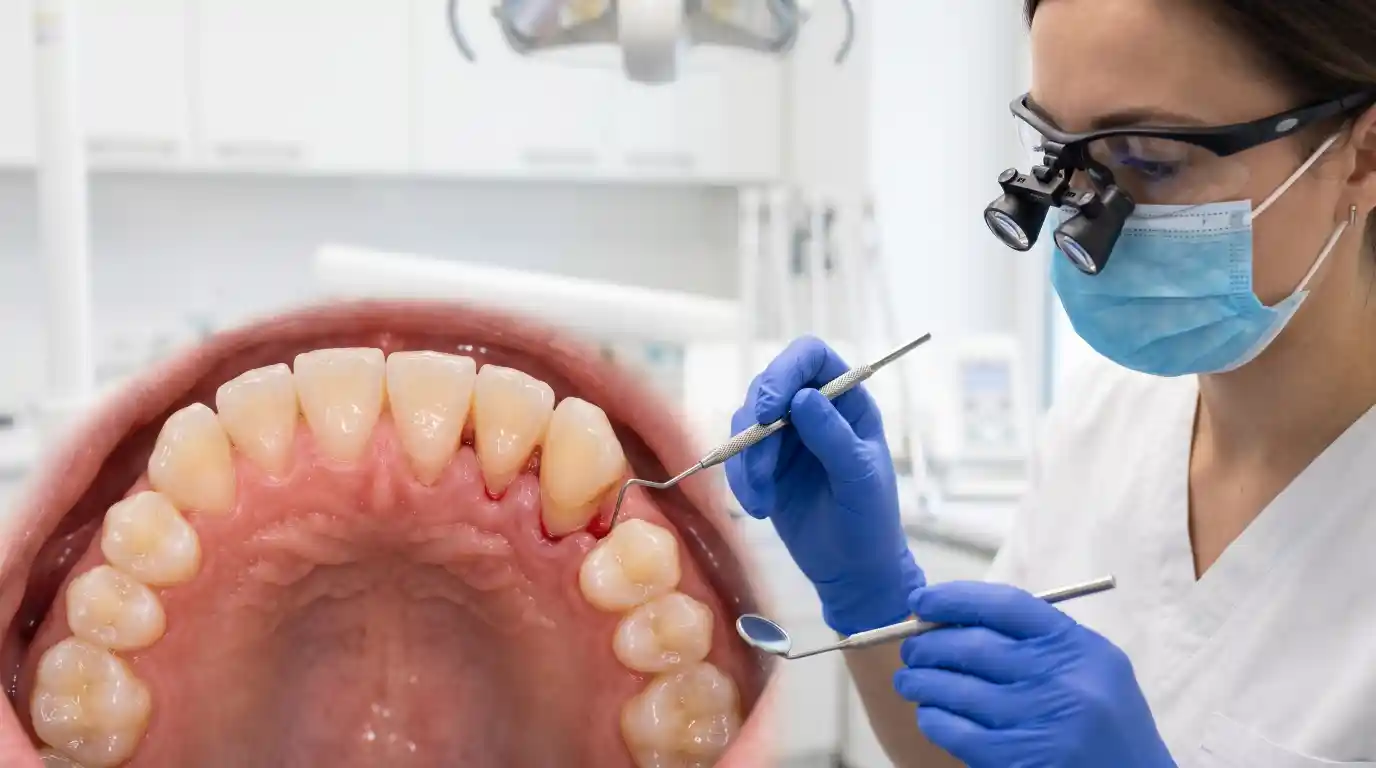
Gum recession is when your gum tissue pulls away from your teeth, exposing the roots underneath. It’s caused by a number of factors, including aggressive brushing, smoking and even genetics. Treatments include antibiotics, antimicrobial mouth rinses and surgery. Gum recession can’t be reversed, but treatment can prevent it from getting worse. Mild cases may improve with deep dental cleanings and treatments for sensitivity, while more serious cases may need gum graft surgery or other dental procedures.
Receding gum tissue may not seem like a big deal, but gum recession causes more than cosmetic imperfections. Left untreated, receding gums leads to damaged tissue and bone, and eventually total tooth loss. If you are in San Tan Valley and have noticed changes in your gums or increased tooth sensitivity, the team at Ocotillo Trails Dentistry is here to help.
What Are Receding Gums?
Receding gums happen when the gum tissue that surrounds and protects your teeth starts to pull back, exposing more of the tooth and sometimes even the root underneath. Healthy gums are firm, pink, and fit snugly around each tooth like a tight collar.
When gums recede, the root of the tooth becomes exposed, and unlike the crown, the root has no hard protective enamel covering it. This makes it much easier for bacteria and acid to cause damage, decay, and sensitivity. Gum recession happens slowly over time, which is why many people do not notice it until it has already gotten worse.
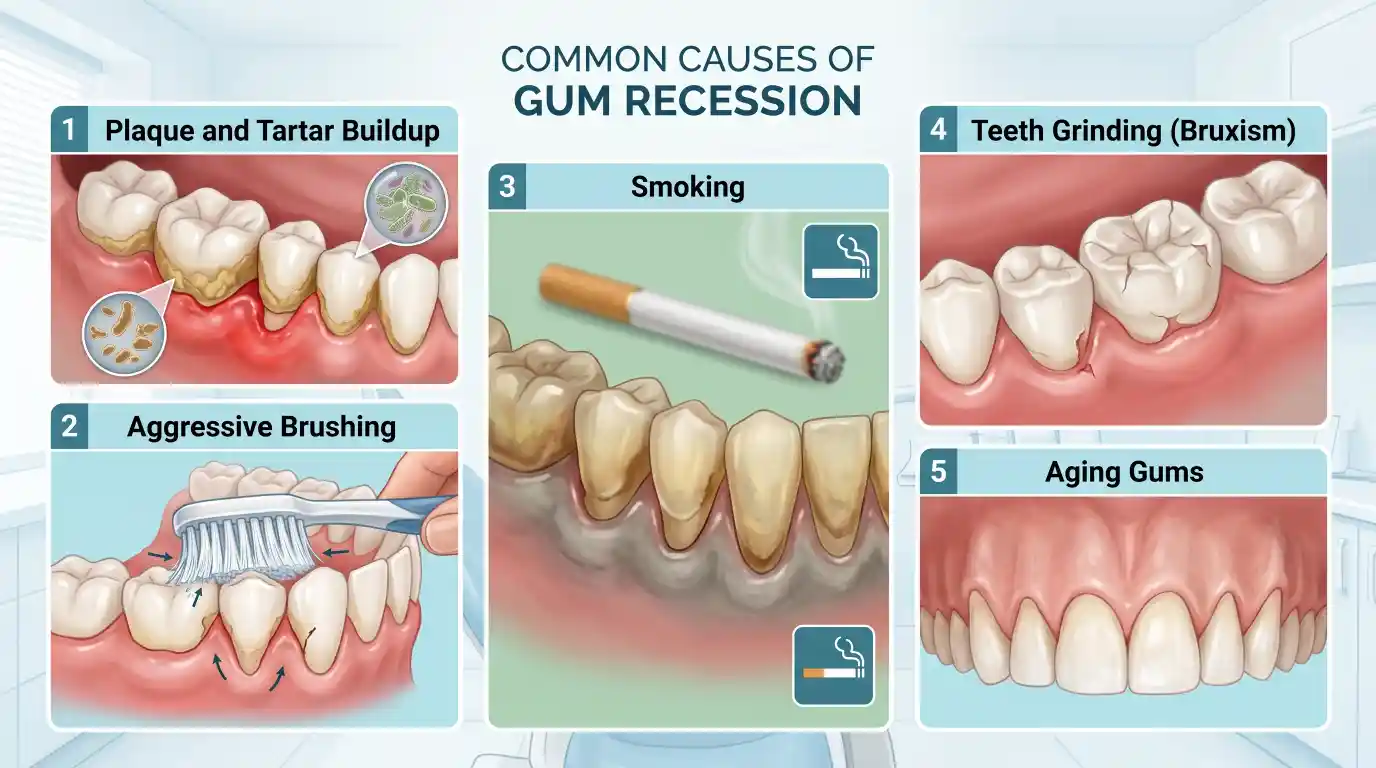
Common Causes of Receding Gums
An overview of the most common factors that can lead to gum recession, from oral hygiene habits to underlying dental conditions.
Gum disease and plaque buildup Periodontal disease, also known as gum disease, is the number one cause of gum recession. When plaque builds up along and below the gum line, it causes bacterial infections that slowly destroy gum tissue and the bone that supports the teeth.
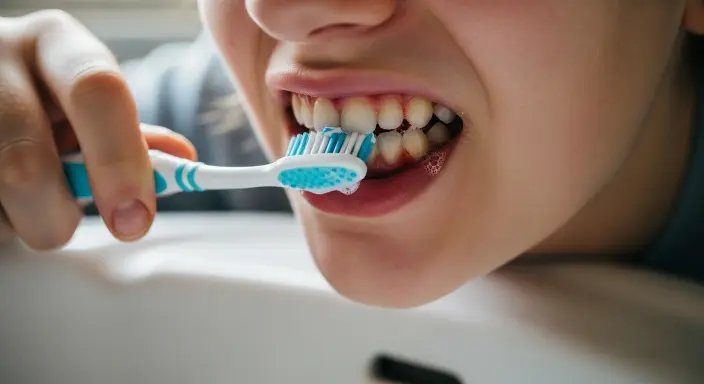
Brushing too hard Many people think brushing harder means cleaner teeth. But aggressive brushing with a hard-bristled toothbrush can actually wear away gum tissue over time and cause the gums to pull back from the teeth.
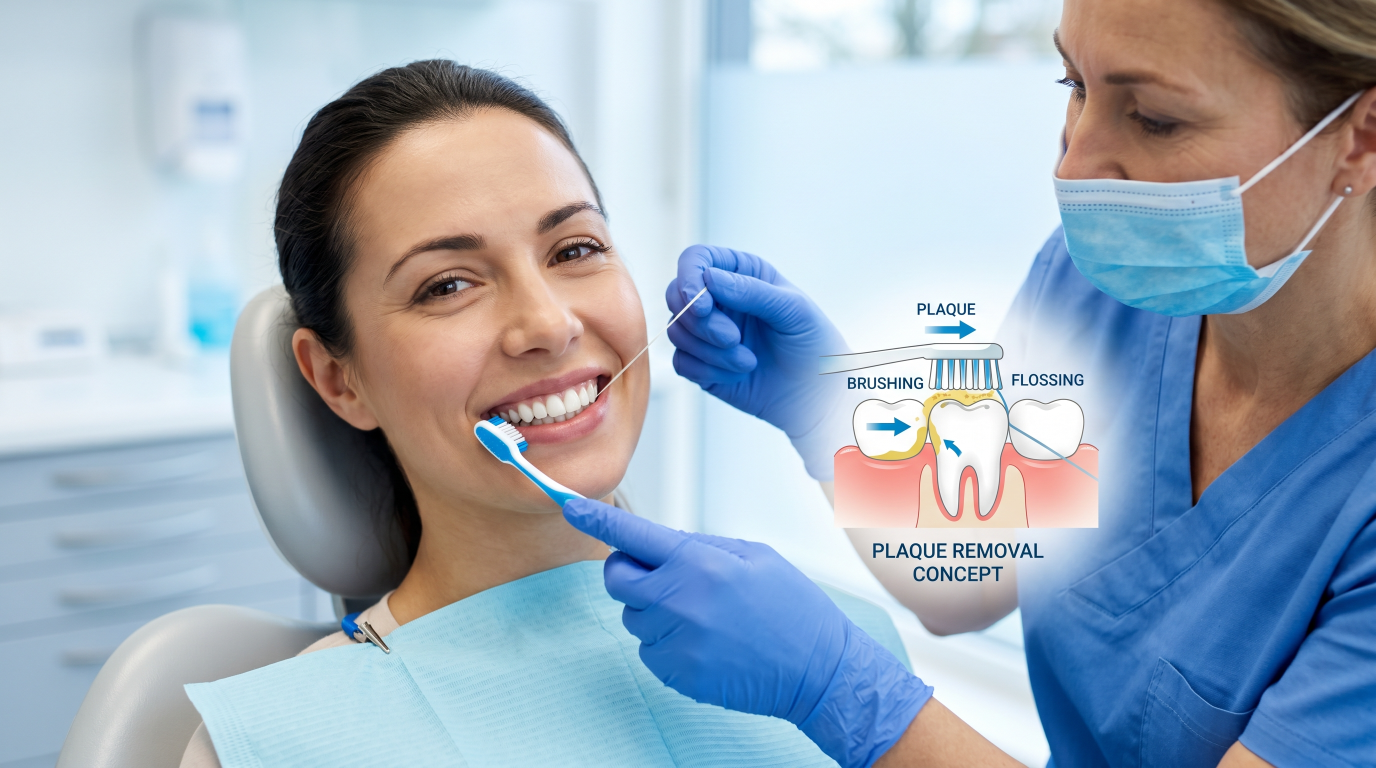
Poor oral hygiene Not brushing and flossing regularly allows plaque to build up and harden into tartar. Tartar cannot be removed by brushing alone and creates the perfect environment for bacteria that damage the gums.
Teeth grinding and clenching Also called bruxism, grinding your teeth puts extreme pressure on the gums and can slowly push them back over time. Many people grind their teeth at night without even knowing it.
Smoking and tobacco use Smoking weakens the immune system, reduces blood flow to the gums, and makes it much harder for the body to fight infection and heal damaged tissue. It is one of the most direct causes of the gum recession.
Genetics and aging Some people are simply more prone to gum recession because of their genes. Thinner gum tissue tends to run in families. Aging also naturally causes some degree of gum tissue loss over the years.
Why Receding Gums Are a Serious Problem
Receding gums are not just a cosmetic concern and should never be dismissed as a normal part of aging. When the gum tissue pulls back, the soft root of the tooth becomes exposed and is far more vulnerable to bacteria, plaque, and acid than the crown of the tooth. This leads to increased tooth sensitivity, a much higher risk of root cavities, and painful gum infections.
If left untreated, the bacteria that cause gum recession continue to destroy the bone that holds the teeth in place, which can eventually result in loose teeth and even tooth loss. The longer you wait to address it, the more damage is done and the more invasive the treatment needed to fix it.
Risks of Untreated Gum Recession
Leaving gum recession untreated can lead to serious and lasting damage to your oral health. As the gums continue to pull back, the exposed root surfaces become highly vulnerable to decay and infection. Bacteria collect in the deep pockets that form between the teeth and the receding gums, leading to painful abscesses and further tissue destruction.
Over time, the infection spreads to the bone that holds the teeth in place, causing bone loss that cannot be reversed on its own. In severe cases, the teeth become so loose and unsupported that they may need to be removed completely. Getting treatment early is always far simpler and less costly than dealing with the consequences of waiting too long.

How to Fix Receding Gums
Learn the most effective ways to treat receding gums and protect your teeth and gum health.
Improve Your Brushing Technique
One of the most common and overlooked causes of gum recession is brushing too hard. Switch to a soft-bristled toothbrush immediately if you have not already. Hold the brush gently and use small circular motions rather than scrubbing back and forth. Brush at a 45-degree angle to the gum line and let the bristles do the work.
Night Guard for Bruxism
If you grind or clench your teeth at night, a custom night guard from your dentist can make a big difference. Grinding puts constant pressure on the gums and slowly pushes them back over time without you even realizing it.
A night guard creates a protective barrier between your upper and lower teeth while you sleep, reducing the force that reaches your gums and jaw. It is one of the simplest and most effective ways to stop grinding-related gum recession from getting worse.
Use Toothpaste for Sensitive Teeth and Gums
If you have receding gums, using the right toothpaste matters. Look for toothpastes that contain fluoride or hydroxyapatite, which help strengthen and protect the exposed root surface.
Toothpastes designed for sensitive teeth can also help reduce the pain and discomfort that comes with gum recession. Avoid any toothpaste that feels very abrasive or contains harsh whitening agents, as these can make things worse.
Get Professional Dental Cleaning
Even the best home oral care routine cannot remove hardened tartar once it has built up below the gum line. Professional dental cleanings remove this buildup and help stop gum disease from progressing.
Most people should visit the dentist every 6 months for a checkup and cleaning. If you already have gum recession or gum disease, your dentist may recommend more frequent visits, sometimes every 3 to 4 months.
Treat Gum Disease Early
Gum disease is the leading cause of gum recession, so treating it early is critical. The first stage is called gingivitis, which causes red, and bleeding gums. If caught at this stage, gingivitis can usually be reversed with professional cleaning and better home care.
If it progresses to periodontitis, more advanced treatment is needed.Scaling and root planing is a deep cleaning that removes plaque and tartar below the gums to help the gums heal and reattach to the teeth.
Quit Smoking and Tobacco Products
Smoking harms gum health by reducing blood flow and weakening the immune system, making it harder to fight infections that cause gum disease and recession. Quitting smoking can help slow gum recession and improve overall oral health.
Improve Your Diet for Healthier Gums
Foods rich in vitamin C, such as oranges, strawberries, and bell peppers, help build and repair gum tissue. Calcium-rich foods like dairy, leafy greens, and almonds support strong teeth and bone.
Omega-3 fatty acids found in fish like salmon can help reduce inflammation in the gums. Drinking more water throughout the day helps rinse away bacteria and keeps the mouth moist.

Can Receding Gums Grow Back?
This is one of the most common questions people ask, and the honest answer is no. Once gum tissue has receded, it does not naturally grow back on its own. Unlike some other tissues in the body, gum tissue does not regenerate by itself.
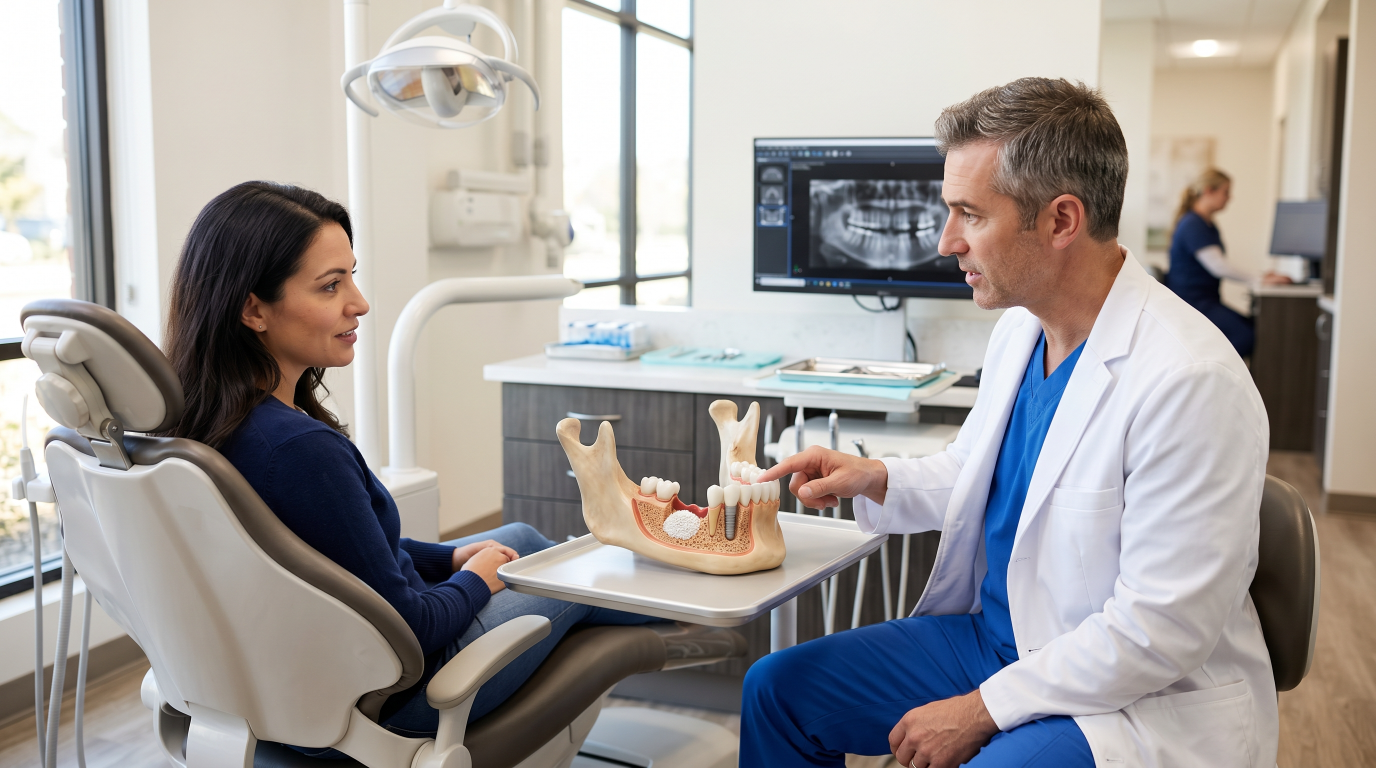
However, that does not mean nothing can be done. Professional treatments like gum grafting and the pinhole surgical technique can restore gum coverage and protect the exposed roots. The key is catching the problem early. The sooner you seek treatment, the more gum tissue you have left to protect and the fewer invasive procedures you will need.

Professional Treatments for Receding Gums
This is a deep cleaning procedure that goes below the gum line to remove plaque, bacteria, and tartar from the root surfaces. It is the most common first treatment for gum disease and mild to moderate recession.
Pinhole surgical technique
The pinhole surgical technique is a newer and less invasive option for people who want to avoid traditional gum graft surgery. The dentist makes a very small hole in the gum and uses thin instruments to gently loosen and reposition the gum tissue downward to cover the exposed root. No cutting or stitching is involved, which means less discomfort and a much faster recovery.
Scaling and Root Planing
Scaling and root planing is one of the most common first steps for treating gum recession caused by gum disease. Your dentist numbs the area and uses special tools to clean deep below the gum line, removing hardened tartar and bacteria from the root surface.
Most patients need two to four visits depending on how much of the mouth is affected. After the procedure, the gums slowly begin to heal and reattach to the cleaned root surface over the following weeks.
Recovery Time
Recovery time varies depending on which treatment you receive. Scaling and root planing usually causes mild soreness for two to three days and most people return to normal eating and brushing quickly.
The pinhole technique has the fastest recovery, often just one to two days. Traditional gum graft surgery takes the longest, usually one to two weeks, but the long term results are very strong and most patients say the recovery was easier than they expected.
How to Prevent Receding Gums
The best way to deal with receding gums is to prevent them from happening in the first place. Here are the most important habits to build. Brush twice a day with a soft-bristled toothbrush using gentle circular motions. Floss every day to remove plaque between teeth and along the gum line. Use an antimicrobial mouthwash to reduce bacteria in the mouth.
Visit your dentist every 6 months for a checkup and professional cleaning. Wear a night guard if you grind your teeth while sleeping. Eat a balanced diet rich in vitamins and minerals that support gum health. Avoid smoking and all tobacco products. Drink plenty of water throughout the day.
When to See a Dentist
Ongoing gum bleeding that happens every time you brush or floss. Severe tooth sensitivity that is getting worse over time. Teeth that feel loose or have shifted position. Gum recession that seems to be spreading quickly. Swelling, pain, or pus around the gums, which could signal an abscess or infection. These are warning signs that gum disease or recession has already progressed and needs professional treatment as soon as possible.
Take the First Step Toward Healthier Gums Today
If you have noticed any of the signs of receding gums or have been dealing with tooth sensitivity, do not wait for the problem to get worse. Early treatment makes a significant difference and gives you far more options.
At Ocotillo Trails Family Dentistry in San Tan Valley, our experienced dental team specializes in diagnosing and treating gum recession with personalized care that fits your specific needs. From professional deep cleanings and scaling and root planing to advanced gum treatments, we are here to protect your smile every step of the way. Book your appointment today and let us help you get ahead of the problem before it becomes more serious.
Conclusion
Receding gums are a real and serious dental health concern, but the good news is that you have options. Whether your recession is mild or more advanced, there are treatments and habits that can help stop it, protect your teeth, and in some cases restore gum coverage.
The most important thing you can do right now is not to ignore it. Small changes in how you brush, what you eat, and how often you visit the dentist can make a significant difference over time. And if you are already noticing signs of recession, the sooner you see a dentist, the better your outcome will be.
Frequently Asked Questions
Can receding gums heal naturally?
Receding gums cannot grow back on their own. However, treating the underlying cause early, such as gum disease or aggressive brushing, can stop the recession from getting worse. Professional treatments like gum grafting can restore gum coverage in more advanced cases.
What is the best treatment for receding gums?
The best treatment depends on how severe the recession is. Mild cases are often treated with scaling and root planing and improved oral hygiene. More advanced cases may require gum graft surgery or the pinhole surgical technique to restore gum tissue.
Can brushing too hard cause gum recession?
Brushing with too much pressure or using a hard-bristled toothbrush is one of the most common causes of gum recession. Always use a soft-bristled brush and brush gently with circular motions.
Is gum graft surgery painful?
Most patients report that gum graft surgery is much more comfortable than they expected. The procedure is done under local anesthesia so you do not feel pain during the surgery. There may be some soreness during the first few days of recovery, but this is usually managed well with over-the-counter pain relief. Most people return to normal activity within 1 to 2 weeks.
How can I stop my gums from receding further?
The most important steps are to brush gently with a soft toothbrush, floss daily, see your dentist regularly, treat any gum disease early, quit smoking, and wear a night guard if you grind your teeth. Catching the problem early is the most effective way to prevent further damage.