









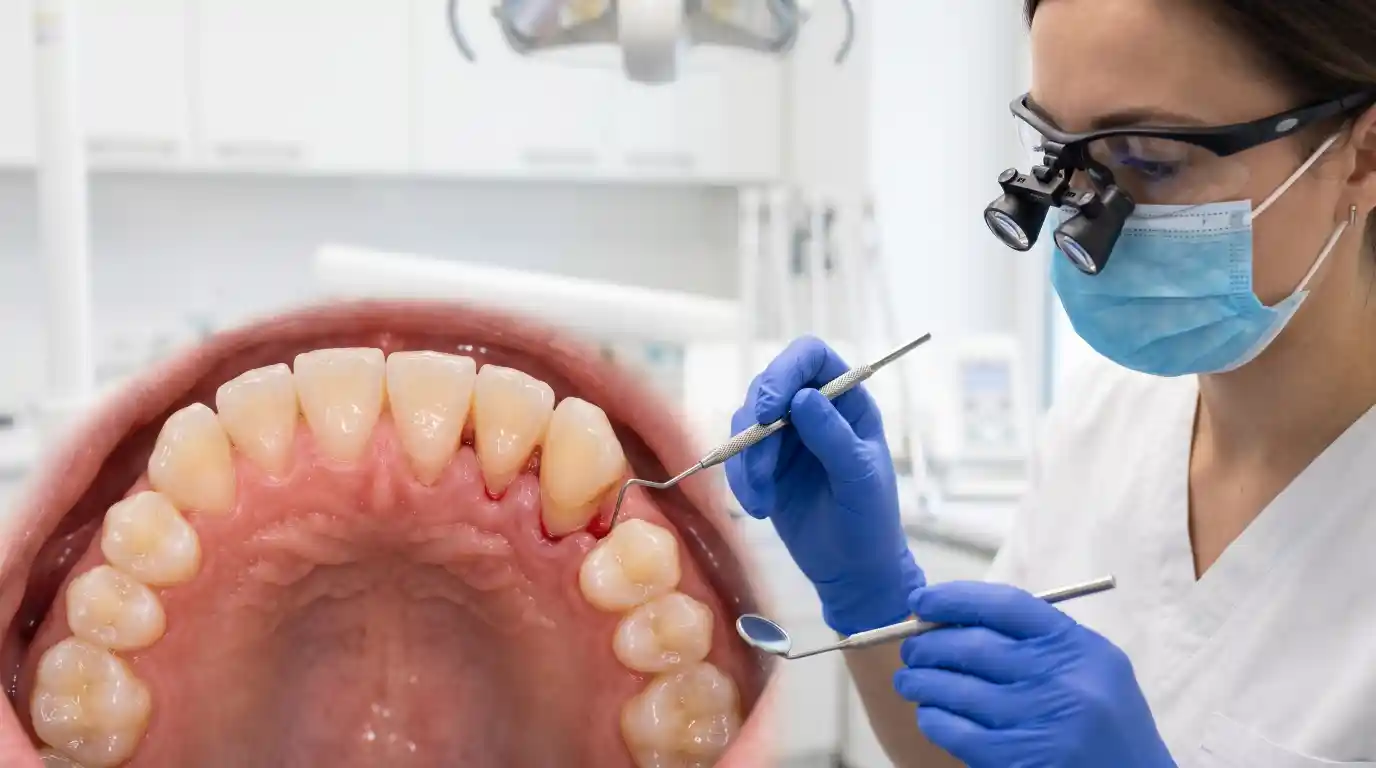
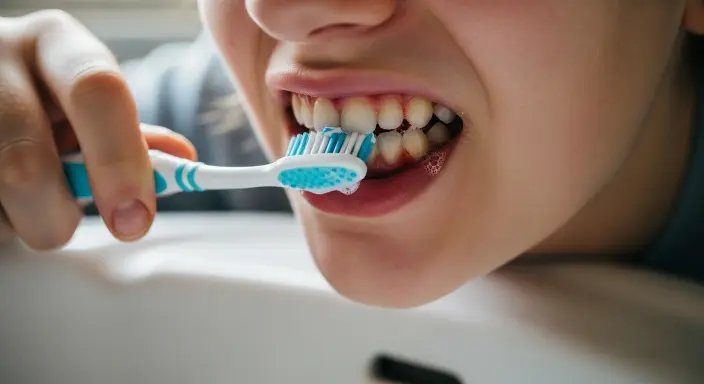

Gum recession happens when the gum tissue that protects your teeth pulls back, exposing the roots underneath. It is caused by a mix of factors, including aggressive brushing, smoking, gum disease, and genetics. Receiving gums cannot grow back on their own, but treatment can stop the recession from getting worse, and in more advanced cases, procedures like gum grafting or the pinhole surgical technique can restore coverage over the exposed root.
Receding gum tissue may not seem like a big deal at first, but left untreated it can lead to damaged tissue, bone loss, and eventually tooth loss. If you are in San Tan Valley and have noticed your gums pulling back or your teeth feeling more sensitive than usual, the team at Ocotillo Trails Family Dentistry is here to help you figure out exactly what is going on.
The good news is that the earlier the gum recession is caught, the simpler and less invasive the treatment tends to be. This guide covers what causes receding gums, how to fix and prevent them, what professional treatments involve, and the specific warning signs that mean it is time to see a dentist rather than wait.

What Is a Cracked Tooth?
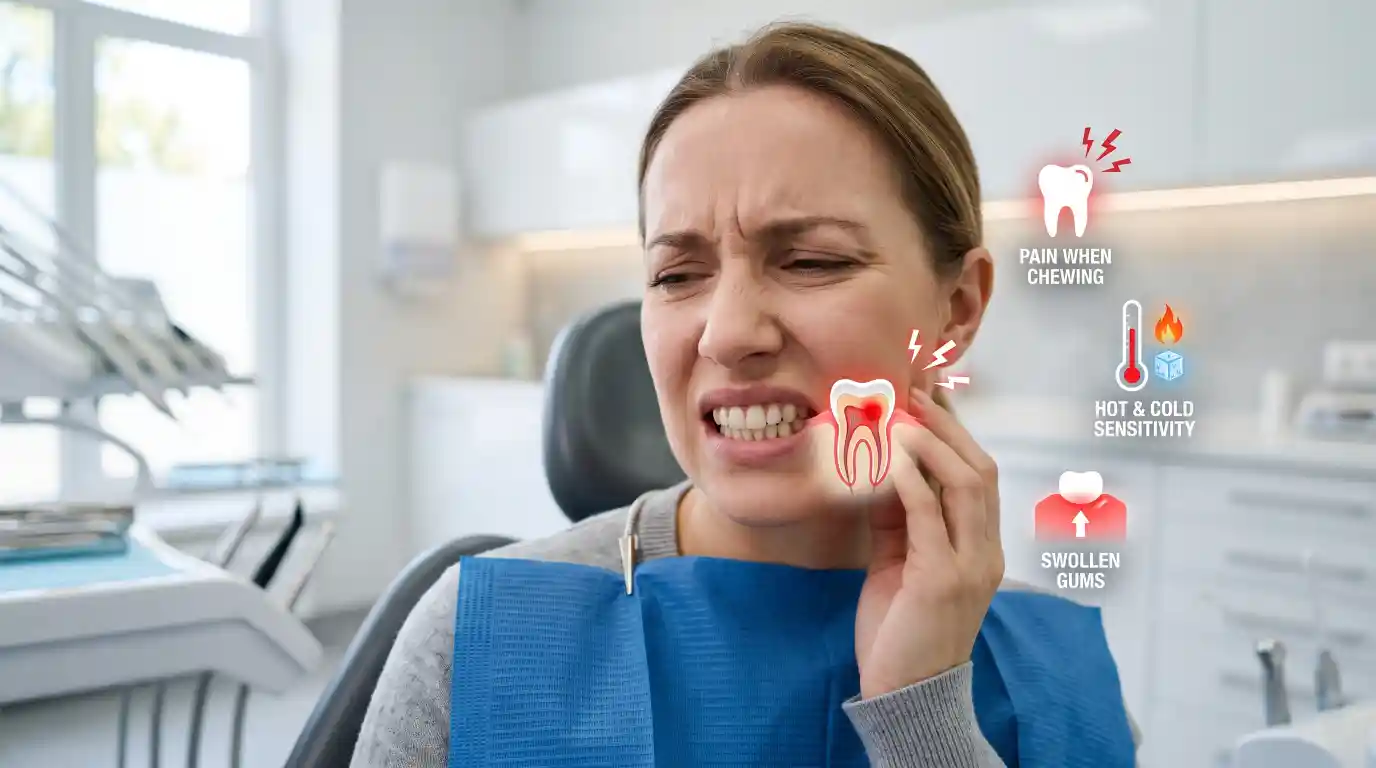
A cracked tooth is a tooth that has a small split, fracture, or crack in its structure. It can happen from biting hard foods, teeth grinding, injuries, or normal wear over time. Some cracks are minor, while others can reach deeper into the tooth and cause pain or sensitivity. Common signs of a cracked tooth include sharp pain when chewing, sensitivity to hot or cold foods, and discomfort that comes and goes.
Types of Tooth Cracks
Not all tooth cracks are the same, and each type may need a different treatment.
Craze Lines Craze lines are tiny, shallow cracks that only affect the outer enamel of the tooth. They are very common and usually cause no pain. They do not need treatment unless they bother you cosmetically.
Fractured Cusp A fractured cusp happens when a piece of the chewing surface of the tooth breaks off. This often happens around a filling. It rarely affects the pulp and is usually not very painful.
Cracked Tooth This type of crack starts at the chewing surface and moves vertically toward the root. If it reaches the pulp, it will cause pain and may need a root canal. Early treatment can save the tooth.
Split Tooth A split tooth is the result of an untreated cracked tooth that has completely split into two separate parts. In most cases the tooth cannot be saved and needs to be extracted.
Vertical Root Fracture This crack starts at the root and moves upward toward the chewing surface. It often shows no symptoms for a long time and is usually only discovered during a dental examination.

How to Fix a Cracked Tooth
A cracked tooth can worsen quickly without proper care, but early treatment can relieve pain and help save your natural tooth.
Dental Bonding
Dental bonding is one of the simplest and most affordable treatments for a cracked or chipped tooth. The dentist applies a tooth-colored composite resin material directly to the damaged area, shapes it to match the natural tooth, and hardens it with a special light.
Bonding is a great option for small cracks, minor chips, and front teeth that are visible when you smile. It can usually be completed in a single visit and requires no removal of healthy tooth structure. The main downside is that bonding material is not as strong as natural enamel and may need to be replaced after several years.
Dental Crown
A dental crown is a cap that fits over the entire visible portion of the cracked tooth. It holds the tooth together and restores the tooth’s full shape and strength. Crowns are one of the most common treatments for cracked teeth and are recommended when the crack is too large for a filling but has not yet reached the pulp. They are made from porcelain, ceramic, or metal and are custom-made to match the shape and color of your natural teeth.
Root Canal Treatment
If a crack has reached the inner pulp of the tooth where the nerves and blood vessels are located, a root canal is necessary to save the tooth. Signs that you may need a root canal include constant severe pain, significant swelling, or pain that does not go away after biting. With modern techniques and anesthesia, most patients report that the procedure is much more comfortable than they expected.
Dental Veneers
For front teeth with surface-level cracks that are more of a cosmetic concern than a structural one, dental veneers are an excellent option. A dental veneer is a thin shell of porcelain or composite resin that is bonded to the front surface of the tooth, covering the crack and improving the overall appearance of the smile. Veneers are best suited for cracks that are shallow and have not compromised the strength of the tooth.
Tooth Extraction
In severe cases where the crack has split the tooth completely or has extended below the gum line in a way that cannot be repaired, the tooth may need to be extracted. After extraction, options to replace the missing tooth include a dental implant or a removable partial denture. Dental implants are the most popular long-term solution because they look, feel, and function just like a natural tooth.
Signs and Symptoms of a Cracked Tooth
The symptoms of a cracked tooth can range from mild discomfort to severe pain, depending on the size and location of the crack.
Sharp Pain When Biting or Chewing A sudden sharp pain when you bite down and then release is one of the most classic signs of a cracked tooth. The pressure causes the cracked pieces to flex and irritate the nerve inside the tooth.
Tooth Sensitivity to Hot or Cold Foods When a crack reaches deeper into the tooth, the nerve becomes exposed to temperature changes. You may feel a quick, sharp pain when eating or drinking something hot or cold that goes away within a few seconds.
Swollen Gums Around the Tooth If a crack has allowed bacteria to reach the root area, the gums around that tooth may become swollen, red, or tender. This is a sign of possible infection that needs immediate attention.
Pain That Comes and Goes Unlike a cavity which usually causes a consistent ache, a cracked tooth often causes pain that is unpredictable. It may feel fine for days and then suddenly hurt when you chew a specific food.
Difficulty Chewing on One Side If you find yourself naturally avoiding one side of your mouth when chewing because of discomfort, this is a strong sign that a tooth on that side may be cracked.

What to Do Right Away After Cracking a Tooth
Avoid chewing on the damaged side of your mouth to prevent the crack from getting worse. Apply a cold compress to the outside of your cheek for 15 to 20 minutes at a time to reduce swelling and pain. If the cracked tooth has a sharp edge that is cutting your tongue or cheek, cover it with dental wax, which is available at most pharmacies.
Take an over-the-counter pain reliever like ibuprofen to manage discomfort and reduce inflammation. Most importantly, call your dentist and schedule an appointment as soon as possible. A cracked tooth is considered a dental emergency in most cases and should not be left untreated.
Can a Cracked Tooth Heal on Its Own?
Unlike bones, teeth do not have the ability to repair themselves. Once a tooth cracks, the damage is permanent and will not improve without professional treatment. Without treatment, the crack will almost always get worse as the daily pressure from chewing continues to push the cracked pieces apart.
Delaying treatment also increases the risk of infection. Bacteria can enter the tooth through the crack and cause a painful abscess that may spread to surrounding teeth and bone. The longer you wait, the more complex and costly the treatment becomes.
Can You Fix a Cracked Tooth Naturally?
There is no home remedy that can repair a cracked tooth. However, some steps can help manage pain while you wait for your dental appointment. A saltwater rinse can help reduce bacteria and soothe inflamed gum tissue. Mix half a teaspoon of salt in a glass of warm water and rinse gently for 30 seconds.
Over-the-counter pain relievers like ibuprofen or acetaminophen can temporarily reduce pain and swelling. Dental wax available at pharmacies can cover sharp edges and provide short-term protection. Only professional dental treatment can truly repair a cracked tooth.
How Dentists Diagnose a Cracked Tooth
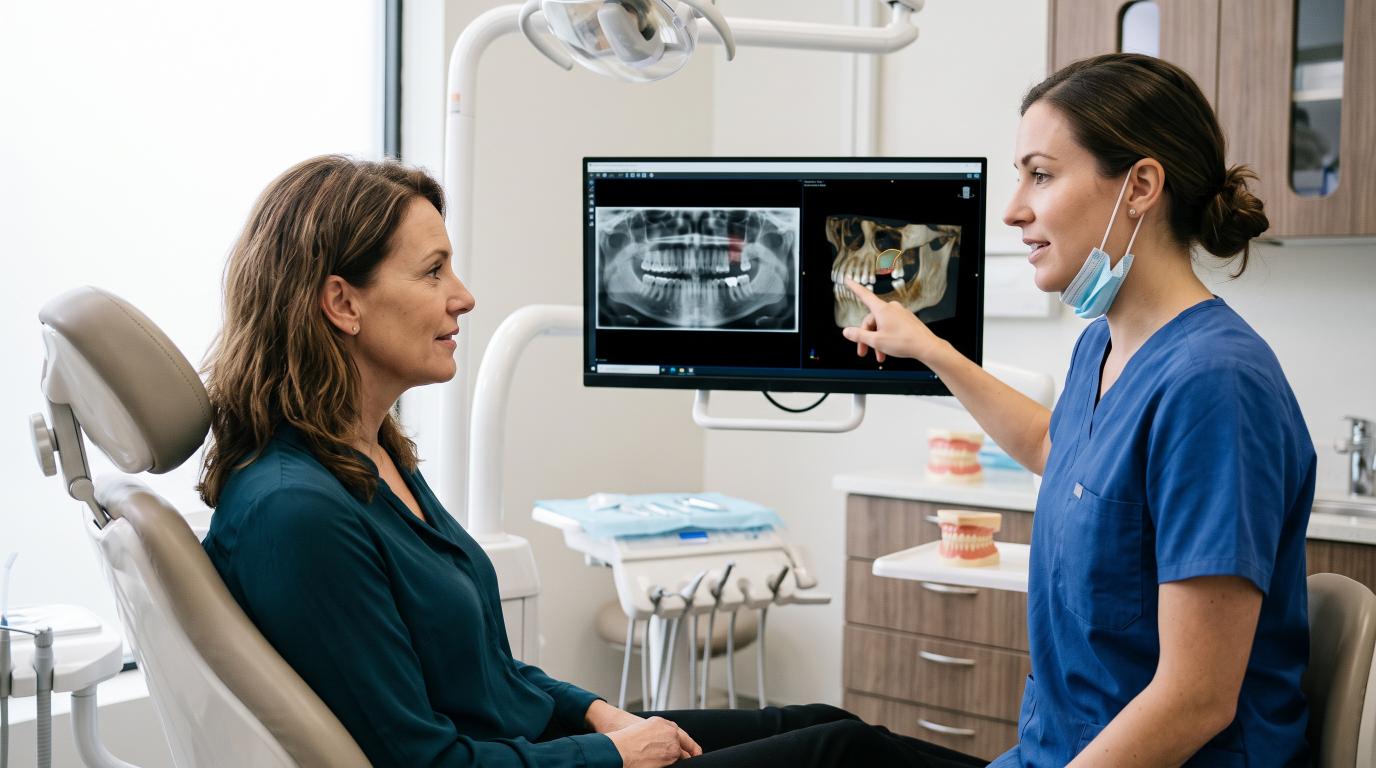
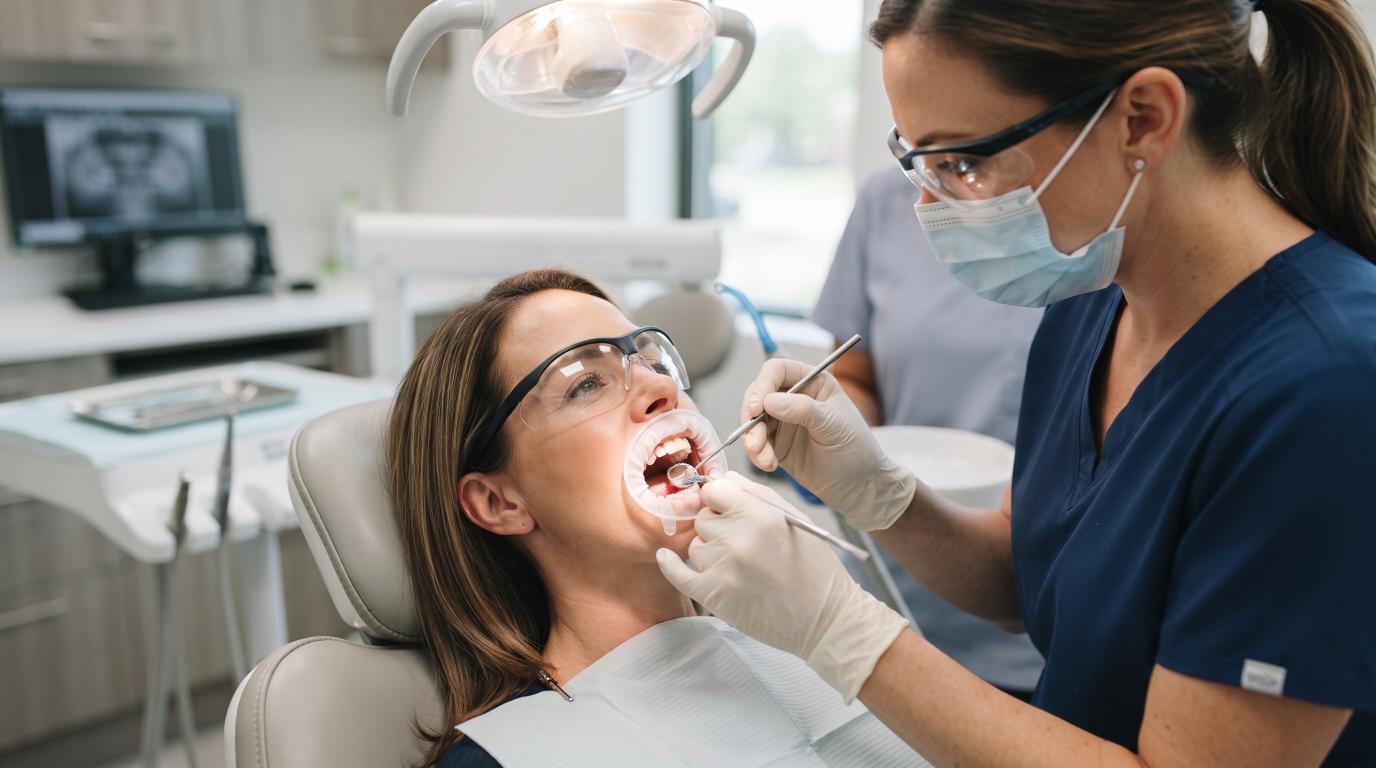
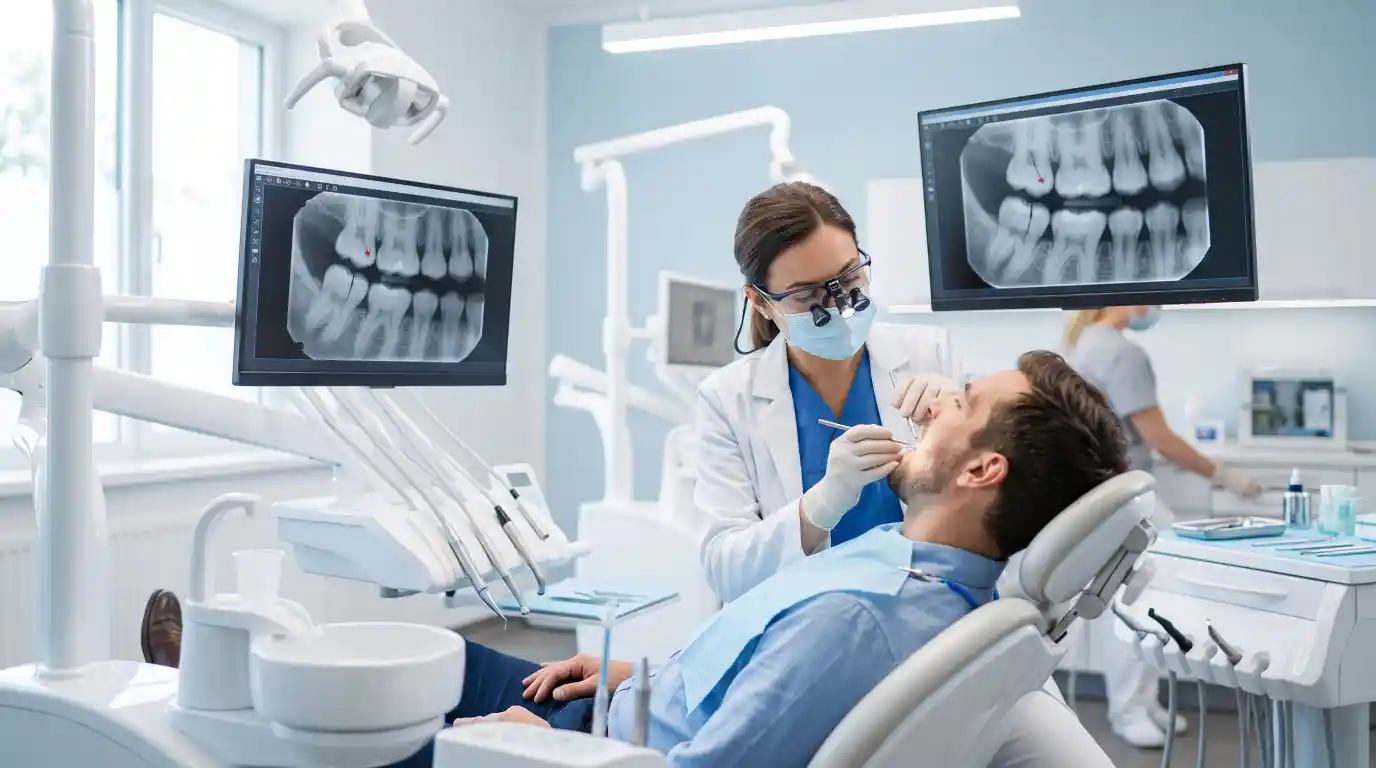
Visual inspection involves the dentist looking closely at the tooth, sometimes with a magnifying glass or a special light shone through the tooth to reveal hidden cracks. Dental X-rays can show cracks that have spread to the root or have caused bone loss around the tooth.
A bite test involves the dentist asking you to bite down on a small stick or special tool to identify which tooth is causing pain and where the crack is located. Special dye may also be applied to the tooth surface to make cracks more visible during the examination.
How Long Does It Take to Fix a Cracked Tooth?
Dental bonding and small fillings can usually be completed in a single visit that takes 30 to 60 minutes. A dental crown typically requires two appointments over one to two weeks. A root canal followed by a crown may require two to three appointments spread over one to three weeks.
After any dental procedure, there may be some sensitivity or mild discomfort for a few days. This is completely normal and usually managed with over-the-counter pain relief.
How Much Does Cracked Tooth Repair Cost?
Dental bonding is generally the most affordable option. A dental crown costs more because it is custom-made and requires more visits. A root canal followed by a crown is the most expensive single-tooth treatment but is still far less costly than extraction and replacement with an implant.
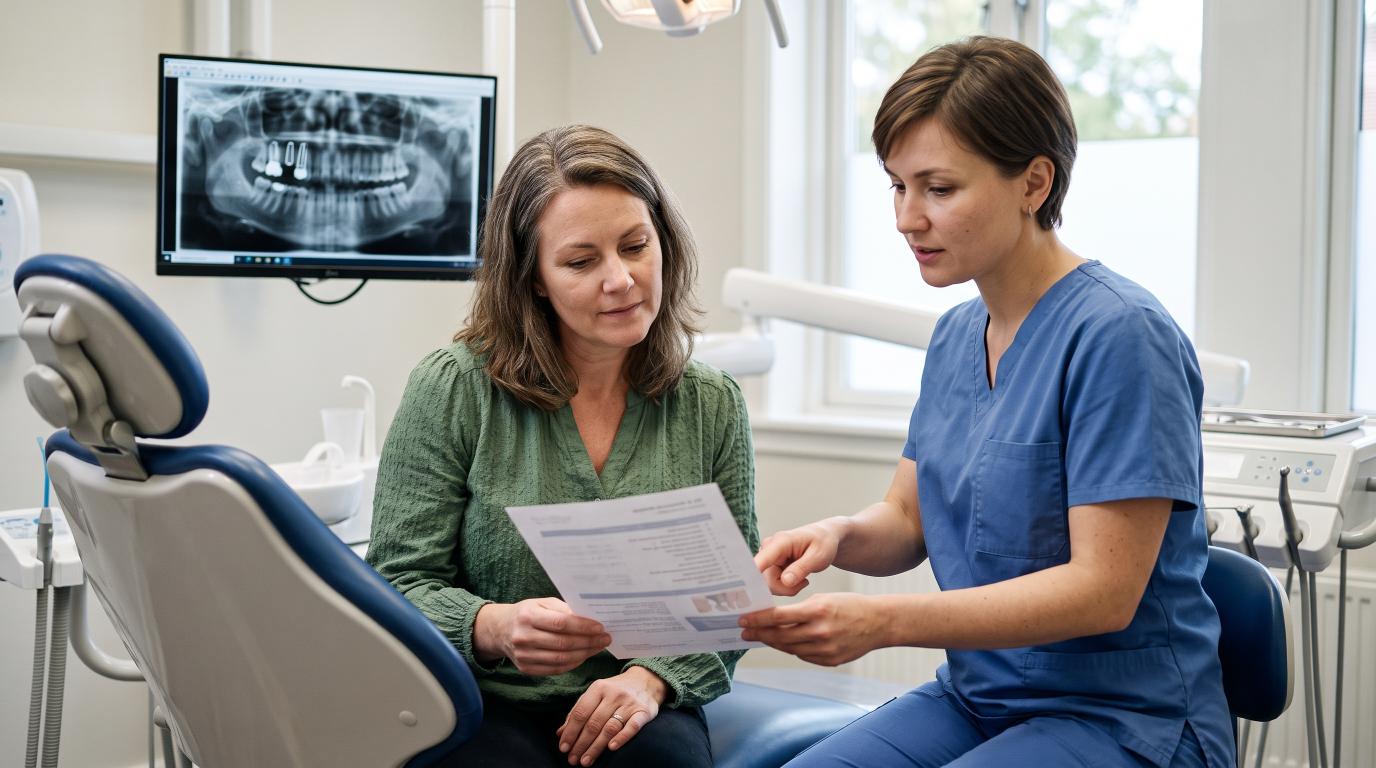
Dental insurance often covers a portion of the cost for medically necessary treatments like crowns and root canals. Always contact your insurance provider before your appointment so you know what your out-of-pocket expenses will be.
How to Prevent Cracked Teeth
Avoid chewing on hard foods like ice, hard candy, and popcorn kernels which are among the leading causes of tooth fractures. Wear a mouthguard during contact sports or any activity where there is a risk of impact to the face or mouth.
If you grind your teeth at night, ask your dentist about a custom night guard to protect your teeth from the constant pressure caused by bruxism. Maintain regular dental checkups every 6 months so your dentist can spot early signs of cracking or weakening before it becomes a serious problem.
Think You Have a Cracked Tooth? Do Not Wait
A cracked tooth will not fix itself and waiting only makes things worse. At Ocotillo Trails Family Dentistry in San Tan Valley, our dental team is here to help you get out of pain and protect your smile. Whether you have a small chip or a serious fracture, we will examine your tooth, explain your options, and create a treatment plan that works for you.
Call us today to book your appointment. We offer gentle and effective care for cracked teeth at every stage from simple bonding to advanced restorations. Your comfort and your smile are our priority.
Conclusion
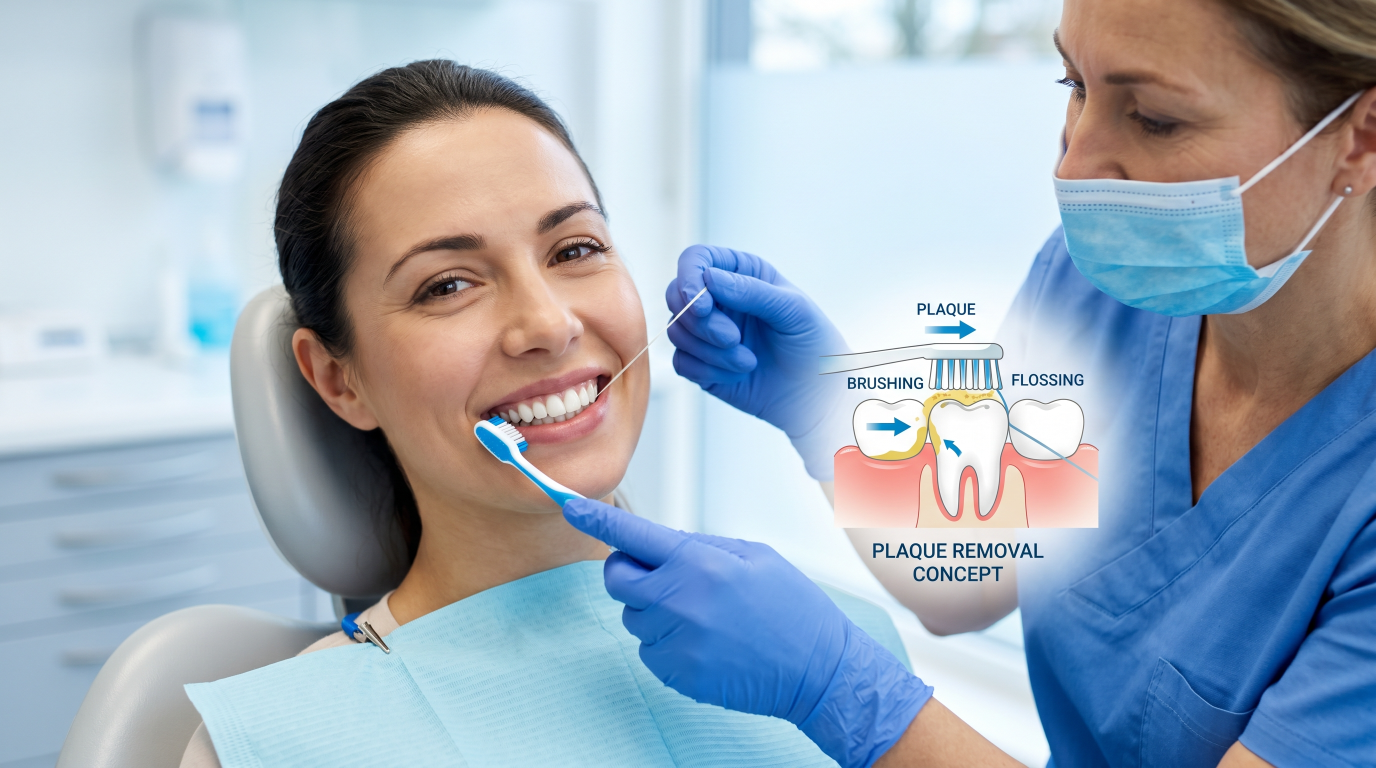
Receding gums are a real dental health concern, but they are also very treatable when caught early. Gum tissue cannot grow back on its own once it recedes, but daily habits like gentle brushing with a soft-bristled brush, daily flossing, and regular dental cleanings can stop the recession from spreading. For more advanced cases, treatments like scaling and root planing, the pinhole surgical technique, or gum graft surgery can restore coverage and protect the exposed roots.
The most important thing is not to ignore it. Small changes in how you brush, what you eat, and how often you visit the dentist can make a real difference over time, and if you are already noticing signs of recession, seeing a dentist sooner rather than later gives you far more treatment options with far less discomfort. If you have noticed your gums pulling back or increased tooth sensitivity, Ocotillo Trails Family Dentistry in San Tan Valley, AZ can help you get ahead of the problem before it becomes more serious.
Frequently Asked Questions
Can a cracked tooth be saved?
In most cases yes. The earlier you seek treatment, the better the chance of saving the tooth. Simple cracks can be repaired with bonding or a crown. More serious cracks may require a root canal. Only teeth that are severely fractured beyond repair need to be extracted.
Is a cracked tooth a dental emergency?
It depends on the severity. A small chip with no pain is not an emergency but should still be seen soon. Severe pain, swelling, or a large crack that affects your ability to eat or speak should be treated as an emergency and addressed the same day if possible.
Does fixing a cracked tooth hurt?
Most cracked tooth treatments are done under local anesthesia so you will not feel pain during the procedure. You may experience some sensitivity or mild soreness for a day or two afterward, but this is normal and goes away quickly.
Can a cracked tooth get worse over time?
Without treatment, the daily pressure from chewing causes the crack to spread further down the tooth. What starts as a minor crack can eventually split the tooth completely or allow bacteria to cause a serious infection. Early treatment is always the right choice.
What is the best treatment for a cracked tooth?
The best treatment depends on the type and severity of the crack. Small surface cracks may only need bonding or a filling. Deeper cracks usually require a crown. Cracks that have reached the pulp need a root canal and crown. Your dentist will examine the tooth and recommend the most appropriate option for your situation.