













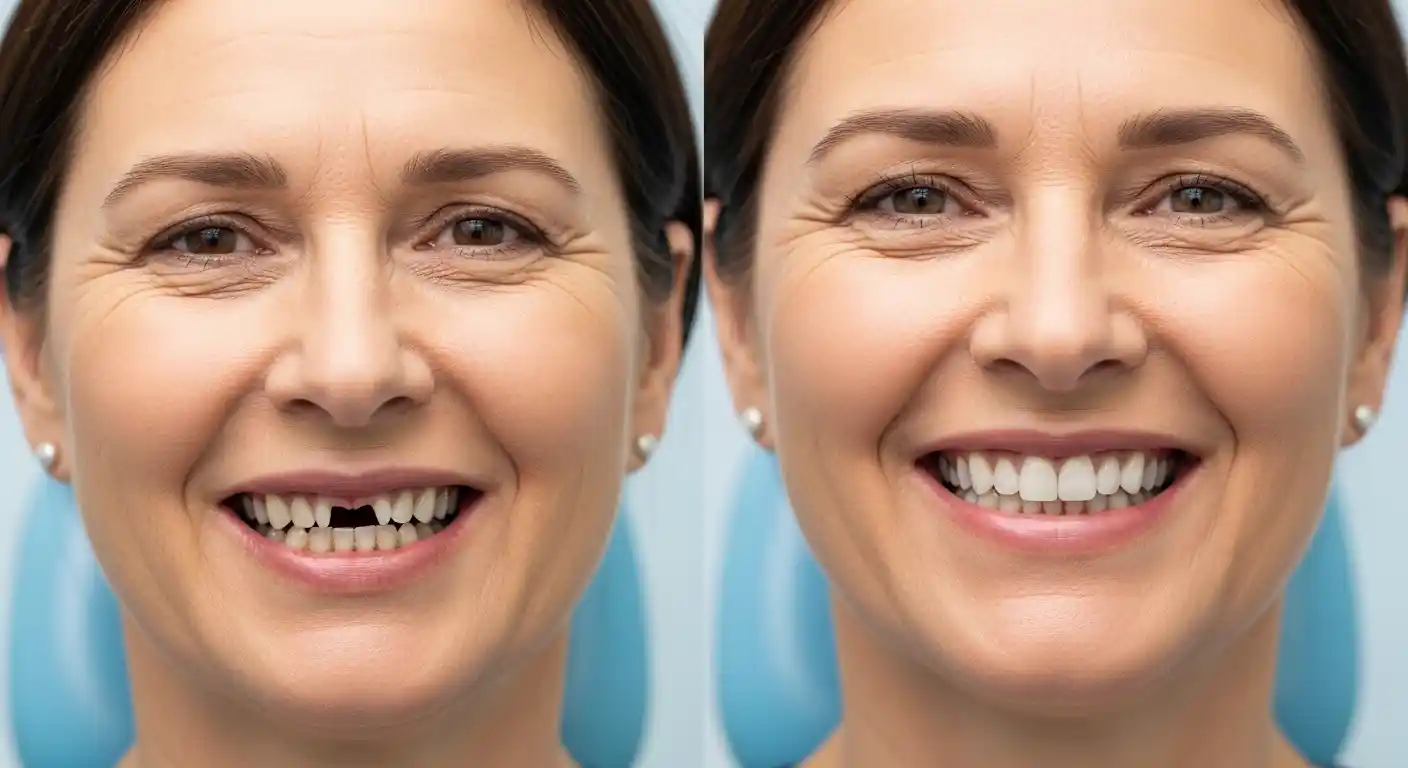
Dental bridges can replace multiple missing teeth, typically 2 to 4 teeth in a row, depending on the strength of the supporting teeth or the use of dental implants. They work best when the missing teeth are consecutive and there are healthy teeth or implants on either side to support the bridge.
If you have several missing teeth in San Tan Valley, AZ, a dental bridge can restore your smile, improve chewing, and maintain proper alignment. However, the number of teeth a bridge can replace is not unlimited, and larger gaps may require implant-supported solutions for better stability and long-term success.
Why Replacing Multiple Missing Teeth Matters
Losing one tooth is noticeable, but losing multiple teeth can seriously affect your daily life. First, it becomes harder to chew food properly. You may start avoiding certain foods, chewing on one side, or swallowing larger pieces. This can affect your digestion and overall health over time.
Your speech can also change. Missing teeth especially in the front can make it harder to pronounce certain words clearly, which can impact your confidence in conversations.
Another important issue is bone loss. When a tooth is missing, the jawbone in that area starts to shrink because it is no longer being used. Over time, this can change your face shape and make future dental treatments more difficult.
Finally, missing teeth can affect how you feel about yourself. Many people feel shy about smiling or speaking in public. Replacing missing teeth helps restore not just your smile, but also your confidence. In short, replacing multiple missing teeth is not just about looks, it’s important for your health and quality of life.
What Is a Dental Bridge?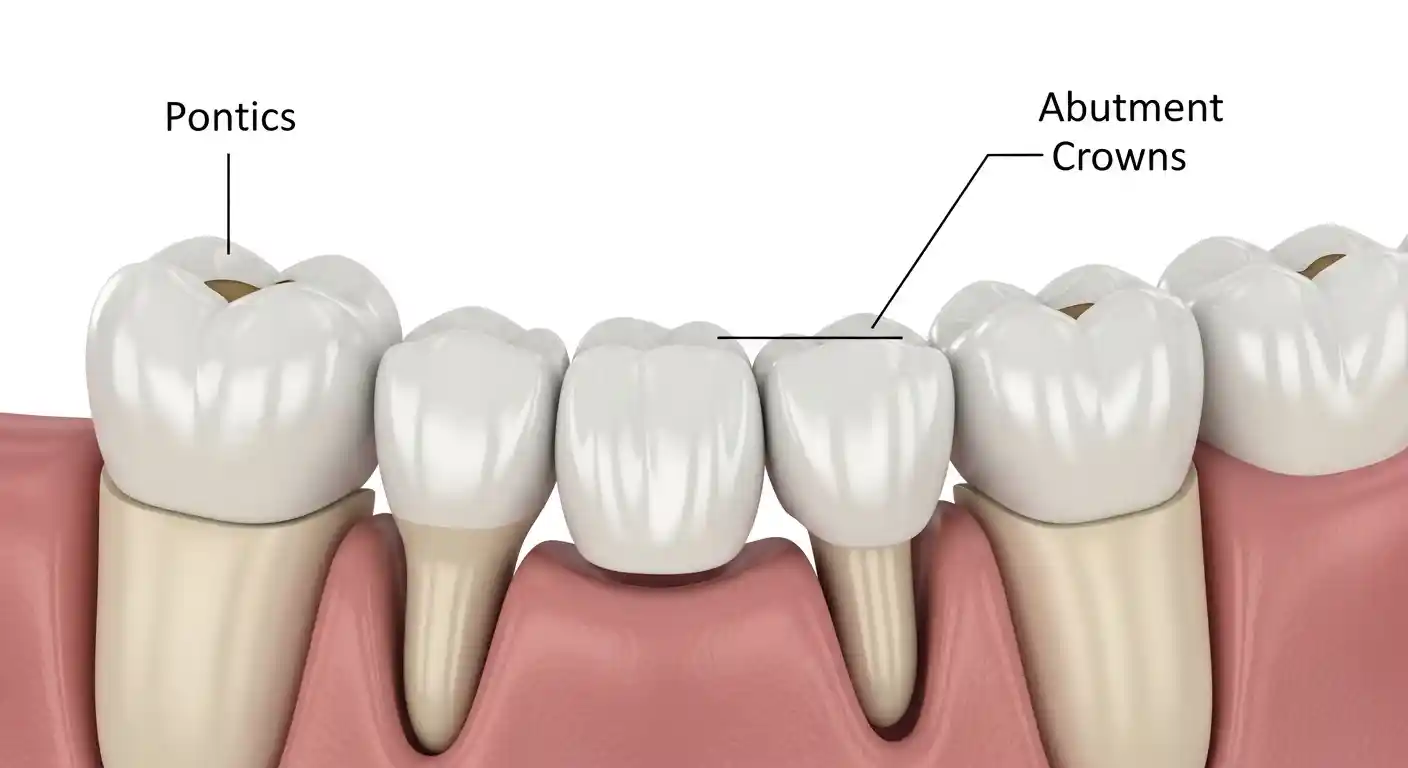
A dental bridge is a fixed prosthetic device that literally “bridges” the gap created by one or more missing teeth. Unlike dentures, which can be removed, a bridge is permanently cemented into place and functions much like natural teeth.
Basic Structure: Pontics and Abutments
Every dental bridge consists of two key components. The pontic is the artificial tooth (or teeth) that fills the gap where natural teeth are missing. The abutment teeth are the anchor points on either side of the gap; these are the teeth (or implants) that the bridge attaches to and relies on for support.
The pontic sits between two crowns that are placed over the abutment teeth. Together, the crowns and pontics form a single connected unit that is cemented permanently into the mouth.
How It Restores Missing Teeth
Once placed, a dental bridge restores the appearance, function, and alignment of your smile. It fills the visible gap, supports the surrounding teeth so they don’t drift out of position, distributes bite pressure more evenly, and allows you to chew and speak normally. Modern bridges especially those made from porcelain or zirconia are virtually indistinguishable from natural teeth.
When Dentists Recommend Bridges
Dentists typically recommend bridges when a patient has one or more consecutive missing teeth, when the adjacent teeth are healthy and strong enough to serve as abutments, and when the patient wants a fixed (non-removable) solution that doesn’t require surgery. They may also recommend implant-supported bridges when natural abutment teeth aren’t available or when the gap is larger.
How Dental Bridges Replace Multiple Missing Teeth
When multiple teeth are missing in a row, a dental bridge spans the entire gap using a longer pontic section. Instead of a single artificial tooth between two crowns, the bridge may contain two, three, or even four pontics connected together in one continuous unit.
The bridge is anchored on both ends to either natural teeth or dental implants. These anchor points bear the full load of the bridge, distributing bite forces across the structure. The more teeth a bridge needs to replace, the more critical the strength and health of those anchor points become.
For adjacent missing teeth those that are all in a consecutive row this approach works very well. The bridge follows the natural curve of the jaw, sits flush against the gumline, and provides a stable, realistic-looking replacement for the missing section of teeth.
How Many Teeth Can a Dental Bridge Replace?
This is the question most patients want answered directly, and the honest answer is: it depends but there are clear guidelines.
Typical Range: 2 to 4 Teeth
The most common and clinically reliable range for a traditional dental bridge is replacing 2 to 4 consecutive missing teeth. A 3-unit bridge (two crowns with one pontic in the middle) is the most common. A 4- or 5-unit bridge (replacing 2 to 3 consecutive teeth) is also routine in general dental practice.
Maximum Span: Case-Dependent
In some cases, bridges spanning more than 4 missing teeth have been placed successfully but these are less common and carry higher risk. A very long bridge requires exceptional support from the abutment teeth and is more susceptible to stress fractures, flexing under bite pressure, and long-term failure. For gaps this large, most dentists will recommend implant-supported bridges rather than relying solely on natural teeth.
What Limits the Number of Teeth a Bridge Can Replace
Three main factors determine the upper limit for any individual patient:
Strength of the abutment teeth. The anchor teeth carry all the weight of the bridge. If those teeth have existing damage, large fillings, root canal history, or signs of gum disease, they may not be strong enough to support a multi-tooth bridge for the long term.
Location in the mouth. Back teeth (molars and premolars) experience significantly more bite force than front teeth. A bridge replacing multiple back teeth must withstand far greater pressure, which limits how far the span can extend without risk of failure.
Bite pressure and jaw alignment. Patients who grind their teeth (bruxism) or have misaligned bites place disproportionate stress on their restorations. For these patients, the safe maximum span for a bridge may be shorter, or additional protective measures like night guards may be required.
Limitations of Dental Bridges for Multiple Missing Teeth
Being honest about what bridges can’t do is just as important as understanding what they can. Many dental websites gloss over this which leaves patients surprised when their situation doesn’t fit the standard model.
Not Suitable for Long Gaps
When five or more consecutive teeth are missing, a traditional tooth-supported bridge becomes structurally unreliable. The longer the span, the more flex and stress the bridge experiences with every bite. This increases the risk of fracture, debonding, and damage to the abutment teeth over time. Implant-supported bridges or partial dentures are better options for extensive gaps.
Requires Healthy Supporting Teeth
A bridge is only as strong as what it’s attached to. If the abutment teeth are compromised whether from decay, fractures, or periodontal disease placing a bridge over them can accelerate their deterioration and lead to premature bridge failure. In these cases, it may be necessary to treat or extract those teeth before any bridge can be considered.
Increased Stress on Abutment Teeth
Even when the supporting teeth are healthy, a multi-tooth bridge places more stress on them than a single-tooth bridge does. Over time, this can lead to increased wear, sensitivity, or structural fatigue in the abutment teeth particularly in longer spans. This is a risk factor that patients and dentists must weigh before proceeding.
Not Ideal for Non-Adjacent Missing Teeth
If your missing teeth are spread out for example, one tooth in the front and two molars in the back a single bridge cannot address all of them. Bridges only work for consecutive gaps. Scattered missing teeth require separate bridges, individual implants, or a partial denture.
Types of Dental Bridges for Multiple Missing Teeth
Not all bridges are built the same. The right type for your situation depends on which teeth are missing, the condition of your surrounding teeth, and your budget.
Traditional bridge: The most common type. Two crowns are placed over the abutment teeth on either side of the gap, with one or more pontics in between. Works well for replacing 2 to 4 consecutive teeth with healthy natural anchors.
Implant-supported bridge: Instead of crowns over natural teeth, this bridge is anchored to dental implants surgically placed in the jawbone. This is the most stable and durable option for replacing multiple teeth especially for larger gaps or cases where natural abutment teeth aren’t available. It also preserves jawbone, which traditional bridges do not.
Cantilever bridge: Anchored on only one side rather than both. Used when there is only one healthy adjacent tooth available. Not recommended for areas of high bite pressure and not typically used for multiple missing teeth.
Maryland bridge: Uses a metal or porcelain framework bonded to the backs of adjacent teeth rather than full crowns. Less invasive but also less sturdy. Generally limited to replacing one tooth, particularly in the front of the mouth.
For patients replacing multiple teeth, the implant-supported bridge is widely considered the gold standard in terms of stability, longevity, and overall oral health outcomes.
Dental Bridges vs. Dental Implants for Multiple Missing Teeth
| Feature | Dental Bridge | Dental Implants |
| Best for | Adjacent consecutive teeth | Multiple or scattered teeth |
| Lifespan | 10–15 years | 20+ years |
| Cost | Lower upfront | Higher upfront |
| Bone preservation | No | Yes |
| Surgery required | No | Yes |
| Adjacent tooth impact | Yes (crowns required) | No |
Who Is a Good Candidate for a Dental Bridge?
The ideal candidate for a dental bridge to replace multiple missing teeth typically has:
- Two or more consecutive missing teeth
- Healthy, structurally sound teeth on both sides of the gap
- Good overall oral hygiene and no active gum disease
- Adequate jawbone density (particularly for implant-supported options)
- Realistic expectations about lifespan and maintenance
Patients with uncontrolled gum disease, severe bone loss, or heavily compromised adjacent teeth may need to address those issues first or consider alternative options like implants or partial dentures.
Dental Bridge Procedure: Step-by-Step
Getting a dental bridge is a structured, multi-step process designed to restore both function and appearance. Understanding each stage can help you feel more confident and prepared before starting treatment.
Consultation and Evaluation
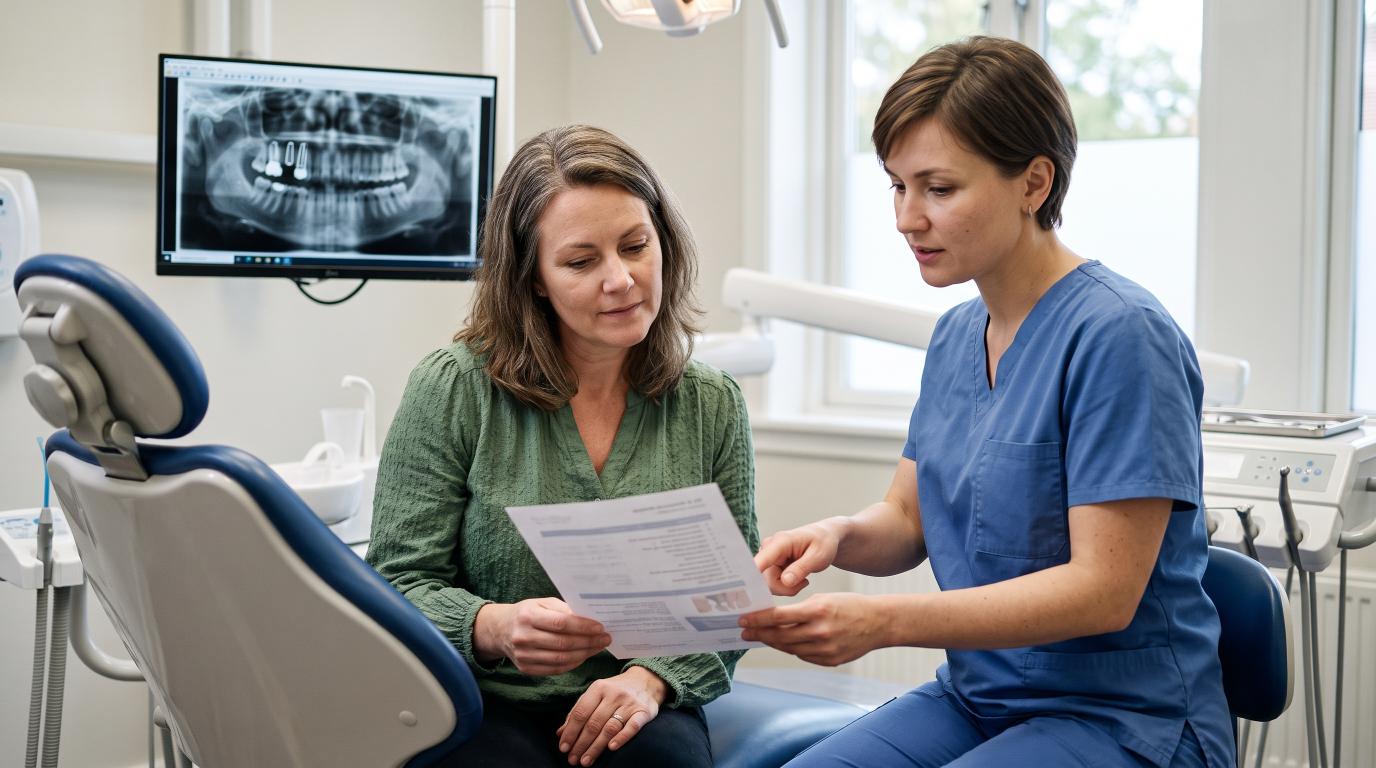
Your dentist will take X-rays, evaluate the health of the abutment teeth, assess your bite, and discuss your options. This is the stage where the type of bridge and number of pontics is determined.
Tooth Preparation
The abutment teeth are reshaped to make room for the crowns that will anchor the bridge. This involves removing a layer of enamel from each anchor tooth a permanent alteration, which is why bridge placement is an irreversible procedure.
Impressions and Temporary Bridge
Impressions or digital scans of your teeth are taken and sent to a dental lab where your custom bridge is fabricated. A temporary bridge is placed to protect the prepared teeth and maintain function during the 2 to 3 week fabrication period.
Final Placement
Once the permanent bridge is ready, your dentist checks the fit, bite, and appearance before permanently cementing it into place. Minor adjustments may be made to ensure proper alignment and comfort.
Cost of Dental Bridges for Multiple Teeth
The cost of a dental bridge for multiple missing teeth varies based on several factors:
- Number of missing teeth: More pontics mean a higher total cost
- Material: Porcelain-fused-to-metal is typically less expensive than full zirconia or all-ceramic bridges, which offer superior aesthetics
- Type of bridge: Implant-supported bridges cost significantly more than traditional bridges due to the surgical component
- Geographic location: Dental costs vary widely by city and region
As a general range, a traditional 3-unit bridge typically costs between $2,500 and $6,000. Implant-supported bridges for multiple teeth can range from $5,000 to $15,000 or more depending on the number of implants required. Dental insurance may cover a portion of bridge costs, particularly for traditional options.
How Long Do Dental Bridges Last?
A well-placed dental bridge lasts an average of 10 to 15 years. With excellent oral hygiene, regular dental care, and avoiding habits that stress the bridge (like grinding or chewing very hard foods), many bridges last 20 years or longer.
Implant-supported bridges have a longer average lifespan, often 20 to 25 years or more because they don’t rely on natural tooth structure that can decay or weaken over time. The implant itself can last a lifetime with proper care, though the bridge portion may eventually need replacement.
How to Care for a Dental Bridge
Caring for a bridge requires slightly more attention than caring for natural teeth, particularly around and beneath the pontic area where food and bacteria can accumulate.
- Brush twice daily using a soft-bristle toothbrush, paying close attention to the gumline around the abutment crowns
- Use a floss threader or water flosser to clean beneath the pontic this area cannot be reached with standard floss and is a common site for plaque buildup
- Attend regular dental cleanings at least every 6 months so your dentist can monitor the bridge and the health of the surrounding teeth and gums
- Avoid chewing hard or sticky foods like ice, hard candy, or caramel that can crack or dislodge the bridge
Trusted Dental Bridge Solutions in San Tan Valley, AZ
Missing multiple teeth doesn’t just affect your smile it impacts your confidence, your health, and your daily life. At Ocotillo Trails Family Dentistry in San Tan Valley, AZ, we specialize in custom dental bridges and advanced implant-supported solutions designed to restore your smile with strength, comfort, and natural aesthetics. Don’t wait for the problem to get worse. Call today or schedule your appointment online to get a personalized treatment plan and take the first step toward a fully restored, confident smile.
Conclusion
Dental bridges are a proven and effective solution for replacing multiple missing teeth especially when those teeth are in a consecutive row. They restore your ability to chew, speak clearly, and smile with confidence, while also preventing further dental complications like shifting teeth and bite issues.
However, the number of teeth a bridge can replace is not unlimited. For smaller gaps, traditional bridges work extremely well, but for larger or more complex cases, implant-supported options often provide better long-term results. The best choice ultimately depends on your oral health, the location of missing teeth, and your long-term goals making a professional dental consultation essential before moving forward.
Frequently Asked Questions
Can a dental bridge replace 3 or 4 missing teeth in a row?
Yes, a dental bridge can typically replace 2 to 4 consecutive missing teeth. This is the most common and reliable range, as long as the supporting teeth or implants are strong enough to handle the load.
What happens if I have more than 4 missing teeth?
If you are missing more than 4 teeth in a row, a traditional bridge may not be strong enough. In such cases, dentists usually recommend an implant-supported bridge or partial denture for better stability and long-term success.
Is a dental bridge better than implants for multiple missing teeth?
It depends on your situation. Dental bridges are faster and more affordable upfront, while dental implants last longer, preserve jawbone, and don’t affect neighboring teeth. Implants are generally the better long-term solution.
How long does a dental bridge for multiple teeth last?
A dental bridge typically lasts 10 to 15 years, but with proper care, it can last 20 years or more. Implant-supported bridges often last even longer due to their added stability.
Can dental bridges replace non-adjacent missing teeth?
No, dental bridges are designed for consecutive missing teeth only. If your missing teeth are in different areas, you may need multiple bridges, implants, or a partial denture.