








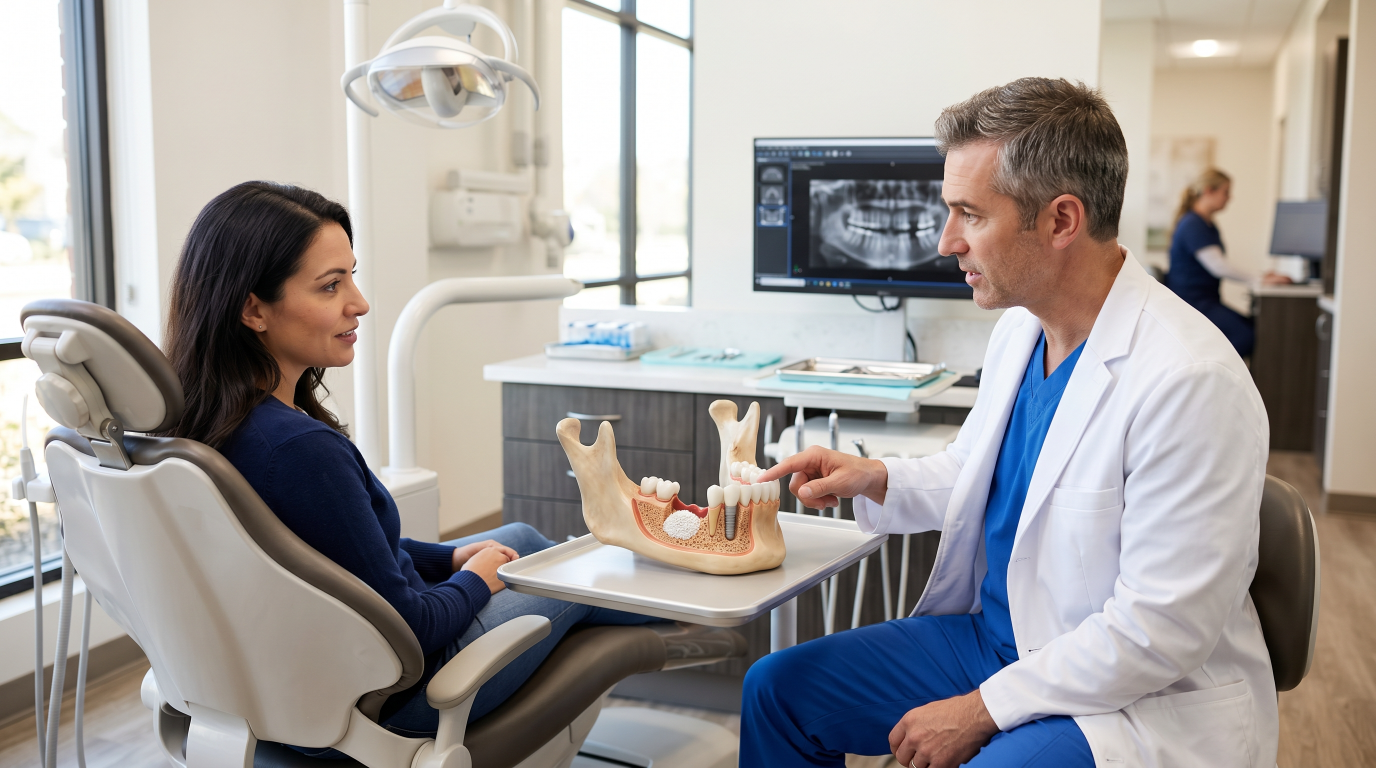
A dental bone graft is a procedure that helps rebuild bone in your jaw. Dentists use natural or man-made bone material to replace bone that has been lost. The graft supports new bone growth and helps your jaw become stronger. Bone grafts are often needed before dental implants or when bone loss affects your oral health. Most people start to heal within a week, but the bone can take several months to fully heal.
Whether you are searching for answers after a dentist visit in San Tan Valley, AZ or just trying to understand what this procedure involves, you are in the right place. At Ocotillo Trails Dentistry, we help patients through every step of the bone grafting process, from the first consultation to the final implant placement. By the end, you will know exactly what to expect and what questions to ask your dentist.
What Is a Dental Bone Graft?
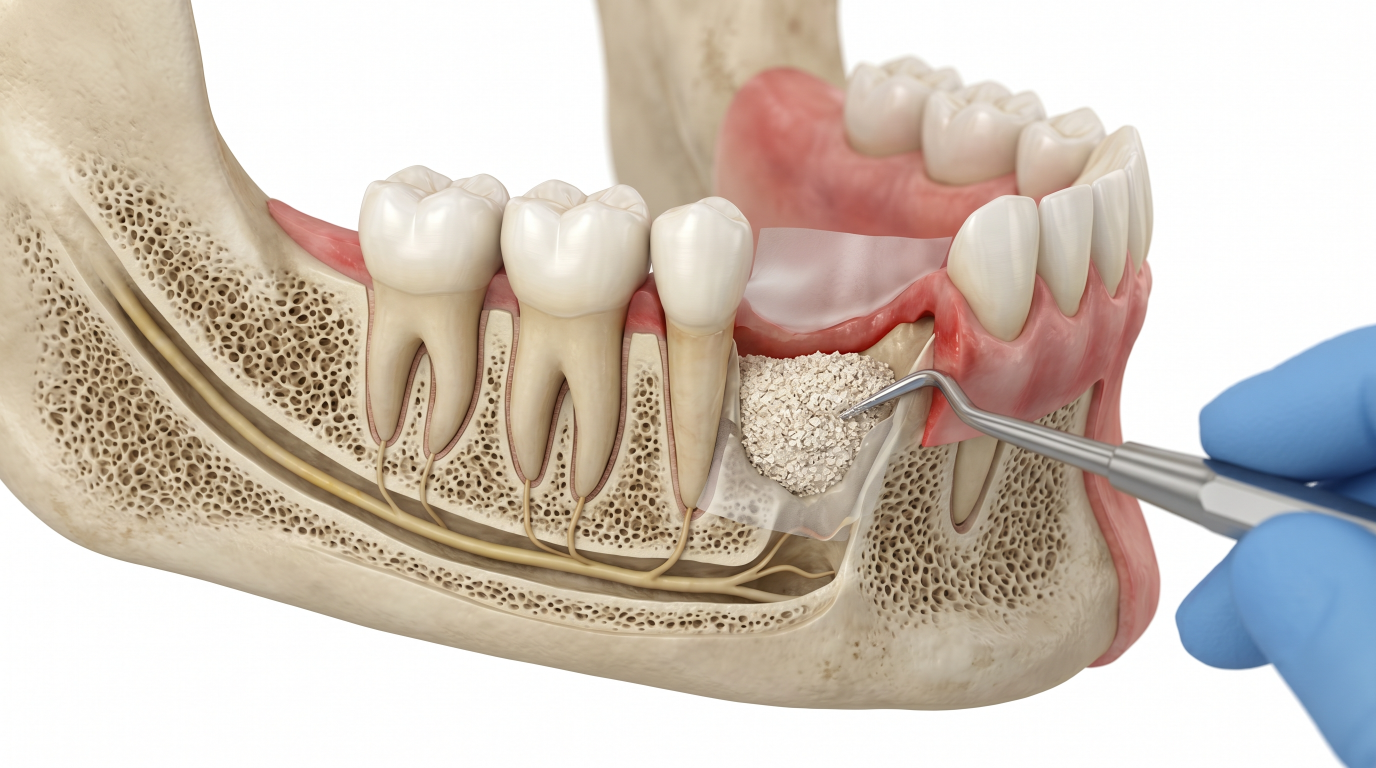
A dental bone graft is a procedure where bone material is placed into an area of your jaw that has lost volume or density. This is done to rebuild the jawbone so it can properly support dental implants, hold surrounding teeth in place, and maintain the natural shape of your face. The graft material acts as a scaffold, and over time your body replaces it with its own living bone.
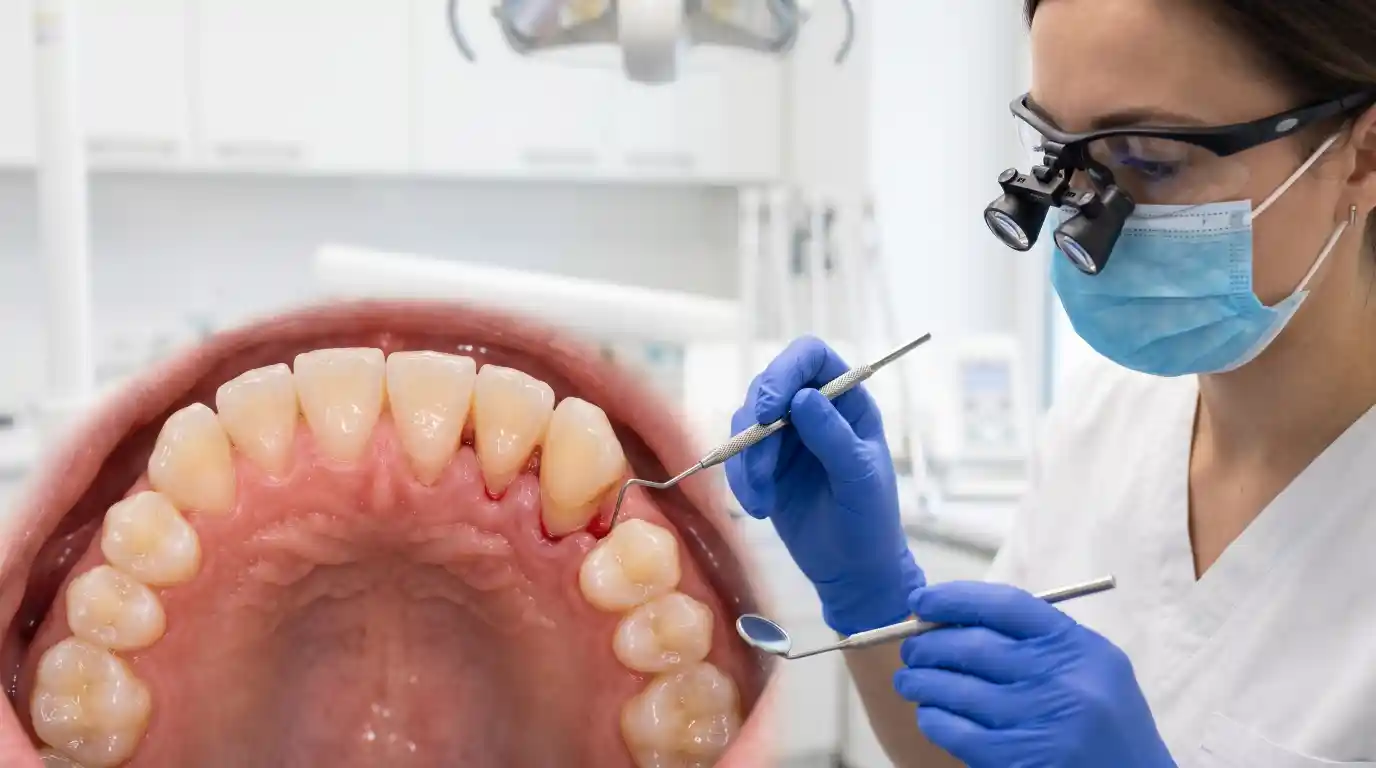
Bone loss in the jaw usually happens after a tooth is removed, due to gum disease, or from a facial injury. When a tooth is missing, the jawbone in that area stops receiving stimulation and begins to shrink. A bone graft stops that shrinkage, encourages new bone growth, and gives your jaw the strength it needs for future dental treatment like implants.
Why Would You Need a Dental Bone Graft?
You might need a dental bone graft if your jawbone has lost volume or density and can no longer support dental work on its own. The most common reason is preparing for a dental implant. If there is not enough bone to hold the implant securely, the procedure will fail.
Other reasons include bone loss after a tooth extraction, damage caused by advanced gum disease, or a facial injury that left empty spaces in the jaw. If a tooth is removed and nothing is done to fill that socket, the bone in that area can shrink by up to 40 to 60 percent within just six months.
Signs You May Need a Dental Bone Graft
Some warning signs to pay attention to include loose adult teeth that were not always loose, difficulty chewing or biting without pain, gums that look like they are pulling away from the teeth, visible changes in how your face looks around your cheeks or chin, and dentures that no longer fit comfortably even though they used to. If your dentist has told you that you are not a candidate for dental implants due to insufficient bone, that is another strong signal that a bone graft evaluation is worth having.
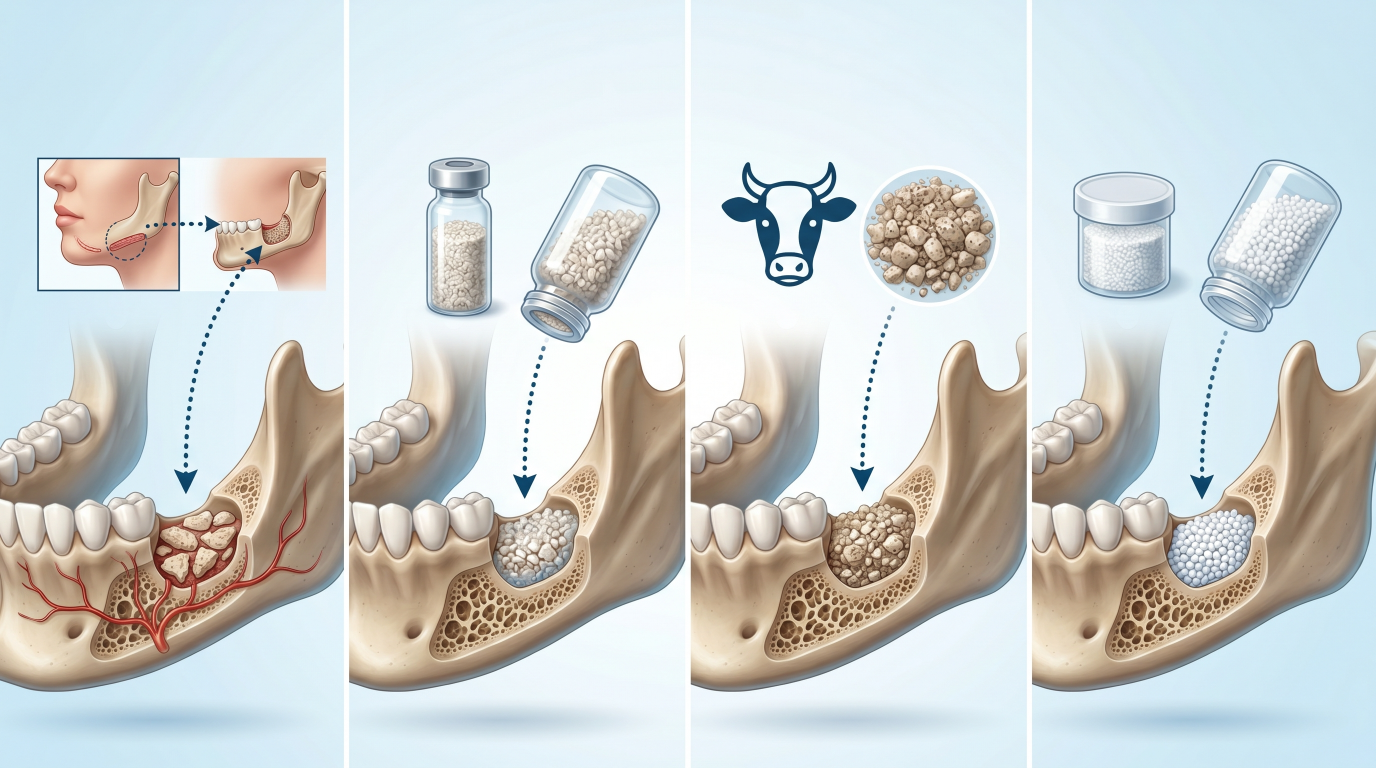
Types of Dental Bone Grafts
There is no single graft material that works best for everyone. Your dentist or oral surgeon will recommend a type based on where the bone loss is, how much volume needs to be rebuilt, and your overall health history.
Autograft (Your Own Bone)
An autograft uses bone harvested from another part of your own body. Common donor sites include the back of the jaw, the chin, the hip, or the shin. Because it is your own living bone with your own cells, the body accepts it very well and healing is typically strong. The downside is that it requires two surgical sites, which means more recovery and a slightly longer procedure.
Allograft (Donor Bone)
An allograft uses bone from a human donor, processed and sterilized in a tissue bank. This eliminates the need for a second surgical site on your own body. Allografts are widely used and have a strong safety record. The donated bone is treated so there is no risk of disease transmission, and it works well as a scaffold for your body’s own bone cells to grow into.
Xenograft (Animal Bone)
A xenograft uses bone from an animal source, most commonly a cow. The material is cleaned and processed to remove all organic components, leaving only a mineral scaffold that your body can gradually replace with its own bone. Xenografts are very commonly used for socket preservation after tooth extraction and have a solid history of clinical success.
Synthetic Bone Grafts
Synthetic grafts are lab-made materials designed to mimic the structure of natural bone. They are entirely man-made, which appeals to some patients who prefer not to use human or animal donor material. While they can work well for smaller grafts, they may not perform as predictably in larger reconstruction cases.
Which Type Is Best for Dental Implants?
For most standard implant preparation cases, allografts and xenografts are the most commonly used materials because they are readily available, predictable, and eliminate additional surgery on your body. Your oral surgeon will give you a clear recommendation based on your specific X-rays and bone volume measurements.
What Happens During a Dental Bone Graft Procedure?
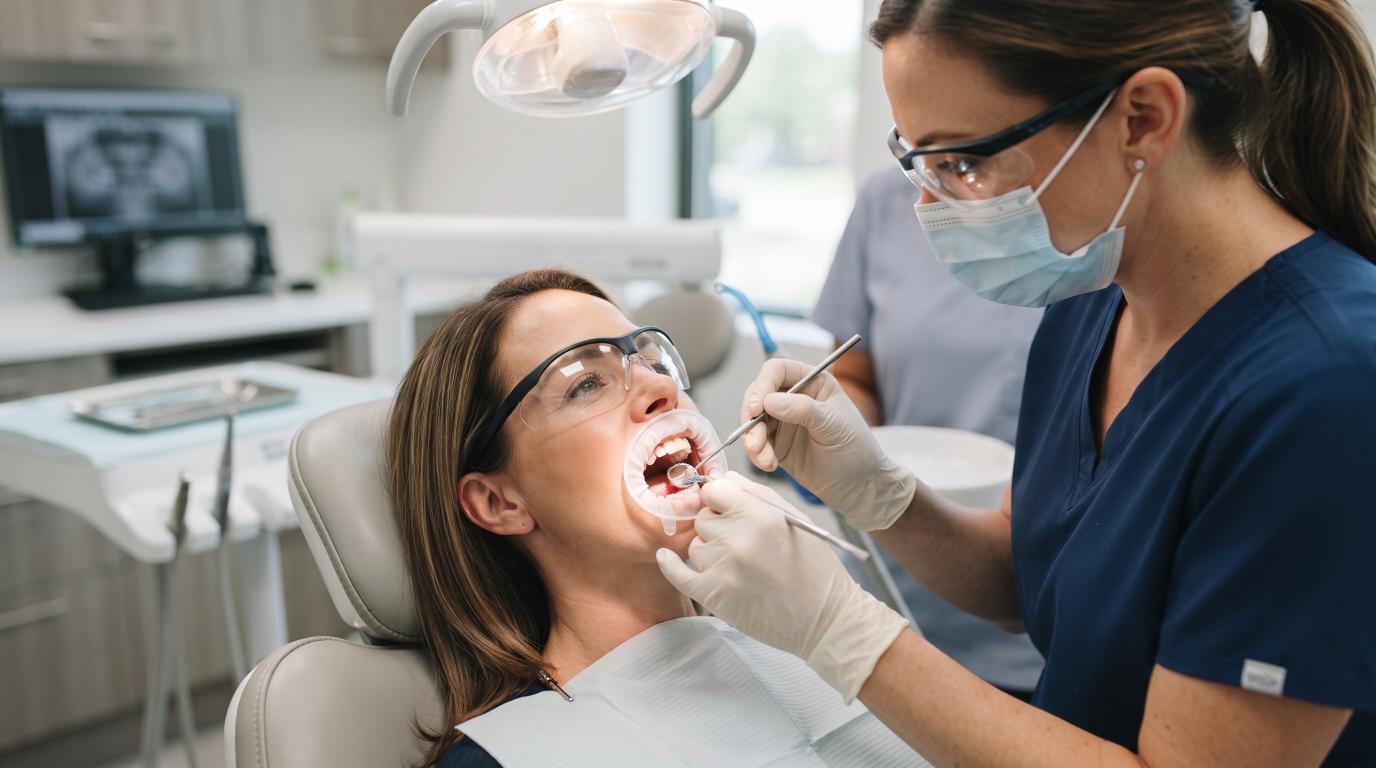
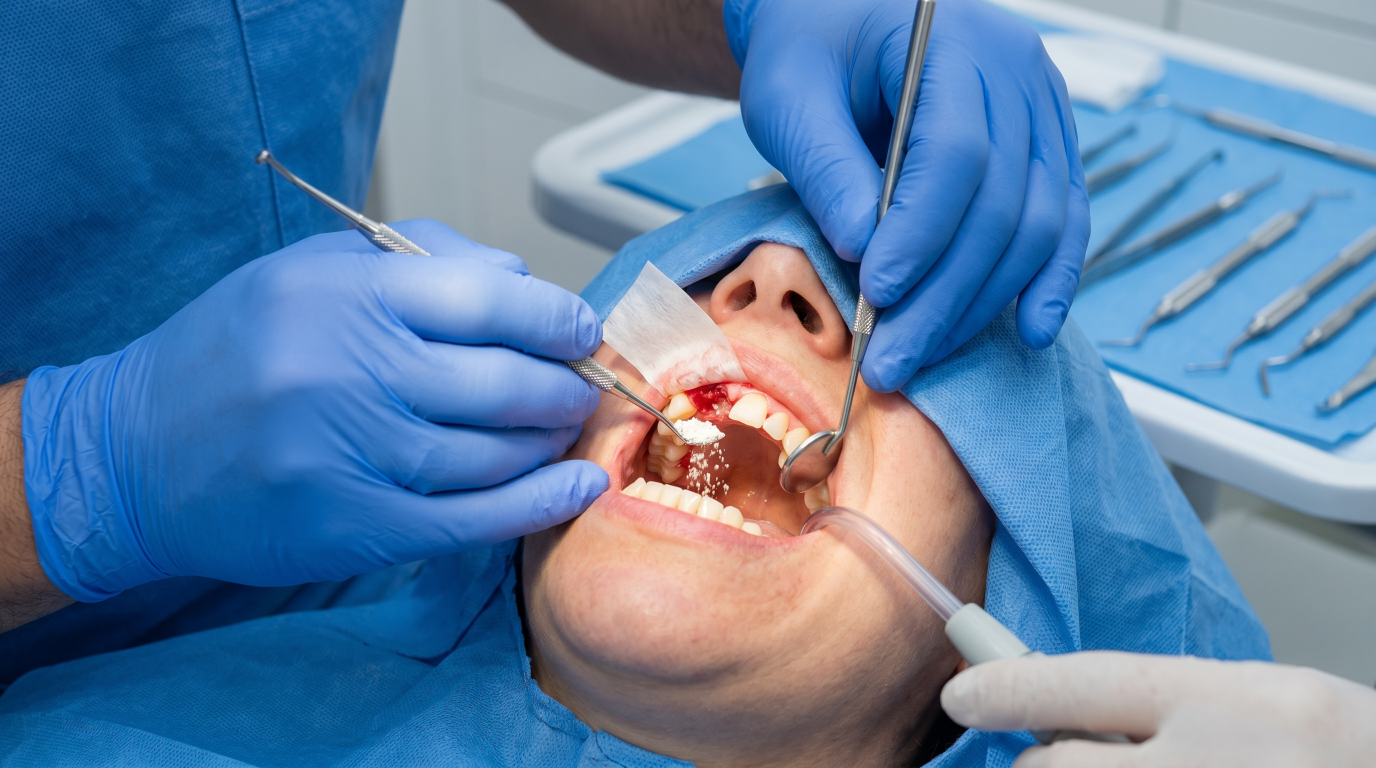
On the day of the procedure, your dentist will numb the area with local anesthesia so you do not feel any pain. If you are nervous, sedation is also available. Once the area is numb, a small cut is made in the gum to expose the bone underneath. The graft material is then packed into the area where bone is missing and a protective membrane is placed over it before the gum is stitched closed.
The whole procedure is usually done in under an hour for a simple graft, though larger cases can take a bit longer. After the surgery, your body slowly replaces the graft material with its own real bone over the following months. Most patients are surprised by how straightforward the experience is compared to what they expected going in.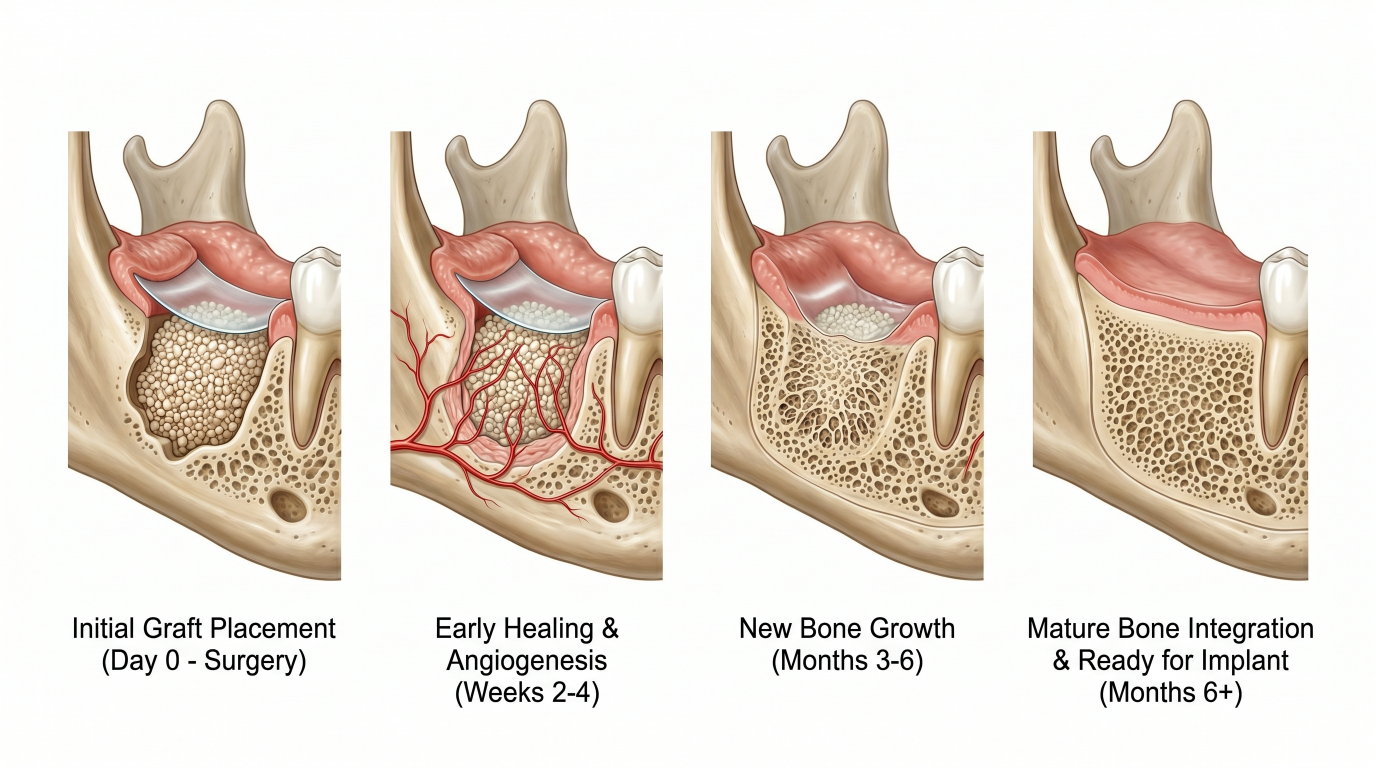
Dental Bone Graft Healing Stages
Learn what happens during each stage of dental bone graft healing, from the first few days after surgery to full bone growth and recovery.
First 24 Hours After Surgery
This is when swelling and discomfort are at their highest. You will likely feel sore around the surgical site and may notice some minor bleeding. Your dentist will send you home with gauze, a prescription or recommendation for pain medication, and instructions to keep the area clean without disturbing the graft.
The First Week of Recovery
Swelling usually peaks around day two or three and then gradually goes down. Most patients can manage discomfort with over-the-counter pain relief by days four and five. You will eat soft foods during this period and avoid anything hot, hard, or chewy that could put pressure on the graft site.
Bone Integration and Growth
Over the following weeks and months, your body begins replacing the graft scaffold with its own living bone cells. This is the longest part of the process. You will not feel this happening, but it is the most critical phase. Your jaw is quietly rebuilding itself from the inside.
When the Jawbone Becomes Strong Enough for Implants
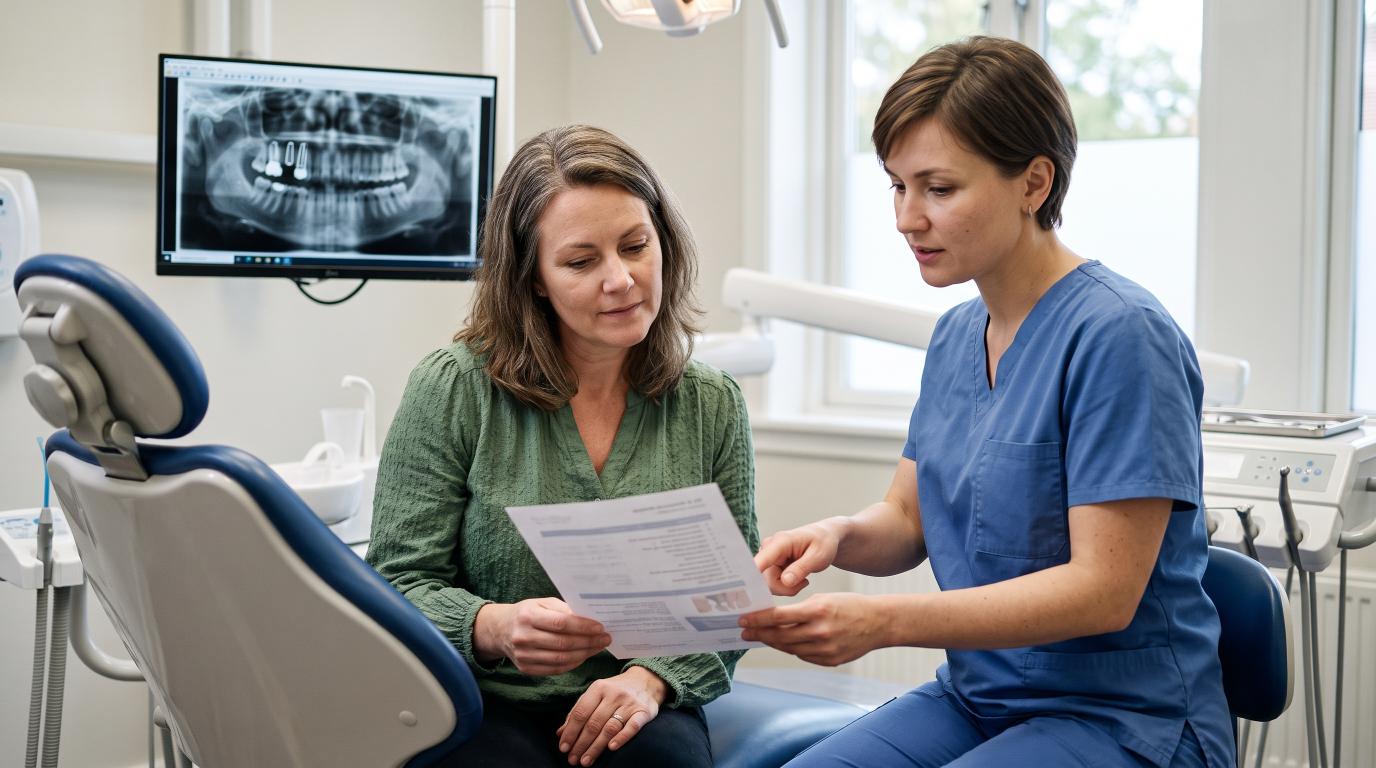
Your dentist will monitor healing with follow-up X-rays. Once the bone appears mature and stable on imaging, and there is enough volume to support an implant, you will be cleared for the next step. This typically happens after three to six months, though larger grafts may require more time.
How Long Does a Dental Bone Graft Take to Heal?
Healing from a dental bone graft typically takes three to six months, depending on the size of the graft and where it is located. A simple socket graft heals faster, while larger reconstruction cases take more time before an implant can be placed. Your overall health plays a big role in recovery speed. Smoking, uncontrolled diabetes, and poor nutrition can all slow the healing process down. Follow your dentist’s instructions carefully and your jaw will rebuild itself on schedule.
Is a Dental Bone Graft Painful?
The procedure itself is not painful because the area is fully numbed with local anesthesia before anything begins. After surgery, some soreness and mild swelling are normal for a few days, but most patients manage it easily with over-the-counter pain relief like ibuprofen. If your dentist prescribes stronger medication, it is usually only needed for the first two or three days. Most people find it far less uncomfortable than they expected.
Dental Bone Graft Cost
The cost of a dental bone graft depends on several factors including the type of graft, the size of the area being treated, and the experience of your provider. A simple socket graft after a tooth extraction is generally the most affordable, while larger reconstruction procedures and sinus lifts cost significantly more.
Some dental insurance plans cover part of the cost when the graft is medically necessary, such as before an implant or after gum disease treatment. Many dental offices also offer financing options so you can spread the payments over time rather than paying everything at once.
Dental Bone Graft Aftercare Tips
Here are the key aftercare tips to follow after a dental bone graft:
- Eat soft foods like yogurt, soup, and mashed potatoes for at least two weeks
- Avoid hot beverages and hard, crunchy, or chewy foods
- Do not use a straw as the suction can disturb the graft
- Brush your other teeth gently but avoid the surgical site for the first week
- Use any special rinse your dentist prescribes to keep the area clean
- Do not smoke as it significantly increases the risk of graft failure
- Avoid heavy physical activity for the first few days
- Attend all follow-up appointments so your dentist can monitor healing
- Report any increasing pain, swelling, or bad taste in your mouth to your dentist right away
Can You Get Dental Implants Without a Bone Graft?
Not everyone needs a bone graft before getting implants. If you are getting an implant placed shortly after an extraction and there is still good bone volume at the site, a graft may not be necessary at all. There are also alternative implant options for patients with significant bone loss who prefer not to go through a grafting procedure. Zygomatic implants, for example, are extra-long implants that anchor into the cheekbone rather than the upper jaw, bypassing the need for a sinus lift or graft entirely. All-on-4 implant techniques are also designed to work with less bone by placing implants at specific angles to maximize existing bone contact.
Benefits of Dental Bone Grafting
When people go through a bone graft, they are not just doing it for an implant. They are making an investment in the long-term health of their mouth and face. A bone graft stops the progressive shrinkage that would otherwise continue and worsen over time. It maintains the height and width of the jaw in a way that keeps your face looking natural rather than sunken. It creates a stable foundation that gives dental implants the best possible chance of lasting for decades. And it supports the surrounding teeth by keeping the bone they rely on from deteriorating further.
These are not small things. For many patients, a bone graft is what makes the difference between a smile that is functional and healthy for life versus one that continues to break down year after year.
Ready to Find Out If You Need a Dental Bone Graft?
At Ocotillo Trails Family Dentistry in San Tan Valley, AZ or the surrounding area and have been told you may need a bone graft, do not wait. The sooner you get evaluated, the more treatment options you have. Our experienced team will review your X-rays, explain exactly what your jaw needs, and walk you through every step with no pressure and no confusion. Book your consultation today and take the first step toward a stronger, healthier smile.
Conclusion
If your dentist has recommended a bone graft, it means they are taking the long-term health of your smile seriously. Bone loss in the jaw does not stop on its own, and addressing it early makes the next steps, whether that is implants, bridgework, or simply preserving the teeth you have, far more successful. The procedure is safer, more routine, and less uncomfortable than most patients expect. The recovery is manageable. And the payoff, a jaw strong enough to support a healthy, functional smile for years to come, is worth the process.
Frequently Asked Questions
How long does a dental bone graft last?
Once a bone graft fully integrates and matures, the new bone that forms is your own bone and it is permanent. It will not dissolve or wear away on its own. With proper dental care and a successfully placed implant, the results can last a lifetime.
Can a bone graft fail?
Failure is possible but not common. Signs of a failing graft include increasing pain, swelling that worsens rather than improves, or the graft material becoming loose or visibly expelled from the site. Smoking is the number one preventable cause of graft failure. If a graft fails, most patients can have the site cleaned and a second graft placed successfully.
Can I return to work after the procedure?
Most patients take one to three days off work after a bone graft. If your job involves heavy physical labor, your dentist may recommend a week of light duty. Office workers and those in sedentary roles often return to work the next day or after a day of rest.
What foods should I avoid?
Avoid crunchy, hard, chewy, or sticky foods for at least two weeks. Also avoid hot beverages, alcohol, and straws during the early healing phase. When in doubt, choose soft foods that do not require chewing.
Are dental bone grafts safe?
Dental bone grafting has been performed for decades and has an excellent safety record. The materials used are highly regulated and extensively tested. The risks exist, as they do with any surgical procedure, but they are manageable and relatively rare when the procedure is performed by a qualified provider.