










Cavities, also called tooth decay, are one of the most common health problems in children. In the United States, more than half of kids have had at least one cavity by age 8. The fastest way to avoid cavities in children is to brush twice a day with fluoride toothpaste, limit sugary snacks and drinks, and visit the dentist every six months for checkups, fluoride treatments, and sealants.
Tooth decay happens when bacteria in a child’s mouth feed on sugar and produce acid, and that acid slowly eats through the enamel. What actually matters more than how much sugar your child eats is how often. Every sugary bite or sip triggers roughly 20 minutes of acid attack on the teeth, so a child who sips juice for two hours does far more damage than a child who eats one piece of candy and stops.
If left untreated, cavities can cause pain, infection, and problems with eating, speaking, and learning, and they can even affect how permanent teeth come in later. The good news is that cavities are almost entirely preventable with a few consistent daily habits. If you are a parent near San Tan Valley looking for a dental team who treats kids gently and makes prevention simple, Ocotillo Trails Family Dentistry is here to help.
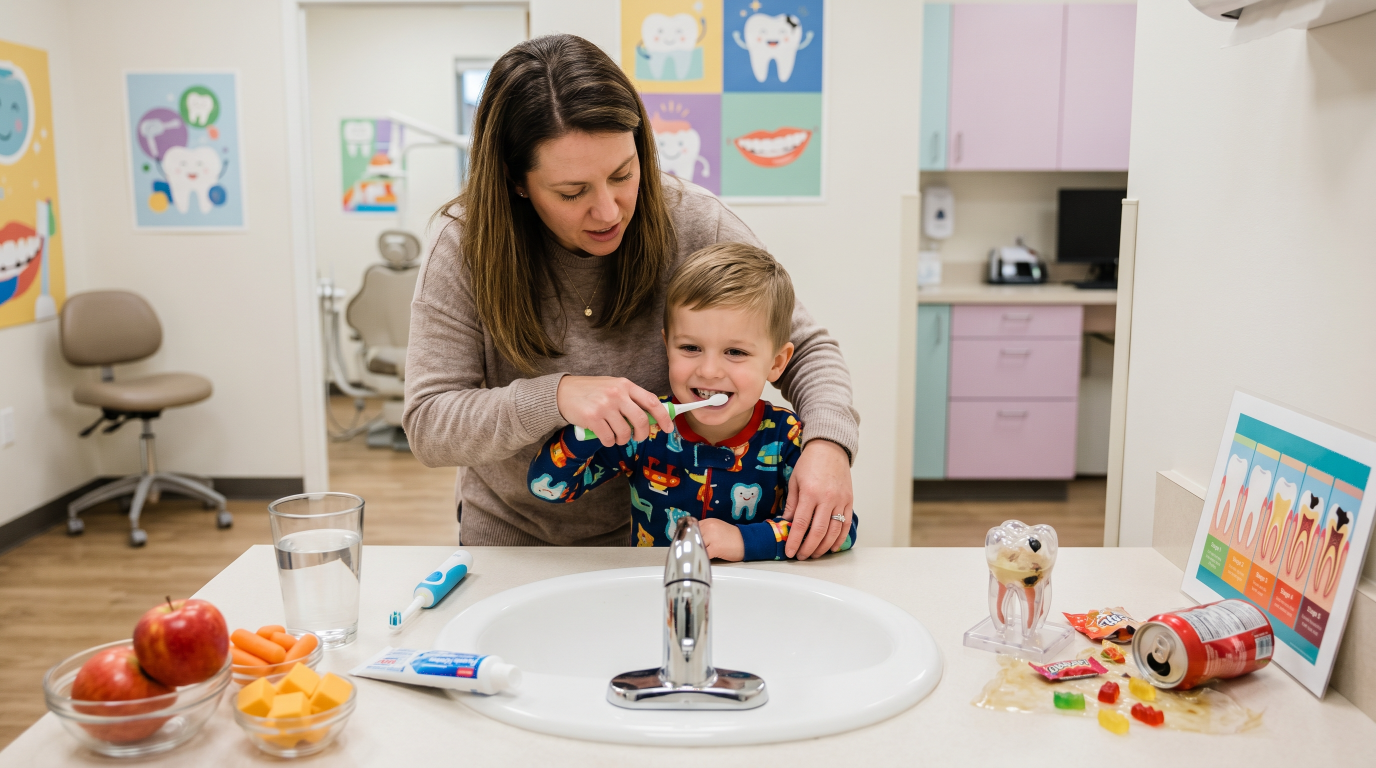
What Causes Cavities in Children?
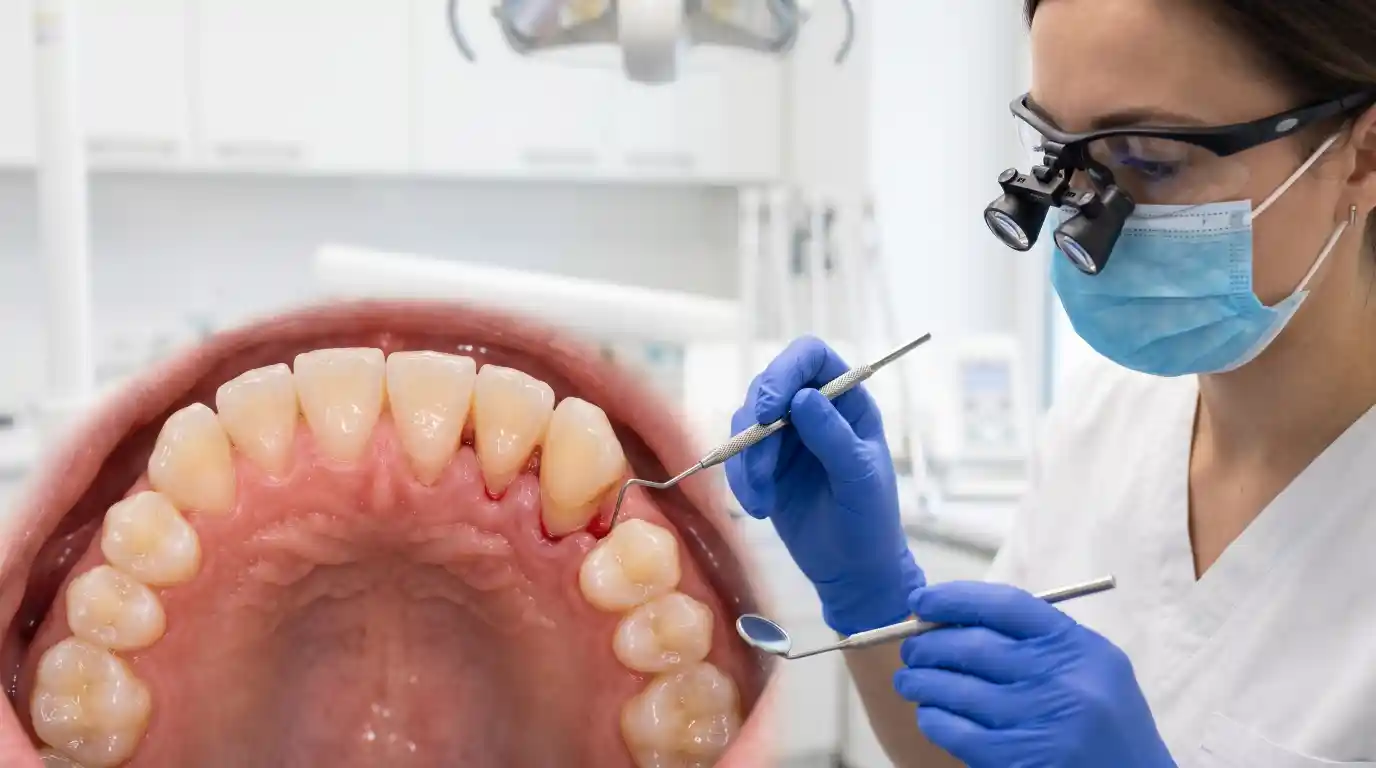
Cavities are caused by bacteria that live in your child’s mouth. When your child eats or drinks something sugary, these bacteria feed on the sugar and produce acid. That acid slowly attacks the outer layer of the tooth and creates a small hole, which is a cavity.
The more often your child snacks or drinks sugary drinks, the more damage happens. Without regular brushing and flossing, plaque builds up and makes things worse over time.
Why Children Are More Likely to Get Cavities
Children’s teeth are softer and more vulnerable than adult teeth. Their enamel is thinner, and they often do not brush or floss as well as adults. Young children also tend to eat more sugary snacks and drinks, and many go to bed with milk or juice, which leaves sugar sitting on their teeth all night.
There is also a simple science reason kids get more cavities than adults. A child’s tooth enamel, the hard outer layer that protects teeth, is about half as thick as an adult’s. That thinner layer wears down faster and gives acid less distance to travel before it reaches the softer part of the tooth. This is one more reason why fluoride and good brushing habits matter so much in the early years.
Common Causes of Cavities in Kids
- Sugary snacks and drinks like candy, soda, and fruit juice
- Poor brushing habits or not brushing long enough
- Skipping dental checkups
- Frequent snacking throughout the day without rinsing or brushing
Why Preventing Cavities Early Is Important
Preventing cavities early saves your child from pain and future dental problems. Untreated tooth decay can affect eating, sleeping, speaking, and overall health. Baby teeth also hold space for permanent teeth, making early prevention especially important.
- Pain and tooth sensitivity
- Trouble eating
- Sleep disruptions
- Serious infections
- Problems with adult teeth development
Simple Ways to Avoid Cavities in Children
If you are wondering how to avoid cavities in children, these simple daily habits can make a big difference in protecting their teeth and gums.

Brush Teeth Twice a Day
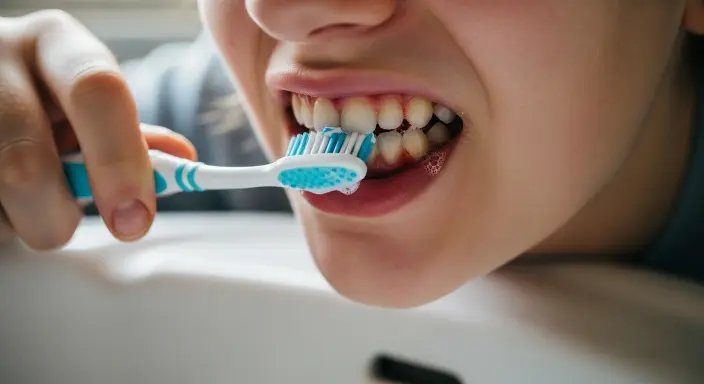
Brushing is the most important thing you can do to prevent cavities. Use a soft-bristled toothbrush and fluoride toothpaste to brush your child’s teeth for two full minutes, morning and night. For children 3 and older, use a pea-sized amount. Help younger children brush properly until around age 8, when they have the coordination to do it well on their own.
Teach Proper Flossing Habits
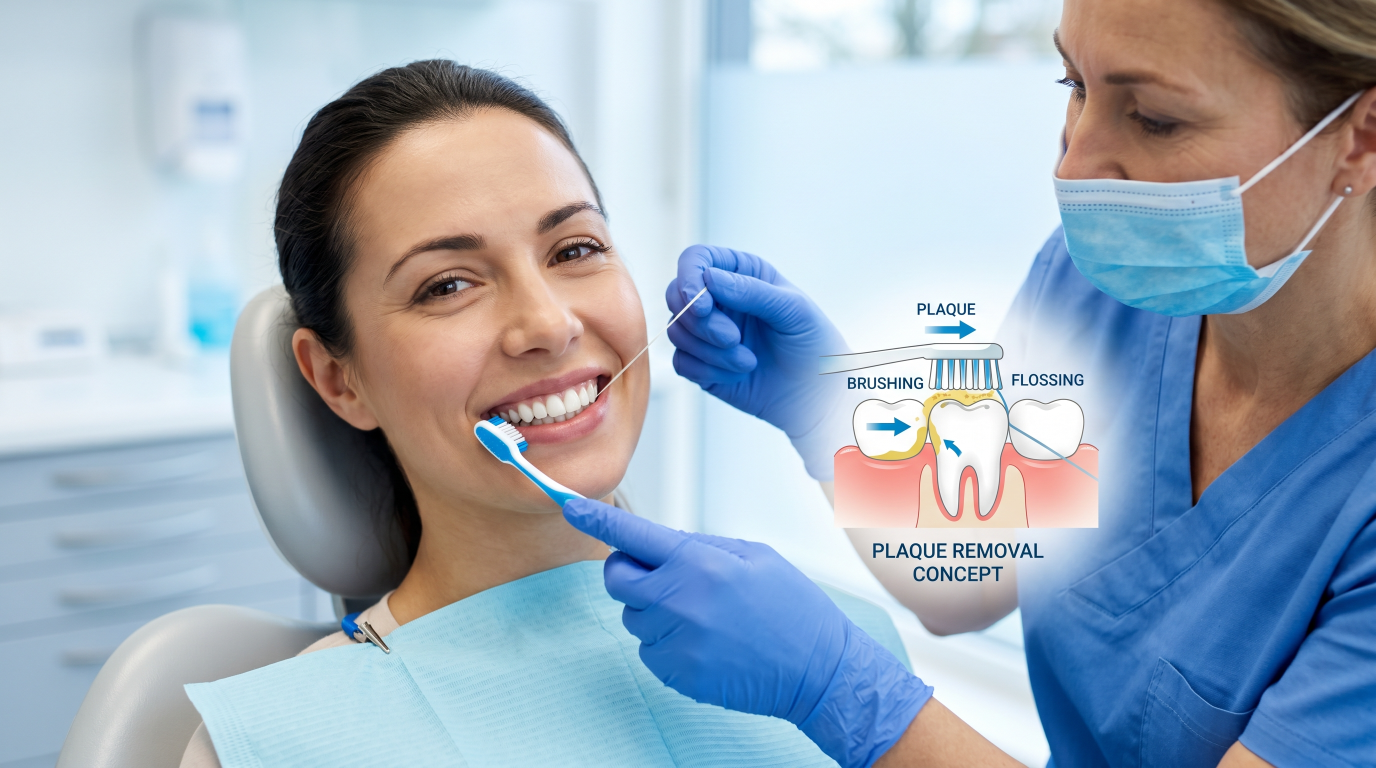
Brushing cleans the surfaces of teeth, but it cannot reach the spaces between them. That is where flossing comes in. Food and bacteria that get stuck between teeth can cause cavities too. For younger children, floss sticks are much easier to use than regular floss. Make it part of the nightly routine so it becomes a natural habit.
Flossing matters most once your child’s teeth start touching each other. That tight space between two teeth is where a toothbrush cannot reach, and it is one of the most common spots for a cavity to start. Once you notice your child’s teeth touching, usually around age 2 to 3, it is time to start flossing daily, even if it is just one or two teeth at first.
Limit Sugary Foods and Drinks
Sugar is the main fuel for the bacteria that cause cavities. The more sugar your child eats, the more acid is produced and the higher the risk of tooth decay. Limit candy, soda, sports drinks, and sticky snacks like gummy bears or fruit roll-ups. Watch out for hidden sugars in packaged juices, flavored yogurts, and breakfast cereals. Better snack choices include cheese, fresh fruit, vegetables, and nuts.
It is not just how much sugar your child eats that matters, it is how often. Every time your child eats or drinks something sugary, the bacteria in their mouth start making acid, and that acid attacks the teeth for about 20 minutes. So a child who eats one cookie after dinner gives their teeth one short acid attack. A child who sips a juice box slowly over two hours keeps that acid attack going almost the whole time. This is why snacking or sipping sugary drinks throughout the day is often worse for teeth than eating a treat all at once.

The Role of Fluoride in Preventing Cavities
Fluoride helps strengthen tooth enamel and makes teeth more resistant to acid attacks that cause cavities. Children should brush with fluoride toothpaste every day and drink fluoridated water when available. Dentists may also recommend professional fluoride treatments for children who are at a higher risk of tooth decay.
Fluoride varnish is another simple tool dentists use. It is a fast, painless coating brushed onto your child’s teeth at checkups, and it can prevent about one third of cavities in baby teeth. Some parents worry that too much fluoride is harmful, but this fear is usually about a condition called fluorosis, which causes faint white spots on teeth.
Schedule Regular Dental Checkups
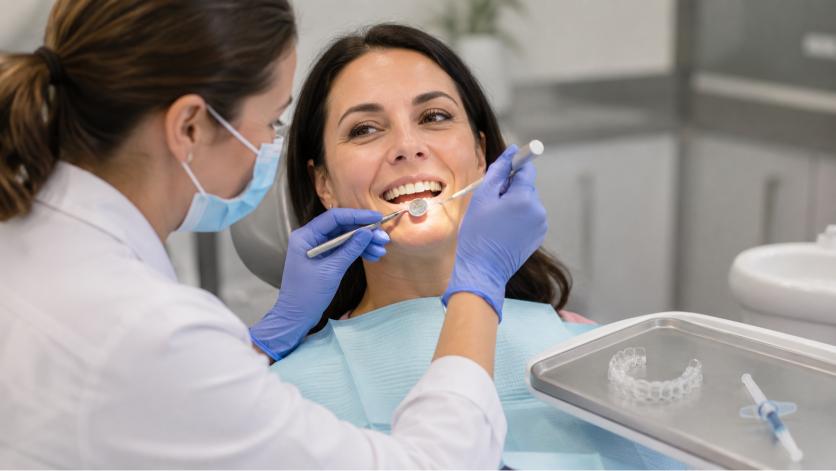
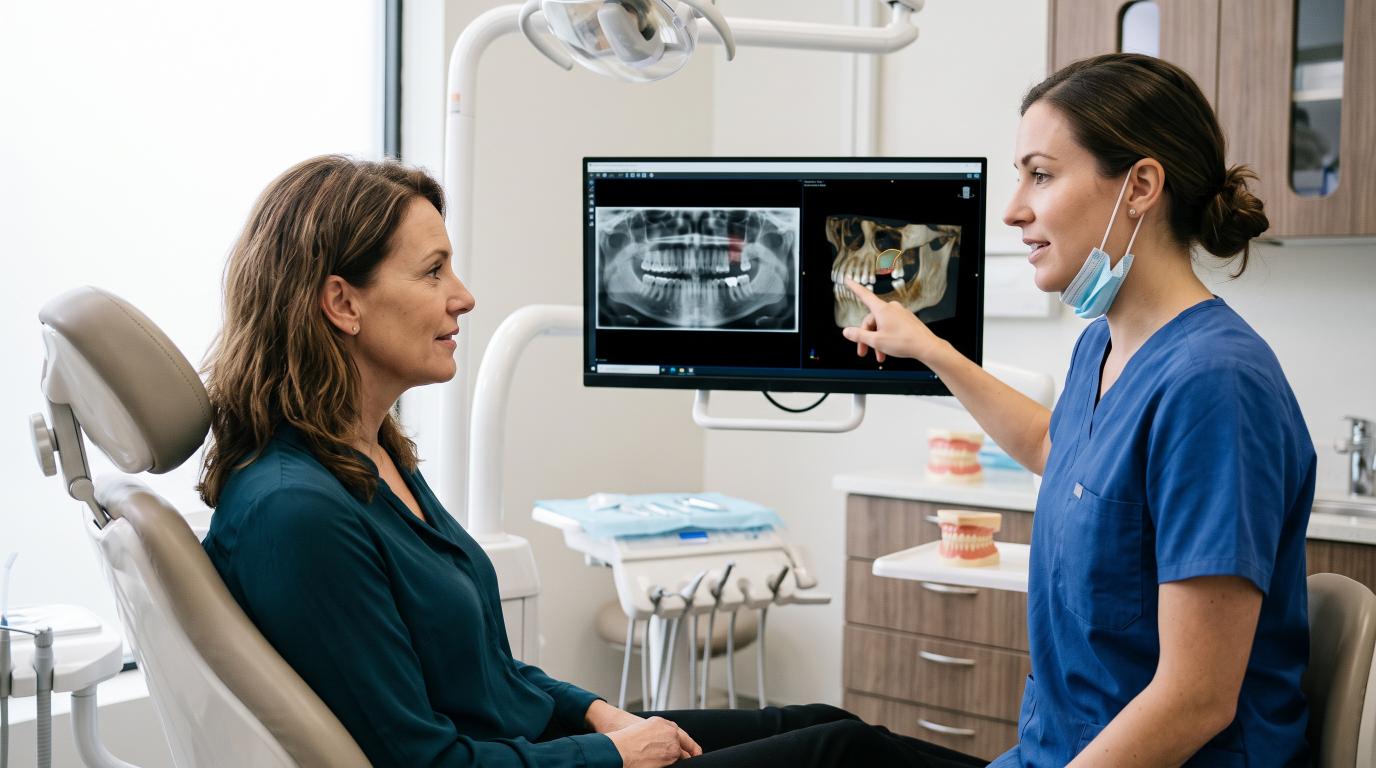
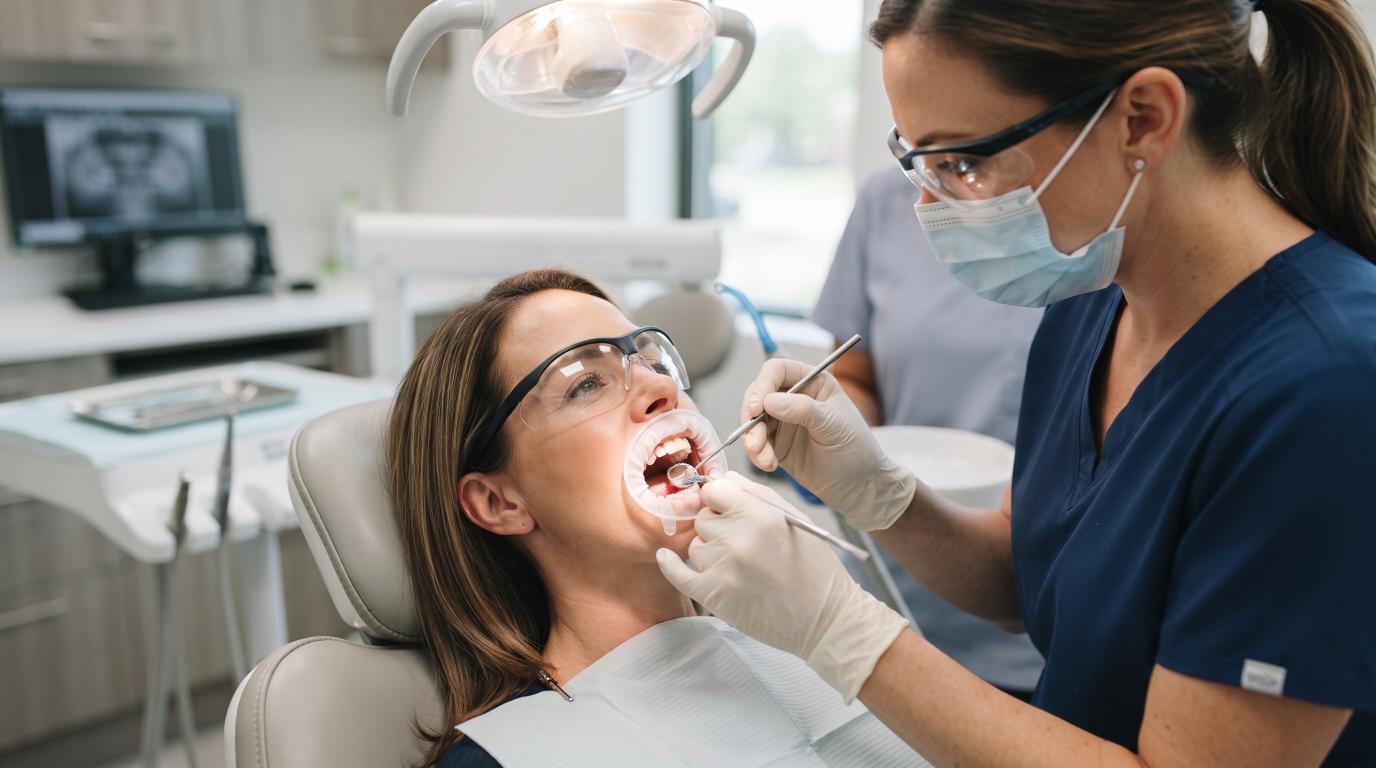
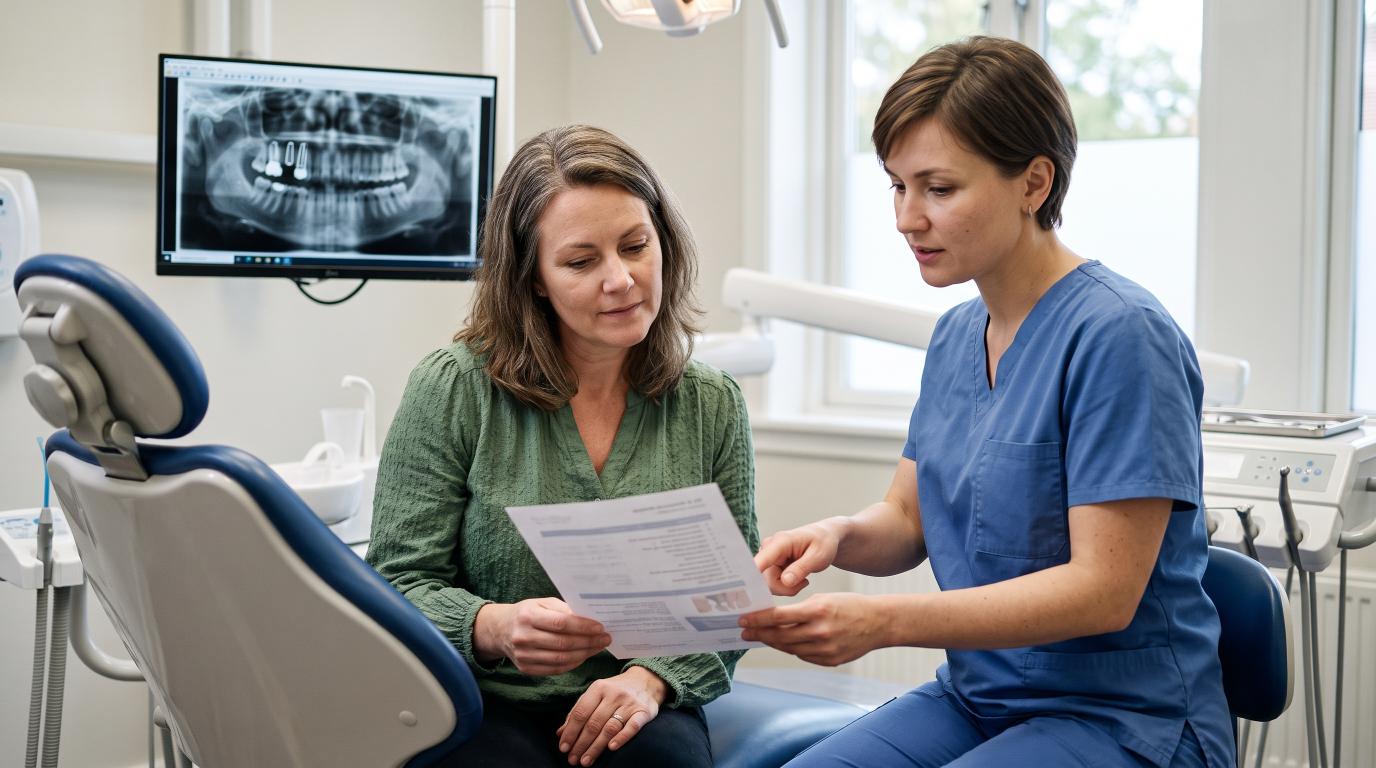
Professional dental visits are a key part of cavity prevention. A dentist can spot early signs of tooth decay before they turn into full cavities, remove tartar that brushing cannot, and apply fluoride treatments to strengthen your child’s teeth. Children should have their first dental visit by age 1 or within 6 months of their first tooth coming in. After that, most children need a checkup every 6 months.
For children who already have early tooth decay, dentists sometimes use a treatment called silver diamine fluoride. It is brushed directly onto a cavity to stop it from getting worse, without any drilling or numbing. It will not fix the tooth completely, but it can buy time and comfort for a young child until a bigger treatment is needed, or in some cases stop the decay for good.
Protect Teeth with Dental Sealants
Dental sealants are a thin protective coating painted onto the chewing surfaces of the back teeth, where most cavities in children form. The sealant fills in the grooves of the teeth and creates a barrier against bacteria and food particles. The Centers for Disease Control and Prevention backs this up too, reporting that sealants can prevent up to 80 percent of cavities in the back teeth for years after they are placed. They are quick, painless, and can last several years.
Replace Toothbrushes Regularly
Replace your child’s toothbrush every 3 months, or sooner if the bristles look frayed or flattened. Also replace it after your child has been sick. When choosing a toothbrush, look for one with soft bristles and a small head that fits comfortably in your child’s mouth. Electric toothbrushes can be introduced around age 3 or 4 and often do a better job of removing plaque.
Foods and Drinks That Increase Cavity Risk
Some foods and drinks are much harder on your child’s teeth than others. Sticky candies like gummies and caramels are some of the worst because they cling to teeth for a long time and give bacteria more time to produce acid. Even sugary breakfast cereals and packaged snacks that seem harmless can cause real damage when eaten every day.
Fruit juice is another one that surprises many parents. Even 100% natural fruit juice contains a lot of sugar and can be just as harmful as soda when kids sip on it throughout the day. The key is not to completely ban treats, but to limit them and never let your child go to bed after having something sugary.

Signs Your Child May Be Developing a Cavity
Early cavities do not always cause pain, which is why parents should watch for warning signs.
- White spots on the teeth
- Sensitivity to hot or cold foods
- Brown or dark spots
- Bad breath
- Complaints of tooth pain
Seeing a dentist early can help prevent the cavity from becoming more serious.
How Parents Can Build Healthy Dental Habits
Building healthy dental habits starts with making oral care a normal part of your family’s daily routine. Brush together as a family, set reminders for brushing time, and let your child choose their own toothbrush. Children learn by watching their parents, so leading by example can make a big difference.
- Brush together as a family.
- Set reminders for brushing time.
- Let your child choose their toothbrush.
- Lead by example.
- Make dental visits a positive experience.
- Celebrate progress and consistency.
Give Your Child the Best Start for a Healthy Smile
Your child’s dental health starts with small daily habits and the right dental team. At Ocotillo Trails Family Dentistry in San Tan Valley or the surrounding area and want to make sure your child’s teeth are healthy and cavity-free, contact us today. Our caring team specializes in pediatric dental care and makes every visit comfortable, fun, and stress-free for kids of all ages. We offer thorough checkups, professional cleanings, fluoride treatments, and dental sealants to give your child the best protection possible.
Conclusion
Knowing how to avoid cavities in children does not have to be complicated. The habits that matter most are brushing twice a day with fluoride toothpaste, flossing once the teeth touch, cutting back on sugary snacks and drinks (especially sipped slowly over time), and seeing a dentist every six months for cleanings, fluoride treatments, and sealants. Dental sealants alone can prevent up to 80 percent of cavities in the back teeth, and fluoride varnish can prevent about a third of cavities in baby teeth, so these two steps are worth prioritizing even if nothing else changes.
Parents do not need to be perfect to protect their child’s smile. Watch for early warning signs like white spots, brown spots, or sensitivity to hot and cold, since catching decay early is far easier to treat than waiting until it hurts. Every night your child brushes before bed or picks water over juice, you are building a habit that protects their teeth for life. If your child is due for a checkup or you have noticed early signs of decay, reach out to Ocotillo Trails Family Dentistry in San Tan Valley to schedule a visit.
Frequently Asked Questions
At what age should children start brushing their teeth?
You should start caring for your child’s teeth as soon as the first tooth appears, usually around 6 months of age. Use a small, soft toothbrush and a tiny smear of fluoride toothpaste. Starting early helps your child get comfortable with the routine.
How much toothpaste should kids use?
For children under 3, use a smear of fluoride toothpaste about the size of a grain of rice. For children ages 3 to 6, use a pea-sized amount. Always supervise brushing to make sure they are spitting out the toothpaste and not swallowing too much.
Are baby teeth cavities serious?
Yes, very much so. Baby teeth are important for chewing, speaking, and holding space for permanent teeth. Untreated cavities in baby teeth can cause pain, infection, and problems with how adult teeth come in later. All cavities in baby teeth should be evaluated and treated by a dentist.
How often should children visit the dentist?
Most children should visit the dentist every 6 months for a checkup and cleaning. Children who are at higher risk for cavities may need to go more often. The first visit should happen by age 1 or within 6 months of the first tooth appearing.
Can cavities in children be reversed?
Very early tooth decay, before a cavity actually forms, can sometimes be reversed with fluoride treatment and better oral hygiene. Once a cavity has formed, it cannot be reversed, but a dentist can stop it from getting worse with a filling or other treatment. This is why catching decay early matters so much.