











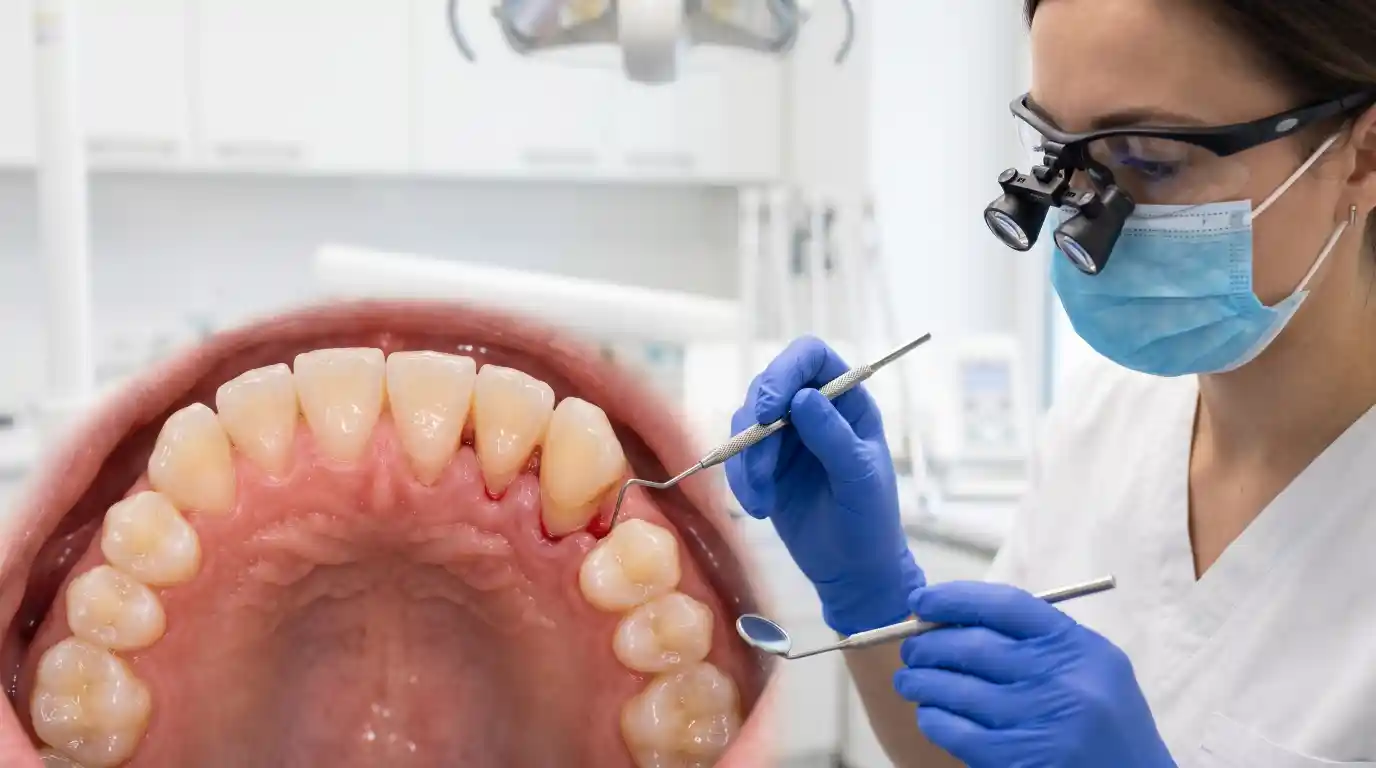




Gum disease can be influenced by genetics, but it is not solely determined by your DNA. While having a family history may increase your susceptibility, lifestyle factors such as oral hygiene, diet, smoking, and overall health play a critical role in whether you develop the condition.
If one or both of your parents have experienced gum disease, it’s important to be proactive with regular dental checkups, professional cleanings, and proper at-home oral care. Residents in San Tan Valley, AZ can work with their local dentist to develop a personalized plan for managing hereditary risk.
What Is Gum Disease?
Gum disease, or periodontal disease, is a bacterial infection affecting the tissues that support your teeth. It begins when plaque, a sticky film of bacteria, is not properly removed through regular brushing and flossing. Over time, this buildup causes inflammation, which can progress from mild, reversible gum irritation to a severe infection that damages the bone and connective tissue holding your teeth.
Gingivitis vs. Periodontitis
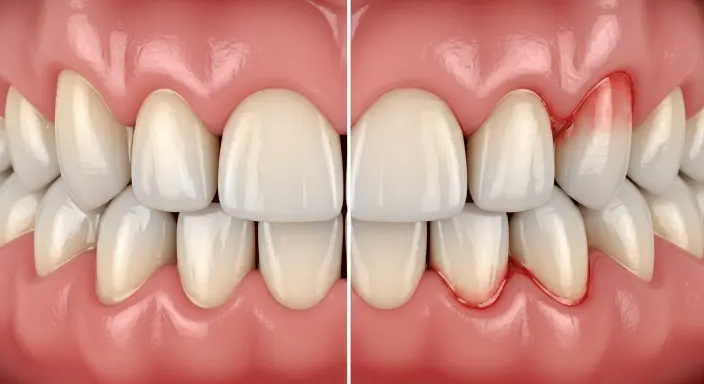
Gum disease exists on a spectrum, from mild gingivitis to advanced periodontitis.
Gingivitis: The earliest stage, limited to gum tissue, causes redness, swelling, bleeding, and mild tenderness. It is fully reversible with proper oral hygiene and professional cleaning, with no permanent damage if caught early.
Periodontitis: Develops if gingivitis is untreated, spreading below the gum line and damaging bone and connective tissue. Symptoms include gum recession, tooth sensitivity, pockets between teeth and gums, loose teeth, persistent bad breath, and in severe cases, tooth loss. Treatment is more involved, and some damage may be permanent.
Common Causes of Gum Disease
Poor oral hygiene: Plaque that hardens into tartar provides a breeding ground for bacteria.
Lifestyle factors: Smoking, high-sugar or nutrient-poor diets, and chronic stress increase risk by weakening gum health and immune response.
Systemic health conditions: Diabetes and other health issues can worsen gum disease, creating a cycle where inflammation and high blood sugar feed each other.
How Genetics Play a Role in Gum Disease
Gum disease risk is influenced by both genetics and lifestyle, making some individuals more susceptible than others. Understanding your family history can help you take proactive steps to protect your oral health and reduce future problems. Even if gum disease runs in your family, proper care and preventive measures can make a significant difference.
Can Gum Disease Be Inherited?
Research indicates that genetics can play a role in a person’s susceptibility to gum disease. Studies with twins show that identical twins are more likely to have similar patterns of gum disease compared to fraternal twins, suggesting hereditary factors influence how the body responds to oral bacteria.
Genetic variations can affect the immune system, gum tissue strength, and the body’s ability to repair damaged tissue. Family history is one of the strongest indicators of risk if your parents had gum disease or lost teeth due to periodontal problems, your own likelihood of developing the condition is higher.
Genetics vs. Lifestyle
Having a genetic predisposition to gum disease does not guarantee you will develop it. Daily habits such as brushing, flossing, a balanced diet, and regular dental visits play a major role in determining whether the disease actually occurs.
Someone with a strong genetic risk who maintains excellent oral hygiene and avoids smoking may never develop significant gum problems. Conversely, poor oral care or unhealthy habits can lead to gum disease even without hereditary risk. Genetics is just one factor, interacting with lifestyle choices to shape overall oral health.
Signs You May Be at Higher Risk
Even if you practice good oral hygiene, some people are naturally more susceptible to gum disease due to genetic factors or underlying health conditions. Being aware of your personal risk can help you take proactive steps to protect your gums and prevent serious complications.
Early Warning Signs
Gum disease often develops gradually and without pain in its early stages, making it easy to overlook. Red, swollen, or tender gums that bleed when brushing or flossing are the most common early indicators.
Persistent bad breath that doesn’t improve with brushing and gum recession, where teeth appear longer than usual, can also signal early disease. Increased tooth sensitivity, especially to hot or cold, may indicate that the condition is progressing. Noticing any of these signs should prompt a dental visit rather than waiting for your next routine checkup.
Considering Your Family History
Understanding your family history is a key step in protecting your gum health. Ask relatives if they have been diagnosed with gum disease, had deep periodontal pockets, or lost teeth due to gum problems. Sharing this information with your dentist allows for closer monitoring, early detection, and a preventive care plan. Early intervention is far more effective and less costly than treating advanced gum disease.
Preventing Gum Disease for High-Risk Individuals
Even if you are genetically predisposed, proactive steps can significantly reduce your risk of developing gum disease. Understanding your personal risk and adopting consistent preventive habits is key to maintaining healthy gums for life.
Oral Hygiene Best Practices
For those with a hereditary risk of gum disease, consistent oral hygiene is essential. Brush at least twice daily with fluoride toothpaste, using a soft-bristled or electric toothbrush, and focus on the gum line where plaque accumulates most. Daily flossing removes debris between teeth and just below the gum line areas a toothbrush cannot reach. Consistency matters more than the method; cleaning between teeth every day is the goal.
Professional cleanings every six months or more frequently for high-risk patients are crucial. Even the best home care cannot remove tartar once it forms, and only a dental hygienist can eliminate it safely.
Lifestyle Adjustments
Beyond oral hygiene, lifestyle choices play a major role in reducing gum disease risk. A balanced diet rich in fruits, vegetables, lean proteins, and whole grains supports immune function and reduces inflammation, while limiting sugar and processed foods reduces fuel for harmful oral bacteria.
Quitting smoking is one of the most impactful changes a patient can make. Smoking worsens gum disease, masks symptoms, and reduces treatment effectiveness. Managing systemic conditions like diabetes, controlling blood sugar, and reducing chronic stress through sleep, exercise, and mental health support further strengthen gum health.
Professional Monitoring
Regular dental visits are critical for high-risk patients, especially those with a family history of gum disease. Periodontal evaluations measuring pocket depth, assessing gum recession, and taking X-rays allow early detection of disease before serious damage occurs. In San Tan Valley, AZ, working with a dentist experienced in periodontal care ensures high-risk patients receive preventive monitoring.
High-risk patients may benefit from more frequent visits, every three to four months instead of the standard six, to stay ahead of potential gum problems and maintain long-term oral health.
How Gum Disease Impacts Overall Health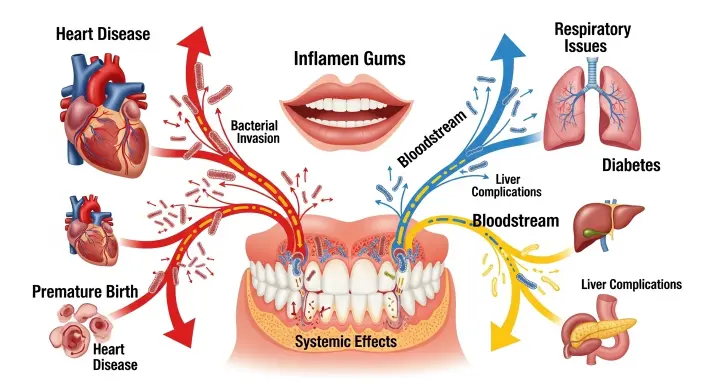
Gum disease doesn’t just affect your teeth and gums it can have far-reaching effects on your overall health. Inflammation and infection in the mouth can influence multiple systems in the body, making early detection and prevention essential. Understanding these connections helps high-risk individuals take proactive steps to protect both their oral and general health.
Links Between Gum Disease and Systemic Health
Gum disease is more than a dental issue; it can impact your overall health. Research shows strong links between periodontal disease and serious conditions such as heart disease, stroke, and diabetes. Chronic inflammation from gum disease can enter the bloodstream, contribute to arterial plaque, and make blood sugar control more difficult, increasing the risk of cardiovascular problems and worsening diabetes management.
Respiratory health can also be affected, as oral bacteria may be inhaled into the lungs or travel through the bloodstream, contributing to pneumonia or worsening existing lung conditions. This is especially concerning for elderly patients or those with weakened immune systems, highlighting the importance of early detection and consistent gum care.
Why Early Detection Matters
The systemic effects of untreated gum disease highlight the importance of early detection, particularly for individuals with a hereditary risk. Catching the disease at the gingivitis stage prevents tooth loss and reduces the risk of serious health complications caused by chronic oral infection and inflammation.
For high-risk individuals in San Tan Valley, AZ, regular dental checkups are essential. A dentist who monitors your periodontal health, considers your family history, and intervenes early can protect both your oral health and overall wellbeing.
Treatment Options for Gum Disease
Gum disease can be managed if detected early, and treatment depends on its severity. Working with a dentist ensures the plan is tailored to your condition and helps prevent more invasive procedures later.
Non-Surgical Treatments
When gum disease is detected early, non-surgical treatments are often effective at stopping its progression. Scaling and root planing a deep cleaning procedure removes tartar and bacteria from below the gum line and smooths the root surfaces to prevent bacteria from reattaching.
Antibiotics and medicated mouth rinses may be used alongside scaling and root planing to further reduce bacterial levels and support healing. These can be prescribed as oral medications, topical gels placed into gum pockets, or antimicrobial rinses for home use.
Surgical Treatments
Advanced periodontitis may require surgical intervention to fully restore healthy gums and supporting bone. Flap surgery lifts the gum tissue for deep cleaning of roots and bone, while bone regeneration procedures use grafts or growth factors to rebuild bone lost to the disease.
Surgery is recommended when non-surgical treatments fail or when tissue and bone damage is too extensive to address otherwise. Though periodontal surgery can feel intimidating, it offers long-term benefits restoring structural support, reducing the risk of tooth loss, and eliminating chronic infection.
Protect Your Smile Today Schedule Your Gum Disease Evaluation!
If you have a family history of gum disease or notice early signs, don’t wait to take control of your oral health. Residents of San Tan Valley, AZ can call now or book online to secure Your Appointment with our experienced team at CV Dentistry LLC to assess your risk, receive preventive care, and protect your gums for a lifetime.
Conclusion
Gum disease can be influenced by genetics, but lifestyle choices and proactive oral care play a major role in preventing its development. Understanding your family history, maintaining excellent oral hygiene, managing systemic health conditions, and scheduling regular dental checkups in San Tan Valley, AZ, can significantly reduce your risk. Even for individuals with a hereditary predisposition, early detection and consistent preventive measures allow you to protect both your gums and overall health, ensuring a strong, healthy smile for years to come.
Frequently Asked Questions
Is gum disease hereditary?
Yes, genetics can increase your susceptibility to gum disease, but it does not guarantee you will develop it. Daily oral care, diet, and lifestyle choices have a major influence on your risk.
What are the early signs of hereditary gum disease?
Red, swollen, or tender gums, bleeding while brushing or flossing, persistent bad breath, gum recession, and increased tooth sensitivity are common early warning signs.
How can I prevent gum disease if it runs in my family?
Maintain excellent oral hygiene, schedule regular professional cleanings, eat a balanced diet, avoid smoking, manage stress, and monitor systemic health conditions like diabetes.
When should I see a dentist for hereditary gum disease risk?
If you notice early warning signs or have a family history of gum disease, schedule a dental appointment promptly. High-risk patients may benefit from more frequent visits every three to four months.
Can gum disease affect overall health?
Yes, untreated gum disease is linked to heart disease, stroke, diabetes, and respiratory issues. Early detection and management can reduce these systemic risks.