










Yes, you can enjoy almost all foods normally once your fixed dental bridge is fully bonded and you’ve moved past the initial adjustment period. Because a fixed bridge is securely anchored to healthy teeth or dental implants, it provides far more stability than a removable partial denture. At Santan Dentist in San Tan Valley, AZ, patients find that with just a little care around very hard or sticky foods, they can quickly return to a varied, comfortable diet without disruption to daily meals.
What Is a Fixed Dental Bridge?
A fixed dental bridge is a permanent prosthetic used to replace one or more missing teeth. Unlike a denture, which you take out at night to clean, a bridge is cemented onto existing teeth (abutments) or dental implants. It literally “bridges the gap” created by missing teeth, restoring the continuity of your dental arch.
How a Fixed Dental Bridge Works
The structure of a bridge typically consists of two main parts: the crowns and the pontic. The crowns are the hollow caps that fit over the natural teeth on either side of the space. The pontic is the artificial tooth (or teeth) that sits in the middle where the gap used to be.
When the bridge is placed, your dentist in San Tan Valley, AZ prepares the neighboring teeth by removing a small amount of enamel so the crowns can fit over them. Once cemented, the pontic rests against the gumline, appearing like a natural tooth. This allows the biting force to be distributed across the anchor teeth, making it strong enough to handle the pressure of chewing.
Types of Fixed Dental Bridges
There are several variations of fixed bridges, each designed for specific needs:
- Traditional Fixed Bridge: This is the most common type, featuring crowns on both sides of the gap with a pontic in between. It is usually made of porcelain fused to metal or ceramic.
- Cantilever Bridge: This is used when there is only one anchor tooth next to the missing tooth gap. While less common today, it is sometimes used in areas of the mouth that do not experience heavy chewing pressure.
- Maryland Bonded Bridge: Instead of crowns, this bridge uses a metal or porcelain framework bonded to the backs of the adjacent teeth. It is often used for front teeth where the biting force is lower.
- Implant-Supported Bridge: If several teeth are missing, the bridge is anchored to dental implants rather than natural teeth. This is often considered the most stable option for eating and chewing.
How Long After Getting a Fixed Bridge Can You Eat Normally?
The timeline for returning to a normal diet depends on whether you have just received your temporary bridge or your final, permanent restoration. Your mouth needs time to adjust to the new sensation of the prosthetic, and your gums may need a few days to heal from the preparation process.
The Initial Adjustment Period
Immediately after the procedure to prep your teeth, your gums and the surrounding area may be tender. You might also experience some sensitivity to hot and cold temperatures. For the first 24 to 48 hours, it is best to stick to soft foods that require minimal chewing.
As the inflammation subsides, you can gradually introduce more solid foods. Most patients find that they feel “normal” within one to two weeks. During this time, your brain is learning to navigate the new shape in your mouth, and your tongue is adjusting to the bridge’s presence.
Eating with a Temporary vs Permanent Bridge
It is important to distinguish between the two phases of the treatment:
- The Temporary Bridge: While your permanent bridge is being crafted in a lab, you will wear a temporary one. This is held in place with temporary cement designed to be easily removed by the dentist. Because the cement is weak, you must be very careful. Avoid all sticky, chewy, or hard foods during this phase, as the bridge could easily pop off or break.
- The Permanent Bridge: Once the permanent bridge is cemented with high-strength dental adhesive, you can be much more confident. However, it is still wise to wait about 24 hours after the final cementation before biting into anything very firm, allowing the bond to reach its maximum strength.
What Can You Eat With a Fixed Dental Bridge?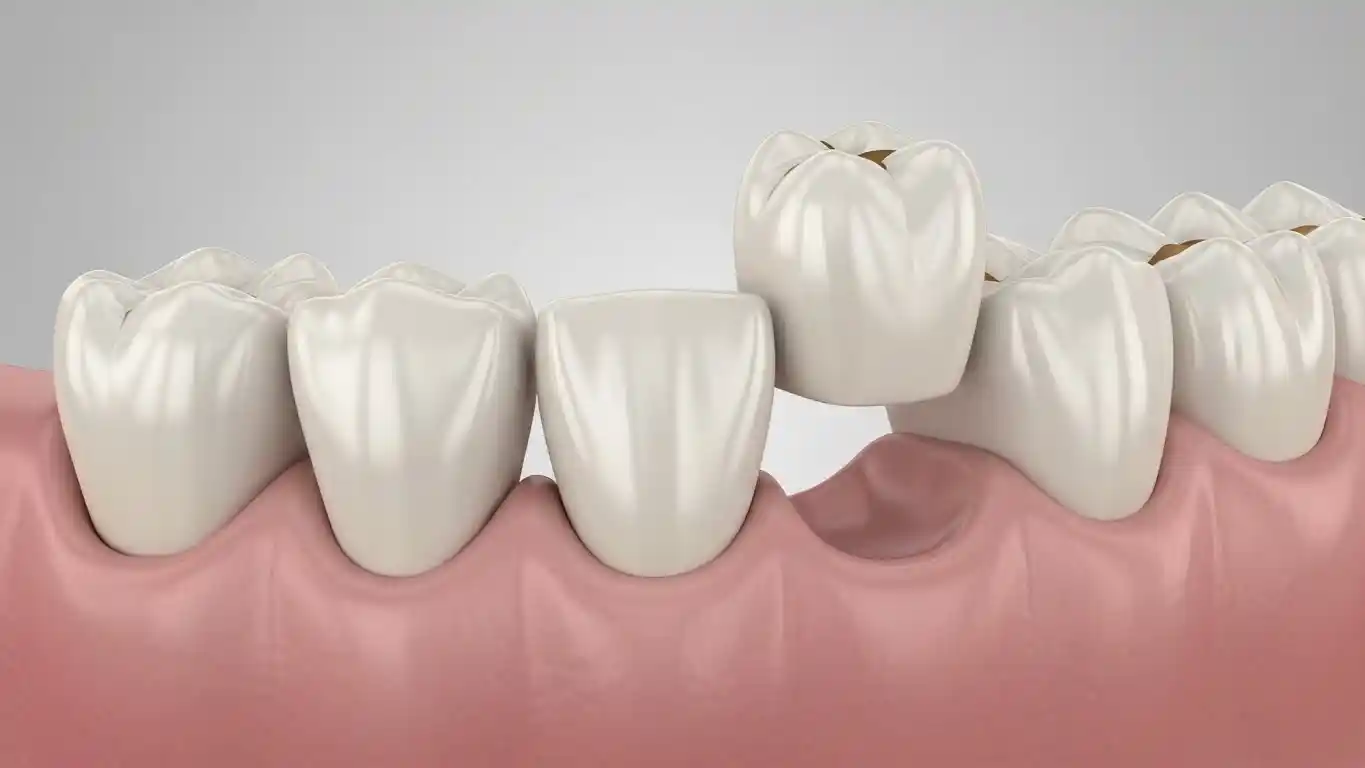
Once your permanent bridge is comfortably in place, your diet can be quite expansive. In fact, many people find they can eat better with a bridge than they could with a missing tooth, as the bridge provides a stable surface for grinding food.
Best Foods to Eat
During the first week with your permanent bridge, focus on foods that are nutritious but easy on the dental work:
- Cooked Vegetables: Steamed carrots, roasted squash, and mashed potatoes are excellent choices.
- Soft Proteins: Fish, eggs, beans, and well-cooked poultry are easier to chew than fibrous steaks.
- Grains: Pasta, rice, oatmeal, and soft bread are generally very safe.
- Dairy: Yogurt, cottage cheese, and soft cheeses provide calcium without risking the integrity of the bridge.
- Fruit: Bananas, peaches, and berries are ideal. You can also enjoy smoothies.
Returning to Normal Eating Habits
As you become accustomed to the bridge, you can begin eating most of the foods you enjoyed before tooth loss. You will likely find that you can chew on both sides of your mouth again, which improves digestion and prevents overworking the teeth on just one side.
The goal of a dental bridge is to restore your quality of life. Within a month, you should feel confident eating at restaurants or social gatherings without worrying about your bridge shifting or causing discomfort.
Foods to Avoid With a Fixed Dental Bridge
While bridges are durable, they are not indestructible. Certain foods can either break the porcelain or weaken the cement over time. Being mindful of these items will help your bridge last for a decade or longer.
Foods to Avoid Long-Term
Some foods pose a high risk of damage regardless of how long you have had your bridge:
- Ice Cubes: Chewing on ice is a leading cause of cracked dental work and natural teeth.
- Hard Candies: Biting down on “jawbreakers” or hard mints can put localized pressure on the bridge that leads to fractures.
- Extremely Sticky Foods: Taffy, caramel, and heavy gummy candies can create a suction effect that may gradually loosen the bridge’s seal.
- Unshelled Nuts and Seeds: Biting into a stray shell can cause an immediate chip in the ceramic coating.
Foods to Eat With Caution
You don’t necessarily have to ban these foods entirely, but you should change how you eat them:
- Raw Carrots and Apples: Instead of biting directly into a whole apple or a raw carrot with your bridge, slice them into smaller, bite-sized pieces.
- Crusty Breads: Hard baguettes or sourdough crusts can be tough. Try to tear them into smaller pieces rather than pulling at them with your teeth.
- Tough Meats: Jerky or very fibrous steak can be difficult to grind down. Ensure meat is tenderized or cut into small morsels.
Can You Eat Popcorn With a Fixed Bridge?
Popcorn is a “proceed with caution” food. The soft part of the popcorn is perfectly fine, but the unpopped kernels (old maids) and the thin hulls are problematic. A hull can easily get lodged under the pontic of the bridge, leading to gum irritation or even infection if not cleaned out promptly. If you do eat popcorn, do so carefully and floss thoroughly afterward.
How to Eat Comfortably With a Fixed Dental Bridge
Transitioning back to a full diet involves more than just choosing the right foods; it also involves how you use your mouth.
Chewing Tips
When you first get your bridge, you might subconsciously favor one side of your mouth. To eat comfortably:
- Distribute the Work: Try to chew on both sides of your mouth equally. This prevents excessive wear on the bridge and the natural teeth.
- Take Smaller Bites: This reduces the amount of force needed to break down food and prevents the bridge from being stressed.
- Slow Down: Eating slower allows you to feel if a piece of food is too hard before you apply full biting pressure.
Preventing Food From Getting Under the Bridge
One of the unique aspects of a bridge is the small space between the pontic (the fake tooth) and the gum tissue. While this space is designed to be minimal, tiny particles of food can sometimes get trapped.
To prevent discomfort, avoid “shredded” foods like pulled pork or very stringy celery that might easily get stuck. If you feel something trapped, do not use a toothpick or sharp object to dig it out, as this can damage the gum or the bridge. Instead, use a specialized cleaning tool designed for bridges.
How Food and Drinks Affect a Fixed Dental Bridge
Beyond the physical act of chewing, the chemical makeup of what you consume can impact the longevity and appearance of your dental work.
Drinks to Avoid
The bridge itself (if made of porcelain or ceramic) is highly resistant to staining, but the natural teeth holding it in place are not.
- Highly Acidic Drinks: Soda, sports drinks, and excessive citrus juices can erode the enamel of the anchor teeth. If the natural tooth underneath the crown develops decay, the entire bridge will fail.
- Sugary Beverages: Sugar fuels the bacteria that cause cavities at the margin where the bridge meets the gumline.
- Dark Liquids: While porcelain doesn’t stain easily, the cement at the edges can darken, and the surrounding natural teeth can discolor, making the bridge look mismatched over time.
Habits That Can Damage a Bridge
It isn’t just food that causes issues; oral habits related to eating and drinking play a role too. Using your teeth as tools—such as opening a bag of chips or a bottle cap—is strictly off-limits. Additionally, if you have a habit of biting your nails or chewing on pens, the repetitive stress can cause the porcelain on the bridge to chip or delaminate from the metal framework.
Fixed Dental Bridge vs Dental Crown
It is helpful to understand how a bridge differs from a single crown, especially regarding how they feel when you eat.
Key Differences
| Feature | Dental Crown | Fixed Dental Bridge |
| Purpose | Protects a single damaged tooth. | Fills a gap left by missing teeth. |
| Structure | A single “cap” over one tooth. | A series of connected crowns. |
| Cleaning | Floss like a normal tooth. | Requires specialized flossing underneath. |
| Stability | Very high; acts like a natural tooth. | High, but spans a gap. |
Which Is Better for Eating Comfortably?
Both options are excellent for restoring chewing function. However, because a bridge is a single unit spanning multiple teeth, it can sometimes feel slightly more “rigid” than individual crowns. For most patients, this difference is negligible once they are used to the sensation. The primary factor in eating comfort is the fit; a well-fitted bridge should feel as though it has always been there.
Dental Bridge Care Tips for Daily Eating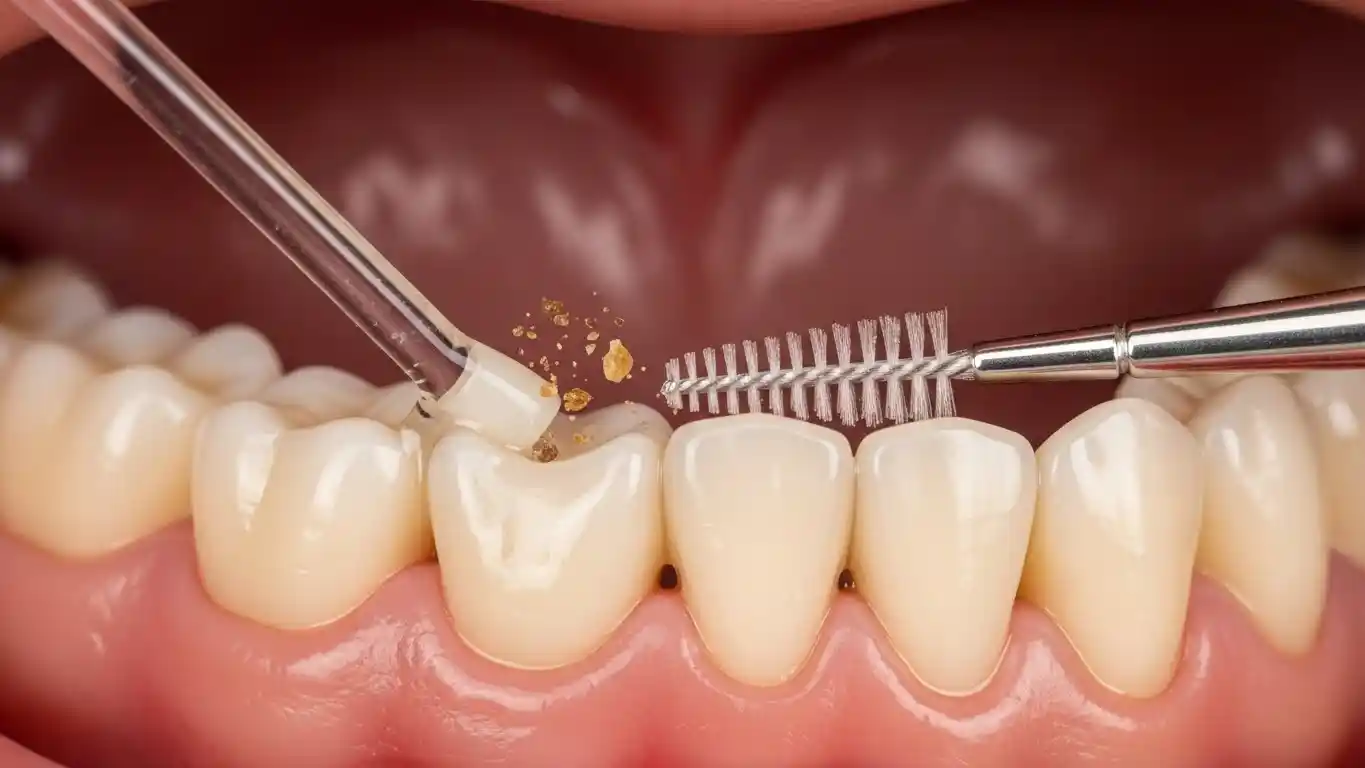
To ensure you can continue to eat normally for years to come, your post-meal routine is just as important as the meal itself.
Cleaning After Meals
Standard brushing and flossing are not enough for a bridge. Because the pontic sits above the gum, food particles and plaque can accumulate in the “tunnel” underneath.
- Rinse with Water: After eating, swish some water around your mouth to dislodge any loose debris.
- Use an Interdental Brush: These small, pine-tree-shaped brushes are perfect for sliding under the bridge to clear away plaque.
- Water Flossers: Many patients find that a water flosser is the easiest and most effective way to keep the area under a bridge clean after meals.
Maintaining Your Bridge for Long-Term Comfort
The most common reason bridges fail is decay in the anchor teeth. When you eat sugary foods, the bacteria produce acid that attacks the margin where the crown meets the tooth.
To maintain comfort, ensure you are brushing twice a day with fluoride toothpaste and visiting your dentist for regular checkups. During these visits, the dentist will check the “margins” of the bridge to ensure the seal is still intact. If the bridge feels loose or if you notice a strange taste or smell coming from the area, it may mean food is trapped or the cement has washed out, and you should seek professional attention immediately.
By following these simple guidelines, you can enjoy a wide variety of foods and maintain a healthy, functional smile. A fixed bridge is a robust solution to tooth loss, and with just a little extra care, it will allow you to eat with confidence and comfort.
Would you like me to help you develop a specific list of bridge-friendly recipes or a detailed cleaning guide for your new dental bridge?
Schedule Your Dental Bridge Consultation
If you’re considering a fixed dental bridge or want to make sure yours is allowing you to eat comfortably, expert guidance can make all the difference. A properly fitted bridge supports both your oral health and everyday comfort. If you’re in San Tan Valley, AZ, schedule a consultation with the experienced dental team at Santan Dentist to receive personalized care and confidence in every bite.
Conclusion
The honest truth about eating with a fixed dental bridge: you’ll adapt faster than you expect, the restrictions are fewer than you fear, and within a month, you’ll barely remember what eating was like before. Your bridge represents a significant investment. Treat it with basic respect (avoid genuinely risky foods, clean it properly, see your dentist regularly), and it’ll serve you well for a decade or more.
I’ve eaten everything from street tacos in Mexico City to omakase sushi in Tokyo with my bridge. The quality of my meals hasn’t diminished. My awareness during eating has increased, which honestly made me a more mindful eater. What’s your biggest concern about eating with your new bridge? Drop a comment below. I read every single one and respond to questions other readers would benefit from hearing answered.
Frequently Asked Questions
Can you eat steak with a fixed dental bridge?
Yes, absolutely. Cut your steak into small, bite-sized pieces and chew thoroughly on both sides of your mouth. I eat medium-rare ribeye regularly with no issues. The key is avoiding tearing motions—use your knife, not your teeth, to separate meat.
Will a fixed bridge feel weird when eating?
Yes, for about 2 weeks. Your tongue constantly explores the new surfaces and the pontic feels foreign. By week 3, your brain adapts and you stop noticing it. I occasionally forget I even have a bridge until I’m cleaning it. That adaptation process is completely normal.
What happens if food gets stuck under my bridge?
It feels annoying and can cause bad breath if left there. Use interdental brushes or a Waterpik to remove it promptly. Food sitting under your pontic for days creates gum inflammation and increases decay risk on adjacent teeth. Clean under your bridge after every meal.
Can I eat normally with a bridge on my front teeth?
Yes, with modifications. Front tooth bridges handle less force than molars. Avoid biting directly into hard foods—cut apples into slices, tear bread into pieces, and use your back teeth for the heavy chewing work. I’ve had a front tooth bridge since 2019 with zero eating limitations beyond these basic precautions.
Can I eat pizza with a fixed dental bridge?
Absolutely. I eat pizza regularly—thin crust, thick crust, New York style, all of it. The cheese isn’t sticky enough to pull on your bridge, and the crust isn’t hard enough to damage porcelain. Cut larger slices into manageable pieces, chew normally, and enjoy.