












Yes braces can fix uneven gums in certain cases. When the uneven gum line is caused by tooth position, improper eruption, or crowding, orthodontic treatment can gradually reposition the teeth and create a more balanced gum contour.
However, in San Tan Valley, AZ, braces have limitations. If uneven gums are caused by excess gum tissue, advanced gum recession, or differences in underlying bone structure, orthodontic treatment alone will not correct the issue. The key to choosing the right solution at a San Tan Valley, AZ dental clinic is an accurate diagnosis, because what appears to be a simple cosmetic concern can have multiple underlying causes, each requiring a different approach.
What Are Uneven Gums?
Uneven gums refer to a condition where the gum line does not follow a consistent, symmetrical pattern across your teeth. This imbalance can affect how your smile looks and, in some cases, may point to underlying dental or periodontal concerns.
What Does an Uneven Gum Line Look Like?
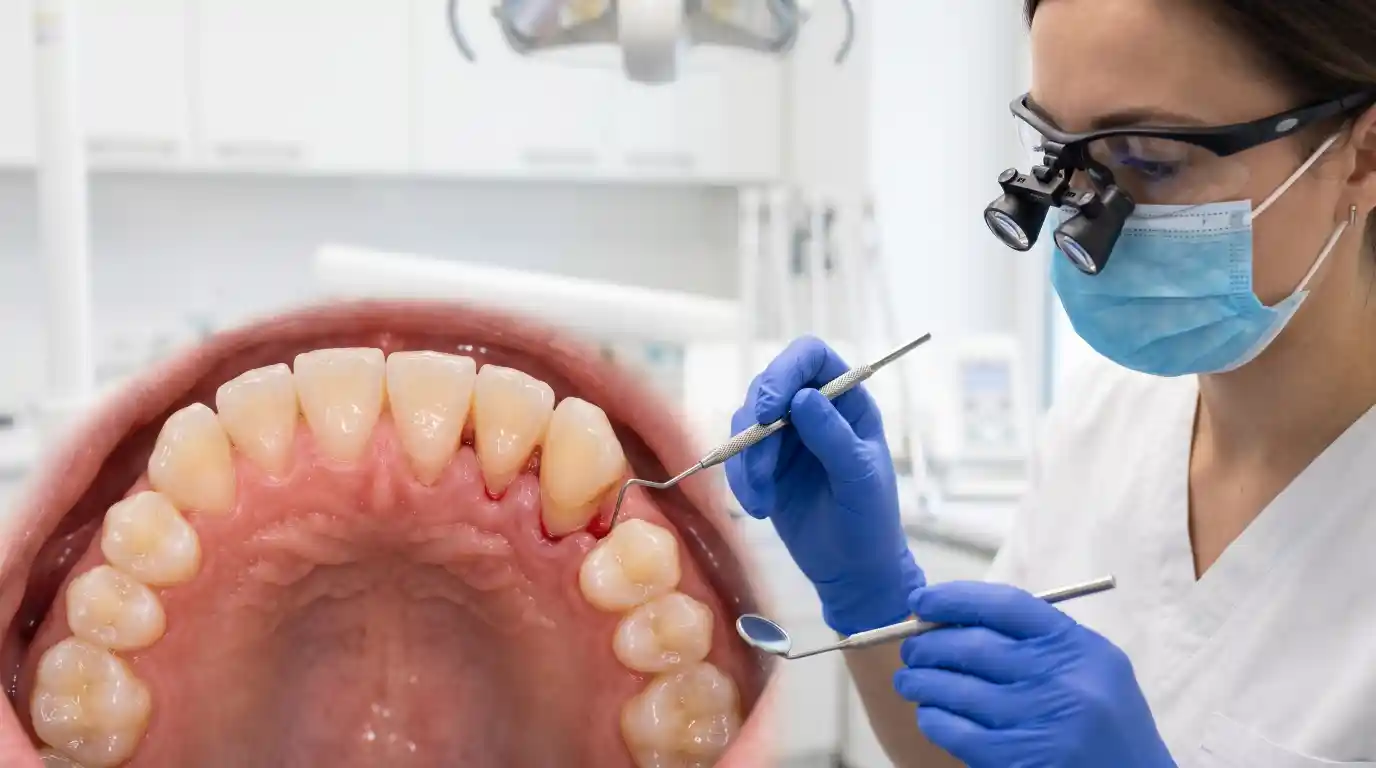
An uneven gum line occurs when the gum tissue sits at different heights across your teeth, making some teeth appear shorter or longer than others. Common signs include noticeable height differences between neighboring teeth, a smile that appears asymmetrical, patches of tooth surface that look unusually long or short, or a wavy rather than smooth gum contour. The severity can range from subtle variations to more pronounced differences, depending on the cause.
Is It Just Cosmetic or a Health Concern?
While an uneven gum line often affects appearance more than health, certain underlying issues may require attention. Cosmetic concerns, like a gummy smile, are generally harmless, but gum recession, overgrowth, or inflammation can expose sensitive roots, increase the risk of decay, and signal periodontal disease. A professional dental evaluation can determine whether the issue is purely aesthetic or requires treatment to protect oral health.
What Causes Uneven Gums?
An uneven gum line can result from a variety of factors, and understanding the cause is key to finding the right solution. It’s not always just about appearance; some issues may signal underlying dental health concerns, while others are purely cosmetic. Genetics, oral hygiene habits, and even past dental treatments can all influence how your gum line looks.
Tooth Position and Misalignment
One of the most common causes of an uneven gum line is the position of your teeth. Teeth that erupt too high or too low compared to their neighbors carry the gum tissue with them, creating noticeable height differences. Crowded, rotated, or overlapping teeth can also push surrounding gum tissue into irregular shapes, preventing a smooth, even arch.
Over-Eruption of Certain Teeth
Over-eruption occurs when a tooth moves vertically beyond its ideal position, often due to the absence of an opposing tooth. This can pull the surrounding gum and bone tissue downward, causing the tooth to appear longer and disrupting the uniformity of the gum line.
Gum Overgrowth (Gingival Enlargement)
Gingival enlargement happens when gum tissue grows beyond its normal boundaries, covering more of the tooth surface than intended. It can result from chronic inflammation due to plaque buildup or as a side effect of medications such as blood pressure drugs, anti-seizure medications, and immunosuppressants. In these cases, the excess tissue itself, rather than tooth position, creates the uneven appearance.
Gum Recession
Recession occurs when gum tissue pulls away from the tooth, exposing more of the root. It is commonly caused by periodontal disease, aggressive brushing, or naturally thin gums. Once gum tissue recedes, it does not naturally grow back, leaving teeth more vulnerable to sensitivity and decay.
Bone Structure Differences
The underlying bone determines where your gums sit. Uneven bone height from natural variation, past trauma, or bone loss due to periodontal disease can create an uneven gum line. Correcting this type of unevenness may require more advanced dental procedures beyond orthodontics or simple gum reshaping.
How Do Braces Affect the Gum Line?
Braces work by applying controlled, consistent pressure to gradually move teeth through the surrounding bone. Although braces don’t directly shift gum tissue, the gums and supporting bone respond to these movements, which can subtly alter the appearance of the gum line over time.
Specific tooth movements, such as intrusion (pushing a tooth deeper into the jaw) or extrusion (pulling a tooth outward), affect how much gum is visible. Orthodontists carefully control these adjustments to ensure both a functional bite and a more balanced, aesthetically pleasing gum line.
When Braces Can Fix Uneven Gums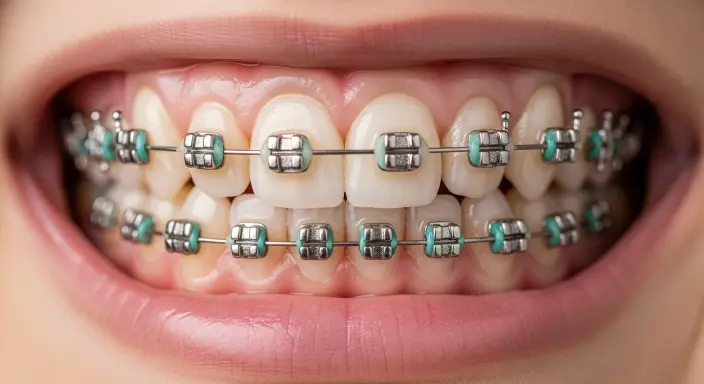
Braces are most effective for uneven gums caused by tooth position. They can level teeth that sit too high or low, reduce excess gum display, and straighten crowded or rotated teeth. As the teeth align, the gum tissue naturally reshapes along a smoother, more balanced line, and correcting bite issues can further improve the gum line.
Gum line improvements with braces take time and patience. Changes usually become noticeable several months into treatment as teeth gradually reach their ideal positions. Full results are visible once treatment is complete and the supporting bone has remodeled, which can take additional months after braces are removed. Although gradual, the results can be significant and long-lasting for those whose uneven gums are related to tooth alignment.
When Braces Cannot Fix Uneven Gums
Braces cannot fix uneven gums caused by excess tissue, such as a gummy smile or gingival enlargement. Moving the teeth does not reduce gum overgrowth, and in some cases, orthodontic movement can make it more noticeable. Similarly, advanced gum recession cannot be corrected with braces, and moving teeth without addressing recession first may worsen tissue loss.
Braces are also limited when the issue lies in bone structure or genetics. Significant differences in bone height or naturally asymmetrical gum patterns cannot be corrected with orthodontics alone. While braces can improve many alignment-related issues, they cannot change tissue or bone shape that isn’t linked to tooth position.
Do Braces Ever Make Uneven Gums Worse?
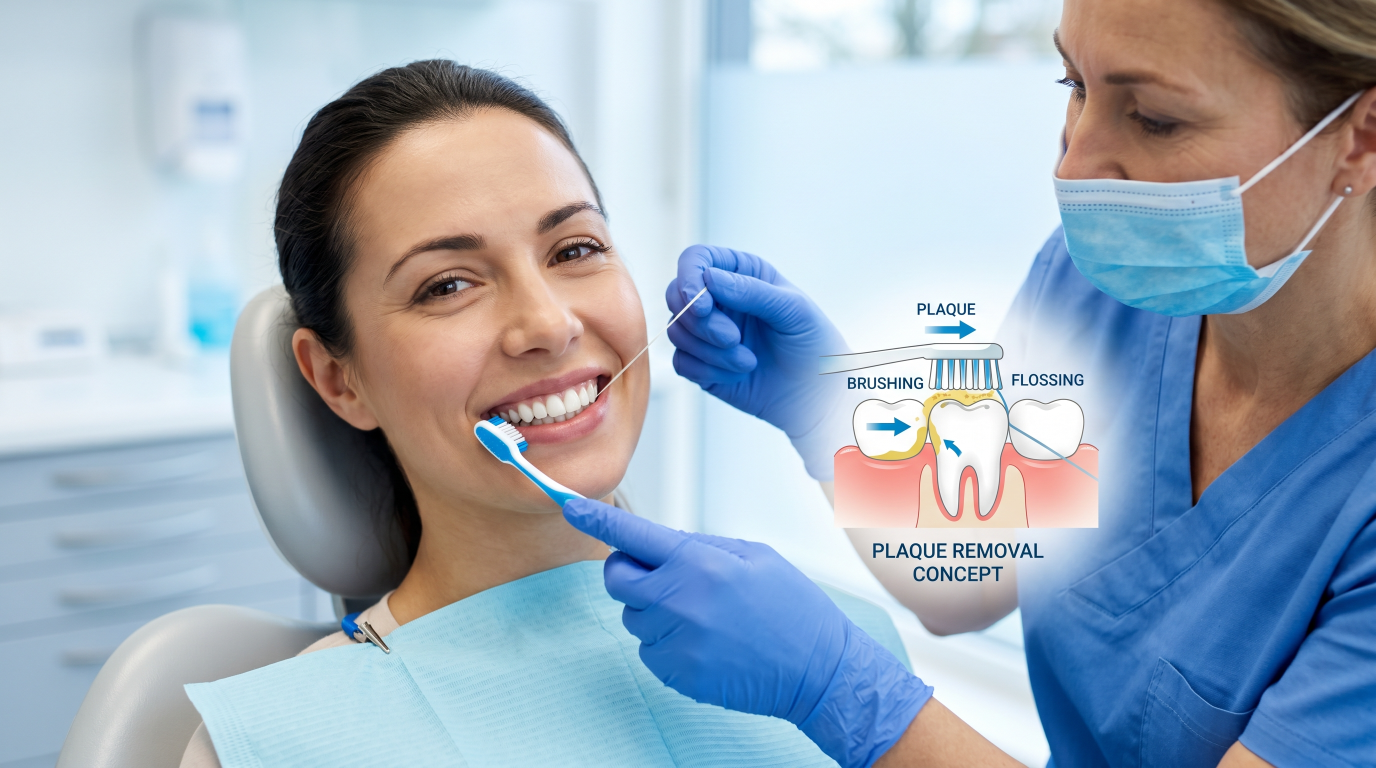
In some cases, braces can make uneven gums worse, especially if gum recession develops or worsens during treatment. Braces create additional surfaces where plaque can accumulate, and poor oral hygiene can lead to inflammation that causes gum tissue to recede. This is why thorough brushing, flossing, and regular dental care are essential throughout orthodontic treatment.
A periodontal evaluation before starting braces is recommended for anyone with signs of gum disease, thin gums, or existing recession. Treating these issues first and monitoring gum health during treatment allows your orthodontist to adjust tooth movement as needed, protecting both your gums and your final orthodontic results.
Braces vs. Clear Aligners for Uneven Gums
Both traditional braces and clear aligners like Invisalign can improve gum line symmetry by moving teeth, but they differ in precision, especially for vertical movements. Intrusion and extrusion are key for correcting gum levels, and braces provide more controlled, accurate adjustments through brackets and wires. For significant vertical repositioning, traditional braces often deliver the best results.
Clear aligners can handle mild to moderate vertical movements and are effective for simpler cases, but they may be less reliable for complex intrusion or precise gum line leveling. Choosing the right approach depends on the severity of the gum line discrepancy and the specific tooth movements needed.
When Is Additional Treatment Needed?
Sometimes, achieving the perfect smile requires more than one procedure. Factors such as gum health, bone structure, and the natural shape of your teeth can influence which treatments are necessary. Understanding the options and sequence of care helps ensure the best results while maintaining long-term oral health.
Laser Gum Contouring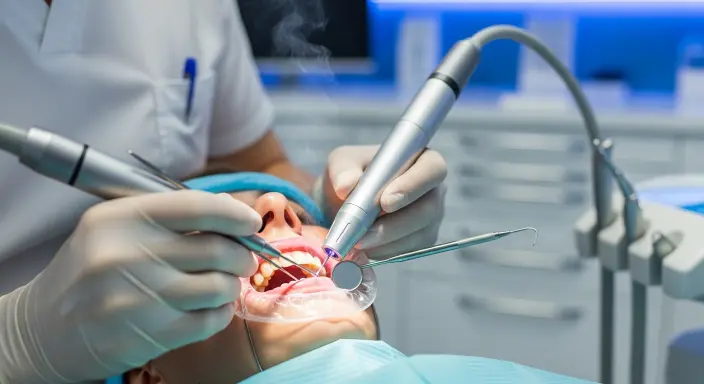
When excess gum tissue causes an uneven smile whether due to gingival enlargement or a naturally high gum line laser gum contouring is often the ideal solution. This procedure uses a precise dental laser to reshape and remove excess tissue, revealing more of the tooth surface and creating a balanced, harmonious gum line. It’s commonly performed after orthodontic treatment, allowing the dentist to contour the gums with the finished alignment of the teeth in mind.
Crown Lengthening
Crown lengthening addresses situations where uneven gum levels are influenced by the bone beneath the gum. In these cases, trimming gum tissue alone isn’t enough; the underlying bone must also be reshaped. This surgical procedure removes both gum tissue and bone to expose more of the tooth, creating a uniform foundation. While more involved than laser contouring, crown lengthening is essential when bone structure contributes to the uneven appearance.
Periodontal Treatment
Healthy gums are the foundation for any cosmetic or orthodontic work. If gum disease is present causing recession, inflammation, or bone loss periodontal treatment must come first. This may include deep cleaning procedures such as scaling and root planing, localized antibiotic therapy, or, in advanced cases, surgical intervention to restore damaged tissues. Stabilizing gum health ensures that any subsequent cosmetic or corrective procedures are safe and effective.
Veneers or Bonding
When gum levels cannot be fully corrected by other methods, cosmetic dentistry can help achieve visual balance. Dental veneers thin porcelain shells bonded to the front of teeth can adjust the perceived length and shape of teeth relative to the gums, improving the overall harmony of the smile. Composite bonding works similarly for smaller adjustments. While these are cosmetic rather than structural solutions, they are highly effective as part of a comprehensive smile makeover.
What Results Can You Expect?
The results you can expect depend on the cause of your uneven gum line and the treatments used. When gum asymmetry is due to tooth position, orthodontic treatment can create meaningful and lasting improvement. Minor discrepancies may resolve completely, while more pronounced unevenness can improve significantly, sometimes with a finishing procedure like laser contouring to perfect the gum line.
It’s important to have realistic expectations. Orthodontics works within the limits of your bone and tissue, and your orthodontist can help set achievable goals, often using digital imaging to show projected outcomes. Stability also matters, retainers are essential after braces to keep teeth in place while the supporting bone and gum tissue solidify. Skipping retainer use can allow teeth to shift back, potentially reducing the improvements to your gum line.
How Dentists Determine the Right Treatment
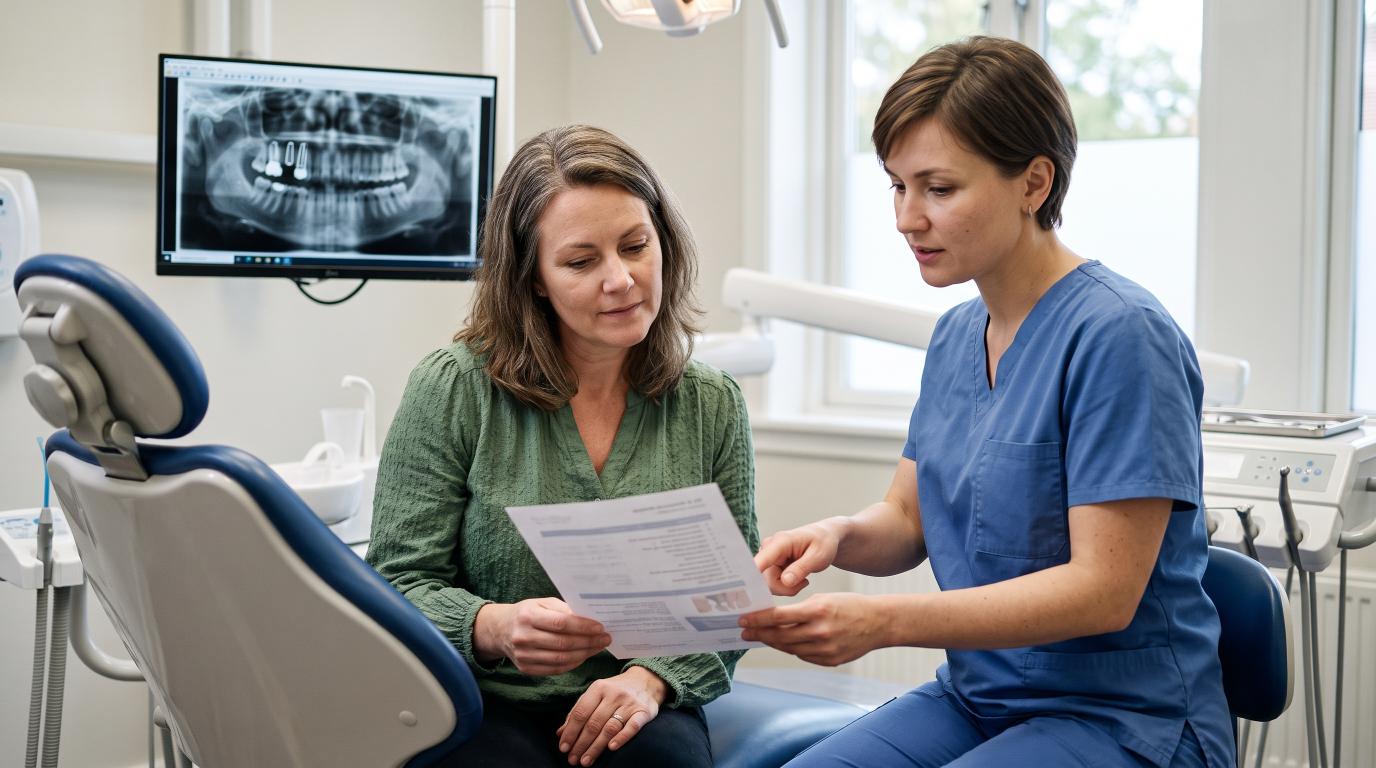
A thorough evaluation is the foundation of any treatment plan for uneven gums. Dentists or orthodontists begin with a detailed smile analysis, assessing tooth and gum proportions relative to the face, lips, and midline. This initial visual assessment identifies asymmetries and their severity, guiding the next steps in planning.
Precise measurements, such as the gum-to-tooth ratio, reveal which teeth show too much or too little gum. X-rays evaluate underlying bone levels to determine whether irregularities stem from tooth position, bone structure, or both. A periodontal exam checks for gum disease, recession, or compromised tissue that must be addressed first. Modern digital imaging and smile design software can simulate outcomes, helping both clinician and patient choose a realistic, coordinated, and effective treatment plan.
Transform Your Smile with Expert Care in San Tan Valley
Are you ready to achieve a healthier, more balanced smile? At San Tan Family Dentistry in San Tan Valley, AZ, our experienced team provides personalized care for uneven gums, orthodontic alignment, and cosmetic enhancements. Whether you need braces, laser gum contouring, crown lengthening, or veneers, we create treatment plans tailored to your unique smile goals. Schedule your consultation today and take the first step toward a confident, beautiful smile that looks as good as it feels. Don’t wait until your perfect smile starts!
Conclusion
Uneven gums can affect both the appearance and health of your smile, but many cases can be effectively addressed with the right combination of orthodontic and dental treatments. Braces are highly effective when tooth position is the main cause, while additional procedures like laser contouring, crown lengthening, or cosmetic veneers can perfect the results. A thorough evaluation by a dentist or orthodontist ensures that your treatment plan is tailored to your unique needs, giving you a balanced, healthy, and confident smile.
Frequently Asked Questions
Can braces completely fix an uneven gum line?
Braces can improve uneven gums when the cause is tooth position, crowding, or misalignment. However, if the issue is due to excess gum tissue, bone differences, or advanced recession, braces alone may not fully correct the appearance.
How long does it take to see gum line improvement with braces?
Visible changes in the gum line usually appear several months into treatment, as teeth gradually move into their ideal positions. Full results are seen after braces are removed and supporting bone and gum tissue have remodeled, which can take additional months.
Are additional procedures necessary for severe gum unevenness?
Yes. Treatments like laser gum contouring, crown lengthening, periodontal therapy, or cosmetic veneers may be needed to achieve a balanced and harmonious smile when braces alone aren’t enough.
Can braces make gum problems worse?
If oral hygiene is poor or gum recession exists before treatment, braces can sometimes exacerbate gum issues. A periodontal evaluation before starting braces is essential to protect gum health throughout orthodontic treatment.
Should I choose braces or clear aligners for uneven gums?
Traditional braces often offer more precise control for vertical tooth movements, which are critical for correcting gum levels. Clear aligners can handle mild to moderate corrections but may be less effective for complex vertical adjustments.