











An orthodontist is a dental specialist who diagnoses and treats crooked teeth, crowded teeth, and bite problems. But what does an orthodontist do beyond straightening teeth? They also evaluate how the upper and lower teeth fit together, plan corrections for poor alignment, and monitor tooth movement throughout treatment. At Ocotillo Trails Family Dentistry in San Tan Valley, AZ, patients can receive evaluations for tooth alignment concerns and explore treatment options such as braces and Invisalign. Understanding what orthodontists do, how their training differs from general dentists, and when specialist care is needed can help you make informed decisions about your oral health.
What does an orthodontist do?
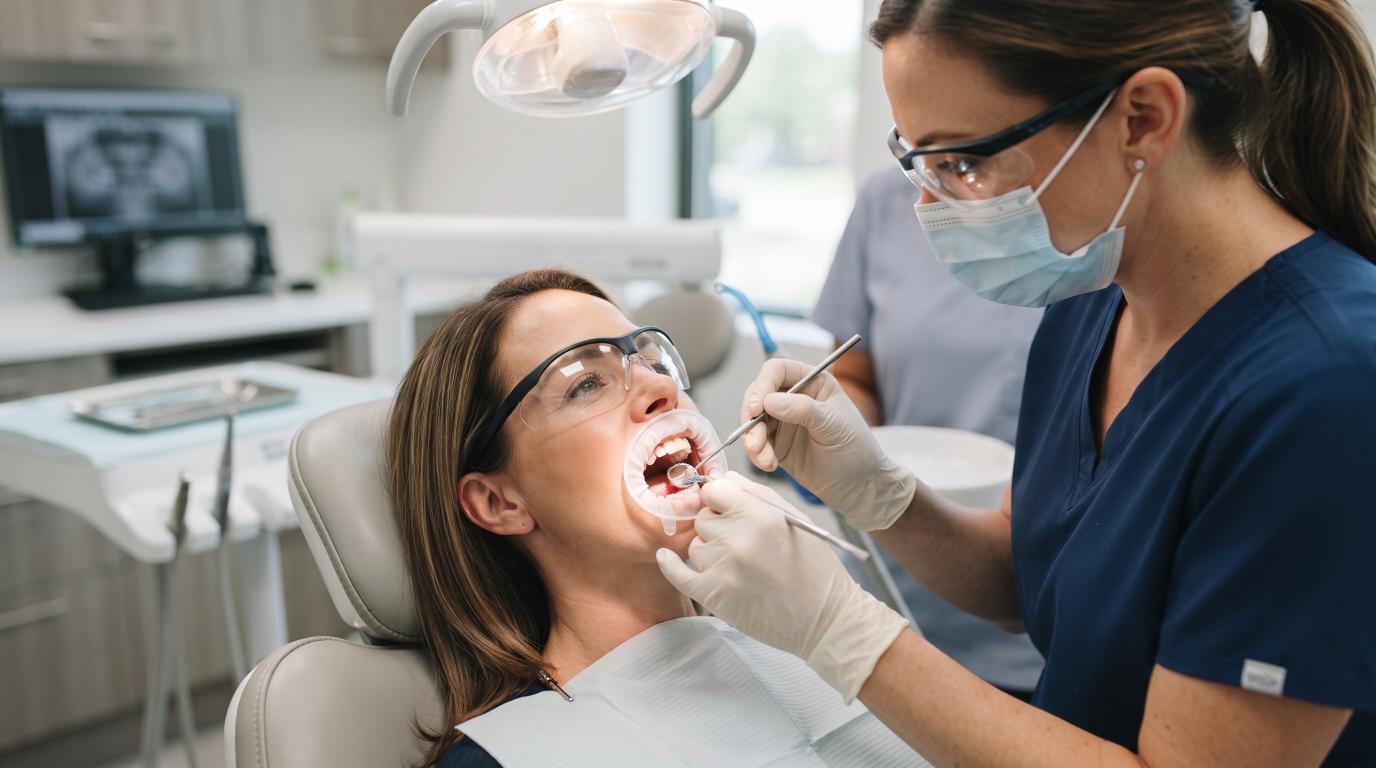
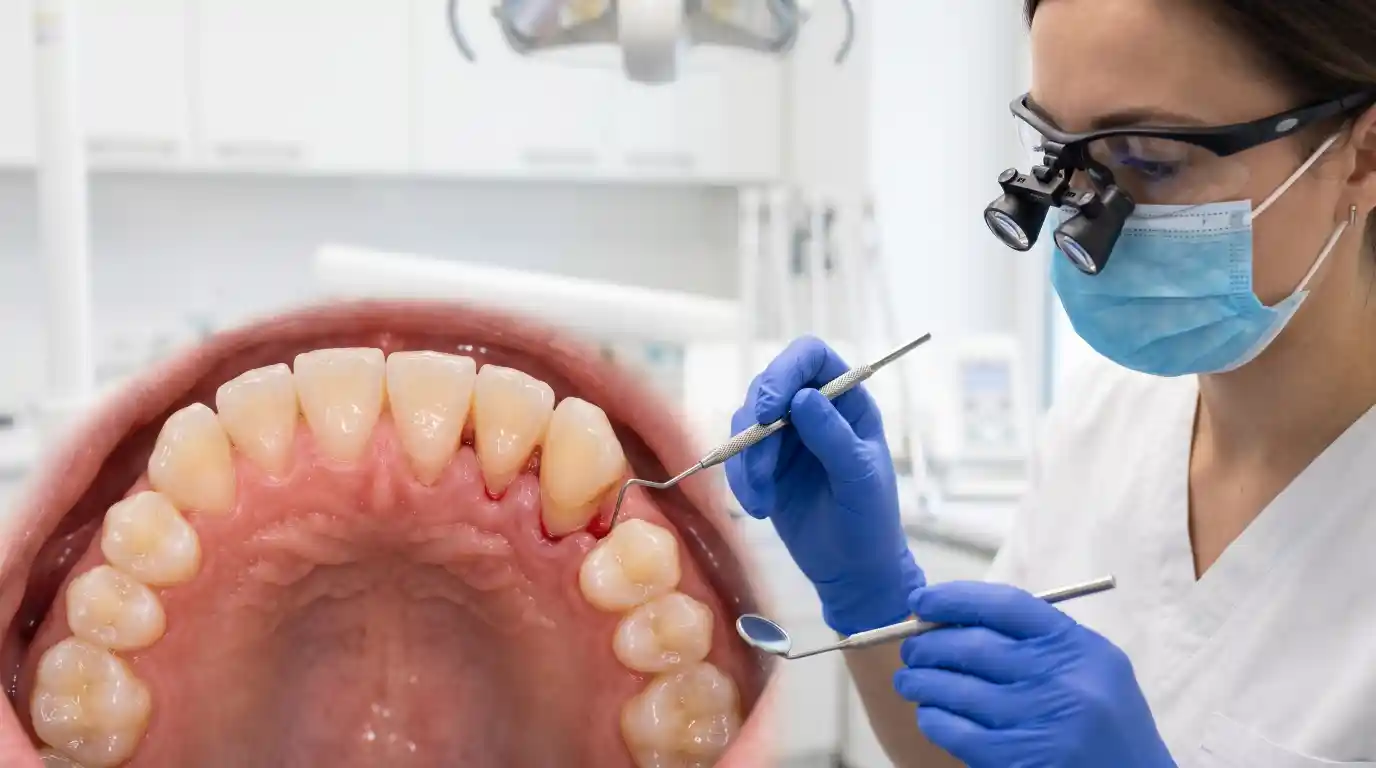
An orthodontist evaluates tooth alignment, diagnoses bite problems, and develops treatment plans to improve how teeth fit together. Their work involves more than changing the appearance of a smile. They also consider jaw development, the position of individual teeth, and how teeth function when biting or chewing.
During treatment, orthodontists guide tooth movement using controlled forces and monitor how the teeth respond. They make adjustments when necessary and check whether the planned changes are progressing safely. For growing children, they may also assess developing jaw relationships and decide whether early treatment or continued observation is appropriate.
Their goal is to achieve stable tooth alignment and a functional bite while protecting the health of the teeth and surrounding tissues.
Common orthodontics treatments
Orthodontics specializes in correcting the misalignments of teeth, and they offer a variety of treatments to this end. These treatments include the following:
- Braces: Braces doctors use traditional metal or ceramic brackets glued to the teeth and connected by wires that move teeth into position gradually.
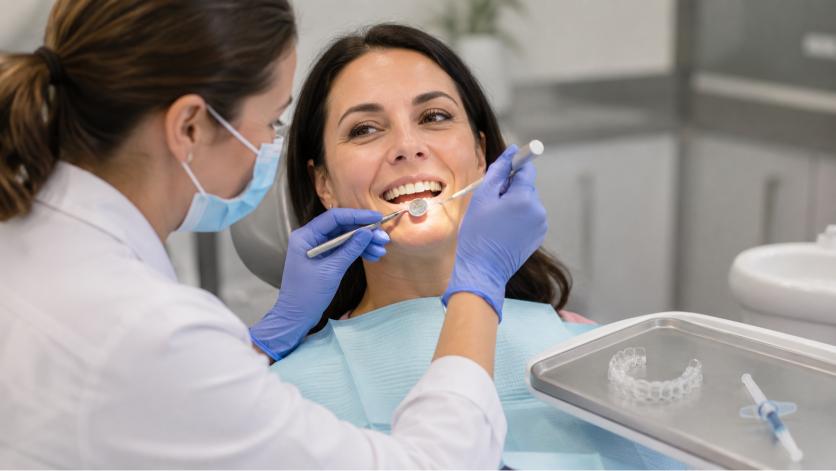
- Clear Aligners: Removable plastic trays, almost invisible that can straighten teeth gradually.
- Retainers: Custom-made appliances that hold teeth after the removal of braces.
- Expanders: Appliances that widen the upper jaw for alignment issues and to help create space for teeth.
Conditions treated by orthodontics
Orthodontics can help treat a variety of dental conditions, such as:
- Crowding: when one tooth overlaps another due to insufficient space.
- Overbite: When the upper teeth cover too much of the lower teeth.
- Underbite: When the lower teeth extend beyond the upper teeth.
- Spaces: When the spaces between the teeth are far too wide to be missed.
- Crossbite: When the upper teeth and lower teeth do not come together in such a way as to create proper bite alignment.
- Open Bite: The failure of the upper front teeth to occur with the lower front teeth in a biting motion.
What Is the Difference Between a Dentist and an Orthodontist?
A dentist provides general oral health care, while an orthodontist specializes in correcting tooth alignment and bite problems. Both professionals can provide certain orthodontic treatments, but their primary areas of care and specialized training differ.
|
Comparison |
General Dentist |
Orthodontist |
|
Main focus |
Overall teeth and gum health |
Teeth and jaw alignment |
|
Common treatments |
Cleanings, fillings, crowns, and preventive care |
Braces, clear aligners, and bite correction |
|
Orthodontic care |
Can offer certain treatments based on training and qualifications | Specializes in diagnosing and treating alignment problems |
| When to visit | Routine dental care, cavities, and gum concerns |
Crowded teeth, significant bite problems, or complex alignment issues |
Some general dentists provide braces and clear aligners, so visiting an orthodontist is not necessary for every alignment concern. However, complicated tooth movements or jaw problems may require specialist care. Your dentist can evaluate your bite and recommend the appropriate treatment or referral.
What Education and Training Does an Orthodontist Need?
An orthodontist must complete dental school followed by an accredited orthodontic residency, which typically takes another two to three years. This advanced education focuses on tooth movement, jaw development, and correcting complex bite problems.
During residency, orthodontists learn how to diagnose alignment problems, plan tooth movements, select suitable appliances, and monitor changes throughout treatment. They also study how facial growth and jaw relationships affect treatment decisions, particularly in children and teenagers.
According to the American Association of Orthodontists, dentists who provide braces or clear aligners are not automatically orthodontic specialists. Completing accredited specialty training is what qualifies a dentist to use the title of orthodontist.
When Should You See an Orthodontist?
Children should visit an orthodontist dentist by the age of seven. The early evaluation can indicate potential problems before they are embattled. But teeth orthodontists are not just for children, teenagers, and adults who can also benefit from dentists for braces or any type of orthodontics treatment.
Symptoms that can make it an indicate that you will need to see orthodontics are:
- Having problems chewing or biting.
- Jaw or facial pain or discomfort.
- Crowded teeth or poorly aligned teeth.
- Breathing through the mouth rather than the nose.
- Problems with speech are associated with misaligned teeth.

What Are the Benefits of Orthodontic Treatment?
Orthodontic treatment can improve tooth alignment, biting function, and smile appearance. The benefits depend on the original problem and how successfully it can be corrected. Not every patient will experience the same changes.
Easier oral hygiene: Overlapping or severely crowded teeth can be difficult to brush and floss thoroughly. Improving their positions may make daily cleaning easier, although regular oral hygiene remains essential.
Better chewing function: Correcting certain bite problems can help the upper and lower teeth make more effective contact when biting food.
Reduced uneven tooth wear: Some misaligned bites place excessive forces on particular teeth. Appropriate correction may help distribute biting forces more evenly.
Improved smile appearance: Moving crooked or spaced teeth into better positions can create a more balanced smile without changing the natural tooth structure.
Improved comfort in specific cases: Correcting an abnormal bite may reduce tooth interference or discomfort associated with certain alignment problems. However, orthodontic treatment is not a guaranteed solution for jaw pain or temporomandibular joint disorders.
A proper assessment helps establish which improvements are realistic for an individual patient.
What to expect during your first visit
The day of your first visit to orthodontics will be easy and informative. The orthodontics inspect your mouth, call forth any of your concerns, and propose what could be done to fix them.
Initial Consultation Process
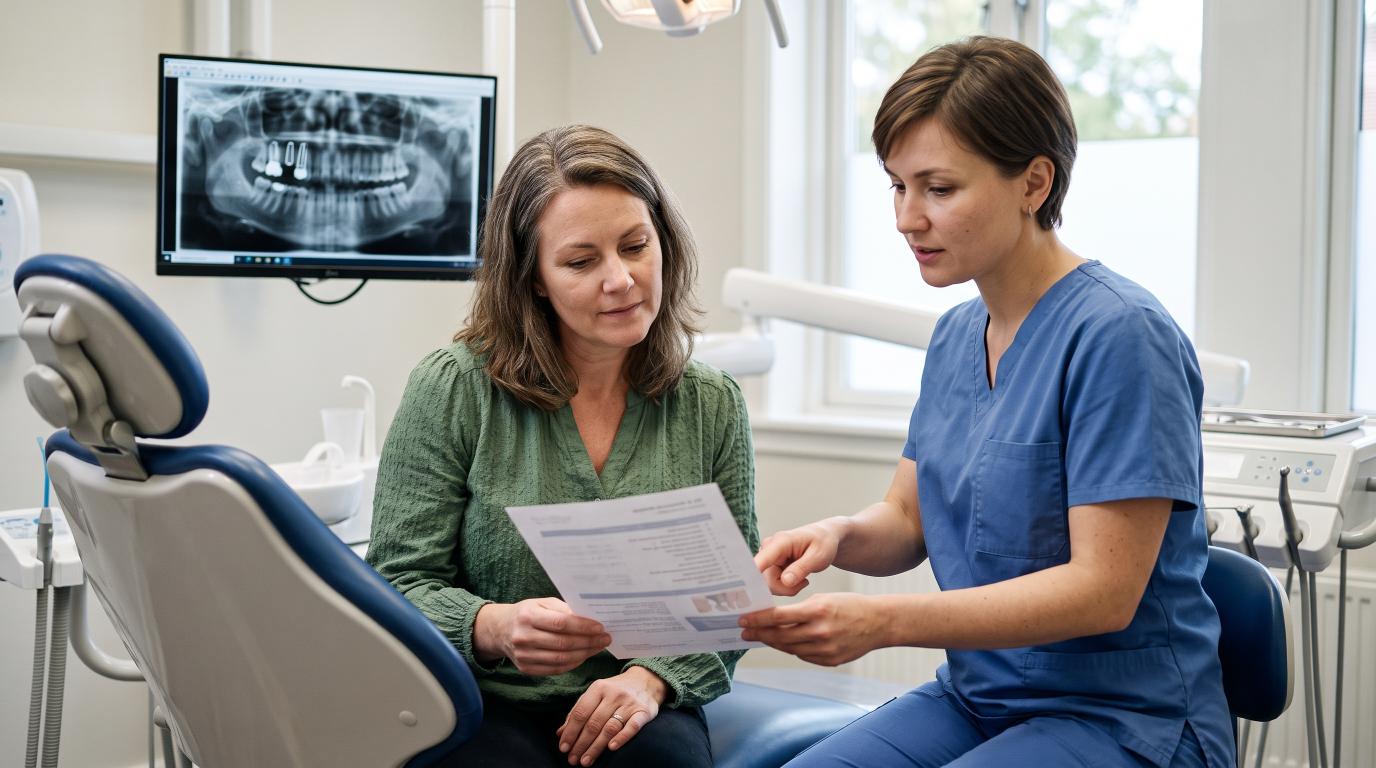
A careful assessment of teeth, bite, and jaw alignment. The dentist may want to discuss your dental history and answer any questions that you may have for them. A description of treatment options possible along with their cost.
Diagnostic tests
- X-rays are capable of showing you clear images regarding your teeth and jaw alignments.
- 3D scans help in creating a digital mouth model that enhances treatment planning.
- Clinical impressions involve molding teeth so that braces and aligners can be custom-designed for specific individual mouths.
Treatment Plan Discussion
After the diagnostic tests, the orthodontist will discuss the best treatment options. They will explain how long each treatment will take, its cost, and what care is required.
Discuss Orthodontic Care With Ocotillo Trails Family Dentistry
Crooked teeth, crowding, and bite problems are worth evaluating before deciding on treatment. At Ocotillo Trails Family Dentistry in San Tan Valley, AZ, our dental team can assess your tooth alignment, examine your bite, and explain whether braces or Invisalign may be suitable for your needs.
We can also discuss whether your condition requires evaluation by an orthodontic specialist. Whether you are concerned about your own teeth or your teenager’s developing smile, getting a professional assessment can help clarify the available options. Contact Ocotillo Trails Family Dentistry to schedule your dental consultation.
Conclusion
Orthodontists specialize in diagnosing and correcting problems involving tooth alignment and bite relationships. Their advanced training allows them to manage cases that range from simple crowding to complex dental and jaw alignment concerns.
The appropriate treatment depends on the cause of the problem, the patient’s oral health, and the changes that need to be made. Understanding the specialist’s role and the treatment process helps patients make informed decisions without assuming that every crooked tooth or bite concern requires the same approach.
Frequently Asked Questions
How Long Does Orthodontic Treatment Usually Take?
Orthodontic treatment often lasts several months to a few years. The timeline depends on the severity of the alignment problem, the appliance used, and how the teeth respond. Your provider can give a more specific estimate after an examination.
Does Orthodontic Treatment Hurt?
Braces and aligners can cause temporary pressure or tenderness when treatment begins or adjustments are made. Mild discomfort often improves within a few days. Severe or persistent pain should be checked by your dental provider.
Do You Need a Referral to See an Orthodontist?
You generally do not need a dentist’s referral to schedule an orthodontic consultation. However, some insurance plans may have specific requirements. A general dentist can also help identify when specialist care is appropriate.
Do Orthodontists Remove Teeth Before Braces?
Sometimes tooth extraction is recommended when there is significant crowding or another specific treatment need. It is not required for every patient. The decision should follow a complete examination and careful evaluation of alternatives.
How Do You Keep Your Teeth Healthy While Wearing Braces?
Brush carefully around brackets and wires with fluoride toothpaste and clean between your teeth every day. Avoid foods that could damage your appliances. Continue routine dental checkups and professional cleanings throughout treatment.